
Galgibaga Beach
Beach near Galjibag, Goa
1.5 km from Galjibag
The nearest town, for stays, food and fuel.
Galgibaga Beach is an expansive, tranquil coastal stretch situated in the Canacona region of South Goa. Renowned as a key protected nesting ground for Olive Ridley sea turtles, the beach attracts travellers seeking quiet shores, pine groves, and untamed nature. Flanked by the Arabian Sea on one side and the Galgibaga River estuary on the other, it offers an undisturbed coastal environment.
Getting there
By road
- From GaljibagNearest town8 min · 4.8 km
- From Mangaluru5 hr 40 min · 288 km
Typical drive times without traffic. Stations and airports from OLA Maps; distances and typical drive times from OpenStreetMap (© OpenStreetMap contributors); notes from creators' Reels.
About Galgibaga Beach
Written with AI from map data and general knowledge. Check prices and timings locally before you go.
The Landscape of Galgibaga Beach
Galgibaga Beach lies in the southernmost region of Goa, nestled between the Talpona coastline to the north and rocky coastal headlands to the south. Unlike many popular shores across the state, this beach has remained largely untouched by heavy commercial infrastructure. The beach features a wide strip of pale golden sand bordered by a thick canopy of casuarina and pine trees that shield the coast from the village roads behind it.
The northern end of the beach forms an open estuary where the freshwater Galgibaga River empties into the Arabian Sea. This river mouth creates an expansive tidal ecosystem characterized by brackish waters, sand bars, and mangrove patches. The natural openness, lack of concrete development, and gentle sea breezes make the beach one of the most serene coastal environments in South Goa.
Olive Ridley Turtle Conservation
Galgibaga is widely recognized for its ecological significance as a vital nesting site for Olive Ridley sea turtles. Along with a few designated beaches in Goa, Galgibaga receives special environmental protection from the state forest department to ensure that the breeding patterns of these marine reptiles remain undisturbed.
During the winter nesting period, female turtles arrive on the shore under the cover of darkness during high tide to lay their eggs in the soft sand. Forest department staff and conservation volunteers monitor the beach continuously, fencing off active nesting zones or relocating vulnerable clutches to managed hatcheries to protect them from predators and accidental disturbance. Travellers visiting during this time are required to keep a respectful distance from marked enclosures, refrain from using bright lights or flash photography at night, and avoid causing noise or disruption along the coastline.
Read more
Things to Do at Galgibaga Beach
Activities at Galgibaga Beach center around nature appreciation, relaxation, and peaceful coastal exploration rather than fast-paced leisure. The vast, uninterrupted length of the shore makes it a wonderful setting for morning and evening walks. Strolling toward the river estuary provides expansive views of the confluence where river currents meet the ocean tides.
The beach and surrounding backwaters also present rewarding opportunities for birdwatching. Shorebirds, kingfishers, brahminy kites, white-bellied sea eagles, and egrets are frequently spotted skimming over the waters or perching among the shoreline pine trees. In the late afternoon, the beach provides an unobstructed vantage point for watching the sunset over the Arabian Sea, with clear skies and very little light pollution.
Swimming should be undertaken with great caution. The ocean currents around Galgibaga can produce strong undertows and sudden changes in water depth depending on the tide. Visitors should be mindful of water conditions and stay close to the shore, avoiding the water when tides are rough or when advisory flags are posted.
Best Time to Visit Galgibaga Beach
The ideal time to visit Galgibaga Beach is between November and March. During this period, South Goa experiences mild, dry weather characterized by clear blue skies, pleasant daytime warmth, and cool evening sea breezes. This window also coincides with the Olive Ridley nesting season, offering a glimpse into the regional conservation efforts underway on the sand.
By April and May, temperatures and humidity rise considerably along the Goan coast. Visiting during the pre-monsoon summer is still feasible, but outdoor excursions are best planned in the early mornings or late afternoons to avoid the midday heat.
The monsoon season runs from June through October, bringing intense rainfall, strong oceanic winds, and high surf. The landscape turns deep green during this period, but swimming is not safe, and sea conditions are turbulent. For travellers who appreciate quiet nature and post-rain greenery, October can be an appealing transitional month as the weather begins to settle.
How to Reach Galgibaga Beach
Galgibaga Beach is located in the Canacona taluka of South Goa. Canacona town acts as the primary hub for transit into the area. Travellers using rail transport can disembark at Canacona railway station for regional trains, while the larger Madgaon Junction railway station offers broad rail connectivity from major Indian cities.
From Madgaon, the drive south follows the national highway before transitioning into narrower, scenic village roads that wind past rivers and coastal hamlets. The road journey takes approximately an hour to an hour and a half depending on local traffic. Rental cars, two-wheelers, and local taxis are the most common transport modes for visiting the area. Local buses also connect Canacona to the surrounding villages, from where the shore is accessible by a short walk or auto-rickshaw ride.
For those travelling by air, Dabolim Airport is the more convenient entry point in Goa for reaching the southern talukas, while Manohar International Airport at Mopa is situated farther away in the extreme north of the state.
Tips for Your Visit
Because Galgibaga Beach is an ecologically sensitive wildlife zone, visitors should practice mindful travel habits. Carry any litter, food packaging, and plastic waste back with you, as leaving trash on the beach can harm coastal wildlife and nesting turtles. Campfires, driving vehicles on the sand, and playing loud music are strictly disallowed.
Avoid using strong torches or smartphone lights on the beach after sunset during the winter months, as artificial illumination can disorient adult turtles and newly hatched young heading out toward the sea.
Facilities directly on the sand are scarce by design. There are very few stalls on the beach, so remember to carry adequate drinking water, sunscreen, and a hat for shade. Wearing comfortable footwear and clothing suitable for long beach walks will make your trip more enjoyable.
Where to Stay near Galgibaga Beach
To protect the turtle habitat, commercial accommodations and beachfront resorts are not permitted right on the sands of Galgibaga Beach. This regulation helps preserve the serene character of the area for both wildlife and travellers looking to escape busy tourist districts.
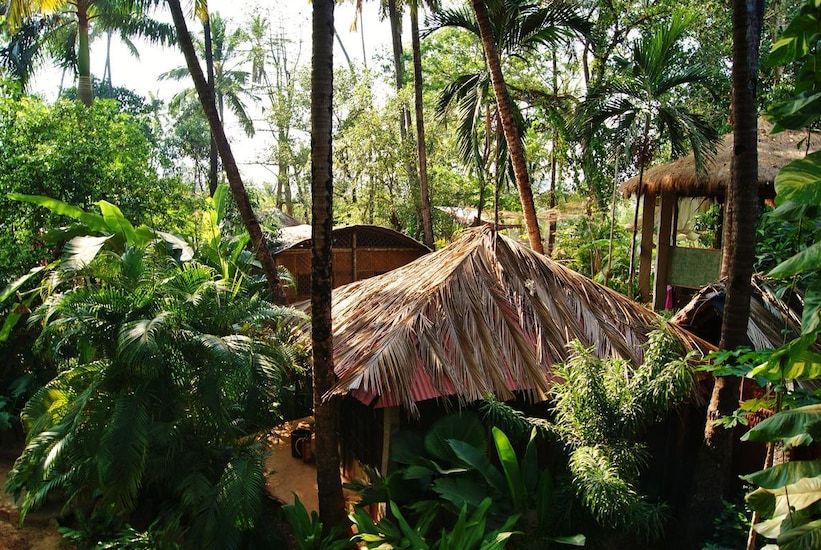
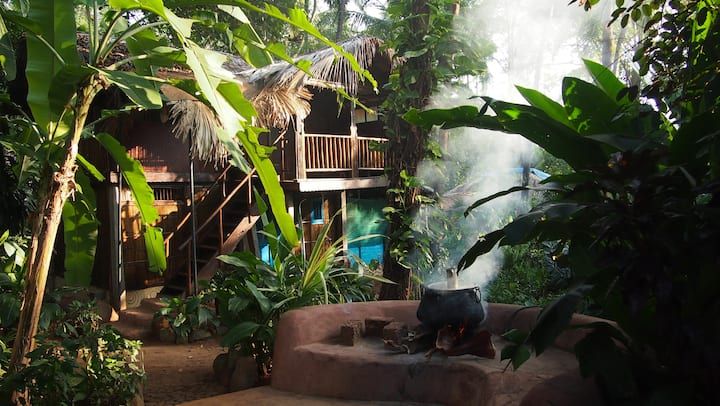
Accommodation is instead clustered in nearby residential hamlets, along the tranquil riverbanks, and in the neighboring settlement of Canacona. Visitors can choose from family-run homestays, private villas, nature retreats, and eco-friendly cottages located a short drive or walk from the shore. Travellers can find and book a range of stays and experiential outdoor options in the Canacona region through HireACamp.
Frequently asked questions
Why is Galgibaga Beach famous?
Galgibaga Beach is famous as one of the primary protected nesting sites for Olive Ridley sea turtles in South Goa, as well as for its quiet, undeveloped shores and casuarina pine tree cover.
Can visitors swim at Galgibaga Beach?
Swimming is possible in the winter months when waters are calmer, but visitors must remain cautious due to strong undertows and deep troughs along the shoreline.
Are there water sports or beach shacks at Galgibaga?
No, commercial beach shacks and motorized water sports are not allowed at Galgibaga Beach to prevent noise and pollution from disturbing the turtle nesting habitat.
When do Olive Ridley turtles nest at Galgibaga Beach?
The nesting season typically runs from November to March, when female turtles emerge onto the shore at night to lay eggs.
How far is Galgibaga Beach from Canacona?
Galgibaga Beach is located just a few kilometres south of Canacona town and can be reached in a brief drive by car, scooter, or local taxi.
Where you'll be
Canacona · 2 stays nearby shown with prices
Stays near Galgibaga Beach
Book a place to stay close by
More places near Galgibaga Beach
Within 20 km
Built from 0 Instagram posts by 0 creators. Every tip links back to the post it came from, and where creators disagree we show both sides.






