
Galjibag
Destination in Goa
Galjibag is a serene coastal village in the Canacona region of South Goa, nestled between the Arabian Sea and the meandering Galgibag River. Renowned across the state as a protected nesting ground for Olive Ridley sea turtles, it offers a stark, tranquil contrast to the bustling party towns of the north. Travellers visit Galjibag to experience its uncrowded golden shoreline, peaceful village atmosphere, and pristine coastal ecosystems.
Getting there
By road
- From Mangaluru5 hr 50 min · 291 km
- From Pune10 hr 15 min · 503 km
Typical drive times without traffic. Stations and airports from OLA Maps; distances and typical drive times from OpenStreetMap (© OpenStreetMap contributors); notes from creators' Reels.
About Galjibag
Written with AI from map data and general knowledge. Check prices and timings locally before you go.
What Galjibag is known for
Galjibag is widely celebrated as one of the few designated nesting sanctuaries for endangered Olive Ridley sea turtles in Goa. Together with Morjim in the north and Agonda in the south, the forest department maintains active conservation zones along its shore during the winter breeding season. Because of its ecological importance, commercial tourism activities, loud beach shacks, and artificial nighttime lighting are strictly regulated here, allowing nature to take center stage.
Beyond turtle conservation, Galjibag represents an older, slower pace of Goan life. The village is hemmed in by dense groves of casuarina trees and coconut palms, with traditional Goan-Portuguese style houses scattered among leafy backlanes. The mouth of the Galgibag River forms a scenic estuary at the southern end of the beach, creating a rich coastal habitat for shorebirds, mudflats, and undisturbed marine flora.
Things to do in Galjibag
The primary appeal of Galjibag is its simplicity, making it ideal for contemplative walks, reading, and soaking in unspoiled coastal scenery. Walking along the long, wide stretch of sandy beach offers uninterrupted ocean views and an unhurried rhythm rarely found in more commercialised areas. Early mornings are especially rewarding for observing wading birds along the riverbank and watching local fishermen haul in their nets.
The estuary where the Galgibag River meets the sea is worth dedicated exploration. It provides a sheltered, picturesque setting where tidal waters fill shallow lagoons, creating excellent conditions for quiet photography and gentle nature walks. Visitors often spend afternoons resting in the dappled shade of the tall casuarina belt running parallel to the shore, enjoying cool sea breezes away from the midday sun.
Taking time to stroll through the village itself offers insight into coastal Goan traditions. Narrow country roads wind past small chapels, sleepy village squares, and fertile home gardens. Because the village remains committed to low-impact living, visitors are encouraged to respect local peace and maintain the pristine state of the shoreline by carrying all waste back with them.
Read more
Exploring the surrounding Canacona coast
Galjibag is positioned within easy reach of several distinctive coastal areas in Canacona. Just across the estuary to the north lies Talpona Beach, another exceptionally quiet haven situated at the mouth of the Talpona River. It shares Galjibag's unhurried charm and small-boat fishing heritage, making it a natural counterpart for a gentle afternoon drive.
For those looking for a lively contrast, the popular crescent bays of Patnem and Palolem lie slightly further north. These beaches feature diverse coastal cafes, yoga centres, and boat excursions out to spot coastal dolphins. Exploring the surrounding countryside reveals scenic river crossings, such as the historic wooden bridge over the Talpona River at Sadolxem, which connects sleepy coastal hamlets through evocative waterways.
Getaways into the Western Ghats and Karnataka border
Because Galjibag sits in the southernmost pocket of Goa, it serves as a convenient springboard for day trips into the dense forests of the Western Ghats and the neighbouring state of Karnataka. Moving inland towards the foothills brings travellers close to the wildlife corridors of Cotigao and the expansive wilderness of the Anshi Wildlife Sanctuary, an integral part of the Kali Tiger Reserve known for its dense evergreen canopy and diverse birdlife.
A scenic drive eastward across the state boundary leads to natural attractions such as Anashi Water Falls and the Kadra Butterfly Park, where nature enthusiasts can observe seasonal butterflies amidst rainforest foliage. Travellers heading down into the coastal district of Uttara Kannada can explore the quiet shores of Belekeri Beach or visit regional heritage sites such as the Shri Katyayani Baneshwar Temple, combining coastal exploration with cultural history in a single excursion.
Best time to visit Galjibag
The optimal time to visit Galjibag is between November and March. During these winter months, the weather is consistently dry and clear, with pleasant daytime temperatures and cool, breezy evenings. This period also coincides with the Olive Ridley turtle nesting season, which typically picks up in December and continues into early spring. Travellers during this window have the best chance of learning about local conservation efforts firsthand.
The summer months from April to May become hot and humid, leading into the heavy south-west monsoon from June through September. During the monsoon, the sea is rough and unsuitable for wading, but the landscape transforms into an intense green carpet, with swollen rivers and mist-draped hills. While outdoor coastal wandering is limited during the rains, it appeals to visitors seeking total solitude and dramatic tropical weather.
How to reach Galjibag
Galjibag is accessible by road, rail, and air. The nearest railway station is Canacona, situated approximately ten to twelve kilometres to the north, which accommodates regional passenger and select express trains. For broad connections across India, Madgaon Junction in Margao serves as the major railway terminus, located roughly forty-five kilometres away.
By air, travellers can arrive via Dabolim Airport in central Goa or Manohar International Airport at Mopa in the far north. Dabolim Airport is considerably closer, requiring a road journey of around an hour and a half to two hours depending on local traffic. From the airports or railway stations, visitors can hire local taxis or rent private vehicles to reach Galjibag via National Highway 66, which winds south through the scenic hills of Canacona before turning off towards the coast.
Where to stay in Galjibag
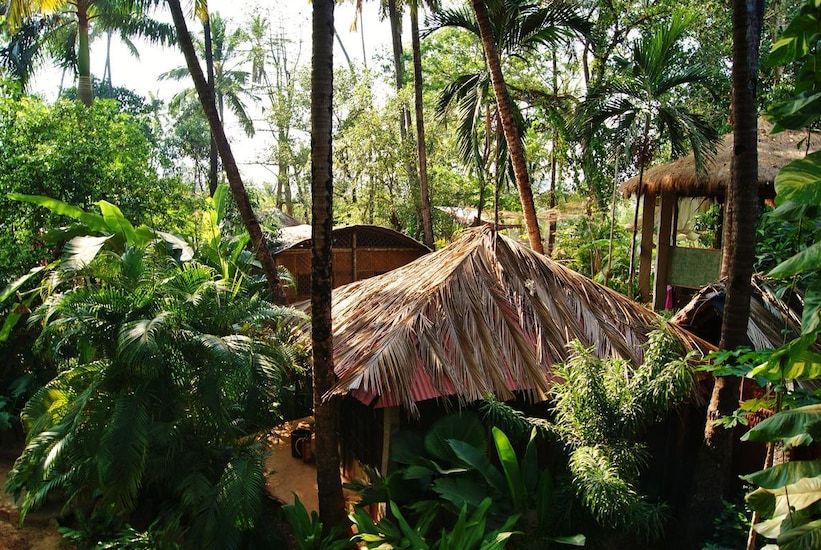
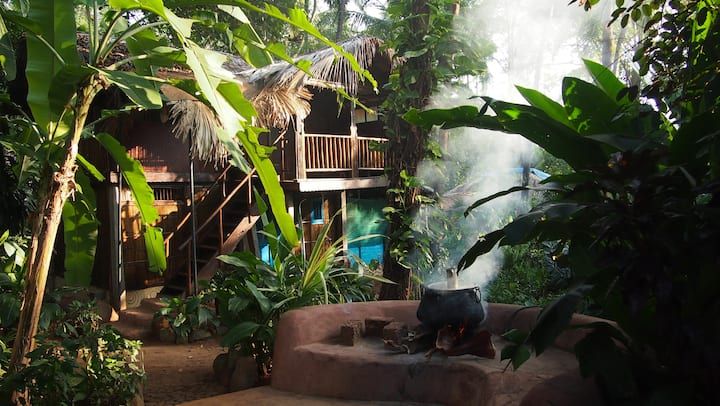
To preserve the fragile nesting habitat of the sea turtles, large-scale commercial hotels and sprawling resorts are absent directly on Galjibag's beachfront. Accommodation in the immediate area leans heavily towards conscious, low-impact hospitality, including tranquil village homestays, eco-friendly cottages, and rustic private rentals.
Staying within the village allows visitors to experience authentic Goan warmth, home-cooked regional food, and immediate access to nature. For a variety of sustainable stays, riverside cottages, and outdoor accommodation options in and around Galjibag, travellers can explore the curated listings available on HireACamp.
Frequently asked questions
Why is Galjibag Beach famous?
Galjibag Beach is renowned as one of Goa's primary protected nesting sites for Olive Ridley sea turtles. Its protected status ensures the shoreline remains peaceful, natural, and free from heavy commercial tourism.
Can you swim at Galjibag Beach?
Swimming should be approached with caution as the beach is exposed to strong open ocean swells and tidal undercurrents, especially near the river mouth. Travellers are advised to consult local residents and avoid swimming alone or during rough conditions.
When can you spot Olive Ridley turtles in Galjibag?
Nesting generally occurs during the winter months, typically between December and March. Turtle sightings and nest monitoring are strictly supervised by local forest and conservation authorities.
Are there water sports and beach shacks at Galjibag?
No, commercial water sports and noisy beach shacks are not permitted at Galjibag in order to safeguard the coastal wildlife and turtle nesting areas. Visitors will find small village tea shops and local eateries set back within the residential village instead.
How far is Galjibag from Palolem Beach?
Galjibag is located approximately fifteen to twenty minutes by road south of Palolem Beach, making it easy to visit for a quiet day trip while staying in the wider Canacona area.
Where you'll be
2 stays nearby shown with prices
Stays near Galjibag
Book a place to stay close by
Things to do in Galjibag
48 places creators recommend within 30 km
Built from 0 Instagram posts by 0 creators. Every tip links back to the post it came from, and where creators disagree we show both sides.






