
Gananath Temple
Temple near Someshwar, Uttarakhand
7.2 km from Someshwar
The nearest town, for stays, food and fuel.
Gananath Temple is a revered cave shrine dedicated to Lord Shiva, situated on a forested mountain ridge in the Almora district of Uttarakhand. Known for its serene setting amidst towering pine and oak trees, the site draws pilgrims and travellers seeking quiet Himalayan atmosphere and deep-rooted spiritual traditions. The temple is especially renowned for its natural rock cave where water perpetually drips onto the deity, as well as its historic ridge with views of distant snow-clad peaks.
Getting there
By road
- From SomeshwarNearest town26 min · 13 km
- From Dehradun7 hr 15 min · 338 km
- From New Delhi8 hr 50 min · 398 km
- From Chandigarh10 hr 50 min · 507 km
Typical drive times without traffic. Stations and airports from OLA Maps; distances and typical drive times from OpenStreetMap (© OpenStreetMap contributors); notes from creators' Reels.
About Gananath Temple
Written with AI from map data and general knowledge. Check prices and timings locally before you go.
The spiritual and historic legacy of Gananath Temple
Gananath Temple holds an important place in the sacred geography of the Kumaon region. Dedicated to Lord Shiva, the temple is traditionally revered as an auspicious space where worshippers come to seek blessings for prosperity, health, and family wellbeing. A deeply cherished local custom centers on an annual festival held on Kartik Purnima in late autumn. During this time, devotees gather from surrounding mountain villages to maintain an all-night vigil, holding lit earthen lamps in solemn prayer within the temple precincts.
Beyond its religious devotion, the ridge of Gananath carries historic weight. During the Anglo-Gorkha War in the early nineteenth century, the high ground around Gananath served as a strategic military encampment. It was the site of a decisive confrontation that influenced the administrative future of Kumaon. Today, nature and silence have reclaimed the slopes, but the layered presence of history and faith gives Gananath Temple a grounded, introspective character.
The cave sanctuary and natural surroundings
The heart of Gananath Temple is its natural rock shelter. Inside the cool recesses of the stone chamber rests the sanctum, where natural water continually trickles down from the rock ceiling onto the sacred Shivling. This eternal seepage is regarded with profound reverence by devotees, who see it as nature performing its own continuous ritual. Simple stone structures and open courtyards flank the entrance, built to blend with the contours of the mountainside.
The natural environment surrounding the temple elevates the visit. Located along the Ranman-Gananath road, the shrine is surrounded by dense forests of chir pine, Himalayan oak, and seasonal rhododendrons. On crisp mornings, breaks in the forest canopy reveal dramatic panoramas of the Greater Himalayan ranges lining the northern horizon. The constant murmur of breezes through pine needles and the quiet calls of native mountain birds make wandering through the temple grounds an unhurried, restorative experience.
Read more
Best time to visit Gananath Temple
Gananath Temple can be visited throughout the year, though each season brings a distinct mood to the ridge. The spring and summer months, from March through June, offer mild daytime temperatures and bright skies, making it comfortable for road travel and walking. During early spring, the slopes are often dotted with blooming flora, and mornings generally provide clear views of distant snow peaks before midday cloud cover gathers.
Autumn, from late September to November, is widely regarded as the most rewarding time to plan a trip. The monsoon rains leave the valleys exceptionally green, and the skies clear into a deep blue, offering the sharpest Himalayan vistas. Visitors who arrive during Kartik Purnima in November can witness the traditional night fair, though the surroundings will be far more active with local pilgrims during those festival dates.
Winter brings crisp, cold air between December and February. Frosty mornings and biting winds can sweep across the ridge, especially after dark. If you carry warm woolens, winter rewards you with solitude, crystal-clear skies, and an uninterrupted sense of peace. The monsoon period from July to early September sees heavy rainfall, which can make rural mountain roads slippery and unpredictable, so checking local weather updates before travelling is advised.
How to reach Gananath Temple
Gananath Temple is located in rural Almora district, accessible by winding hill roads branching off the main transit routes between Almora, Someshwar, and Bageshwar. Almora serves as the most convenient base for a journey to the temple. From Almora town, you can drive or hire a local taxi to travel northward through terraced farmlands, river valleys, and pine-clad hills along the Ranman-Gananath Road.
If you are arriving by train from other parts of northern India, the closest railhead is Kathgodam at the base of the Kumaon hills. From Kathgodam, buses and shared mountain taxis regularly make the climb up to Almora. For air travellers, the nearest operational airport is Pantnagar, which connects to major cities and lies several hours south by road.
The final approach to Gananath Temple leaves the main roadway onto a smaller mountain approach. Travellers will need to complete the last stretch on foot via stone steps and unpaved pathways, so wearing supportive walking shoes is recommended.
Tips for your visit to Gananath Temple
Because Gananath Temple is an active place of worship, visitors should dress respectfully and maintain decorum within the complex. Shoes must be removed before entering the inner sanctum and designated temple platforms. The interior of the cave can be dim, so carrying a pocket torch or keeping your phone flashlight accessible is helpful when navigating the damp stone floor.
Weather conditions on the ridge can change unexpectedly. Even in summer, a sudden overcast sky or mountain wind can bring a chill, so having a light sweater or windbreaker on hand is wise. In autumn and winter, heavier woolen layers, thermal wear, and warm socks are necessary, particularly if you plan to visit in the early morning or stay into the twilight hours.
Amenities near the temple roadhead are minimal. You will occasionally find local tea stalls selling tea and packaged biscuits, but full meals are generally found in nearby towns. Carry a reusable water bottle and basic snacks for the drive. Additionally, public transport running along this specific stretch of road can be infrequent, so it is safest to arrange round-trip transport with your driver beforehand.
Exploring the surrounding region
A visit to Gananath Temple pairs naturally with discovering the wider Almora district. Almora itself has centuries of cultural heritage, characterized by traditional slate-roofed homes, busy old bazaars, and scenic vantage points overlooking the Kumaon valleys. The Kasar Devi ridge, situated a short drive away, has attracted writers, artists, and meditators for generations thanks to its sweeping mountain outlooks.
The countryside also features several other ancient mountain shrines and Katyuri-era temples scattered across neighboring valleys. Travellers with extra time can plan day excursions toward the temples of Dwarahat, the quiet forest trails of the Kumaon hills, or traditional stone villages where everyday life follows timeless agrarian rhythms.
Where to stay near Gananath Temple
The immediate area surrounding Gananath Temple is peaceful and intentionally free of dense commercial development, allowing visitors to enjoy nature in its raw state. For accommodation, travellers will find comfortable options distributed throughout the Almora hills and nearby rural hamlets.
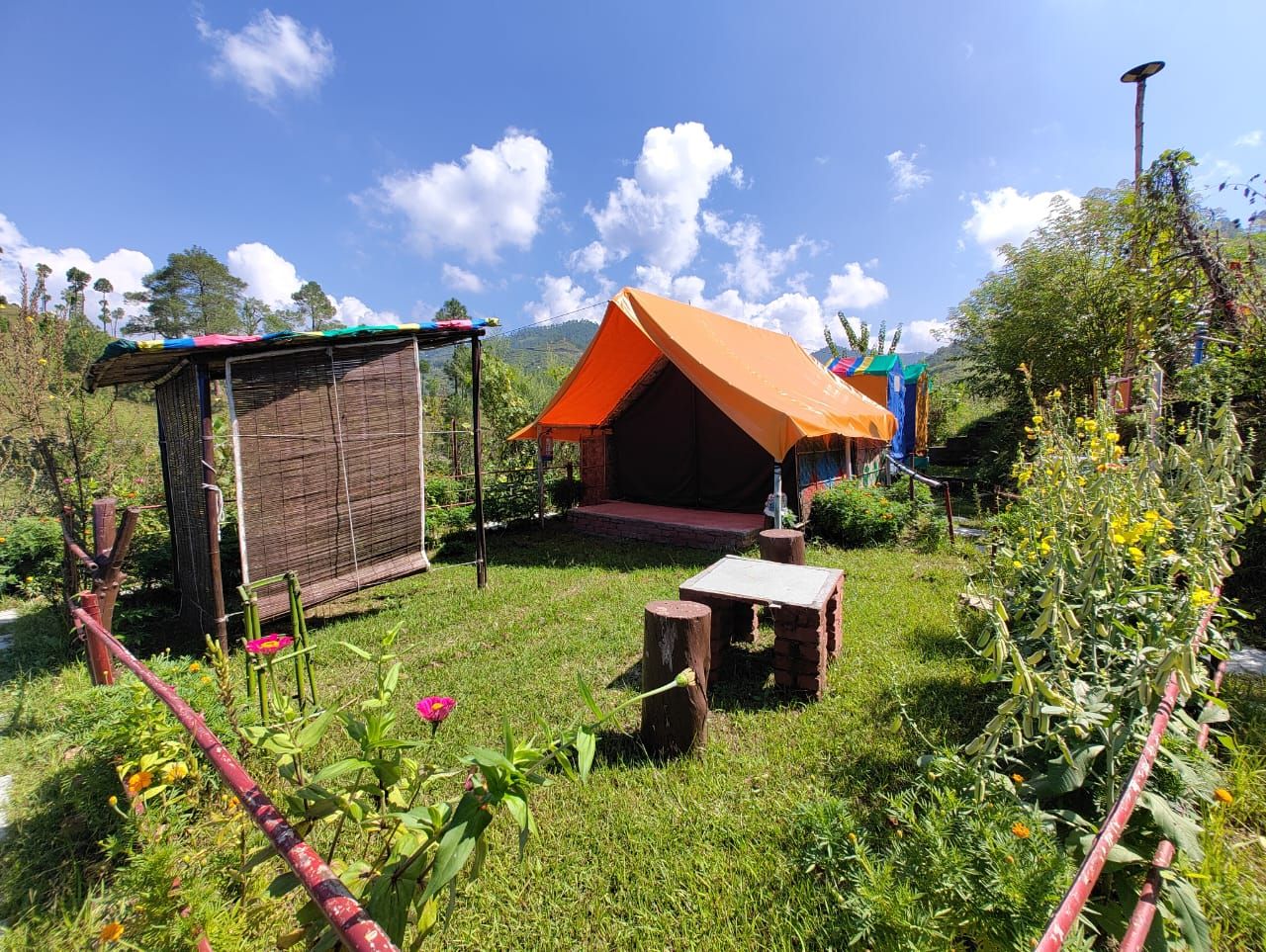
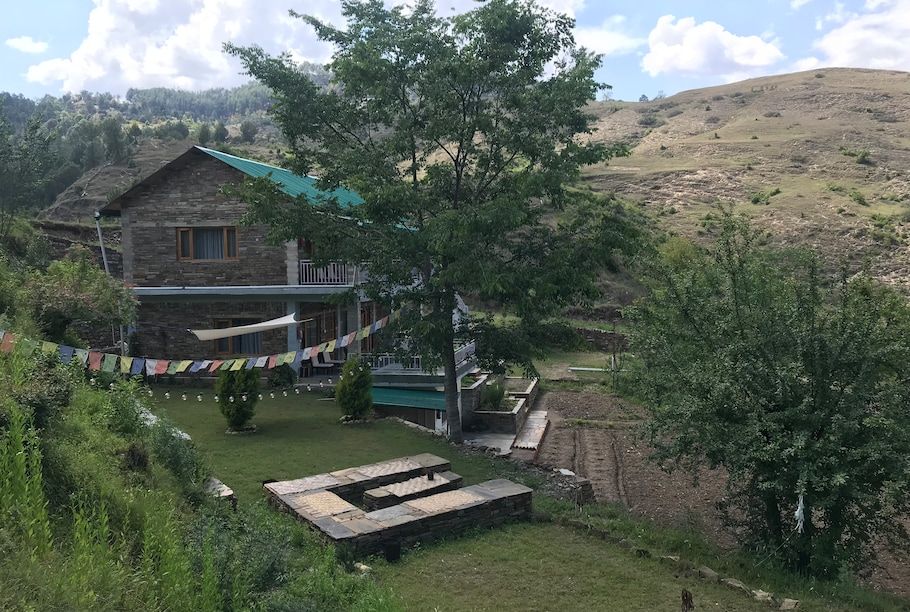
Those looking to stay close to nature can discover scenic campsites, traditional Kumaoni homestays, and quiet hillside retreats on HireACamp. Staying at a local homestay or outdoor camp nearby gives you the chance to wake up to crisp mountain air, enjoy wholesome regional meals prepared with local grain and produce, and explore the region's historic temples at an unhurried pace.
Frequently asked questions
Where is Gananath Temple located?
Gananath Temple is situated on a forested ridge along the Ranman-Gananath Road in the Almora district of Uttarakhand, India.
What is unique about Gananath Temple?
The temple is centered inside a natural cave where mountain water steadily drips from the rock face onto a Shiva lingam, set amid panoramic views of the Kumaon Himalayas.
When is the best time of year to visit?
The most pleasant conditions are from March to June for mild weather, and from late September to November for clear mountain views and the annual Kartik Purnima fair.
Can I drive directly to Gananath Temple?
You can drive along the mountain road to the roadhead near the temple, followed by a short walk along stone pathways and steps to reach the cave complex.
Are there places to stay near the temple?
Yes, travellers can find nature camps, village homestays, and rustic hill stays in the surrounding Almora region by browsing listings on HireACamp.
Where you'll be
Ranman - Gananath Road, Almora, UT · 2 stays nearby shown with prices
Stays near Gananath Temple
Book a place to stay close by
More places near Gananath Temple
Within 20 km
Built from 0 Instagram posts by 0 creators. Every tip links back to the post it came from, and where creators disagree we show both sides.






