
Binsar Wildlife Sanctuary
Wildlife sanctuary near Gaunap, Uttarakhand
1.6 km from Gaunap
The nearest town, for stays, food and fuel.
Binsar Wildlife Sanctuary is a tranquil high-altitude forest reserve perched on Jhandi Dhar ridge near Almora in Uttarakhand. Established to preserve the fragile broadleaf oak and rhododendron ecosystem of the Central Himalayas, it attracts trekkers, birdwatchers, and nature enthusiasts seeking quiet woodland walks and unobstructed views of Himalayan peaks.
Getting there
By road
- From GaunapNearest town2 min · 800 m
- From Dehradun7 hr 55 min · 378 km
- From New Delhi8 hr 35 min · 379 km
- From Chandigarh11 hr 30 min · 547 km
Typical drive times without traffic. Stations and airports from OLA Maps; distances and typical drive times from OpenStreetMap (© OpenStreetMap contributors); notes from creators' Reels.
About Binsar Wildlife Sanctuary
Written with AI from map data and general knowledge. Check prices and timings locally before you go.
About Binsar Wildlife Sanctuary
Binsar Wildlife Sanctuary is situated in the Kumaon region of Uttarakhand, spread across the forested slopes of the Jhandi Dhar hills. Once the summer capital of the Chand kings who ruled Kumaon between the eleventh and eighteenth centuries, Binsar transitioned into a protected wildlife sanctuary in the late twentieth century to safeguard its rich natural wealth and old-growth montane forests.
The sanctuary rises to elevations exceeding two thousand metres above sea level, offering panoramic vistas of major Himalayan peaks on clear days. Standing at elevated viewpoints inside the reserve, visitors can look out over a wide Himalayan arc that includes Nanda Devi, Trishul, Nanda Kot, Panchachuli, and Kedarnath. Unlike many commercial wildlife destinations, Binsar has maintained a relatively peaceful character, where vehicular movement is regulated and walking trails crisscross the wooded terrain.
Flora and Fauna of Binsar
The vegetation of Binsar Wildlife Sanctuary is characterized by dense canopy forests of banj oak, moru oak, rhododendron, deodar cedar, and chir pine. During the early spring months, the rhododendron trees burst into bright crimson blossoms, coloring the forest ridges and creating a striking contrast against the dark green foliage.
This dense canopy provides shelter to a wide variety of wildlife. The sanctuary is home to animals such as the leopard, barking deer, Himalayan goral, wild boar, pine marten, red fox, and the elusive leopard cat. Langurs and rhesus macaques are frequent sights in the mid-canopy. Birdlife is especially abundant, with more than two hundred species recorded within the sanctuary boundaries. Birders regularly spot laughingthrushes, woodpeckers, nuthatches, parakeets, flycatchers, black-headed jays, and predatory raptors soaring high along the valley thermals.
Read more
Things to Do at Binsar Wildlife Sanctuary
Walking is the primary way to experience Binsar. A network of unpaved forest trails leads through dense thickets of oak and pine, making it a rewarding destination for casual hikers and serious walkers alike. Because long stretches inside the core area are free of heavy vehicle traffic, the walks are serene and filled with the rustle of dry leaves and calls of forest birds.
A popular walk leads up to Zero Point, the highest accessible vantage within the sanctuary. From the viewing tower at Zero Point, one can take in a complete three-hundred-and-sixty-degree view encompassing the snowy Himalayan crest line to the north and rolling terraced valleys to the south. Early morning visits are particularly memorable, as the rising sun casts amber light across the snowfields of Trishul and Nanda Devi.
Inside the sanctuary grounds sits the ancient Veeneshwar Temple, dedicated to Lord Shiva. Believed to have been built during the reign of the Chand dynasty, this stone shrine is shaded by towering deodars and makes for a quiet cultural pause during a day spent exploring the forest.
Best Time to Visit Binsar
Binsar can be visited throughout the year, with each season offering distinct advantages depending on what travellers hope to experience. The period between October and March is ideal for clear skies and sweeping views of the snow-clad peaks. During the core winter months of December and January, temperatures drop substantially, bringing crisp mountain air, heavy frost, and occasional light snowfall across the higher ridges.
Spring, spanning March and April, brings pleasant daytime temperatures and the full bloom of rhododendrons across the sanctuary. Summers from May to June remain comfortable compared to the northern plains, making Binsar a favored mountain retreat for escaping lowland heat. The monsoon season between July and September brings heavy rainfall, misty landscapes, and dense fog, which revives the streams and mossy forests but can make dirt tracks slippery and reduce visibility across the valleys.
How to Reach Binsar Wildlife Sanctuary
Binsar Wildlife Sanctuary is located around thirty kilometres north of Almora, which serves as the primary gateway town for the region. Almora is well connected by road to major towns across Kumaon and northern India.
The nearest railway station is at Kathgodam, located approximately one hundred and twenty kilometres to the south. Taxis and public buses run regularly from Kathgodam to Almora, from where local vehicles can be hired to reach the sanctuary gate. The nearest domestic airport is Pantnagar Airport, situated roughly one hundred and fifty kilometres away, though flights operate on select schedules. Travellers driving from Delhi generally follow the route via Moradabad, Haldwani, Bhowali, and Almora before climbing towards the sanctuary entry checkpoint.
Places to Visit Nearby
The areas surrounding Binsar Wildlife Sanctuary offer rich cultural and spiritual heritage. The Kasar Devi ridge, located a short drive south along the road to Almora, is renowned for its historic Kasar Devi Temple, sweeping valley views, and long-standing association with travelers, artists, and spiritual seekers.
Closer to Almora lies the Chitai Golu Devta Temple, one of the most venerated shrines in Kumaon. Known for its thousands of brass hanging bells and handwritten petitions left by devotees seeking justice, the temple offers a deep window into local traditions. Visitors can also explore other traditional shrines in the vicinity, including the Gairar Golu Temple and Garnaath Temple, both set amidst quiet rural countryside.
Tips for Your Visit
Sanctuary regulations require visitors to pay entry fees and register their vehicles at the forest check post before proceeding up the main ridge. Operating hours and trail permissions are governed by the local forest department, so check the latest timings locally upon arrival.
Because exploring Binsar involves walking along gravel tracks and dirt paths, carry sturdy walking shoes with good traction. Mountain weather can change swiftly, so pack warm layers, a windbreaker, and rain gear if traveling around the edge of the monsoon. Water supplies and snack stalls inside the sanctuary core are very limited; carry reusable water bottles and take care to bring all your waste back down to maintain the purity of the reserve.
Where to Stay in Binsar
A small number of rest houses and traditional mountain dwellings are situated within the sanctuary borders, while a broader selection of accommodations is scattered along the access roads, nearby villages, and the Kasar Devi ridge. Staying outside the sanctuary gate offers easy access to nearby dining spots, craft stores, and hillside cafes.
If you prefer falling asleep to the call of night birds and waking up to panoramic views of the Himalaya, you can browse verified camps, hillside homestays, and rustic nature retreats around Binsar on HireACamp to suit your travel style.
Frequently asked questions
Can I drive inside Binsar Wildlife Sanctuary?
Private and hired vehicles are permitted to enter up to designated parking points within the sanctuary upon paying the requisite forest department toll at the entry gate. Beyond these points, travel is strictly on foot along marked forest paths.
How long does it take to walk to Zero Point?
From the inner vehicle parking area near the government rest house, the walk to Zero Point takes about forty-five minutes to an hour at an easy pace. The trail is an uphill stone and dirt path through pine and oak woods.
Is Binsar suitable for children and older adults?
Yes, Binsar is suitable for visitors of all age groups who enjoy nature and peaceful surroundings. However, because exploring viewpoints involves gentle to moderate uphill walking, comfortable footwear and an easy walking pace are recommended.
Do I need a forest guide to visit Binsar?
While hiring a local nature guide is not strictly mandatory for standard marked paths, engaging one at the entry check post can greatly enhance your birdwatching and wildlife spotting experience.
What wildlife can I realistically expect to see?
Visitors regularly encounter barking deer, Himalayan langurs, rhesus macaques, and a broad variety of Himalayan forest birds. Larger predators such as leopards inhabit the sanctuary but are shy and rarely seen during regular daytime visits.
Where you'll be
KMVN Binsar, Almora · 3 stays nearby shown with prices
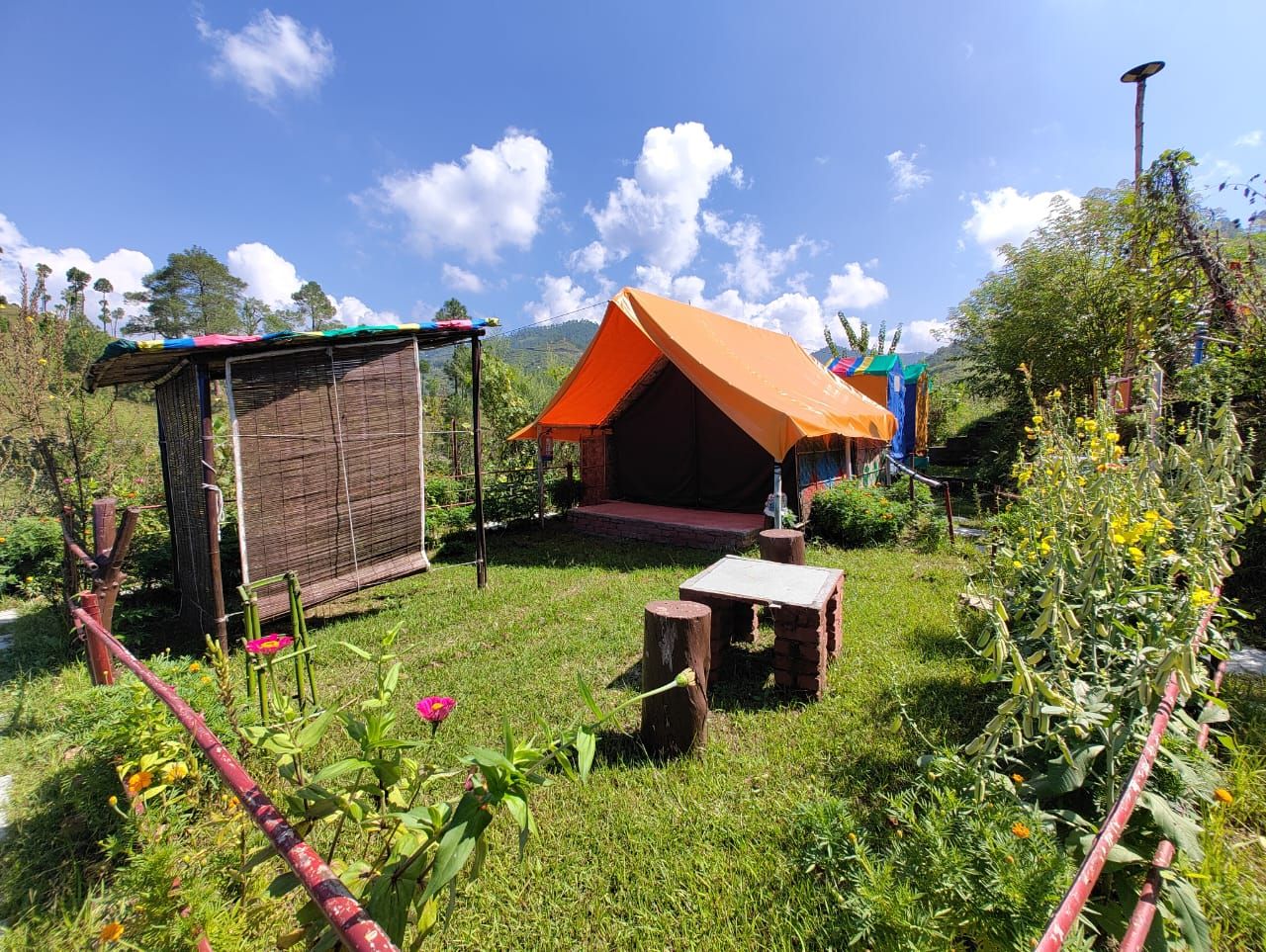
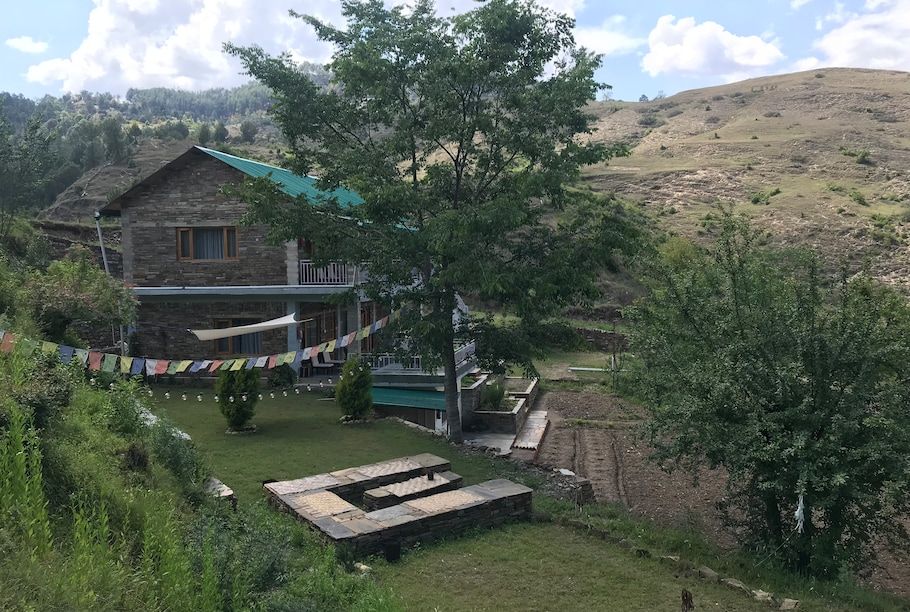
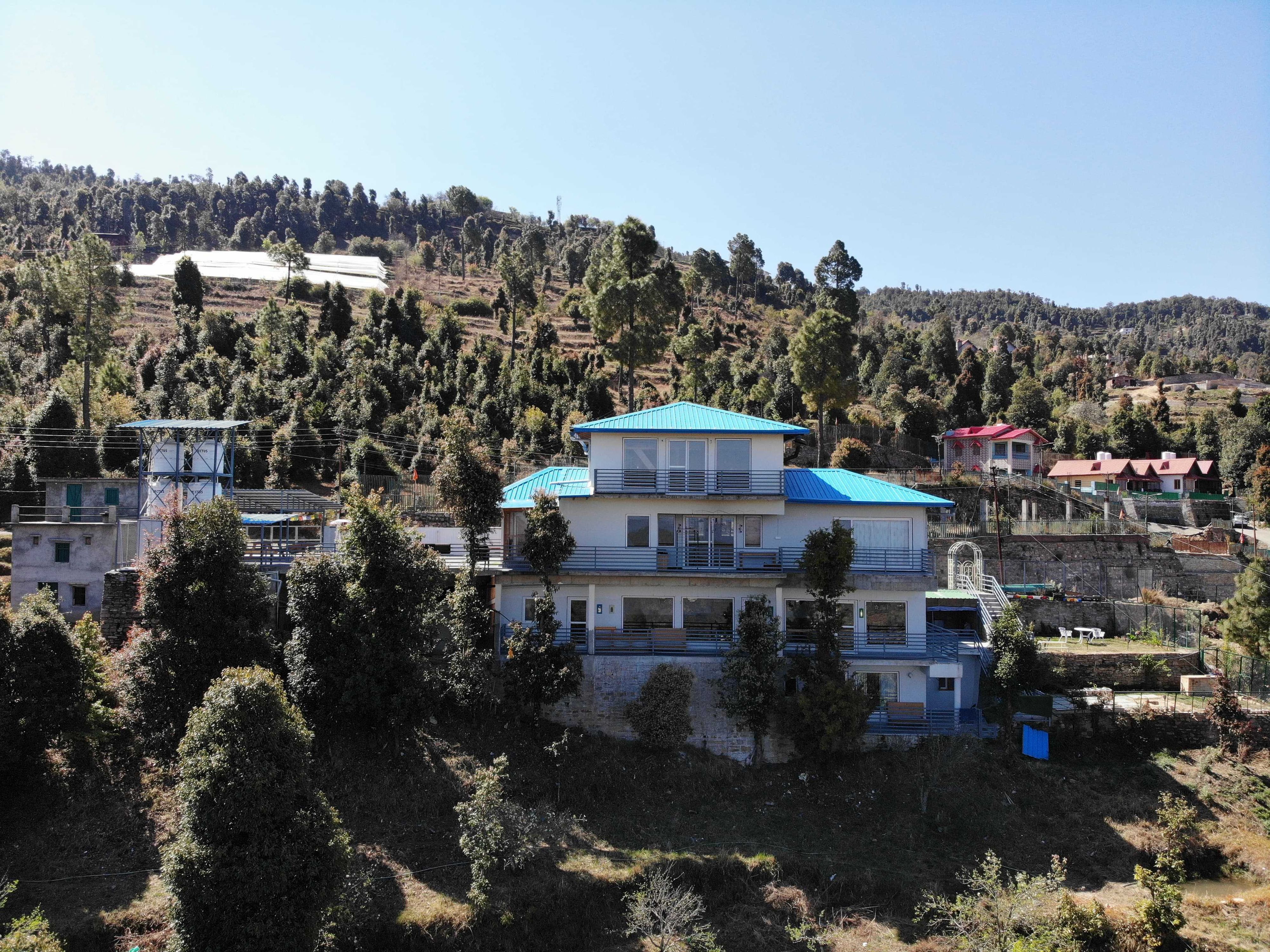
Stays near Binsar Wildlife Sanctuary
Book a place to stay close by
More places near Binsar Wildlife Sanctuary
Within 20 km
Built from 0 Instagram posts by 0 creators. Every tip links back to the post it came from, and where creators disagree we show both sides.






