
Gateway of India
Monument near Apollo Bandar, Maharashtra
2 posts · 54.8K views
Guide from 2 posts by 2 creators
@shr3yas.vibes, @randomly_curious.official
400 m from Apollo Bandar
The nearest town, for stays, food and fuel.
Loved by 2 creators
2 posts with 54.8K views on Instagram.
The Gateway of India is an iconic basalt arch monument situated on the waterfront at Apollo Bandar in South Mumbai. Overlooking the Arabian Sea, it stands as one of India's most recognized historical landmarks and a major gathering point for travellers and locals alike. People visit to admire its Indo-Saracenic architecture, watch boats bob in the harbor, and feel the sea breeze at the edge of the city.
Getting there
By road
- From Mumbai 16 min · 5 km
- From Apollo BandarNearest town1 hr 15 min · 28 km
- From Pune2 hr 45 min · 152 km
- From Nashik3 hr 50 min · 191 km
By train, bus or air
- Mumbai Central railway station buildingNearest railway station23 min · 6.3 km
- Dadar (E) Chitra CinemaNearest bus stand30 min · 11 km
- Chhatrapati Shivaji Maharaj International Airport MumbaiNearest airport42 min · 25 km
Typical drive times without traffic. Stations and airports from OLA Maps; distances and typical drive times from OLA Maps and OpenStreetMap (© OpenStreetMap contributors); notes from creators' Reels.
About Gateway of India
Written with AI from creators' posts and map data. Check prices and timings locally before you go.
History and Significance of Gateway of India
The Gateway of India stands as a grand reminder of early twentieth-century architectural engineering. Erected to commemorate the landing of King George V and Queen Mary at Apollo Bunder in December 1911, the foundation stone was laid shortly before the monumental design was finalized. Completed in 1924, the structure became the symbolic ceremonial entrance to India for viceroys, governors, and foreign dignitaries arriving by sea.
Beyond its imperial beginnings, the monument holds deep resonance in the story of modern India. On 28 February 1948, the last British troops to leave India, the First Battalion of the Somerset Light Infantry, marched through the arch to board their ship home, marking the final physical departure of colonial rule. Today, the monument represents an open portal welcoming visitors from all walks of life, symbolizing Mumbai's resilience, openness, and cosmopolitan spirit.
Architecture and Design
Built primarily from yellow basalt stone and reinforced concrete, the Gateway of India is an exemplary demonstration of the Indo-Saracenic style. Architect George Wittet combined traditional elements of Roman triumphal arches with ornate motifs borrowed from sixteenth-century Gujarati and Islamic architecture. The warm tones of the stone shift naturally with the daylight, glowing honey-colored at sunrise and deep amber in the late afternoon.
The central arch rises to a height of twenty-six meters and is crowned by a central dome flanked by smaller spires and intricate jaali latticework. The facade features detailed carvings and open galleries that allow the coastal breeze to sweep through the structure. Looking outward from beneath the main vault, visitors are framed by the broad expanse of Mumbai Harbour, where passenger launches, naval vessels, and traditional fishing boats cross paths against the horizon.
Read more
Things to Do at the Gateway of India
Walking the waterfront promenade at Apollo Bandar is an essential Mumbai ritual. Early mornings are peaceful, with the calm sea reflecting the pale sky, sea gulls circling above, and morning walkers taking in the cool air before the city awakens. By late afternoon and evening, the plaza becomes a lively hub of activity, filled with families, street photographers offering instant souvenir prints, and vendors selling street snacks.
From the stone jetties directly behind the monument, you can board regular passenger ferries that head across the harbor. The boat ride offers an open-air perspective of South Mumbai's waterfront skyline, revealing the maritime heritage of the port. You can also spend quiet moments watching the sunset turn the Arabian Sea into shades of copper and violet while listening to the rhythm of waves crashing against the stone seawall.
Places to Visit Nearby
The area surrounding the Gateway of India is rich in culture, heritage, and shopping. Just a short walk inland takes you to the bustling stretch of Colaba Causeway, renowned for its street markets selling brass artifacts, clothing, antique trinkets, and handcrafted jewelry. It is an engaging place to wander, practice your haggling skills, and observe the lively street culture of South Mumbai.
Art and history enthusiasts will find the Kala Ghoda cultural district within walking distance. Here you can explore the Chhatrapati Shivaji Maharaj Vastu Sangrahalaya, a premier museum housing an extensive collection of ancient Indian art, sculptures, and natural history exhibits set within beautiful heritage gardens. Nearby, the Jehangir Art Gallery and the National Gallery of Modern Art host rotating exhibitions of contemporary and traditional Indian visual art. If you wish to extend your exploration outward, passenger boats from the jetty connect you to Elephanta Island, known for its rock-cut cave temples, while a short ride across town brings you to the sweeping crescent of Marine Drive.
Best Time to Visit
The most comfortable time to visit the Gateway of India is during the winter and early spring months, from November to February. During this period, Mumbai experiences mild, pleasant weather with lower humidity, daytime temperatures around the mid-twenties in degrees Celsius, and cool coastal evenings that make exploring on foot a pleasure.
The summer months between March and May can be hot and humid, requiring early morning or post-sunset visits to avoid the direct heat of the sun. The monsoon season, which runs from June through September, brings dramatic skies and heavy coastal downpours. Watching monsoon waves crash against the promenade can be thrilling, but sea conditions may disrupt ferry services, and open-air walking requires proper rain protection.
How to Reach the Gateway of India
The Gateway of India is situated in the southernmost part of Mumbai in the Colaba neighborhood, making it straightforward to reach from across the city. If travelling within Mumbai, local suburban trains stop at Churchgate station on the Western line and Chhatrapati Shivaji Maharaj Terminus on the Central line. Both stations are located within a short taxi or bus ride from Apollo Bandar.
For travellers arriving by road from other cities in Maharashtra and neighboring states, the monument can be reached via major expressways. Under typical traffic-free conditions, the drive from Pune covers around 151 kilometers and takes about 2 hours and 50 minutes. From Nashik, the journey is approximately 191 kilometers and takes about 3 hours and 50 minutes. Those driving down from Surat cover roughly 302 kilometers, which takes around 6 hours and 20 minutes without heavy traffic. Taxis, app-based cabs, and public buses run frequently into South Mumbai.
Tips for Your Visit
Because the Gateway of India is an active public waterfront, arriving early in the day helps you avoid large crowds and makes photography much easier. Carry a hat, sunglasses, and a bottle of drinking water if you plan to explore during mid-day, as the open plaza offers little shade from direct sunlight.
Security checkpoints are stationed at the entry points of the plaza; prepare for quick bag screenings before stepping onto the promenade. Keep an eye on your personal belongings during peak evening hours when foot traffic is dense. For current ferry schedules to offshore spots or information on local heritage tours, it is best to check locally at the harbour booking counters.
Where to Stay
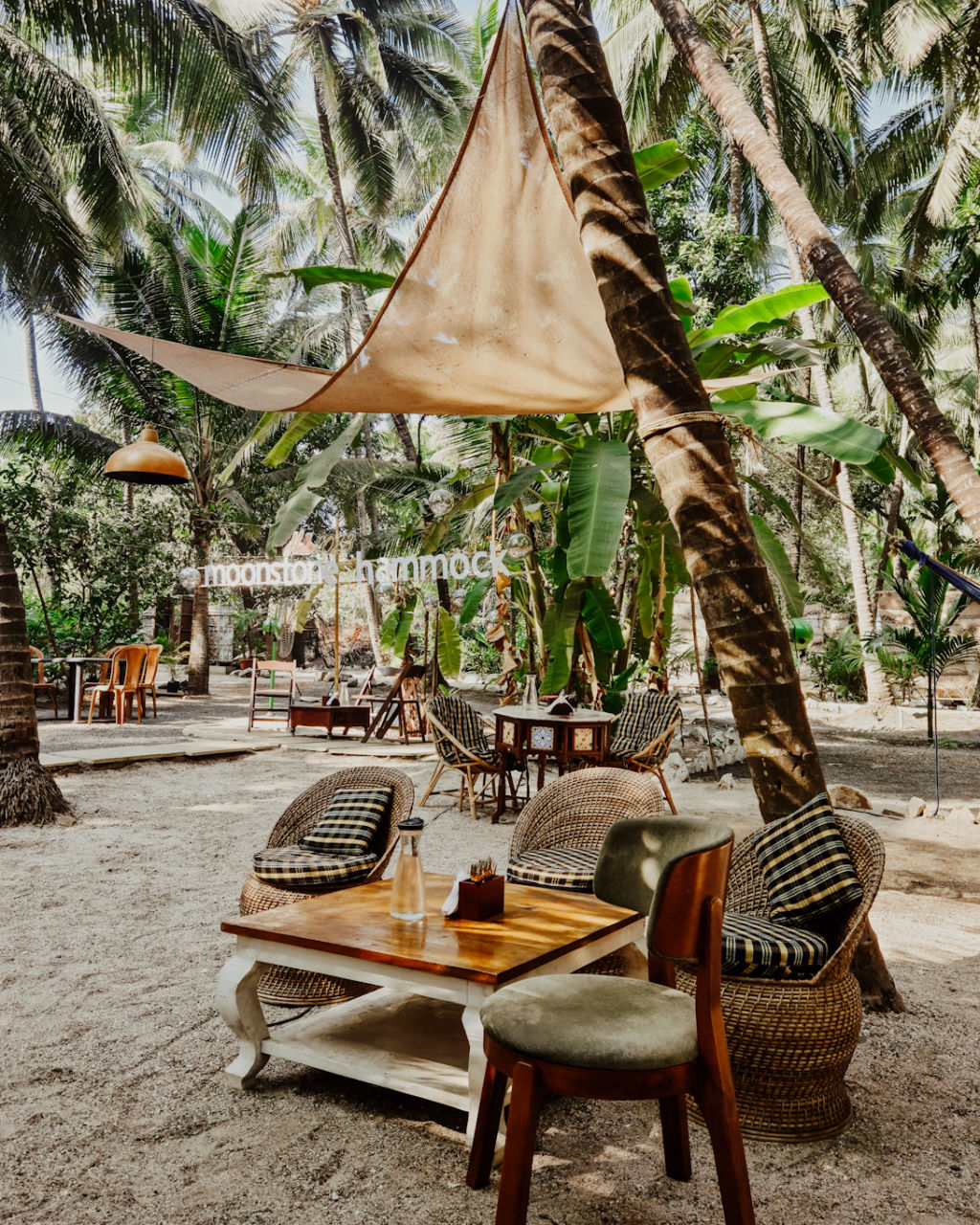
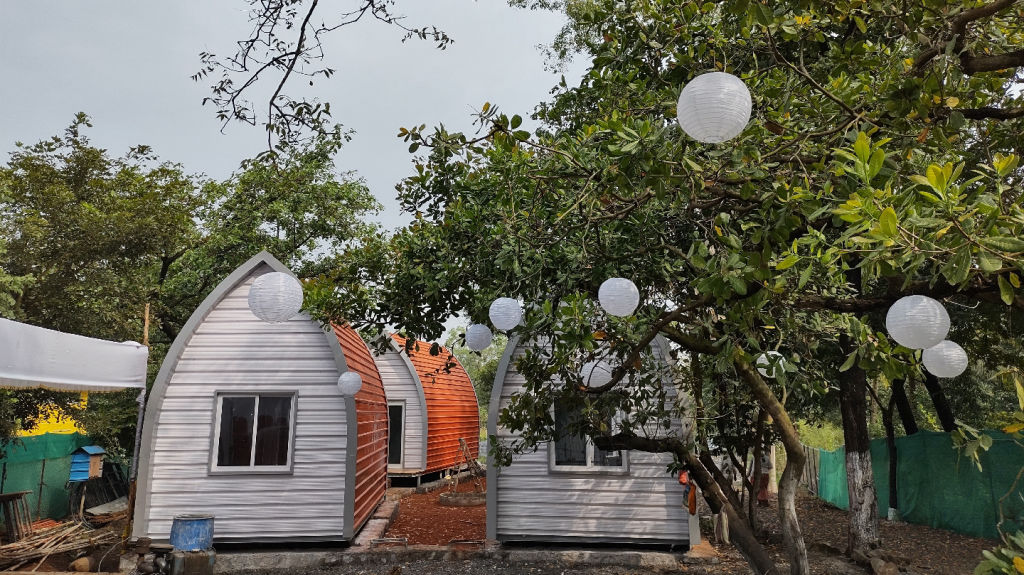
Staying in South Mumbai allows you to walk to the monument and immerse yourself in the vintage charm of colonial-era streets, museums, and seaside walks. Whether you prefer a peaceful city stay, a heritage home, or a scenic getaway outside the urban bustle in coastal Konkan or the Western Ghats, you can find camps, homestays, and other verified stays on HireACamp to suit your travel style.
Frequently asked questions
Where is the Gateway of India located?
The Gateway of India is located at Apollo Bandar in the Colaba area of South Mumbai, Maharashtra, situated right along the waterfront overlooking the Arabian Sea.
What is the best time of day to visit the Gateway of India?
Early morning around sunrise is the best time for a quiet, peaceful visit with fewer crowds, while late afternoon and sunset offer beautiful lighting and a lively seaside atmosphere.
Can I take boat rides from the Gateway of India?
Yes, passenger ferries and harbour cruises operate from the jetties directly behind the monument, including regular boats heading across the bay to Elephanta Island.
How far is the Gateway of India from major nearby cities?
In typical traffic-free driving conditions, the Gateway of India is about 151 kilometers from Pune, 191 kilometers from Nashik, and 302 kilometers from Surat.
What architectural style is the Gateway of India built in?
The monument was designed by architect George Wittet in the Indo-Saracenic style, blending traditional Roman triumphal arch elements with Gujarati and Islamic architectural motifs.
Where you'll be
Gateway of India, Apollo Bandar, Colaba, Mumbai, Maharashtra 400001 · 2 stays nearby shown with prices
As seen on Instagram
The posts this guide is built from
Stays near Gateway of India
Book a place to stay close by
Often visited together
Creators who went here also showed these


More places near Gateway of India
Within 20 km


Lists for this area
Ranked by how many creators recommend each place


Built from 2 Instagram posts by 2 creators. Every tip links back to the post it came from, and where creators disagree we show both sides.


