
Mumbai
Neighbourhood in Maharashtra
11 posts · 26 sourced tips
Neighbourhood in Maharashtra
11 posts · 26 sourced tips
Guide from 11 posts by 9 creators
@devashish_dhoundiyal, @shr3yas.vibes and 7 others
Loved by 9 creators
11 posts with 3.6M views on Instagram.
Guide to Navigating Transit, Budgeting, and City Travel in Mumbai
Practical guidance for getting around Mumbai efficiently using suburban trains, buses, and navigation apps, alongside budgeting notes and transit regulations.
When to go
From what creators say, and when they post about it
What to expect
Parking
1 creator reported this
Good to know
Tips from creators' posts. Each one links to its source.
Warnings
Do not enter ladies, luggage, or Divyang (differently abled) compartments unless eligible, as ticket examiners strictly monitor these coaches and enforce heavy fines.
Reported by @devashish_dhoundiyalSource
Costs
A budget one-day itinerary from Vadodara to Mumbai was reported at under ₹1,000 per person, which included ₹500 for round-trip intercity train travel, ₹20 for South Mumbai local transit, and approximately ₹300 for food.
Reported by @shr3yas.vibesSource
Practical Transit and City Tips
Use local transit mobile applications for navigation and ticketing: m-Indicator lists suburban rail, metro, and bus routes, platform numbers, and fares; the BEST Chalo app tracks buses and sells digital passes; Mumbai One handles metro ticketing; RailOne allows local train ticket purchases; and Yatri displays regulated auto and taxi fares.
Confirmed by 2 creatorsSource
To board suburban trains easily, plan timings in advance and wait beneath overhead indicators displaying coach classes and types (Second Class, First Class, AC Local, Divyang, and Ladies). Choose Fast trains for major stops and Slow trains for all stations. When alighting at crowded hubs like Dadar, start moving toward the doors two stations ahead.
Confirmed by 3 creatorsSource
Anyone entering local railway stations solely to drop off or pick up passengers must buy a platform ticket.
Reported by @devashish_dhoundiyalSource
Police patrol street locations late into the night around 3 AM, and solo travellers, including women, can safely walk and use transit at late hours.
Reported by @jordan.john31Source
Monsoon weather in Mumbai can transition rapidly from bright sunshine to heavy waterlogging downpours, making an umbrella essential.
Reported by @things2doinmumbaiSource
At least 30 destinations situated in and around Mumbai offer viable options for one-day trips.
Reported by @sankhe_tejuSource
Mistakes to avoid
What went wrong for others, and what to do instead
Trying to book unreserved train tickets on the app while standing inside the station.
The app will block booking due to geofencing restrictions inside station premises.
Book tickets online at least 100 metres away from the station or use the station's ATVM kiosks.
Driving a personal vehicle or relying on private transport when exploring Mumbai.
Getting stuck in heavy traffic and struggling to find parking.
Use local public transit such as metro, local trains, and BEST buses.
Driving in without a parking plan
Creators report no parking here.
Park in the nearest town or take local transport.
Getting there
By road
- From Pune2 hr 40 min · 149 km
- From Nashik3 hr 45 min · 188 km
- From Surat6 hr 15 min · 302 km
By train, bus or air
- Mumbai Central railway station buildingNearest railway station11 min · 2.3 km
- Dadar (E) Chitra CinemaNearest bus stand17 min · 6.9 km
- Chhatrapati Shivaji Maharaj International Airport MumbaiNearest airport40 min · 25 km
The last stretch
- Do not board ladies, luggage, or Divyang (PwD) train coaches unless eligible, as ticket checkers issue heavy penalties.
Typical drive times without traffic. Places, distances and typical drive times from OLA Maps; notes from creators' Reels.
Mumbai Transit and Exploration Guide
A practical exploration of Mumbai focused on historic South Mumbai architecture, major street and wholesale markets, and scenic coastal promenades, structured to align with local rail and road transit.
South Mumbai Culture and Coastline
Best for travellers with a single day seeking central sights, art institutions, and the Arabian Sea promenade
Day 1
Kala Ghoda, Colaba, and Marine Drive
morning
Chhatrapati Shivaji Maharaj Vastu SangrahalayaAbout 2 hr
The museum opens for visitors at 10:15 AM. Entry tickets for Indian adults cost ₹200.
midday
Jehangir Art GalleryAbout 1 hr · 100 m from the last stop
Entry to Jehangir Art Gallery is free for everyone.
afternoon
Colaba CausewayAbout 1 hr 30 min · 1.6 km from the last stop
Visit during the morning or afternoon to bypass the heaviest street crowds. Items start from ₹100 to ₹500; negotiate firmly as prices are inflated.
evening
Marine DriveAbout 1 hr · 3.3 km from the last stop
There is no entry fee. Sit along the promenade wall to watch the waves.
night
ChowpattyAbout 45 min · 1.5 km from the last stop
Located roughly 2 to 3 km by road north along the bay from Marine Drive.
- Taking Mumbai local trains instead of road cabs saves significant time and money, as road travel times consistently exceed map estimates due to traffic.
- Install key transit apps: m-Indicator for train schedules and platforms, RailOne for unreserved train tickets, BEST Chalo for bus tracking, and Yatri to verify auto and taxi meter rates.
- Geofencing blocks unreserved local train booking inside railway stations; book online at least 100 metres away from stations or use the ATVM kiosks inside.
- Do not enter designated ladies, luggage, or Divyang coaches without qualification, as ticket checkers strictly enforce fines.
- When getting off at major crowded railway junctions like Dadar, move toward the train doors two stations ahead of arrival.
- In street bazaars like Colaba Causeway and Hill Road, bargaining can reduce initial quoted prices by 20% to 40%. Keep both cash and UPI active.
- Carry an umbrella during the monsoon season, as skies can quickly change from clear to heavy downpours.
Visit lengths are suggestions; distances are straight-line between stops.
About Mumbai
Written with AI from creators' posts and map data. Check prices and timings locally before you go.
The Character and Spirit of Mumbai
Mumbai is a dynamic coastal metropolis that grew from an archipelago of seven fishing islands into one of the most populous urban centres in the world. As the capital of Maharashtra, it serves as the beating heart of India's commerce, fashion, and film industries. Walking through the city reveals layers of history, from grand Victorian Gothic civic buildings and bustling harbours to sprawling traditional bazaars and quiet coastal fishing enclaves.
The energy here is distinctly defined by the sea. Life along the southern shores gravitates around sweeping coastal boulevards and harbours where fishing boats, ferries, and urban crowds share the open horizon. Mumbai is also a city of contrasts, where serene sea-facing walkways exist alongside narrow, fragrant market lanes that have traded spices, textiles, and antiques for generations.
Things to Do in Mumbai
A quintessential Mumbai journey begins along the southern waterfront. Standing at the Gateway of India, you can watch ferries traverse the Arabian Sea and take in the historic harbour scenery. A short boat journey across the bay leads to the rock-cut Elephanta Caves, an ancient cave temple complex situated on an island that showcases remarkable historical sculptures. Strolling along the sweeping curve of Marine Drive provides dramatic ocean vistas, especially in the evening when the streetlights light up the bay before you head to Chowpatty beach to enjoy the coastal breeze.
Exploring Mumbai's traditional bazaars offers an immersive sensory experience. Crawford Market is celebrated for its historic architecture, vibrant produce, and household goods, while nearby Mangaldas Market presents lanes lined with colourful fabrics and textiles. Travellers fascinated by curiosities, vintage decor, and oddities can browse the historic lanes of Chor Bazaar, located just a short distance inland. Further south, the lively street stalls of Colaba Causeway offer handicrafts, clothing, and souvenirs within walking distance of the historic art district.
Read more
Navigating Mumbai by Public Transit
The local suburban railway network is the true lifeline of Mumbai. Taking local trains instead of road cabs frequently saves both substantial time and money, as road travel times in the city routinely exceed digital navigation app estimates due to intense traffic. Suburban trains operate in two primary categories: Slow trains, which halt at every intermediate station along the corridor, and Fast trains, which skip smaller stops to connect major transit junctions. Commuters can choose between Ordinary Second Class, First Class, and air-conditioned coaches depending on their budget and comfort preferences.
To make transit seamless, use dedicated transit apps to plan journeys. The m-Indicator app provides multi-modal timetables, routes, and platform information, while the BEST Chalo app enables live tracking for city buses. Local bus travel within South Mumbai can cost around ₹20 per person, making it an extraordinarily budget-conscious option. When taking autorickshaws or black-and-yellow taxis, the Yatri app helps travellers verify official fares to prevent overcharging. On long platforms, stand directly beneath the overhead coach indicators to know where your train coach will halt, and always move towards the exit doors at least two stations in advance when disembarking at major transfer hubs like Dadar.
Day Trips and Getaways Around Mumbai
Beyond the inner city limits, there are at least 30 popular day-trip destinations easily accessible from Mumbai. A quick ferry ride from the southern piers across Mumbai Harbour brings you directly to Mandwa Jetty Road, unlocking the sandy shores, coconut groves, and rural quiet of the Alibaug coastline. Further down that coastal stretch stands Kolaba Fort, a historic sea fortification surrounded by ocean water that can be explored during low tide.
The mainland region surrounding Mumbai is framed by the rugged Western Ghats, offering rapid escapes from urban density into mountain landscapes. Travellers can journey towards the high-altitude plateaus, misty valleys, and quiet rural hamlets nestled along the highways leading to Pune or Nashik. These nearby hill corridors feature freshwater reservoirs, cascading seasonal waterfalls, and rich agricultural countryside that provide peaceful retreats for weekend campers and nature enthusiasts.
Best Time to Visit Mumbai
The most comfortable time to visit Mumbai is between November and February during the winter season. During these months, the intense humidity drops significantly, daytime temperatures remain moderate, and evenings by the coastline are pleasant, making long walking tours around South Mumbai and harbour boat trips thoroughly enjoyable.
Summer from March to May brings high temperatures and rising coastal humidity, which can make mid-day outdoor sightseeing demanding. The monsoon season arrives in June and continues through September, bringing dramatic coastal storms and heavy downpours that transform the surrounding Western Ghats into lush green corridors. If you visit during the monsoon, always keep a sturdy umbrella on hand, as local weather conditions can shift abruptly from clear skies to torrential rains within minutes.
How to Reach Mumbai
Mumbai is exceptionally well connected to major regional hubs by a comprehensive road and rail network. From Pune, the journey spans approximately 149 kilometres and typically takes about 2 hours and 40 minutes under traffic-free driving conditions. Driving from Nashik covers around 188 kilometres and takes roughly 3 hours and 40 minutes, descending through the scenic Kasara Ghat corridor. Coming from Surat to the north involves a drive of roughly 302 kilometres, usually taking about 6 hours and 20 minutes under smooth conditions.
Because highway approaches into the city often suffer from heavy traffic, intercity express trains running from surrounding hubs offer a dependable and economical alternative. Budget travellers commuting on regional trains, such as from Vadodara, can complete round-trip journeys for economical rates, with round-trip train fares often costing around ₹500 and daily meals averaging around ₹300 per person.
Transit Regulations and Safety Tips
Navigating Mumbai's transport network requires attention to ticketing rules and safety guidelines. When purchasing unreserved suburban railway tickets via digital mobile apps like RailOne, be aware that geofencing restrictions prevent booking while inside station premises. You must book your digital unreserved ticket at least 100 metres away from the station boundary, or alternatively purchase paper tickets from the Automated Ticket Vending Machines located on station concourses.
Strict transit regulations are actively enforced across all railway lines. Never board designated ladies compartments, luggage vans, or coaches reserved for Divyang commuters unless you are strictly eligible, as roving ticket examiners frequently monitor these coaches and issue heavy penalties. Additionally, always purchase an inexpensive platform ticket before stepping onto station platforms if you are merely dropping off or meeting fellow passengers, as entering platform areas without a valid ticket is strictly prohibited.
Where to Stay in and Around Mumbai
Accommodation choices depend largely on the kind of experience you seek. Travellers looking to focus on historic architecture, museums, and harbour vistas often choose bases in South Mumbai, while business travellers and transit-oriented visitors lean towards the central and western suburbs for convenient airport and highway connections.
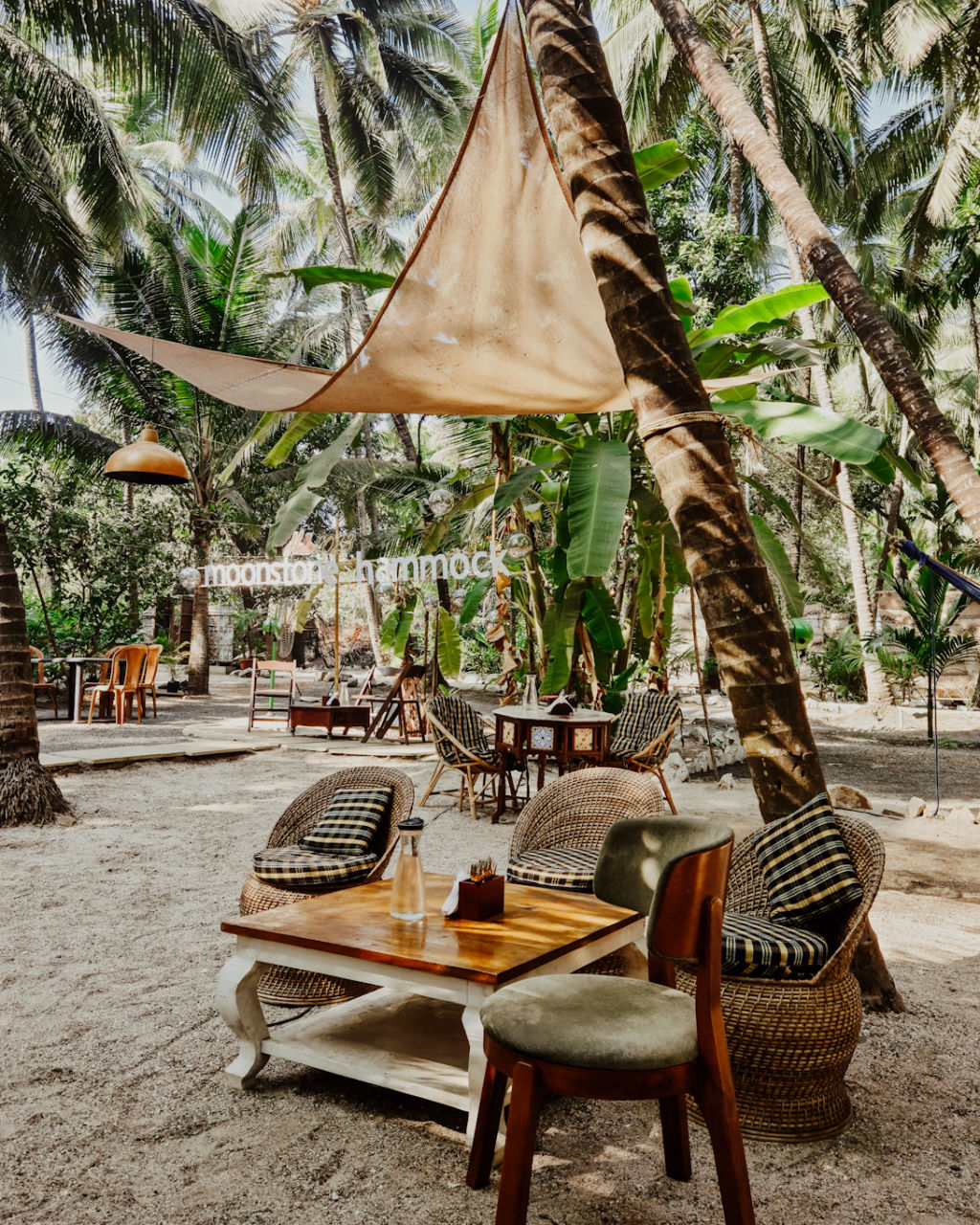
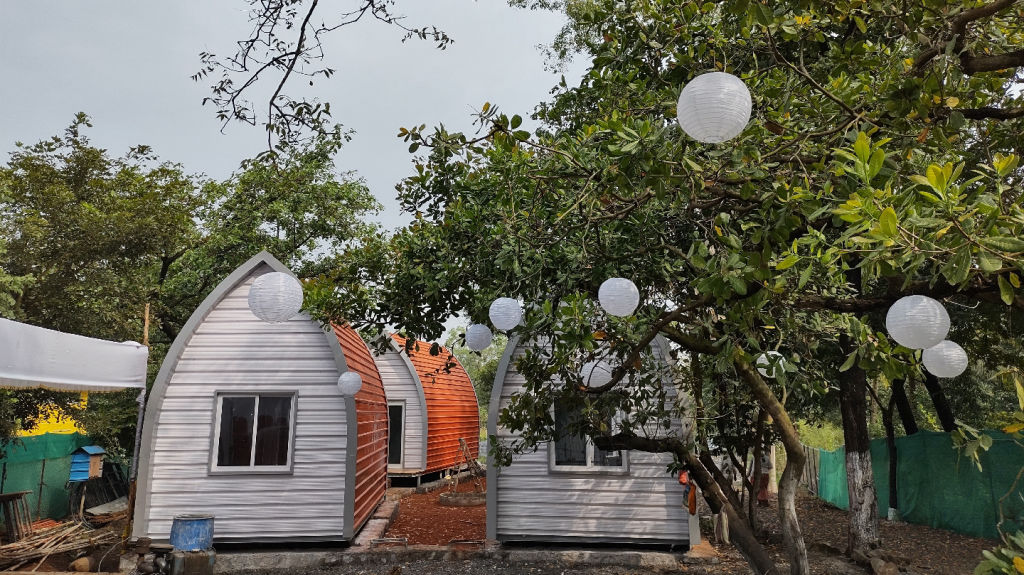
If you want to escape the city's frantic pace for a night or two, the rural belts, coastal strips, and forested foothills around the outskirts offer a refreshing contrast. You can find peaceful rural camps, scenic nature retreats, and independent homestays situated around the outskirts of Mumbai on HireACamp. Booking these outdoor stays allows you to experience the natural beauty of coastal Maharashtra and the Sahyadri range while remaining within easy reach of the city.
Frequently asked questions
Is taking the local train better than taking a cab in Mumbai?
Yes, taking suburban local trains generally saves both time and money compared to road taxis, as city traffic routinely causes highway and street journeys to exceed digital map estimates.
Why can I not book a local train ticket on the mobile app inside the station?
The railway mobile ticketing system uses geofencing security to prevent fare evasion, which blocks unreserved bookings within station boundaries. You must book your online ticket at least 100 metres away from the station or use the station's ticketing kiosks.
What apps should I download for travelling around Mumbai?
Essential mobile tools include m-Indicator for local train and transport schedules, RailOne for booking unreserved local train tickets, BEST Chalo for tracking city buses, and Yatri to check official auto and taxi fares.
What happens if I enter the wrong train coach in Mumbai?
Boarding designated ladies coaches, luggage compartments, or coaches reserved for persons with disabilities without authorization is strictly penalized by railway ticket checkers with heavy fines.
How far is Mumbai from Pune and Nashik by road?
Under typical traffic-free conditions, Mumbai is approximately 149 kilometres from Pune, taking about 2 hours and 40 minutes, and 188 kilometres from Nashik, taking about 3 hours and 40 minutes.
Where you'll be
2 stays nearby shown with prices
As seen on Instagram
The posts this guide is built from
Stays near Mumbai
Book a place to stay close by
Things to do in Mumbai
47 places creators recommend within 30 km


Weekend getaways from Mumbai
By typical drive time, without traffic


Often visited together
Creators who went here also showed these

Lists for this area
Ranked by how many creators recommend each place


Built from 11 Instagram posts by 9 creators. Every tip links back to the post it came from, and where creators disagree we show both sides. Guide updated 5 Nov 2026.


