
Gavi
Wildlife sanctuary near Vandiperiyar, Kerala
5.3 km from Vandiperiyar
The nearest town, for stays, food and fuel.
Gavi is an eco-tourism destination located inside the protected forest tracts of the Periyar Tiger Reserve in Kerala, near the town of Kumily. Renowned for its misty hills, deep valleys, and evergreen canopy, the sanctuary draws nature lovers and trekkers seeking quiet wilderness. Visitors travel here to spot native Western Ghats wildlife, walk peaceful forest paths, and experience the stillness of Gavi Lake.
Getting there
By road
- From VandiperiyarNearest town11 min · 8.9 km
- From Madurai3 hr 15 min · 161 km
- From Kochi3 hr 30 min · 164 km
- From Thiruvananthapuram4 hr 40 min · 201 km
Typical drive times without traffic. Stations and airports from OLA Maps; distances and typical drive times from OpenStreetMap (© OpenStreetMap contributors); notes from creators' Reels.
About Gavi
Written with AI from map data and general knowledge. Check prices and timings locally before you go.
The Forest Landscape of Gavi
Gavi sits tucked within the southern reaches of the Western Ghats in Kerala, forming an integral part of the Ranni reserve forest and the larger Periyar conservation belt. The landscape transitions between tropical evergreen forests, moist deciduous woods, and high-altitude shola grasslands interspersed with cardamom and tea plantations. Because of its elevation and dense tree canopy, Gavi enjoys a noticeably cooler and mistier climate than the coastal lowlands of Kerala.
Water bodies define much of the interior terrain. Small forest streams feed into natural ponds, dams, and reservoirs, including Gavi Lake, whose placid surface is hemmed in by towering trees and reeds. The quiet unpaved roads and footpaths that weave through the reserve offer expansive views across forest ridges and valleys extending towards the border with Tamil Nadu.
Wildlife and Birdlife in Gavi
The undisturbed forest corridors around Gavi support a rich diversity of mammals, birds, and reptiles endemic to the Western Ghats. Herbivores such as Asian elephants, gaur, sambar deer, and wild boar roam the undergrowth and frequently visit watering holes and forest clearings. High up in the canopy, arboreal animals thrive, including the Nilgiri langur, the endangered Lion-tailed macaque, and the Indian giant squirrel.
Birdwatching is exceptionally rewarding in Gavi. The diverse forest canopy provides shelter to hundreds of bird species, including the great Indian hornbill, Malabar pied hornbill, Nilgiri wood pigeon, and various flycatchers, woodpeckers, and raptors. The reserve is also home to an abundance of butterflies and amphibians that become particularly active in the damp post-monsoon months.
Read more
Things to Do in and Around Gavi
Outdoor exploration is the primary focus of any visit to Gavi. Controlled forest safaris allow travellers to cover interior jungle tracks safely while observing forest ecology and wildlife from open-sided vehicles. Nature walks accompanied by trained local guides take visitors through cardamom-scented woods and dense canopies, providing an opportunity to study native plants, animal tracks, and vibrant insect life.
Gavi Lake provides a tranquil setting for non-motorised boating, such as rowboats and coracles, allowing visitors to glide across the water and take in the forest reflection from a unique perspective. Photography enthusiasts will appreciate the atmospheric morning mist rolling over the hills and the soft light filtering through the tree canopy. Simply travelling along the quiet forest road offers pauses at designated viewpoints overlooking remote valleys.
Best Time to Visit Gavi
The climate in Gavi is influenced heavily by the Western Ghats weather patterns. The post-monsoon and winter period, stretching from October through February, is generally considered the best time to visit. During these months, the foliage is vibrant and green, daytime temperatures are mild, and mist hangs over the water bodies and tea estates, making outdoor walks very pleasant.
The summer months between March and May bring warmer conditions, though the dense forest cover keeps temperatures reasonable compared to lower elevations. This season can make wildlife sightings around water holes more frequent as the foliage thins. The southwest monsoon from June to September brings heavy, continuous downpours. While the rain transforms the forest into a lush green haven, trails become slippery, leeches are common, and vehicle movement may be restricted due to falling trees or mud. Check local weather reports and forest department notices before planning a monsoon trip.
How to Reach Gavi
Gavi is approached primarily via forest routes from Kumily, which lies roughly 9 kilometres away in straight-line distance and serves as the main transit hub for the area. The drive from Kumily winds through plantations and thick forest before reaching the forest check-posts that monitor entry into the reserve. Another route connects to Gavi from Pathanamthitta via Angamoozhy, passing through rural settlements and rubber plantations.
Kerala State Road Transport Corporation runs limited bus services between Pathanamthitta and Kumily that pass through Gavi, offering an affordable way to see the route, though departure timings should be confirmed locally. For rail travellers, the nearest railway stations are at Kottayam and Madurai. The closest major flight hubs are Cochin International Airport and Madurai Airport. Hiring a private vehicle or booking a regulated forest department jeep from Kumily is the most dependable option for visiting.
Places to Visit Nearby
A trip to Gavi pairs naturally with explorations of nearby regions in the Idukki and Pathanamthitta districts. Thekkady, located just outside Kumily, offers boat rides on Periyar Lake, spice plantation tours, and cultural performances, alongside local dining options and cafes. The surrounding landscape is also dotted with high peaks, including Sabari Malai, Kari Malai, and Ponnambalamedu, which hold significant ecological value and traditional connections.
Further south along the forested valleys runs the sacred Pamba River, home to the revered Pampa Ganapathy Temple along the pilgrimage route to Sabarimala. To the east, across the mountain divide in Tamil Nadu, lie the peaks of Meghamalai, famous for cloud-draped tea estates and rich biodiversity. These surrounding destinations make the region around Gavi a comprehensive base for extended nature travel.
Tips for Your Visit to Gavi
Because Gavi lies inside a sensitive forest reserve, entry is strictly regulated to safeguard wildlife and reduce environmental degradation. Visitors generally need prior permits from the forest department, and daily vehicle numbers are capped, so arranging permissions ahead of your travel date is essential. Check official forest department guidelines locally or online before heading to the check-post.
Sturdy walking shoes with reliable grip are recommended for nature walks, and leech socks or salt pouches are useful during damp weather. Carry warm layers, as mornings and late afternoons can turn brisk when mist rolls in. To protect the forest habitat, single-use plastics and loud noise are strictly restricted. Always pack out any personal waste and maintain a respectful distance from wild animals at all times.
Where to Stay near Gavi
Accommodation options within Gavi itself are limited to eco-tourism facilities managed under forest development programmes, which require booking well in advance due to high demand and strict capacity caps.
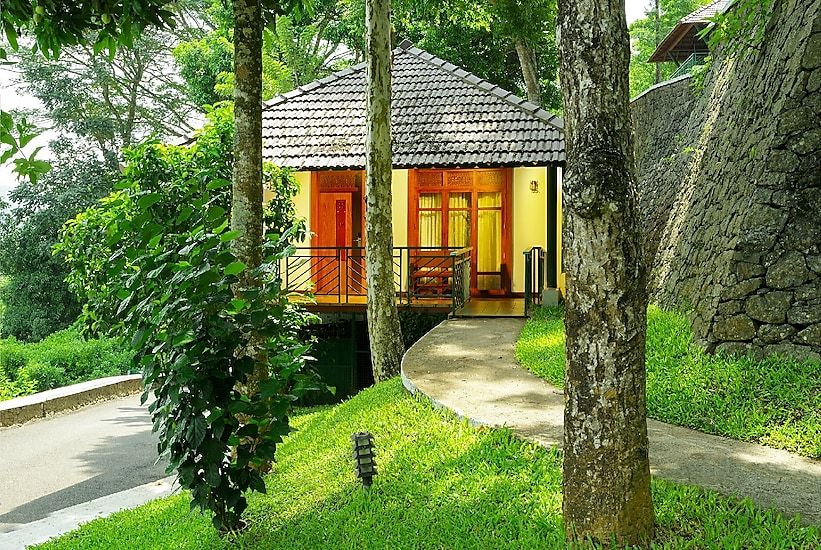
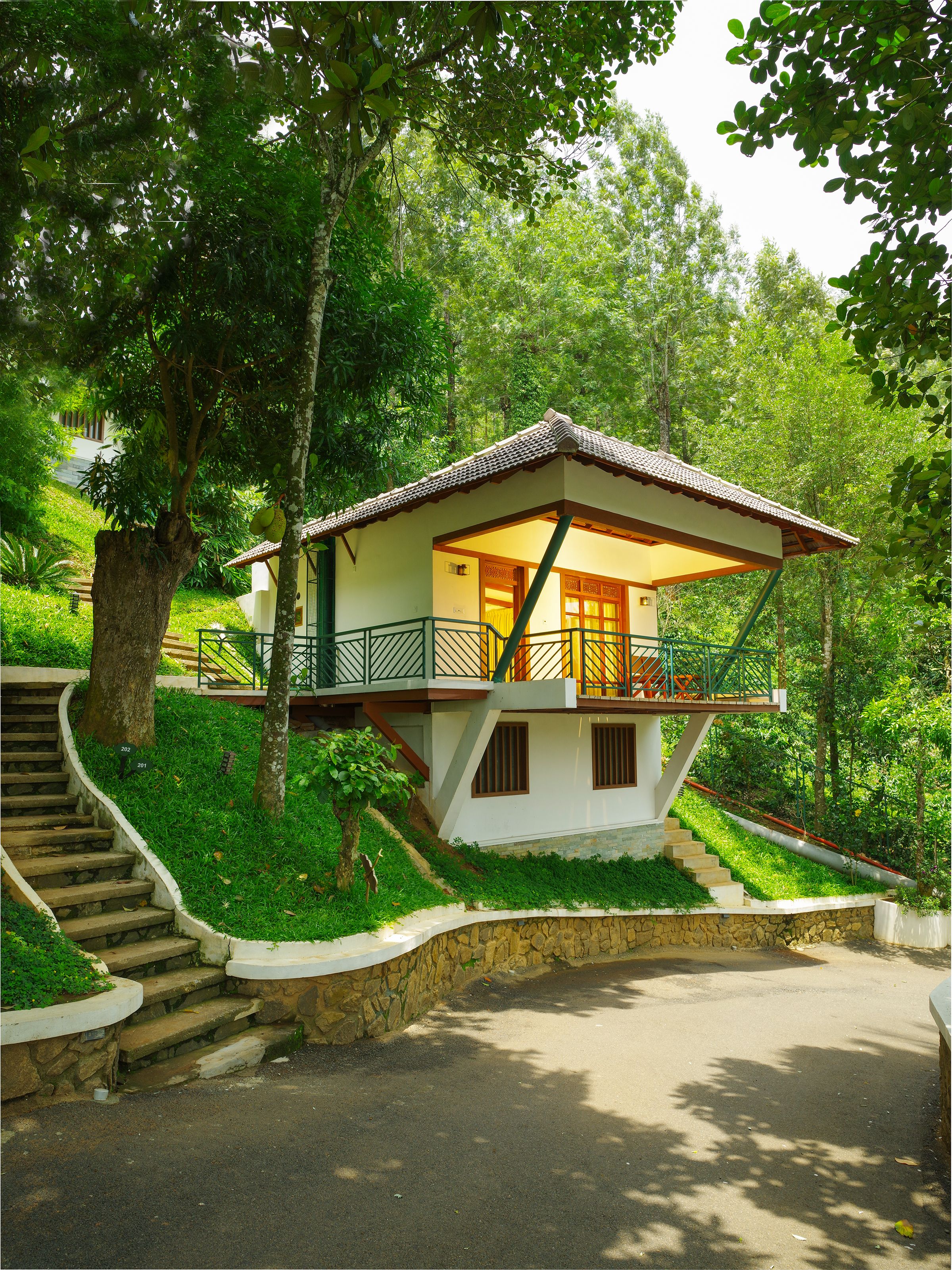
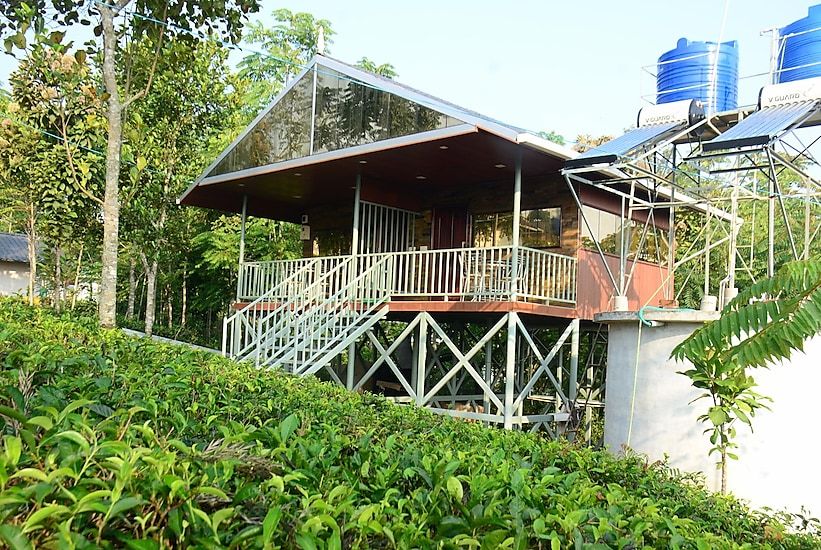
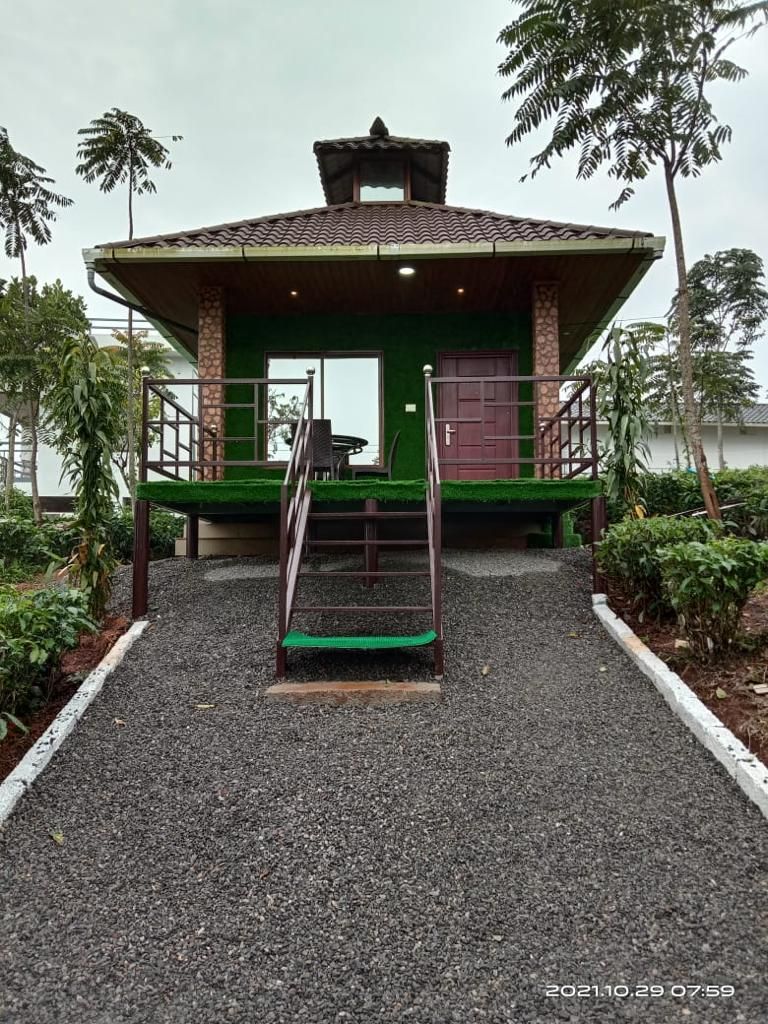
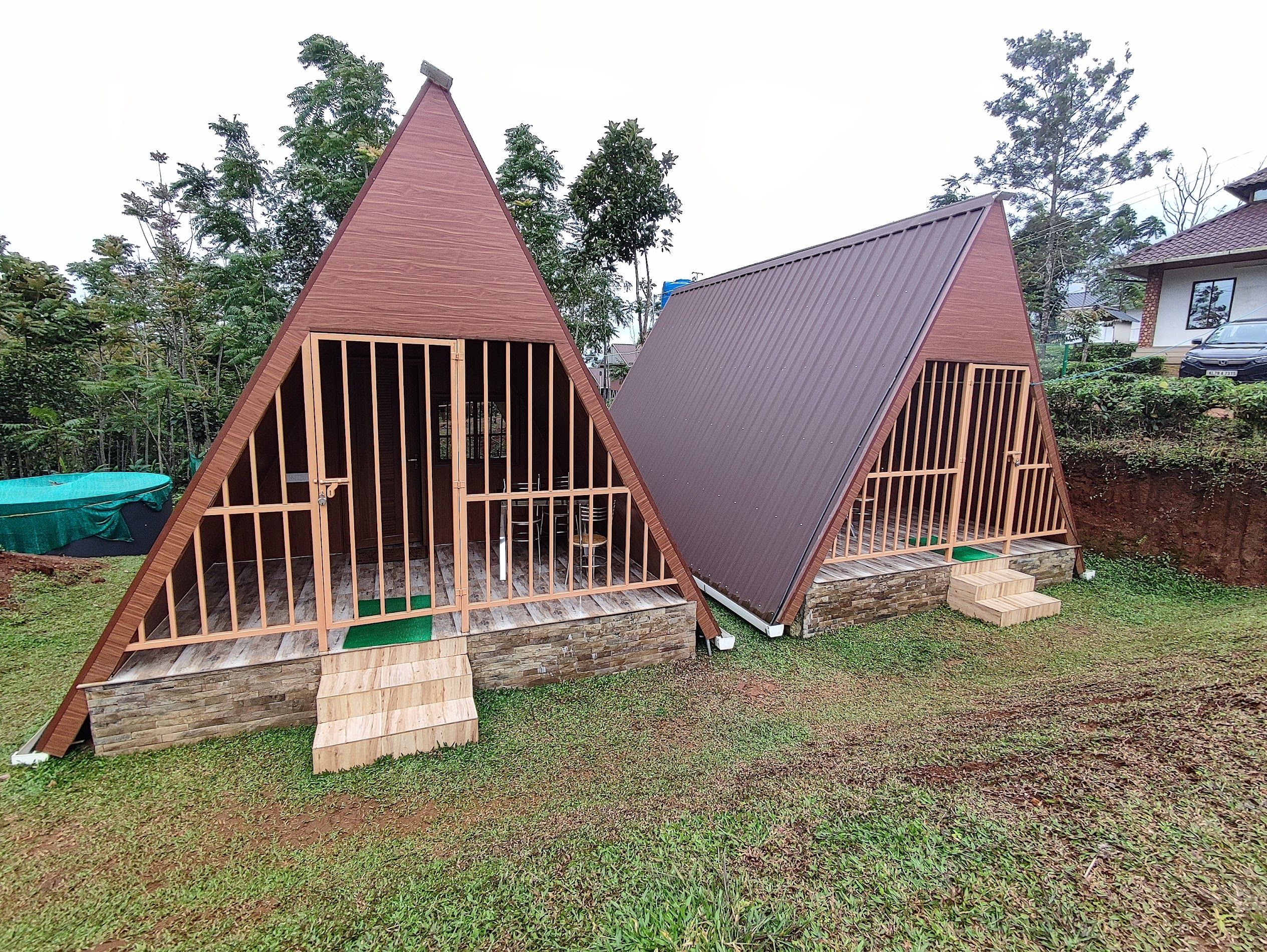
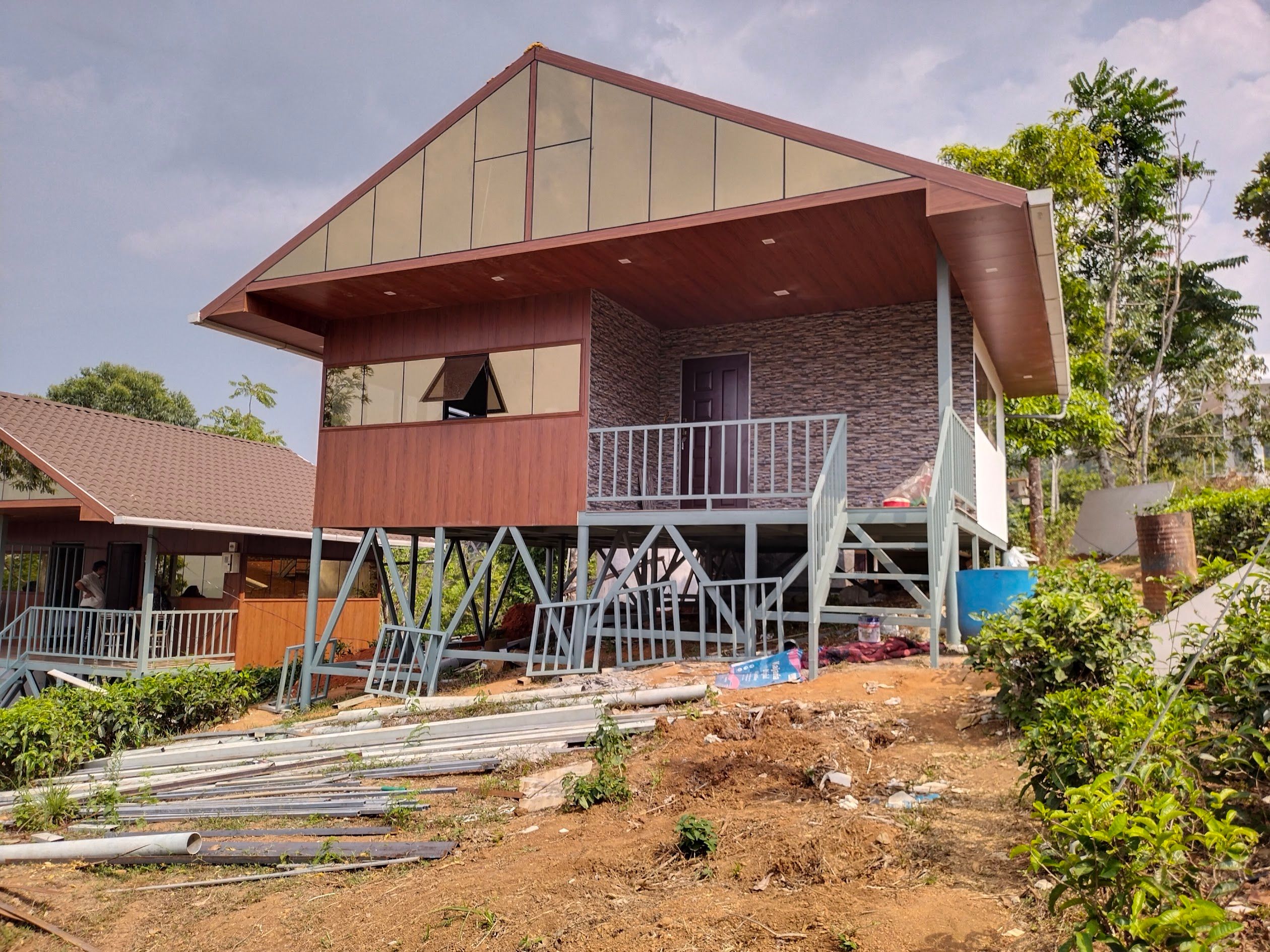
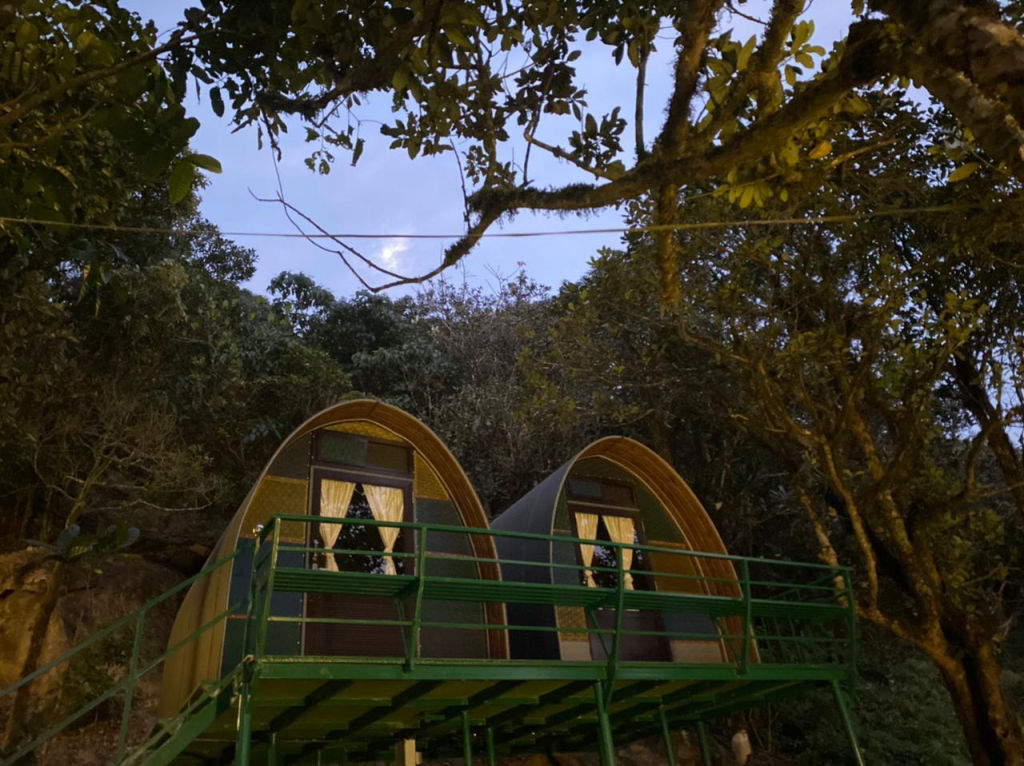
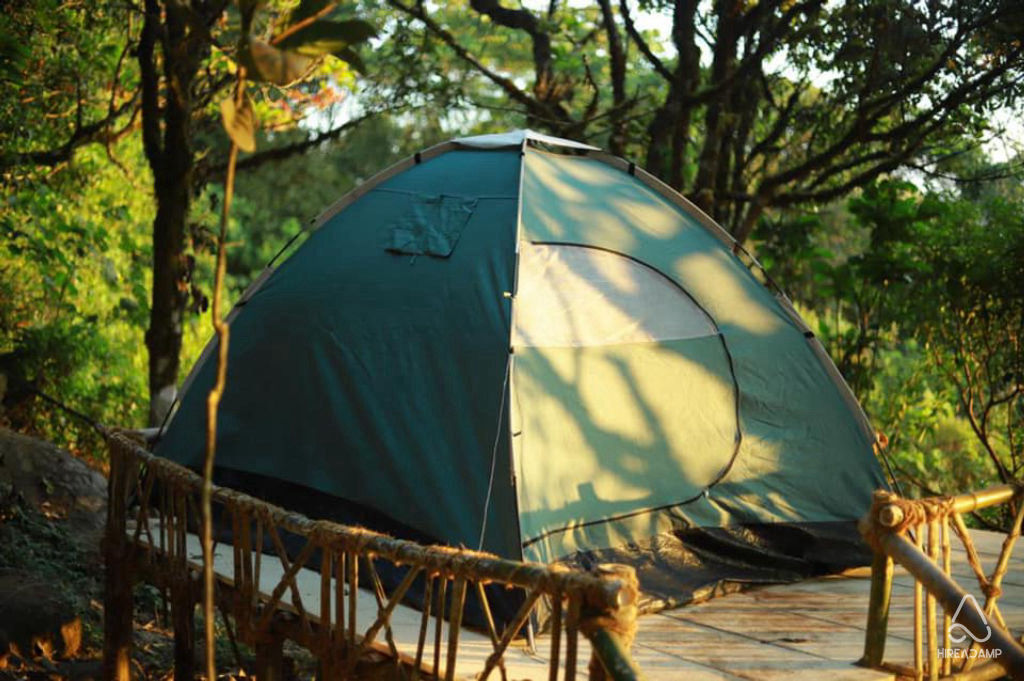
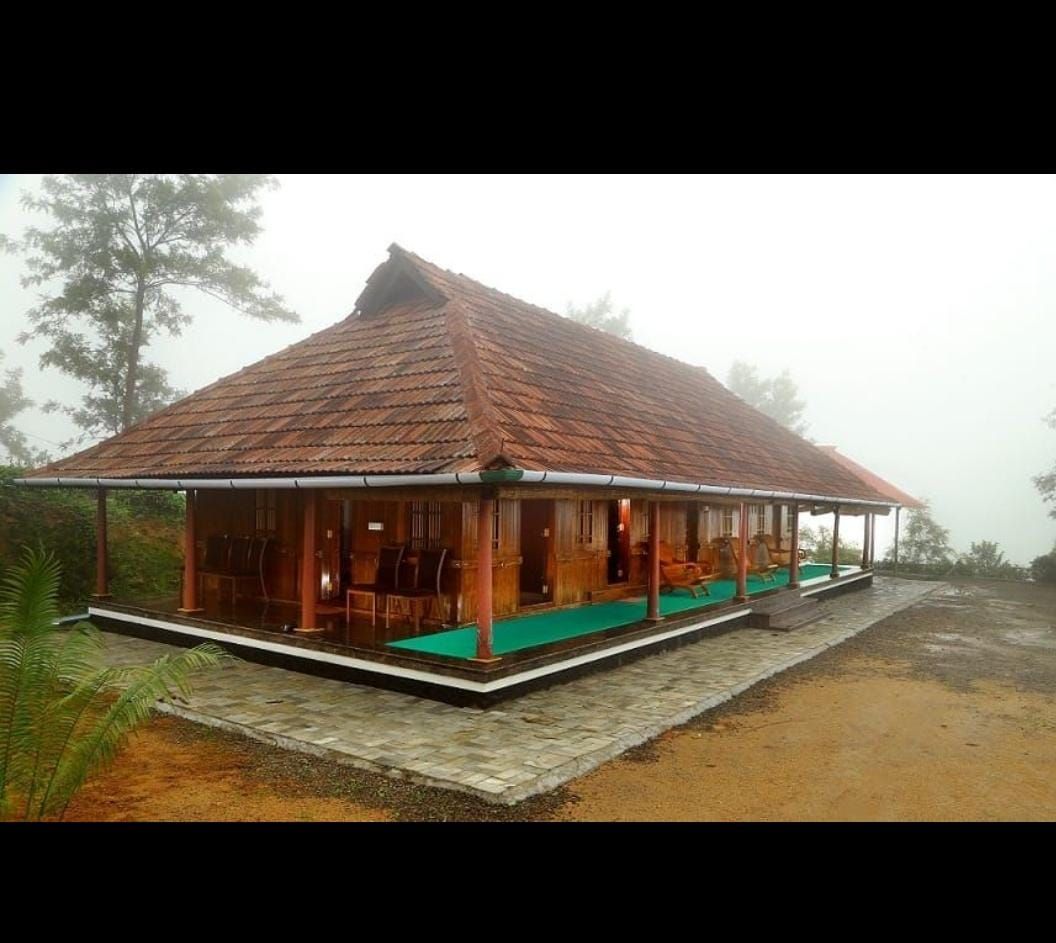
Travellers looking for wider flexibility often choose to base themselves in the surrounding tea garden hamlets, the outskirts of Peerumade, or near Kumily and Thekkady. You can find well-situated campsites, peaceful nature retreats, and welcoming homestays in these areas on HireACamp, allowing you to enjoy early morning forest departures while relaxing in comfortable surroundings.
Frequently asked questions
Where is Gavi located?
Gavi is located inside the Periyar Tiger Reserve in Kerala, India, situated near Peerumade and accessible primarily from the town of Kumily.
Do I need a permit to visit Gavi?
Yes, because Gavi is an ecologically protected wildlife area, visitors and vehicles require entry permission from the forest department. Check official local booking channels in advance to secure entry.
What is the best time of year to visit Gavi?
The post-monsoon and winter months from October to February offer the most pleasant weather, with clear skies, lush greenery, and cool morning mist.
What animals can be spotted in Gavi?
Visitors to Gavi may spot Asian elephants, gaur, sambar deer, the Lion-tailed macaque, Nilgiri langurs, and a large variety of forest birds including hornbills.
Can I visit Gavi on a day trip from Kumily?
Yes, many travellers visit Gavi as a day trip from Kumily via regulated forest safaris or private vehicles with the appropriate forest permits.
Where you'll be
Peerumade · 10 stays nearby shown with prices
Stays near Gavi
Book a place to stay close by

More places near Gavi
Within 20 km


Built from 0 Instagram posts by 0 creators. Every tip links back to the post it came from, and where creators disagree we show both sides.






