
Gavi Ranganatha Swamy Temple
Temple near virupakshipura, Karnataka
5.5 km from virupakshipura
The nearest town, for stays, food and fuel.
Gavi Ranganatha Swamy Temple is an ancient cave shrine dedicated to Lord Vishnu, tucked into the rugged granite terrain near Vitalenahalli in Karnataka. Located near the craft town of Channapatna, the temple attracts pilgrims, outdoor enthusiasts, and travellers seeking rural heritage away from busy tourist circuits. Its elevated hillside setting offers sweeping panoramas across the agrarian countryside and rocky scrublands of the Ramanagara region.
Getting there
By road
- From virupakshipuraNearest town21 min · 9 km
- From Bengaluru1 hr 50 min · 93 km
- From Mysuru1 hr 55 min · 100 km
- From Coimbatore5 hr 25 min · 260 km
Typical drive times without traffic. Stations and airports from OLA Maps; distances and typical drive times from OpenStreetMap (© OpenStreetMap contributors); notes from creators' Reels.
About Gavi Ranganatha Swamy Temple
Written with AI from map data and general knowledge. Check prices and timings locally before you go.
About Gavi Ranganatha Swamy Temple
Gavi Ranganatha Swamy Temple is situated in the rural heartlands of Ramanagara district near Vitalenahalli, just outside the town of Channapatna. In the local Kannada language, the word gavi translates to cave, denoting the temple's unique setting inside a natural subterranean rock formation. Lord Ranganatha, a peaceful reclining manifestation of Lord Vishnu, is venerated here as the presiding deity.
Unlike grand structural temples in urban centres, this shrine retains an intimate, elemental atmosphere. It reflects the centuries-old regional tradition of sanctifying natural rock fissures, boulders, and cavernous recesses into places of worship. For local communities across surrounding villages, the temple serves as a focal point for weekend prayers, festive gatherings, and quiet reflection amidst nature.
The Cave Shrine and Temple Setting
Approaching the temple involves navigating the stony contours characteristic of southern Karnataka's ancient rock landscapes. The shrine itself is enclosed within a cavern formed by massive granite boulders that have weathered over millions of years. Stepping inside reveals a cool, shaded sanctum that stays naturally protected from the outer heat.
The deity of Lord Ranganatha is carved directly into the rock face or housed within the inner chamber, flanked by smaller representations of traditional temple iconography. Oil lamps and simple floral offerings illuminate the stone interiors, creating a deeply contemplative ambience. The elevated grounds just outside the entrance offer views of patchwork agricultural fields, coconut groves, and distant hillocks.
Read more
Landscape and Ecology of the Region
The area surrounding Vitalenahalli and Channapatna is defined by dry deciduous scrub, weathered inselbergs, and fertile valleys watered by regional tanks and tributaries of the Cauvery basin. Granite monoliths dominate the horizon, creating a stark and photogenic backdrop that changes appearance throughout the day.
Birdwatchers and nature lovers visiting the temple grounds often spot species typical of peninsular scrublands, such as Indian peafowl, spotted owlets, black drongos, and various sunbirds flitting through the thorny bushes. During and shortly after the monsoon rains, seasonal grasses sprout across the bare rock plates, turning the otherwise dry landscape vibrant and lush.
Best Time to Visit Gavi Ranganatha Swamy Temple
The cooler months between October and February are the most comfortable time to visit the temple. During this period, the daytime temperatures remain moderate, and the clear winter skies make exploring the hillside and surrounding viewpoints pleasant.
The monsoon months from July to September bring life to the surrounding greenery and dramatic cloudscapes over the granite hills, though the rock paths can turn slick after sudden downpours. The summer months from March to May can be quite warm, especially around midday when the open granite surfaces absorb intense heat. If visiting in the summer, aim for early morning or late afternoon to enjoy cooler temperatures and softer lighting.
How to Reach Gavi Ranganatha Swamy Temple
Gavi Ranganatha Swamy Temple is located near Vitalenahalli, easily accessible by road from the nearby town of Channapatna. Channapatna lies on the primary transport corridor linking Bengaluru and Mysuru, making the temple an easy diversion for road trippers along this route.
Travellers arriving by train can disembark at Channapatna railway station and hire local auto-rickshaws or taxis to complete the short drive to Vitalenahalli. For those driving from Bengaluru or Mysuru, the approach takes you off the main highway and onto quieter country lanes that wind past mango orchards and quiet villages. Private vehicles, motorcycles, and regional rural buses make reaching the village straightforward.
Places to Visit Nearby
A visit to Gavi Ranganatha Swamy Temple can be combined with several regional excursions. The town of Channapatna itself is renowned across the country for its traditional lacquerware wooden toys and artisanal craft workshops, making it a rewarding stop for heritage and culture.
Hiking enthusiasts can look toward prominent nearby granite peaks such as Revanna Siddeshwara Betta, Bananthimari Betta, and Hanumantharayandurg, all of which offer trekking trails and views over the Ramanagara landscape. Downstream along the Cauvery river corridor, travellers often explore riverine spots like Mekedatu or the cascading torrents of the Shivanasamudra Falls during high-water seasons. Other hillside temples, including Shri Bettada Siddeshwara Swamy Temple, offer additional spiritual stops within the same geographic circuit.
Tips for Your Visit
When planning your trip to Gavi Ranganatha Swamy Temple, wear comfortable footwear that is easy to remove before entering the inner sanctum. Walking barefoot on exposed granite surfaces can be hot in the middle of the day, so visiting earlier in the morning helps ensure a more comfortable visit.
Modest clothing suited for rural sacred sites is recommended. Carry sufficient drinking water and sun protection, as the temple premises and surrounding hillside paths offer limited shade outside the cave itself. Check locally for specific daily puja timings and festive schedules, as rituals may vary according to the Hindu calendar.
Where to Stay
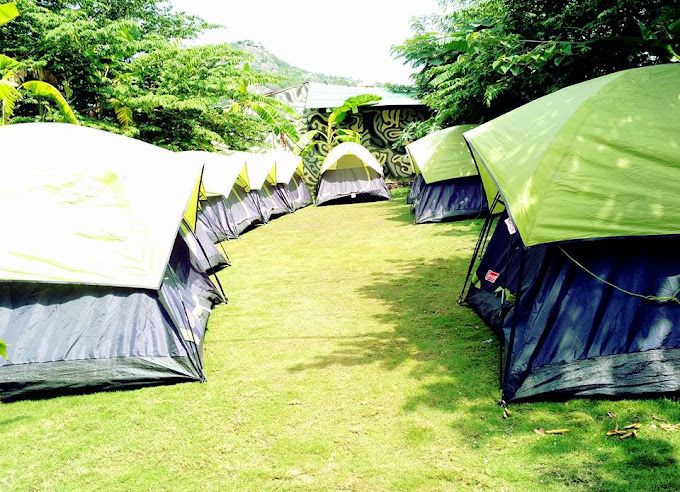
Travellers seeking an extended stay in the countryside can look into outdoor retreats, eco-stays, and homestays scattered around Channapatna, Ramanagara, and Kanakapura. These options provide a comfortable base to explore cave temples, trek regional peaks, and unwind in natural surroundings.
A curated selection of camps, rural homestays, and outdoor getaways in the surrounding area can be booked through HireACamp.
Frequently asked questions
Where is Gavi Ranganatha Swamy Temple located?
The temple is situated at Vitalenahalli in the Channapatna taluk of Ramanagara district, Karnataka.
What is unique about Gavi Ranganatha Swamy Temple?
The temple is built inside a natural granite cave, offering a cool, stone-hewn sanctum dedicated to Lord Vishnu in the peaceful rural landscape of Channapatna.
What is the best time of year to visit the temple?
The winter months from October to February are ideal, as the weather is cool and pleasant for exploring the surrounding rock outcrops.
Can I visit Gavi Ranganatha Swamy Temple as a day trip from Bengaluru?
Yes, its proximity to the Bengaluru-Mysuru highway corridor makes it a convenient half-day or full-day road trip from both Bengaluru and Mysuru.
Are there any entry fees to visit the temple?
There are generally no standard entry fees for rural cave temples of this nature, though visitors should check locally for special puja charges or offerings.
Where you'll be
Vitalenahalli, Channapatna, KA · 1 stay nearby shown with prices
Stays near Gavi Ranganatha Swamy Temple
Book a place to stay close by
More places near Gavi Ranganatha Swamy Temple
Within 20 km


Built from 0 Instagram posts by 0 creators. Every tip links back to the post it came from, and where creators disagree we show both sides.






