
Arkavati River
Riverside spot near Kanakapura, Karnataka
10 km from Kanakapura
The nearest town, for stays, food and fuel.
The Arkavati River flows past the rural countryside of Kanakapura in southern Karnataka, serving as an important tributary of the Kaveri. Travelers visit this quiet river corridor to enjoy relaxing riverside walks, birdwatching, and scenic open landscapes away from urban centers. Its banks offer a calm retreat characterized by broad sandy stretches, granite boulder hills, and rustic village scenery.
Getting there
By road
- From KanakapuraNearest town20 min · 11 km
- From Bengaluru1 hr 30 min · 71 km
- From Mysuru2 hr 5 min · 109 km
- From Coimbatore5 hr 30 min · 270 km
Typical drive times without traffic. Stations and airports from OLA Maps; distances and typical drive times from OpenStreetMap (© OpenStreetMap contributors); notes from creators' Reels.
About Arkavati River
Written with AI from map data and general knowledge. Check prices and timings locally before you go.
About Arkavati River
The Arkavati River is one of the primary river systems shaping the southern plateau of Karnataka. Originating in the Nandi Hills in Chikkaballapur district, the river flows southwards through Bengaluru Rural and Ramanagara before eventually meeting the Kaveri River at Sangama, south of Kanakapura. Along its journey through the Kanakapura taluk, the river carves through undulating granite terrain, scrub forest belts, and fertile agricultural valleys.
For generations, the Arkavati has sustained agricultural settlements and village ecosystems across the semi-arid plains of the Deccan. While reaches closer to urban centers face environmental pressures, the stretches around Kanakapura retain an open, rural character. The riverbed here alternates between broad sandy flats, rocky outcrops, and quiet pools flanked by reeds, tall grasses, and stands of tamarind and banyan trees.
The landscape and wildlife of the river valley
The terrain surrounding the Arkavati River near Kanakapura is characterized by rocky boulder formations and dry deciduous scrub typical of the Ramanagara landscape. Low-lying vegetation lines the riverbanks, providing shelter for small mammals, reptiles, and a diverse range of birds. Common sightings along the water include kingfishers, river terns, egrets, pond herons, and cormorants foraging in the shallow currents.
The broader river basin connects ecologically with the forested fringes of the Kaveri Wildlife Sanctuary, meaning that the surrounding countryside supports rich native biodiversity. In the scrublands and rocky knolls surrounding the river, visitors may occasionally spot Indian hares, mongooses, monitor lizards, and birds of prey like black kites circling above. During quiet morning hours, the calls of wetland birds and the gentle murmur of the water define the atmosphere of the valley.
Read more
Things to do around Arkavati River
A visit to the Arkavati River around Kanakapura is best enjoyed as an unhurried day out immersed in nature. The peaceful banks provide ample open space for gentle strolls along the shoreline, nature study, and sitting quietly near the water. Photographers will appreciate the natural contrast between the winding waterway, scattered rock formations, and the warm light that washes across the plains during dawn and dusk.
Exploring the small rural roads that run parallel to the river reveals traditional village life, with coconut groves, mango orchards, and mulberry plantations dotting the countryside. While the river can appear tranquil, water levels and flow rates vary significantly depending on seasonal rainfall and upstream reservoir discharge. Visitors should exercise caution and avoid deep wading or swimming, especially in unfamiliar stretches where rocks can be slippery and hidden currents may develop.
Best time to visit Arkavati River
The best time to explore the Arkavati River is during the post-monsoon and winter months, spanning from October through February. During this period, the river retains steady water levels from the monsoon rains, the surrounding countryside remains lush and green, and daytime temperatures are comfortable for outdoor wandering. Early morning visits during winter often bring cool breezes and clear skies, ideal for spending time outdoors.
The monsoon months from July to September bring vigorous flow to the riverbed, but heavy rains can make unpaved trails muddy and cause sudden fluctuations in water volume, requiring extra care. By late March and through May, summer conditions take hold across southern Karnataka. Daytime temperatures can be warm and dry, and water levels in the Arkavati typically drop considerably, turning many shallow sections into dry sandbars and exposed rock beds.
How to reach Arkavati River
The Arkavati River near Kanakapura is easily accessible from Bengaluru and other parts of southern Karnataka. Kanakapura serves as the nearest major transit hub and is situated along National Highway 948, commonly known as Kanakapura Road. Driving from central Bengaluru takes approximately two to three hours, depending on departure time and local traffic conditions. The drive is scenic once past the city borders, passing through small towns and rocky granite hills.
Public transport is also a viable option to reach the area. Regular state transport buses run between Bengaluru's major bus terminals and Kanakapura town throughout the day. From Kanakapura, local auto-rickshaws, regional buses, or private taxis can be hired to reach specific accessible points, river crossings, or village tracks along the Arkavati. Traveling by private car or two-wheeler gives you the greatest flexibility to navigate the rural roads leading to the riverbanks.
Places to visit nearby
The river corridor near Kanakapura sits in proximity to several natural and cultural landmarks in Ramanagara and surrounding districts. A short journey downstream leads toward the Kaveri Wildlife Sanctuary, a sprawling protected tract known for riverine forests and rich animal life. Bird enthusiasts can also travel northwest toward the Ramadevara Betta Vulture Sanctuary near Ramanagara, which protects endangered long-billed vultures among steep granite cliffs.
For hiking and expansive views, Savandurga Hill, one of the largest single rock monoliths in Asia, lies to the northwest and offers an energetic trekking challenge. Travelers often combine a trip here with a visit to the Manchanabele Dam upstream on the Arkavati, or head south toward the Sangama confluence where the Arkavati joins the Kaveri River. Other scenic spots within driving range include Bannerghatta National Park and the seasonal cascades of Pearl Valley.
Where to stay near Arkavati River
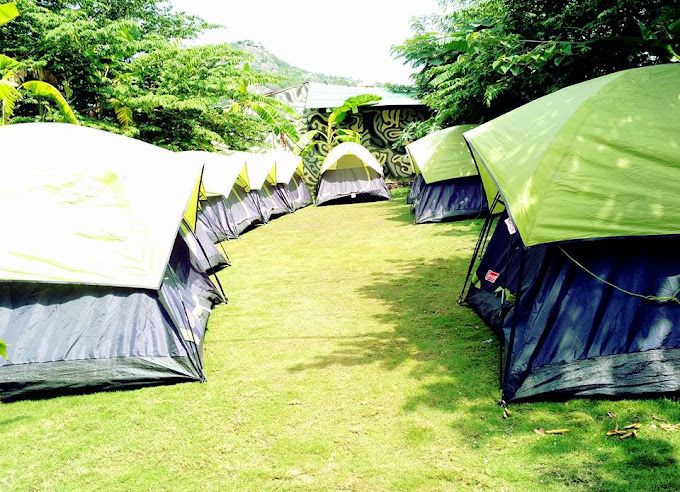
For travelers who wish to extend their visit beyond a day trip, the rural belts surrounding Kanakapura and the river valley host a variety of quiet accommodation options. Rather than large commercial hotels, the area is best known for peaceful countryside retreats, eco-friendly farm stays, and scenic outdoor campsites located amidst plantations and rocky hills.
Whether you are looking for a rustic tent pitched beneath the night sky or a comfortable homestay serving regional Karnataka food, you can find and book verified stays and outdoor camps near the Arkavati River on HireACamp. Staying overnight allows you to experience the river valley at its quietest, waking up to birdsong and misty mornings along the rural trails.
Frequently asked questions
Where does the Arkavati River meet the Kaveri River?
The Arkavati River merges with the Kaveri River at a picturesque confluence known as Sangama, situated south of Kanakapura near the border of Karnataka and Tamil Nadu.
Is it safe to swim in the Arkavati River?
Swimming is generally not recommended due to uneven riverbeds, submerged slippery rocks, and unpredictable water currents that can vary with seasonal flow and dam releases.
Can I visit the Arkavati River as a day trip from Bengaluru?
Yes, the river reaches around Kanakapura are located roughly two to three hours from Bengaluru by road, making it a convenient destination for a day trip.
What birds can be seen along the Arkavati River?
Birdwatchers can spot a variety of resident and migratory species, including white-throated kingfishers, pond herons, little egrets, river terns, and cormorants.
Does the Arkavati River have water throughout the year?
The river is primarily rain-fed, meaning it flows fullest during and immediately after the monsoon from July to January, while drying down to shallow pools and sandbars during peak summer.
Where you'll be
Kanakapura, KA · 1 stay nearby shown with prices
Stays near Arkavati River
Book a place to stay close by
More places near Arkavati River
Within 20 km


Built from 0 Instagram posts by 0 creators. Every tip links back to the post it came from, and where creators disagree we show both sides.






