
Ghangad Fort
Fort near Sudhagad, Maharashtra
8.7 km from Sudhagad
The nearest town, for stays, food and fuel.
Ghangad Fort is a historic hill fortress situated near Ekole village in the Mulshi taluka of Maharashtra. Perched amidst the rugged ridgelines of the Sahyadri mountains, the fort is surrounded by dense forest cover and deep gorges. Outdoor enthusiasts and history buffs visit Ghangad for a rewarding trek that offers expansive views of neighboring peaks and quiet natural landscapes.
Getting there
By road
- From SudhagadNearest town2 hr 10 min · 80 km
- From Pune2 hr 40 min · 86 km
- From Mumbai 2 hr 50 min · 130 km
- From Nashik5 hr 35 min · 292 km
Typical drive times without traffic. Stations and airports from OLA Maps; distances and typical drive times from OpenStreetMap (© OpenStreetMap contributors); notes from creators' Reels.
About Ghangad Fort
Written with AI from map data and general knowledge. Check prices and timings locally before you go.
History and significance of Ghangad Fort
Ghangad Fort holds a quiet but strategic place in the history of the Western Ghats. While not as vast as some of the grander Maratha strongholds, its geographical position allowed it to command the ancient trade routes that linked the Konkan ports with the Deccan plateau via the Bhor Ghat and Sawashni Ghat regions. Records suggest that Ghangad served primarily as a watchtower and a fortified outpost rather than a major residential fort.
During various eras, the fort changed hands between the Adil Shahi dynasty, the Maratha Empire under Chhatrapati Shivaji Maharaj, and later the Peshwas. Historical accounts note that during the Peshwa period, Ghangad was also used as a prison for rebel captives due to its isolated surroundings and sheer cliffs that made escape nearly impossible. In 1818, the fort came under British control following the decline of the Maratha Empire. Today, the remnants of fortification walls, stone bastions, rock-cut water cisterns, and entrance gateways offer a glimpse into the defensive tactics of the era.
The trek to Ghangad Fort
The trek to Ghangad Fort begins at the quiet hamlet of Ekole, which sits nestled at the foot of the hill. From the village, a clear dirt trail heads through farmlands and winds gently upward through a patch of mixed deciduous forest. The initial climb is gradual and provides shade under broad tree canopies, with the calls of forest birds breaking the stillness.
As you ascend higher, the gradient steepens toward the outer perimeter of the fort. You will pass ancient rock-cut water tanks and stone carvings before arriving at an imposing rock face that historically formed a natural defense barrier. A sturdy metal ladder has been fixed along this steep section to help trekkers safely navigate the vertical rock patch. Climbing this ladder leads you through an ancient stone doorway into the middle tier of the fort.
From the middle plateau, a further trail climbs toward the uppermost ridge. At the top, you are rewarded with panoramic views across the Mulshi catchment area. Looking across the horizon, one can spot the sharp upright wall of Tailbaila dyke, as well as the silhouettes of Sudhagad and Korigad forts in the distance.
Read more
Best time to visit Ghangad Fort
The atmosphere at Ghangad Fort changes distinctly through the seasons, with the post-monsoon and winter months offering the most comfortable conditions for exploration. From October to February, the weather across the Sahyadris remains pleasantly cool, with bright blue skies and clear visibility that make trekking and ridge photography a delight. Mornings during these months are crisp, and the afternoon sun is relatively gentle.
Monsoon season, which runs from late June through September, transforms the entire Mulshi landscape into a vibrant green wonderland. Heavy rain clouds frequently roll over the fortress, and temporary streams flow along the hillside. While this is the most visually dramatic time to visit, rain makes the earthen trail slick and the rock stairs slippery. Trekkers during the monsoon must proceed with care and prepare for unpredictable showers and dense fog.
Summer sets in from March and lasts until early June, bringing high daytime temperatures and dry terrain. Trekking during this period requires early morning starts to avoid the midday heat, though the evenings atop the plateau can be surprisingly breezy.
How to reach Ghangad Fort
Ghangad Fort is located along Ekole Road in the Mulshi region of Maharashtra, accessible from both Pune and Mumbai. The base village of Ekole is the primary access point for the trek and can be reached by road through scenic countryside.
Travelers departing from Pune can drive via the Paud and Mulshi Lake road, continuing along the route that winds past Tamhini toward Bhabarde and Ekole. The drive takes you past rural hamlets and lakeside stretches before arriving at the village where parking is generally available in open designated spaces.
If you are traveling from Mumbai, the most common route runs along the Mumbai-Pune Expressway up to Lonavala. From Lonavala, take the local roads leading past Aamby Valley toward Tailbaila and down into Ekole village. Public transport options include taking a train or bus to Lonavala or Paud, followed by private local jeep hires or state transport buses heading toward the interiors of Mulshi.
Tips for your visit
Planning ahead ensures a smooth and safe trek to Ghangad Fort. While the trail is graded as easy to moderate, wearing sturdy trekking shoes with reliable grip is essential, particularly on the loose gravel near the ladder section and on wet rock surfaces after rain.
There are no commercial food stalls or shops on the fort plateau, so carry sufficient drinking water and high-energy snacks from the base village. Staying hydrated is vital, as climbing under the open sun can be tiring even in cooler months. A small backpack will keep your hands free for balancing along the narrow paths and gripping the metal ladder rungs.
As with all heritage sites in the Sahyadris, respect the delicate natural and historical environment. Avoid entering untamed bush off the marked paths, and always bring back all your waste, including wrappers and plastic containers, to keep the mountain clean for fellow travelers and local wildlife.
Places to visit nearby
The landscape surrounding Ghangad is filled with outdoor attractions and historical landmarks. Just a short drive away lies the distinctive rock monolith of Tailbaila, which is famed among rock climbers for its sheer vertical basalt faces. The broad plateau of Sudhagad Fort sits nearby, renowned for its large perimeter, ancient temples, and sweeping views of the Konkan plains.
To the northeast, Korigad Fort offers another accessible hilltop walk featuring large water lakes and surviving ramparts overlooking the valley. Water lovers can also explore the serene shores of Mulshi Lake, where the vast water reservoir set against rolling hills creates an idyllic backdrop for quiet road trips and nature watching.
Where to stay near Ghangad
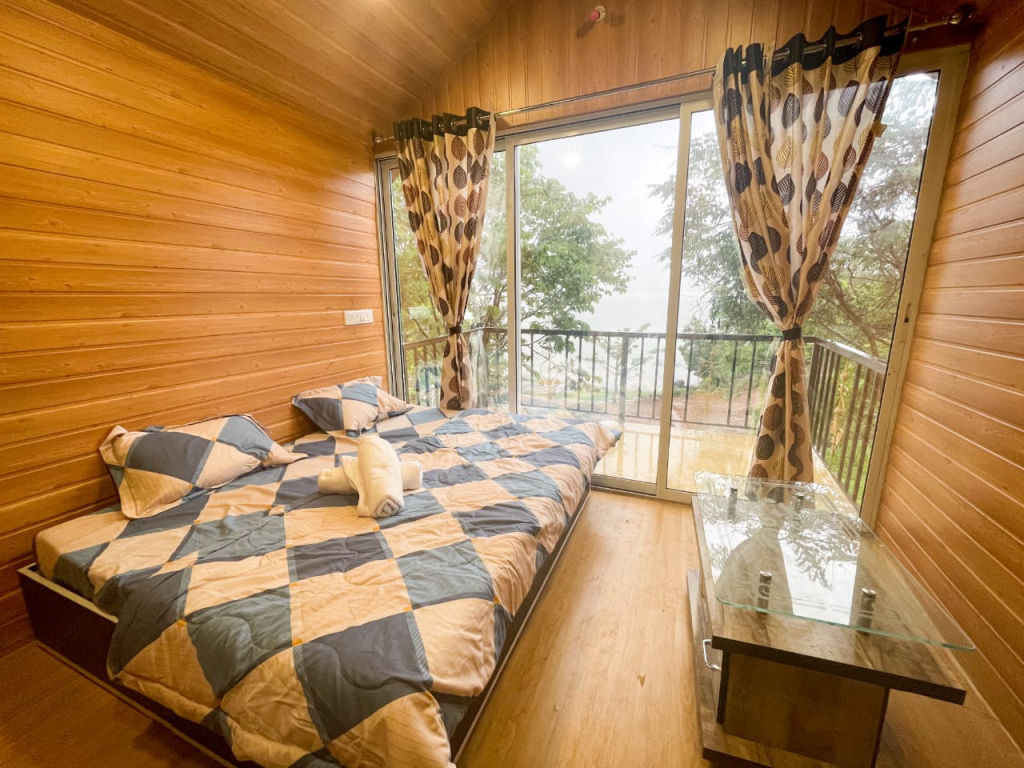
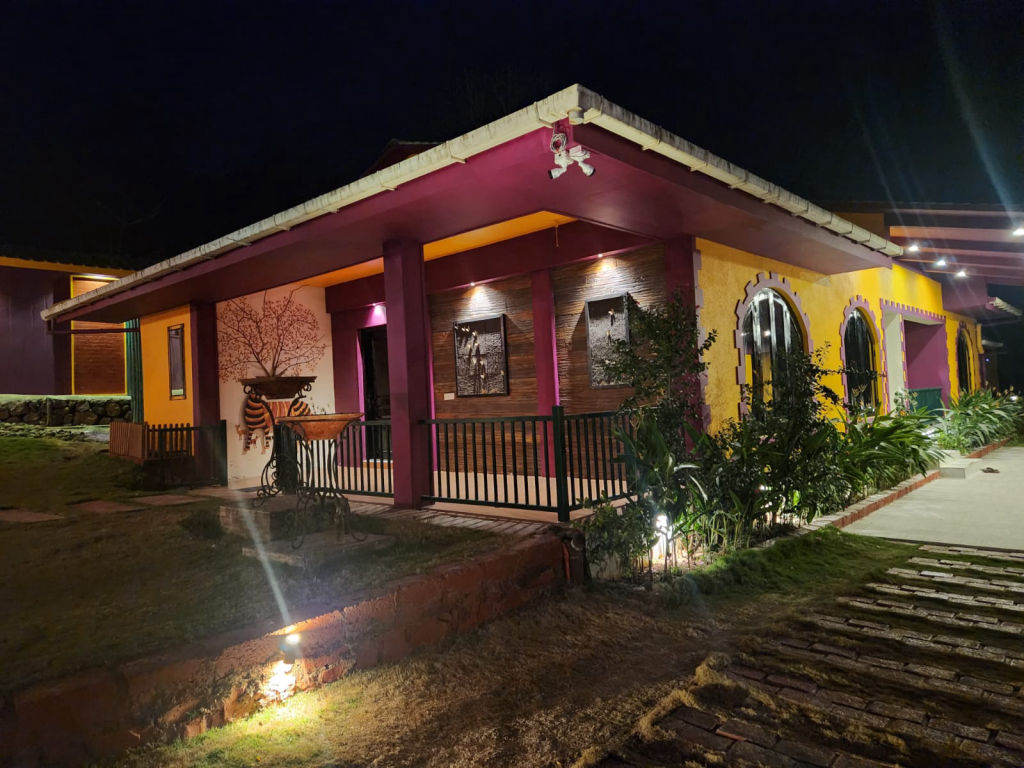
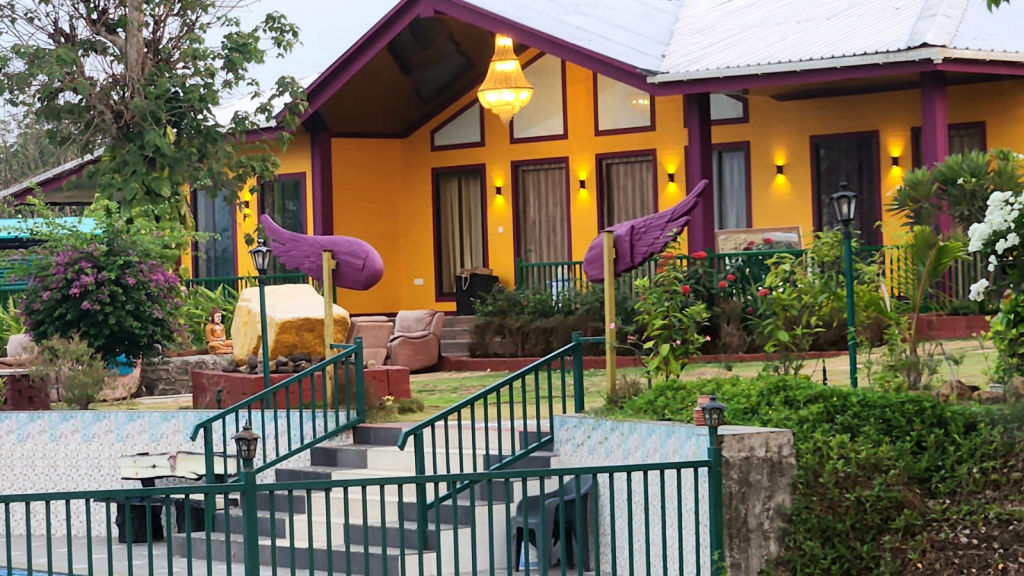
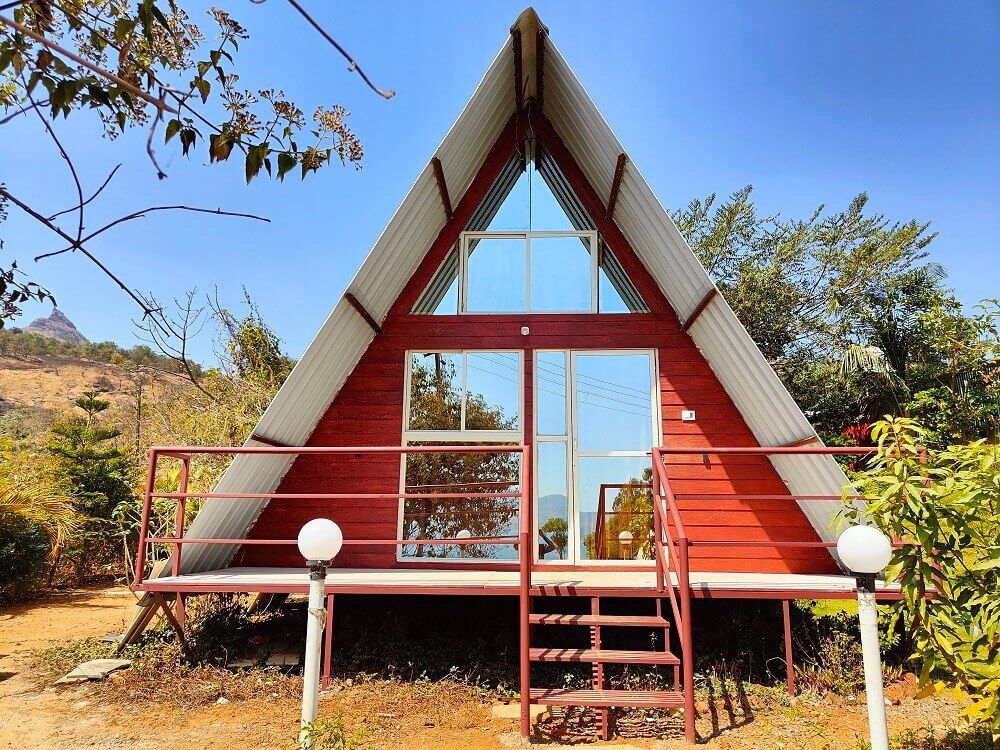
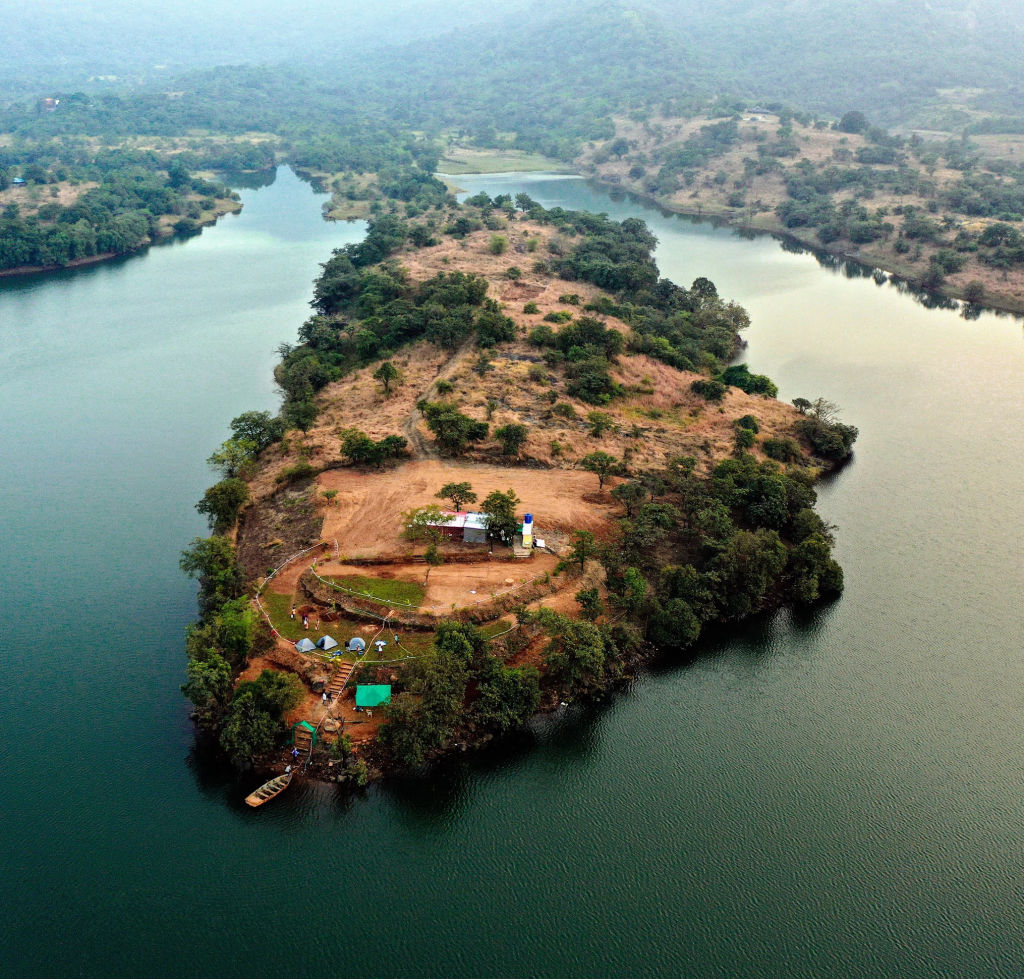
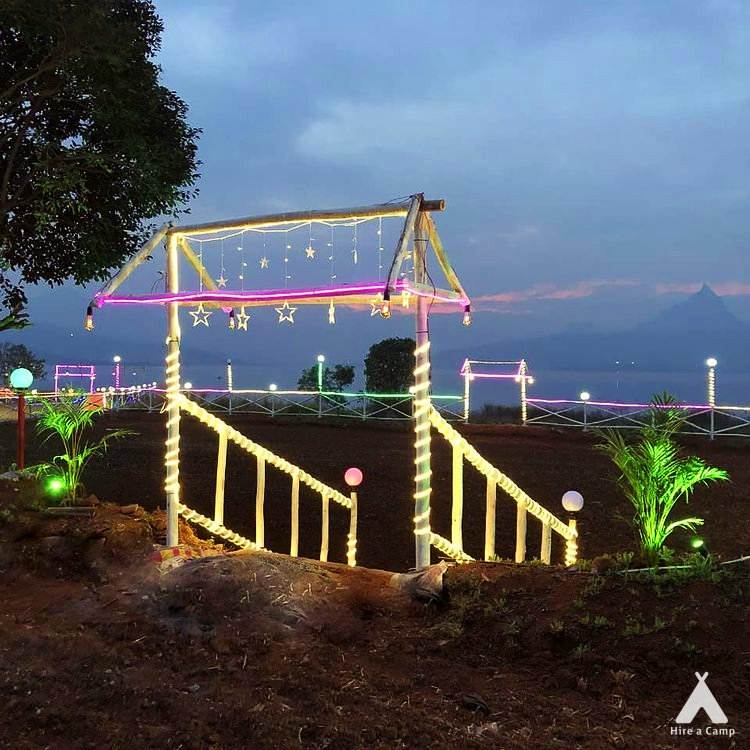
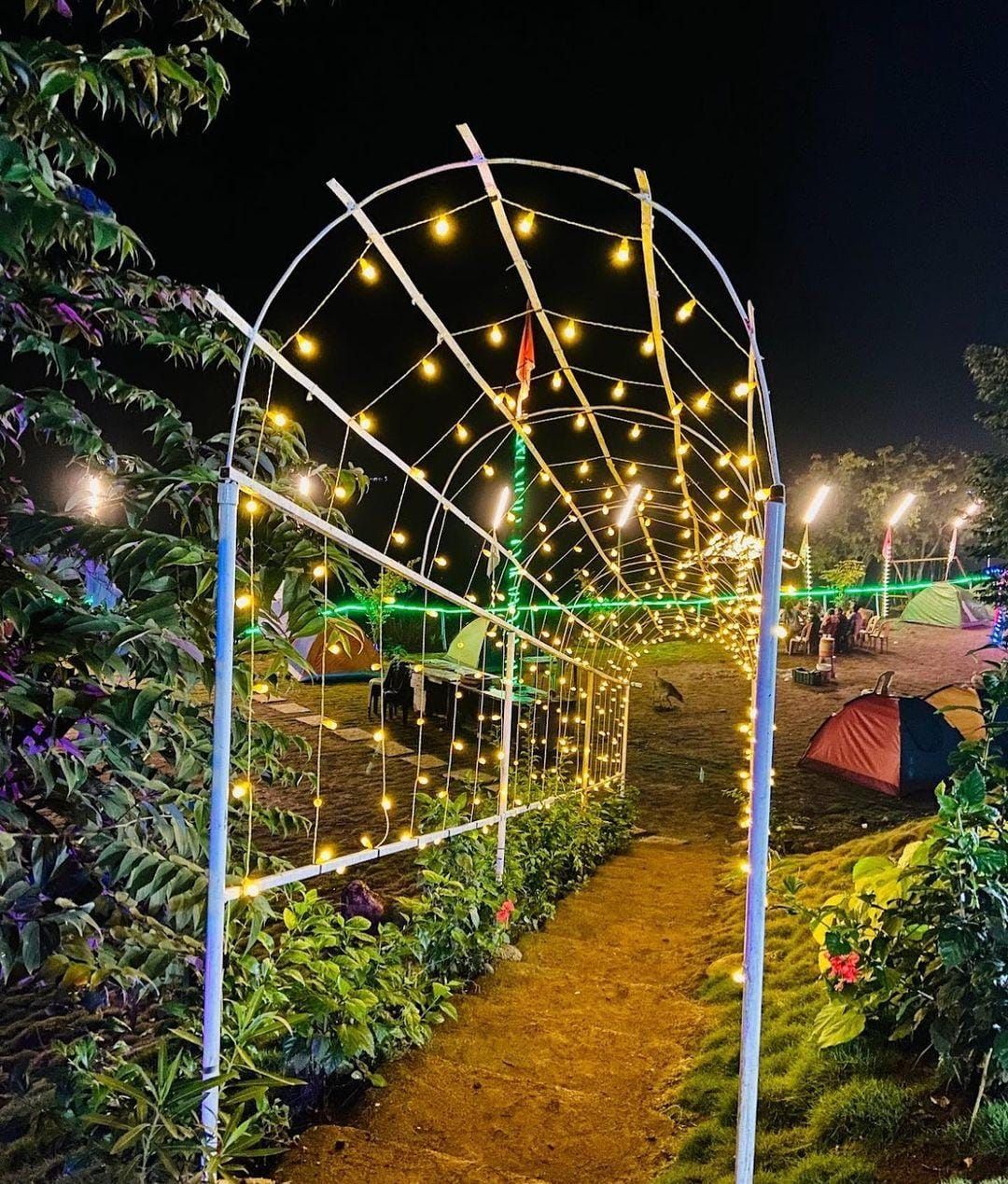
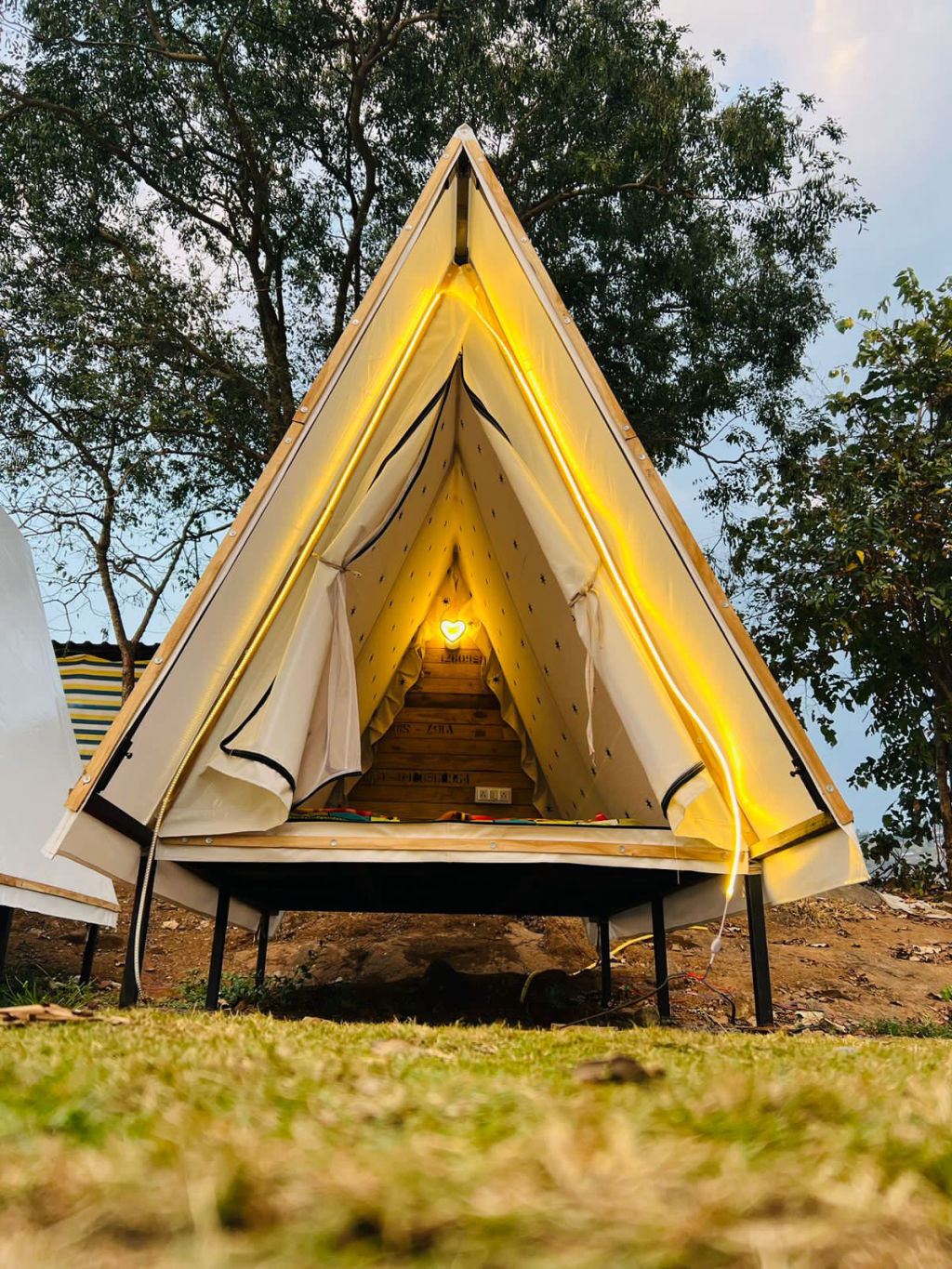
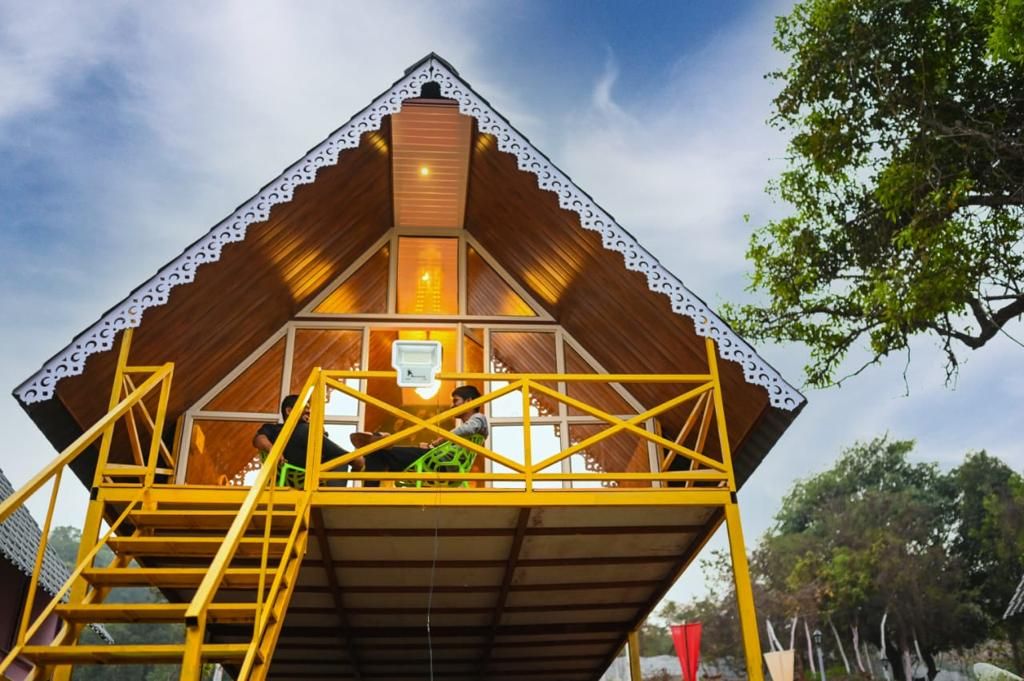
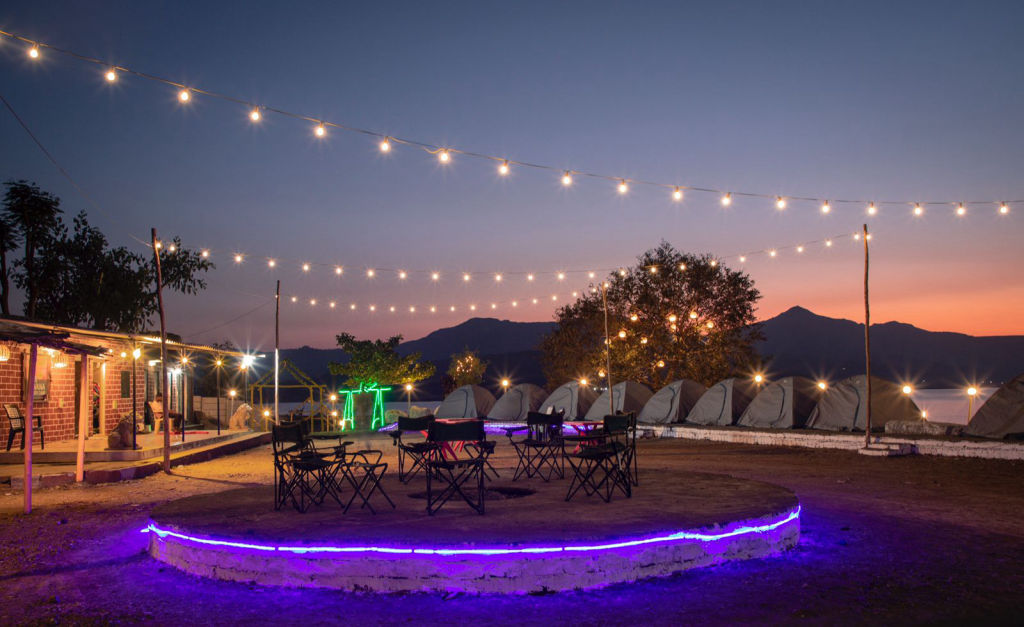
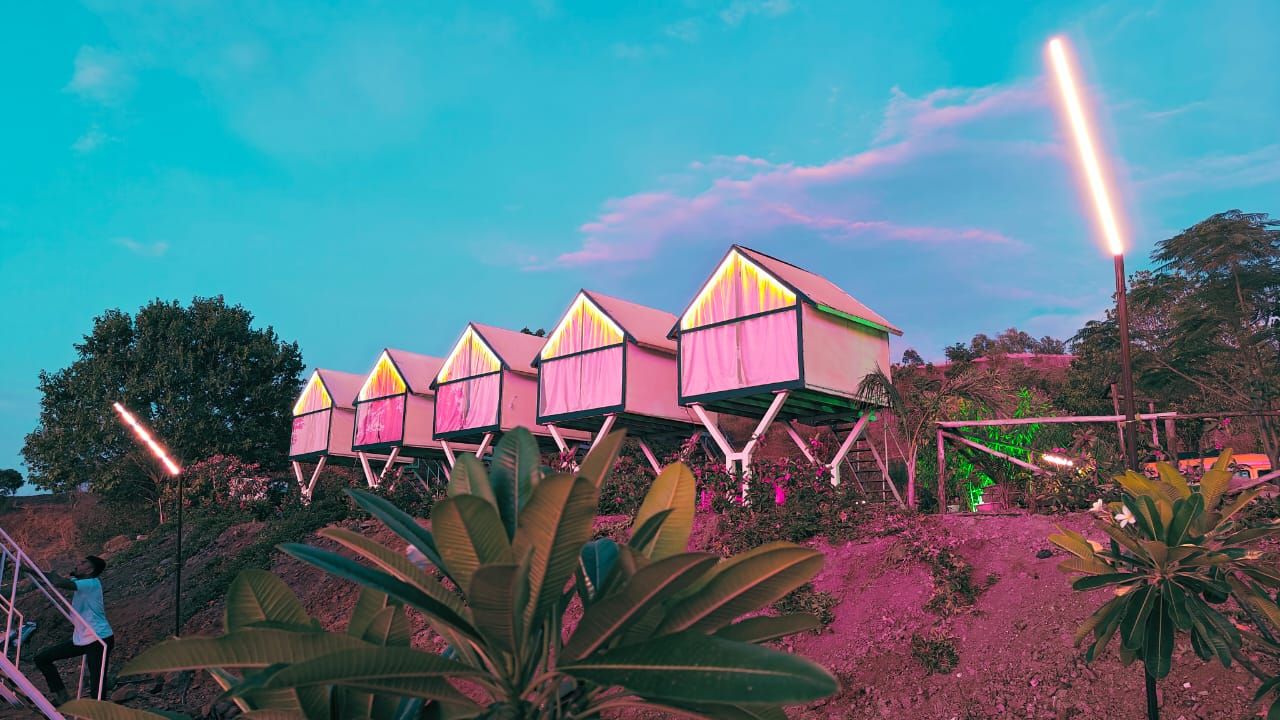
The rural stretch around Mulshi and Ekole provides a peaceful retreat away from bustling urban centers. Travelers looking to spend a night close to nature will find a variety of rustic farmstays, boutique cottages, and peaceful lakeside campsites scattered across the valley.
Homestays in neighboring villages offer comfortable traditional hospitality along with home-cooked Maharashtrian meals prepared from local ingredients. If you prefer sleeping outdoors beneath starry skies, camping along the fringes of the hills or near scenic water bodies is a popular option. You can discover and book verified campsites and authentic homestays throughout this region on HireACamp.
Frequently asked questions
How long does it take to climb Ghangad Fort?
The trek from the base village of Ekole to the top of Ghangad Fort typically takes between one to two hours at a steady pace. Spending an additional hour or two at the summit allows ample time to explore the ruins and take in the panoramic views.
Is the trek to Ghangad Fort suitable for beginners?
Yes, Ghangad is widely considered an easy to moderate trek suitable for beginners and families with active children. The fixed metal ladder has made the single steep rock passage much safer and easier to negotiate.
Can I camp on top of Ghangad Fort?
While the summit plateau has open ground and sheltered caves, facilities are non-existent. Trekkers often choose organized campsites located around Mulshi Lake or near the base villages instead, which offer basic amenities and comfortable stays.
Is drinking water available at Ghangad Fort?
There are natural rock-cut water cisterns on the fort, but the water in them is generally untreated and not recommended for drinking. It is best to carry at least two liters of clean drinking water with you from the base village.
Where you'll be
Ekole Road, Mulshi, MH · 12 stays nearby shown with prices
Stays near Ghangad Fort
Book a place to stay close by

More places near Ghangad Fort
Within 20 km


Lists for this area
Ranked by how many creators recommend each place


Built from 0 Instagram posts by 0 creators. Every tip links back to the post it came from, and where creators disagree we show both sides.






