
Gir National Park and Wildlife Sanctuary
Forest near Sasan Gir, Gujarat
300 m from Sasan Gir
The nearest town, for stays, food and fuel.
Gir National Park and Wildlife Sanctuary, located near Talala in the Kathiawar region of Gujarat, is renowned worldwide as the only remaining natural home of the Asiatic lion. The sanctuary encompasses rugged hills, deciduous teak forests, and open scrublands that harbor a wide array of wildlife, from leopards to marsh crocodiles. Travelers visit Gir to venture into its historic forest tracks on guided safaris and witness one of the most successful conservation recoveries in Asia.
Getting there
By road
- From Sasan GirNearest town1 min · 500 m
- From Ahmedabad7 hr 30 min · 403 km
- From Vadodara8 hr 50 min · 441 km
- From Surat10 hr 50 min · 641 km
Typical drive times without traffic. Stations and airports from OLA Maps; distances and typical drive times from OpenStreetMap (© OpenStreetMap contributors); notes from creators' Reels.
About Gir National Park and Wildlife Sanctuary
Written with AI from map data and general knowledge. Check prices and timings locally before you go.
The Landscape and Wildlife of Gir
Gir National Park and Wildlife Sanctuary occupies a distinctive biogeographical zone in Gujarat. Characterized by dry deciduous forests dominated by teak, interspersed with thorny scrubland, savannah grasslands, and rocky ravines, the terrain is shaped by several perennial and seasonal rivers including the Hiran, Machhundri, Raval, and Shingoda. These rivers and the water bodies formed by check dams provide critical lifelines for forest dwellers through the hot, dry months.
The undisputed monarch of this landscape is the Asiatic lion. Once pushed to the brink of extinction through hunting and habitat loss across southwest Asia and northern India, the lion population in Gir found sanctuary under local conservation efforts that began more than a century ago. Today, the park and its surrounding buffer regions sustain a thriving breeding population. Alongside the lions, Gir supports a dense population of leopards, chital or spotted deer, sambar, nilgai, Indian gazelles, and wild boars.
Birdlife in Gir is equally impressive. The sanctuary serves as home to over three hundred species of birds, including crested serpent eagles, changeable hawk-eagles, painted sandgrouse, Indian pitta, and various species of vultures. The water reservoirs also shelter Mugger crocodiles, making every corner of this forest alive with ecological drama.
Safari Experiences in Gir
Experiencing Gir is centered around guided open-top jeep safaris conducted along designated trail routes within the sanctuary. Safaris operate in timed windows during the early morning and late afternoon, when animal activity is generally at its highest. Forest department guides accompany every vehicle, offering keen eyes that spot camouflaged fauna and interpreting forest signs such as alarm calls and pugmarks.
Each safari trail showcases different facets of the park's topography. Some routes pass along riverbeds where marsh crocodiles sun themselves on mud banks, while others wind through dense teak woodlands and scrub hills where lions rest in the shade of acacia bushes. In addition to the main sanctuary routes, an enclosed interpretive zone exists at Devalia, often visited by travelers who wish to see native wildlife in a managed safari format.
Silence and patience are essential while traversing the jungle tracks. Wildlife sightings are never guaranteed, but observing the broader dynamics of the forest, such as herds of chital foraging in clearings or troops of gray langurs sounding warnings from the canopy, makes every drive deeply rewarding.
Read more
Best Time to Visit Gir
The climate in this part of Gujarat fluctuates sharply across the year, and each season offers a completely different landscape and safari experience.
The winter months, running from November to February, are widely considered the most comfortable time to visit Gir. Temperatures during the day remain pleasant, while early mornings can be noticeably chilly. The forest foliage remains relatively green, and migratory birds arrive in large numbers across water bodies.
As summer takes over from March through May, temperatures soar into the high thirties and forties. While the heat can be intense, summer is considered the most productive season for wildlife viewing. The deciduous trees shed their leaves, thinning the cover, and animals frequently congregate around the few remaining waterholes and riverbanks. The sanctuary is typically closed to tourists during the monsoon season between mid-June and mid-October to allow the forest ecosystem to regenerate and wildlife to breed undisturbed. Travellers should check local announcements for seasonal opening dates.
How to Reach Gir National Park
Gir National Park and Wildlife Sanctuary is well connected to major transit hubs across Gujarat. The nearest small town is Talala, located a short drive from the sanctuary's western fringes, while Sasan Gir acts as the principal tourism hub and entry gate.
For air travel, the nearest airports are located at Diu, Rajkot, and Keshod. From these airports, visitors can hire private taxis or board state transport buses to reach the park. Ahmedabad, which serves as a major international and domestic aviation hub, lies roughly seven to eight hours away by road.
Travelers opting for railways will find regular train connections to Junagadh and Veraval, both of which are prominent railheads situated within reasonable driving distance of the forest gates. The road network connecting Gir to nearby cities like Junagadh, Somnath, and Rajkot is well paved, making a road trip through rural Saurashtra a scenic and accessible journey.
Tips for Your Visit to Gir
A trip into the forest requires advance planning and mindful conduct. All sanctuary safaris require permits issued by the forest department, and quotas fill quickly, especially during weekends, school vacations, and festive holidays. It is best to organize your safari permits well before your travel dates.
When packing, choose lightweight cotton clothing in neutral, earthy shades like khaki, olive, and brown. Avoid bright colors and strong perfumes, which can agitate or deter wildlife. During winter morning drives, layering is crucial, as the open vehicles face cold winds before the sun rises. A scarf or bandana is helpful year-round to protect your face from dust on unpaved dirt tracks.
Always adhere strictly to park regulations: never alight from the vehicle inside the core sanctuary, keep your voice low, and avoid making sudden gestures. Carrying plastic into the forest is discouraged, and all waste must be brought back to your stay for proper disposal.
Places to Explore Nearby
The region surrounding Gir National Park features a wealth of cultural and natural sites that pair well with a wildlife holiday. Roughly thirty-seven kilometers away lies the famous Shree Somnath Temple on the Arabian Sea coast, an ancient pilgrimage destination renowned for its spiritual heritage and coastal views.
Within the forest region, travelers can visit secluded spiritual sites such as Kankai Mata Temple and Banej Temple, both steeped in local lore and framed by deep wilderness. For nature enthusiasts, the seasonal Jamjir Waterfall near Kodinar provides a striking view of cascading streams carved into the rocky terrain, particularly after the monsoons. The prominent peak of Sarkala and the sacred shrine of Galadhara Khodiyar Mandir also offer rewarding day excursions for those keen to experience Saurashtra's rustic rural charm.
Where to Stay around Gir
Accommodation choices around Gir National Park cater to a broad spectrum of nature lovers, families, and solo explorers. The belt surrounding Sasan Gir and the Talala orchards is dotted with peaceful eco-camps, nature retreats, rustic homestays, and farm stays surrounded by mango groves. Staying close to the sanctuary gates allows travelers to soak in the morning calls of peacocks and the nocturnal stillness of the countryside. A variety of verified camps and homestays can be browsed and booked directly on HireACamp.
Frequently asked questions
What is Gir National Park most famous for?
Gir National Park is globally famous for being the last surviving wild habitat of the endangered Asiatic lion. It is also home to one of the highest densities of leopards in India alongside diverse bird and mammal species.
When does the sanctuary close for visitors?
The core sanctuary is closed during the monsoon season, typically from mid-June to mid-October, for animal breeding and forest regeneration. Travelers should check with forest department updates locally before planning visits around these dates.
How do I book a safari at Gir?
Safaris must be booked through the official Gujarat Forest Department permit system. Due to high demand and strict vehicle caps, permits should be secured well in advance of your trip.
What should I wear on a jungle safari in Gir?
Wear earth-toned clothes such as olive, beige, or brown that blend in with the dry deciduous forest. Carry warm layers for winter morning drives and light, breathable cottons along with sun protection for daytime safaris.
Are private vehicles allowed inside the sanctuary?
Private vehicles are not permitted on the safari routes inside the core sanctuary. Visitors must travel in registered open-top forest department jeeps accompanied by an authorized local guide.
Where you'll be
Talala, GJ · 3 stays nearby shown with prices
Stays near Gir National Park and Wildlife Sanctuary
Book a place to stay close by
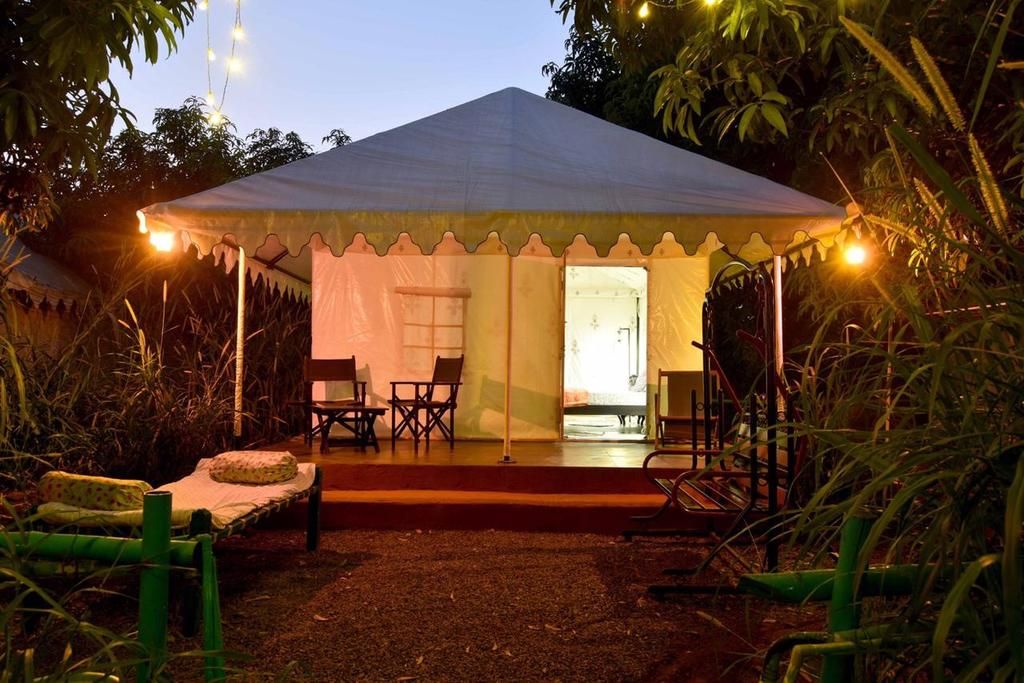
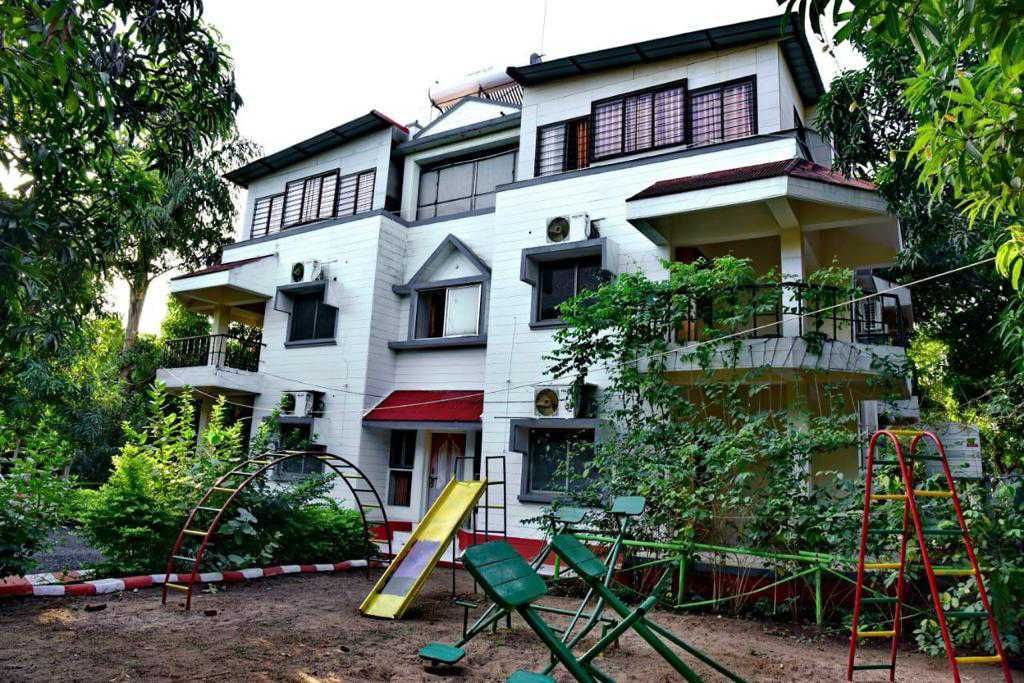
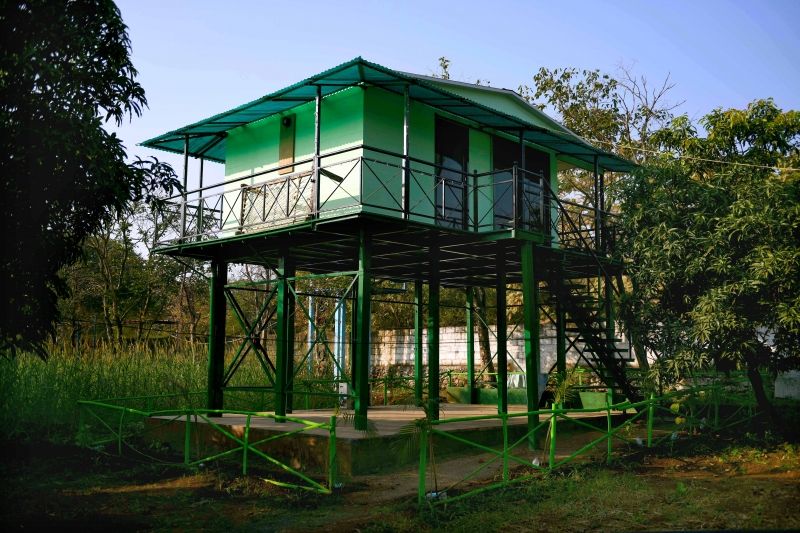
More places near Gir National Park and Wildlife Sanctuary
Within 20 km

Built from 0 Instagram posts by 0 creators. Every tip links back to the post it came from, and where creators disagree we show both sides.






