
Gir National Park and Wildlife Sanctuary
Park near Sasan Gir, Gujarat
14 km from Sasan Gir
The nearest town, for stays, food and fuel.
Gir National Park and Wildlife Sanctuary is the world's sole natural sanctuary for the Asiatic lion, located in the rugged Saurashtra peninsula of Gujarat near Visavadar. Spanning undulating hills, dry deciduous scrublands, and seasonal river valleys, the reserve provides a critical refuge for diverse predators, ungulates, and avian species. Travellers and wildlife enthusiasts visit from across the globe to observe lions in their indigenous woodland habitat and explore an authentic wilderness landscape.
Getting there
By road
- From Sasan GirNearest town1 hr 10 min · 40 km
- From Ahmedabad6 hr 40 min · 362 km
- From Vadodara8 hr · 401 km
- From Surat10 hr · 600 km
Typical drive times without traffic. Stations and airports from OLA Maps; distances and typical drive times from OpenStreetMap (© OpenStreetMap contributors); notes from creators' Reels.
About Gir National Park and Wildlife Sanctuary
Written with AI from map data and general knowledge. Check prices and timings locally before you go.
About Gir National Park and Wildlife Sanctuary
Gir National Park and Wildlife Sanctuary is globally celebrated as the singular home of the Asiatic lion. Situated in the southwestern quadrant of Gujarat, close to the town of Visavadar, this protected tract represents one of western India's most significant ecological conservation achievements. Historically conserved by the royal authorities of Junagadh when lion numbers dropped precipitously in the early twentieth century, the sanctuary has since flourished under dedicated state protection, allowing the resident feline population to rebound and stabilise.
The reserve encompasses a diverse mix of core national park terrain and an expansive wildlife sanctuary buffer. Seven perennial rivers thread through the landscape, giving rise to vital water pools and riparian green corridors that sustain animals through the harshest dry seasons. Beyond its conservation triumphs, Gir also preserves an enduring cultural coexistence, where indigenous pastoral communities known as Maldharis have traditionally shared the fringes of the forest with native carnivores for generations.
Wildlife and Landscape of Gir
The topography of Gir National Park and Wildlife Sanctuary is dominated by low, rocky hill ranges, broad plateaus, and gently rolling valleys. Teak trees make up a considerable portion of the forest canopy, complemented by hardy species such as flame of the forest, axlewood, and dense patches of thorn scrub and acacia. During the dry season, the forest sheds its leaves, transforming the terrain into an open, golden expanse where wildlife spotting is remarkably clear.
While the Asiatic lion remains the primary draw, Gir is an immensely biodiverse sanctuary housing the highest density of leopards in Gujarat. The herbivore community includes large herds of chital, sambar, nilgai, four-horned antelope, and wild boar, alongside predators like striped hyenas, golden jackals, and jungle cats. Marsh crocodiles bask openly along the riverbanks and reservoir edges. The park is also a premier destination for birdwatchers, harboring over three hundred recorded species, including the endangered white-backed vulture, crested serpent eagle, painted sandgrouse, and numerous migratory waterfowl during the cooler months.
Read more
Best Time to Visit Gir National Park
The climate in the Saurashtra region follows three pronounced seasons, each changing the character of the reserve. Winter, spanning from November through February, offers the most pleasant conditions for travelling. Morning temperatures can drop sharply, creating cool, crisp dawn drives, while afternoons remain mild and comfortable. Birdlife is abundant during this period due to the influx of northern winter migrants, making it an excellent time for photography and wildlife safaris.
Summer sets in between March and June, bringing intense heat and arid conditions. Despite the high daytime temperatures, this is often the most productive period for carnivore sightings. As smaller pools evaporate, animals congregate reliably around remaining watercourses and artificial water holes, while the depleted foliage improves visibility through the trees. The monsoon months, from late June to mid-October, receive substantial rainfall, replenishing the rivers and revitalising the vegetation. Safaris are typically suspended during the monsoon season for animal breeding and forest recovery, so travellers should check local forest department schedules prior to planning a trip.
Experiencing the Forest Safaris
Safaris inside Gir National Park and Wildlife Sanctuary are conducted in open-top forest vehicles operating along designated wilderness routes. These trails wind through deep teak groves, rocky river fords, and sprawling scrub plains, offering an immersive introduction to the reserve. Entering the forest at dawn brings the opportunity to listen for alarm calls from chital and langurs that often indicate a predator on the move.
To safeguard the wildlife and minimize environmental impact, safari slots and entry permits are managed under regulated quotas. Travellers should arrange their bookings well in advance through official government channels to secure preferred routes and timings. It is vital to adhere to forest guidelines throughout your visit: remain inside the safari vehicle, dress in muted earth tones such as khaki, brown, and olive green to blend into the habitat, and avoid playing music or using bright flashes when photographing wildlife.
How to Reach Gir National Park
Gir National Park and Wildlife Sanctuary is well connected to major transit hubs across Gujarat. Visavadar is the nearest town, serving as a quiet gateway to the northern segments of the forest. The larger historic city of Junagadh lies around fifty kilometres away and provides the most comprehensive rail connectivity, with trains arriving from Ahmedabad, Rajkot, and Mumbai.
For air travellers, the domestic airport at Keshod is situated within a convenient driving distance, while Rajkot Airport and Diu Airport offer wider commercial flight connections. From any of these hubs, private taxis and state transport buses run frequently towards the sanctuary reception zones and Visavadar. Road journeys through Saurashtra follow smooth state highways that cut through farmland, mango orchards, and rural villages, giving motorists a scenic transition into the woodlands.
Places to Visit Nearby
Exploring the country around Gir National Park opens up a variety of natural and historic landmarks within easy reach. Located deep inside the reserve boundaries is the Kankai Mata Temple, roughly twenty-four kilometres away, where devotees visit an ancient shrine surrounded by untamed wilderness. Another secluded spiritual landmark within the forest interior is the Banej Temple, positioned thirty-nine kilometres from the town fringe, celebrated for its solitude and storied setting.
Those interested in trekking and elevated viewpoints can journey towards Sarkala peak, approximately twenty-five kilometres away, which rises distinctively above the surrounding forest canopy. For scenic aquatic spots, Jamjir Waterfall, located about forty kilometres away near Jamwala, features cascading natural currents cutting through rocky ledges. Travellers can also explore the historic Galadhara Khodiyar Mandir, roughly thirty-five kilometres away, known for its riverside location and cultural reverence among local communities.
Where to Stay Near Gir
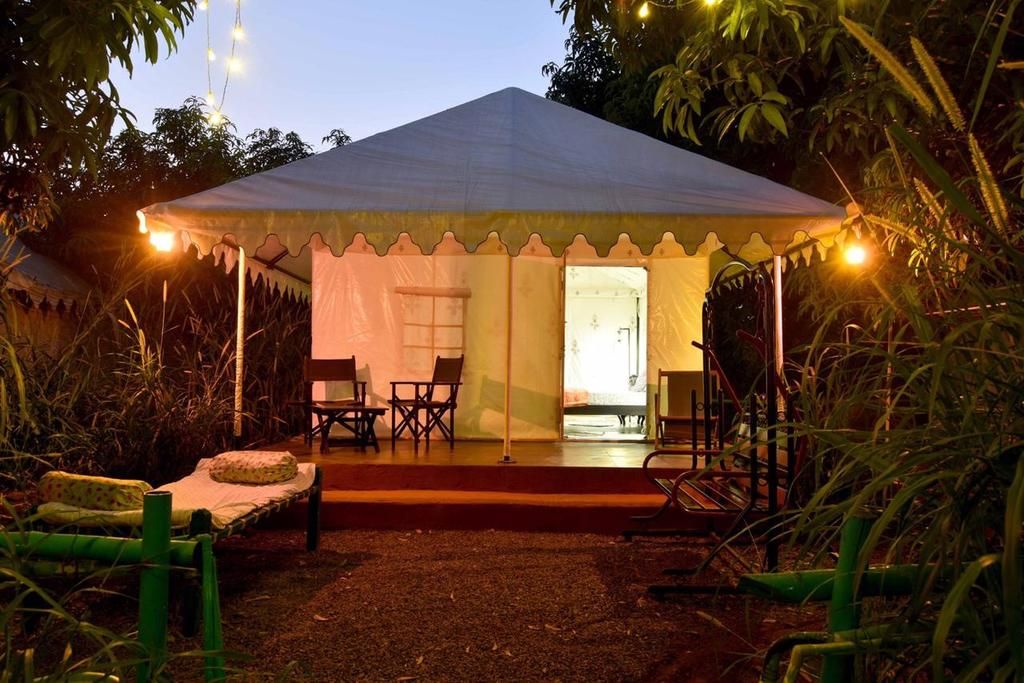
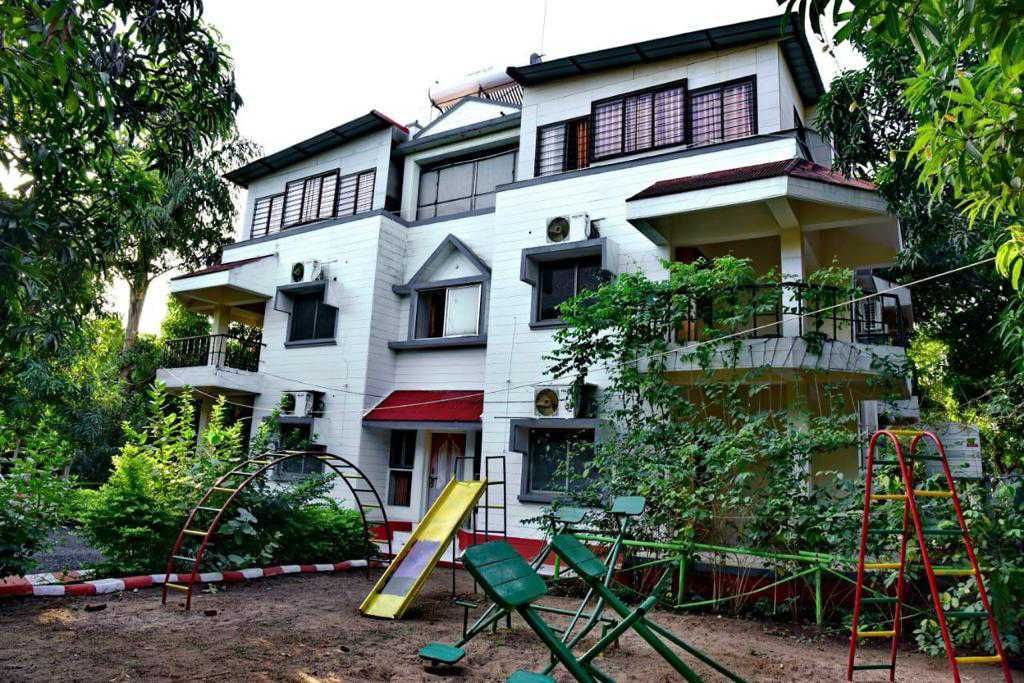
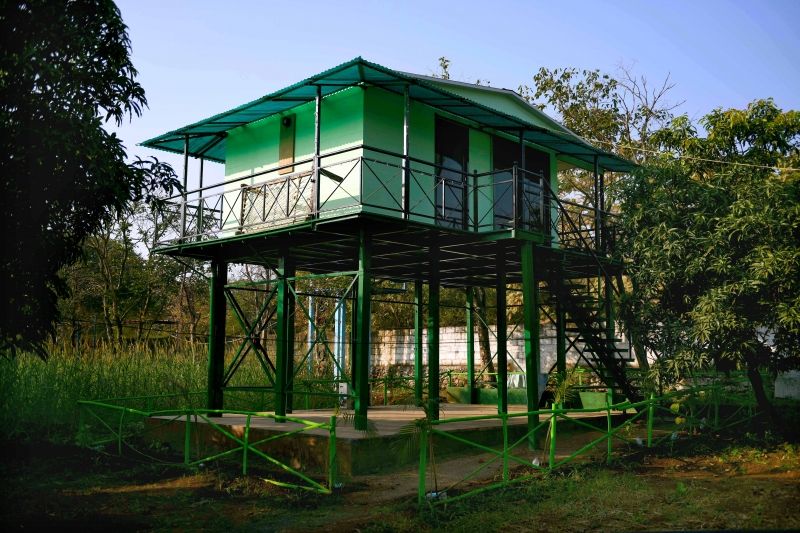
A range of accommodation options can be found surrounding the sanctuary perimeter, catering to travellers who value quiet natural environments and rural hospitality. Staying near the forest edge allows visitors to wake to birdsong and enjoy unobstructed views of open farmland and orchard groves typical of the Visavadar countryside.
Travellers looking for authentic outdoor stays, nature-oriented tent camps, and comfortable family-run homestays can explore available properties on HireACamp. Staying at an eco-friendly campsite or regional homestay provides the opportunity to sample traditional Kathiyawadi cuisine, characterized by freshly roasted millet flatbreads, spicy curries, and homegrown dairy produce, while learning firsthand about the rural lifestyle of the Saurashtra region.
Frequently asked questions
What is Gir National Park famous for?
Gir National Park is famous for being the last remaining natural home of the Asiatic lion. It also supports a thriving population of Indian leopards, marsh crocodiles, and hundreds of bird species.
Which is the nearest town to Gir National Park?
Visavadar is the nearest town to this section of the reserve, while Junagadh serves as the primary major transit hub with broader railway and road connections.
When does Gir National Park close for the season?
The core safari zones of the national park typically close during the annual monsoon season, which usually lasts from mid-June to mid-October, allowing the forest to regenerate and wildlife to breed.
Do I need to book Gir safari permits in advance?
Yes, permits are strictly regulated and allocated in limited quantities per day. It is recommended to secure your official safari permits online well ahead of your intended visit date.
What should I wear on a safari in Gir?
Wear comfortable, breathable clothing in muted earthy colors like beige, khaki, grey, and olive green to blend into the forest surroundings. Bring warm layers if visiting during winter mornings.
Where you'll be
Visavadar · 3 stays nearby shown with prices
Stays near Gir National Park and Wildlife Sanctuary
Book a place to stay close by
More places near Gir National Park and Wildlife Sanctuary
Within 20 km

Built from 0 Instagram posts by 0 creators. Every tip links back to the post it came from, and where creators disagree we show both sides.






