
Gnathang Valley
Valley near Gangtok, Sikkim
300 m from Gangtok
The nearest town, for stays, food and fuel.
Gnathang Valley is a high-altitude alpine plateau situated along the historic Old Silk Route in East Sikkim. Located at an elevation of over 13,000 feet, the valley was traditionally home to Tibetan yak herders and features vast, windswept terrain surrounded by high Himalayan peaks. Travellers visit Gnathang Valley to experience its dramatic seasonal transformations, remote mountain atmosphere, and panoramic views of the Eastern Himalayas.
Getting there
By road
- From GangtokNearest town1 min · 400 m
Typical drive times without traffic. Stations and airports from OLA Maps; distances and typical drive times from OpenStreetMap (© OpenStreetMap contributors); notes from creators' Reels.
About Gnathang Valley
Written with AI from map data and general knowledge. Check prices and timings locally before you go.
About Gnathang Valley
Gnathang Valley, often referred to locally as Nathang, sits in the eastern reaches of Sikkim along the ancient trade corridor that once connected India with Tibet. Because of its elevation and treeless topography, the valley presents an alpine desert environment distinctly different from the lush subtropical valleys found in lower parts of the state.
The settlement here grew historically as a seasonal grazing camp for yak herders and later served as an outpost during late-nineteenth-century border disputes between British forces and Tibetan troops. Remnants of this history remain visible in the small cemetery and stone markers scattered around the plateau. Today, the village consists of simple timber and stone houses painted in bright colours, standing resilient against the fierce winds and heavy seasonal snowfalls of the high mountains.
The Landscape and Changing Seasons
The appearance of Gnathang Valley shifts dramatically depending on the month of your visit. During the winter, from late December through early April, the entire basin is buried under heavy snowdrifts, transforming it into a stark white expanse where temperatures frequently drop well below freezing.
Spring brings a steady thaw, and by June and July, the melting snow gives way to alpine meadows blanketed in dwarf rhododendrons, primulas, and small mountain wildflowers. The monsoon brings mist, dense cloud cover, and frequent rainfall, which keeps the hillsides green before autumn arrives in October. Autumn offers the clearest skies of the year, providing unhindered views of snow-capped peaks, including glimpses of Mount Kanchenjunga from nearby ridges, against a backdrop of golden-brown alpine grasslands.
Read more
Things to do in Gnathang Valley
A visit to Gnathang Valley is primarily about absorbing the solitude and quiet pace of a remote Himalayan settlement. Walking through the village allows travellers to see traditional high-altitude living, complete with prayer flags fluttering from rooftop poles and wood smoke drifting from low chimneys. A small local monastery and the historic British war memorial provide a look into the region's spiritual traditions and border history.
Travellers often wake early to travel up to nearby high points, such as Eagle's Nest Bunker or Lungthung, to watch the morning light strike the Eastern Himalayan ranges. Photography is rewarding throughout the day, as changing light and fast-moving clouds alter the contours of the valley floor. Birdwatchers can look out for high-altitude species, including the Himalayan monal, blood pheasant, and various raptors that ride the mountain thermal currents.
Places to visit nearby
Gnathang Valley serves as a central point along the Old Silk Route circuit of East Sikkim, placing it close to several notable mountain landmarks. Just a short drive away lies the Old Baba Harbhajan Singh Mandir, an original shrine dedicated to an Indian Army soldier that holds deep spiritual significance for military personnel and travellers alike.
Further along the mountain road is Kupup Lake, also commonly called Elephant Lake because of its distinctive outline. Nearby sits the historic trading post of Kupup, which features one of the highest golf courses in the world and an old post office from the trade caravan era. Heading south toward the lower valleys, visitors can drive along the famous winding roads of Zuluk, where dozens of hairpin turns zigzag down the steep hillside toward Rongli.
How to reach Gnathang Valley
Gnathang Valley is typically accessed from Gangtok, the capital of Sikkim. Travellers generally reach Gangtok by road from the nearest railway hub at New Jalpaiguri or the nearest airport at Bagdogra. From Gangtok, the journey to Gnathang can be made along two main routes depending on road conditions and administrative permissions.
One route travels east past Tsomgo Lake and the Nathula Pass diversion before dropping into the valley. The alternative route winds through the southern foothills via Rongli, Lingtam, and Zuluk, climbing steadily through forested mountains before emerging onto the high plateau. Because Gnathang Valley lies close to international borders, Indian citizens must obtain protected area permits before travelling, while entry for foreign nationals is generally restricted along this sensitive border sector. Check locally in Gangtok or Rongli for the latest permit regulations and road status before setting out.
Tips for your visit
Because Gnathang Valley sits at a significant altitude, acute mountain sickness is a real possibility. It is strongly recommended to spend a night or two at intermediate elevations such as Gangtok, Sillery Gaon, or Zuluk before staying overnight in Gnathang. Drink plenty of water, avoid heavy physical exertion upon arrival, and pay attention to early symptoms of altitude distress like headaches or nausea.
Weather conditions in the valley can change in minutes. Even during the summer months, temperatures drop sharply once the sun goes down, making thermal undergarments, insulated down jackets, windbreakers, and woollen caps essential year-round. Cellular network coverage is very limited or entirely absent across much of the plateau, and there are no commercial banking facilities or ATMs, so carry sufficient cash for your journey.
Where to stay in Gnathang Valley
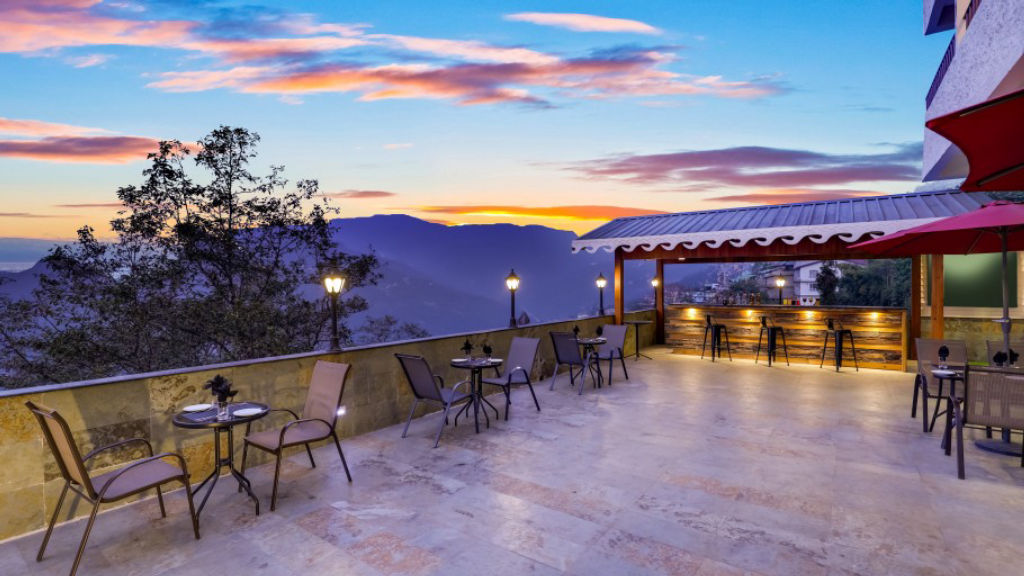
Accommodation options in and around Gnathang Valley consist primarily of authentic village homestays and rustic mountain guest houses run by local families. These stays provide a warm, personal window into life on the high plateau, with home-cooked meals prepared over traditional wood stoves and heavy blankets provided to counter the night chill.
Given the remote setting, facilities are basic and practical rather than luxurious, with bucket hot water being the standard arrangement. You can explore available homestays, rural retreats, and eco-camps throughout the Old Silk Route on HireACamp to secure your stay before travelling into this high-altitude region.
Frequently asked questions
Do I need a permit to visit Gnathang Valley?
Yes, because Gnathang Valley is located in a sensitive border region of East Sikkim, Indian travellers must obtain a protected area permit. These permits can be arranged through registered tour operators or tourism offices in Gangtok and Rongli. Check locally for up-to-date documentation requirements.
Can foreign nationals visit Gnathang Valley?
Foreign tourists are generally not permitted to travel beyond certain designated points along the Old Silk Route due to border restrictions. International travellers should verify the current travel permissions with local authorities in Gangtok before planning a trip.
When does it snow in Gnathang Valley?
Snowfall typically begins in late December and can continue intermittently through April. During deep winter, heavy snow can occasionally block the high passes leading to the valley, so travel during this period depends on active road clearance.
Is Gnathang Valley safe for children and senior citizens?
While the valley is safe, the high altitude and sub-zero night temperatures can be challenging for very young children and elderly travellers. Proper acclimatization at lower elevations like Zuluk or Gangtok is essential before spending the night.
Are there ATMs or petrol stations in Gnathang Valley?
No, there are no ATMs or fuel stations in Gnathang Valley. Travellers should withdraw sufficient cash and ensure their vehicles are fully refuelled before leaving major towns like Gangtok or Rongli.
Where you'll be
Gangtok · 1 stay nearby shown with prices
Stays near Gnathang Valley
Book a place to stay close by
More places near Gnathang Valley
Within 20 km


Lists for this area
Ranked by how many creators recommend each place


Built from 0 Instagram posts by 0 creators. Every tip links back to the post it came from, and where creators disagree we show both sides.






