
Rumtek Monastery
Monastery near Rumtek, Sikkim
1 post · 60.3K views
Guide from 1 post by 1 creator
@trailwithayush
Hidden gem
Far fewer reviews than places like it nearby, yet creators keep finding it.
3.2 km from Rumtek
The nearest town, for stays, food and fuel.
Perched on a quiet hill facing the state capital of Gangtok, Rumtek Monastery is one of the most significant and grandest centres of Tibetan Buddhism in Sikkim. Originally established in the mid-twentieth century as the seat-in-exile of the Gyalwang Karmapa, it serves as the focal point of the Karma Kagyu lineage. Travellers and pilgrims visit to take in its ornate multi-tiered architecture, rare sacred relics, and panoramic vistas of the surrounding misty Himalayan valleys.
Getting there
By road
- From RumtekNearest town16 min · 7 km
By train, bus or air
- SNT Bus StandNearest bus stand21 min · 21 km
- Neepun Tours And Travels | Travel Agency In Sikkim | Sikkim Travel Agent | North Sikkim Tour Operator | Gangtok Travel AgencyNearest airport19 min · 19 km
Typical drive times without traffic. Stations and airports from OLA Maps; distances and typical drive times from OpenStreetMap (© OpenStreetMap contributors); notes from creators' Reels.
About Rumtek Monastery
Written with AI from creators' posts and map data. Check prices and timings locally before you go.
About Rumtek Monastery
Rumtek Monastery, also revered as the Dharma Chakra Centre, stands as an architectural and spiritual marvel in East Sikkim. Built under the direction of the 16th Gyalwang Karmapa, Rangjung Rigpe Dorje, the monastery was constructed as a replica of the historic Tsurphu Monastery in Tibet, the ancestral seat of the Karma Kagyu lineage. When the Karmapa arrived in Sikkim in the late 1950s, the Chogyal (king) of Sikkim granted land in Rumtek, where an earlier eighteenth-century shrine had fallen into ruin.
Today, the expansive monastery complex stands on a lush ridge roughly twenty-four kilometres from Gangtok, overlooking terraced paddy fields, forested slopes, and the distant skyline of the capital city. It is both an active monastic sanctuary where hundreds of monks live, study, and pray, as well as an internationally renowned seat of Tibetan Buddhist learning. The complex exudes a profound sense of devotion, with prayer flags fluttering in the mountain breeze and the deep resonance of long brass horns and chanting echoing through the halls during daily rituals.
Architecture and sacred spaces of Rumtek
The architecture of Rumtek follows traditional Tibetan monastic design, characterised by bold colours, intricate woodwork, and sweeping multi-tiered roofs crowned with golden finials and auspicious symbols. A spacious stone-paved courtyard sits at the entrance of the main shrine building. This central quadrangle is where monks gather for major religious ceremonies, including the sacred Cham dances performed in vibrant masks and silk brocades during Tibetan New Year celebrations.
Inside the main prayer hall, high pillars wrapped in silk thangkas rise toward hand-painted ceilings adorned with Mandalas and classical iconography. The walls feature detailed frescoes depicting the lives of Buddhist masters, lineage holders, and protector deities. Behind the main altar stands a collection of ancient Buddhist texts, golden statues, and sacred ritual instruments.
Just behind the primary temple complex lies the Golden Stupa, which enshrines the sacred relics and ashes of the 16th Karmapa. Decorated with precious stones and sheet gold, this sanctum is an essential stop for pilgrims who circumambulate the stupa while turning prayer wheels. Nearby, the Karma Shri Nalanda Institute for Higher Buddhist Studies draws scholars and student monks from across the globe, maintaining a living tradition of philosophy and meditation.
Read more
Best time to visit Rumtek
The best months to visit Rumtek Monastery are from October through mid-December and again from March to May. During the autumn months, the skies clear after the retreat of the summer monsoon, offering sweeping, sharp views of the surrounding hills, valleys, and distant snow-draped Himalayan peaks. The weather during this period is pleasantly cool during the day, making walking around the terraced grounds and nearby paths very comfortable.
Spring brings warmer days along with blooming rhododendrons, wild orchids, and fresh green foliage across the East Sikkim countryside. Mornings are often clear, though occasional afternoon mountain mists can drift over the ridge, creating an atmospheric, contemplative environment.
The winter months of January and February can be quite cold, particularly during early mornings and evenings, requiring heavy woollens, but clear daytime skies remain common. The monsoon season, extending from late June to September, brings intense rainfall to Sikkim, making mountain roads prone to landslides and slowing down travel. If you visit during the monsoon, keep your itinerary flexible and prepare for misty days with occasional road delays.
How to reach Rumtek
Rumtek is situated in East Sikkim, positioned on the opposite side of the valley from Gangtok. Most travellers use Gangtok as their primary transit hub. From the capital, private and shared taxis run regularly along the winding mountain road down through Ranipool and back up the opposite ridge to Rumtek. The drive takes around an hour depending on local mountain traffic and road conditions.
For those travelling from outside Sikkim, the nearest major railway junction is New Jalpaiguri (NJP) in West Bengal, and the nearest major commercial airport is Bagdogra, both located roughly one hundred and twenty kilometres away. A smaller airport at Pakyong is located closer within East Sikkim, though flights there remain subject to operational schedules and seasonal mountain weather. From NJP or Bagdogra, regular shared jeeps and private cabs take travellers up the scenic Teesta River valley into Sikkim, where one can continue straight to Rumtek or stop in Gangtok first.
Vehicles drop passengers at a designated parking area near the village gate. From this point, visitors must walk uphill along a gentle, paved pathway through small souvenir stalls and residential dwellings to reach the main security entrance and the monastery complex.
Tips for your visit
Rumtek Monastery is an active place of daily worship, and visitors should conduct themselves with quiet respect. Dress conservatively by covering your shoulders and knees. When entering the main prayer halls and sacred relic rooms, you will be expected to remove your shoes, and it is polite to step over thresholds rather than onto them.
Always circumambulate the main shrine, stupas, and prayer wheel rows in a clockwise direction, following Buddhist custom. Photography is usually strictly prohibited inside the main temple chambers and the Golden Stupa hall; keep your camera packed away inside these sanctuaries and always check posted signs or consult resident monks before recording video or taking photos in public outdoor areas.
Because the walk from the vehicle drop point to the monastery gate involves an uphill incline on stone pathways, wear comfortable walking shoes with good grip. Carry a light windbreaker or layer, as breezes on the ridge can turn chilly rapidly once the sun drops behind the hills.
Where to stay near Rumtek
The area around Rumtek village offers a much quieter, more rural alternative to staying in the bustling streets of Gangtok. The surrounding hillside is dotted with peaceful homestays, valley-view retreats, and rustic village lodgings run by local families who provide authentic home-cooked Sikkimese meals prepared with seasonal local produce.
For travellers seeking nature getaways, mountain viewpoints, or rural farm experiences, a variety of welcoming homestays and outdoor camps in and around Rumtek can be booked directly through HireACamp. Staying nearby allows you to enjoy the serenity of the valley early in the morning and hear the deep monastic chants echoing through the hills before day visitors arrive.
Frequently asked questions
Is Rumtek Monastery open every day?
Rumtek Monastery is generally open throughout the week for visitors and pilgrims, though access to inner prayer chambers may be restricted during private monastic assemblies and rituals. It is best to check locally on the day of your visit for current visiting hours.
How far is Rumtek Monastery from Gangtok?
Rumtek Monastery is located roughly twenty-four kilometres from central Gangtok. The drive along mountain roads via Ranipool usually takes about forty-five minutes to an hour depending on traffic.
Is photography allowed inside Rumtek Monastery?
Photography and videography are strictly prohibited inside the main prayer halls and the Golden Stupa room. You may take pictures of the exterior courtyards and architecture, but always follow posted guidelines and respect the monks' privacy.
Can elderly travellers visit Rumtek Monastery comfortably?
Yes, but visitors should be aware that there is an uphill walk of approximately ten to fifteen minutes from the vehicle parking area to the monastery gate. The pathway is paved, but comfortable shoes and occasional rests are recommended for seniors.
Where you'll be
7HQ6+CJJ, Rumtek, Sikkim 737135 · 2 stays nearby shown with prices
As seen on Instagram
The posts this guide is built from
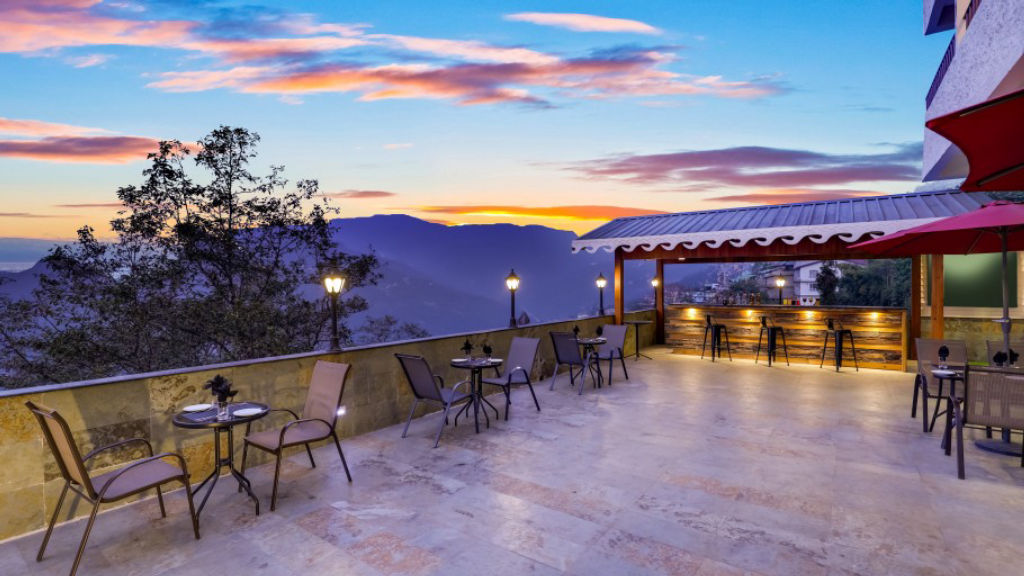
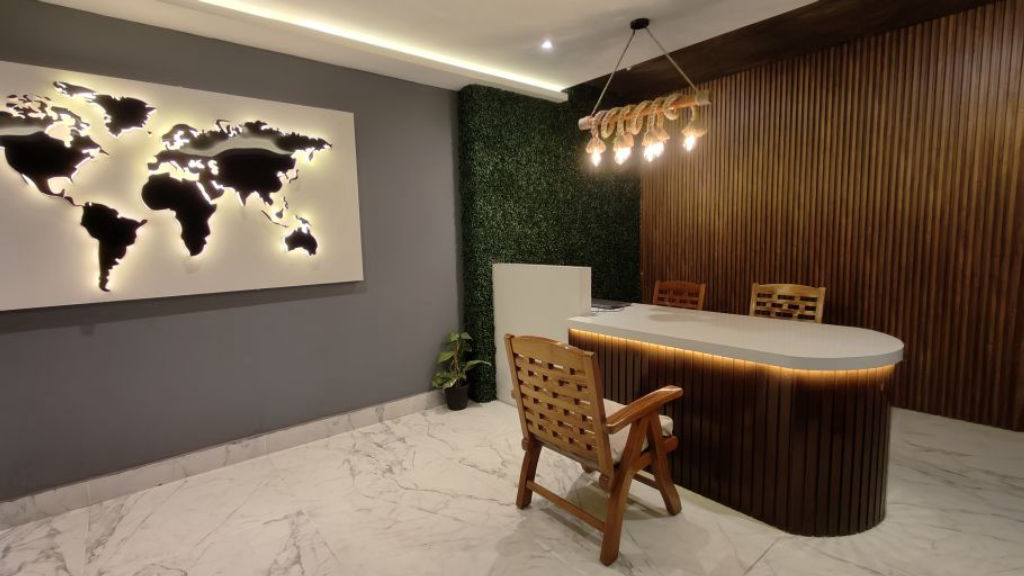
Stays near Rumtek Monastery
Book a place to stay close by
More places near Rumtek Monastery
Within 20 km
Lists for this area
Ranked by how many creators recommend each place


Built from 1 Instagram post by 1 creator. Every tip links back to the post it came from, and where creators disagree we show both sides.






