
Godavari River
Riverside spot near Nashik, Maharashtra
1.2 km from Nashik
The nearest town, for stays, food and fuel.
The Godavari River is India's second-longest river, rising from the Brahmagiri hills near Trimbakeshwar and flowing directly through the heart of historic Nashik. Its stone-lined banks, particularly around Ramkund and the ancient Panchavati quarter, serve as the spiritual and cultural anchor of the city. Travellers visit to experience centuries-old riverine traditions, witness the daily evening ceremonies, and explore the heritage temples lining its watercourse.
Getting there
By road
- From NashikNearest town6 min · 1.7 km
- From Mumbai 3 hr 55 min · 185 km
- From Pune4 hr 45 min · 216 km
- From Surat5 hr · 234 km
Typical drive times without traffic. Stations and airports from OLA Maps; distances and typical drive times from OpenStreetMap (© OpenStreetMap contributors); notes from creators' Reels.
About Godavari River
Written with AI from map data and general knowledge. Check prices and timings locally before you go.
The significance and setting of the Godavari River
Often referred to as the Dakshin Ganga, the Godavari River is among the most venerable waterways on the Indian subcontinent. Originating at the Brahmagiri hills near Trimbakeshwar, the river gathers strength as it carves an eastward path across the Deccan Plateau before emptying into the Bay of Bengal. In Nashik, the river forms the vibrant core of urban and religious life, framed by historic stone steps, open-air shrines, and lively markets.
The stretch of the river flowing through central Nashik is deeply connected to ancient Indian epic lore. Tradition associates the riverside groves of Panchavati with the exile of Lord Rama, Sita, and Lakshmana. Today, the basalt-paved steps along the water act as a focal meeting point where pilgrims gather to pray, immerse offerings, and perform sacred ablutions, continuing rituals that have remained unbroken for generations.
Things to see and do along the Godavari River
A stroll along the Godavari River in Nashik offers a direct look into the everyday rhythms of Maharashtra's historic heartland. Early mornings are serene and evocative, as the river mist lifts to reveal priests performing rituals on stone platforms, vendors selling flowers and earthen lamps, and worshippers gathering along the steps of Ramkund. The reflective water in the morning light provides a tranquil backdrop for quiet exploration.
As dusk approaches, the riverside transforms with the performance of the evening aarti. Priests raise large, glowing multi-tiered brass lamps in synchronized movements, accompanied by the ringing of bells and devotional chants across the water. After watching the ceremonies, travellers can wander through the adjoining labyrinth of narrow lanes leading to traditional wooden houses, spice markets, and old shrines that have served riverside communities for centuries.
Read more
Best time to visit the Godavari River
The climate in Nashik is moderate compared to the coastal plains, making travel pleasant for a substantial portion of the year. The winter period, from October through February, is generally considered the best time to visit the Godavari River. During these months, days are sunny and comfortable, while evenings turn crisp, creating ideal conditions for exploring the ghats and nearby alleys on foot.
The monsoon months between late June and September transform the river into a dramatic spectacle. Heavy rainfall in the Western Ghats around Trimbakeshwar fills the Godavari to its brim, submerging the lower stone platforms and replenishing the surrounding vegetation. While high water levels may restrict access to the river's edge, watching the swollen current against the dark stone architecture is a memorable sight. Summer, from March to May, brings warm to hot daytime temperatures, making visits best restricted to early mornings and late evenings.
How to reach the Godavari River
The Godavari River runs through central Nashik, making it very straightforward to reach once you arrive in the city. Nashik is located approximately 165 kilometres northeast of Mumbai and roughly 210 kilometres north of Pune. Both routes feature well-maintained highways, with the drive from Mumbai climbing through the scenic Kasara Ghat along the Mumbai-Agra highway.
For those travelling by train, Nashik Road railway station is connected by frequent services to major rail junctions across Maharashtra and the rest of India. The river ghats around Ramkund and Panchavati are approximately ten kilometres from the station and can be easily reached using local auto-rickshaws, city buses, or taxis. The nearest commercial air base is Nashik Airport at Ozar, with broader flight connectivity available via Mumbai's international airport.
Places to visit around the Godavari River
The banks of the Godavari are surrounded by some of the most notable historical and natural sites in northern Maharashtra. Within walking distance of the central ghats lie the ancient Sita Gufa cave and the Shree Kalaram Mandir, an impressive temple built entirely from black basalt stone. Crossing the footbridges brings you right into the bustling neighborhood of Panchavati.
A short drive upstream leads to Trimbakeshwar, situated around twenty-nine kilometres away at the base of the Brahmagiri hills, where the river officially begins. Outdoor enthusiasts can head towards Anjaneri peak, renowned for its plateau views, or the dramatic rock staircase of Harihar Fort. For a relaxing lakeside detour, the wide reservoir of Gangapur Dam and the cascading Someshwar Waterfall are located just a short distance from the city centre.
Tips for visiting the Godavari riverside
Because the riverside in Nashik is an active pilgrimage ground, visitors should be mindful of local customs. Dressing modestly by covering shoulders and knees is appropriate, especially when walking near active bathing ghats and temple compounds. Slip-on footwear is convenient, as shoes must be removed before stepping onto several designated stone sections.
The steps can become slick with water, algae, and river silt, particularly during the monsoon season, so choose footwear with dependable grip and watch your footing. Travellers should also take care to keep the river clean by carrying all personal waste back with them and refraining from disposing of plastics into the water. If you plan to wade near the steps, always check local water levels and ask residents about current river flow conditions, as dam releases upstream can alter currents quickly.
Where to stay near the Godavari River
Travellers seeking accommodation have a range of choices depending on their trip preferences. Staying in central Nashik keeps you within easy walking distance of the river ghats, early morning rituals, and historic temples. This allows for immersive walks at sunrise and convenient access to local eateries and historic lanes.
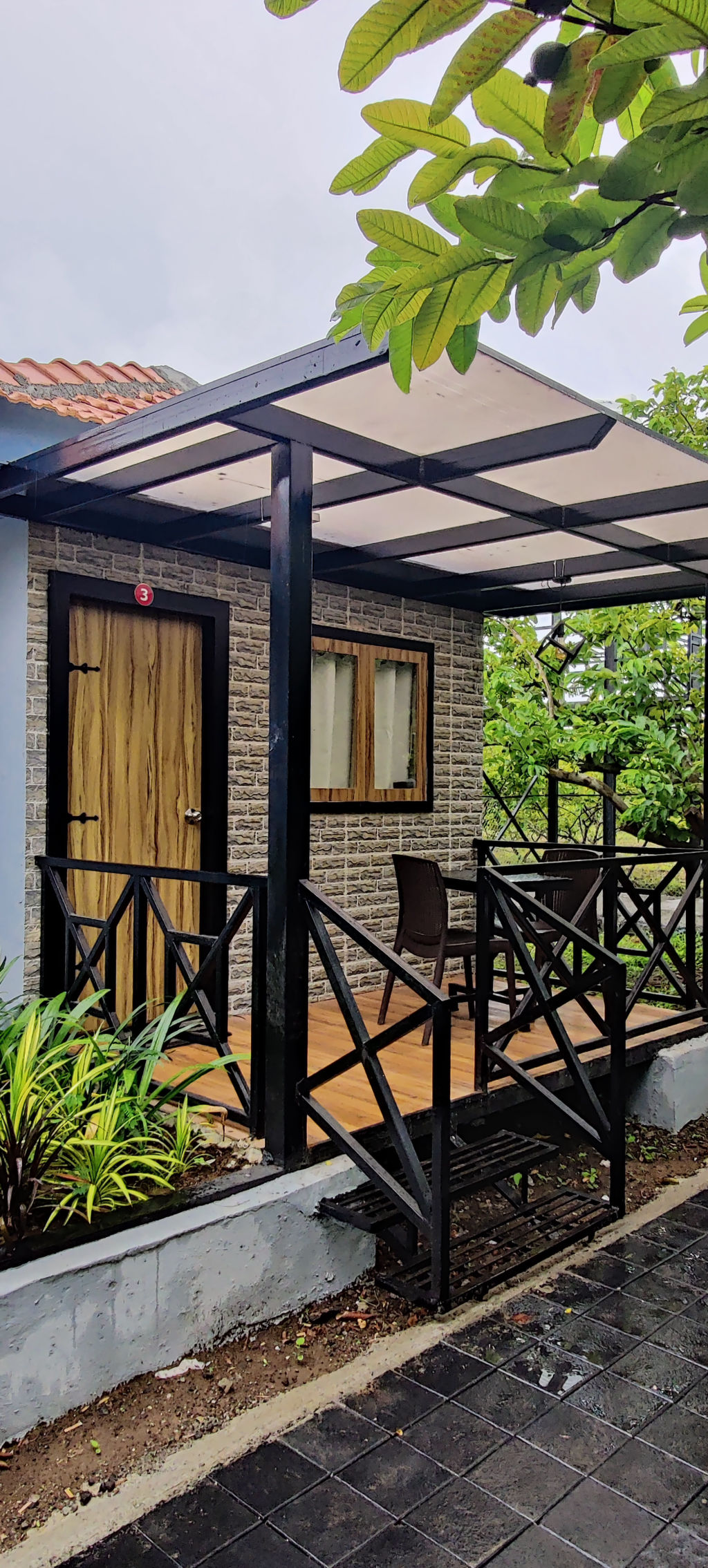
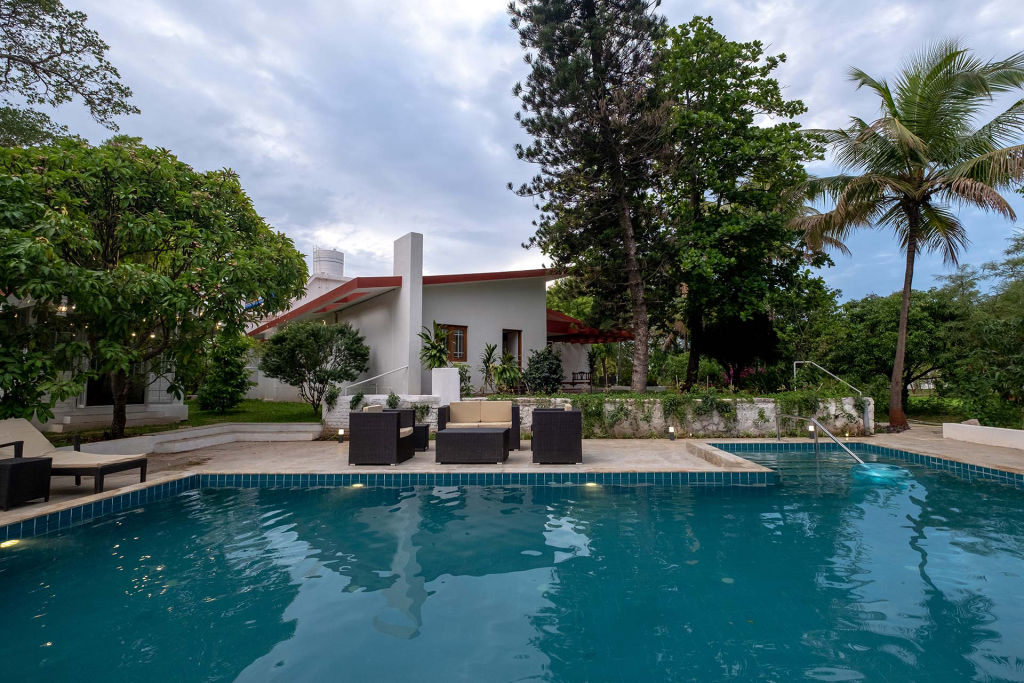
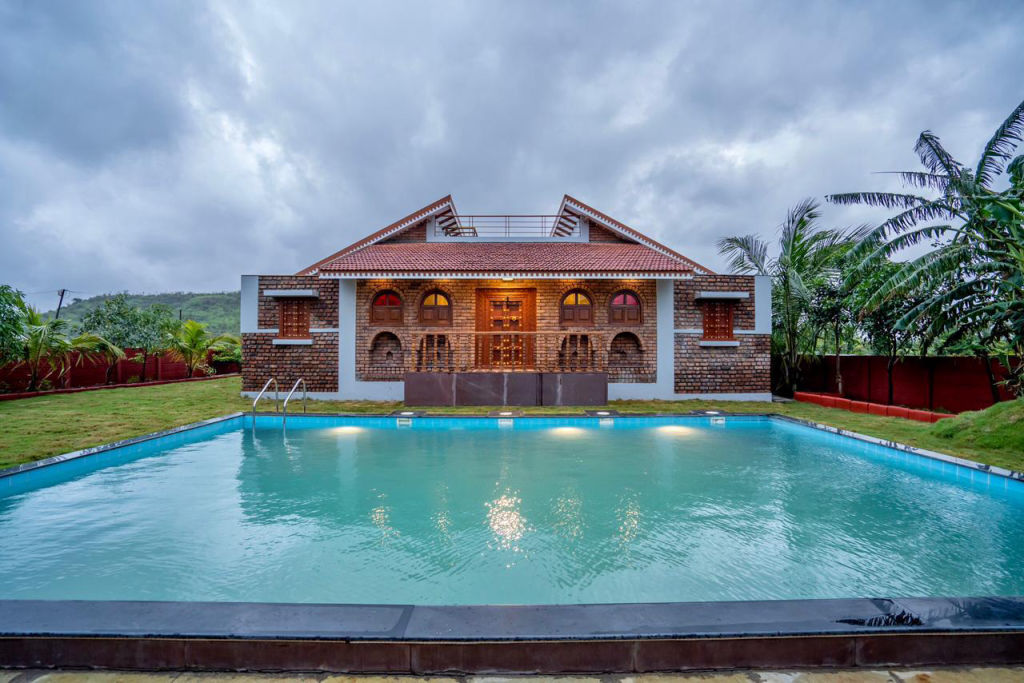
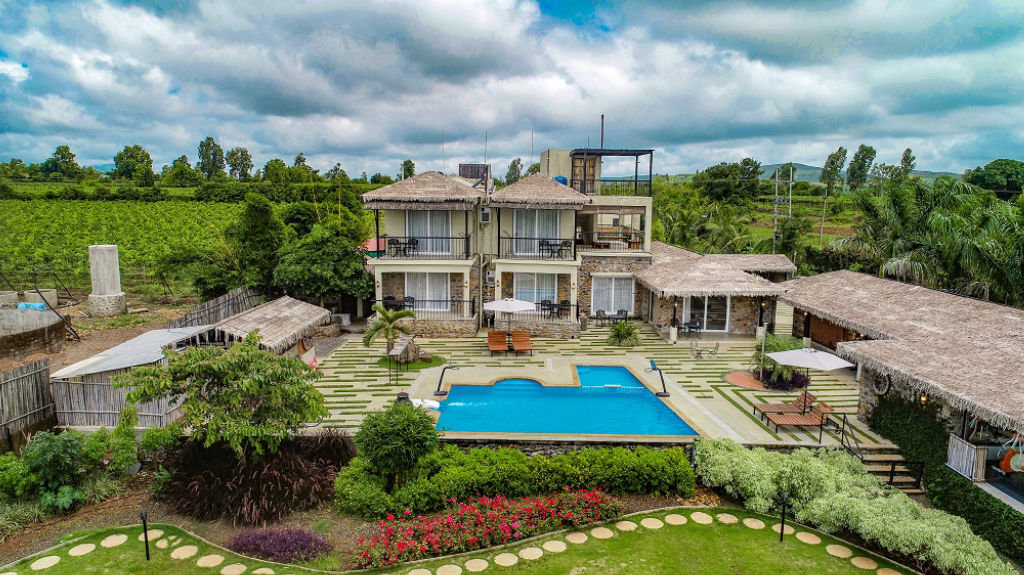
If you prefer open landscapes, cooler evening breezes, and a slower pace, the rural fringes surrounding Nashik provide peaceful alternatives. The countryside extending towards Gangapur Dam, Trimbakeshwar, and the vineyard belts hosts quiet spots close to nature. You can explore and book outdoor camps, nature stays, and family-run homestays around Nashik through HireACamp.
Frequently asked questions
Where does the Godavari River originate?
The Godavari River originates on the slopes of the Brahmagiri hills near Trimbakeshwar in the Nashik district of Maharashtra, before flowing eastward across the Deccan Plateau.
What is Ramkund on the Godavari River?
Ramkund is the primary sacred bathing pool on the Godavari River in Nashik, believed to be the spot where Lord Rama bathed during his exile, making it a focal point for rituals and daily evening aartis.
When is the best time of day to visit the Godavari River ghats?
Early morning and late afternoon are the best times to visit, providing cooler temperatures, atmospheric river mist, and the opportunity to watch traditional morning prayers or the vibrant evening lamp ceremonies.
Can visitors swim in the Godavari River at Nashik?
While pilgrims take brief ceremonial dips at designated steps, general recreational swimming is not recommended due to slippery stone steps, variable river currents, and underwater hazards.
Is photography allowed along the Godavari River in Nashik?
Photography is generally permitted along the open public ghats and walkways, though visitors should always be considerate and refrain from photographing people engaged in private rituals or personal bathing.
Where you'll be
Godavari River, Nashik, MH · 4 stays nearby shown with prices
Stays near Godavari River
Book a place to stay close by
More places near Godavari River
Within 20 km


Lists for this area
Ranked by how many creators recommend each place


Built from 0 Instagram posts by 0 creators. Every tip links back to the post it came from, and where creators disagree we show both sides.






