
Guskhara
Destination in West Bengal
Guskhara is a lively township in the Purba Bardhaman district of West Bengal, set amidst the fertile agricultural plains of the lower Damodar and Ajay river basins. It functions as a gateway to the traditional craft hubs, literary villages, and ancient temple sites of rural Rarh Bengal. Travellers visit Guskhara to step away from busy city circuits, experience quiet rural landscapes, and discover centuries-old craft traditions practiced in nearby hamlets.
Getting there
By road
- From Kolkata3 hr 10 min · 137 km
- From Ranchi6 hr 55 min · 314 km
Typical drive times without traffic. Stations and airports from OLA Maps; distances and typical drive times from OpenStreetMap (© OpenStreetMap contributors); notes from creators' Reels.
About Guskhara
Written with AI from map data and general knowledge. Check prices and timings locally before you go.
Understanding Guskhara and its surroundings
Guskhara occupies a central position in the rural heartland of Purba Bardhaman. The surrounding region is characterized by flat, fertile paddy plains, brick kilns, quiet country roads, and irrigation channels branching off regional river systems. While Guskhara itself functions as a bustling trading town for surrounding agrarian communities, its immediate outskirts quickly transition into peaceful village settlements lined with palm trees, banyan groves, and pond clusters.
The town and its surrounding countryside form part of the historic Rarh region of Bengal, an area rich in folklore, medieval literature, and traditional craftsmanship. Guskhara is well connected by both road and rail, making it a convenient staging point for day trips to artisan settlements, sacred temple complexes, and historic riverside spots that seldom see heavy tourist crowds.
Craft and culture around Guskhara
One of the most notable cultural draws near Guskhara is the artisan village of Dwariapur, located just a short distance north of the town. Dwariapur is widely celebrated for its traditional Dokra metal casting, an ancient lost-wax technique passed down across generations among local craft families. Walking through the village offers a firsthand look at artisans shaping clay cores, wrapping fine wax threads into intricate patterns, and firing brass figurines, decorative lamps, and jewelry in open earthen hearths. Engaging directly with the craftspeople provides valuable insight into the time-intensive methods behind this folk art form.
Beyond metalwork, the area surrounding Guskhara is intertwined with regional Bengali literature and folklore. Nearby hamlets like Singhee are renowned for their literary roots, particularly as the ancestral home of Kashiram Das, the medieval poet who translated the Mahabharata into Bengali verse. Exploring these villages gives visitors a tangible connection to the storytelling traditions that shaped the cultural identity of rural Bengal.
Read more
Historic shrines and heritage trails
The rural roads fanning out from Guskhara lead to numerous centuries-old temples, reflecting a blend of Shakta, Vaishnava, and Shaiva traditions. A short drive away lies Kogram and the adjacent Mangalkote region, famous for the Mangal Chandi Temple and historical links to medieval folk ballads. Kogram is also revered by literature enthusiasts as the home of celebrated Bengali poet Kumud Ranjan Mallick, set near the tranquil confluence of local waterways.
To the north lies Nanoor, an ancient cultural center revered as the birthplace of the 14th-century poet Chandidas. The temple complex at Nanoor showcases classical Bengali terracotta brickwork, decorated with motifs depicting mythological narratives and village life. Further toward the regional hub of Bardhaman, visitors can find the distinctive 108 Shiva Mandir complex, built in concentric circles by the local royal dynasty. Other heritage stops like the Kamalkanto Mandir, Shillya Durga Mandir, and the historic pilgrimage center of Kulingram make this landscape rewarding for travellers interested in sacred architecture.
Nature and river landscapes
The landscape surrounding Guskhara is deeply shaped by the seasonal rhythm of farming and the river channels that feed the soil. The nearby Kunur and Ajay rivers offer open horizons, sandy banks, and gentle watercourses ideal for quiet morning walks or sunset breaks away from town markets.
For travellers seeking designated green spaces, Shillya Eco Park offers shaded groves and open grounds near rural water bodies. The entire countryside is well suited for slow exploration by bicycle or on foot, where visitors can watch local agricultural practices, observe resident wetland birds such as kingfishers, egrets, and pond herons, and enjoy the unhurried atmosphere of rural Bengal.
Best time to visit Guskhara
The best time to visit Guskhara is during the cooler months between late October and early March. During this period, daytime temperatures remain mild and pleasant, making it comfortable to walk through artisan villages, visit open temple courtyards, and explore nearby heritage points. The winter season also brings a lively festive atmosphere to rural Bengal, with seasonal village fairs and open-air craft exhibitions occurring across the district.
Monsoon season, stretching from late June through September, brings frequent rain and turns the rural landscape vibrant green. While rural travel can occasionally be slowed by wet dirt tracks during intense showers, the freshly washed fields and full water tanks offer a visually striking experience for nature photographers. Summers, running from April to June, can be hot and humid, so travellers visiting during these months should plan their outdoor sightseeing for the early morning or late evening.
How to reach Guskhara
Guskhara is easily accessible from major urban centers in West Bengal. Guskhara Railway Station is situated along the Sahibganj loop line and has regular direct express and passenger train connections to Howrah and Sealdah in Kolkata, as well as to Bardhaman, Bolpur Santiniketan, and Malda.
By road, Guskhara can be reached by taking state highways connecting through Bardhaman town or Bolpur. State-run and private buses connect Guskhara to nearby towns and district hubs on a daily basis. For regional sightseeing, local cycle-rickshaws, e-rickshaws, and auto-rickshaws are readily available within the town and can be hired for day trips to nearby artisan hamlets such as Dwariapur.
Where to stay around Guskhara
Guskhara itself is a compact commercial hub with limited formal accommodations, meaning many travellers visit as a day excursion from nearby cultural towns such as Bolpur or Bardhaman. However, staying closer to the villages allows for an immersive experience of rural living and easy access to craft communities.
Travellers interested in eco-camps, farm cottages, and local homestays in the surrounding rural belt can explore options on HireACamp. Staying in an authentic village setting offers a memorable chance to enjoy home-cooked Bengali regional meals, wake up to countryside birdsong, and experience quiet starlit nights.
Frequently asked questions
What is Guskhara best known for?
Guskhara is known as a gateway to the traditional Dokra metal casting village of Dwariapur, as well as nearby historical temples, literary landmarks, and rural craft hubs across Purba Bardhaman.
Does Guskhara have a railway station?
Yes, Guskhara Railway Station is an active stop on the Sahibganj loop line, with direct train connections to Kolkata, Bardhaman, and Bolpur Santiniketan.
What is the best time of year to visit Guskhara?
The most pleasant time to visit is from October to March, when the weather is cool and dry, making it ideal for village walks and heritage sightseeing.
Can I buy authentic Dokra handicrafts near Guskhara?
Yes, the nearby village of Dwariapur is a dedicated Dokra artisan community where you can see metal casting firsthand and purchase items directly from local craft families.
What historic places can I visit near Guskhara?
Notable nearby historic sites include the terracotta temples at Nanoor, the 108 Shiva Mandir complex near Bardhaman, and cultural shrines at Kogram and Mangalkote.
Where you'll be
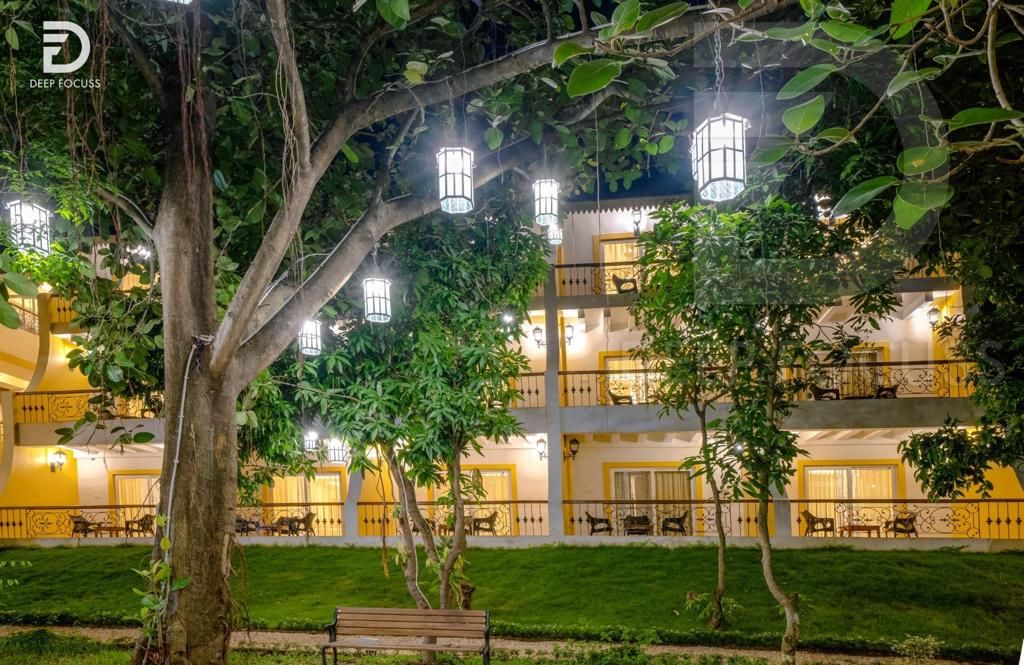
1 stay nearby shown with prices
Stays near Guskhara
Book a place to stay close by
Things to do in Guskhara
48 places creators recommend within 30 km
Built from 0 Instagram posts by 0 creators. Every tip links back to the post it came from, and where creators disagree we show both sides.






