
Halebeedu Archeological Site
Monument near Halebid, Karnataka
300 m from Halebid
The nearest town, for stays, food and fuel.
Halebeedu Archeological Site, located near the town of Belur in Karnataka, preserves the monumental remains of the Hoysala Empire's regal capital. Once known as Dorasamudra, the site is celebrated worldwide for its intricate soapstone architecture, particularly the remarkable Hoysaleswara temple complex. Travellers visit to admire some of the finest examples of medieval Indian stone craftsmanship, sculpture, and historic town planning.
Getting there
By road
- From Mangaluru3 hr 20 min · 167 km
- From Mysuru3 hr 30 min · 149 km
- From Bengaluru4 hr 30 min · 212 km
- From Coimbatore7 hr 50 min · 353 km
Typical drive times without traffic. Stations and airports from OLA Maps; distances and typical drive times from OpenStreetMap (© OpenStreetMap contributors); notes from creators' Reels.
About Halebeedu Archeological Site
Written with AI from map data and general knowledge. Check prices and timings locally before you go.
History and Architecture of Halebeedu
Halebeedu was the royal seat of the Hoysala Empire from the tenth to the fourteenth century, flourishing under rulers who patronised arts, architecture, and religion on an extraordinary scale. Originally known as Dorasamudra, named after a vast artificial reservoir that supplied water to the capital, the city was transformed into an architectural showpiece. It suffered devastating invasions and raids in the fourteenth century, which led to the abandonment of the capital and earned it the name Halebeedu, meaning the old or ruined dwelling.
Despite the destruction of much of the surrounding city, the primary monuments endured and continue to stand as testaments to medieval engineering. The most prominent among them is the Hoysaleswara Temple, dedicated to Lord Shiva. Constructed using chloritic schist, commonly referred to as soapstone, the temple exhibits a stellate or star-shaped layout elevated on a high platform known as a jagati. Soapstone is relatively soft when quarried, allowing craftsmen to carve filigree-like details, but it hardens over centuries of exposure to air.
The exterior walls feature horizontal friezes stacked in precise thematic sequence. At the base, charging elephants symbolise strength and stability, followed by lions representing courage, floral scrolls indicating natural abundance, cavalry horses denoting speed, and celestial beings representing spiritual transcendence. Above these bands are life-sized depictions of deities, mythological narratives from Indian epics, and expressive dancers, every surface reflecting centuries of devoted stone carving.
What to See at the Complex
A thorough exploration of the Halebeedu Archeological Site reveals multiple structures of historical significance across its manicured grounds. The centrepiece is the twin-shrined Hoysaleswara complex, which contains two identical sanctums set side by side: one for Hoysaleswara and the other for Shantaleswara, named after King Vishnuvardhana and his queen Shantala Devi. Inside the open pillared halls, visitors can examine lathe-turned stone pillars polished to a reflective shine, an engineering marvel executed without modern machinery.
Directly facing each sanctum are standalone pavilions housing massive monoliths of Nandi, the sacred bull. These sculptures are draped in intricately carved stone jewellery, bells, and decorative blankets, polished with extraordinary precision. Light filters into the sanctum halls through perforated stone screens, illuminating carved ceiling panels that depict complex geometric mandalas and celestial court musicians.
Beyond the central temple, the archaeological enclosure includes smaller shrines, remnants of ancient stepwells, and adjacent Jain basadis that highlight the pluralistic religious culture of the Hoysala reign. An on-site archaeological museum curated by the authorities exhibits loose sculptures, epigraphs, and recovered friezes, providing valuable context on the everyday life, military traditions, and governance of ancient Dorasamudra.
Read more
Best Time to Visit Halebeedu
The climate around Halebeedu follows the broader regional patterns of south-central Karnataka, characterised by distinct winter, summer, and monsoon seasons. The ideal period to plan a trip is during the cooler months from October to February. During this time, daytime temperatures are mild, and clear skies make outdoor walking around the expansive stone courtyards comfortable.
The monsoon season, running from June to September, brings moderate to heavy rainfall that cools the landscape and fills the nearby water bodies. The green gardens contrasting against dark grey soapstone make the ruins striking during this season, though travellers should take care when walking, as wet stone pathways can become slippery.
Summers, spanning March through May, bring warm and dry weather with elevated midday temperatures. The exposed stone platforms absorb heat rapidly under direct sunlight, which can make walking barefoot outside the temple sanctums uncomfortable. If visiting in the summer, scheduling exploration during the early morning or late afternoon provides the most pleasant experience.
How to Reach the Site
Halebeedu Archeological Site is easily reached by road from major cities in Karnataka. The nearest notable town is Belur, situated roughly fifteen kilometres to the west. Hassan serves as the primary regional transport hub, well connected by broad-gauge railways to Bengaluru, Mysuru, and Mangaluru.
Travellers arriving by air can fly into Kempegowda International Airport in Bengaluru or Mangaluru International Airport. From Bengaluru, the route heads west along National Highway 75 toward Hassan before diverting onto regional roads toward Belur and Halebeedu. The drive generally takes around four to five hours depending on local traffic.
Frequent state transport buses operate between Hassan, Belur, and Halebeedu. Taxis and auto-rickshaws are readily available in both Hassan and Belur for direct day trips covering the monuments. Having independent road transport allows flexibility to explore nearby temples and hill country at a relaxed pace.
Tips for Travellers
Because the Halebeedu Archeological Site is a functioning place of reverence as well as a protected national monument, visitors must remove footwear before ascending the temple platform. Carrying a pair of thick cotton socks is helpful during brighter days when stone flagstones heat up under the sun.
Dress modestly out of respect for local customs and religious practices. Comfortable walking shoes, wide-brimmed hats, sunglasses, and adequate drinking water are essential, as walking the full circumference of the temple structures involves considerable time on foot outdoors.
To appreciate the complex symbolism and narrative friezes carved into the walls, consider engaging an official licensed guide at the monument entrance or reading up on Hoysala iconography beforehand. Many carvings contain intricate historical anecdotes that are easily overlooked on an unguided walk. Entry formalities, photography permissions, and current site hours should be confirmed locally upon arrival.
Attractions Around Belur and Hassan
A trip to Halebeedu is often combined with a stop in Belur to visit the Chennakeshava Temple, constructed during the same golden age of Hoysala craftsmanship. While Halebeedu is dedicated to Shaivism, the temple in Belur honours Vishnu and features equally breathtaking sculpted brackets depicting dancing celestial maidens.
A short drive south leads to Doddagaddavalli, home to the rare quad-shrined Lakshmi Devi Temple, nestled quietly among rural farmlands. Nature enthusiasts can head west toward the Western Ghats, where the landscape transitions into coffee plantations, leading toward peaks like Mullayanagiri, quiet lakes such as Hirekolale, and forested waterfalls.
Water reservoirs like the Hemavathi Reservoir also offer scenic vantage points across quiet rural waters, making the broader Hassan and Belur region a balanced destination for lovers of history, regional architecture, and scenic countryside drives.
Where to Stay Near Halebeedu
Travellers visiting Halebeedu have a variety of lodging options distributed across the neighboring towns of Belur and Hassan, as well as the foothills of the nearby coffee country. Those seeking convenience often base themselves in town centres, where standard guesthouses and family-run lodges cater to transit visitors.
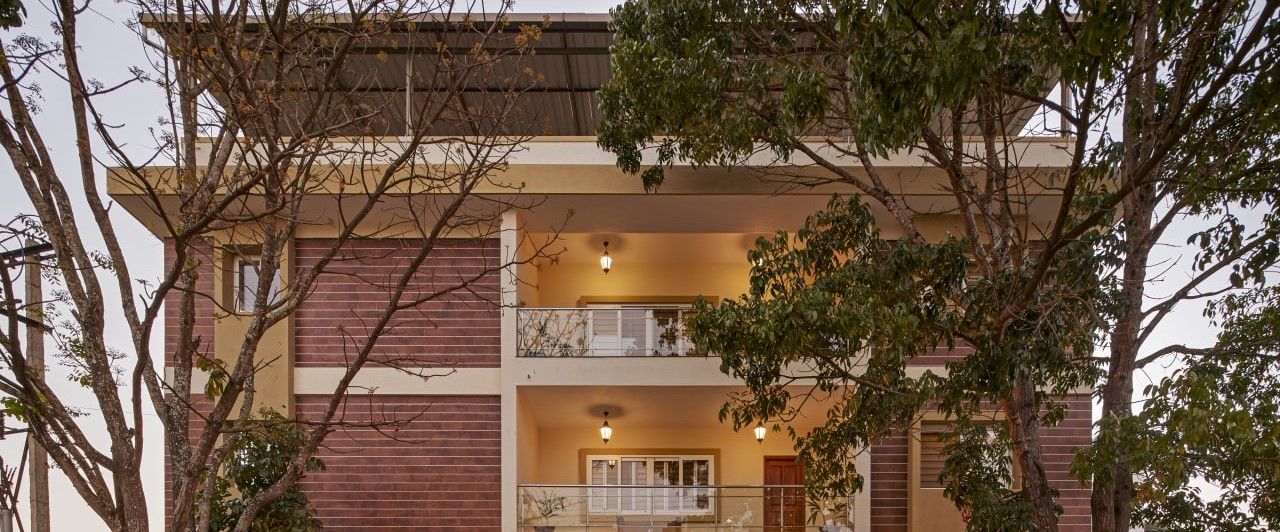
For travellers who prefer quieter surroundings close to nature, homestays situated within coffee estates, farmsteads, and rural retreats provide an authentic glimpse of Malnad hospitality. Scenic campsites and experiential open-air stays are also available within driving distance of the heritage circuit. A wide selection of verified homestays, nature retreats, and outdoor camps can be browsed and booked directly on HireACamp.
Frequently asked questions
What is the primary monument to see at Halebeedu?
The primary highlight is the Hoysaleswara Temple, an exquisite twelfth-century double-shrine complex famous for its intricately carved soapstone friezes, massive Nandi pavilions, and lathe-turned pillars.
Can Halebeedu and Belur be visited together on the same day?
Yes, Belur is located just about fifteen kilometres away, making it easy and customary to explore both major Hoysala temple complexes in a single day.
Are shoes allowed inside the temple complex at Halebeedu?
Footwear is permitted on the outer garden pathways, but visitors must remove their shoes before stepping onto the temple plinth and entering the sanctums. Carrying socks is recommended when stone floors get hot.
Is Halebeedu suitable for children and senior citizens?
Yes, the monument grounds feature flat, manicured pathways that are relatively easy to walk, though climbing the low flight of steps onto the stone plinth may require a little assistance for visitors with mobility concerns.
Are guides available at the Halebeedu Archeological Site?
Official guides licensed by archaeological and tourism authorities are usually available near the entrance to explain the mythological stories, iconography, and architectural history behind the wall carvings.
Where you'll be
Belur, KA · 1 stay nearby shown with prices
Stays near Halebeedu Archeological Site
Book a place to stay close by
More places near Halebeedu Archeological Site
Within 20 km

Built from 0 Instagram posts by 0 creators. Every tip links back to the post it came from, and where creators disagree we show both sides.






