
Halebid
Destination in Karnataka
Halebid, located in the Hassan district of Karnataka, was once the regal capital of the Hoysala Empire during the twelfth century. Today, this quiet historic town is world-renowned for its masterfully carved soapstone temples, intricate friezes, and remarkable architectural heritage. Travellers and history enthusiasts visit Halebid to marvel at its centuries-old craftsmanship and to enjoy a peaceful heritage getaway surrounded by South Karnataka's countryside.
Getting there
By road
- From Mangaluru3 hr 20 min · 168 km
- From Mysuru3 hr 30 min · 149 km
- From Bengaluru4 hr 30 min · 211 km
- From Coimbatore7 hr 50 min · 352 km
Typical drive times without traffic. Stations and airports from OLA Maps; distances and typical drive times from OpenStreetMap (© OpenStreetMap contributors); notes from creators' Reels.
About Halebid
Written with AI from map data and general knowledge. Check prices and timings locally before you go.
The heritage and history of Halebid
Formerly known as Dorasamudra, Halebid flourished as the vibrant administrative and cultural seat of the Hoysala Empire between the tenth and fourteenth centuries. During this era, royal patronage gave rise to an extraordinary school of Dravidian architecture characterised by star-shaped temple plans, stellate raised platforms, and detailed chloritic schist carvings. The town fell into decline following invasions in the fourteenth century, which earned it the modern name Halebidu, meaning the old or ruined city.
Despite the passage of centuries, the remaining monuments stand as proof of the artisans' unmatched imagination and skill. The most prominent of these is the Hoysaleswara Temple, dedicated to Lord Shiva. Every square inch of its exterior features horizontal bands depicting charging elephants, lions, horses, floral scrolls, and complex narrative panels from ancient Indian epics. Unlike many classical temples that feature a single central shrine, the complex houses twin temples dedicated to Hoysaleswara and Shantaleswara, complete with grand monolithic Nandi pavilions.
Things to do in Halebid
The primary highlight of any visit to Halebid is exploring the Hoysaleswara Temple complex at a slow and contemplative pace. Take time to walk along the elevated star-shaped basement, studying the intricate carvings of celestial dancers, musicians, and legendary battles. Because the chloritic schist stone is relatively soft when quarried, it allowed sculptors to execute astonishingly detailed jewellery, ornaments, and facial expressions that have stood the test of time.
A short walk from the main complex brings you to the Basadi Halli group of Jain temples, celebrated for their mirror-polished soapstone pillars. Within the Parshvanatha Basadi, the massive lathe-turned pillars reflect light in captivating ways and demonstrate the advanced engineering techniques of the Hoysala era. History lovers should also visit the archaeological museum on site, which houses rescued sculptures, inscriptions, and architectural fragments that reveal more about daily life in the medieval capital.
Read more
Places to visit and getaways nearby
Halebid forms a classic historical circuit with its sister town, Belur, located just a short drive away. Belur is home to the famed Chennakeshava Temple, constructed around the same era to celebrate Hoysala military triumphs. Visiting both towns together provides a complete view of the finest surviving examples of Hoysala architecture.
If you wish to combine heritage with nature, the dramatic coffee-growing hills of the Western Ghats begin roughly an hour away around Chikmagalur. Nature lovers can head towards Mullayanagiri Peak, the highest summit in Karnataka, to take in sweeping views of mist-covered ridges and montane grasslands. Nearby, the serene waters of Hirekolale Lake offer a tranquil evening walk, while routes leading to scenic forest cascades like Jhari water falls make for rewarding day excursions.
Another distinctive site within reach is the Shettihalli Rosary Church near Hassan. Built on the banks of the Hemavathi Reservoir, this gothic-style church is submerged during the monsoon season and emerges as the water level drops, making it a favourite spot for landscape photography.
Best time to visit Halebid
The most pleasant time to visit Halebid is between October and March. During these winter months, daytime temperatures are moderate and the skies are clear, making outdoor exploration of the stone temple compounds very comfortable. The stone courtyards can heat up considerably during midday, so mornings and late afternoons are the most rewarding times to walk around.
The monsoon months between July and September bring vibrant greenery to the surrounding rural countryside and fill local reservoirs and streams. While sudden rain showers might briefly interrupt outdoor sightseeing, the washed stone of the temples takes on a deep, rich hue that photographers adore. The summer months from April to June tend to be hot and dry, and visitors travelling then should plan their visits for early morning hours to avoid the intense midday heat.
How to reach Halebid
Halebid is well connected to major cities in Karnataka through a dependable road network. The nearest major transport hub is the city of Hassan, which lies roughly thirty kilometres away. Hassan is connected by regular train and bus services to Bangalore, Mangalore, and Mysore.
Travellers arriving by air can fly into Kempegowda International Airport in Bangalore or Mangaluru International Airport. From Bangalore, the drive to Halebid typically takes around four to five hours via the national highway towards Hassan, followed by state roads heading north. Regular local buses and private taxis ply the route between Hassan, Halebid, and neighbouring Belur, making it simple to navigate between heritage sites.
Tips for your visit
Temple floors and open courtyards can become quite warm under direct sunlight, so it is best to visit early in the day or carry comfortable socks, as footwear must be left outside the temple perimeter. Hiring a local certified guide at the entrance of the Hoysaleswara complex is highly recommended; their knowledge brings the intricate stone panels and mythological stories to life.
Carry adequate drinking water, sun protection, and a wide-brimmed hat when exploring during the warmer hours. To truly appreciate the architectural artistry, give yourself at least two to three unhurried hours at the main temple complex alone before moving on to neighbouring monuments.
Where to stay around Halebid
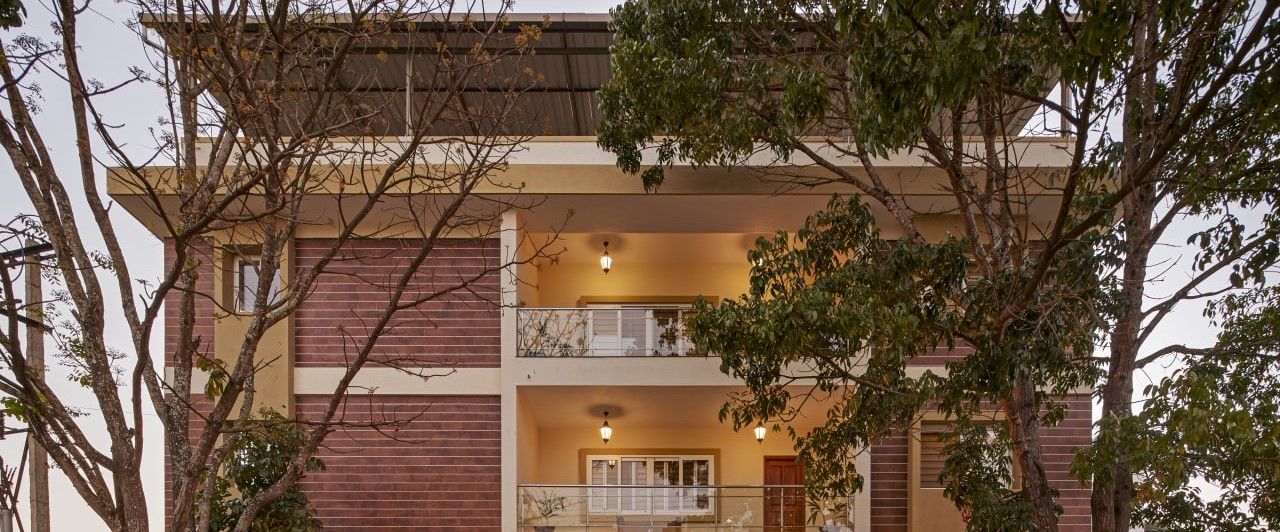
While Halebid itself is a quiet, small settlement with limited commercial infrastructure, comfortable accommodation is easily found in the surrounding region. Many travellers choose to base themselves either around the transit town of Hassan or amidst the sprawling coffee estates of Chikmagalur, both of which are within easy driving distance.
Whether you are searching for scenic rural homestays, nature campsites beneath the Western Ghats, or quiet heritage retreats close to the temples, you can find and book an array of stays near Halebid on HireACamp.
Frequently asked questions
What is Halebid famous for?
Halebid is famous for its twelfth-century Hoysala architecture, particularly the Hoysaleswara and Shantaleswara temples, which feature some of the most intricate soapstone relief carvings in India.
Can Halebid and Belur be visited in a single day?
Yes, Halebid and Belur are located just sixteen kilometres apart, making it very easy to explore both major temple complexes comfortably within a single day.
Are shoes allowed inside the temples in Halebid?
No, footwear must be removed before entering the sanctum and the raised temple platforms. Wearing socks is recommended to protect your feet from hot stone floors during sunny afternoons.
What is the nearest railway station to Halebid?
The nearest major railway station is Hassan Junction, located approximately thirty kilometres away, which connects easily to Bangalore, Mangalore, and other regional centres.
Is photography allowed at the monuments in Halebid?
Photography of the temple exteriors and detailed wall carvings is widely permitted, though tripods, commercial equipment, and photography inside inner sanctums may be restricted according to local monument guidelines.
Where you'll be
1 stay nearby shown with prices
Stays near Halebid
Book a place to stay close by
Things to do in Halebid
48 places creators recommend within 30 km

Built from 0 Instagram posts by 0 creators. Every tip links back to the post it came from, and where creators disagree we show both sides.






