
Himalayan Botanical Garden
Garden near Barechhina, Uttarakhand
2.3 km from Barechhina
The nearest town, for stays, food and fuel.
The Himalayan Botanical Garden is a plant conservation reserve and natural sanctuary situated at Sariyatal near Nainital in Uttarakhand. Set across wooded hillside slopes in the Kumaon region, it is designed to preserve rare, endemic, and medicinal flora native to the Himalayas. Travellers visit to explore forested walking paths, observe mountain plant collections, and enjoy a quiet natural retreat away from crowded town centres.
Getting there
By road
- From BarechhinaNearest town8 min · 5.6 km
- From Dehradun6 hr 5 min · 286 km
- From New Delhi6 hr 30 min · 287 km
- From Lucknow7 hr 45 min · 434 km
Typical drive times without traffic. Stations and airports from OLA Maps; distances and typical drive times from OpenStreetMap (© OpenStreetMap contributors); notes from creators' Reels.
About Himalayan Botanical Garden
Written with AI from map data and general knowledge. Check prices and timings locally before you go.
About the Himalayan Botanical Garden
The Himalayan Botanical Garden is situated along the slopes of Sariyatal, located a short distance outside the main lake town of Nainital in the Kumaon hills of Uttarakhand. Established to document, conserve, and cultivate the botanical diversity of the central Himalayan zone, the garden functions as both a research sanctuary and an open-air educational destination. The property is arranged across natural mountain gradients, shaded by mature oak, pine, and rhododendron trees that characterize the mid-altitude forests of the region.
In contrast to the lively waterfronts and commercial avenues of Nainital, the botanical garden provides a tranquil atmosphere tailored to quiet study and relaxed walking. It serves as a protective repository for high-altitude plant varieties that face pressure from environmental change and development across the mountain belt. For nature enthusiasts, students, and travellers seeking a slower pace, the garden provides an accessible perspective on the fragile biodiversity of the northern ranges.
Flora and Highlights of the Garden
The primary focus of the Himalayan Botanical Garden is its curated assortment of indigenous alpine and sub-alpine vegetation. The grounds feature dedicated divisions that highlight various categories of plant life, including a prominent medicinal plant zone displaying native herbs that have sustained traditional Himalayan wellness systems for generations. Informative plaques along the trails describe the botanical designations, regional names, and functional roles of different specimens.
Visitors can discover specialized enclosures such as fern houses and collections of wild orchids and mosses that thrive in the cool, moist conditions of the Kumaon ridgelines. Beyond the organized beds and nursery sections, substantial tracts of the garden remain in an unmanaged woodland state. This preserved forest understorey shelters indigenous fungi, wildflowers, and flowering shrubs that draw pollinating insects, butterflies, and a variety of resident mountain birds.
Read more
Best Time to Visit the Himalayan Botanical Garden
The Himalayan Botanical Garden changes noticeably through the seasons, giving each time of year its own distinct appeal. The spring and early summer period from March to June is generally considered the best time for floral displays. During these months, the daytime weather is pleasant, pathways remain clear and dry, and wild rhododendrons and shrubs produce their seasonal blooms across the hillside.
The monsoon months from July to September bring abundant rain and mist to the slopes around Nainital. Although walking paths can be wet and require careful footing, this period brings the ferns, mosses, and undergrowth to peak lushness. Autumn, covering October and November, is characterized by clear skies, brisk mountain breezes, and sweeping visibility across the surrounding hills. Winter brings crisp, chilly temperatures from December through February, offering a peaceful and quiet visit for travellers who do not mind cold weather.
How to Reach the Garden from Nainital
The Himalayan Botanical Garden is located along the roadway heading from Nainital toward Kaladungi, in the immediate vicinity of Sariyatal. Travellers based in central Nainital can hire local taxis or take shared mountain cabs heading toward Sariyatal and Khurpatal. The drive descends along scenic roads through dense pine stands and offers views of neighboring valleys.
For visitors travelling from outside Uttarakhand, the nearest railhead is Kathgodam, located at the base of the Kumaon hills. From Kathgodam, regular taxis and local buses carry passengers up the mountain highway to Nainital, from where local transport can be arranged to the garden. The nearest domestic air terminal is Pantnagar Airport, which connects to select regional cities. Regular buses also run to Nainital from major northern transit hubs such as Delhi and Dehradun.
Tips for Visiting the Himalayan Botanical Garden
Because the garden is laid out along hillside slopes, visitors should be prepared for moderate uphill and downhill walking. Comfortable footwear with solid traction is highly recommended, particularly during the rainy months when stone pathways and mud tracks can turn slippery. Carrying personal drinking water and sun protection is wise, as internal facilities are simple.
Visitors should keep in mind that the site is a dedicated conservation zone. Plucking blossoms, removing plant cuttings, or disturbing the undergrowth is strictly disallowed. Travellers must keep the premises clean by carrying all personal waste and plastic wrappers back out with them. Those interested in birdlife and plant photography will benefit from bringing along binoculars and a camera, especially during the early daylight hours when forest activity is at its highest.
Attractions Around Sariyatal and Nainital
A visit to the botanical garden can easily be incorporated into a broader exploration of the area around Sariyatal. The adjacent Sariyatal lake provides a peaceful waterside stopping point set against terraced farming hamlets and pine-covered slopes, making it a pleasant companion stop to the garden.
A short drive up into Nainital town opens up classic mountain attractions, including strolls along the Mall Road, boat rides across Naini Lake, and shopping in the traditional market lanes. Nature and animal enthusiasts can continue their outings at the Naina Devi Himalayan Bird Conservation Reserve or the high-altitude wildlife park on the upper ridges, making this section of the Kumaon hills ideal for multi-day itineraries focused on the outdoors.
Where to Stay near the Himalayan Botanical Garden
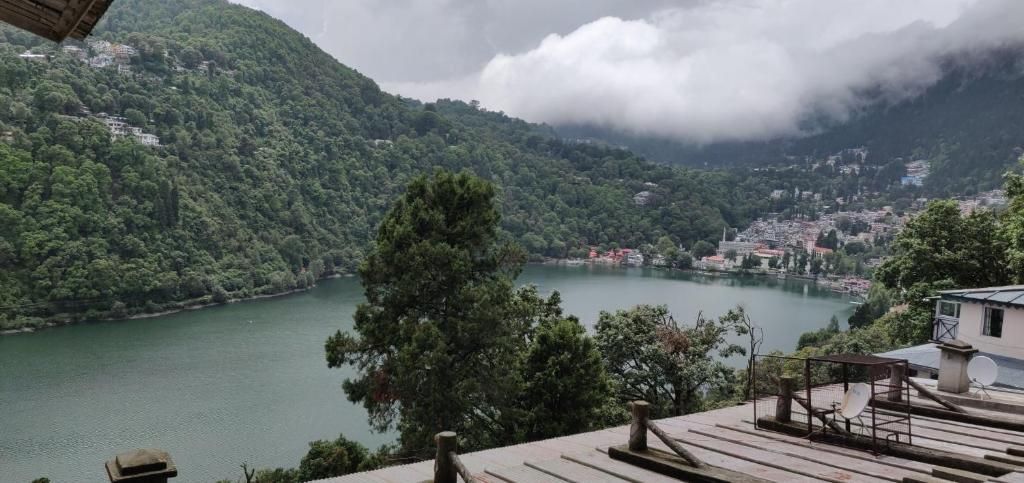
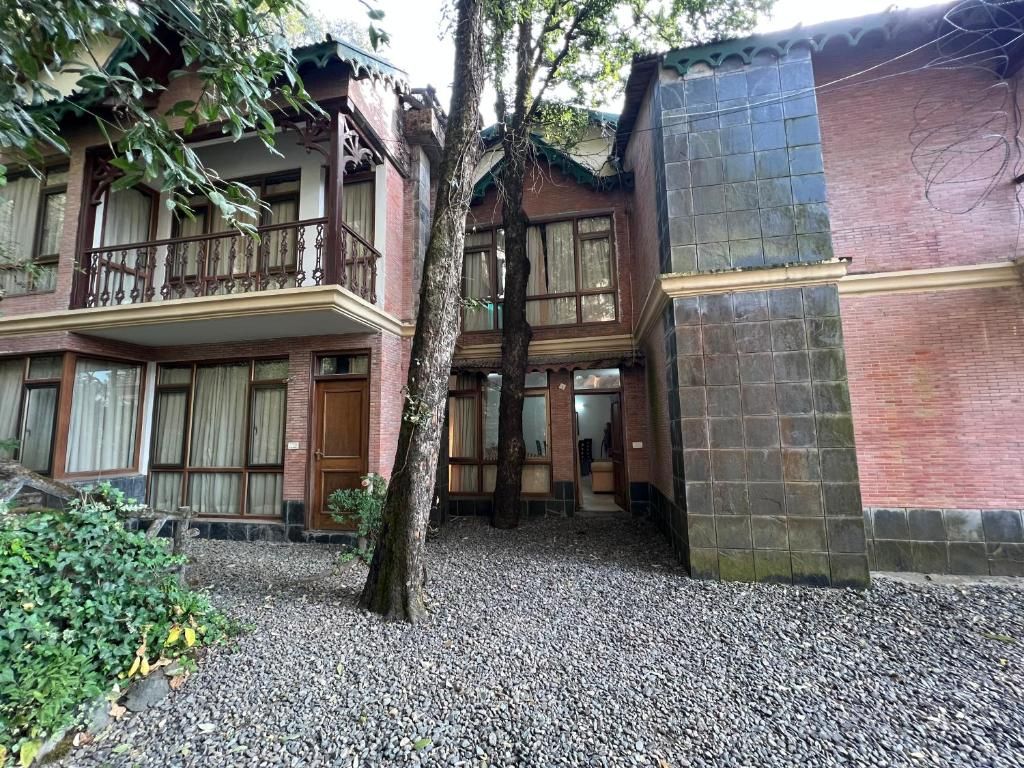
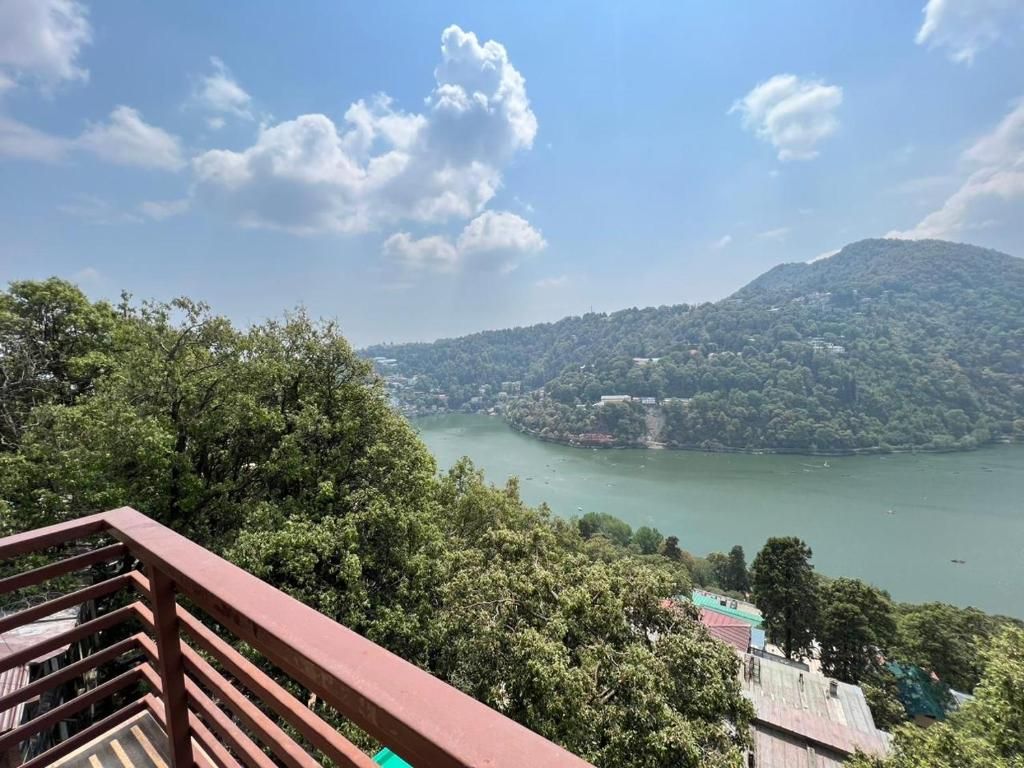
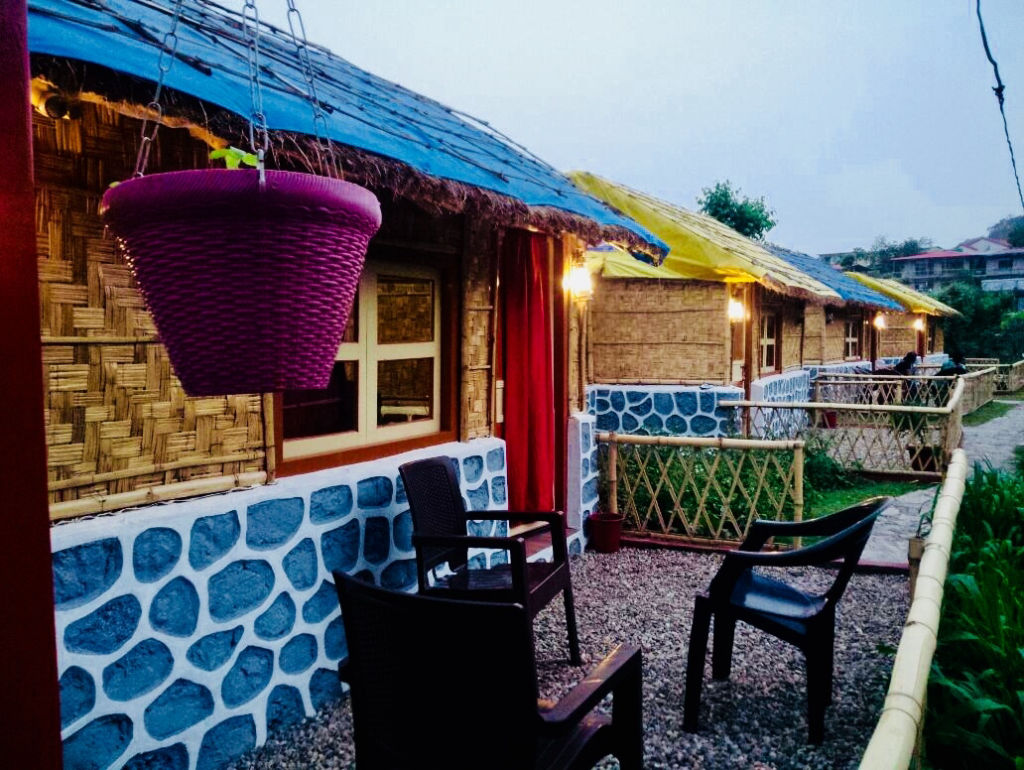
Travellers visiting the botanical garden and the Sariyatal area can select from a wide range of stay options depending on their travel preferences. Those who enjoy evening markets, diverse dining choices, and lake views can base themselves within central Nainital. Travellers seeking quiet surroundings, starry night skies, and uninterrupted nature often prefer staying along the forested valleys outside town, such as near Sariyatal, Khurpatal, or Pangot.
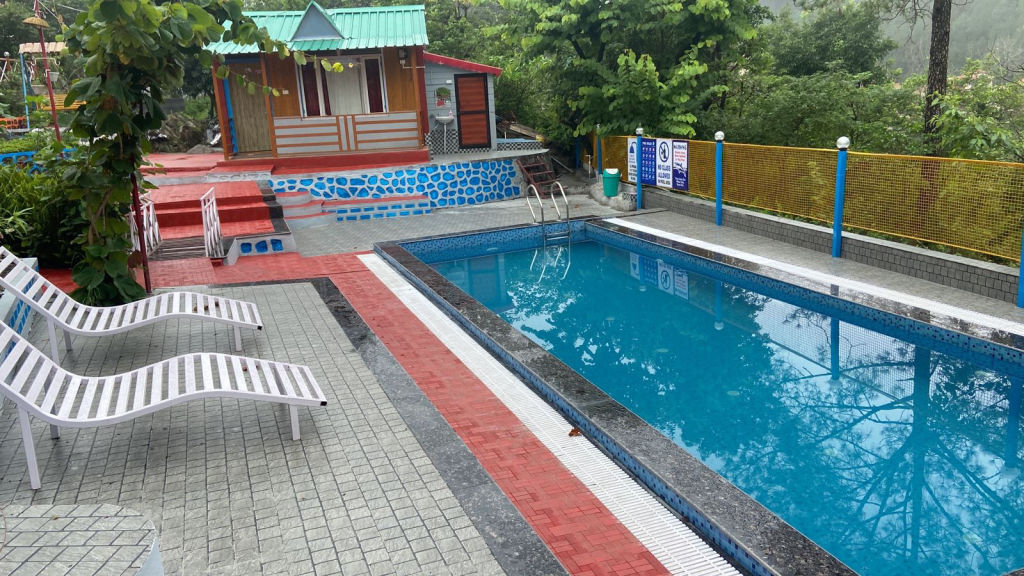
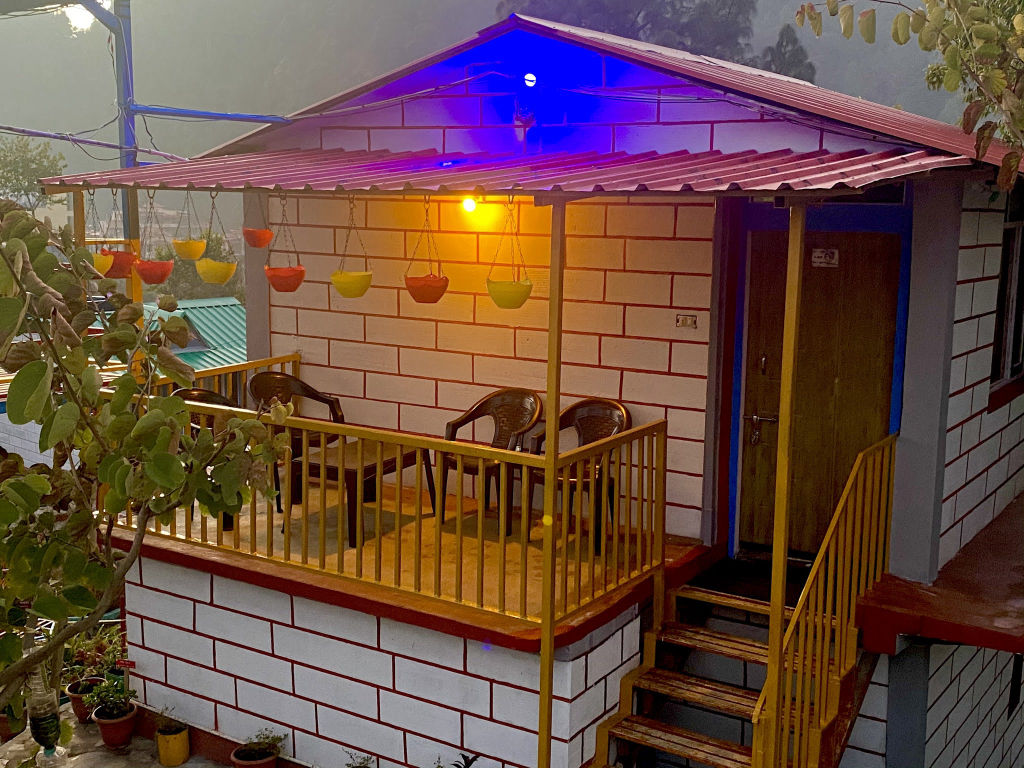
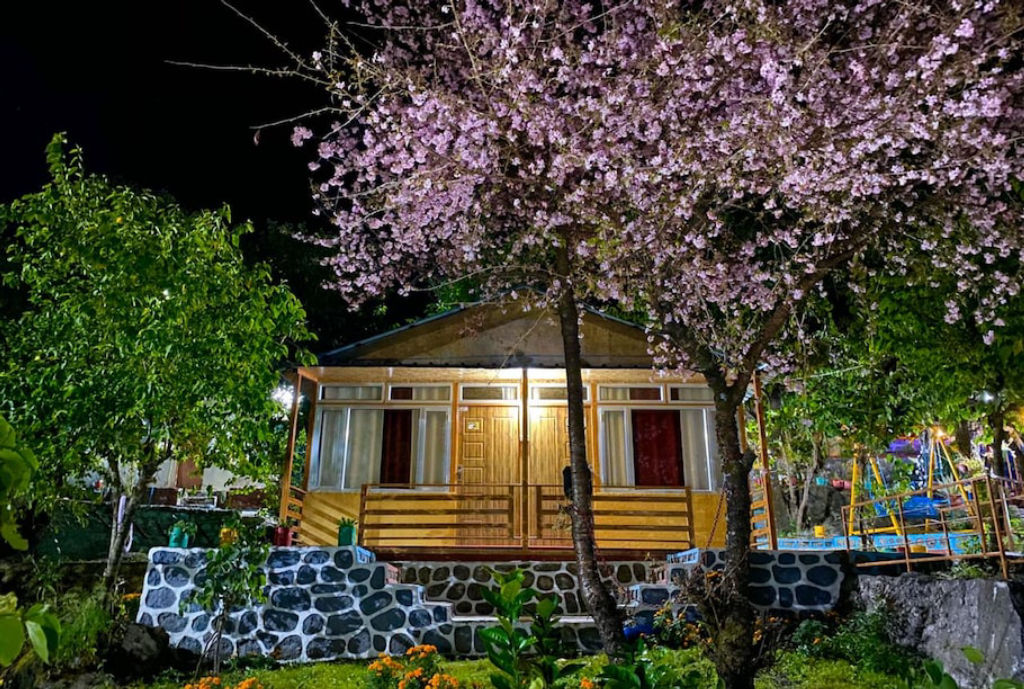
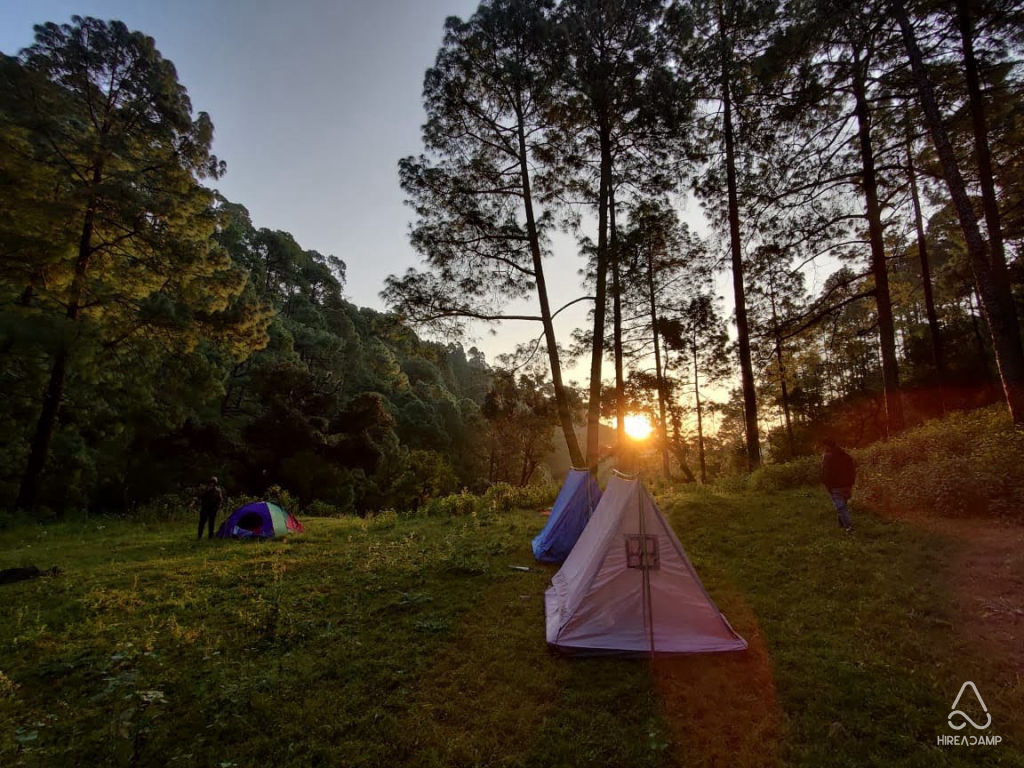
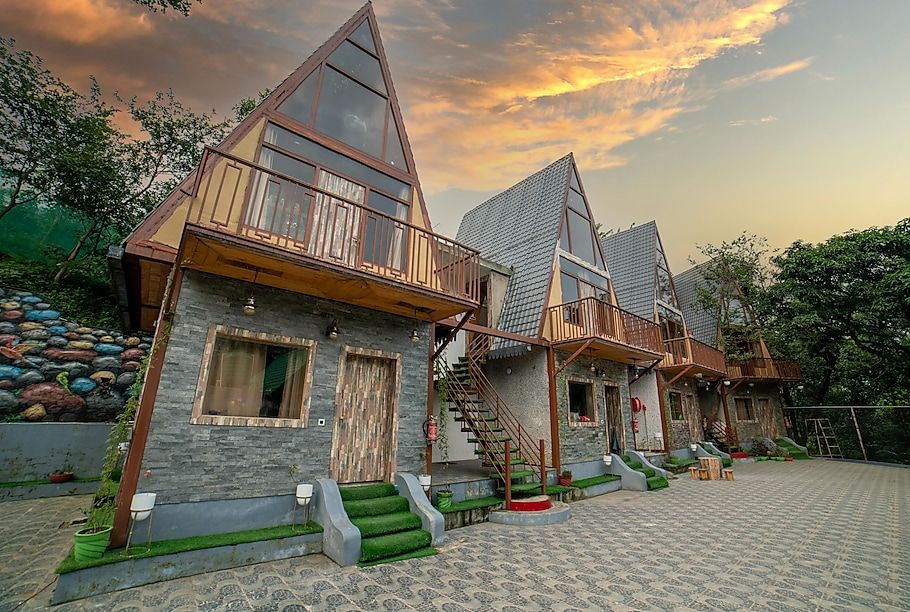
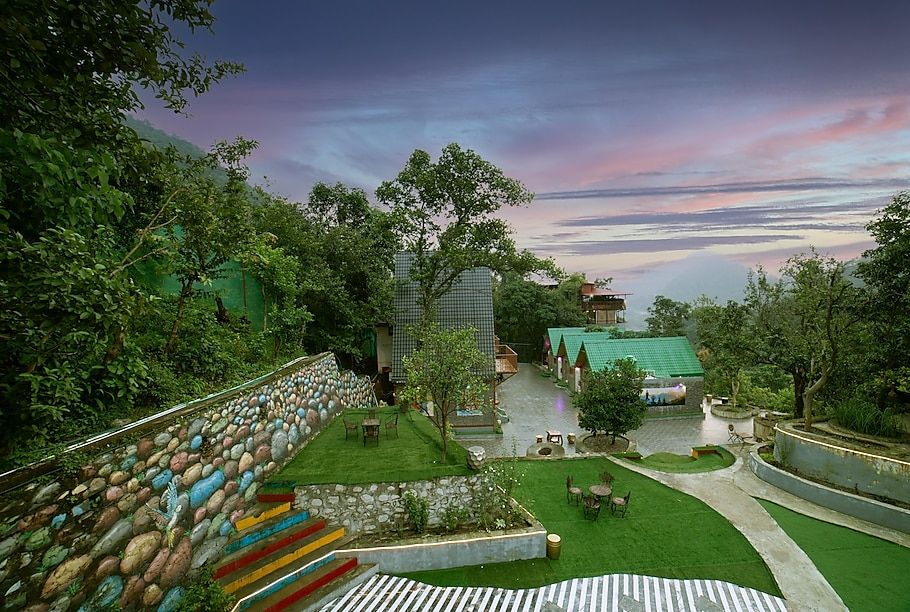
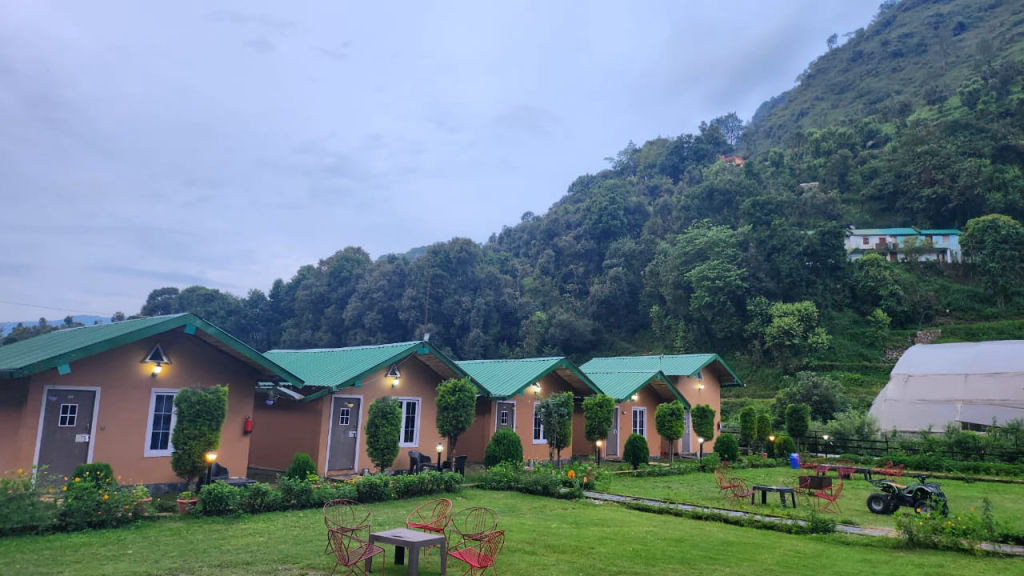
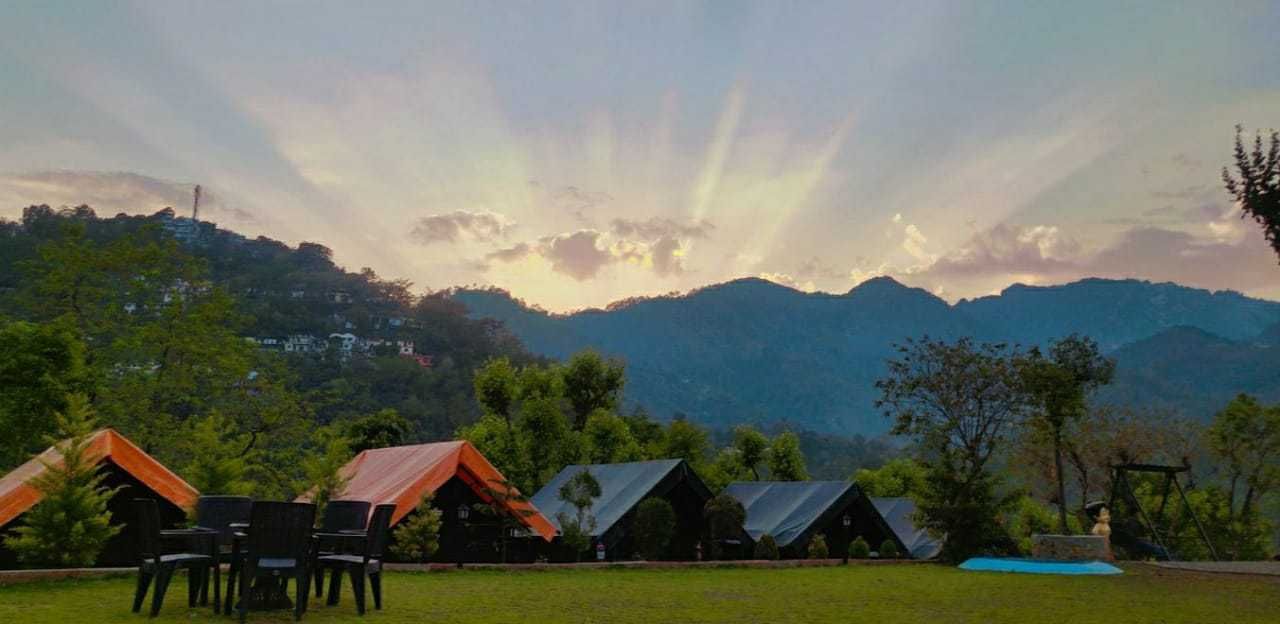
A varied selection of scenic campsites, homestays, and boutique rural cottages throughout the Nainital region can be booked through HireACamp. Opting for a stay nestled in the surrounding pine and oak forests offers direct access to fresh mountain air, walking paths, and a peaceful base for exploring Kumaon.
Frequently asked questions
Where is the Himalayan Botanical Garden located?
The Himalayan Botanical Garden is located at Sariyatal along the road connecting Nainital to Kaladungi, in the Nainital district of Uttarakhand.
What is there to see inside the Himalayan Botanical Garden?
Visitors can explore collections of native Himalayan flora, including medicinal plants, ferns, orchids, and mosses, along with walking paths through natural oak and pine forest.
How much time should I spend at the Himalayan Botanical Garden?
Most visitors spend between one and two hours walking the terraced trails, viewing the plant enclosures, and enjoying the quiet hillside setting.
What is the best season to visit the garden?
The spring and early summer months from March to June are ideal for viewing flowering plants in mild weather, while post-monsoon autumn offers crisp air and clear mountain views.
Can I find stays close to the Himalayan Botanical Garden?
Yes, travellers can find nearby homestays, nature retreats, and outdoor campsites listed on HireACamp around Sariyatal, Khurpatal, and the greater Nainital area.
Where you'll be
Himalayan Botanical Garden at Sariyatal near Nainital, Nainital · 12 stays nearby shown with prices
Stays near Himalayan Botanical Garden
Book a place to stay close by
More places near Himalayan Botanical Garden
Within 20 km
Built from 0 Instagram posts by 0 creators. Every tip links back to the post it came from, and where creators disagree we show both sides.






