
Naina Devi Himalayan Bird Conservation Reserve
Bird sanctuary near Barechhina, Uttarakhand
1000 m from Barechhina
The nearest town, for stays, food and fuel.
Naina Devi Himalayan Bird Conservation Reserve is a protected forested sanctuary situated along the high mountain slopes near Nainital in Uttarakhand. Encompassing temperate broadleaf woodlands of oak, rhododendron, and deodar, it is recognized as one of the premier birding habitats in the Kumaon Himalayas. Travellers and naturalists visit to walk peaceful forest trails, spot resident and migratory bird species, and take in expansive views of the surrounding peaks.
Getting there
By road
- From BarechhinaNearest town16 min · 8.3 km
- From Dehradun6 hr 15 min · 288 km
- From New Delhi6 hr 40 min · 289 km
- From Lucknow7 hr 55 min · 437 km
Typical drive times without traffic. Stations and airports from OLA Maps; distances and typical drive times from OpenStreetMap (© OpenStreetMap contributors); notes from creators' Reels.
About Naina Devi Himalayan Bird Conservation Reserve
Written with AI from map data and general knowledge. Check prices and timings locally before you go.
About Naina Devi Himalayan Bird Conservation Reserve
The Naina Devi Himalayan Bird Conservation Reserve protects a vital ecological belt within the Nainital forest division in the Kumaon region of Uttarakhand. Encompassing forested ridges, mountain slopes, and secluded valleys around Kilbury and Pangot, this conservation reserve was created to safeguard the rich biodiversity of the middle Himalayan eco-zone. The landscape is dominated by mature stands of ban oak, moru oak, rhododendron, and deodar trees, which create a dense, layered canopy essential for resident and migratory species.
Beyond its biological significance, the reserve offers visitors a refreshing escape from crowded hill-station promenades. Situated at high elevations above the town of Nainital, the area features clean mountain air, sweeping views of snow-capped Himalayan peaks on clear days, and miles of shaded walking paths. The quiet environment allows travellers to experience the tranquil rhythm of the mountain wilderness.
Birdwatching and Wildlife
Birdwatchers revere the reserve for its incredible diversity of Himalayan avifauna. The sanctuary supports several hundred species of resident and migratory birds throughout the year. Among the most sought-after sightings are the cheer pheasant, koklass pheasant, and kalij pheasant, which forage across the undergrowth of the forest floor. Overhead, soaring raptors such as the lammergeier or bearded vulture, Himalayan griffon, and steppe eagle can frequently be observed riding thermals along the ridgelines.
The dense canopy and shrub layers harbor a vibrant assortment of smaller forest birds. Visitors strolling along the woodland edges commonly encounter several species of laughingthrushes, including the white-throated and streaked laughingthrush. Colorful woodpeckers, flycatchers, warblers, minivets, nuthatches, and sunbirds dart among the lichen-covered branches. In addition to birds, the reserve is home to mammalian wildlife typical of Kumaon high forests, including barking deer, goral, wild boar, yellow-throated martens, and occasionally leopards.
Read more
Trekking Trails and Forest Walks
Exploring Naina Devi Himalayan Bird Conservation Reserve is best done on foot, as quiet movement greatly enhances the chances of wildlife sightings. Multiple unpaved trails, bridle paths, and quiet motorable stretches wind through the reserve, connecting small mountain hamlets and ridgelines. Walking under the thick canopy of ancient oak and rhododendron trees provides an intimate wilderness experience away from vehicular traffic.
One of the most popular walking routes takes visitors along the ridge tracks that offer intermittent panoramic views of the northern Himalayan ranges on one side and terraced hillside valleys on the other. Casual walks along early morning forest roads yield excellent bird activity near water trickles and sunny clearings. For those seeking more elevation gain, uphill trails lead toward panoramic viewpoints that overlook the surrounding lake basin and forested hillsides.
Best Time to Visit Naina Devi Himalayan Bird Conservation Reserve
The reserve can be visited throughout the year, but the experience changes markedly across the seasons. Spring, from March to May, is widely considered prime time for birdwatchers and nature enthusiasts. During these months, the rhododendron trees burst into vibrant crimson blooms, temperatures remain pleasantly cool, and resident birds begin their active breeding and nesting routines, filling the woods with song.
Autumn, spanning October and November, is another splendid period to plan a trip. The monsoon rains wash the vegetation clean, leaving crisp mountain skies, exceptional visibility of distant Himalayan peaks, and comfortable daytime temperatures. Winter brings chilly weather with freezing nights and occasional snowfall on the highest ridges between December and February. While winter requires warm layering, it brings altitudinal bird migrants down from higher Himalayan valleys into the sanctuary. The monsoon season from July to September brings heavy rainfall, misty conditions, and active leeches, so trail walking during these months requires extra caution.
How to Reach the Reserve
Naina Devi Himalayan Bird Conservation Reserve is located just north of Nainital, making the popular hill town the primary transit hub for reaching the sanctuary. Travellers coming by rail generally arrive at Kathgodam railway station, which serves as the principal railhead in the Kumaon foothills and connects to major northern Indian cities. From Kathgodam, local taxis and shared vehicles climb the winding mountain road up to Nainital.
From Nainital, the reserve can be accessed by hiring a local taxi or driving toward the forested hills of Kilbury and Pangot. The road winds gradually uphill through wooded terrain, offering scenic glimpses of the surrounding mountains. Travellers arriving by air typically land at Pantnagar Airport, from where road transport is available toward Nainital. It is advisable to arrange local transport in advance, especially if you intend to start birdwatching at dawn.
Tips for Visitors
To make the most of a day in the reserve, an early start is essential. Bird activity peaks during the early morning hours just after sunrise and again in the late afternoon before dusk. Wearing neutral or earth-toned clothing in shades of green, brown, or khaki helps you blend into the forest environment and avoids startling sensitive birds.
Carry a good pair of binoculars, a telephoto camera lens, and a field guide to Indian birds to aid in spotting and identifying species among high branches. Weather conditions in the mountains can shift quickly, so carrying light layers or windproof jackets is advisable even during summer months. Staying on marked forest paths is important both for personal safety and to minimize disruption to the fragile forest floor ecosystem. Finally, carry reusable water bottles and take all personal trash back with you, as preserving the cleanliness of the reserve is vital.
Places to Visit Nearby
A trip to the reserve pairs naturally with exploring the broader Nainital district and Kumaon mountain belt. The central town of Nainital, centered around its prominent crescent-shaped lake, offers leisurely boat rides, lively bazaars, and traditional mountain viewpoints. Smaller water bodies like Sariyatal provide serene waterside spots nestled in quiet mountain folds a short drive away.
For nature lovers interested in exploring different forest ecosystems, the conservation reserves and forested corridors extending down toward the foothills offer distinct subtropical biodiversity. Heading toward the surrounding rural valleys allows travellers to witness traditional Kumaoni village life, hillside step farming, and heritage temples scattered along scenic ridgelines.
Where to Stay
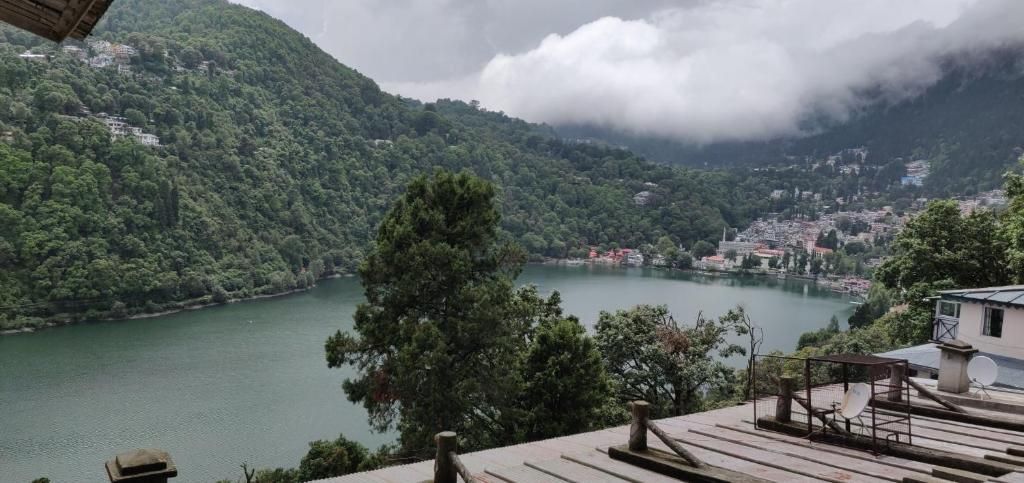
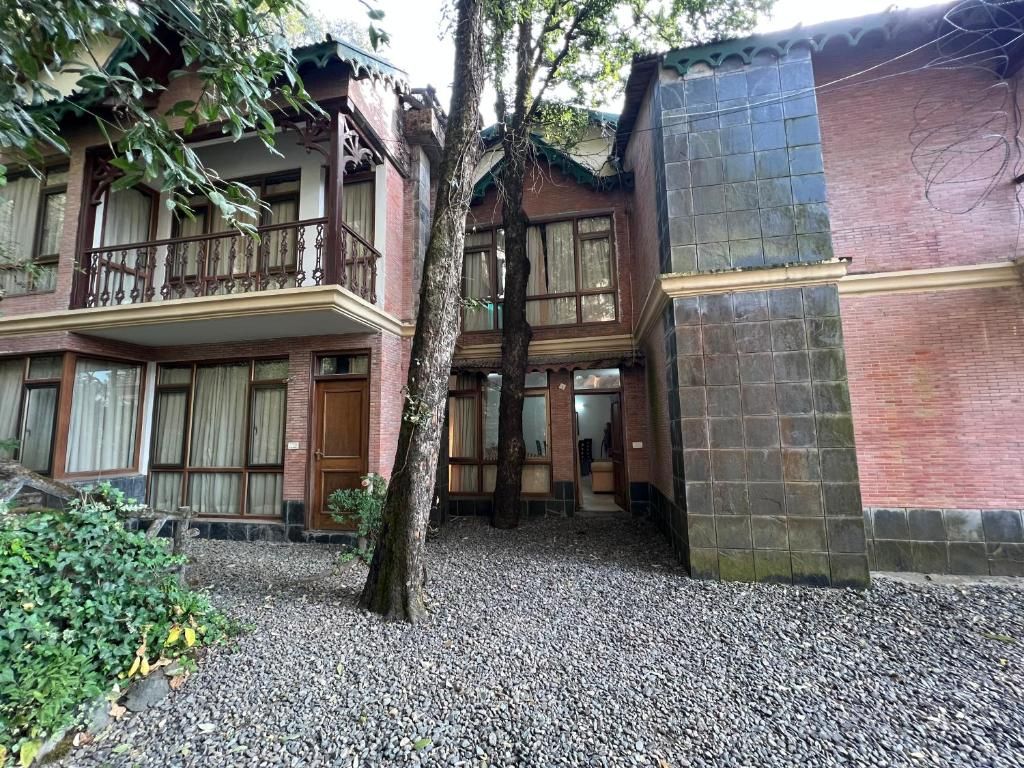
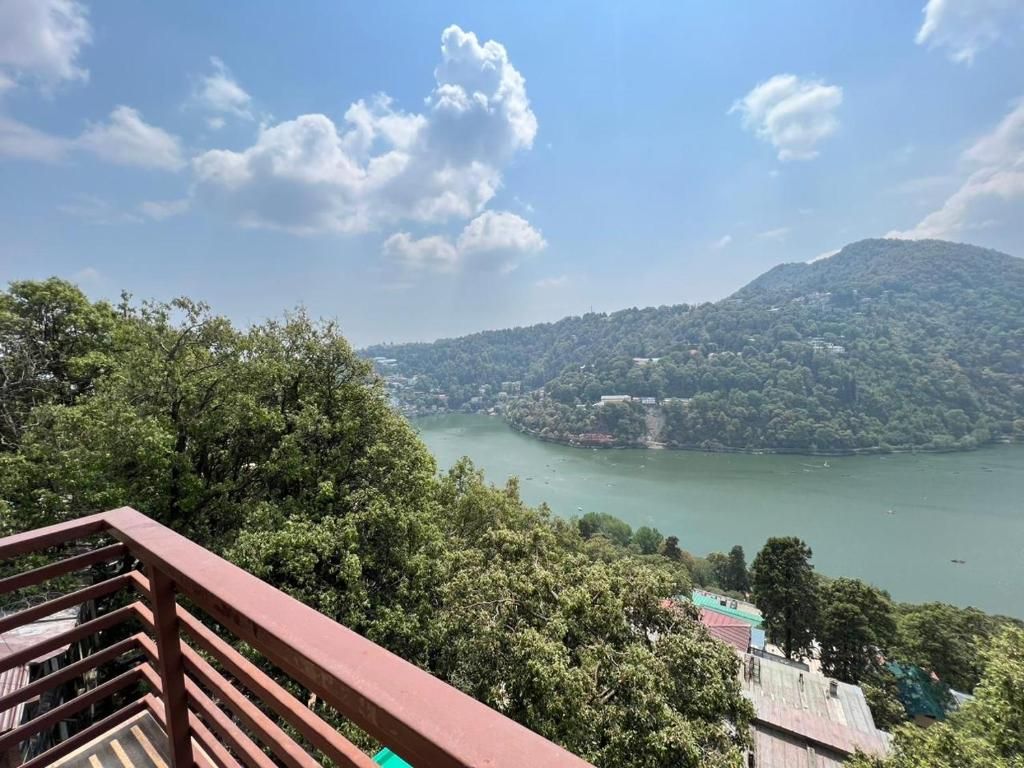
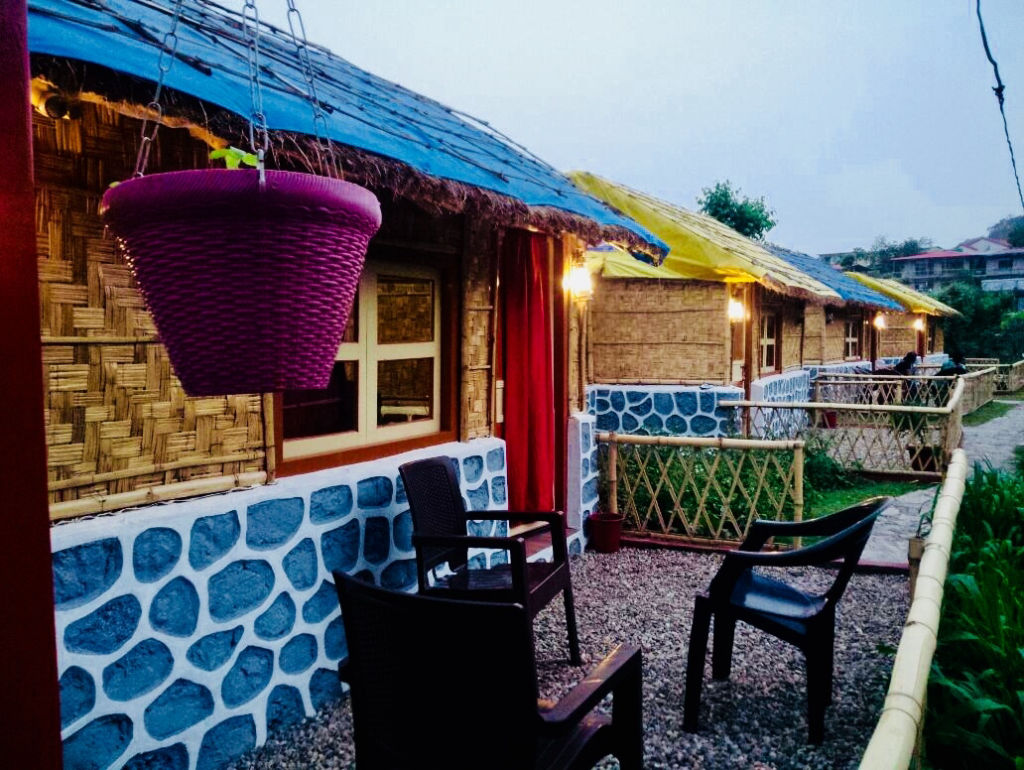
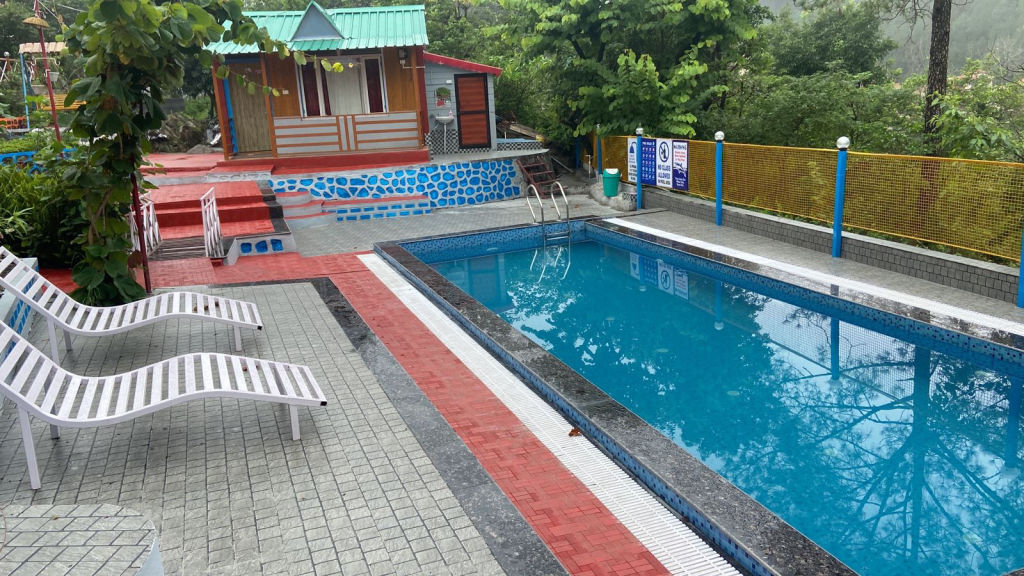
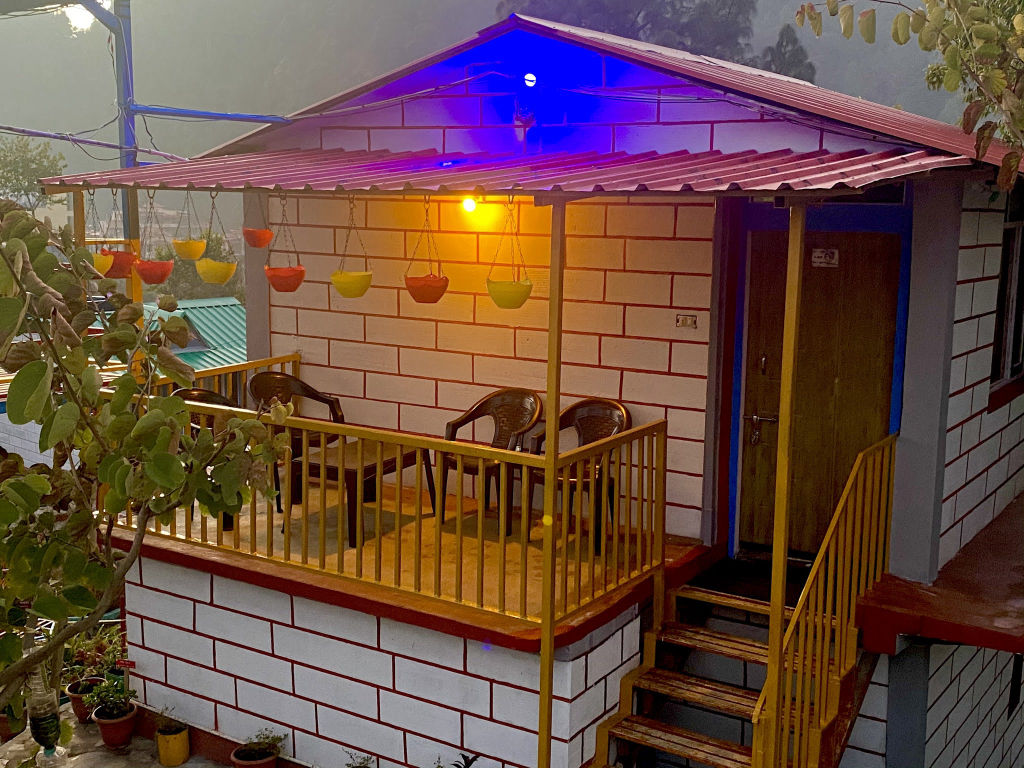
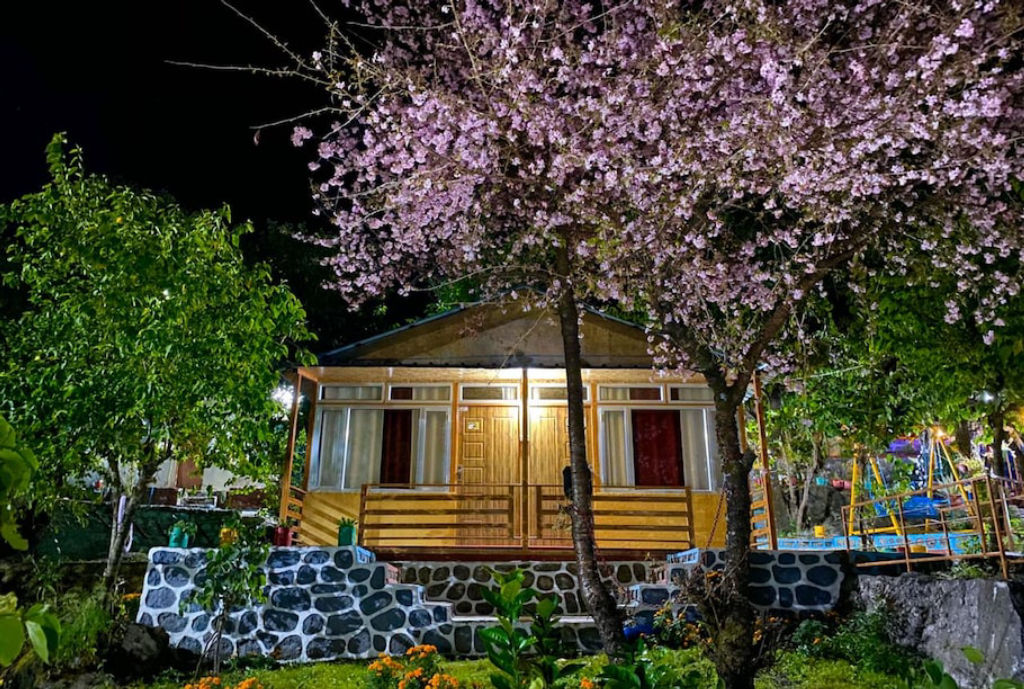
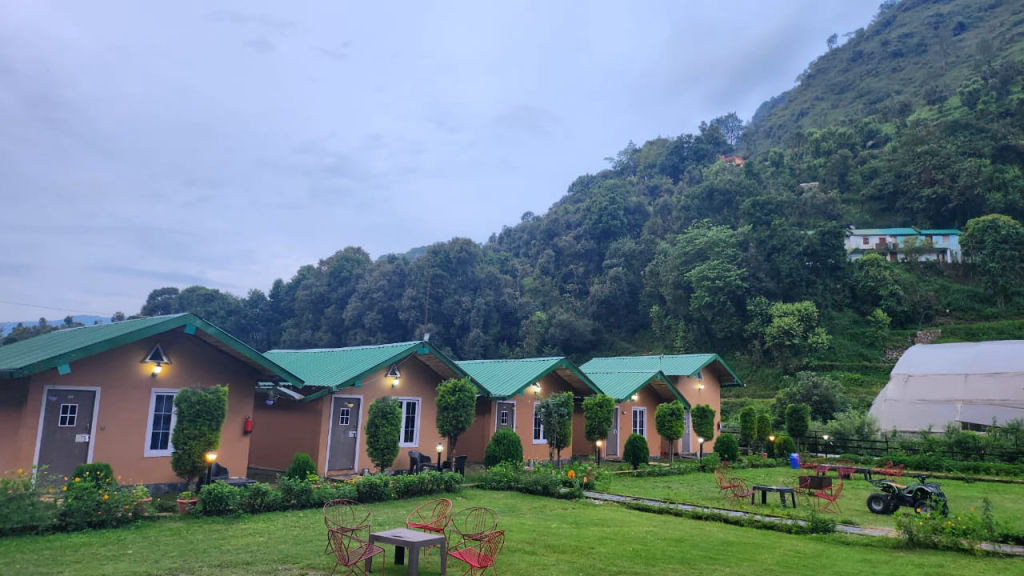
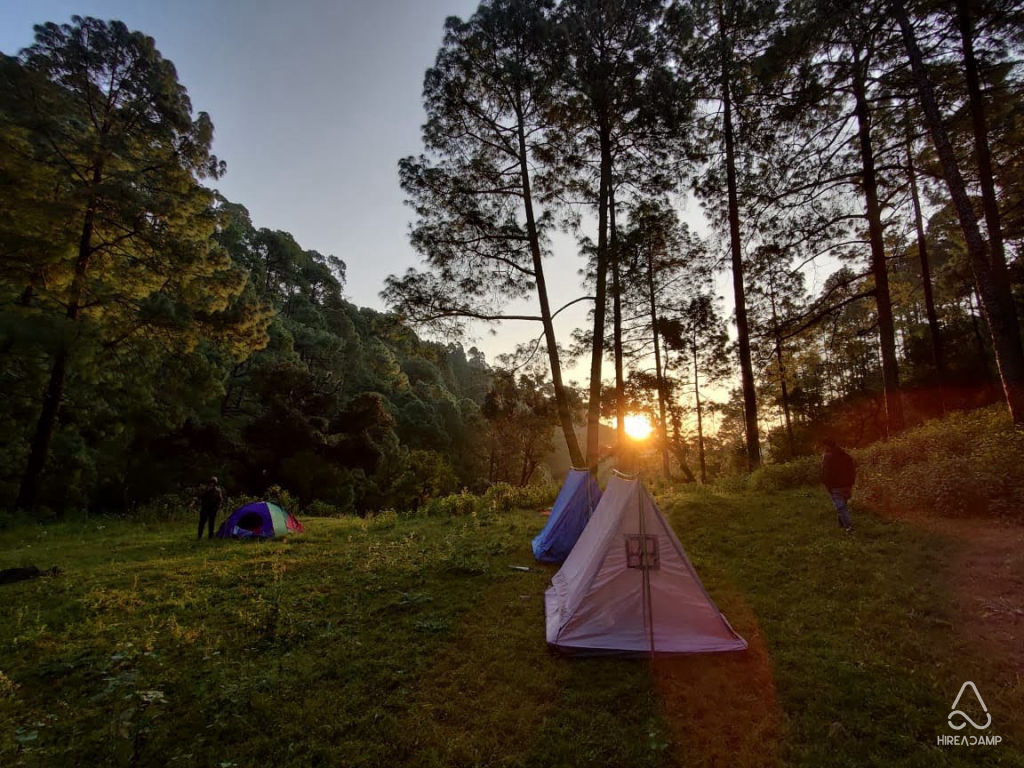
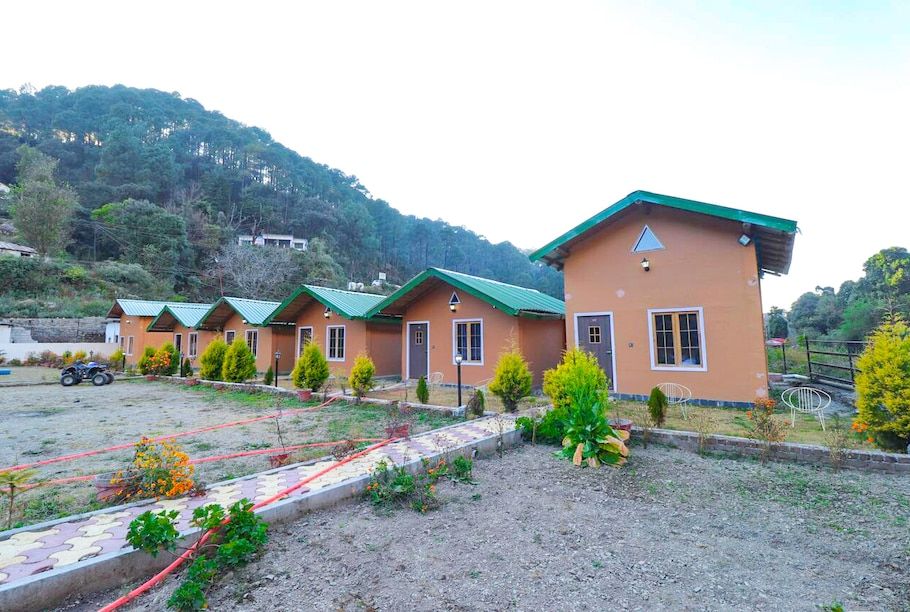
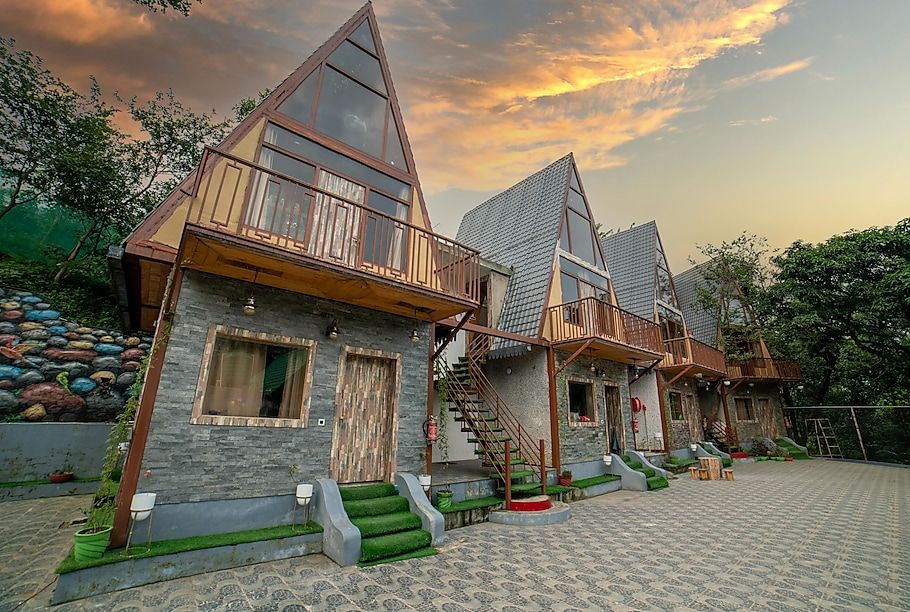
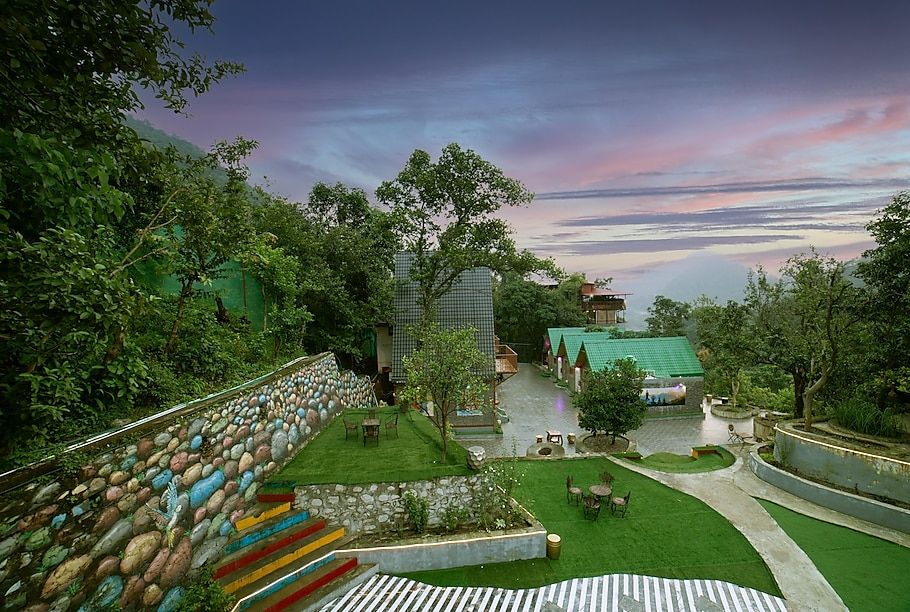
Visitors looking to stay close to the bird reserve will find excellent options ranging from quiet mountain homestays to rustic wilderness campsites nestled near the forest borders. Staying outside central Nainital along the Kilbury and Pangot ridge allows birdwatchers to wake up directly to birdsong and access walking trails at first light without dealing with hill station traffic.
You can browse and book unique nature stays, eco-lodges, rural homestays, and outdoor camps near Naina Devi Himalayan Bird Conservation Reserve directly on HireACamp. These properties often feature knowledgeable local hosts who can share helpful insight into trail conditions and nearby birdwatching vantage points.
Frequently asked questions
What is Naina Devi Himalayan Bird Conservation Reserve famous for?
The reserve is famous for its dense temperate oak and rhododendron forests that support hundreds of Himalayan bird species, including pheasants, laughingthrushes, woodpeckers, and large raptors like the lammergeier.
Do I need a guide to explore the reserve?
While casual walking along forest tracks can be done independently, hiring an experienced local birding guide greatly improves your chances of spotting and identifying elusive mountain species.
Can I visit Naina Devi Himalayan Bird Conservation Reserve in winter?
Yes, winter is an excellent time to visit because higher-altitude bird species migrate down into the reserve, though you should be prepared for cold temperatures, chilly winds, and occasional snowfall.
Is the reserve suitable for beginner walkers and families?
Yes, the reserve features gentle unpaved roads and bridle paths that are well suited for leisurely family strolls and beginner nature walkers looking for clean mountain air and forest scenery.
What should I wear when visiting the sanctuary?
Wear comfortable walking shoes with good grip, dress in layers to adapt to mountain temperature changes, and choose dull, earthy colors like green, grey, or khaki so as not to startle birds.
Where you'll be
Nainital · 12 stays nearby shown with prices
Stays near Naina Devi Himalayan Bird Conservation Reserve
Book a place to stay close by
More places near Naina Devi Himalayan Bird Conservation Reserve
Within 20 km
Built from 0 Instagram posts by 0 creators. Every tip links back to the post it came from, and where creators disagree we show both sides.






