
Indira Gandhi Wildlife Sanctuary And National Park
Wildlife sanctuary near Thirumoorthy, Tamil Nadu
6.2 km from Thirumoorthy
The nearest town, for stays, food and fuel.
Indira Gandhi Wildlife Sanctuary And National Park, nestled in the southern Western Ghats near Udumalpet, is an expansive bio-reserve celebrated for its dense forests and dramatic mountain topography. Visitors journey here to experience the wild landscapes of the Anamalai Hills, catch glimpses of iconic Indian wildlife, and explore quiet foothill attractions. The reserve provides a peaceful retreat for nature lovers, birdwatchers, and travellers looking to immerse themselves in South India's pristine wilderness.
Getting there
By road
- From ThirumoorthyNearest town2 hr 55 min · 80 km
- From Coimbatore3 hr 30 min · 111 km
- From Madurai6 hr · 231 km
- From Kochi6 hr 30 min · 240 km
Typical drive times without traffic. Stations and airports from OLA Maps; distances and typical drive times from OpenStreetMap (© OpenStreetMap contributors); notes from creators' Reels.
About Indira Gandhi Wildlife Sanctuary And National Park
Written with AI from map data and general knowledge. Check prices and timings locally before you go.
About Indira Gandhi Wildlife Sanctuary And National Park
Sprawling across the rugged Anamalai Hills in the Western Ghats of Tamil Nadu, Indira Gandhi Wildlife Sanctuary And National Park stands as one of South India's most significant conservation landscapes. Historically recognized for its rich timberlands and pristine catchments, the sanctuary preserves an exceptional range of altitudinal gradients, climbing from dry deciduous scrub in the foothills near Udumalpet and Dhali up to dense evergreen canopies, high-altitude shola forests, and windswept montane grasslands.
The sanctuary forms an essential ecological corridor connecting adjacent protected reserves across Tamil Nadu and Kerala. Its numerous rivers, reservoirs, and perennial streams feed regional agriculture and sustain a vast web of wildlife. For nature enthusiasts and travellers, this reserve offers an immersive encounter with an untouched montane ecosystem, far away from urban congestion.
Wildlife and natural landscape
The geographical diversity of the park creates microclimates that support an astonishing array of flora and fauna. Among the flagship mammals residing in these forests are the Asian elephant, Bengal tiger, leopard, and Indian gaur. The higher slopes and rocky crags offer sanctuary to the endangered Nilgiri tahr, while the dense canopies host rare arboreal species such as the lion-tailed macaque, Nilgiri langur, and the Indian giant flying squirrel.
Avian life in the park is equally remarkable. Birdwatchers can spot high-canopy dwellers like the great hornbill, Malabar pied hornbill, and Malabar trogon, alongside endemic birds including the Nilgiri wood pigeon and white-bellied treepie. The dense undergrowth and stream banks provide shelter to numerous reptile and amphibian species, many of which are endemic to the Western Ghats. The interplay of open woodlands, freshwater reservoirs, and ancient evergreen tracts makes every drive or walk through the region a rich ecological journey.
Read more
Best time to visit
The park experiences the distinctive weather patterns of the southern Western Ghats, making seasonal timing an essential factor for planning a trip. The winter months from October to February are generally considered the best time to visit Indira Gandhi Wildlife Sanctuary And National Park. During this period, the post-monsoon greenery is at its peak, daytime temperatures remain moderate, and morning mists blanket the hills, making outdoor exploration and sightseeing very pleasant.
The summer period from March through May brings rising temperatures to the lower elevations, though the higher reaches remain relatively cool. Wildlife viewing near water sources can be productive during these drier months, though vegetation is sparser. The southwest monsoon sweeps in between June and September, drenching the slopes in intense rainfall. While the monsoon rejuvenates the streams and waterfalls, heavy downpours can lead to slippery trails and travel disruptions, so visitors during this time should be prepared for wet weather.
Things to do around the sanctuary
Exploring Indira Gandhi Wildlife Sanctuary And National Park revolves around nature appreciation, wildlife watching, and soaking in tranquil hill vistas. Travellers can participate in authorized forest vehicle safaris and guided nature walks coordinated by local forest authorities. These excursions offer safe, structured opportunities to witness wild ungulates, primates, and forest birds in their natural habitats.
Photography is another rewarding pursuit here, with early morning light breaking through tall teak trees and mountain mist providing dramatic backdrops. Beyond organized safaris, spending quiet hours scanning forest fringes, exploring peaceful viewpoints overlooking reservoirs, and driving through scenic plantation-bordered approach roads allow visitors to experience the slow, restorative pace of the Anamalai range.
How to reach Indira Gandhi Wildlife Sanctuary
The sanctuary is easily accessible from nearby transit hubs in western Tamil Nadu. The town of Udumalpet serves as a convenient gateway, situated just a short drive from the sanctuary limits, while Dhali is located in close proximity to the eastern fringes. For those travelling by public transport or longer road routes, Pollachi and Coimbatore are major transit centres with robust connectivity.
Coimbatore hosts the nearest domestic airport, connecting to major Indian metros, while Pollachi and Udumalpet have railway stations served by regional trains. Taxis, private vehicles, and regular state-run buses link Udumalpet and Pollachi to the foothill checkposts and entry points of the reserve. Driving your own vehicle allows greater flexibility to navigate rural routes and stop at nearby scenic lookouts.
Places to visit nearby
The region surrounding Indira Gandhi Wildlife Sanctuary And National Park offers several engaging stops for visitors. Thirumoorthy Dam, located just a short distance from the reserve, is a tranquil reservoir set against the steep slopes of the hills, renowned for its calm water views and the adjacent Thirumoorthy temple. Further into the hills, Kadamparai Dam and the scenic waters of Aliyar Dam present panoramic vantage points and manicured lakeside parks.
Travellers heading toward the higher plateaus can stop by Monkey Falls, a cascading natural waterfall along the ghat road. For those eager to delve deeper into protected wilderness, Topslip serves as a well-known ecotourism centre within the Anamalai Tiger Reserve, offering forest drives and conservation interpretation. Grass Hills National Park, situated at higher elevations, protects montane shola-grassland habitats that showcase the remarkable biodiversity of the Western Ghats.
Tips for travellers and where to stay
When visiting Indira Gandhi Wildlife Sanctuary And National Park, it is essential to remember that this is an ecologically fragile zone governed by strict forest laws. Visitors must respect forest rules, avoid littering, maintain low noise levels, and refrain from feeding or approaching wild animals. Plastic usage is strictly discouraged in and around reserve boundaries. It is advisable to wear neutral-toned clothing, sturdy walking shoes, and carry rain gear if visiting during transitional months. Travel permissions, safari slots, and vehicle entry details should always be checked locally at the relevant forest department offices before venturing deep into the interior.
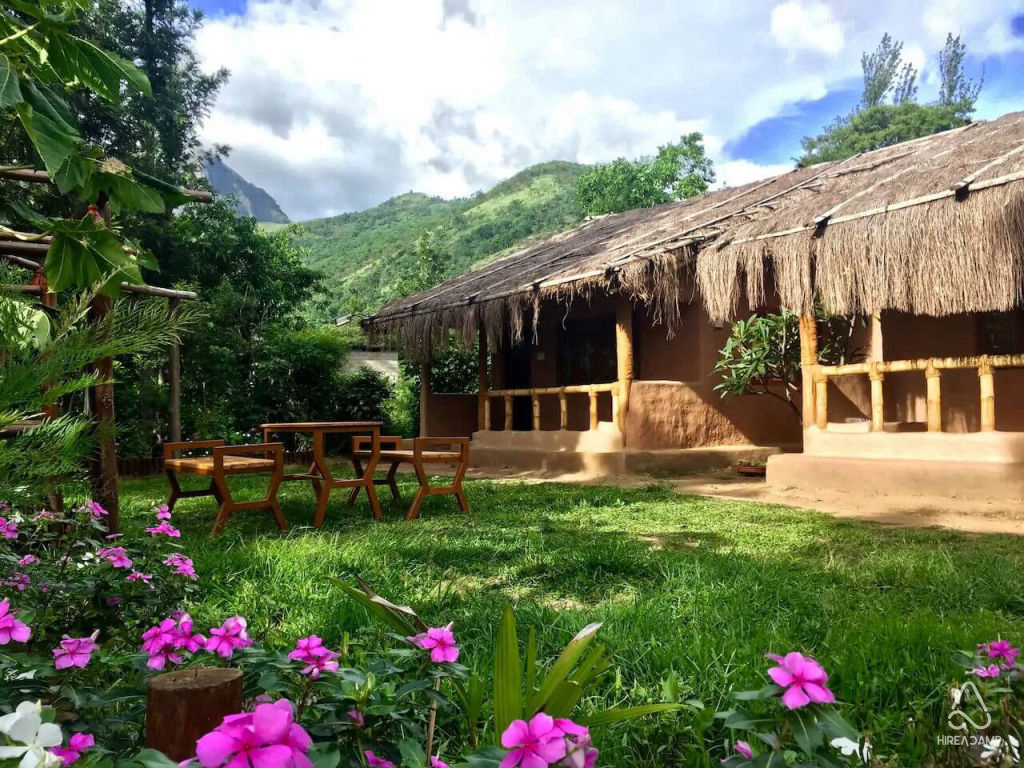
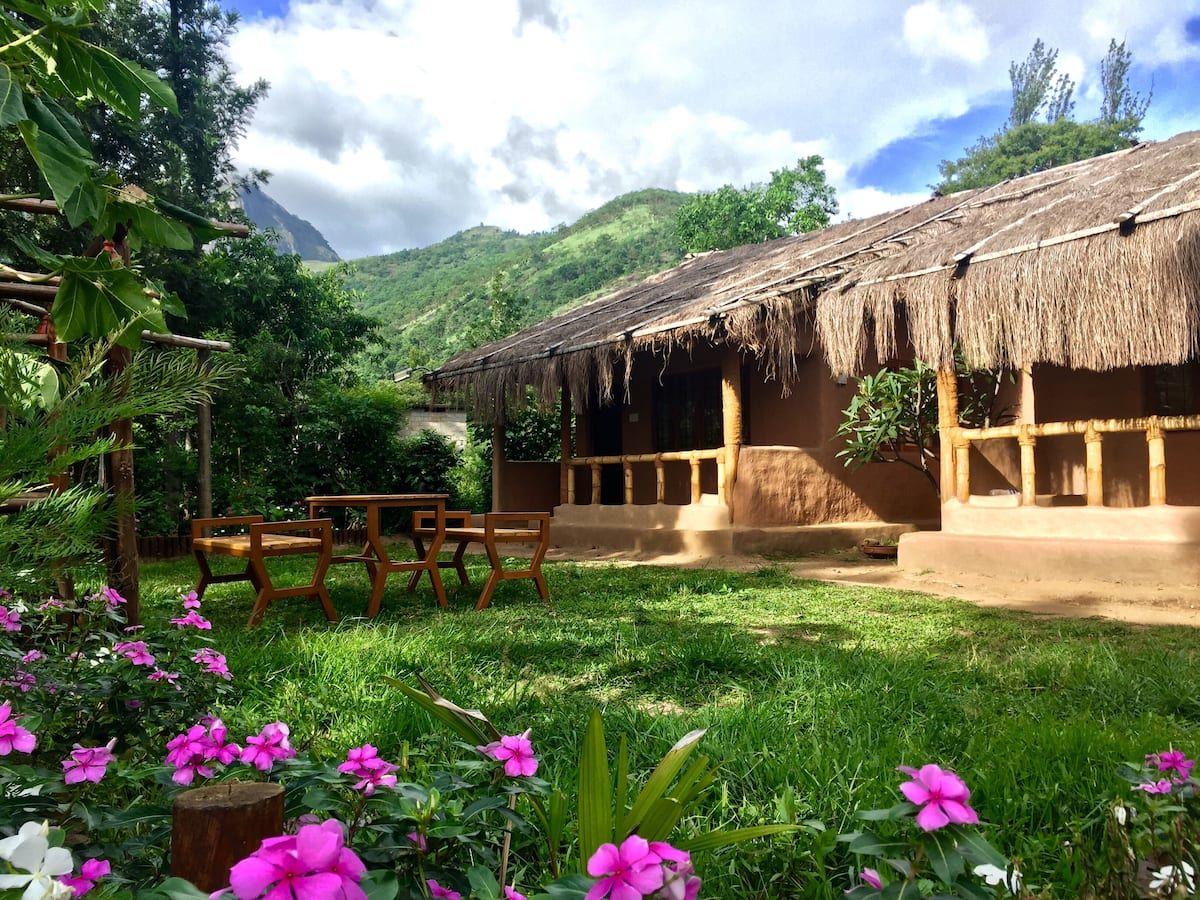
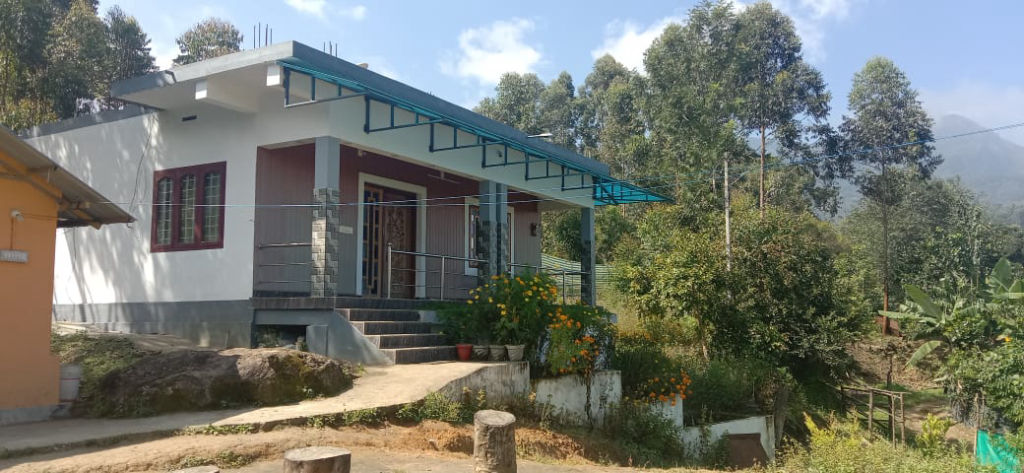
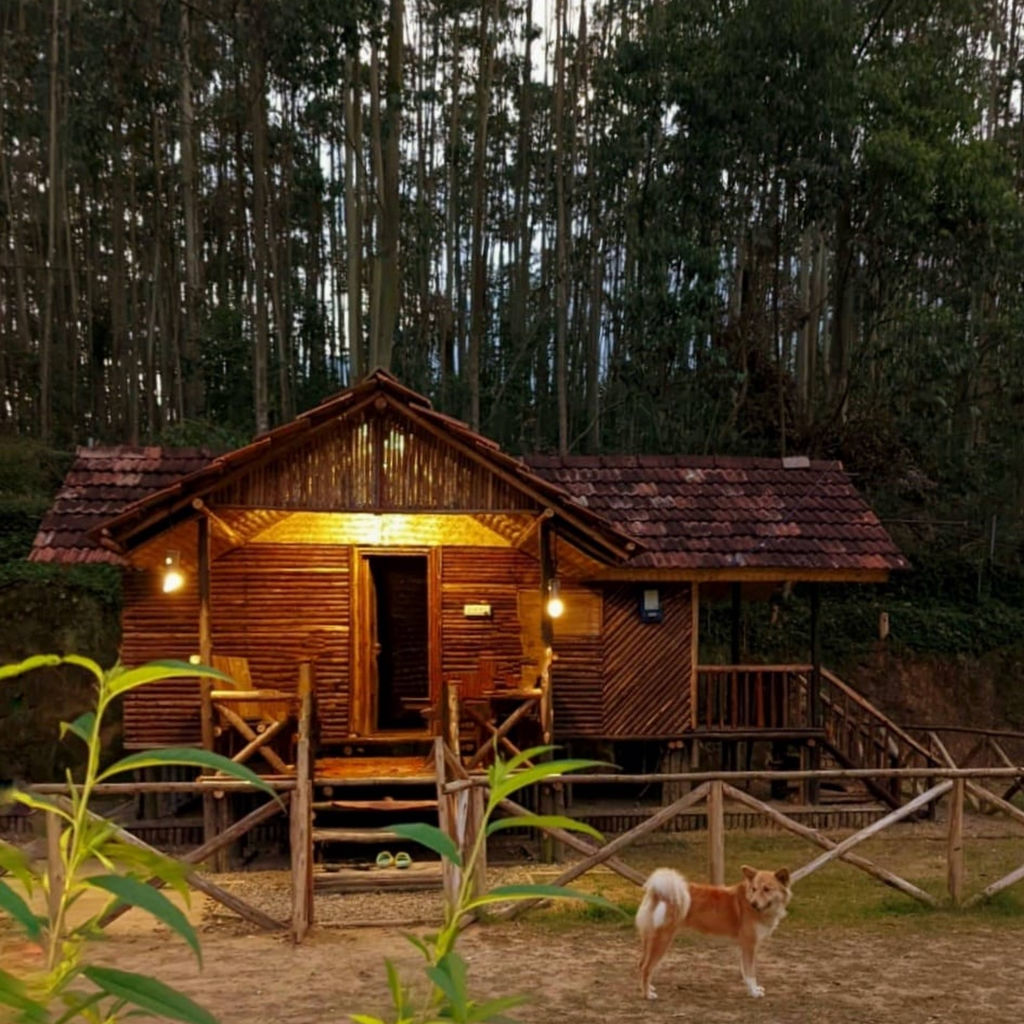
For accommodation, you will find a range of experiential stays, rural homestays, and outdoor camps in the surrounding countryside and foothill villages. Browse HireACamp to discover comfortable campsites and homestays nearby, providing a welcoming base from which to explore the untamed beauty of the Western Ghats.
Frequently asked questions
Where is Indira Gandhi Wildlife Sanctuary And National Park located?
The sanctuary is located in the Anamalai Hills of the Western Ghats, near Udumalpet and Dhali in Tamil Nadu, India.
What wildlife can be seen at Indira Gandhi Wildlife Sanctuary?
Visitors may spot Asian elephants, Indian gaur, Nilgiri tahr, lion-tailed macaques, spotted deer, wild boars, and a vast array of endemic birds, reptiles, and butterflies.
When is the best time to visit the sanctuary?
The ideal time to visit is from October to February when the weather is cool and pleasant following the monsoon rains, making outdoor exploration comfortable.
How do I reach Indira Gandhi Wildlife Sanctuary from Coimbatore?
Travellers can drive or hire a taxi from Coimbatore via Pollachi and Udumalpet, or take state-run buses connecting Coimbatore to Udumalpet before taking local transport to the sanctuary entry points.
Are there other places to see near Indira Gandhi Wildlife Sanctuary?
Yes, nearby highlights include Thirumoorthy Dam, Aliyar Dam, Monkey Falls, Kadamparai Dam, and Topslip within the Anamalai Tiger Reserve.
Where you'll be
Udumalpet · 7 stays nearby shown with prices
Stays near Indira Gandhi Wildlife Sanctuary And National Park
Book a place to stay close by


More places near Indira Gandhi Wildlife Sanctuary And National Park
Within 20 km


Lists for this area
Ranked by how many creators recommend each place


Built from 0 Instagram posts by 0 creators. Every tip links back to the post it came from, and where creators disagree we show both sides.






