
Jabbarkhet
Destination in Uttarakhand
Jabbarkhet is a quiet, forested settlement set along a high ridge in Uttarakhand, located just beyond the historic cantonment of Landour. Surrounded by dense canopies of oak, pine, and rhododendron, the area is widely admired for its preserved nature trails, biodiversity, and expansive Himalayan outlooks. Travellers visit Jabbarkhet to escape crowded hill resort centres, enjoy mindful nature walks, and observe native mountain wildlife.
Getting there
By road
- From Dehradun57 min · 33 km
- From New Delhi4 hr 30 min · 262 km
- From Chandigarh4 hr 50 min · 223 km
- From Ludhiana7 hr 15 min · 334 km
Typical drive times without traffic. Stations and airports from OLA Maps; distances and typical drive times from OpenStreetMap (© OpenStreetMap contributors); notes from creators' Reels.
Jabbarkhet and Dehradun Valley Travel Itinerary
A practical travel plan exploring the mountain ridge around Jabbarkhet and Landour, extending into the valley attractions and cultural sites of Dehradun.
Landour and Mussoorie Ridge Highlights
Best for travellers seeking mountain viewpoints, heritage walks, and short nature treks
Day 1
Landour viewpoints and hill trails
morning
Lal Tibba Scenic CafeAbout 1 hr
Visit the viewpoint deck overlooking the Mussoorie hills. Entry costs ₹50.
morning
Landour BakehouseAbout 45 min · 1.3 km from the last stop
Stop for baked goods while walking through Landour.
midday
LandourAbout 1 hr · 200 m from the last stop
Walk through the quiet village lanes. Entry is free.
afternoon
George Everest HouseAbout 2 hr · 7.6 km from the last stop
Trek the 900-metre steep and rocky path up to the peak. Entry is ₹100 to ₹200 and parking is ₹30.
evening
Dalai HillsAbout 1 hr 30 min · 2.9 km from the last stop
Hike the 300-metre path to catch sunset views before peak crowds gather. Entry is free.
- Landour experiences dense mist, fog, and persistent rain throughout the month of August.
- Wear shoes with reliable grip when tackling the steep, rocky 900-metre path at George Everest Peak.
- Avoid driving directly to Mall Road or booking hotels there on peak season weekends to prevent severe traffic congestion and parking hassles.
- Robber's Cave can easily be grouped with other major Dehradun sights like Tapkeshwar Temple and the Zoo in a single day.
Visit lengths are suggestions; distances are straight-line between stops.
About Jabbarkhet
Written with AI from map data and general knowledge. Check prices and timings locally before you go.
About Jabbarkhet
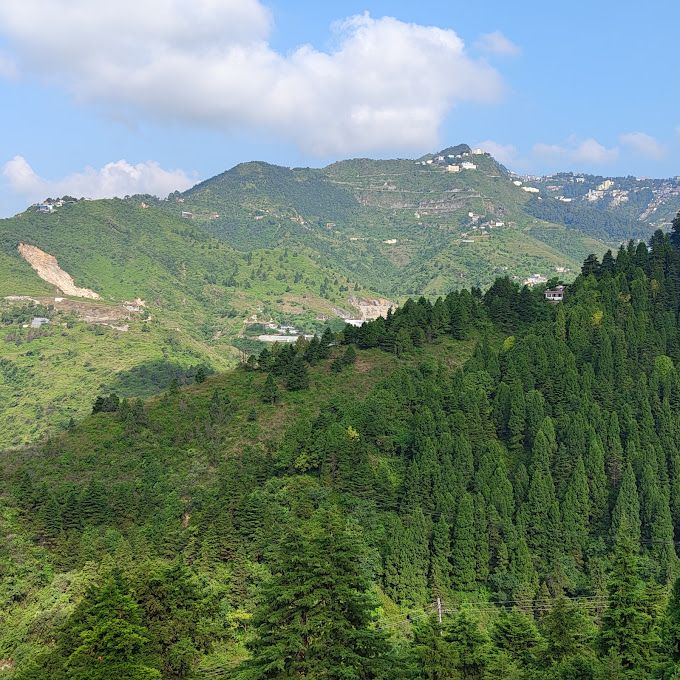
Jabbarkhet is perched at an elevation of approximately two thousand metres along the Mussoorie ridge in the lower Garhwal Himalayas. While much of the neighbouring hill stations can become bustling during holiday periods, Jabbarkhet maintains a quiet, rural atmosphere characterised by sprawling woodlands, terraced hillsides, and sweeping views across the Doon Valley on one side and snow-crested peaks on the other.
The settlement is widely recognized as a benchmark for ecological restoration and community-led conservation in the region. Once vulnerable to degradation, the native forests here have been carefully conserved, allowing indigenous flora and fauna to thrive once again. Walking through the area gives visitors an authentic feel of the Himalayan foothills as they existed decades ago, where the scent of deodar cedar and the rustle of dry oak leaves accompany every step.
Things to do in Jabbarkhet
The primary appeal of Jabbarkhet lies in outdoor exploration and nature immersion. Walking along its designated wilderness paths is the quintessential local experience. Marked walking tracks wind gently through dense thickets of ban oak, buransh, and chir pine, leading up to rocky knolls and high viewpoints that present uninterrupted panoramas of peaks like Bandarpunch, Swargarohini, and the Kedarnath range.
Birdwatching is exceptionally rewarding here across all seasons. Keen birders frequently spot species such as the Himalayan monal, kalij pheasant, rufous sibia, laughingthrush, and various woodpeckers. Patient walkers may also come across signs of native mammals, including barking deer, wild boar, langurs, yellow-throated martens, and even occasional traces of leopards that inhabit these high slopes. Spending hours on peaceful trails, sketching landscapes, or sitting quietly at ridge-top clearings are the best ways to spend time here.
Read more
Places to visit around Jabbarkhet
Because Jabbarkhet sits near the eastern edge of Mussoorie, travellers have easy access to several classic Garhwal attractions while staying in a quieter base. Just a short journey away lies the historic settlement of Landour, famed for its colonial architecture, peaceful churchyards, and tranquil lanes lined with old deodars. Nearby, Lal Tibba offers an iconic vantage point equipped with binoculars to scan distant snowline ranges.
Heading slightly further afield towards the valley, Dalai Hills provides rolling vistas and colourful prayer flags fluttering against mountain winds. Descending towards the Dehradun valley brings you within reach of attractions such as the limestone formations of Gucchupani, the cascading sulphur springs at Sahastradhara, and the tranquil grounds of the Mindrolling Monastery. Maldevta Road and the surrounding riversides also offer serene spots for day outings before returning to the cool mountain heights of Jabbarkhet.
Best time to visit Jabbarkhet
Spring, which runs from March through early May, is one of the most picturesque times to visit Jabbarkhet. During these months, temperatures are delightfully mild, and the slopes burst into bright crimson as the rhododendrons come into full bloom across the forests.
Summer brings relief from the sweltering heat of the northern plains, making daytime walks comfortable beneath the cool forest canopy. The monsoon season from July to September transforms the landscape into a vibrant emerald green with rolling banks of mist drifting through the trees, though trails can turn slippery. Autumn, extending through October and November, is marked by clear blue skies, crisp air, and the sharpest panoramic views of the Himalayan ranges. Winter from December to February brings freezing nights, frosty mornings, and occasional spells of snowfall that blanket the oak canopy in white.
How to reach Jabbarkhet
Reaching Jabbarkhet is straightforward from major transit hubs in Uttarakhand. The nearest railhead is Dehradun railway station, situated approximately thirty-five kilometres away, while Jolly Grant Airport in Dehradun is the closest airport, roughly sixty kilometres distant. Both hubs offer regular train and flight connections to major Indian cities.
From Dehradun, you can hire a private taxi or take a shared vehicle up the winding hill highway via Rajpur to Mussoorie. To reach Jabbarkhet, proceed through the town or take the bypass towards Landour and continue east along the scenic Tehri bypass road. The mountain drive takes approximately one and a half to two hours from Dehradun, depending on local traffic conditions during peak travel seasons.
Tips for your visit
When planning forest walks in Jabbarkhet, sturdy walking shoes or trekking boots with good grip are essential, as native trails feature loose stones, pine needle cover, and gentle inclines. Dress in layers, because temperatures can drop abruptly when mountain winds blow or as soon as the sun dips behind the western ridges.
Visitors should respect local conservation efforts by carrying all non-biodegradable waste back out of forest trails. During the monsoon months, wear tall socks and use leech deterrents on wooded routes. It is also wise to carry a reusable water bottle and check trail regulations and guided walking options locally before setting out on longer paths.
Where to stay near Jabbarkhet
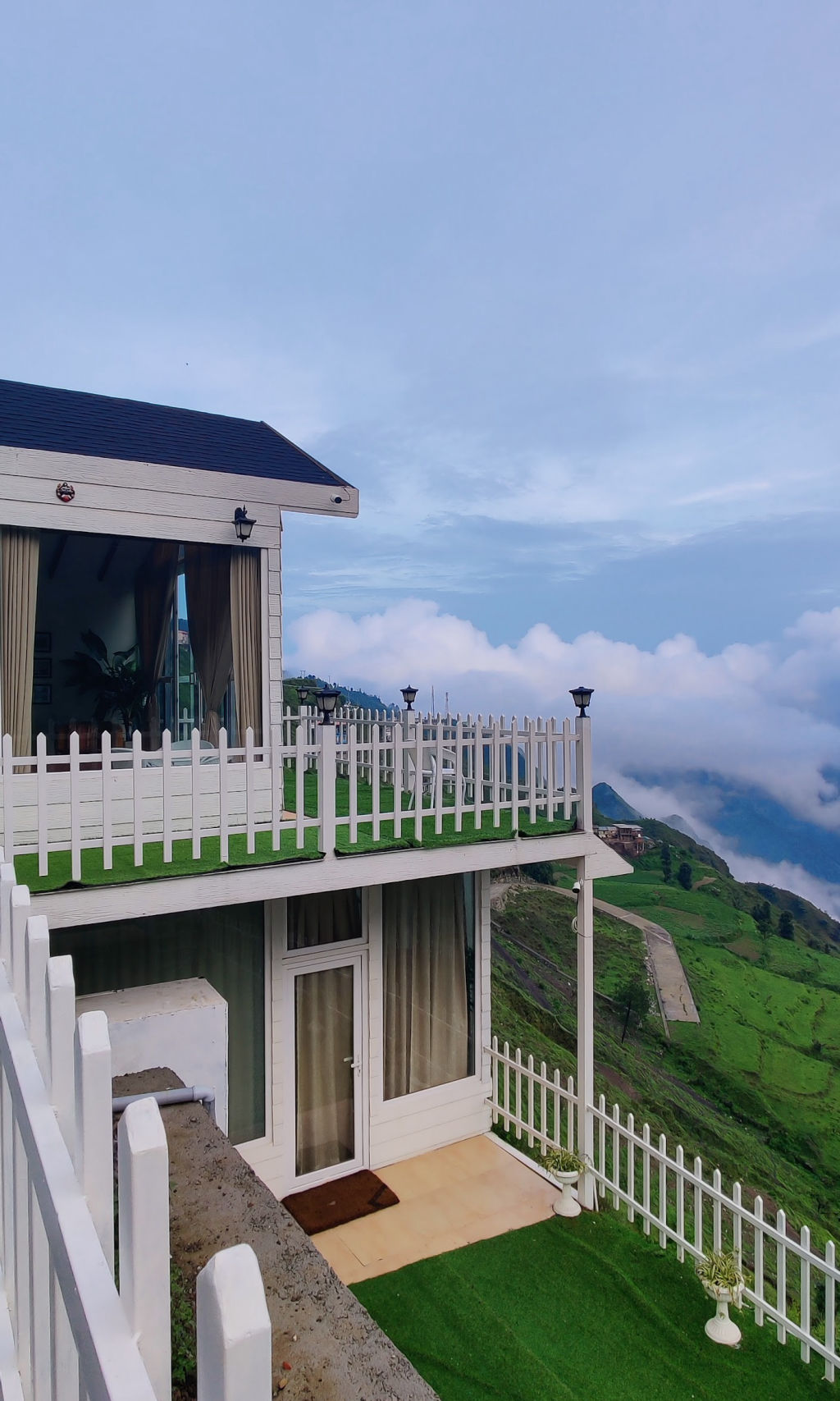
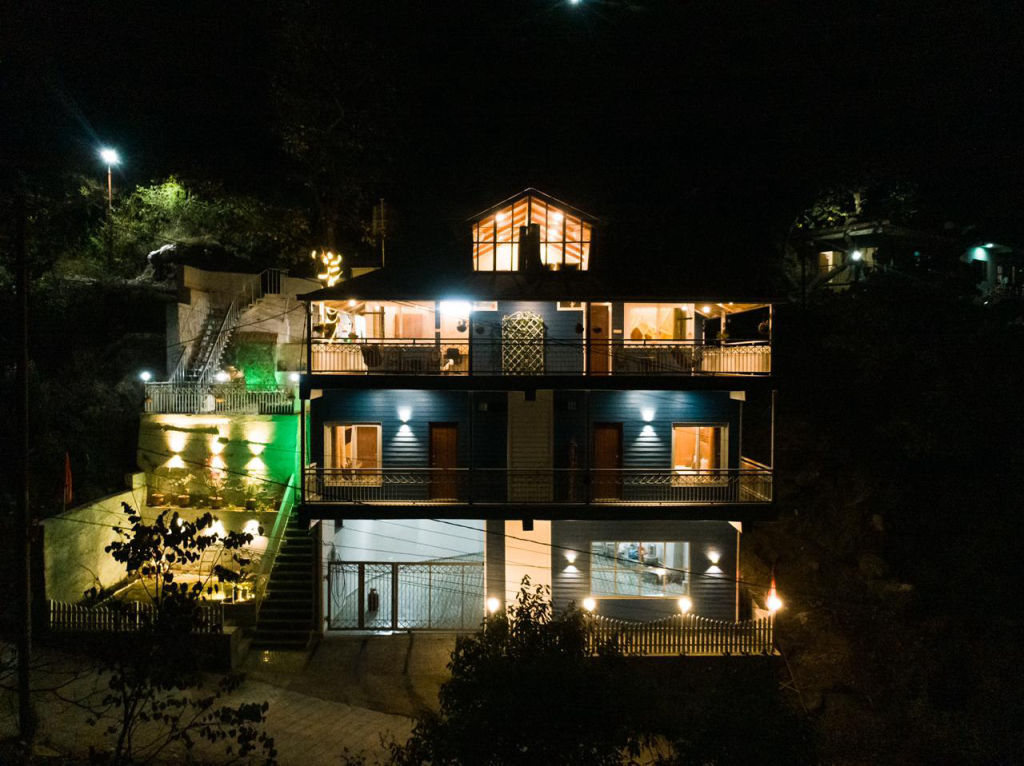
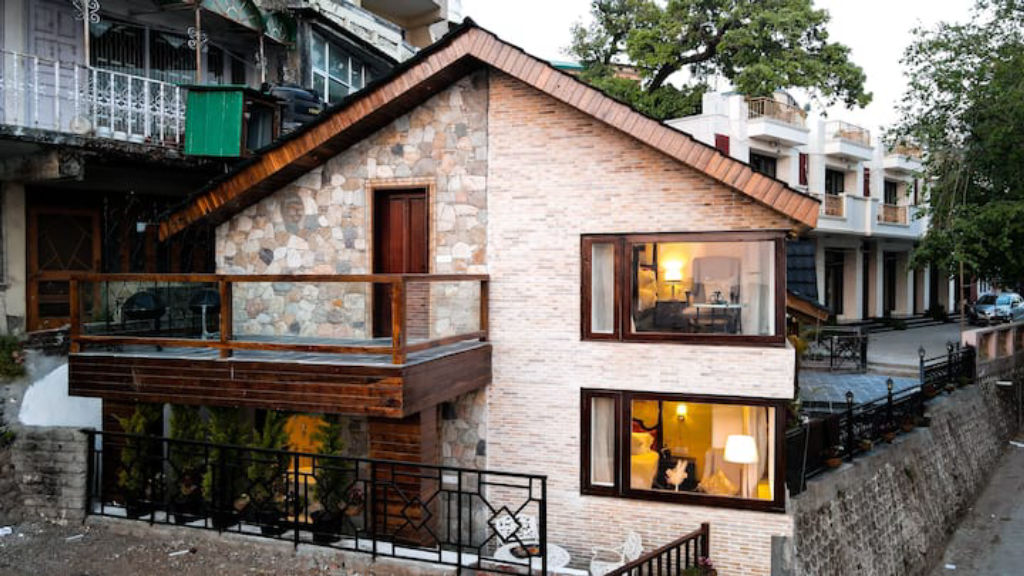
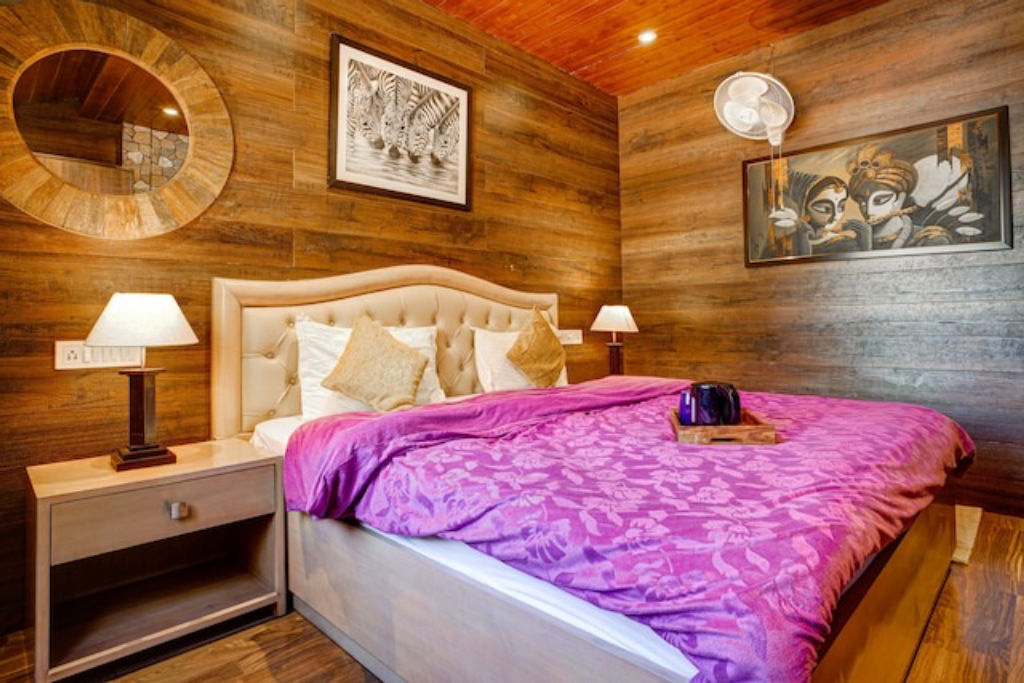
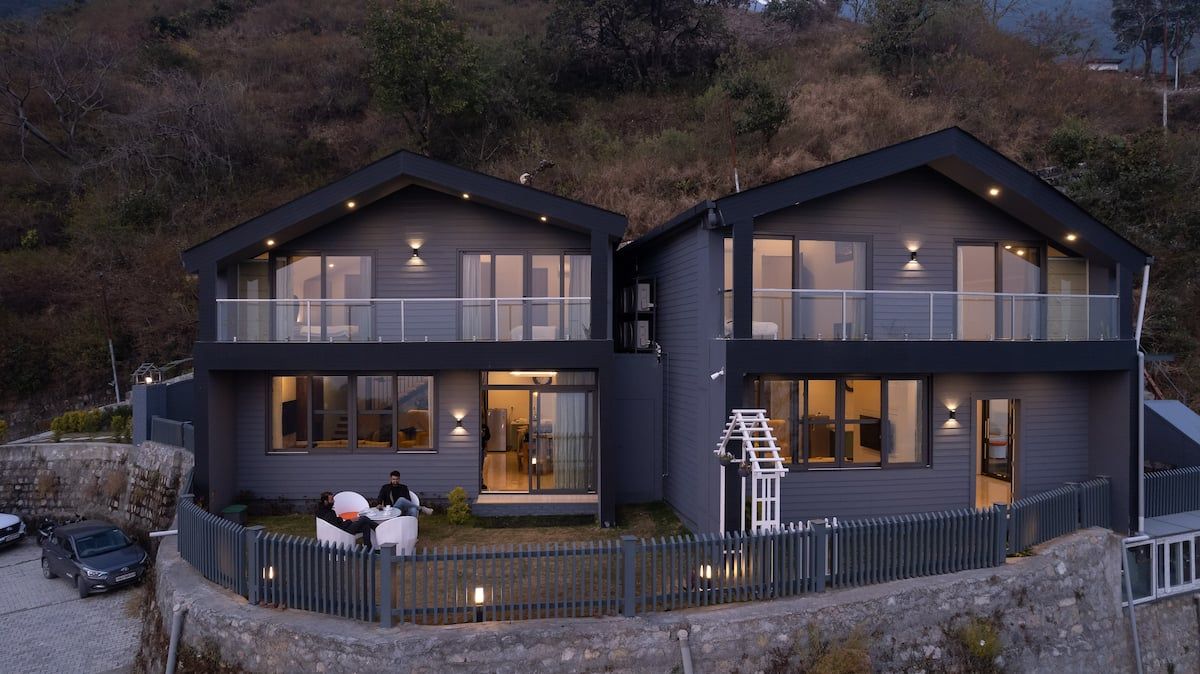
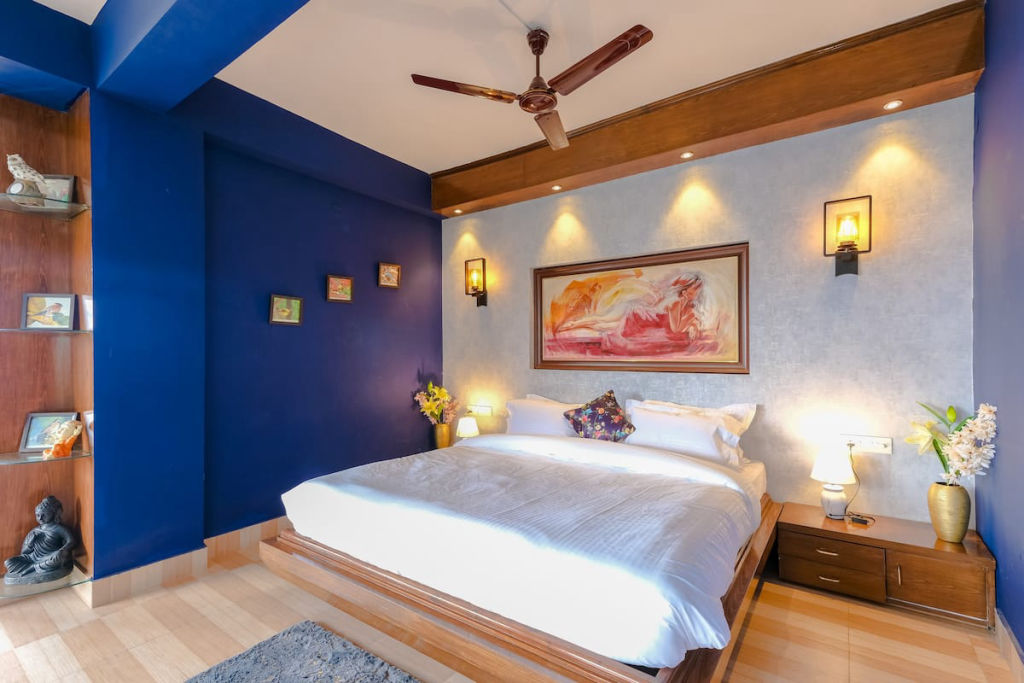
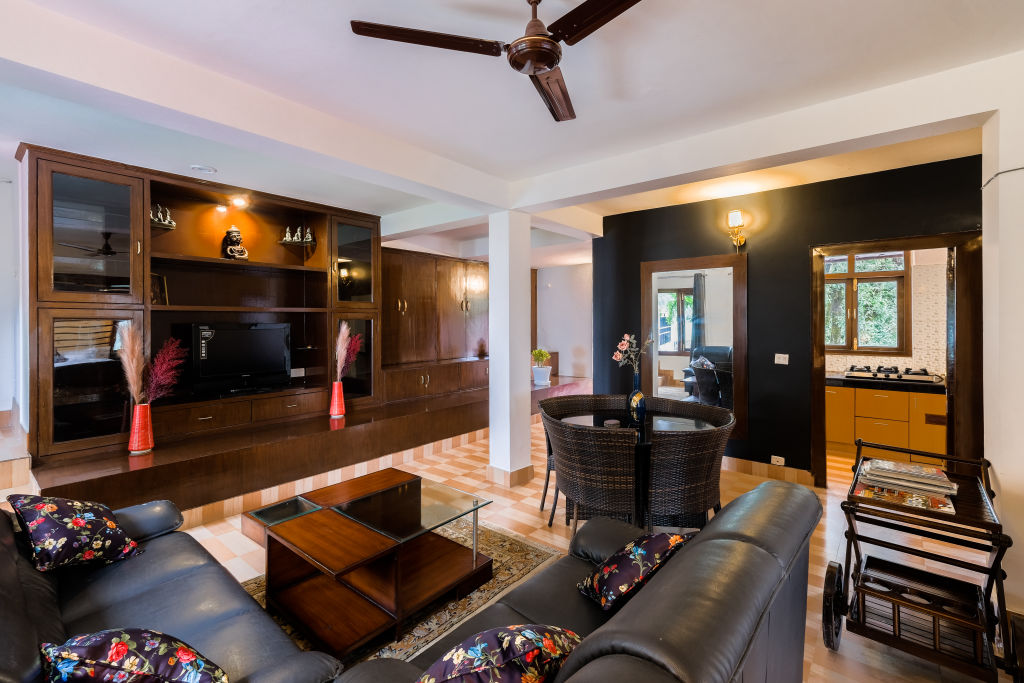
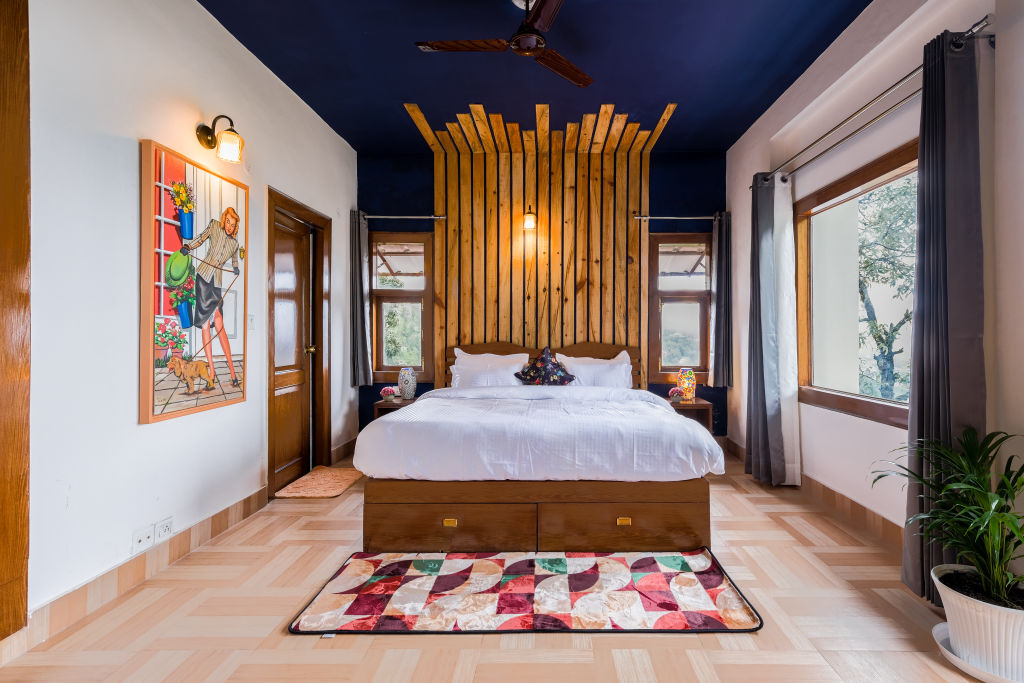
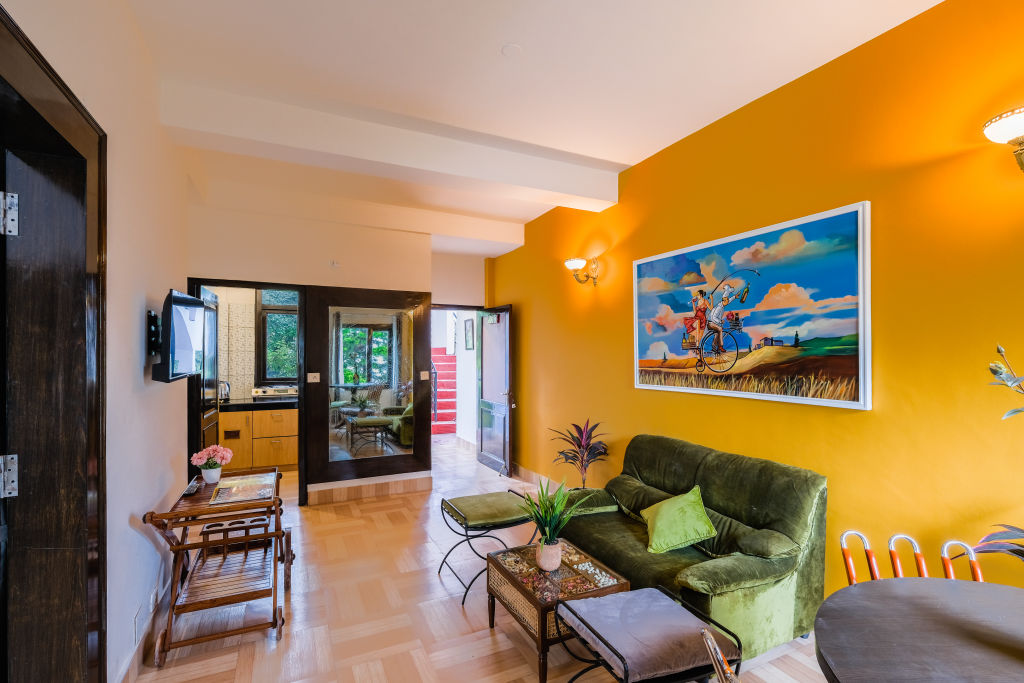
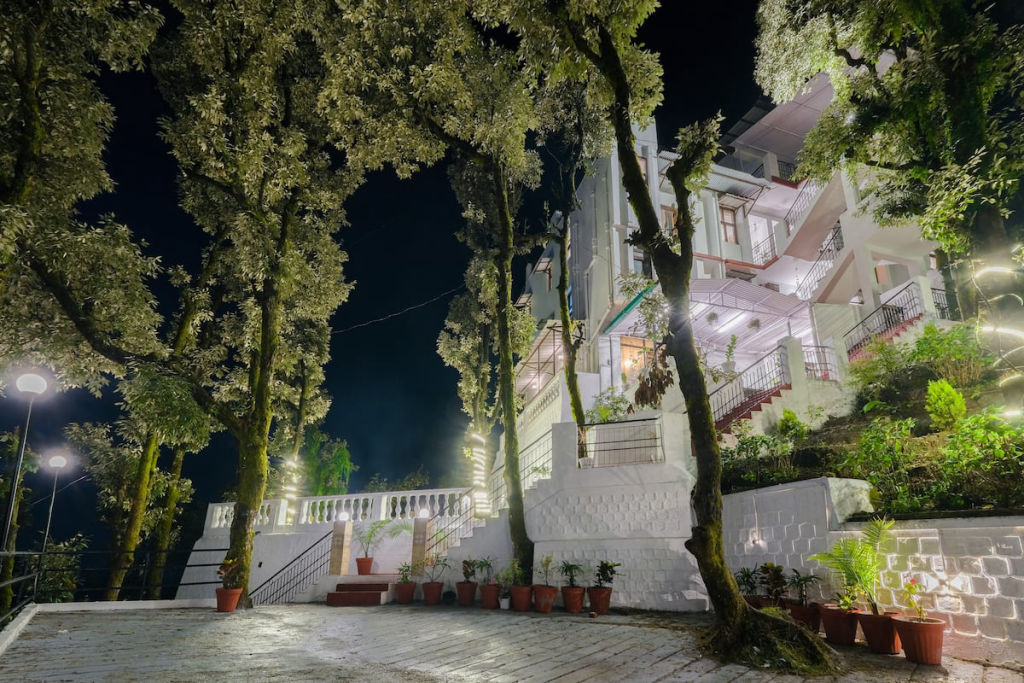
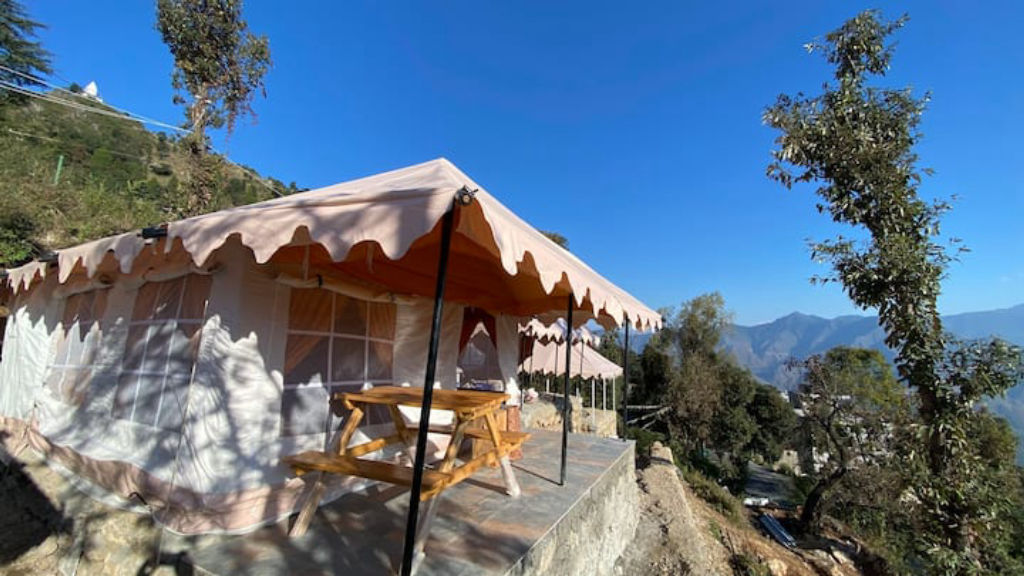
Accommodations around Jabbarkhet cater largely to travellers seeking quiet natural settings away from crowded town centres. Options in the immediate vicinity include heritage homestays, cosy rustic cottages, eco-lodges, and nature retreats tucked among terraced orchards and pine groves. For those who want to wake up close to bird calls and pristine walking routes, verified stays and scenic campsites in and around Jabbarkhet can be booked directly through HireACamp.
Frequently asked questions
What is Jabbarkhet famous for?
Jabbarkhet is renowned for its protected nature reserve trails, pristine oak and rhododendron woodlands, rich birdlife, and uninterrupted views of the high Himalayan peaks.
How far is Jabbarkhet from Mussoorie and Landour?
Jabbarkhet is located just about two kilometres east of Landour and roughly five kilometres from the central areas of Mussoorie, making it a peaceful nearby alternative to the busier hill station centres.
Does it snow in Jabbarkhet?
Yes, Jabbarkhet sits at an altitude of around two thousand metres and typically receives light to moderate snowfall during peak winter months, particularly in January and early February.
Are guided walks available in Jabbarkhet?
Guided nature trails, wildlife walks, and birdwatching sessions can be arranged locally with naturalists familiar with the area's native flora, fauna, and trail network.
Is Jabbarkhet suitable for day trips from Dehradun?
Yes, Jabbarkhet is approximately thirty-five kilometres from Dehradun, making it an easy day trip for walking, birdwatching, and enjoying cooler mountain weather.
Where you'll be
12 stays nearby shown with prices
Stays near Jabbarkhet
Book a place to stay close by
Things to do in Jabbarkhet
46 places creators recommend within 30 km


Lists for this area
Ranked by how many creators recommend each place


Built from 0 Instagram posts by 0 creators. Every tip links back to the post it came from, and where creators disagree we show both sides.






