
Jagadishwar Temple
Temple near Raigad
2.3 km from Raigad
The nearest town, for stays, food and fuel.
Jagadishwar Temple is a historic seventeenth-century Hindu shrine dedicated to Lord Shiva, located atop the iconic hill fortress of Raigad in Maharashtra. Built during the reign of Chhatrapati Shivaji Maharaj, the temple is renowned for its Maratha-Mughal architectural confluence and deep spiritual significance. Travellers, trekkers, and history enthusiasts visit to admire its stone craftsmanship, pay homage at the royal samadhi complex, and take in the panoramic Sahyadri views.
Getting there
By road
- From RaigadNearest town6 min · 2.8 km
- From Mumbai 3 hr 10 min · 156 km
- From Pune3 hr 10 min · 152 km
- From Nashik6 hr 20 min · 354 km
Typical drive times without traffic. Stations and airports from OLA Maps; distances and typical drive times from OpenStreetMap (© OpenStreetMap contributors); notes from creators' Reels.
About Jagadishwar Temple
Written with AI from map data and general knowledge. Check prices and timings locally before you go.
History and significance of Jagadishwar Temple
Perched on the broad tableland of Raigad Fort near Hirkaniwadi, Jagadishwar Temple holds a sacred position in the history of Maharashtra. Constructed in the late seventeenth century under the supervision of Chhatrapati Shivaji Maharaj, the temple served as the daily place of worship for the Maratha sovereign whenever he resided at his capital fort. Unlike many ornate temples of the Konkan plains, Jagadishwar was built as an enduring sanctum amid the rigours of a defensive mountain stronghold.
The temple is dedicated to Jagadishwar, an incarnation of Lord Shiva. Just outside the temple steps lies the samadhi or memorial tomb of Chhatrapati Shivaji Maharaj, making the precinct an emotionally resonant landmark for pilgrims and historians alike. An inscription carved onto one of the lower steps reflects the humility of the chief architect, Hiroji Indalkar, who wished only to be remembered at the feet of the deity. Walking across the stone courtyard allows visitors to connect intimately with the era of the Maratha Empire.
Architecture and design
The architectural layout of Jagadishwar Temple is unique compared to conventional Hindu temple design of that period. From the outside, the temple bears a distinct dome that resembles contemporary Indo-Islamic or Mughal structures. This architectural choice is often interpreted by historians as a deliberate camouflage technique to protect the sacred building from hostile artillery or detection from down the valley during wartime.
Once you step through the arched gateway and into the sanctum, the design reveals traditional Hindu stone architecture. The interior houses a black stone Shivalinga alongside a beautifully sculpted Nandi bull situated in the assembly hall facing the inner sanctum. The surrounding courtyard is enclosed by high stone boundary walls that shield the temple compound from the fierce winds that sweep across the Raigad plateau. Carved motifs, stone pillars, and weathered masonry speak volumes about the ingenuity of seventeenth-century stonecutters.
Read more
The journey up: Trekking and ropeway
Visiting Jagadishwar Temple requires ascending Raigad Fort, as the shrine sits on the upper plateau of the hill fortress. Trekkers typically begin the climb from the base village of Pachad or near Hirkaniwadi. The traditional trekking trail consists of approximately fourteen hundred to fifteen hundred stone steps cut into the mountainside. The hike winds through steep ridgelines, monumental gateways like the Maha Darwaja, and rugged defensive bastions, taking roughly two to three hours depending on fitness levels.
For those who prefer not to trek or are travelling with elderly family members and young children, an aerial ropeway operates from the base station to the top of the fort. The cable car ride dramatically cuts down the ascent time and provides breathtaking aerial views of the deep valleys and dense forest canopy of the Sahyadri range below. After arriving on the plateau, a short and gentle walk across the flat terrain leads straight to the temple complex.
Best time to visit
The best months to explore Jagadishwar Temple and the surrounding Raigad Fort are from October to March. During the post-monsoon and winter seasons, the weather in the Sahyadris remains pleasantly cool, with crisp morning breezes and clear blue skies that make walking across the exposed hill plateau enjoyable.
The monsoon months from June to September transform the entire landscape into a vibrant green paradise. Countless seasonal waterfalls tumble down the cliffs, and thick fog envelopes the temple dome in an ethereal mist. However, monsoon visitors should be prepared for heavy downpours, strong winds, and slippery stone surfaces along the climb. The summer months from April to May can be hot and dry, making midday exploration physically demanding; early morning visits are strongly recommended if travelling in summer.
Tips for your visit
Because Jagadishwar Temple is situated on an expansive high-altitude fort plateau, preparing well ensures a safe and rewarding excursion. Wear sturdy walking or trekking shoes with reliable traction, as the stone steps and pathways around the complex can be uneven and slick, especially during humid or rainy weather. Carry adequate drinking water and light refreshments, as provisions on the higher sections of the fort can be limited.
Sun protection is essential between late morning and mid-afternoon; pack a wide-brimmed hat, sunglasses, and sunscreen. Respect the sanctity of the temple and the adjacent memorial complex by dressing modestly and removing your footwear before stepping onto the sanctum floors. Keep the mountain environment clean by avoiding single-use plastics and taking all personal waste back down to the plains.
Places to explore nearby
A visit to Jagadishwar Temple naturally integrates with an exploration of Raigad Fort itself. Visitors can spend hours surveying significant structures such as the Raj Sabha (royal court), the Queen's Palaces, the granaries, and the towering Takmak Tok cliff edge. Each viewpoint on the plateau offers uninterrupted vistas of the surrounding Western Ghats.
Travellers interested in outdoor routes can venture toward Tamhini Ghat, renowned for its winding mountain passes and seasonal waterfalls, or explore historical hill forts like Torna, Sudhagad, and Fort Kailasgad situated across the surrounding mountain corridors. Scenic water bodies such as Mulshi Lake also lie within driving distance across the ghats, offering quiet landscapes and picturesque road trips.
Where to stay
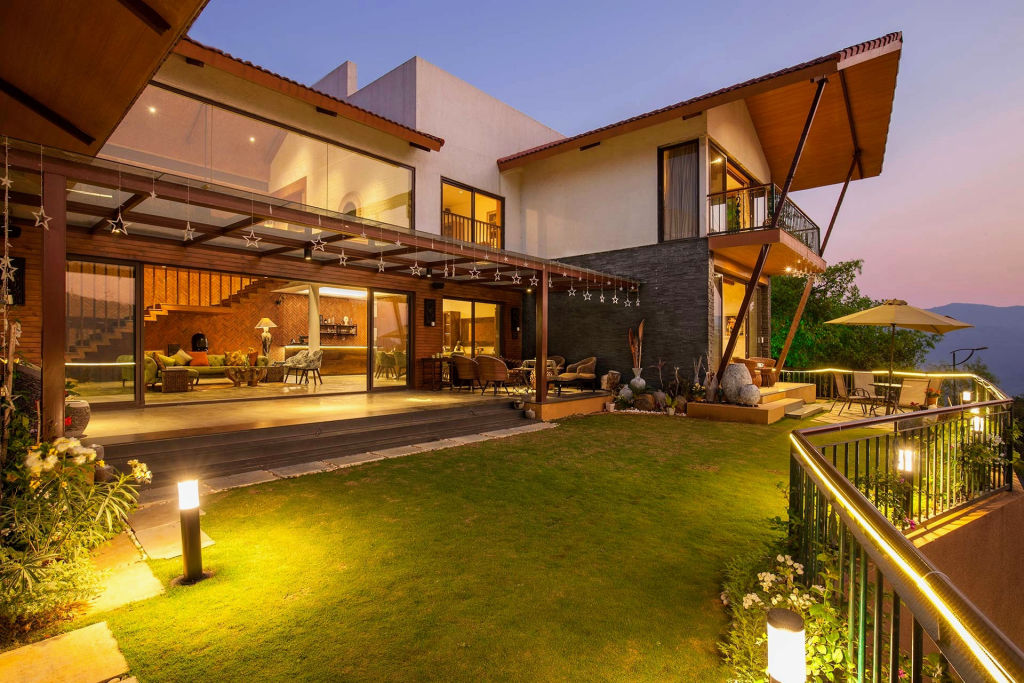
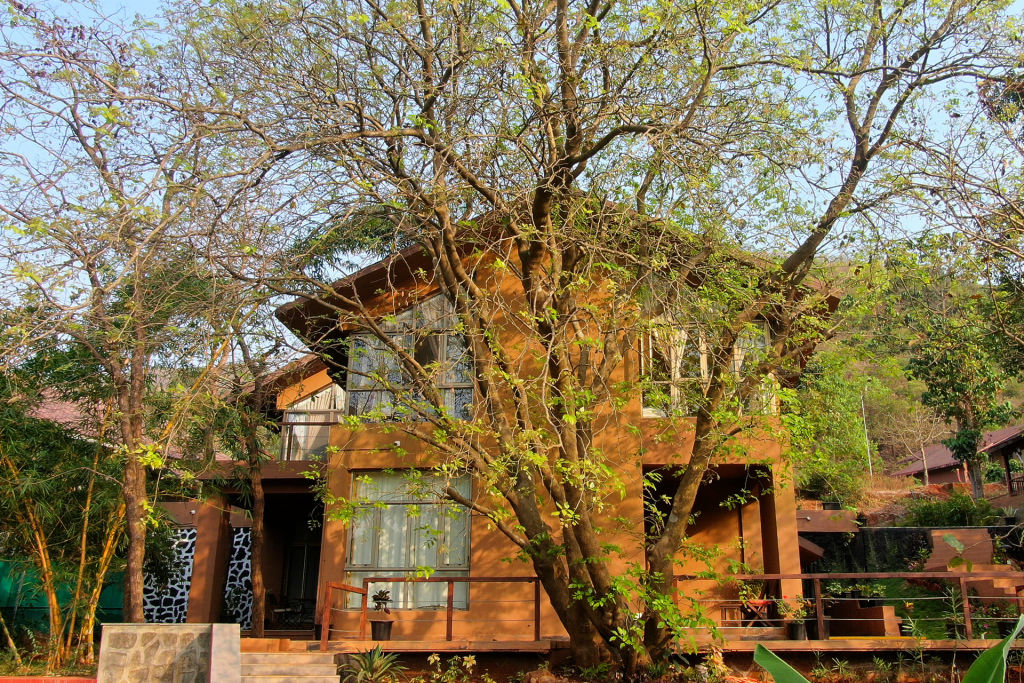
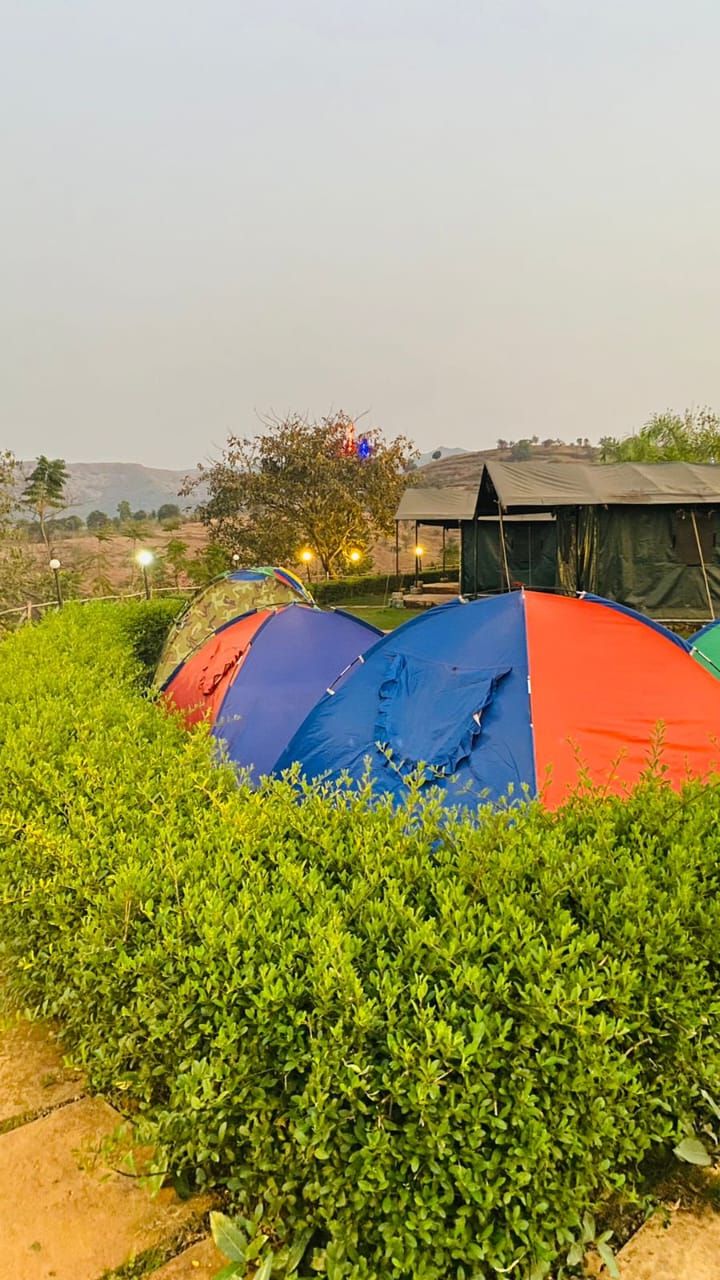
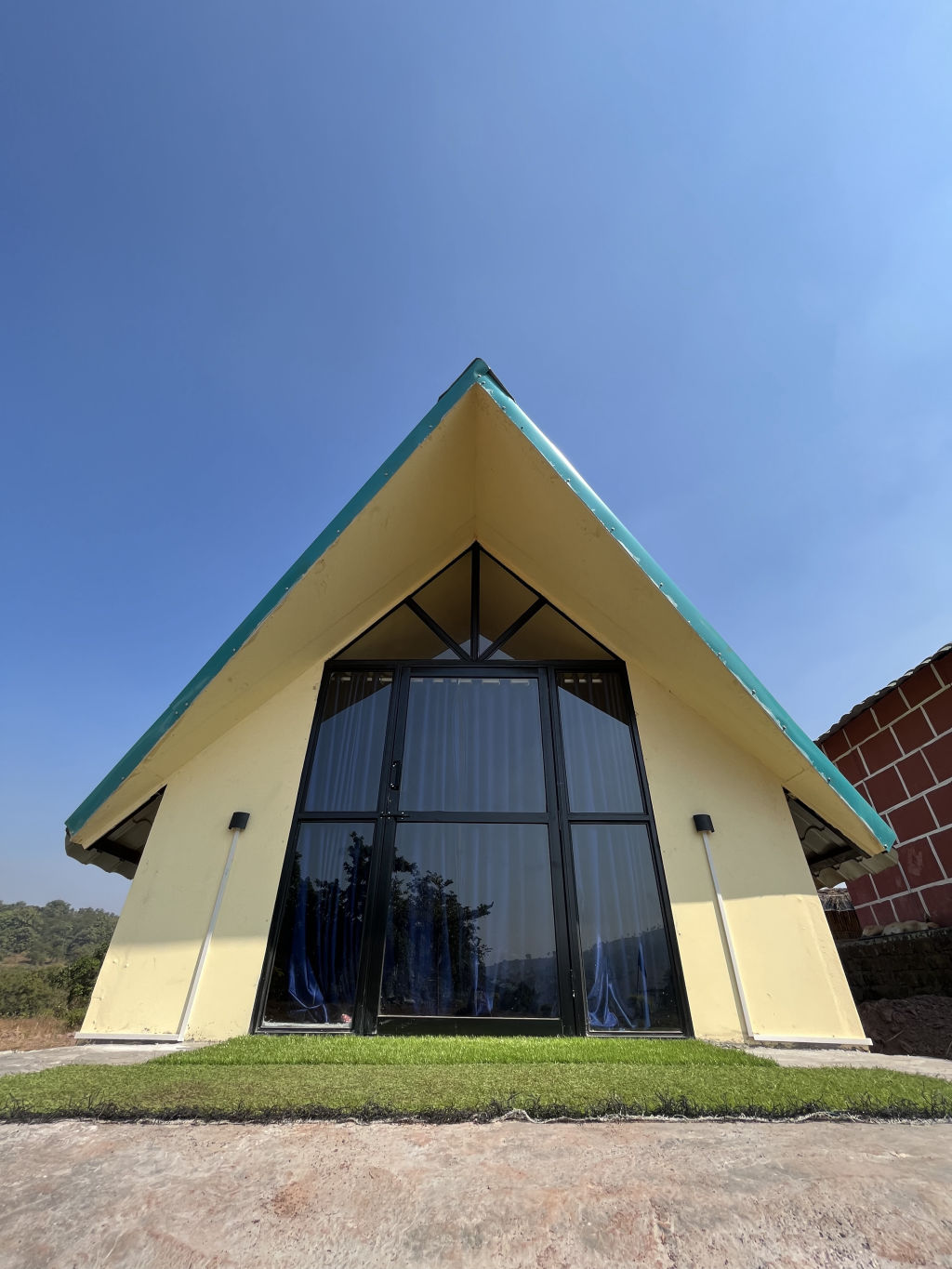
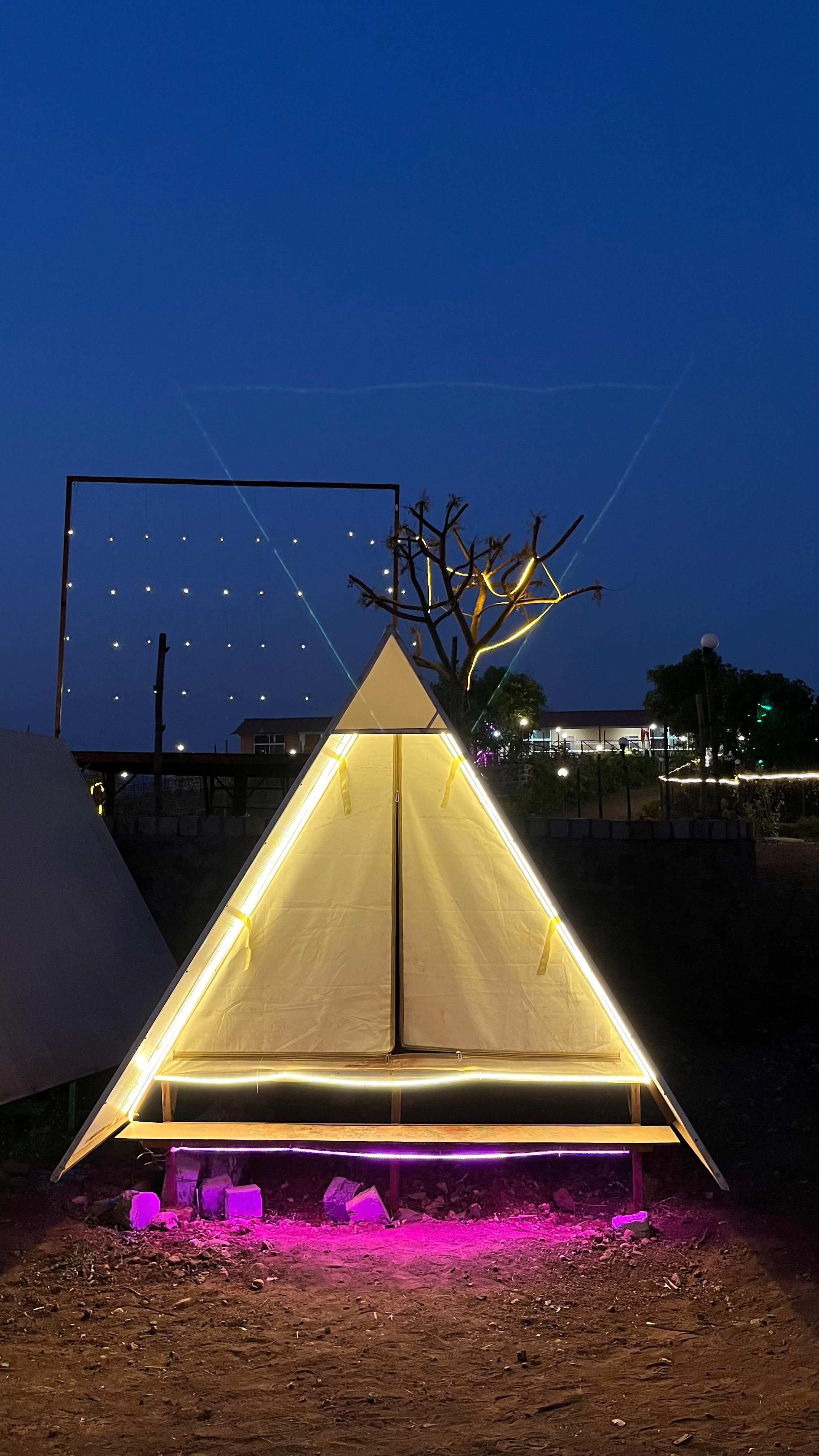
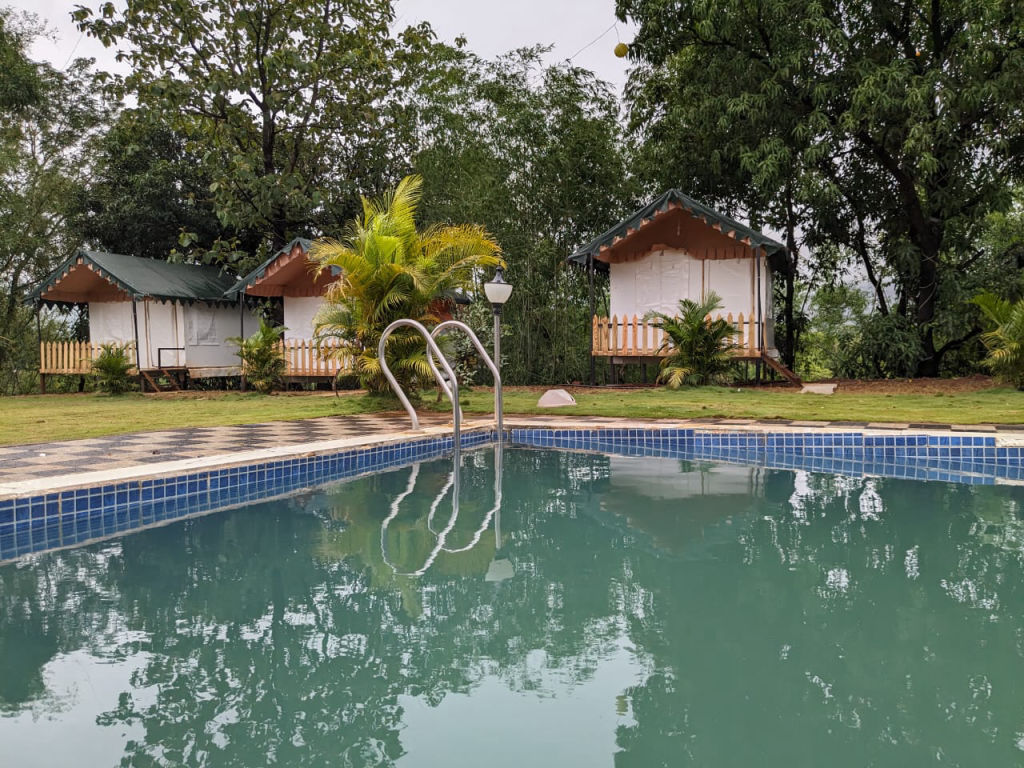
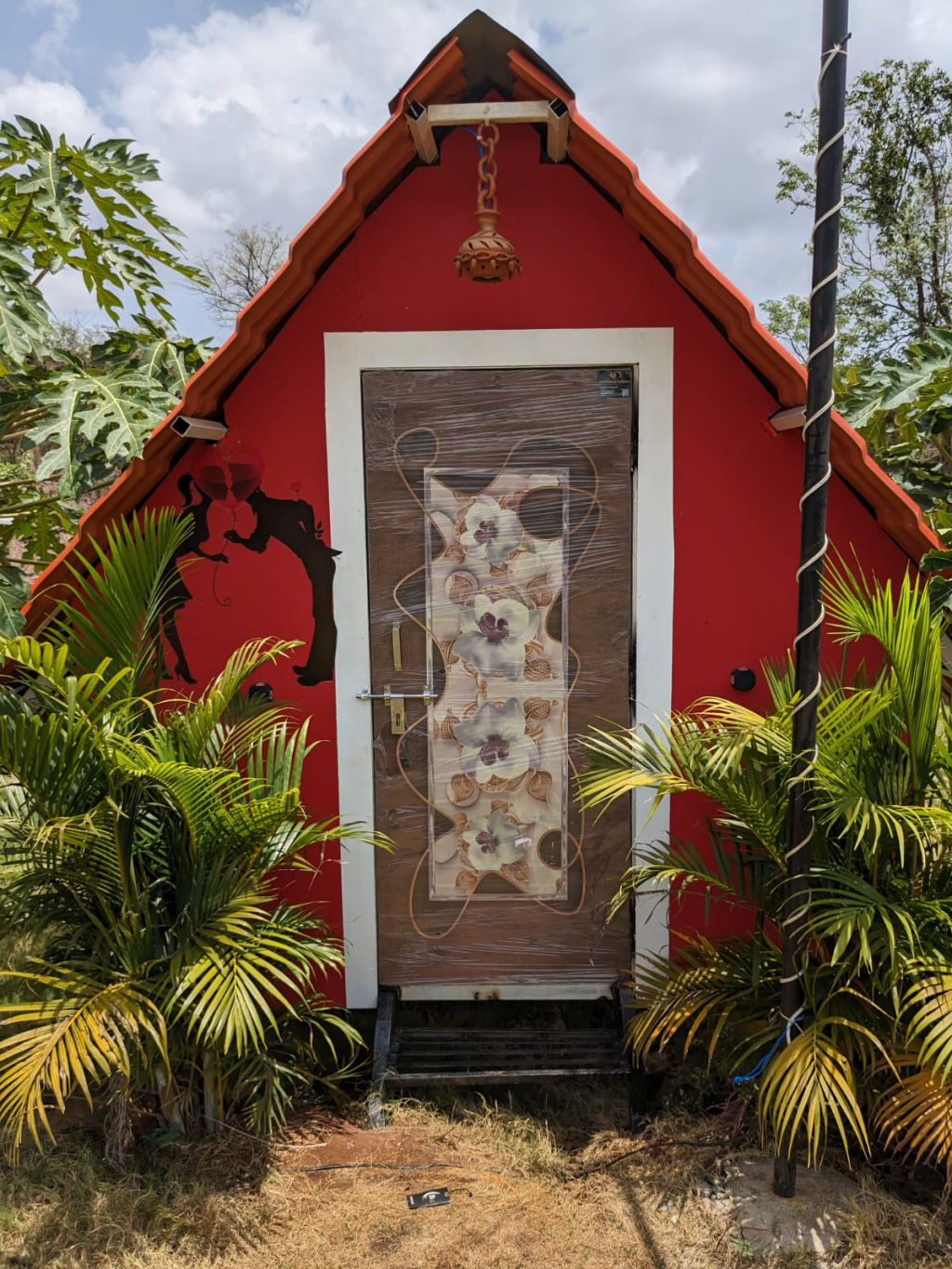
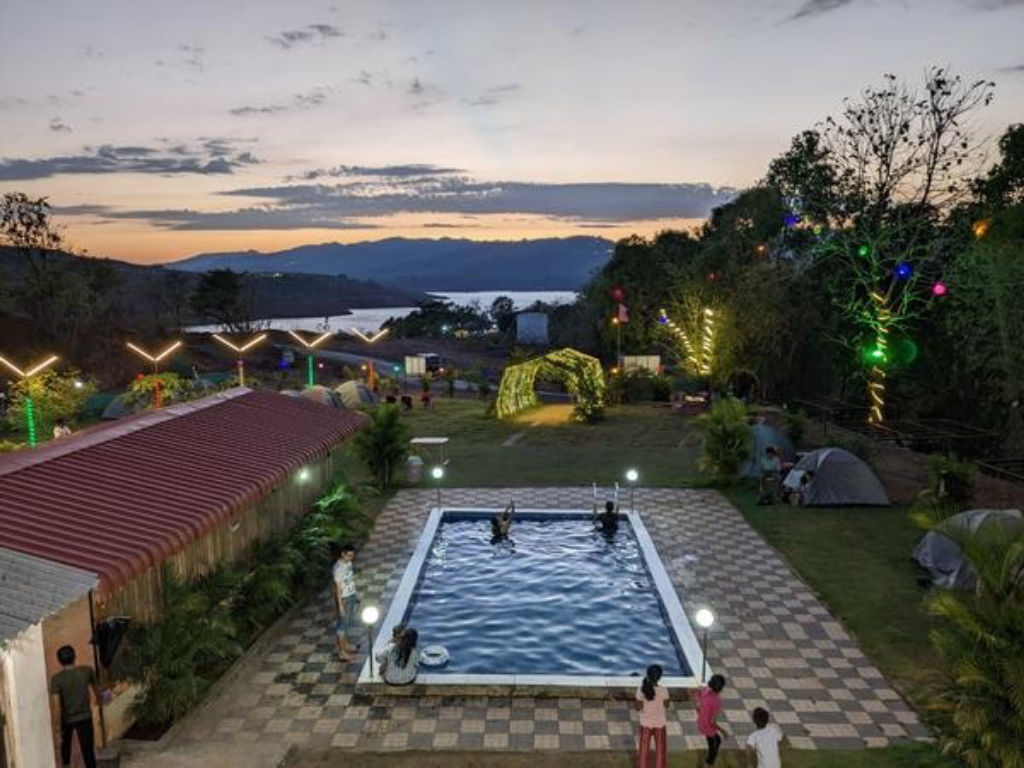
Travellers planning an overnight getaway around Raigad will find a diverse range of accommodation options. Staying at the foot of the hills or along the scenic rural routes of the Konkan and Raigad districts provides an authentic countryside experience. You can find tented campsites, rustic farm stays, traditional homestays, and quiet nature retreats through HireACamp to suit your travel style and budget.
Frequently asked questions
Where is Jagadishwar Temple located?
Jagadishwar Temple is situated on top of the historic Raigad Fort near the village of Hirkaniwadi in the Raigad district of Maharashtra.
Which deity is worshipped at Jagadishwar Temple?
The temple is dedicated to Lord Shiva, worshipped here in the form of Jagadishwar.
Can I visit Jagadishwar Temple without trekking?
Yes, visitors who wish to avoid climbing the long flight of stone stairs can take the Raigad ropeway from the base station to the plateau, followed by a short walk to the temple.
Whose samadhi is located near Jagadishwar Temple?
The samadhi or memorial tomb of Chhatrapati Shivaji Maharaj is located directly adjacent to the Jagadishwar Temple complex.
What is the best time of year to visit the temple?
The winter months from October to March offer the most comfortable weather for walking and exploring, while the monsoon season between June and September provides lush green scenery and mist.
Where you'll be
Raigad, Hirkaniwadi, MH · 8 stays nearby shown with prices
Stays near Jagadishwar Temple
Book a place to stay close by
More places near Jagadishwar Temple
Within 20 km


Lists for this area
Ranked by how many creators recommend each place


Built from 0 Instagram posts by 0 creators. Every tip links back to the post it came from, and where creators disagree we show both sides.






