
Jain Temple Tonk Nasia
Temple near Tonk, Rajasthan
1.6 km from Tonk
The nearest town, for stays, food and fuel.
Jain Temple Tonk Nasia is a revered Digambar Jain shrine situated in the historic town of Tonk, Rajasthan. Known locally as a Nasia temple, it draws worshippers and cultural travellers interested in traditional Jain iconography, spiritual contemplation, and regional temple architecture. It stands as an important spiritual landmark amidst the heritage-rich landscape of Tonk district.
Getting there
By road
- From TonkNearest town5 min · 1.8 km
- From Jaipur2 hr 30 min · 121 km
- From New Delhi5 hr 30 min · 352 km
Typical drive times without traffic. Stations and airports from OLA Maps; distances and typical drive times from OpenStreetMap (© OpenStreetMap contributors); notes from creators' Reels.
About Jain Temple Tonk Nasia
Written with AI from map data and general knowledge. Check prices and timings locally before you go.
About Jain Temple Tonk Nasia
Jain Temple Tonk Nasia is a prominent house of worship located in the heart of Tonk. In Rajasthan, the term Nasia refers to an established Jain shrine or temple complex that typically features detailed representations of Tirthankaras and scenes depicting sacred Jain cosmology. This temple holds deep religious importance for the local Digambar Jain community and acts as a central space for everyday prayers, festive rituals, and quiet meditation.
Tonk itself has a layered history shaped by various ruling dynasties and cultural exchanges over the centuries. Amid this historic fabric, the Nasia temple stands as a testament to the enduring presence of Jain philosophical traditions in the plains of eastern Rajasthan. Visitors often pause here to appreciate the peaceful sanctum, which contrasts with the busy rhythm of the surrounding town.
Architecture and Sacred Setting
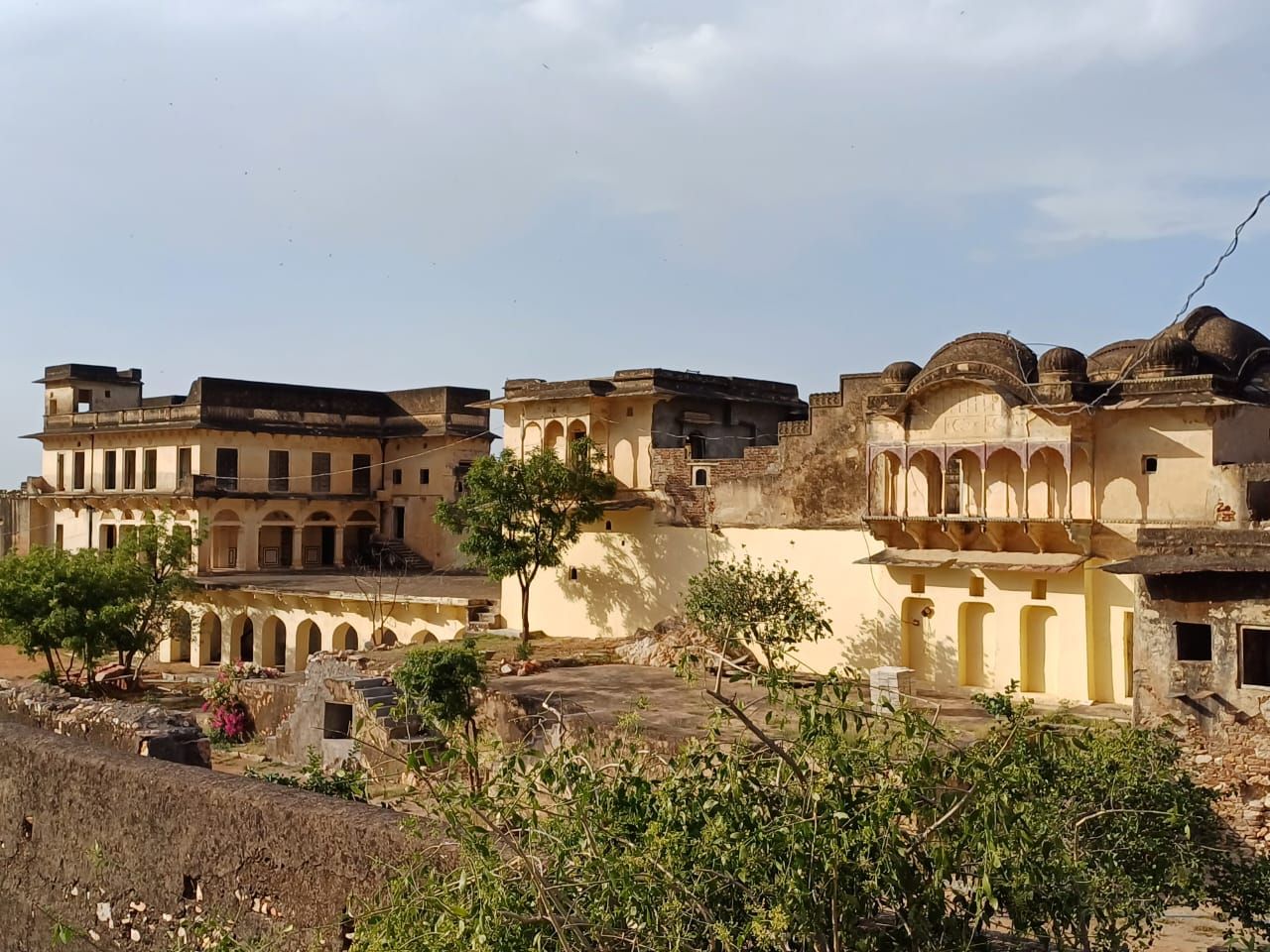
The architecture of Jain Temple Tonk Nasia reflects the regional architectural nuances typical of Rajasthani Jain shrines. The exterior features classical stone craftsmanship, ornate archways, and pillars sculpted with symmetrical floral and religious motifs. As you enter the inner courtyards, the atmosphere shifts into a tranquil sanctuary designed to inspire reflection and mindfulness.
The central shrine houses sculpted idols of the Tirthankaras, seated in meditative postures that emphasize detachment and inner stillness. Decorative elements, including engraved friezes and ornamental brackets, showcase the skill of local artisans who preserved age-old temple-building traditions. The temple courtyard offers a spacious and clean environment where devotees sit in quiet prayer, circumambulate the sanctum, and absorb the serene aura that characterizes Jain spiritual spaces.
Read more
Best Time to Visit Tonk
The ideal time to plan a visit to Jain Temple Tonk Nasia is during the winter season, which lasts from October through March. During these months, the daytime temperatures across the Tonk region are mild and pleasant, making it comfortable to explore the temple premises and venture out into the town and nearby rural districts without the fatigue caused by intense heat.
Summer in eastern Rajasthan spans from April to June and is marked by arid conditions and daytime temperatures that frequently soar above forty degrees Celsius. Visiting during these hot months is best limited to the early morning or late evening hours. The monsoon season arrives between July and September, bringing periodic showers that soften the heat and wash the surrounding countryside in fresh green tones, although outdoor travel can occasionally be interrupted by rain.
How to Reach Jain Temple Tonk Nasia
Jain Temple Tonk Nasia is well connected by road to major cities across Rajasthan. Tonk is situated along National Highway 52, which provides smooth connectivity toward Jaipur in the north and Kota in the south. Travellers heading from Jaipur can reach Tonk by car or state transport buses in approximately two hours under typical road conditions.
The nearest commercial airport is located in Jaipur, offering domestic connections to all major Indian metropolitan areas. For rail travellers, the nearest major railheads are situated in Banasthali Niwai, Sawai Madhopur, and Jaipur, from where regional buses and private taxis are easily available to complete the journey into Tonk. Once inside the town, local auto-rickshaws and cycle rickshaws can take you directly to the temple.
Tips for Your Visit
When visiting Jain Temple Tonk Nasia, it is important to observe traditional temple etiquette. Visitors should dress modestly, ensuring their shoulders and knees are covered as a mark of respect. Before stepping inside the inner sanctum, footwear must be removed and placed at designated areas near the entrance.
Carrying leather items, including belts, wallets, and bags, is generally discouraged within Jain holy precincts. Photography inside the central sanctum may be restricted to maintain the sanctity of the idols and ongoing rituals, so travellers should seek guidance from temple caretakers before taking pictures. Carrying a reusable water bottle and wearing easy-to-remove footwear will make your visit smooth and convenient.
Places to Visit Nearby
Travellers visiting Tonk can easily explore several cultural and historic destinations in the vicinity. Palai Balaji Temple, situated about 30 kilometres away, is a well-known local shrine dedicated to Lord Hanuman, frequently visited by devotees from across the district for its peaceful surroundings.
Around 31 kilometres from the town lies Dev Dham Jodhpuriya, an important pilgrimage hub dedicated to Devnarayan that draws crowds during annual fairs. Further west, at a distance of roughly 39 kilometres, stands the revered Diggi Kalyanji Temple, which is known for its legendary temple architecture and deep-seated folk traditions. Right beside this temple in the same settlement, visitors can also explore the historic walls and sturdy ramparts of Diggi Fort, offering a glimpse into the region's royal heritage.
Where to Stay
Travellers planning an extended excursion through Tonk and the surrounding rural landscapes can find a variety of experiential accommodation choices on HireACamp. Options including farmstays, village homestays, and rustic camping spots in the broader Jaipur and Tonk regions allow you to experience traditional Rajasthani hospitality and peaceful open skies.
Staying at a homestay or nature retreat nearby lets you explore Tonk's temples at a relaxed pace while experiencing genuine village food, quiet courtyard evenings, and warm community interactions far away from crowded urban spaces.
Frequently asked questions
Where is Jain Temple Tonk Nasia located?
It is located in the town of Tonk in the Tonk district of Rajasthan, easily accessible via the main town roads connected to National Highway 52.
What is the best time of year to visit Jain Temple Tonk Nasia?
The most comfortable time to visit is during the cooler months from October to March, when the weather in Rajasthan is mild and suitable for daytime exploration.
Are there specific rules to follow inside the temple?
Yes, visitors should dress conservatively, remove their shoes before entering, and refrain from bringing leather items inside the inner sanctum. It is also advisable to ask locally before taking photographs.
What are some prominent attractions near Jain Temple Tonk Nasia?
Nearby sites include the Palai Balaji Temple, Dev Dham Jodhpuriya, the sacred Diggi Kalyanji Temple, and the historic Diggi Fort, all located within a short drive from Tonk.
Where can visitors find accommodations near Tonk?
Travellers can find experiential homestays, rustic stays, and camping getaways in the region on HireACamp to suit a quiet and culturally immersive journey.
Where you'll be
Tonk · 1 stay nearby shown with prices
Stays near Jain Temple Tonk Nasia
Book a place to stay close by
More places near Jain Temple Tonk Nasia
Within 20 km


Built from 0 Instagram posts by 0 creators. Every tip links back to the post it came from, and where creators disagree we show both sides.






