
Janakikadu Forest
Forest near Vilangad, Kerala
15 km from Vilangad
The nearest town, for stays, food and fuel.
Janakikadu Forest is an ecological reserve situated at Maruthonkara near Badagara in northern Kerala. Nestled in the foothills of the Western Ghats, the forest is known for its dense evergreen canopy, quiet riverside pathways, and rich biodiversity. Nature enthusiasts visit Janakikadu to enjoy quiet jungle trails, observe native birds and butterflies, and spend time in an untouched natural environment.
Getting there
By road
- From VilangadNearest town43 min · 27 km
- From Mysuru4 hr 20 min · 189 km
- From Kochi5 hr 30 min · 250 km
- From Mangaluru6 hr 5 min · 273 km
Typical drive times without traffic. Stations and airports from OLA Maps; distances and typical drive times from OpenStreetMap (© OpenStreetMap contributors); notes from creators' Reels.
About Janakikadu Forest
Written with AI from map data and general knowledge. Check prices and timings locally before you go.
About Janakikadu Forest
Janakikadu Forest covers over a hundred hectares of lush green woodland in the Maruthonkara panchayat near Badagara in Kozhikode district. The reserve is named after V. K. Janaki Amma, who historically held land rights here before the woodland was transferred to the state forest department. Today, the area is maintained with the participation of local forest protection groups, focusing on eco-restoration and regulated community-based tourism.
The forest lies near the Kuttiyadi river system, giving rise to small perennial streams and humid forest microclimates. Unlike heavily commercialised tourist spots, Janakikadu retains a peaceful atmosphere where ancient trees, climbing vines, and undisturbed undergrowth dominate the landscape. The area serves as an important green corridor in the Malabar region, connecting the midland plains to the higher ridges of the Western Ghats.
Landscape and Wildlife of Janakikadu
The vegetation inside Janakikadu Forest is predominantly tropical evergreen and semi-evergreen, supplemented by moist deciduous patches. Immense hardwood trees form a thick canopy that filters direct sunlight, creating shaded, moss-covered ground conditions even during the middle of the day. A wide variety of rare medicinal plants, ferns, wild ginger, and orchids flourish along the forest floor and tree bark.
Thanks to its protected status and abundant water sources, Janakikadu supports a vibrant population of wildlife. Birders frequently spot species such as the Malabar grey hornbill, emerald dove, Asian paradise flycatcher, and several varieties of woodpeckers and kingfishers. The damp forest conditions provide an ideal habitat for numerous species of butterflies, amphibians, and reptiles. Small mammals like the Indian giant squirrel, civets, and bonnet macaques are also commonly observed among the treetops.
Read more
Things to Do in Janakikadu Forest
Walking through the marked forest trails is the primary activity for visitors. The designated paths wind through thick groves of trees, bamboo clusters, and stream banks, allowing travellers to observe native flora at an unhurried pace. Informational signboards along certain sections help visitors identify regional trees and understand local ecological features.
Birdwatching and nature photography are particularly rewarding in the early morning hours when forest activity is at its peak. The river flowing along the edge of the forest reserve provides scenic spots to sit quietly and listen to the sounds of moving water and bird calls. Travellers interested in botany can observe diverse indigenous plant species that are increasingly rare in cultivated landscapes.
Best Time to Visit Janakikadu Forest
The best time to visit Janakikadu Forest is from October through February. During these post-monsoon and winter months, the weather is relatively cool, the humidity is manageable, and forest trails are comfortable to walk. The vegetation remains bright green after the heavy monsoon rains, and streams carry clean, flowing water.
The southwest monsoon, spanning from June to September, brings intense rainfall across northern Kerala. While the forest becomes exceptionally vibrant and streams swell, trails can turn slick and leeches become very active. Summer months between March and May bring higher temperatures and humidity, though the shaded interior of the forest remains distinctly cooler than surrounding towns.
How to Reach Janakikadu Forest
Janakikadu Forest is situated at Maruthonkara, easily reached from Badagara, also known locally as Vadakara. Badagara is the primary transit hub in the immediate vicinity and has a well-connected railway station on the main coastal route through Kerala. From the town, local buses, taxis, and auto-rickshaws connect to Maruthonkara and Mullankunnu through rural roads.
For air travellers, Kannur International Airport and Calicut International Airport in Kozhikode are the nearest aviation gateways. From either airport, one can hire a taxi or take a combination of rail and road transport towards Kuttiyadi and Maruthonkara. Travellers driving from nearby districts can reach the reserve via state highways that branch off towards the foothills before ascending the Ghats towards Wayanad.
Tips for Visiting Janakikadu Forest
Wearing sturdy walking shoes with good grip is essential, as forest paths can be uneven and moist. If visiting during or shortly after the rainy season, carry leech guards or a small bag of salt to handle leeches along the damper sections of the trail.
Light, breathable cotton clothing in neutral tones works best to blend in with the surroundings and keep cool. Janakikadu is an ecologically sensitive area, so visitors are expected to maintain silence and refrain from playing music or littering. Plastic waste should be kept inside your daypack and taken back when you leave. Travellers should check locally for entry timings and permissions upon arrival at the eco-tourism counter.
Places to Visit Nearby
The location of Janakikadu makes it a great starting point for discovering the broader Malabar and Wayanad regions. Towards the east and north lie the Periya Reserve Forest and the Aralam Wildlife Sanctuary, both celebrated for extensive biodiversity and wilderness expanses. Historical and spiritual landmarks such as the ancient Kottiyoor Temple and Pallikkunnu Church are within reasonable driving distance.
Travelers heading towards higher elevations can take scenic mountain roads through the passes leading to Wayanad. Attractions such as Pookode Lake, Pazhassi Park, and the hiking areas surrounding Banasura Hill offer contrasting high-altitude lake and mountain landscapes that complement a forest visit.
Where to Stay around Janakikadu
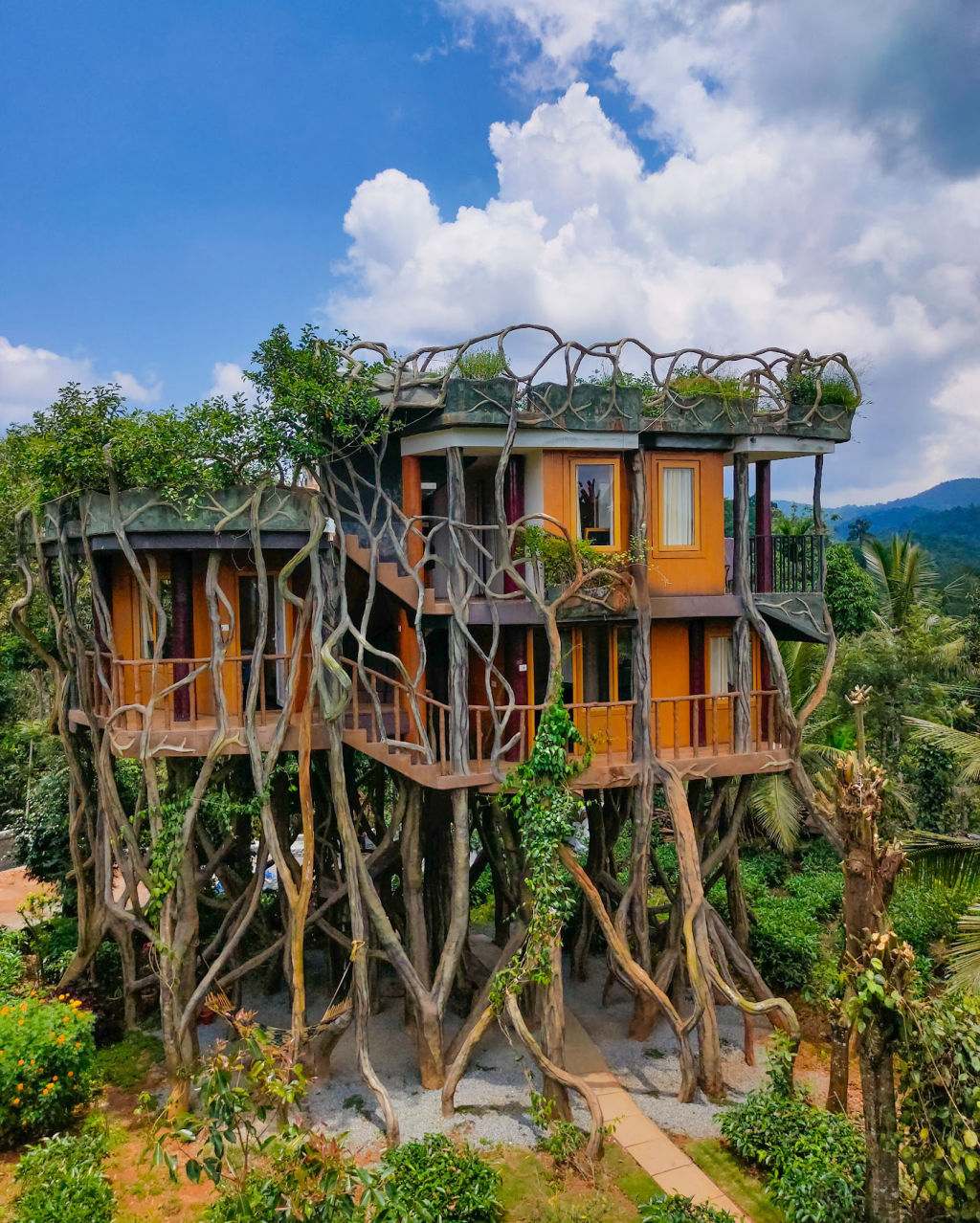
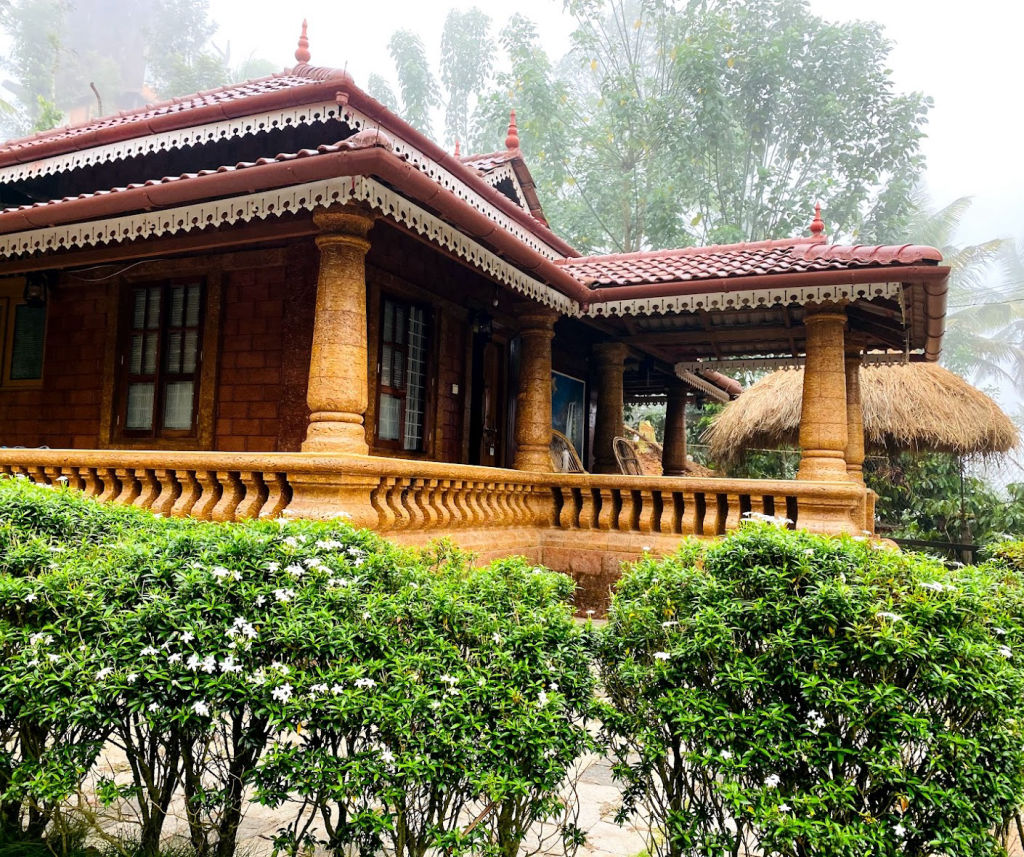
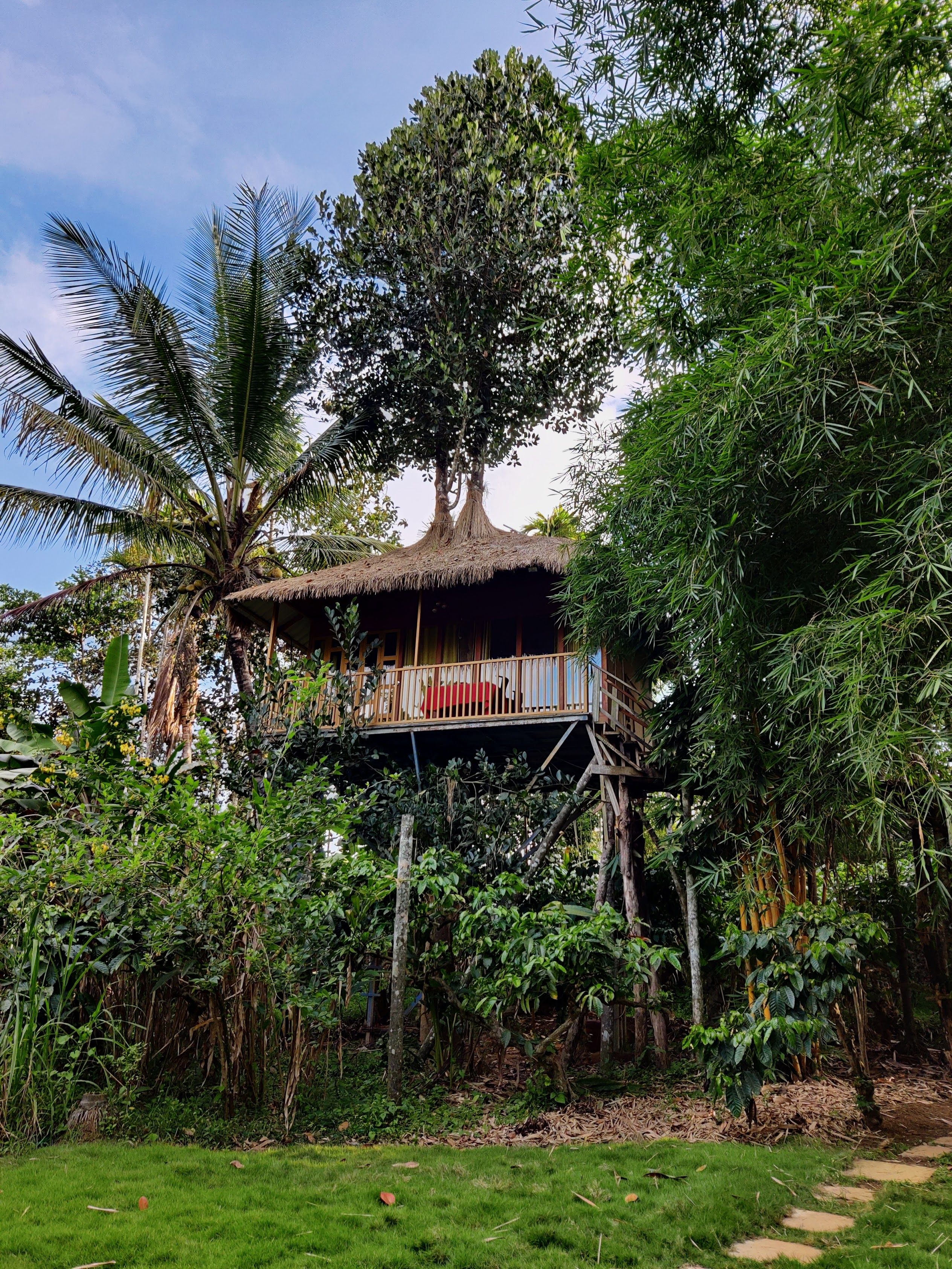
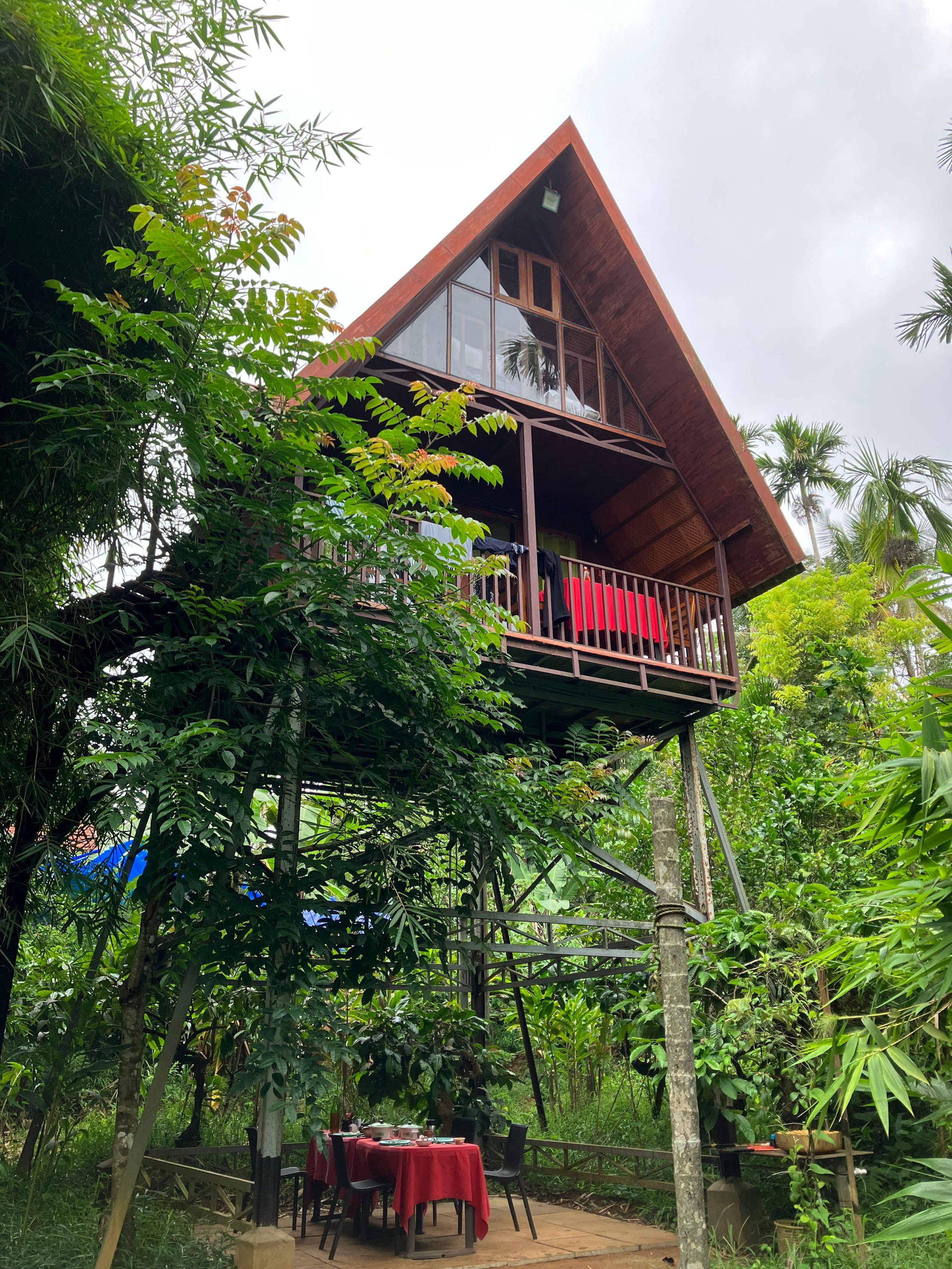
Travellers planning an overnight stay near Janakikadu Forest can look for homestays, rural retreats, and eco-camps in the surrounding foothills and neighbouring hill districts. Staying in the nearby countryside offers an authentic glimpse into Kerala village life, accompanied by home-cooked regional food and quiet evenings.
You can find and book vetted nature camps, homestays, and plantation cottages near Janakikadu and the surrounding Western Ghats on HireACamp. Booking in advance helps ensure smooth check-ins, especially during weekend getaways and peak winter travel months.
Frequently asked questions
Where is Janakikadu Forest located?
Janakikadu Forest is located at Mullankunnu post in Maruthonkara, situated near the town of Badagara in the Kozhikode district of Kerala.
What kind of activities can visitors do at Janakikadu Forest?
Visitors can walk along marked forest trails, engage in birdwatching and butterfly spotting, photograph native plants, and sit by the quiet river streams.
Are leeches common in Janakikadu Forest?
Leeches are common during the monsoon and the immediate post-monsoon months from June through November. Carrying salt or wearing leech socks helps prevent bites.
What is the nearest railway station to Janakikadu Forest?
The nearest major railhead is Badagara (Vadakara) Railway Station, which connects regular trains across Kerala and neighbouring states.
Is Janakikadu Forest suitable for family visits?
Yes, the reserve features gently graded walking paths and shaded areas, making it suitable for families, nature students, and casual walkers who enjoy outdoor settings.
Where you'll be
mullankunnu post, maruthonkara, Vadakara · 4 stays nearby shown with prices
Stays near Janakikadu Forest
Book a place to stay close by
More places near Janakikadu Forest
Within 20 km
Built from 0 Instagram posts by 0 creators. Every tip links back to the post it came from, and where creators disagree we show both sides.






