
Jharipani
Destination in Uttarakhand
Jharipani is a peaceful hillside settlement situated on the lower slopes leading up to Mussoorie in Uttarakhand. Encircled by dense canopies of oak, pine, and rhododendron, it offers a quieter alternative to the busy commercial ridge above. Travellers visit Jharipani to wander unpaved forest paths, hike down to its seasonal waterfall, and take in panoramic outlooks over the Doon Valley.
Getting there
By road
- From Dehradun44 min · 22 km
- From New Delhi4 hr 15 min · 251 km
- From Chandigarh4 hr 35 min · 190 km
- From Ludhiana6 hr 55 min · 300 km
Typical drive times without traffic. Stations and airports from OLA Maps; distances and typical drive times from OpenStreetMap (© OpenStreetMap contributors); notes from creators' Reels.
Jharipani and Surrounds Itinerary
Positioned along the slopes between Dehradun and Mussoorie, Jharipani offers quick access to the pine-clad heights of Landour and the river caves and foothills of the Doon Valley. This travel guide organizes realistic itineraries connecting local cafes, viewpoints, water streams, and heritage landmarks.
One Day in Jharipani and Landour
Best for first-time visitors wanting ridge viewpoints, heritage cafes, and evening vistas
Day 1
Jharipani Gateways and Landour Heights
morning
19th CenturyAbout 1 hr
Located right by the Jharipani Castle gate via a spiral staircase, approximately 25 minutes by road from Mussoorie Mall Road.
midday
LandourAbout 1 hr 30 min · 3.9 km from the last stop
Historic settlement area with no entrance charge.
afternoon
Landour BakehouseAbout 45 min · 200 m from the last stop
Well-known bakery stop along the Landour walking circuit.
afternoon
Lal Tibba Scenic CafeAbout 1 hr · 1.3 km from the last stop
Elevated vantage deck providing wide views over Mussoorie with an entry fee of 50 INR.
evening
Dalai HillsAbout 1 hr · 4.8 km from the last stop
Reached via a 300-metre walking path with no entry charge. Reaching the hilltop before sundown provides clear sunset views and fewer people.
- Musafir Cafe at Jharipani Castle functions solely as a homestay and strictly refuses walk-in visits from external guests.
- Avoid driving or booking accommodation directly along Mall Road on peak-season weekends due to heavy vehicle congestion and parking shortages; nearby settlements like Landour offer better alternatives.
- Wear footwear with strong grip when attempting the George Everest Peak trek, as the 900-metre trail has steep, rocky terrain.
- Exercise care along the walking path to Shikhar Falls, as the trail can be hazardous to traverse.
- August brings intense mist, fog, and continuous rainfall to Landour.
- Plan to arrive at Dalai Hills ahead of sundown to enjoy unhindered sunset perspectives and avoid the larger evening crowds.
Visit lengths are suggestions; distances are straight-line between stops.
About Jharipani
Written with AI from map data and general knowledge. Check prices and timings locally before you go.
About Jharipani and its setting
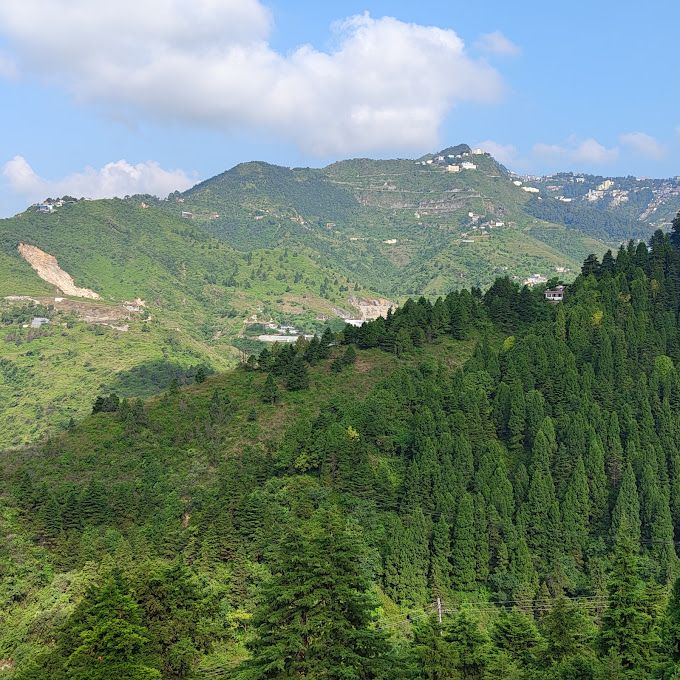
Jharipani occupies a gentle saddle on the southern slopes of the Mussoorie range, positioned between the foothills of Dehradun and the higher elevations of the Garhwal Himalayas. Far less crowded than the commercial centres nearby, this hamlet retains a measured, unhurried pace shaped by thick canopies of Himalayan oak, pine, and cedar. The settlement enjoys a vintage charm, lined with quiet mountain roads, heritage architecture, and hillside estates established during the colonial era.
The topography provides open outlooks across the Shivalik ranges and the twinkling sprawl of the Doon Valley below, particularly on clear evenings. Because of its slightly lower altitude compared to the central Mussoorie ridge, Jharipani often enjoys milder winter temperatures and a pleasantly crisp mountain climate throughout spring and autumn. It appeals directly to outdoor walkers, birdwatchers, and travellers looking for mountain quietude while staying within easy reach of the region's main attractions.
Things to do in Jharipani
A highlight for travellers in this area is taking the walk down toward Jharipani Falls. The path leads through terraced hillsides, patches of secondary forest, and rocky outcrops before reaching the waterfall basin. During and immediately following the monsoon, the falls roar with volume, feeding small natural pools surrounded by wild ferns. In drier months, it becomes a serene spot for sitting by mountain water and taking in the sound of trickling streams.
Walking the quiet village lanes and forest tracks is another defining activity here. Bird enthusiasts often spot regional Himalayan species, including whistling thrushes, red-billed blue magpies, bar-tailed treecreepers, and various flycatchers among the oak branches. The winding path towards historic estate grounds features vintage masonry, heritage gates, and sprawling gardens flanked by tall deodars. Photography enthusiasts will find dramatic light filtering through the woods in early mornings, along with expansive valley viewpoints that reveal layered mountain contours during sunset.
Read more
Places to visit around Jharipani
Jharipani's central location between Dehradun and Mussoorie makes it an ideal launchpad for short excursions. A short drive uphill leads to the main Mall Road of Mussoorie, where lively promenades, shops, and cafes look out over the northern peaks and southern plains. Just beyond lies Landour, a historic cantonment town celebrated for its quiet forest paths along the upper ridge, old churches, and heritage spots such as the Landour Bakehouse.
Further west along the ridge, the Dalai Hills offer panoramic sweeps of the higher Himalayan summits and a tranquil setting surrounded by fluttering prayer flags. If you descend towards the foothills of Dehradun, you can explore the limestone gorge of Gucchupani, also known as Robbers' Cave, or visit the riverside sulphur springs of Sahastradhara. Nature lovers venturing down can also stop by the Dehradun Zoo or the ancient river-cave shrine of Tapkeshwar Mahadev Mandir. For travellers willing to journey deeper into the valley, the vibrant markets of Paltan Bazaar and the sprawling grounds of Mindrolling Monastery provide rich cultural contrasts to the silence of the hills.
Best time to visit Jharipani
Spring and early summer, spanning from March to June, bring exceptionally pleasant weather to Jharipani. Daytime temperatures stay moderate, making it comfortable for walking along forest tracks and exploring the outdoors, while evenings turn refreshingly cool. This is the prime period for those seeking respite from the scorching heat of the northern plains.
The monsoon months between July and September transform the region into a lush green haven. Fog rolls through the oak woodlands, and seasonal streams and waterfalls swell with mountain rain. While heavy rainfall can cause occasional road slips on mountain highways, the mist-draped landscape possesses a unique charm for travellers who enjoy slow, reflective mountain getaways. Autumn arrives in October and November, clearing the skies to deliver the sharpest, most unobstructed views of the surrounding valleys and distant snowfields. Winter brings crisp mountain air and cold nights from December through February, occasionally accompanied by light snowfall along the higher ridges nearby.
How to reach Jharipani
Jharipani is easily accessible by road from Dehradun, which serves as the primary transport gateway for this pocket of Uttarakhand. Travellers arriving by train can disembark at the Dehradun Railway Station, located in the heart of the city near the historic Clock Tower and Paltan Bazaar. From the railway station, local taxis and rental cars navigate the scenic winding ascent toward Mussoorie, branching off toward Jharipani before entering the busiest sections of the hill station.
For air travellers, Jolly Grant Airport in Dehradun is the closest domestic hub, offering regular flights from major Indian cities. From the airport, road transfers take travellers through the outskirts of Dehradun and straight up into the lower Himalayan foothills. State transport buses and private shared cabs operate frequently between Dehradun and Mussoorie; passengers can disembark at the Jharipani turn-off and arrange a short connecting ride or walk the remaining distance to their accommodation.
Tips for travellers visiting Jharipani
When packing for Jharipani, sturdy walking shoes with good traction are indispensable. The trail leading down to Jharipani Falls and the forest paths around the village feature uneven dirt tracks, exposed tree roots, and loose gravel. During the post-monsoon period, rocks near the streams can be slippery, so cautious footing is advised.
Weather conditions in the lower Himalayas can change rapidly within an hour. Carrying a windcheater or light rain jacket is recommended throughout the spring and monsoon seasons, while thermal underlayers and insulated jackets are vital during the winter months. Mobile network reception is generally dependable across most parts of the village, though pockets along the deeper trails near the waterfall may experience intermittent connectivity. It is also courteous to keep noise to a minimum along the village walking routes, respecting the tranquil rhythm of the local community and resident wildlife.
Where to stay in Jharipani
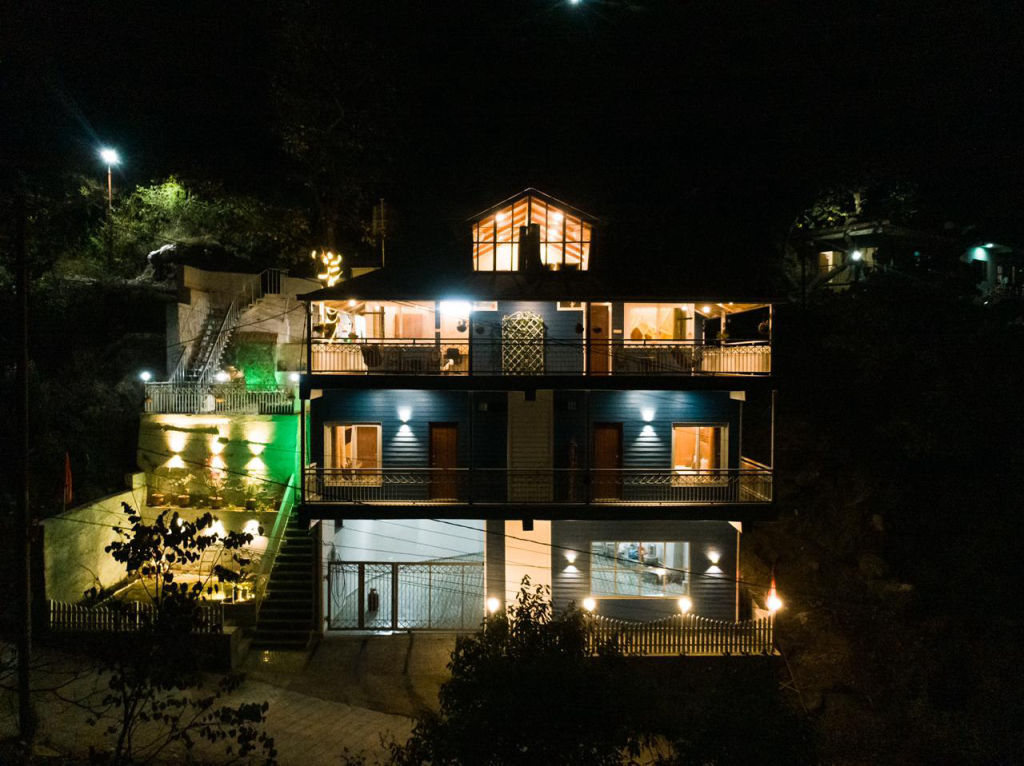
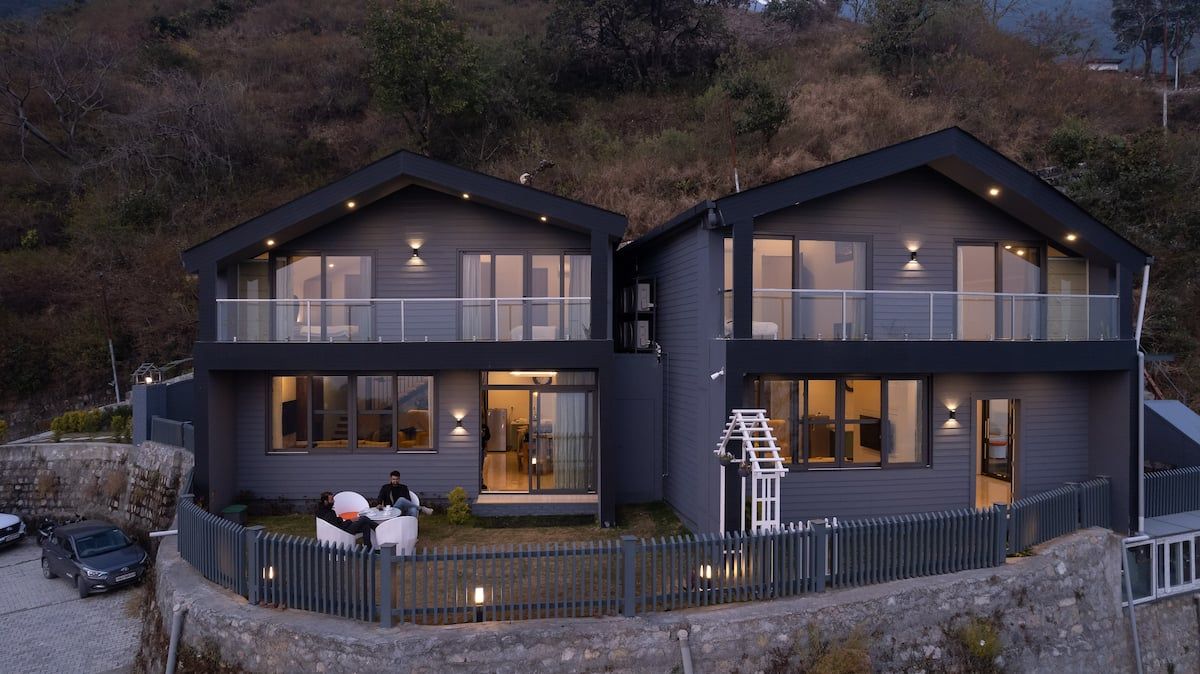
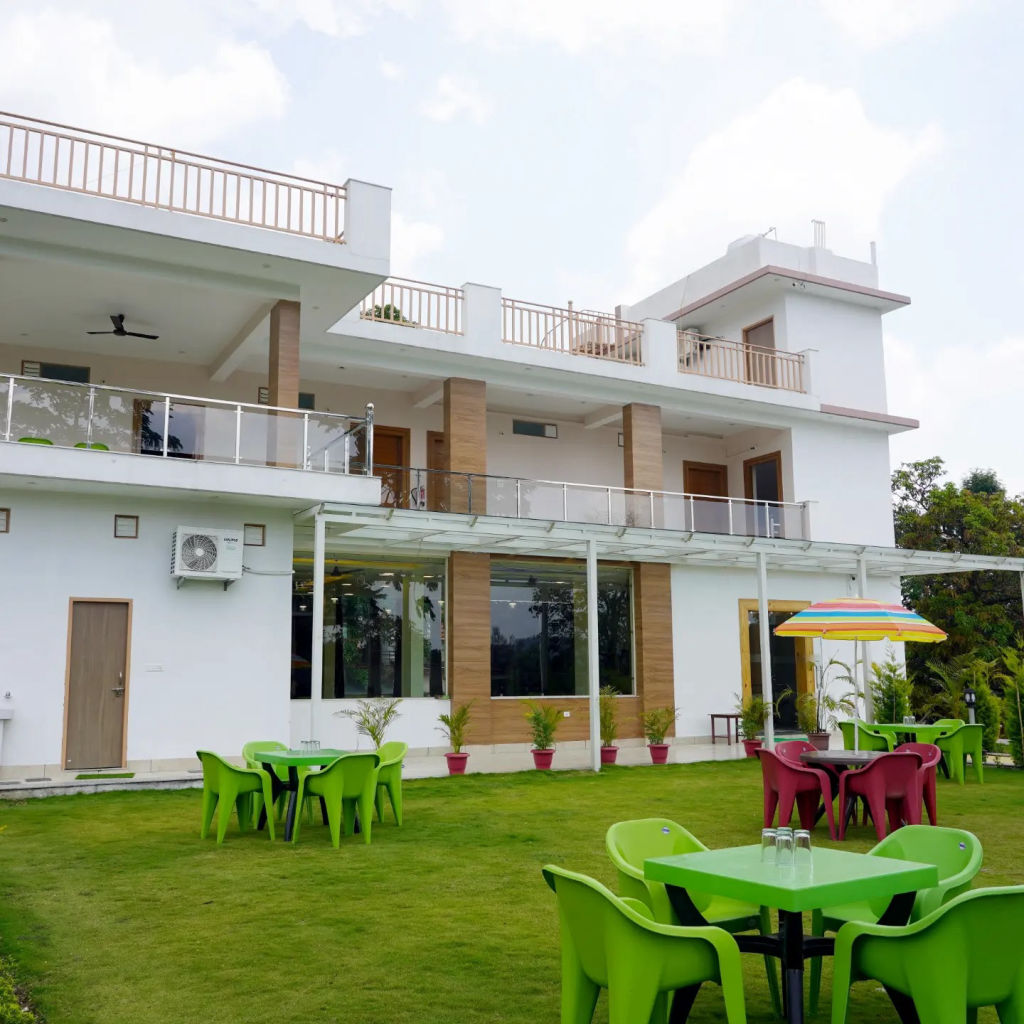
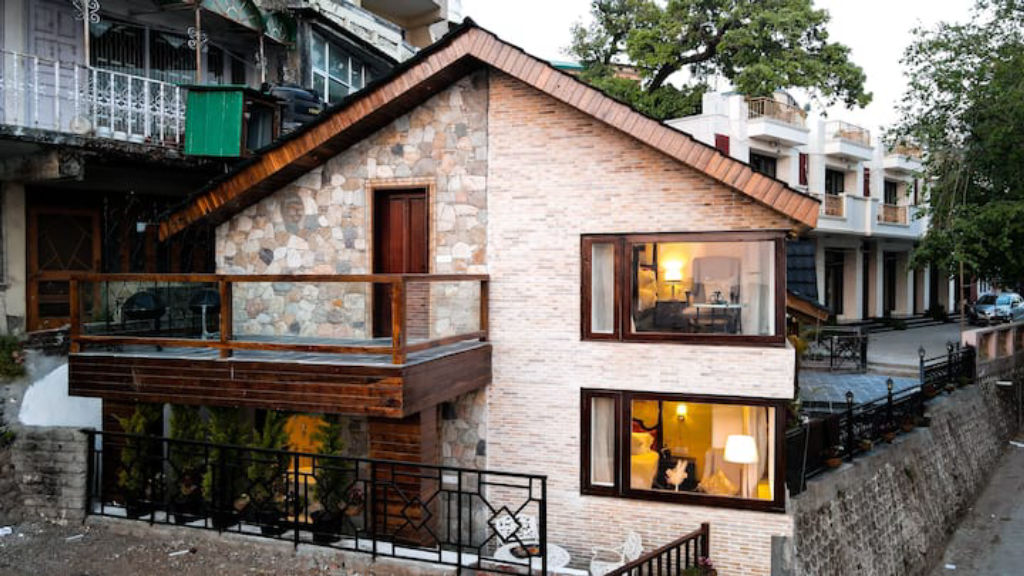
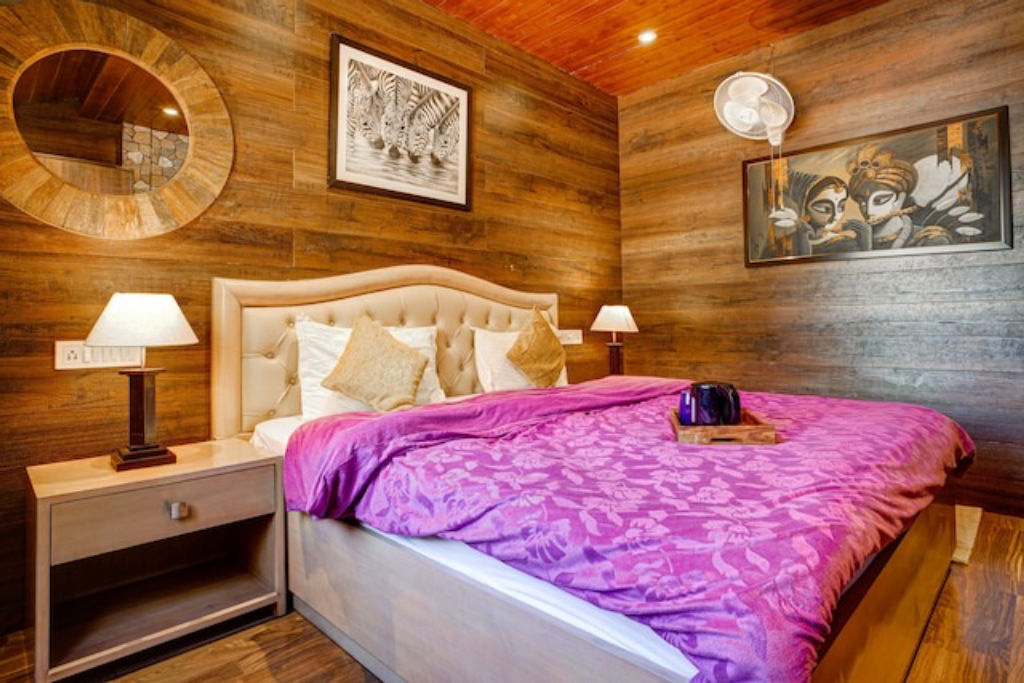
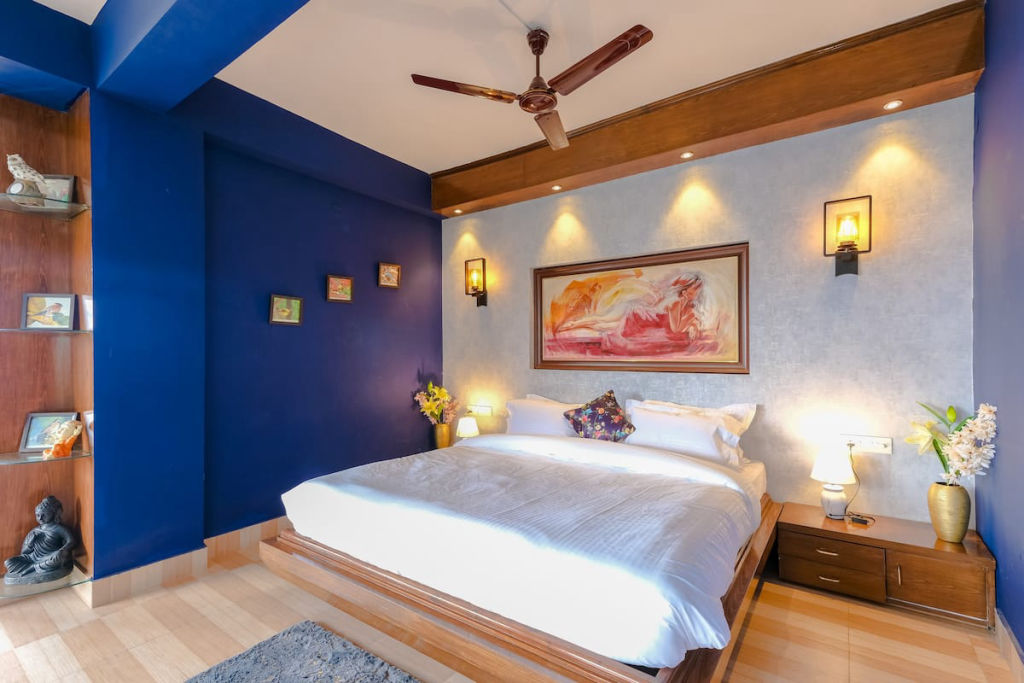
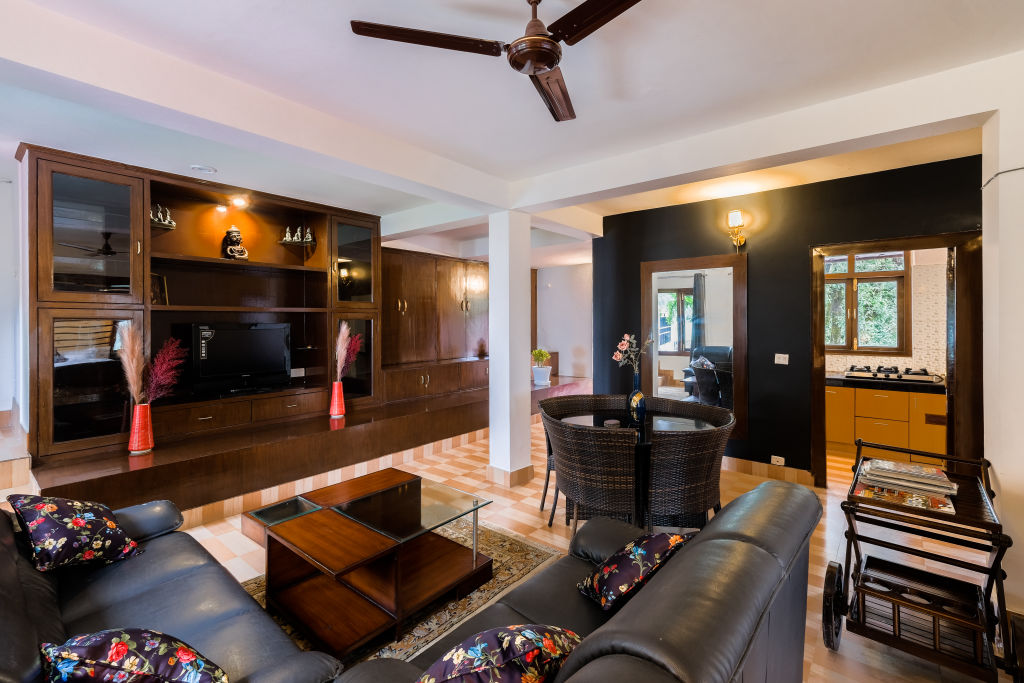
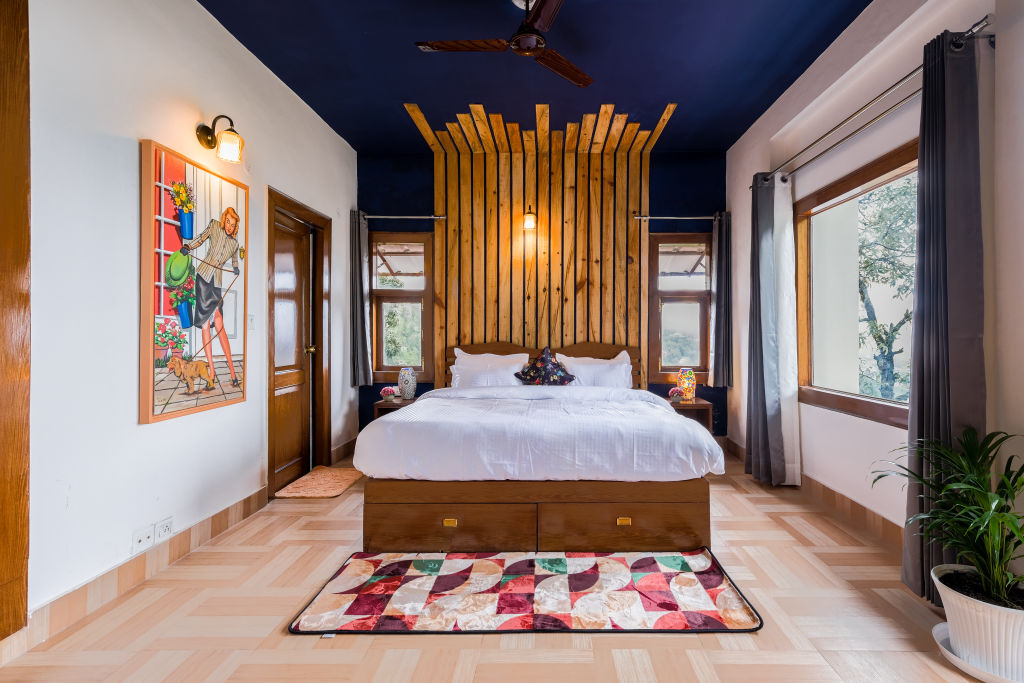
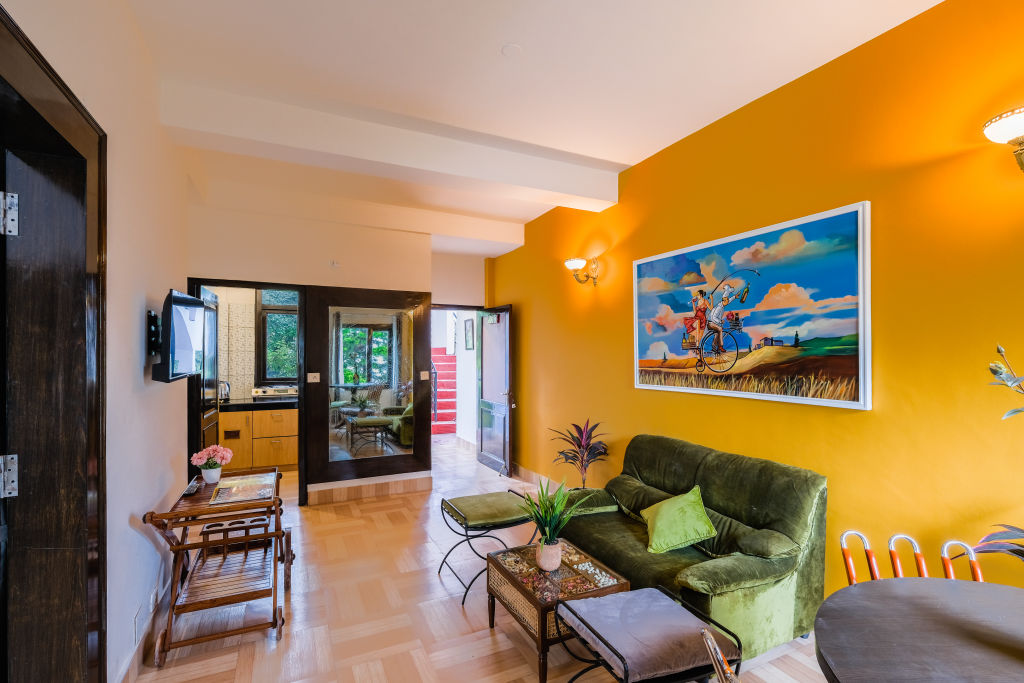
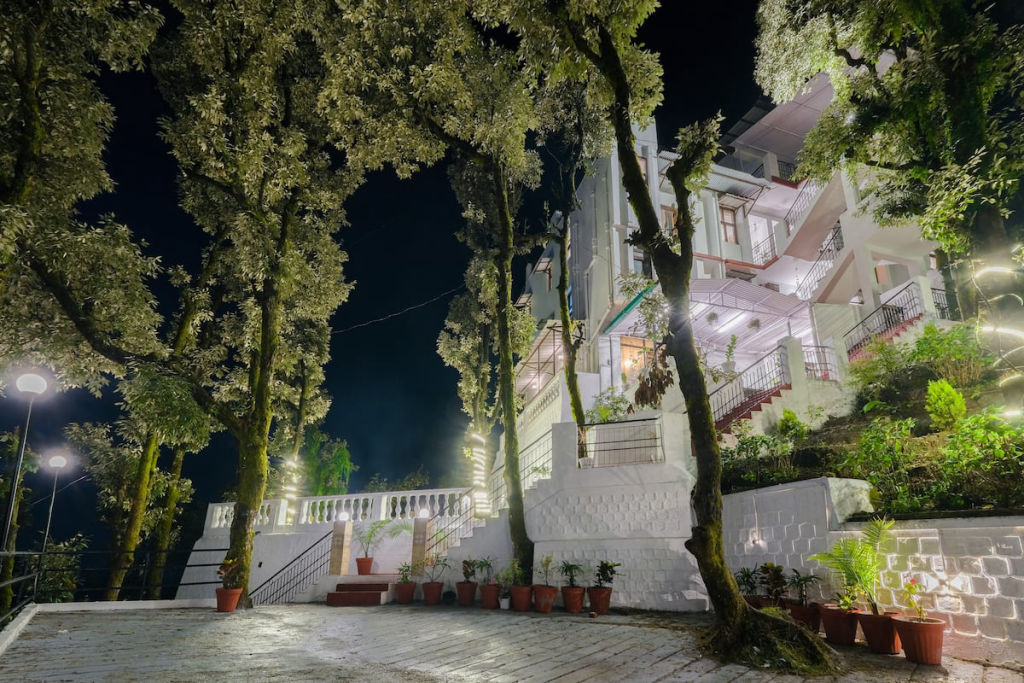
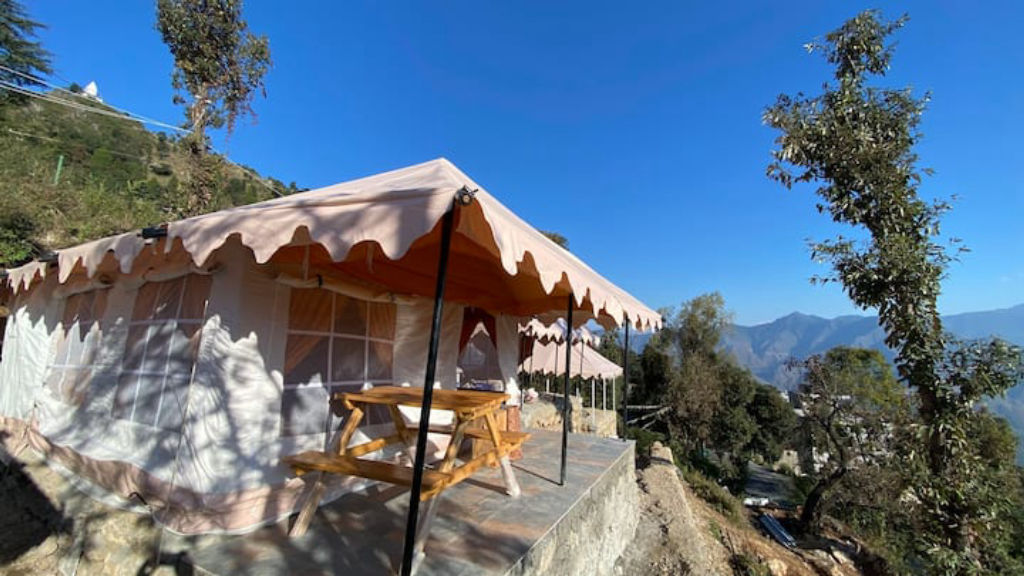
Accommodation options in and around Jharipani cater well to travellers looking to unplug and connect with nature. Instead of crowded multi-storey hotels, the area is known for atmospheric estate homestays, private hillside cottages, and eco-friendly campsites tucked beneath the pine trees.
Staying in Jharipani allows you to enjoy uninterrupted valley views, birdsong at dawn, and easy walking access to forest paths without the vehicle congestion typical of central hill stations. You can discover a wide range of vetted campsites, homestays, and boutique rural stays in Jharipani and the surrounding hills on HireACamp.
Frequently asked questions
What is Jharipani known for?
Jharipani is known for its peaceful woodland setting, the seasonal Jharipani Falls, colonial-era boarding schools, and quiet walking trails that look out over the Doon Valley.
How far is Jharipani from Mussoorie?
Jharipani sits just below the central Mussoorie ridge, located approximately 5 to 7 kilometres down the hill by road, making it an easy drive to the Mall Road and Landour.
Can you visit Jharipani Falls on foot?
Yes, reaching Jharipani Falls requires a scenic downhill walk along a forest path from the road, followed by an uphill walk on the way back.
Does it snow in Jharipani?
Jharipani can occasionally experience light snowfall during peak winter cold spells in January, though heavier snow is more common at higher elevations around Mussoorie and Landour.
Is Jharipani suitable for a peaceful weekend trip?
Yes, Jharipani is well-suited for a weekend getaway because it offers quiet nature walks and fresh mountain air away from heavy traffic while remaining close to Dehradun.
Where you'll be
12 stays nearby shown with prices
Stays near Jharipani
Book a place to stay close by
Things to do in Jharipani
46 places creators recommend within 30 km


Lists for this area
Ranked by how many creators recommend each place


Built from 0 Instagram posts by 0 creators. Every tip links back to the post it came from, and where creators disagree we show both sides.






