
Jibhi
Village in Himachal Pradesh
1 post
Guide from 1 post by 1 creator
@mainitraveln
Jibhi is a quiet mountain settlement nestled in the Banjar Valley of Himachal Pradesh, surrounded by dense deodar forests and clear river streams. Known for its traditional wooden architecture and unhurried pace of life, it serves as a peaceful gateway to the higher reaches of the Kullu region. Travellers come to Jibhi to unwind in nature, walk through pine-scented trails, and explore surrounding mountain passes and alpine valleys.
Getting there
By road
- From Chandigarh5 hr 45 min · 225 km
- From Ludhiana6 hr 20 min · 255 km
- From Amritsar7 hr 50 min · 368 km
- From Dehradun9 hr 20 min · 397 km
By train, bus or air
- ShimlaNearest railway station5 hr 55 min · 163 km
- Baragaon Bus StandNearest bus stand3 hr 15 min · 81 km
- Bhuntar Airport, Kullu ManaliNearest airport2 hr 15 min · 53 km
Typical drive times without traffic. Places, distances and typical drive times from OLA Maps; notes from creators' Reels.
Itinerary for Jibhi and Surroundings
A practical route exploring scenic mountain passes, valleys, and quiet villages around Jibhi, including Jalori Pass and Tirthan Valley.
Jalori Pass and Tirthan Valley Circuit
Best for first-time visitors wanting mountain viewpoints and nearby valley drives
Day 1
Mountain Pass and Scenic Valley
morning
Jalori PassAbout 2 hr
A high mountain pass situated about 295 km from Chandigarh.
afternoon
Tirthan Valley RoadAbout 2 hr · 12 km from the last stop
Scenic valley route located around 280 km from Chandigarh.
- Shangarh is an offbeat destination in the broader region with relatively few visitors.
- Plan for roughly 6 to 8 hours of road travel when travelling from Chandigarh to destinations in the Tirthan and Jalori area.
Visit lengths are suggestions; distances are straight-line between stops.
About Jibhi
Written with AI from creators' posts and map data. Check prices and timings locally before you go.
About Jibhi
Jibhi sits along the banks of the Tirthan tributary in the lower Himalayan belt of Himachal Pradesh. Unlike commercialised tourist hubs, the village retains a quiet, rustic atmosphere defined by its cedar-clad slopes, apple orchards, and cascading mountain streams. The surrounding forest is dominated by towering deodars and blue pines that cast long shadows across wooden footbridges and stone trails.
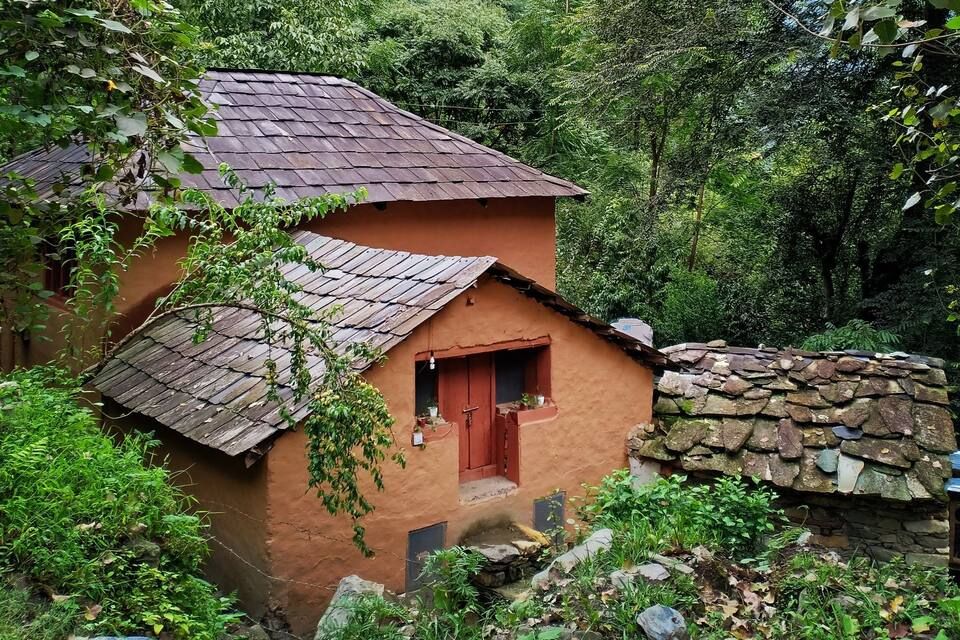
Traditional architectural styles remain prominent throughout Jibhi and its neighbouring hamlets. Homes and heritage granaries are frequently built using the kath-kuni technique, a vernacular method that interlocks heavy timber beams with dressed stone without using mortar. This timeless building style keeps interiors warm during harsh mountain winters and cool through the sunny summer months, lending the village a distinct visual character.
Things to do in Jibhi
Exploring Jibhi is primarily about slowing down and connecting with the natural landscape on foot. A network of gentle walking paths winds out from the village centre into surrounding cedar groves, leading visitors to small freshwater waterfalls and quiet riverbanks. Sitting by the gushing stream with a book or spending an afternoon listening to the rustle of pine needles is one of the most rewarding ways to spend time here.
For those who prefer active days outdoors, the village provides easy access to several day hikes. Trails lead uphill towards small hamlets where local farmers tend terraced fields and fruit trees. Exploring the village architecture, crossing small wooden footbridges that span crystal-clear rapids, and birdwatching along the forest canopy offer simple, contemplative experiences that reveal the everyday rhythm of life in the mountains.
Read more
Places to visit around Jibhi
Jibhi makes an ideal springboard for venturing deeper into the surrounding wilderness and neighbouring mountain valleys. Just about 6 kilometres away, the high-altitude Jalori Pass offers expansive views of snow-draped Himalayan ranges. From the pass, hiking paths lead to scenic locations such as the ancient fortress remnants at Raghupur Fort and the serene waters of Serolsar Lake, which sits enclosed within oak and rhododendron forests.
Close by, the rustic village of Gadagushaini sits just a short distance away, offering riverside meadows and traditional village life. Heading further down into the valley opens up the Tirthan Valley road, famed for crystal-clear waters and angling opportunities. Further north, roughly 19 kilometres away, lies the open meadow landscape of Shangarh valley, home to the revered Shangchul Mahadev Temple with its exquisite wood carvings. Naturalists can also venture about 28 kilometres out to reach the buffer zones of the Great Himalayan National Park, a protected sanctuary rich in Western Himalayan flora and rare mountain fauna.
Best time to visit Jibhi
Jibhi is a year-round destination, though each season brings a distinct atmosphere to the valley. Spring and summer, stretching from March to June, offer mild daytime temperatures and lush greenery, making this period ideal for hiking, forest walks, and general exploration away from the heat of the plains.
The monsoon months of July and August bring heavy rainfall to Himachal Pradesh. While the forests become vibrant and waterfalls swell with force, travel can be unpredictable due to road closures and landslides along the valley routes. Travellers visiting during this window should allow extra travel time and check local weather bulletins before setting out.
Autumn arrives in September and lasts through November, bringing crisp mountain air, clear skies, and spectacular visibility across the higher ridges. By December, winter settles in with freezing temperatures. Between late December and February, higher points like Jalori Pass receive heavy snowfall, and Jibhi itself often sees periodic snow showers, transforming the pine woods into a quiet winter wonderland.
How to reach Jibhi
Reaching Jibhi involves travelling into the Kullu district, typically through the Chandigarh-Manali highway before turning into the Banjar Valley near the Aut tunnel. Chandigarh is the primary major transit hub, located approximately 225 kilometres away, taking about 5 hours and 50 minutes of driving under typical conditions. From Ludhiana, the drive is about 255 kilometres and takes roughly 6 hours and 20 minutes.
Travellers driving from Amritsar face a journey of around 368 kilometres, which generally takes close to 7 hours and 50 minutes. Those travelling from Dehradun can expect a road distance of 397 kilometres, taking approximately 9 hours and 20 minutes. From New Delhi, the road distance is around 483 kilometres, usually requiring about 9 hours and 50 minutes in normal traffic. Long-distance overnight buses running toward Manali drop passengers near Aut, from where local buses and shared mountain taxis operate regularly toward Banjar and Jibhi.
Where to stay in Jibhi
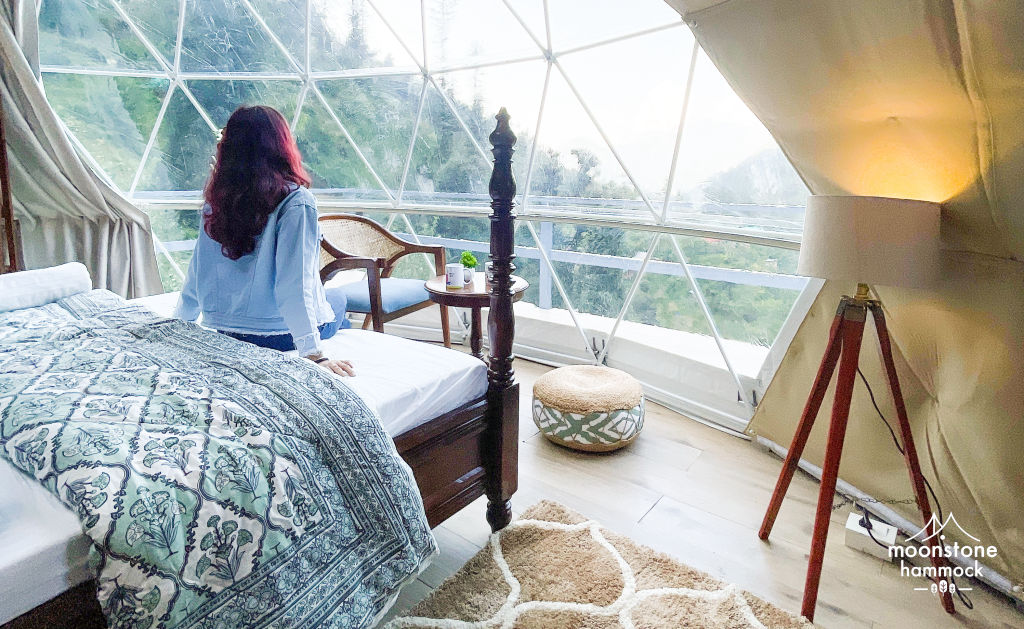
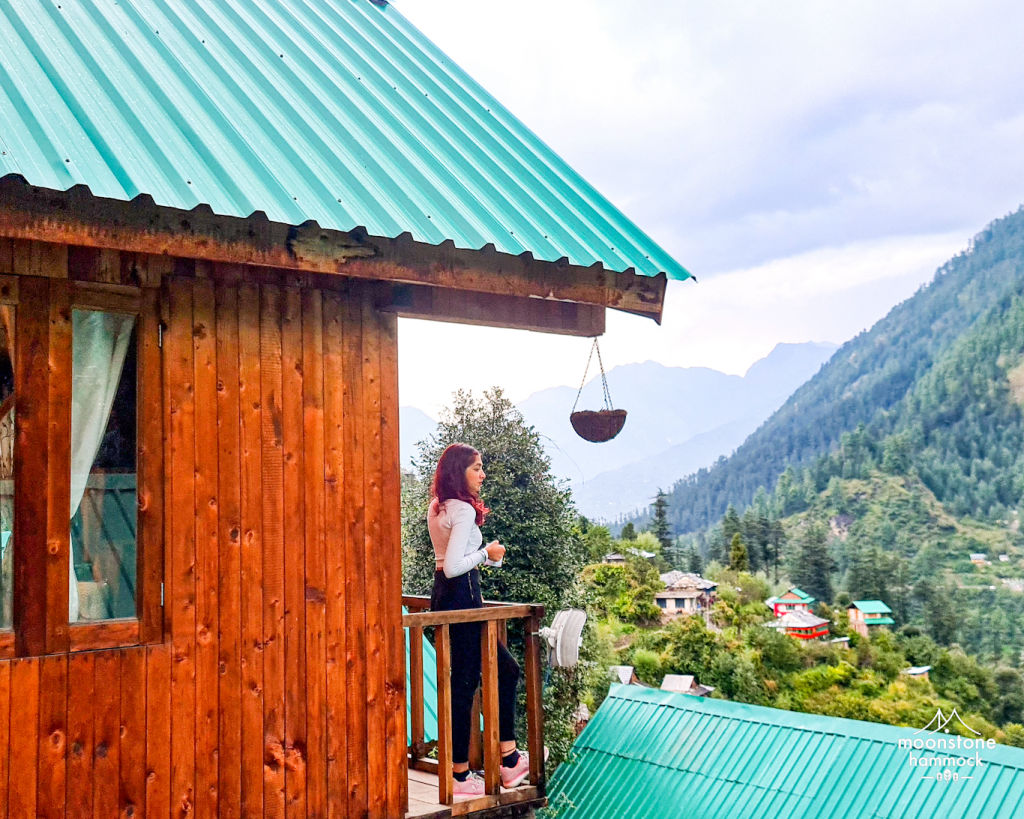
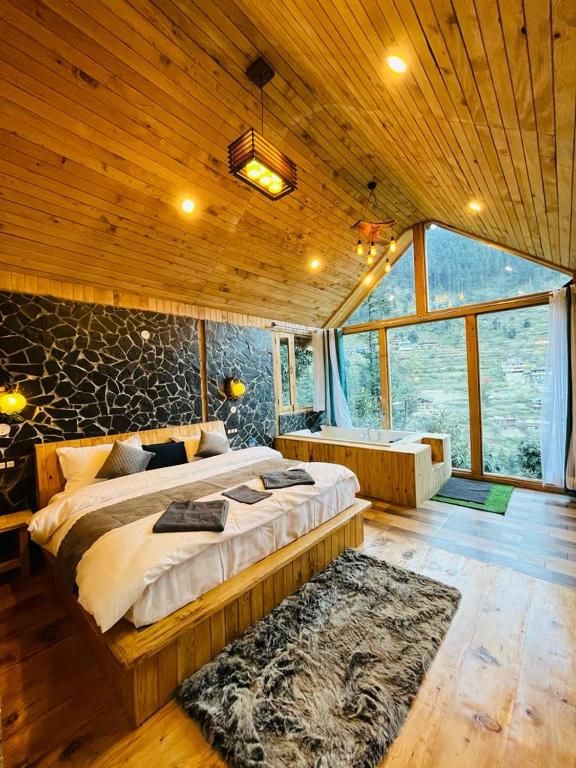
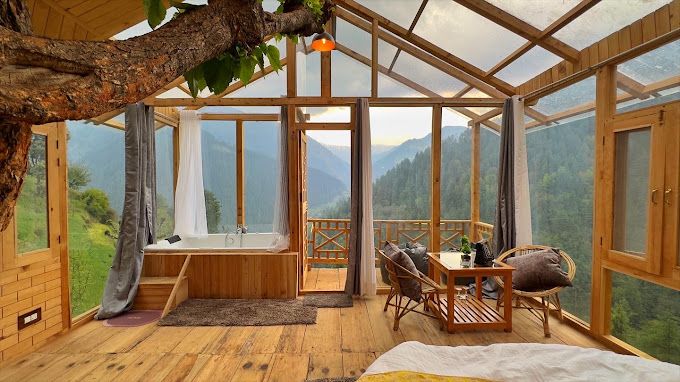
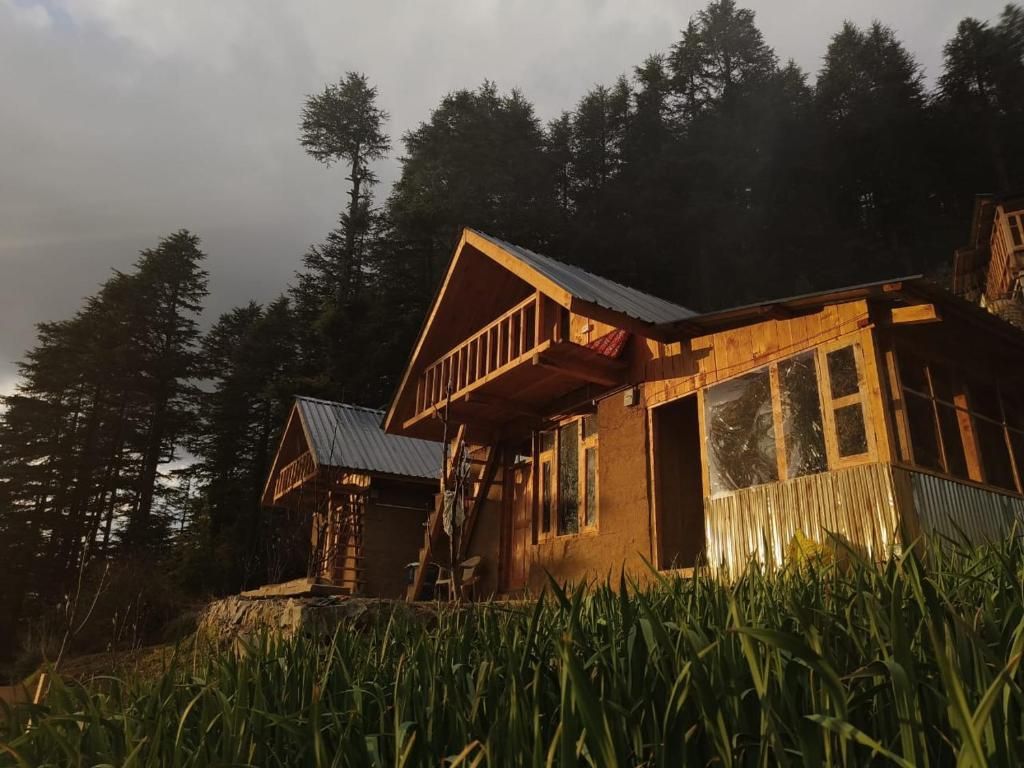
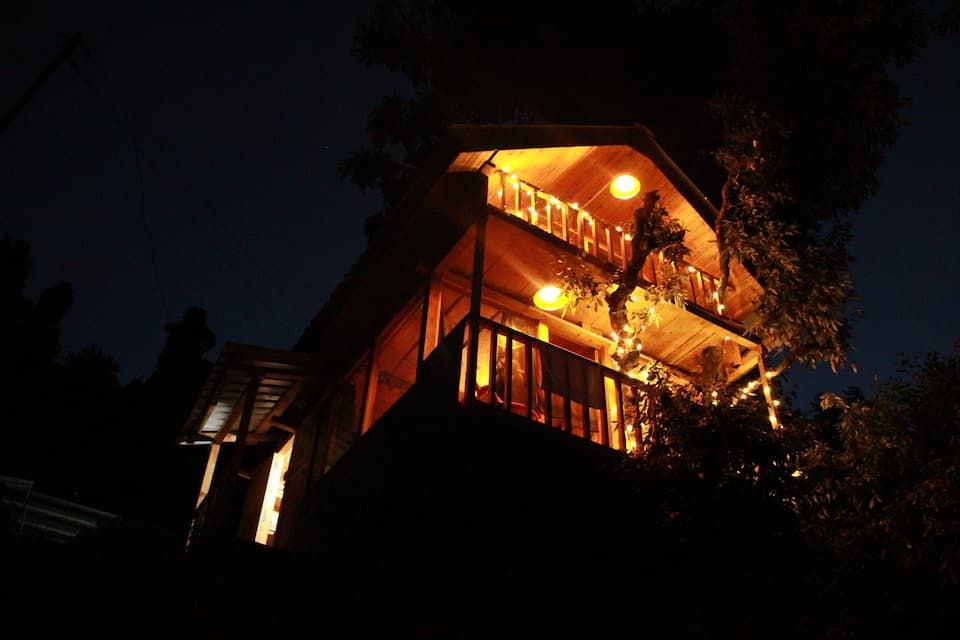
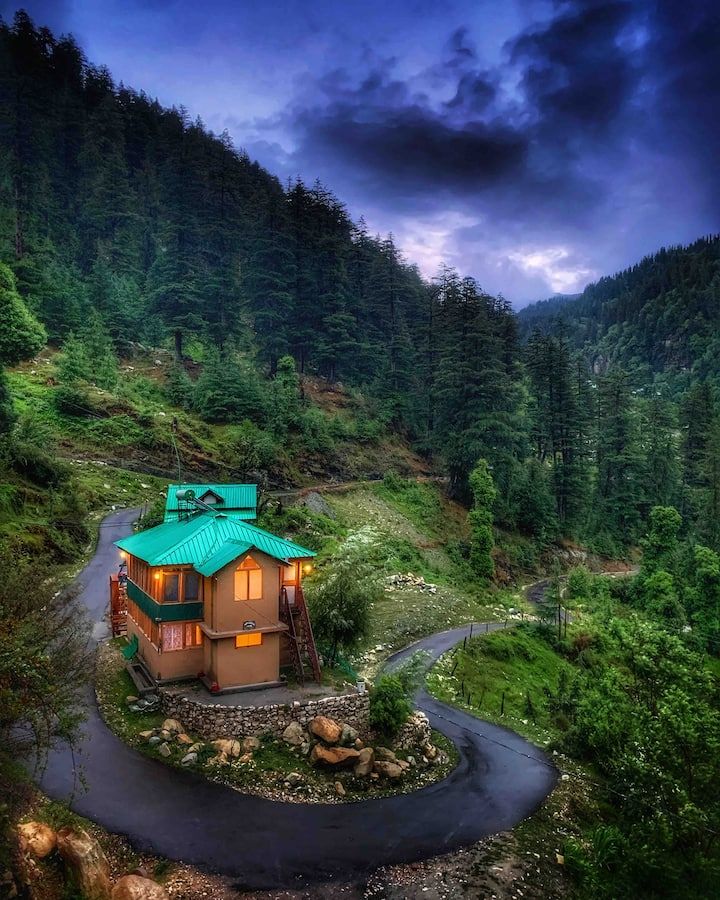
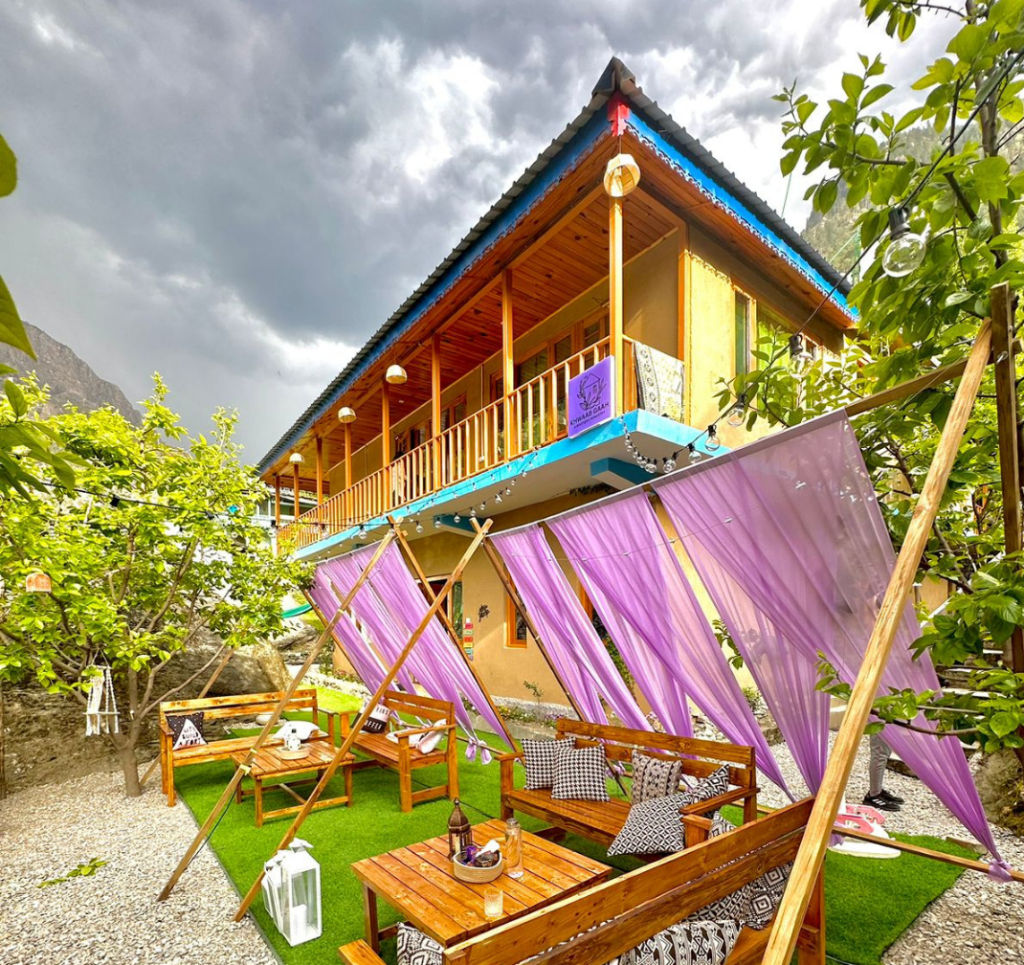
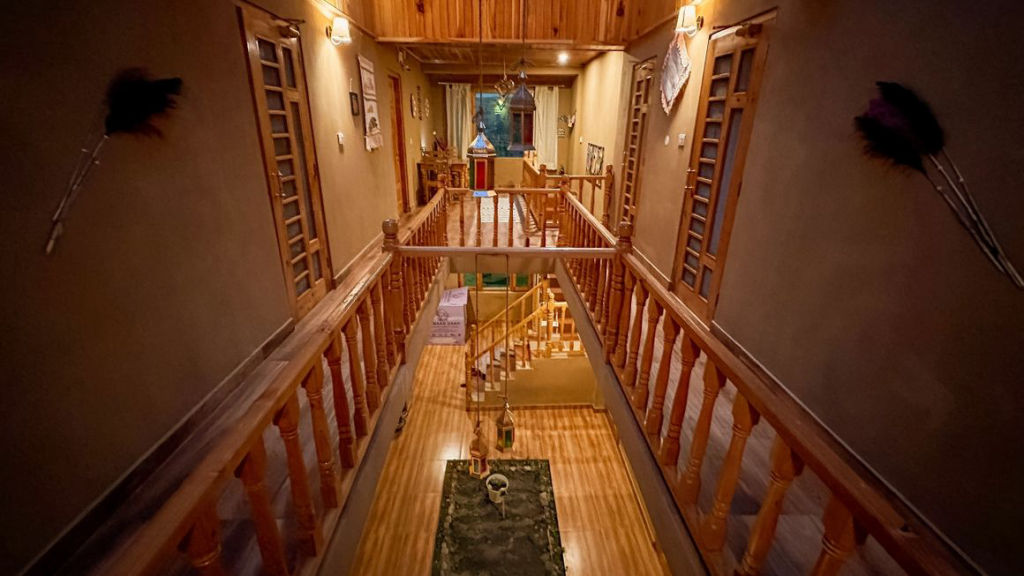
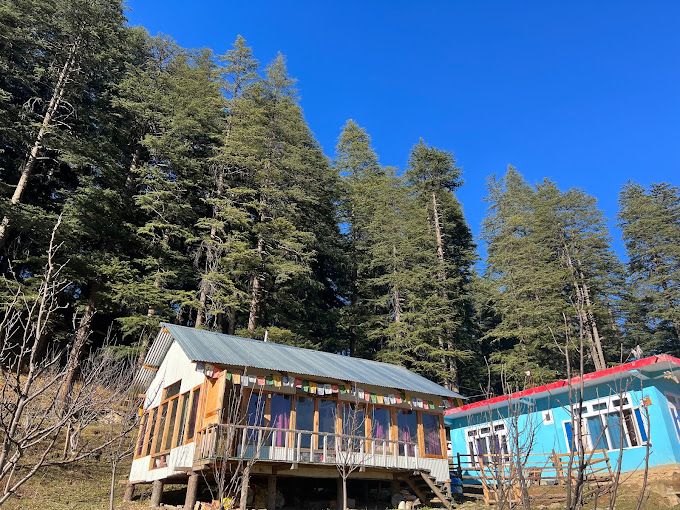
Accommodation in Jibhi prioritises quiet mountain living over conventional luxury. Travellers will find a mix of family-run homestays, handcrafted riverside wooden cottages, and rustic outdoor stays tucked beside apple orchards and pine groves.
Staying in a traditional wooden home allows you to experience warm local hospitality, authentic Himachali meals, and a closer look at regional customs. You can browse and book a curated selection of verified campsites, independent cabins, and homestays in and around Jibhi directly on HireACamp.
Tips for your visit
Mountain roads leading into the valley can be narrow and winding, particularly on the climb towards Jalori Pass. Drivers should exercise caution, especially during rain or early winter mornings when road surfaces can become slick. Carrying warm clothing in layers is advisable across all seasons, as evenings in the forest can turn chilly even during peak summer months.
Digital connectivity has improved in recent years, but signals can be variable during bad weather, and mobile internet may drop in outlying areas. ATMs in Banjar and Jibhi sometimes run out of cash, so it is prudent to carry sufficient cash from larger towns along the highway. Finally, please respect the fragile Himalayan environment by carrying back all non-biodegradable waste and respecting village customs when visiting sacred spaces.
Frequently asked questions
When does it snow in Jibhi?
Snowfall in Jibhi typically occurs between late December and mid-February. Higher elevations nearby, such as Jalori Pass, receive snow much earlier and hold it well into early spring.
How far is Jibhi from Delhi and Chandigarh?
Jibhi is approximately 483 kilometres from New Delhi, taking about 9 hours and 50 minutes of driving time. From Chandigarh, it is about 225 kilometres away, with a typical drive time of around 5 hours and 50 minutes.
Can Jalori Pass be visited from Jibhi throughout the year?
Jalori Pass is easily accessible during the summer and autumn months, but it frequently closes during winter due to heavy snow and ice on the roads. Travellers should check local road status in Jibhi before attempting the ascent in winter.
What kind of clothing should I pack for Jibhi?
Light woollens and layered clothing are recommended for summer days and cool evenings. If you are travelling between October and March, pack heavy woollens, thermal innerwear, and a windproof jacket to stay comfortable in near-freezing temperatures.
Are there ATMs and internet facilities in Jibhi?
Basic mobile network coverage and Wi-Fi are available in Jibhi, though connectivity can fluctuate during bad weather. While ATMs exist in the region, they can run out of cash, so it is best to carry cash from larger towns.
Where you'll be
11 stays nearby shown with prices
As seen on Instagram
The posts this guide is built from
Stays near Jibhi
Book a place to stay close by
Things to do in Jibhi
48 places creators recommend within 30 km


Often visited together
Creators who went here also showed these
Built from 1 Instagram post by 1 creator. Every tip links back to the post it came from, and where creators disagree we show both sides.






