
Great Himalayan National Park
National park near Shangarh, Himachal Pradesh
1 post · 7K views
Guide from 1 post by 1 creator
@packed__suitcases
Hidden gem
Far fewer reviews than places like it nearby, yet creators keep finding it.
13 km from Shangarh
The nearest town, for stays, food and fuel.
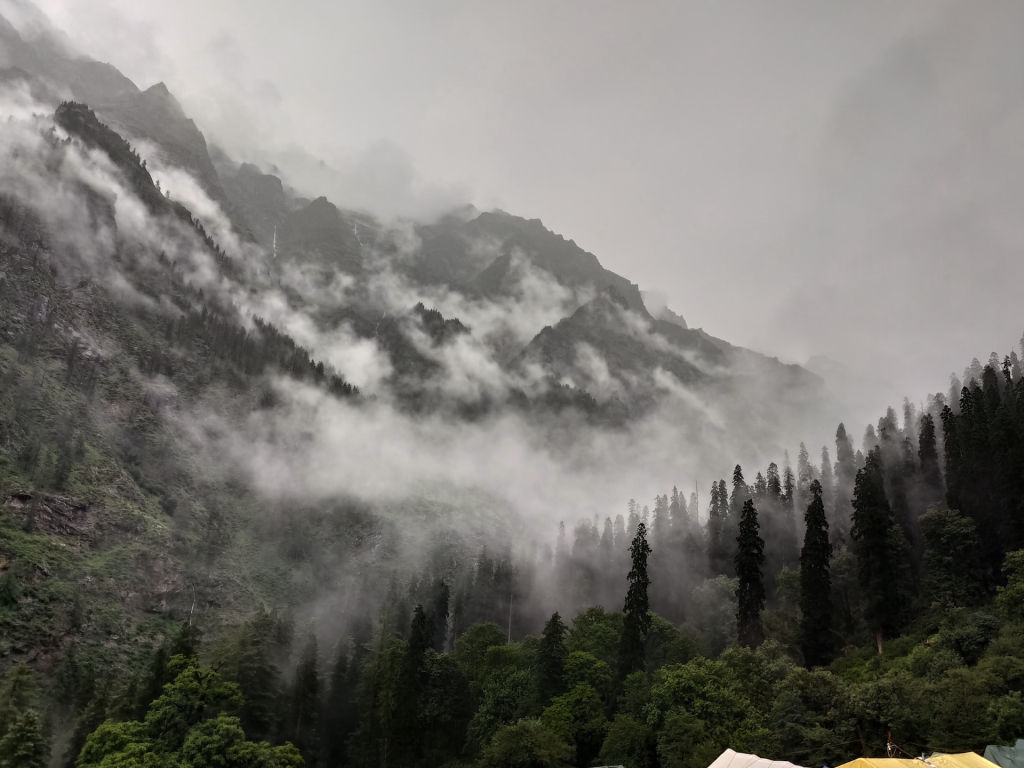
Great Himalayan National Park is a UNESCO World Heritage site nestled in the Western Himalayas of Himachal Pradesh. Spanning glacier-fed rivers, high-altitude meadows, and dense temperate forests, it preserves some of the richest and rarest alpine ecosystems in India. Travellers and outdoor enthusiasts visit the park for wilderness trekking, remote camping, birdwatching, and the chance to witness intact mountain habitats.
Getting there
No road reaches Great Himalayan National Park itself. Expect to finish on foot.
By train, bus or air
- Inter State Bus Terminal Sarvari KulluNearest bus stand1 hr 25 min · 60 km
- Bhuntar AirportNearest airport1 hr 10 min · 49 km
Typical drive times without traffic. Places, distances and typical drive times from OLA Maps; notes from creators' Reels.
About Great Himalayan National Park
Written with AI from creators' posts and map data. Check prices and timings locally before you go.
About Great Himalayan National Park
Great Himalayan National Park is located in the Kullu district of Himachal Pradesh and stands as one of the crown jewels of conservation in the Western Himalayas. Spanning an expansive elevation gradient that rises from broadleaved subtropical river valleys to jagged glaciated peaks exceeding five thousand metres, the park represents an extraordinarily intact alpine biome. It received UNESCO World Heritage status in recognition of its remarkable biological richness and its role in protecting vulnerable Himalayan species.
The park's landscape is defined by the catchments of four major streams and rivers: the Tirthan, Sainj, Jiwa Nal, and Parbati. Unlike many accessible mountain reserves, Great Himalayan National Park has no motorable roads cutting through its core area. It remains a walking sanctuary where human influence is kept to a strict minimum, offering seasoned trekkers and quiet nature lovers a true immersion in unspoiled mountain nature.
Wildlife and Biodiversity
The isolation and dramatic topographic variations of Great Himalayan National Park support an impressive variety of wildlife. The park is especially renowned as a sanctuary for rare Himalayan birds, most notably the vulnerable Western Tragopan, whose population here is among the most stable in the world. Monal pheasants, koklass, cheer pheasants, and lammergeiers are frequently observed gliding across the tree line and ridgelines.
Mammals found within the park include the elusive snow leopard, Himalayan brown bear, Asiatic black bear, blue sheep, Himalayan tahr, and the endangered musk deer. Along the lower river channels, leopard cats, flying squirrels, and rhesus macaques dwell amid forests of silver fir, blue pine, horse chestnut, and wild rhododendron. As you ascend, the timber gives way to birch forests, dwarf willows, and expansive alpine meadows carpeted with medicinal herbs, wild geraniums, and saxifrages.
Read more
Trekking in Great Himalayan National Park
Because the interior of Great Himalayan National Park is inaccessible by vehicle, trekking on foot is the only way to experience its wilderness. Trails range from gentle two-day hikes into the ecozone buffer areas along the Tirthan and Sainj rivers to challenging multi-day high-altitude expeditions that cross alpine passes like Pin Parbati and Tirung.
Popular trail networks lead toward pristine glacial sources, such as the trek along the Tirthan River toward Rolla and Nada Thach, or into the Sainj Valley heading towards Shakti and Dhel Thach. The trails traverse narrow river canyons, cross hanging footbridges, climb through steep moss-draped forest canopies, and emerge onto wind-swept alpine ridges. Trekkers camp in designated wilderness clearings, as there are no permanent settlements within the core conservation boundary.
Best Time to Visit Great Himalayan National Park
The park experiences distinct Himalayan seasons, each dramatically changing the landscape. The most popular trekking period spans from April through June. During spring and early summer, snow begins to melt from the lower passes, rivers swell with crystal-clear runoff, and wildflowers burst into bloom across the forest floor. Temperatures are mild and comfortable for walking during the day, though high-altitude camps remain brisk at night.
Autumn, from late September through November, offers another excellent window. Post-monsoon skies are clear, providing expansive panoramic views of the snowy Himalayan peaks, and the foliage turns brilliant shades of gold, amber, and crimson. The monsoon months of July and August bring heavy rains and elevated risks of landslides along access roads. During winter, from December to March, heavy snowfall blankets much of the park, restricting access to lower valley fringes.
How to Reach Great Himalayan National Park
The primary gateways to Great Himalayan National Park are the Tirthan Valley and the Sainj Valley, both accessed from the national highway running between Mandi and Kullu. Travellers typically turn off the highway near the town of Aut, just before the Aut Tunnel, to follow either the Tirthan River road toward Gushaini or the Sainj River road toward Neuli.
The nearest domestic airport is at Bhuntar in Kullu, while major railheads are located further south at Chandigarh and Kalka. From Delhi or Chandigarh, frequent long-distance buses and private vehicles travel along the highway toward Manali; visitors alight near Aut and hire local transport to enter their chosen valley base. From road heads such as Gushaini or Neuli, all onward travel into the national park is on foot.
Tips for Planning Your Visit
Entering the core zone of Great Himalayan National Park requires entry permits and adherence to strict conservation rules. Permits are administered by local forest division offices situated at gateway locations such as Sai Ropa and Sainj, so check requirements locally before heading out on any multi-day route. Hiring accredited local guides and porters is strongly recommended, as trails can be faint, weather changes rapidly, and local knowledge ensures safety and responsible conduct.
Pack dependable waterproof layers, sturdy trekking boots, a warm sleeping bag rated for sub-zero temperatures, and your own waste disposal bags. There are no commercial stalls or rubbish facilities on the trails, meaning every scrap of litter must be brought back out. Sturdy trekking poles and a portable water filtration method are essential pieces of equipment for negotiating rocky river crossings and steep ridgelines.
Places to Visit Nearby
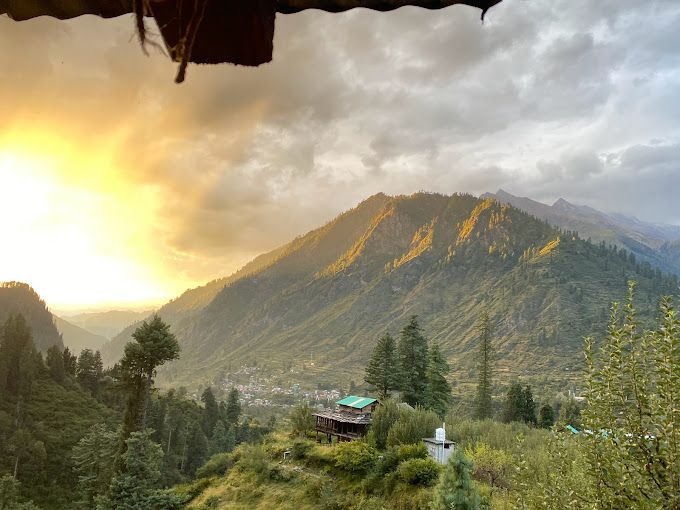
The valleys surrounding Great Himalayan National Park are filled with quiet hamlets and cultural landmarks. Just west of the park lies the Shangarh valley, famous for its expansive natural meadow and the intricately carved, pagoda-style Shangchul Mahadev Temple. Further south along the Tirthan Valley Road, traditional wooden villages and gentle trout streams create a peaceful alpine base.
Heading toward the outer Seraj region brings you to Jalori Pass, a scenic viewpoint offering grand views across the Pir Panjal and Great Himalayan ranges, along with walking trails toward Serolsar Lake. Nearby villages such as Gadagushaini showcase quiet rural architecture, while the upper reaches toward the Parbati side connect with Pulga and the trail toward Kheerganga.
Where to Stay
Accommodation inside the core zone of the park is limited strictly to designated wilderness camping grounds where trekkers must pitch self-supported tents. Construction and permanent commercial lodgings are prohibited inside the sanctuary.
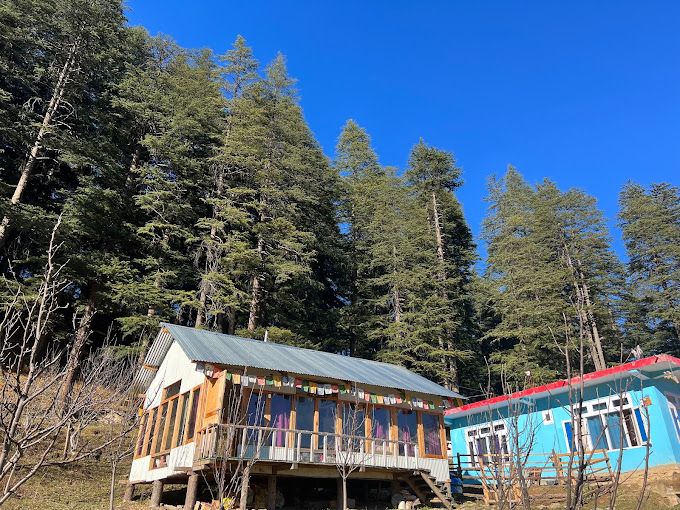
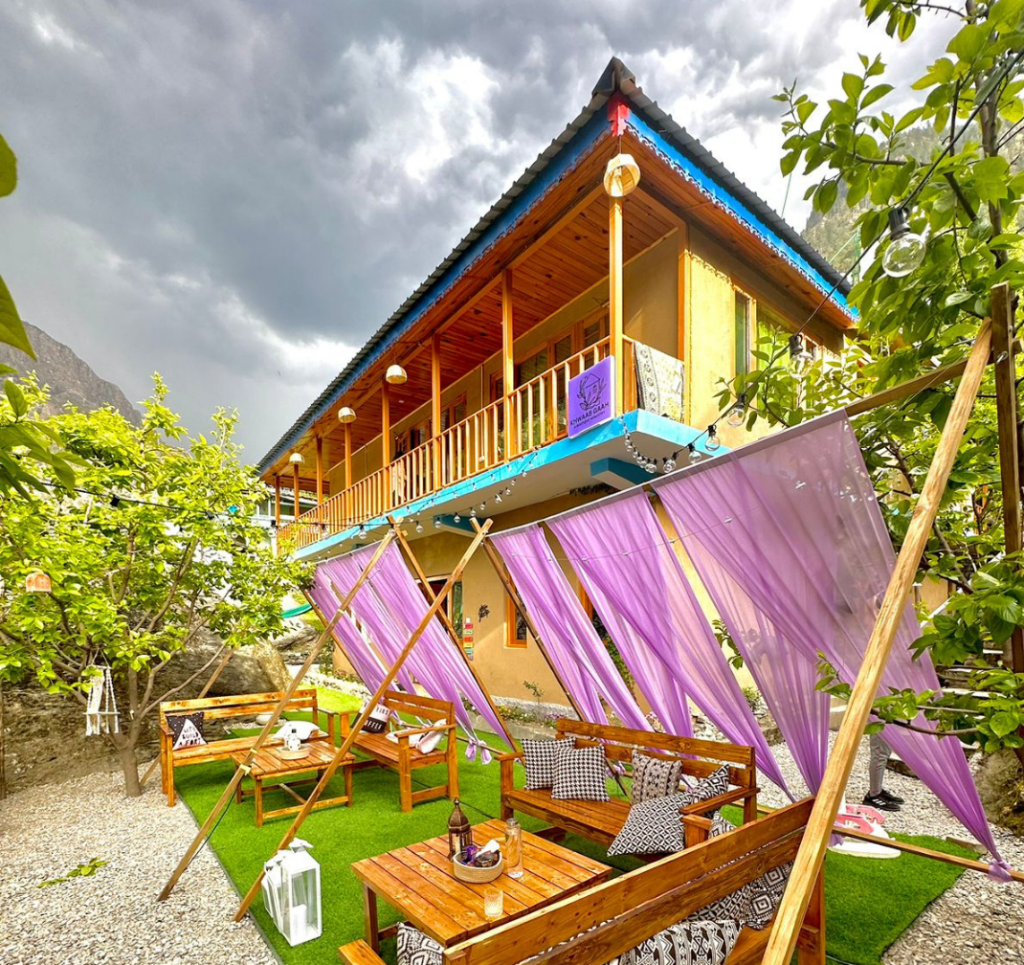
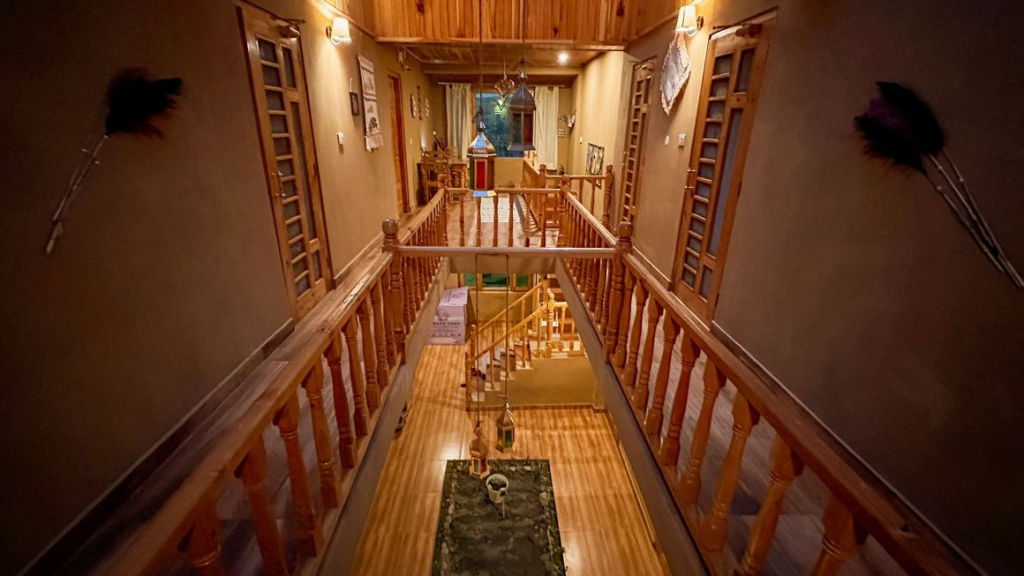
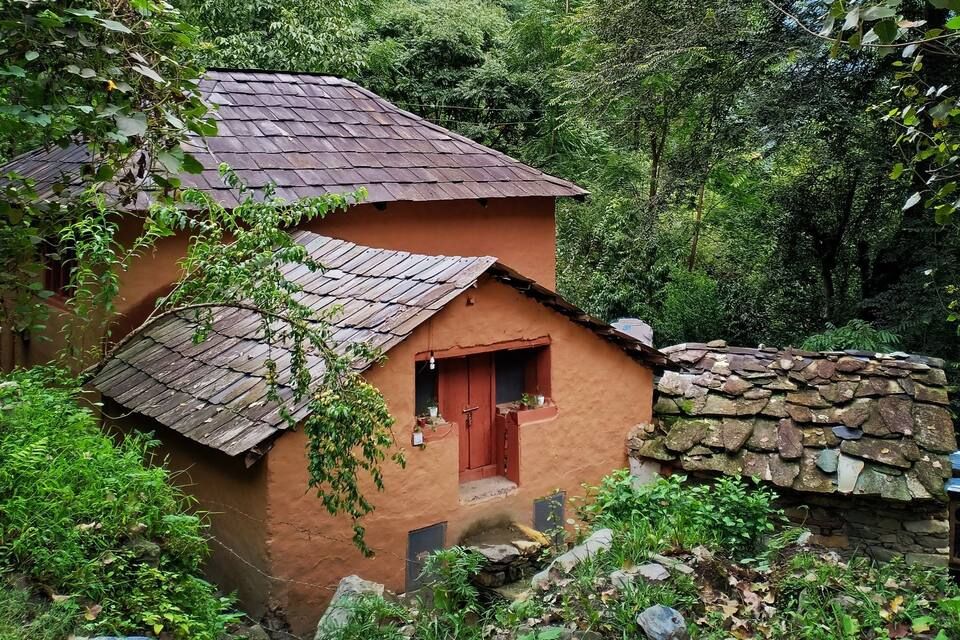
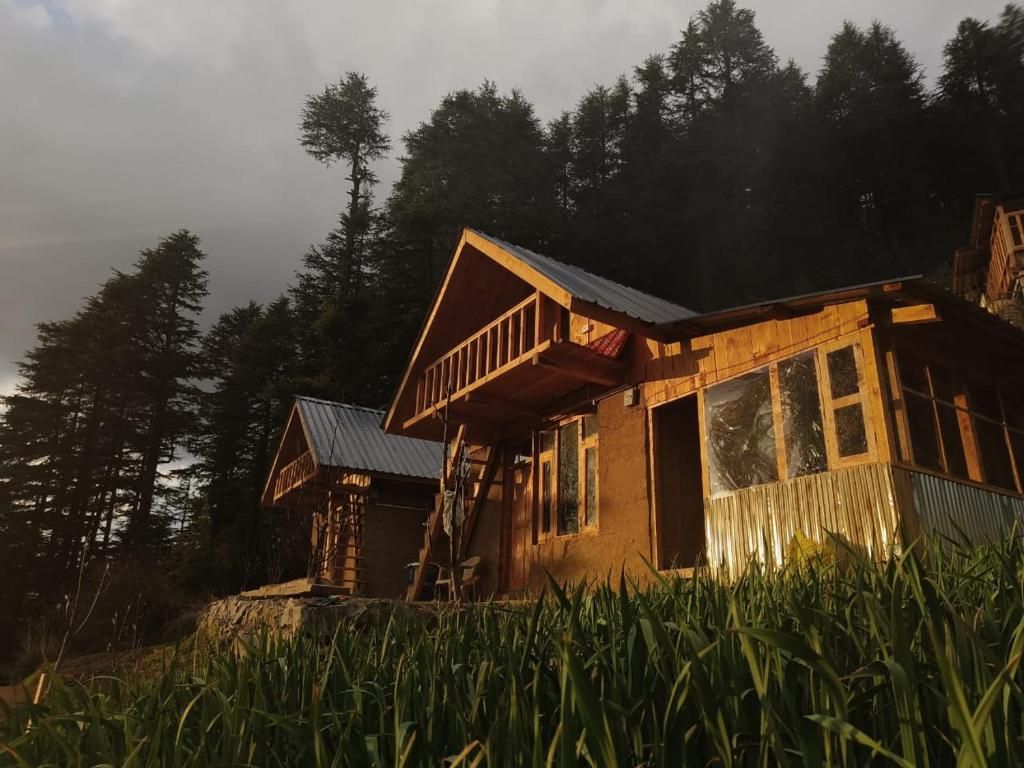
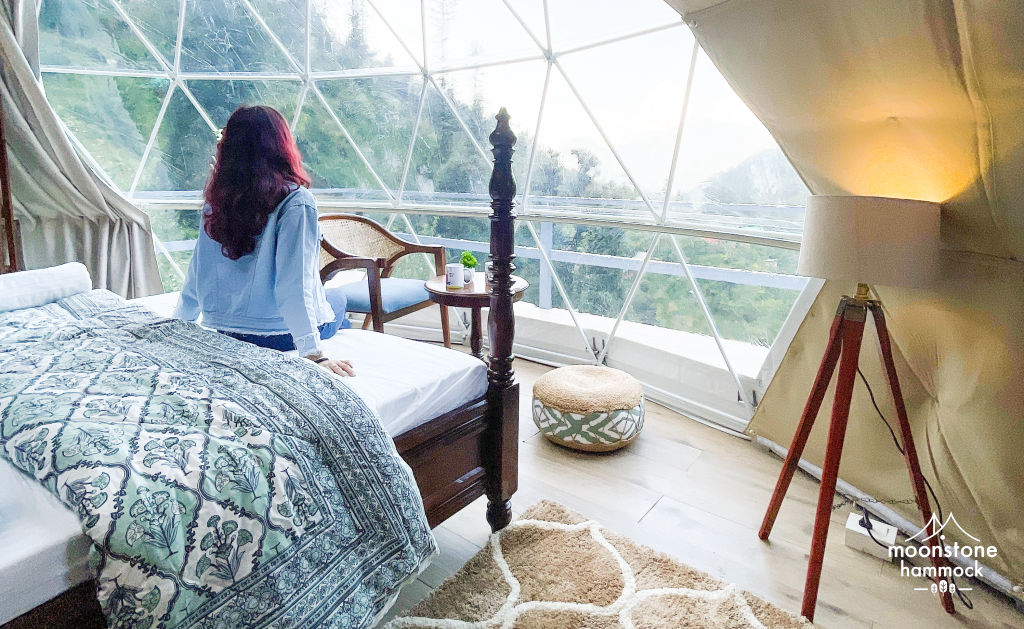
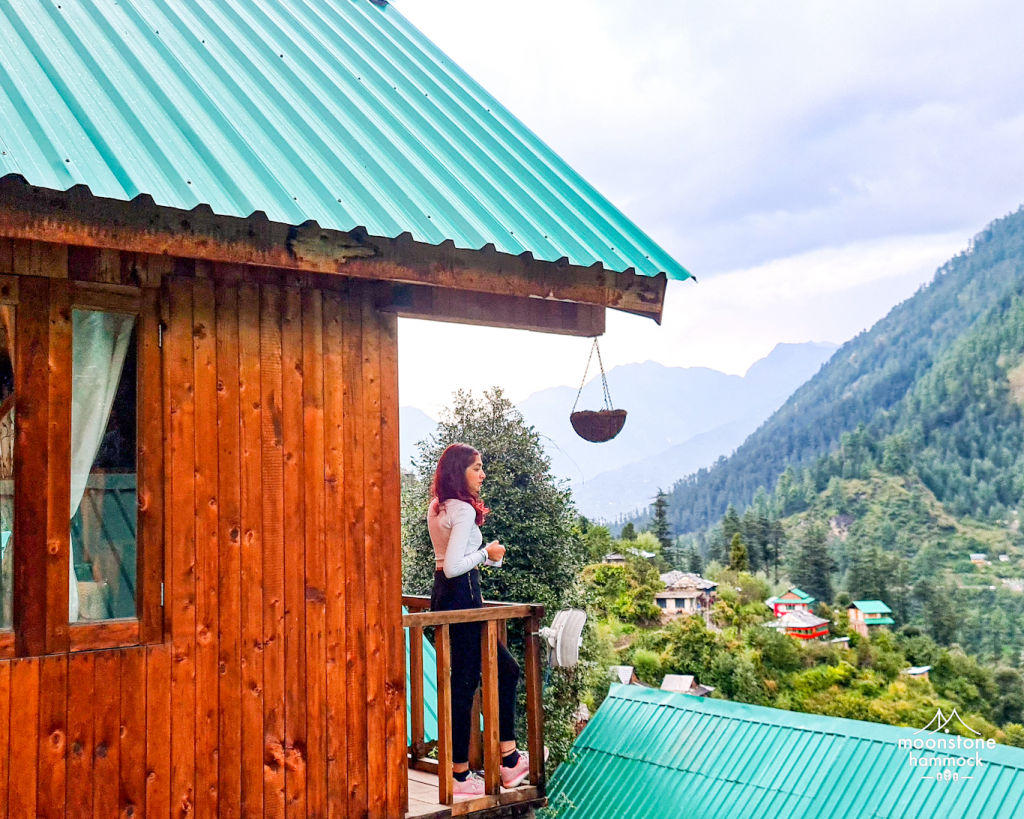
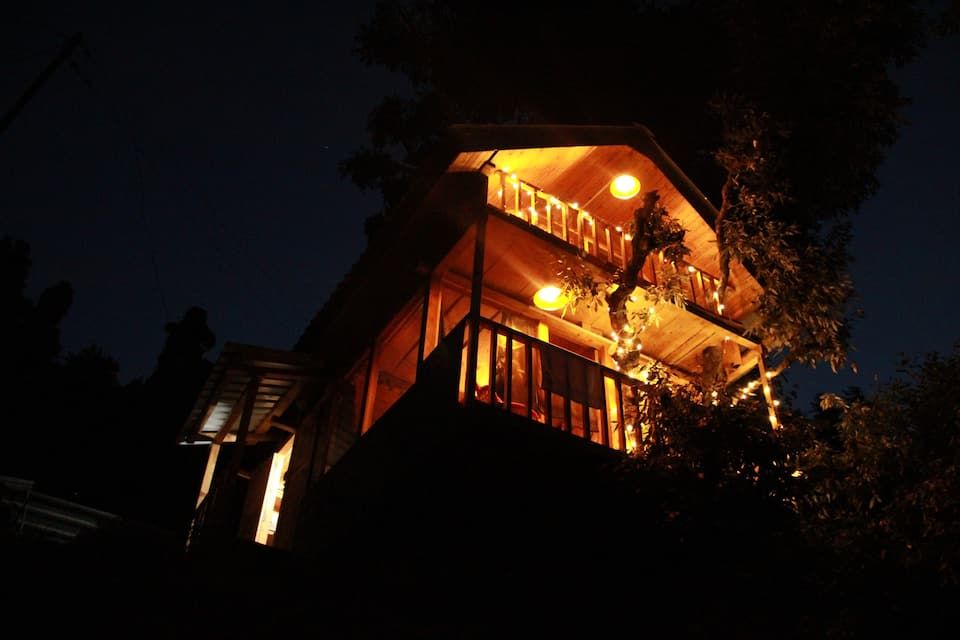
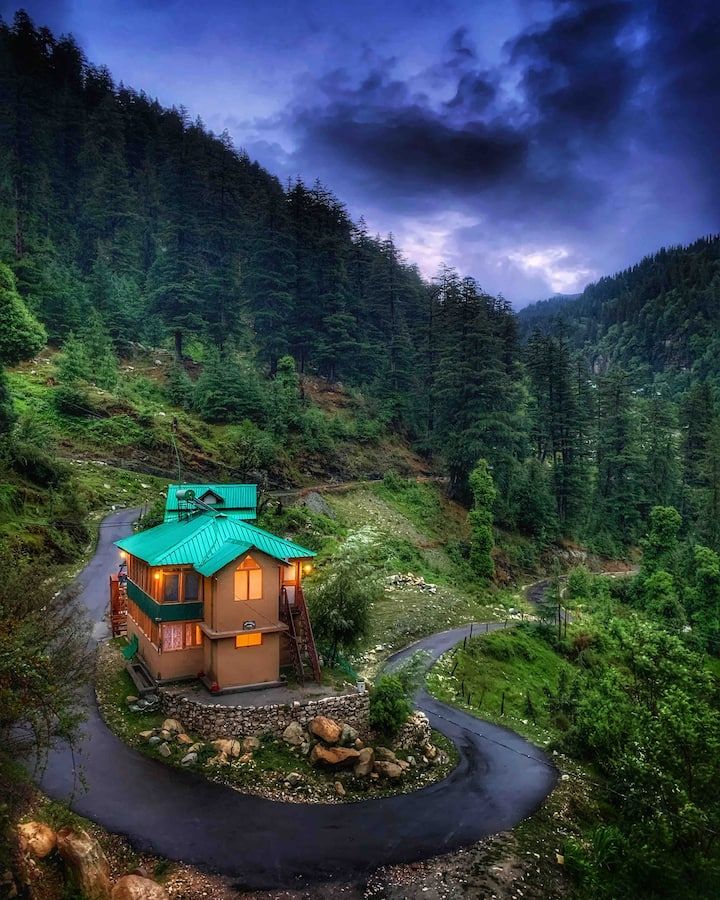
Outside the park, comfortable riverside camps, rustic cottages, and family-run homestays are abundant across the Tirthan Valley, Sainj Valley, and around Shangarh. You can discover and book verified homestays, nature stays, and tented retreats across the surrounding Himalayan valleys on HireACamp.
Frequently asked questions
Do I need a permit to visit Great Himalayan National Park?
Yes, permits are required to enter the core zone of the park. You should check the latest permit guidelines and secure them locally at the forest offices in Sai Ropa or Sainj before starting your trek.
What are the main entry points to the park?
The two primary access routes into the park begin in the Tirthan Valley near Gushaini and in the Sainj Valley near Neuli. Both gateways are reached by turning off the Mandi-Kullu highway near the Aut tunnel.
Can beginners trek in Great Himalayan National Park?
While high-altitude passes demand advanced mountaineering experience, shorter day walks and moderate two-day hikes into the ecozone buffer along river valleys are suitable for beginners with average fitness.
What wildlife can I see in Great Himalayan National Park?
The park is famous for the Western Tragopan and Himalayan Monal, as well as mammals like the Himalayan tahr, blue sheep, brown bear, and musk deer.
Is accommodation available inside Great Himalayan National Park?
There are no hotels or guest houses inside the core boundary, only wild camping spots for self-supported trekkers. Traditional homestays and riverside campsites can be found in the gateway valleys outside.
Where you'll be
Himachal Pradesh · 12 stays nearby shown with prices
As seen on Instagram
The posts this guide is built from
Stays near Great Himalayan National Park
Book a place to stay close by

Often visited together
Creators who went here also showed these


More places near Great Himalayan National Park
Within 20 km
Built from 1 Instagram post by 1 creator. Every tip links back to the post it came from, and where creators disagree we show both sides.






