
Jwalamalini Temple
Temple near Narasimharajapura, Karnataka
1.6 km from Narasimharajapura
The nearest town, for stays, food and fuel.
Jwalamalini Temple is a revered Jain pilgrimage site situated in Narasimharajapura within the verdant Malnad region of Karnataka. Dedicated to Shri Jwalamalini Devi, the guardian deity of the eighth Jain Tirthankara Bhagwan Chandraprabha, the temple draws pilgrims and cultural travellers seeking quiet reflection. Its serene countryside setting amid lush plantations and rolling hills makes it an essential spiritual stop in the district.
Getting there
By road
- From NarasimharajapuraNearest town4 min · 2.1 km
- From Mangaluru3 hr 10 min · 155 km
- From Mysuru6 hr 10 min · 267 km
- From Bengaluru7 hr · 325 km
Typical drive times without traffic. Stations and airports from OLA Maps; distances and typical drive times from OpenStreetMap (© OpenStreetMap contributors); notes from creators' Reels.
About Jwalamalini Temple
Written with AI from map data and general knowledge. Check prices and timings locally before you go.
History and significance of Jwalamalini Temple
Jwalamalini Temple at Narasimharajapura, historically known as Simhanagadde, holds a distinguished position in the Jain heritage of Karnataka. The temple is dedicated to Yakshi Jwalamalini, the protective deity associated with the eighth Tirthankara, Chandraprabhu. According to regional traditions, this site has been an active centre of the Digambara Jain tradition for several centuries and functions under the auspices of an established Jain Matha.
The deity Jwalamalini is revered by followers across southern India for her protective grace and spiritual power. Historically, this region of the Western Ghats nurtured many prominent Jain settlements, leaving behind architectural and cultural legacies that continue to thrive today. Visitors to the temple find an atmosphere steeped in devotional focus, marked by clean stone halls, peaceful courtyards, and daily rituals that have been preserved through generations.
The temple complex and architecture
The complex of Jwalamalini Temple showcases traditional southern Indian Jain architecture, designed to promote contemplation and interior silence. The sanctum sanctorum houses the idol of Jwalamalini Devi alongside representations of Jain Tirthankaras, crafted with refined stone carving techniques. Simple yet elegant pillars, open circumambulatory paths, and sheltered verandahs characterise the primary layout.
Surrounding the temple, the landscape of Narasimharajapura enhances the reflective experience. The property is bounded by tall trees, areca nut groves, and peaceful rural roads typical of the Malnad belt. Within the premises, quietude prevails, allowing worshippers and architecture enthusiasts alike to appreciate the tranquil environment away from commercial noise.
Read more
Best time to visit Jwalamalini Temple
The most comfortable time to visit Jwalamalini Temple is during the post-monsoon and winter months, spanning from October to March. During these months, the surrounding Western Ghats region experiences pleasant daytime temperatures, cool evenings, and clear skies, making road travel and outdoor exploration very pleasant.
The monsoon season, which runs from June to September, brings intense rainfall to Narasimharajapura and the wider Malnad belt. While the landscape turns exceptionally green and the surrounding rivers flow vigorously, heavy downpours can occasionally slow down road travel. Summer, from April to May, brings warmer daytime temperatures, but the lush foliage and shaded temple premises ensure it remains accessible for visitors throughout the year.
How to reach Jwalamalini Temple
Jwalamalini Temple is located in the town of Narasimharajapura in the Chikkamagaluru district of Karnataka. The town is connected by state highways and district roads to prominent hubs in the region such as Shivamogga, Chikkamagaluru town, Sringeri, and Koppa. Regular regional buses operate between these centres and Narasimharajapura, and local auto-rickshaws are available for short commutes within the settlement.
For those travelling by rail, the nearest major railway junction is at Shivamogga, from where one can board a state transport bus or hire a private vehicle to complete the journey. Travellers arriving by air can use Mangaluru International Airport or Kempegowda International Airport in Bengaluru, followed by a scenic drive through the foothills and plantations of the Western Ghats.
Tips for your visit
When planning a visit to Jwalamalini Temple, modest dress that covers the shoulders and knees is appropriate, reflecting the sacred nature of the site. Footwear must be removed before entering the inner courtyards and shrines. Because the temple conducts specific daily pujas and rituals, it is advisable to check locally regarding timings for darshan and offerings upon arrival.
Visitors should carry cash for incidental needs, as smaller vendors and rural services nearby may have limited digital payment connectivity. Photography within the inner sanctum is generally restricted to maintain the sanctity of the shrine, so always seek permission before taking pictures of the buildings and rituals. Staying hydrated and carrying light rain gear during the transitional months will ensure a smooth and comfortable excursion.
Places to visit nearby
The region around Narasimharajapura offers a rich combination of spiritual landmarks, forest drives, and elevated viewpoints. A short journey away lies the Rambhapuri Mutt, an ancient Peetha located along the banks of the Bhadra River, known for its deep philosophical roots and historic architecture. The flowing Tunga River and sacred temples such as Shri Rameshwara Temple are also easily accessible, offering quiet riverside stops.
Those interested in nature and mountain landscapes can plan excursions toward the iconic peaks of the district, including Mullayanagiri, the Baba Budan range, and Z Point near Kemmangundi. Travellers who appreciate lush biodiversity can venture westward toward the Agumbe Rainforest, celebrated for its dense canopy and dramatic evening vistas over the coastal plains.
Where to stay around Narasimharajapura
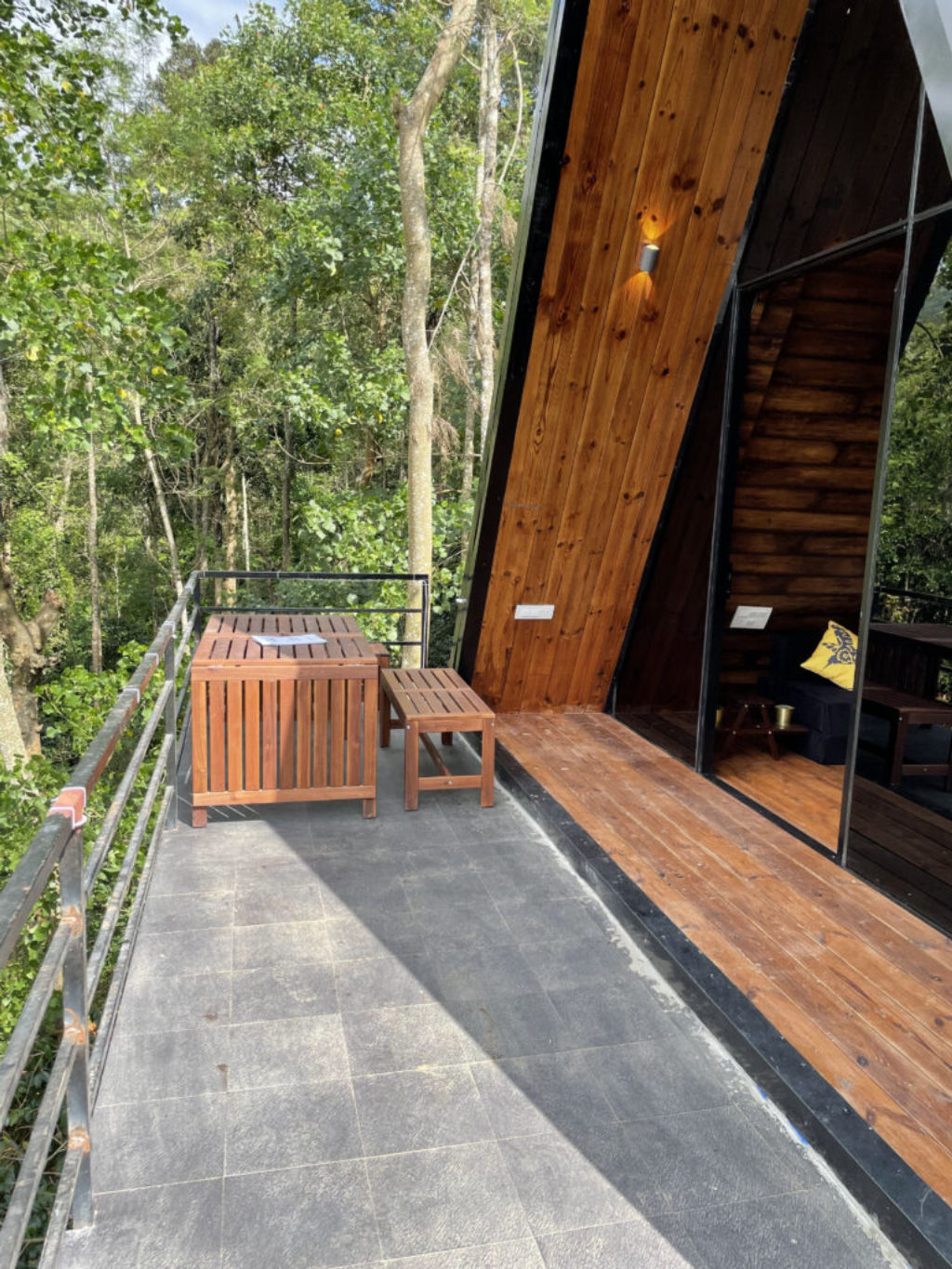
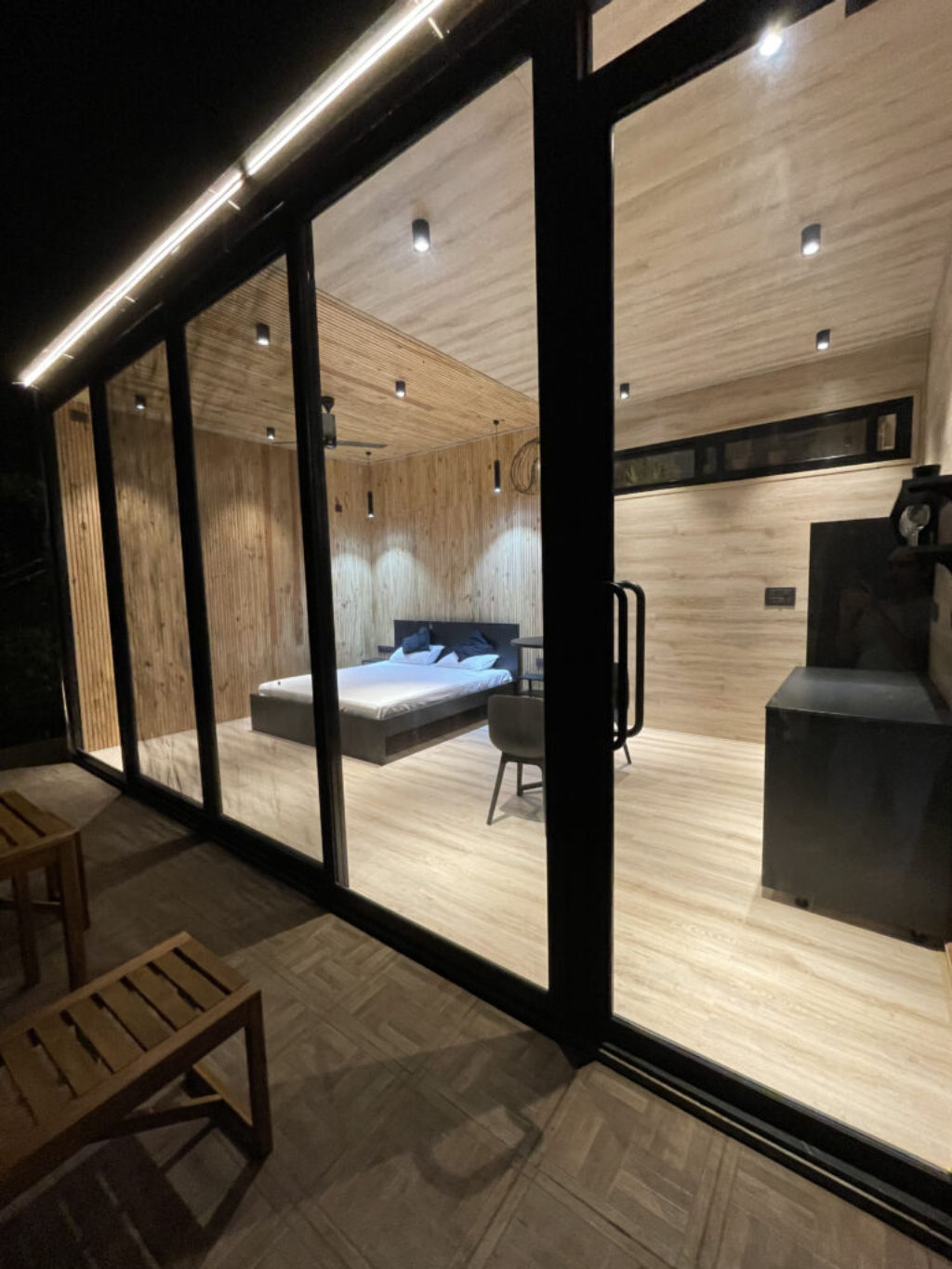
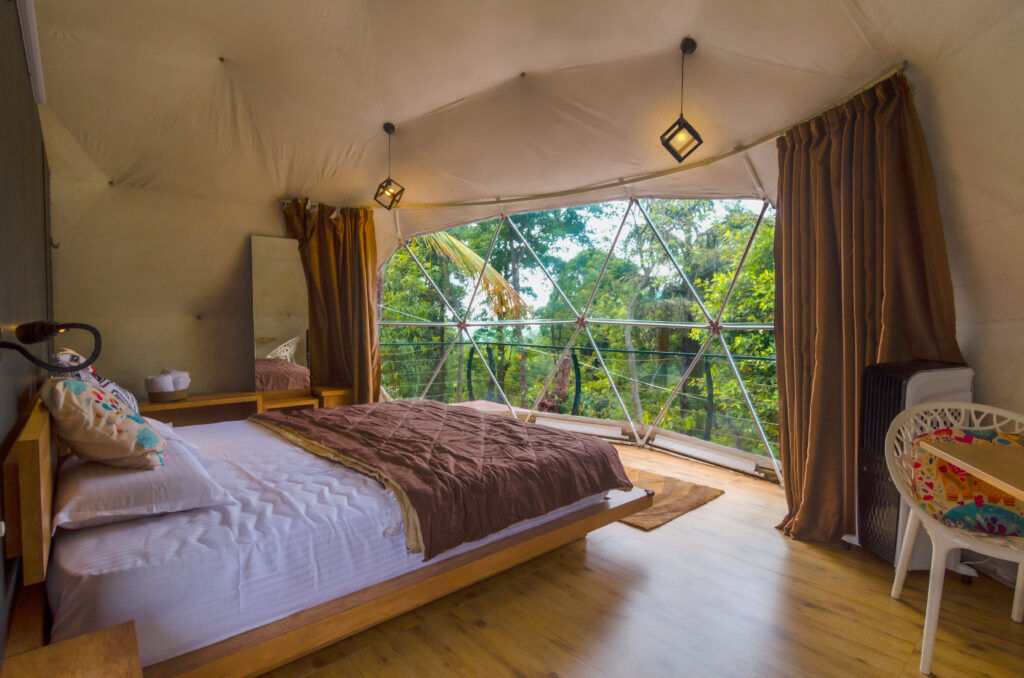
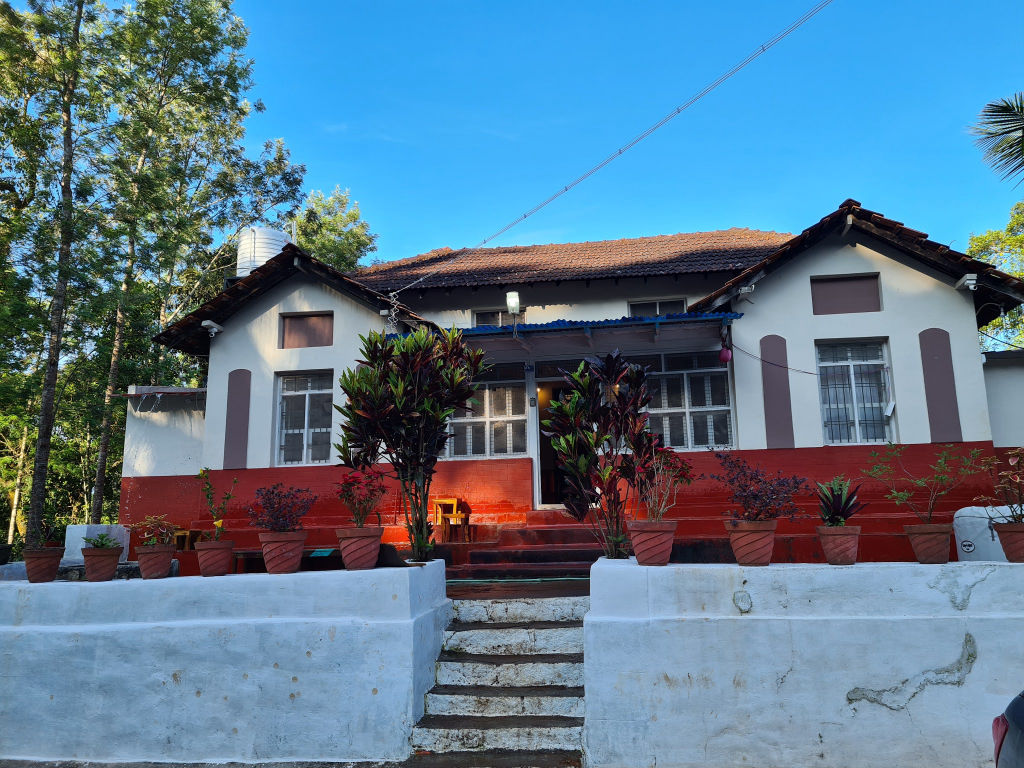
Narasimharajapura and the adjacent valleys feature a quiet, agrarian character where nature stays are the primary choice of accommodation. Travellers wishing to wake up to misty hills, birdsong, and coffee estates will find a variety of homestays, nature retreats, and eco-camps scattered across the surrounding countryside.
These properties allow guests to experience genuine Malnad hospitality, home-cooked regional meals, and peaceful evenings after a day of visiting local shrines and viewpoints. You can easily find and book verified camps, homestays, and outdoor getaways in the region on HireACamp.
Frequently asked questions
Who is the presiding deity of Jwalamalini Temple?
The temple is dedicated to Shri Jwalamalini Devi, who is venerated as the Yakshi or guardian deity of Bhagwan Chandraprabha, the eighth Tirthankara in the Jain tradition.
What is the dress code for visiting Jwalamalini Temple?
Visitors should dress conservatively in modest clothing that covers their shoulders and legs. Footwear must be removed prior to entering the temple halls.
What is the best season to visit Narasimharajapura?
The ideal period to visit is from October to March when the climate is cool, dry, and pleasant for sightseeing across the Malnad region.
Are there places to stay near the temple?
Yes, travellers can choose from a range of rural homestays, nature retreats, and outdoor camps in the neighbouring hills and plantation areas on HireACamp.
Where you'll be
Narasimharajapura · 4 stays nearby shown with prices
Stays near Jwalamalini Temple
Book a place to stay close by
More places near Jwalamalini Temple
Within 20 km


Built from 0 Instagram posts by 0 creators. Every tip links back to the post it came from, and where creators disagree we show both sides.






