
Bhadra Wildlife Sanctuary
Wildlife sanctuary near Narasimharajapura, Karnataka
9.6 km from Narasimharajapura
The nearest town, for stays, food and fuel.
Bhadra Wildlife Sanctuary is a protected reserve and Project Tiger area nestled in the Western Ghats of Karnataka, bordering the Chikkamagaluru and Shivamogga districts. Spread across undulating hills, moist deciduous forests, and the backwaters of the Bhadra River, it provides a safe haven for tigers, elephants, and rare bird species. Travellers and nature enthusiasts visit to experience authentic jungle safaris, enjoy birdwatching, and take in the pristine landscapes of Karnataka's coffee heartland.
Getting there
By road
- From NarasimharajapuraNearest town12 min · 4.3 km
- From Mangaluru3 hr 20 min · 161 km
- From Mysuru6 hr 25 min · 273 km
- From Bengaluru7 hr 10 min · 329 km
Typical drive times without traffic. Stations and airports from OLA Maps; distances and typical drive times from OpenStreetMap (© OpenStreetMap contributors); notes from creators' Reels.
About Bhadra Wildlife Sanctuary
Written with AI from map data and general knowledge. Check prices and timings locally before you go.
About Bhadra Wildlife Sanctuary
Bhadra Wildlife Sanctuary lies in the Malenadu region of Karnataka, spread over the hill ranges of the Western Ghats. The sanctuary takes its name from the Bhadra River, which winds through the landscape and whose large reservoir creates scenic water bodies throughout the reserve. Elevated ridges, including parts of the Baba Budan range, surround the valleys, giving the sanctuary a diverse topography that ranges from low-lying plains to steep forested slopes.
The reserve encompasses a rich mix of moist deciduous forests, dry deciduous stretches, semi-evergreen pockets, and lush bamboo brakes. Because it was declared a tiger reserve under Project Tiger, significant conservation efforts have helped preserve the natural corridors that wildlife depend upon. The peaceful expanse of the backwaters coupled with the dense green canopy makes it one of the most ecologically vital pockets in central Karnataka.
Flora and fauna in the sanctuary
The rich biodiversity of Bhadra Wildlife Sanctuary supports a vast array of mammals, reptiles, and birds. Predatory animals here include the Bengal tiger, leopard, and dhole, also known as the Asiatic wild dog. Herbivores thrive in large numbers across the forest floors, with prominent sightings of Indian elephants, gaur, spotted deer, sambar, barking deer, and wild boars. Common langurs, bonnet macaques, and sloth bears are also frequently seen foraging along the forested tracks.
For birdwatchers, the sanctuary is an exceptional destination. Over two hundred species of birds inhabit the region, ranging from the majestic Malabar pied hornbill and great hornbill to the emerald dove, ruby-throated bulbul, and various raptors such as the crested serpent eagle and grey-headed fish eagle. The flora is equally varied, dominated by valuable timber trees like teak, rosewood, and mathi, interspersed with expansive bamboo groves that serve as grazing grounds for elephant herds.
Read more
Things to do at Bhadra Wildlife Sanctuary
The primary activity within the sanctuary is embarking on an official forest safari. Open-topped jeep safaris organised by the forest authorities allow visitors to venture deep into the designated tourism zones, offering chances to track big cats, spot grazing herds, and appreciate the ancient trees of the Western Ghats.
Water-based boat safaris on the Bhadra reservoir are another highlight when operational, offering a quiet perspective of the shoreline where wildlife often gathers to drink in the morning or late afternoon. Dedicated birding walks along permitted peripheral zones, wildlife photography, and peaceful drives along the fringe roads make the sanctuary an immersive outdoor getaway.
Best time to visit
The best time to visit Bhadra Wildlife Sanctuary is from October to March. During these post-monsoon and winter months, the forest remains lush and vibrant, the weather is comfortably cool, and bird activity is at its peak. Water levels in the reservoir remain high, adding to the visual beauty of the landscape.
The summer months, spanning from March to May, become quite warm and dry. However, this is widely considered an excellent window for animal sightings because the thinned foliage increases visibility, and wildlife regularly convenes near the surviving waterholes and reservoir banks. The monsoon season between June and September brings heavy, relentless rainfall to the Western Ghats. While the landscape turns dramatically green, safari tracks often become muddy or temporarily restricted, making travel more challenging.
How to reach Bhadra Wildlife Sanctuary
Bhadra Wildlife Sanctuary is well connected by road from major cities in Karnataka. The nearest small town is Narasimharajapura, while larger hubs like Chikkamagaluru, Tarikere, and Shivamogga serve as convenient gateways. From Bengaluru, the sanctuary is roughly a five to six hour drive via the National Highway towards Hassan or Arsikere, continuing through Chikkamagaluru or Tarikere.
Travelers relying on trains can alight at Kadur, Birur, or Shivamogga railway stations, all of which are situated within comfortable driving distance of the sanctuary gates. From the stations, local taxis and state transport buses run frequently towards the sanctuary's entry points. The nearest airports are located at Mangaluru and Bengaluru, offering domestic and international connections.
Places to visit nearby
A trip to Bhadra Wildlife Sanctuary pairs easily with several scenic and cultural landmarks in the surrounding district. The Bhadra Dam, located just outside the forest edge near Lakkavalli, is an impressive engineering site that impounds the river waters and provides broad sunset views across the reservoir.
To the south and west lie the misty peaks of the Chikkamagaluru hill range, including Mullayanagiri, the highest peak in Karnataka, and Baba Budan Hills, famed for early coffee cultivation and walking routes. Nearby natural attractions include the popular viewpoint at Z Point, Abbigundi Falls, Jhari water falls path, and the serene Hirekolale Lake. Cultural travelers can explore historic spiritual centers like Sri Kshetra Simhanagadde and Jwalamalini Temple, while bird lovers often add the Mandagadde Bird Sanctuary island to their itinerary.
Tips for your visit
When planning your trip to Bhadra Wildlife Sanctuary, verify safari schedules, entry requirements, and vehicle regulations locally with the forest department beforehand, as timings and routes are subject to seasonal weather changes. Avoid wearing brightly colored clothes during your visit; earthy shades of green, khaki, brown, and grey help you blend into the natural surroundings and keep animals undisturbed.
Maintain strict silence while inside the reserve and never attempt to feed or approach wild animals. Carry essential outdoor supplies, including insect repellent, sturdy walking shoes, a hat, and sufficient drinking water. Please adhere to responsible tourism guidelines by carrying back all plastic and waste, ensuring this fragile Western Ghats ecosystem remains pristine.
Where to stay
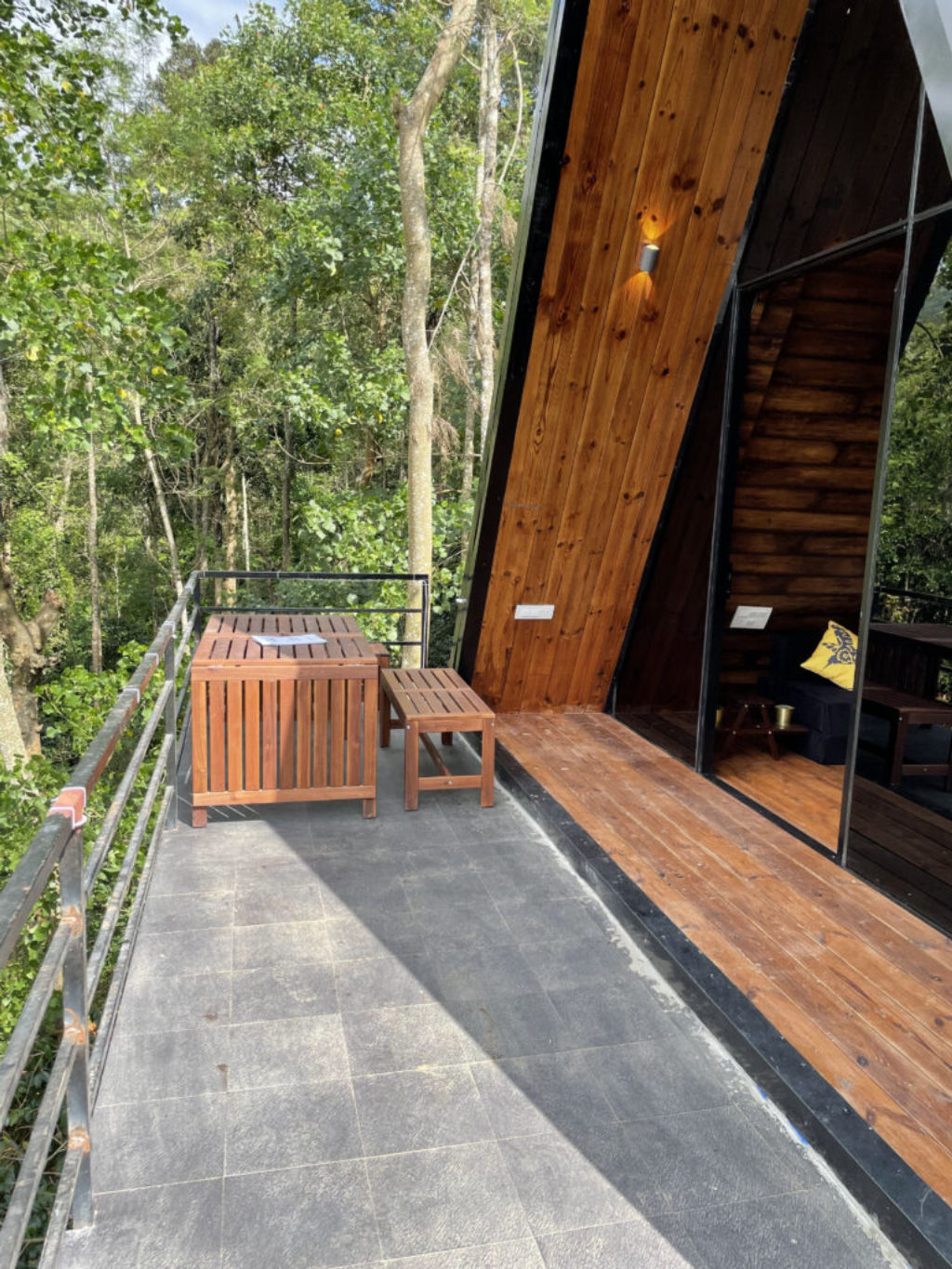
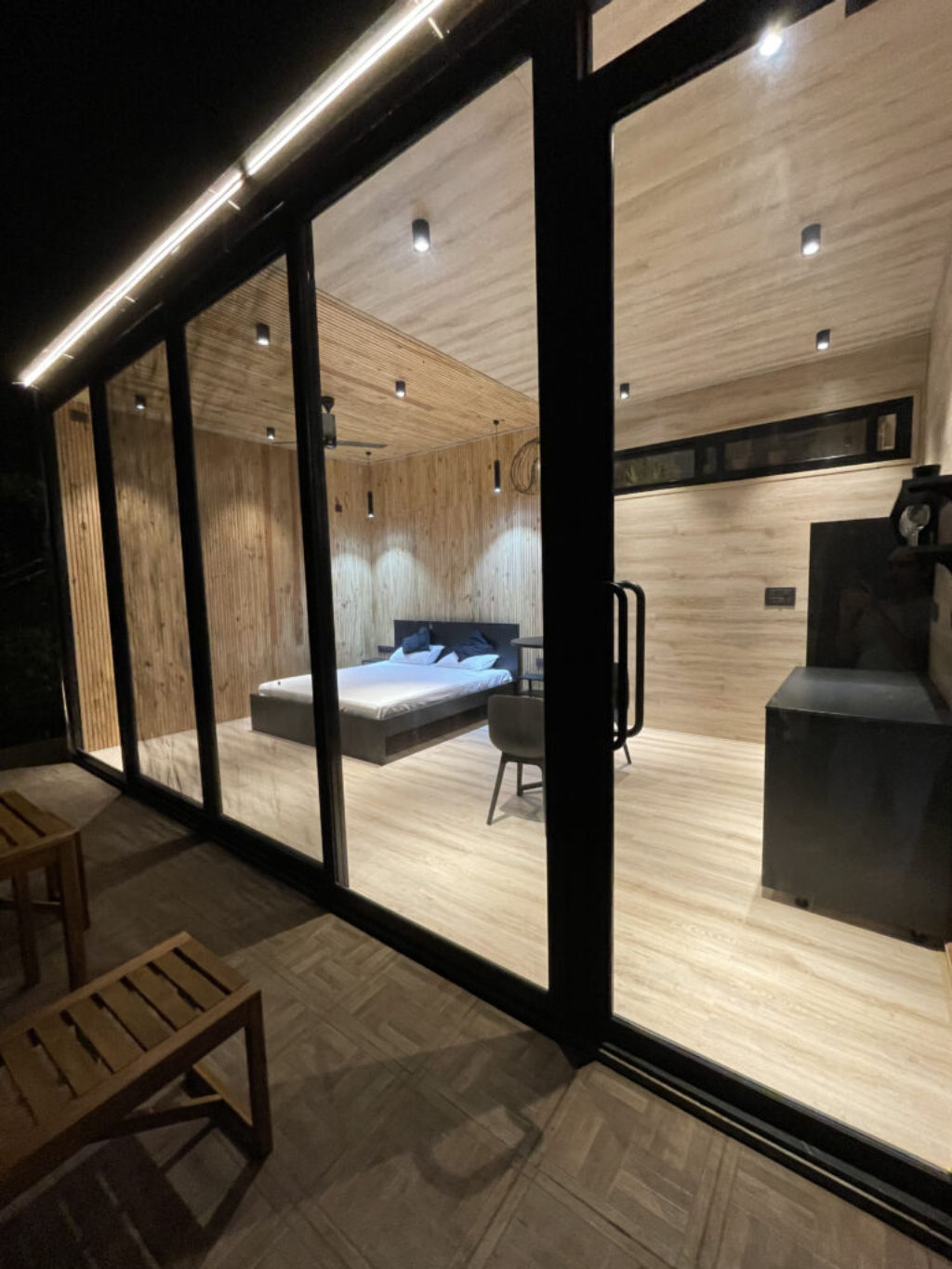
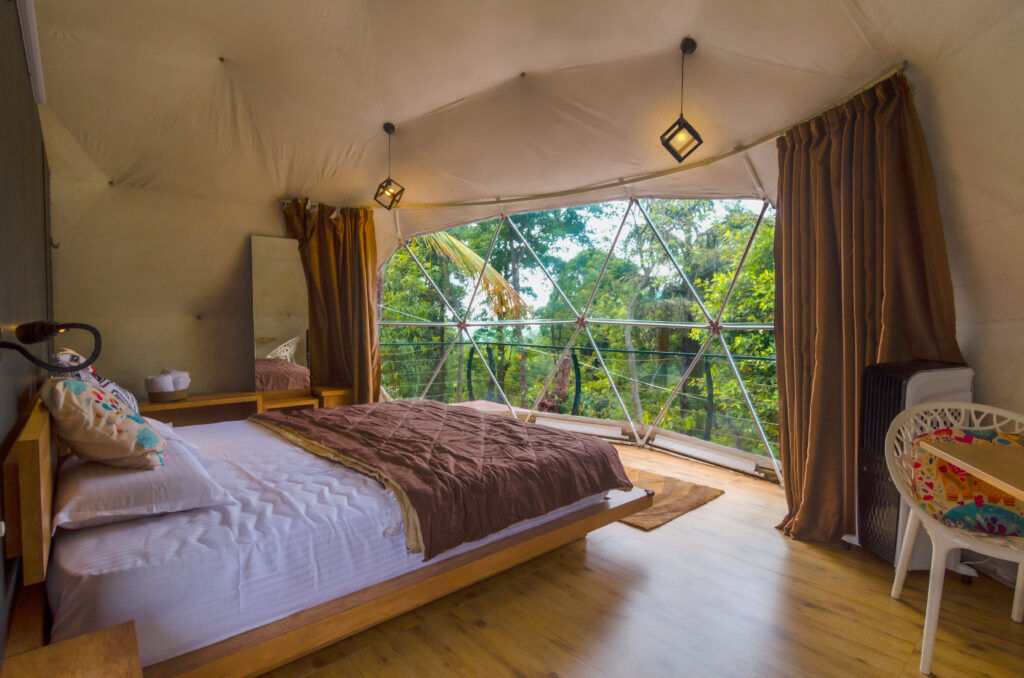
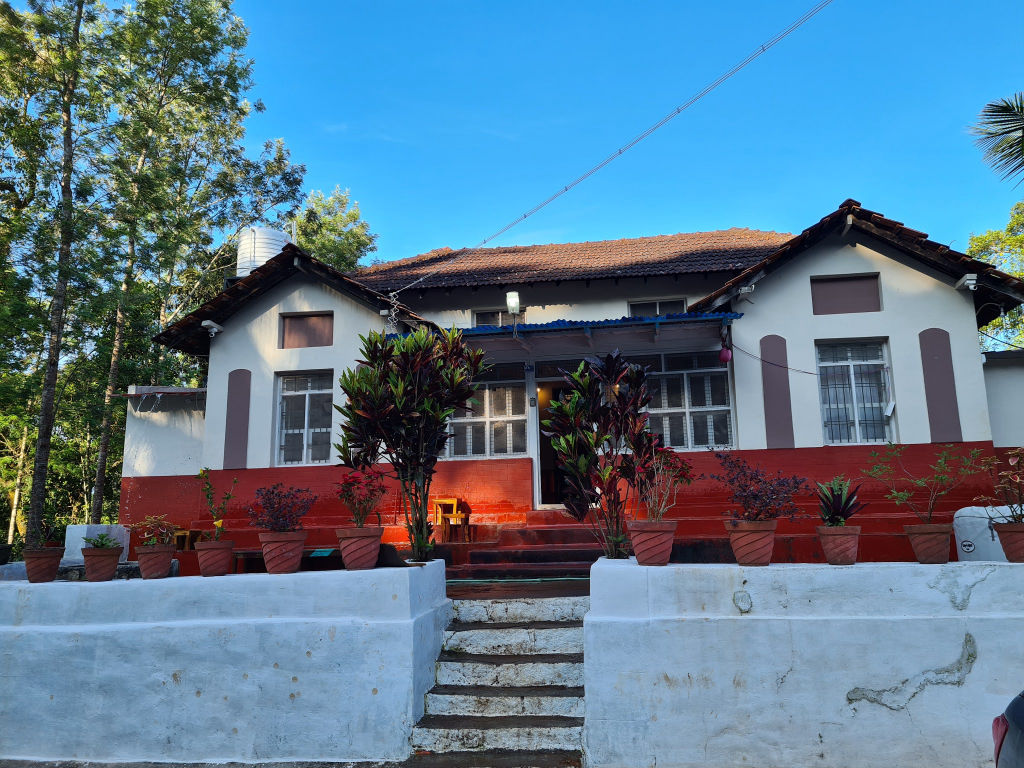
Accommodation options around Bhadra Wildlife Sanctuary range from riverside retreats and estate cottages to plantation homestays set amidst sprawling coffee bushes. Staying close to the reserve allows you to wake up early for morning safaris and enjoy clear night skies far away from city light.
If you are searching for experiential stays, verified homestays, or scenic outdoor campsites around the sanctuary and greater Chikkamagaluru, you can browse and book unique listings directly through HireACamp.
Frequently asked questions
What animals can I see at Bhadra Wildlife Sanctuary?
Visitors may see elephants, gaur, sambar deer, spotted deer, barking deer, wild boars, and langurs. The sanctuary is also home to tigers, leopards, and sloth bears, though sightings of big cats depend on luck and seasonal conditions.
How do I book a safari at Bhadra Wildlife Sanctuary?
Safaris are managed and operated by the Karnataka Forest Department and authorized wildlife authorities. It is best to check locally at official forest range offices or entry counters regarding daily timings, vehicle allocations, and current booking procedures.
What is the best time of year to visit?
The most pleasant months are between October and March when the weather is mild and the jungle is green. If your main objective is spotting wildlife around waterholes, the warmer pre-monsoon months of March to May offer good chances.
What are the nearest rail and air hubs?
The most convenient railway junctions are Birur, Kadur, and Shivamogga, all located within short driving distance. The closest operational airports are in Mangaluru and Bengaluru.
Where you'll be
Chikkamagaluru, Narasimharajapura, KA · 4 stays nearby shown with prices
Stays near Bhadra Wildlife Sanctuary
Book a place to stay close by
More places near Bhadra Wildlife Sanctuary
Within 20 km


Built from 0 Instagram posts by 0 creators. Every tip links back to the post it came from, and where creators disagree we show both sides.






