
Kainchi Dham
Temple near Bhowali, Uttarakhand
3.7 km from Bhowali
The nearest town, for stays, food and fuel.
Kainchi Dham is a renowned temple and ashram complex located near Kosya Kutauli in the tranquil Kumaon hills of Uttarakhand. Established in the 1960s by the revered mystic Neem Karoli Baba, the sanctuary is devoted to Lord Hanuman and sits in a lush mountain valley beside a gentle river. Travellers and devotees come from across the world to meditate, absorb the quiet spiritual atmosphere, and find respite in the peaceful Himalayan foothills.
Getting there
By road
- From BhowaliNearest town11 min · 9.2 km
- From Dehradun6 hr 25 min · 304 km
- From New Delhi6 hr 50 min · 305 km
- From Lucknow7 hr 55 min · 443 km
Typical drive times without traffic. Stations and airports from OLA Maps; distances and typical drive times from OpenStreetMap (© OpenStreetMap contributors); notes from creators' Reels.
About Kainchi Dham
Written with AI from map data and general knowledge. Check prices and timings locally before you go.
The spiritual legacy of Kainchi Dham
Kainchi Dham carries an enduring spiritual aura that draws pilgrims, thinkers, and travellers from every corner of the globe. Founded in the 1960s by the saint Neem Karoli Baba, affectionately known as Maharaj-ji, the ashram was built around modest platforms where he sat and communed with devotees. The primary shrine within the complex is dedicated to Lord Hanuman, reflecting Maharaj-ji's deep devotion to the deity.
Over the decades, the ashram gained global attention as prominent global thinkers, tech visionaries, and seekers visited in search of clarity and inner peace. Despite its international renown, the atmosphere within the complex remains remarkably simple, unpretentious, and grounded. The ashram encourages inward reflection, prayer, and silent meditation, offering visitors an environment where the distractions of modern life naturally quiet down.
Setting and surroundings of the ashram
The name Kainchi translates locally to scissors, describing the sharp, criss-crossing shape of the two mountain ridges that cradle the valley. The temple complex is set at an altitude of approximately fourteen hundred metres, tucked neatly along the banks of the Kshipra river in the Kosya Kutauli tehsil of Nainital district.
Surrounded by steep hills blanketed in chir pine, oak, and deodar trees, Kainchi Dham enjoys a calm microclimate. The sound of running mountain water flows along the perimeter of the courtyards, blending with the soft chanting of prayers and traditional hymns. The clean, whitewashed walls and vibrant red domes of the temple buildings stand out vividly against the green mountainsides, creating an inviting visual harmony between human craftsmanship and nature.
Read more
Best time to visit Kainchi Dham
Kainchi Dham can be visited throughout the year, with each season offering a distinctly different mood in the Kumaon hills. Spring and summer, stretching from March to June, bring mild days and cool evenings. This is the most popular time for travellers looking to escape the heat of the northern Indian plains, with temperatures remaining pleasant for both temple visits and outdoor exploration.
The monsoon months from July to September transform the surrounding valleys into deep shades of green, with mountain streams running full and low clouds drifting through the pine groves. However, mountain roads can be prone to intermittent roadblocks during heavy spells of rain, so travellers should check road conditions before heading out.
Winter arrives by late October and lasts through February, bringing crisp, chilly air and clear blue mountain skies. Days are sunny and comfortable, while nights can drop close to freezing. For those who appreciate stillness, solitude, and quiet prayers, the winter months offer an uncrowded and peaceful experience of the ashram.
How to reach Kainchi Dham
Kainchi Dham is conveniently positioned along the national highway connecting Kathgodam and Almora, making it easy to access by road from major transit points in Uttarakhand. The nearest railhead is Kathgodam, situated in the foothills. From the railway station, regular buses and shared mountain taxis travel up towards Bhowali and Kosya Kutauli, dropping passengers right outside the temple gates.
If you are flying in, the closest domestic airport is at Pantnagar, from where you can hire a private taxi to make the mountain ascent. Travellers driving from Delhi typically travel via Moradabad, Rampur, and Haldwani before climbing into the Kumaon hills. The drive takes you past bustling market towns before opening up into winding roads lined with fruit orchards and pine forests.
Places to explore nearby
A trip to Kainchi Dham can easily be combined with exploring the scenic towns and nature spots of the Nainital region. Just a short drive uphill lies the bustling town of Nainital, famed for its eye-shaped emerald lake where you can spend an afternoon boating or taking a relaxed walk along Mall Road.
For sweeping views of the greater Himalayan ranges, travellers head up to Snow View point or hike towards the ridge at Lariakanta, which offers expansive panoramas of the surrounding forested slopes. Wildlife and birding enthusiasts can spend time at the Pt. G.B. Pant High Altitude Zoo, known for sheltering Himalayan species amidst steep mountain terrain. The nearby fruit belt around Bhowali and Ramgarh is also ideal for quiet drives through terraced orchards and serene hill hamlets.
Tips for your visit to Kainchi Dham
Because Kainchi Dham is an active place of worship and meditation, visitors are asked to respect local customs and maintain a quiet, decorous atmosphere. Dress modestly, covering shoulders and knees, and remove your footwear at the designated stands outside the main complex before stepping onto the temple courtyards.
Photography and video recording are generally restricted inside the main inner shrines to preserve the sacredness of the space; always look for posted guidance or ask the temple staff before pulling out a camera. During auspicious days, weekends, and major festival dates such as the annual ashram consecration day in June, the temple sees large influxes of devotees. Visiting early in the morning or during mid-week days allows for a far more contemplative and unhurried experience.
Where to stay near Kainchi Dham
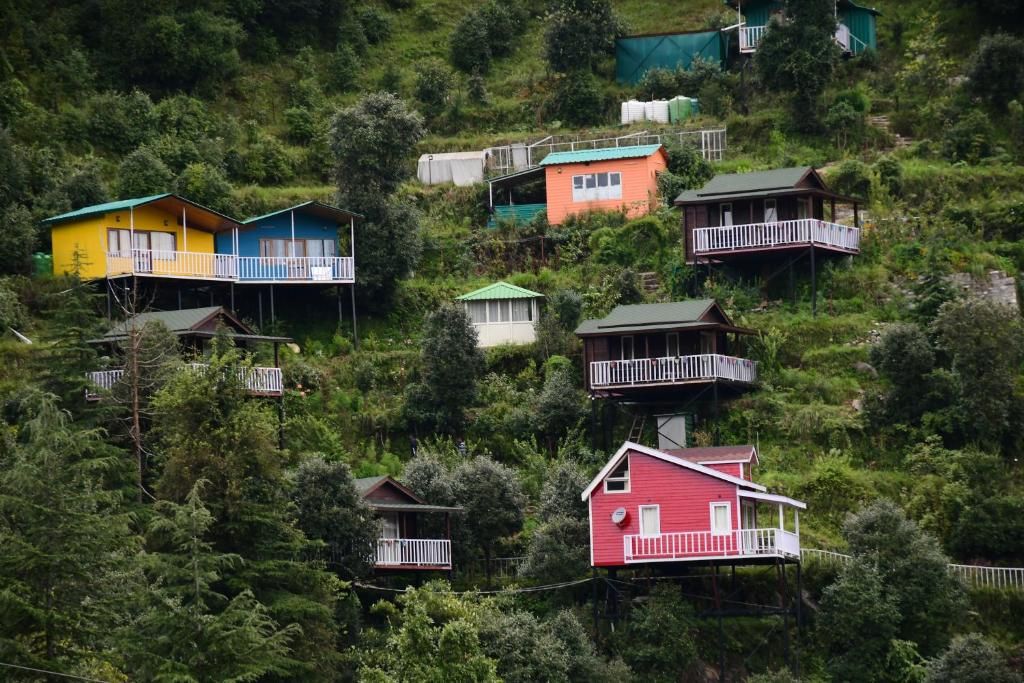
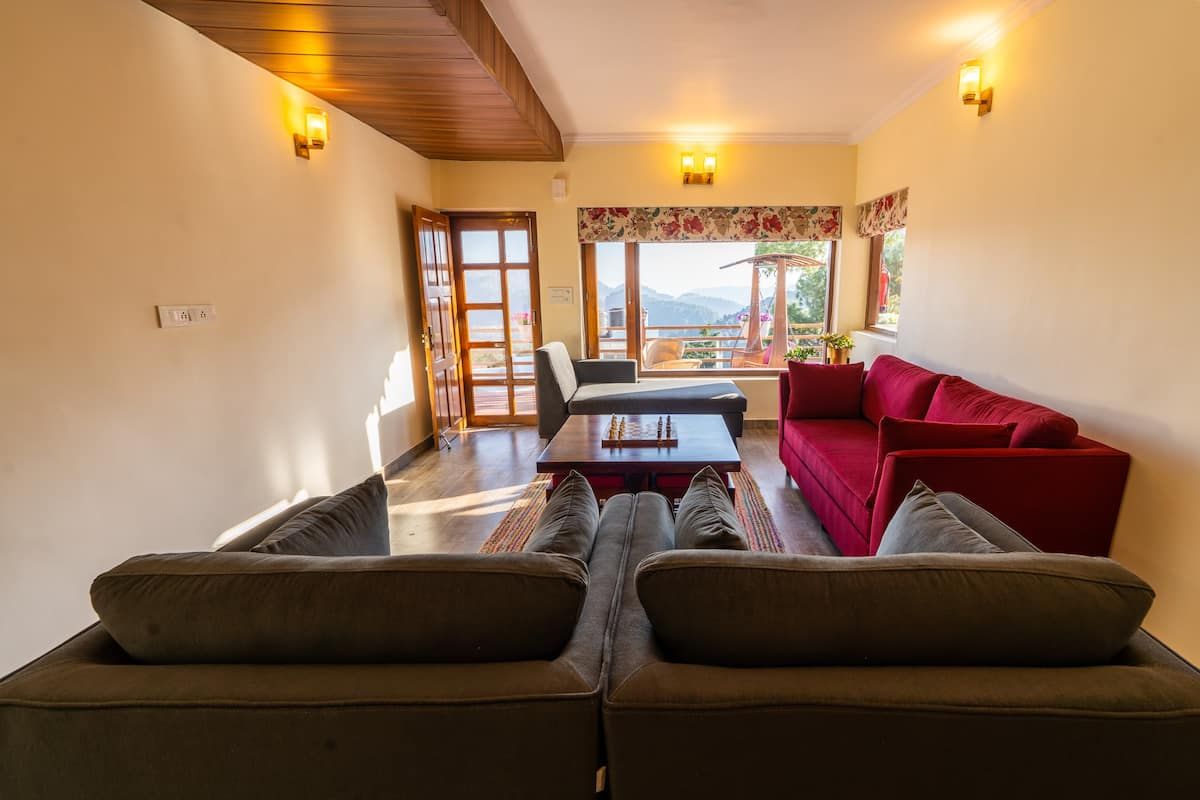
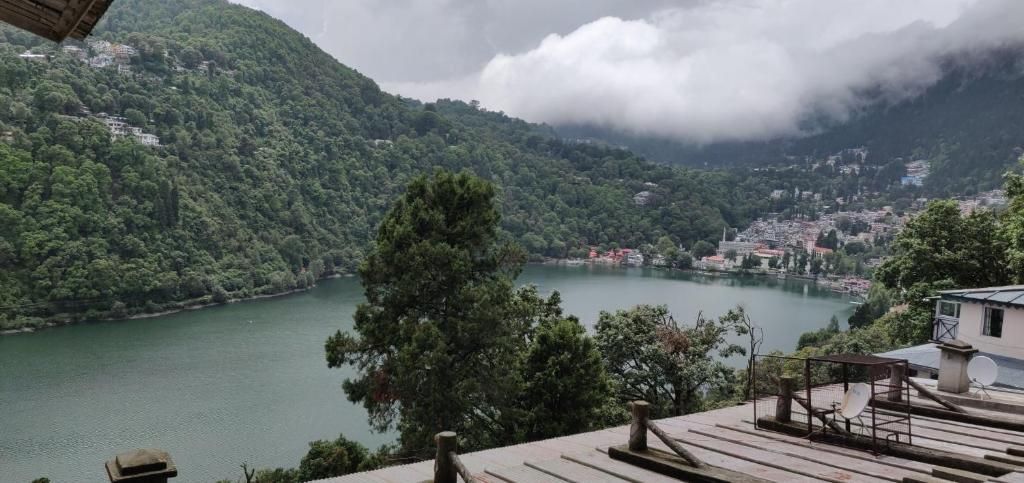
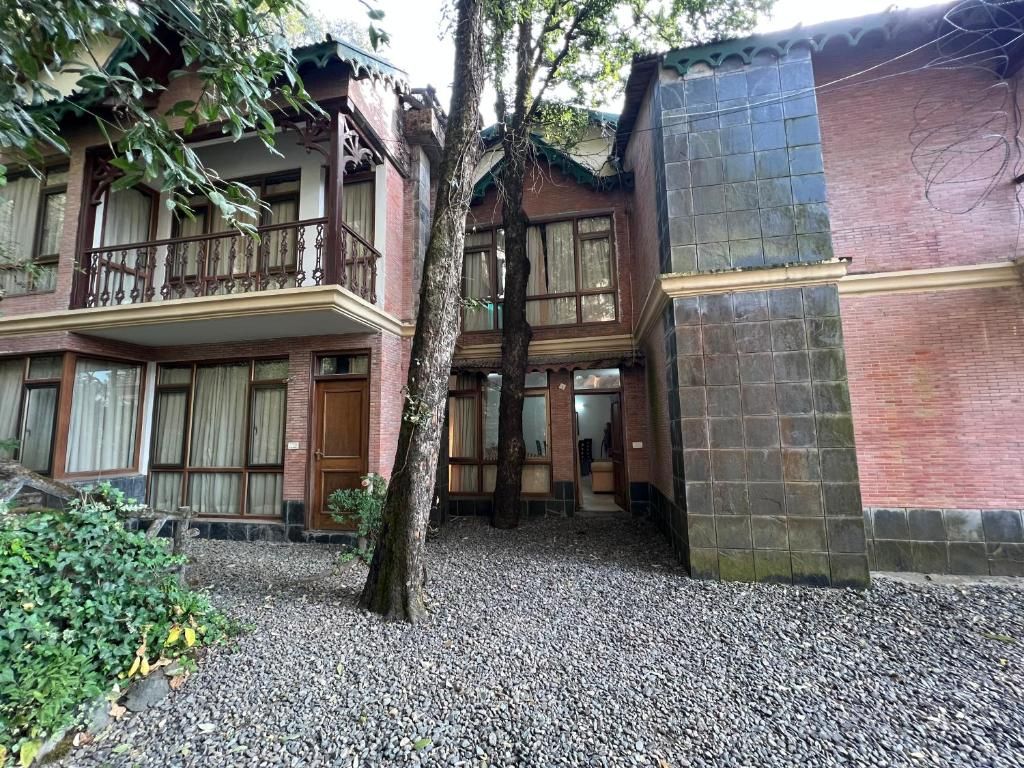
While short-term stay options within the ashram itself are strictly regulated and require prior arrangement with the management, the surrounding hills of Kosya Kutauli, Bhowali, and the wider Nainital district offer numerous alternatives for every kind of traveller.
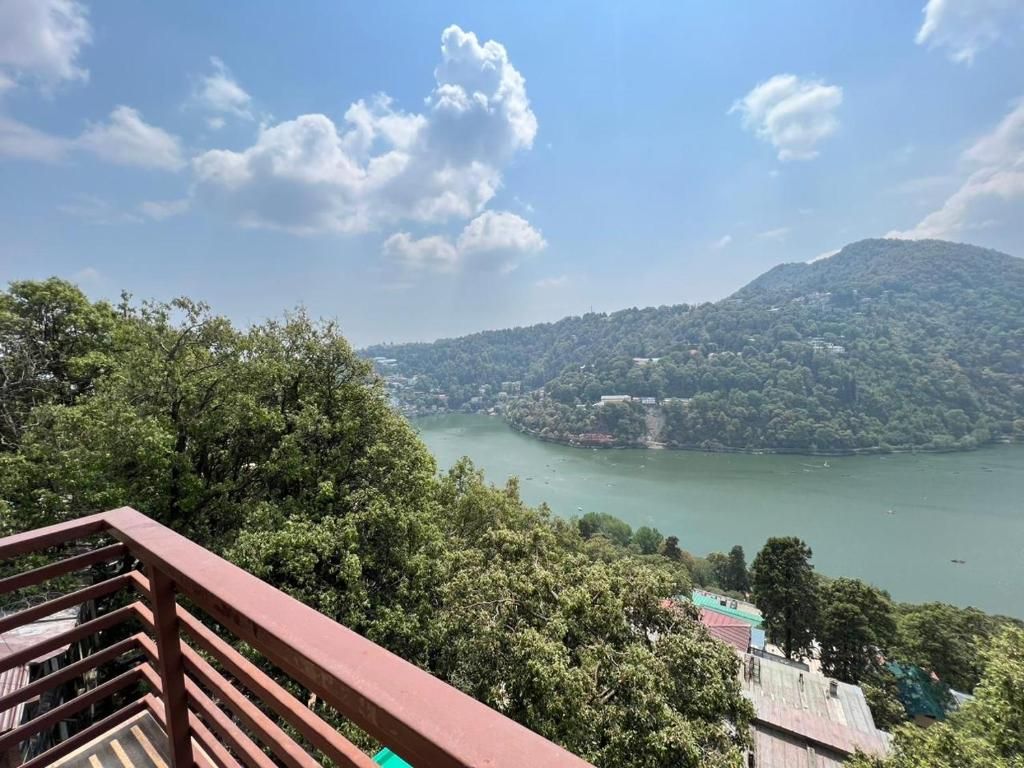
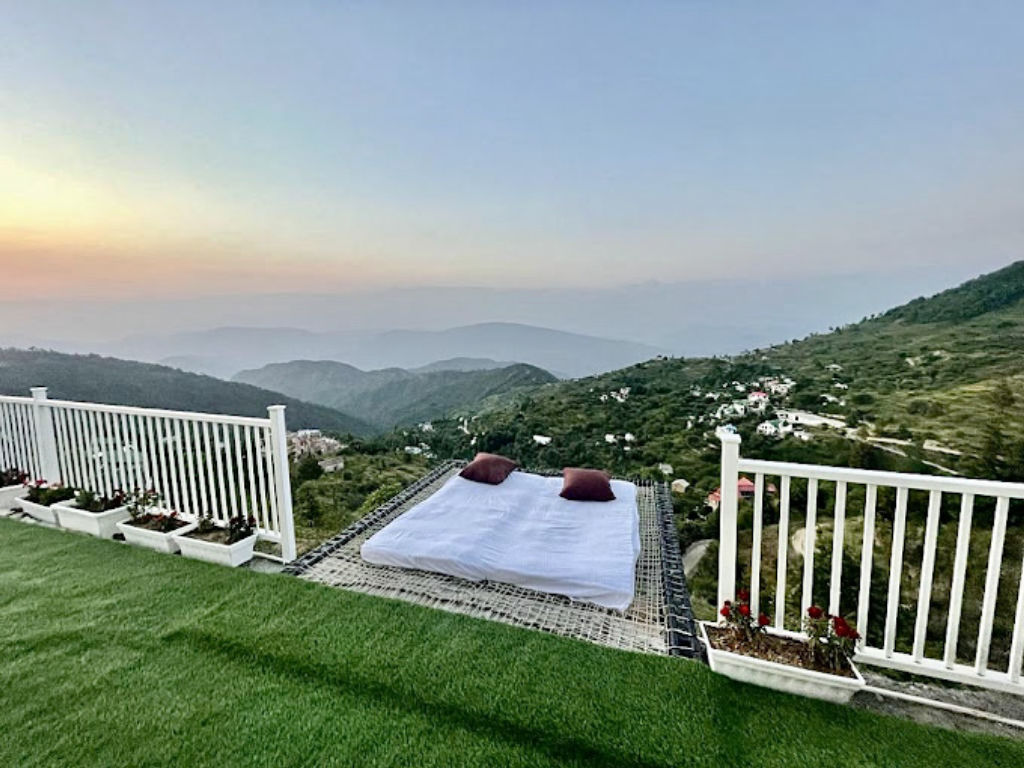
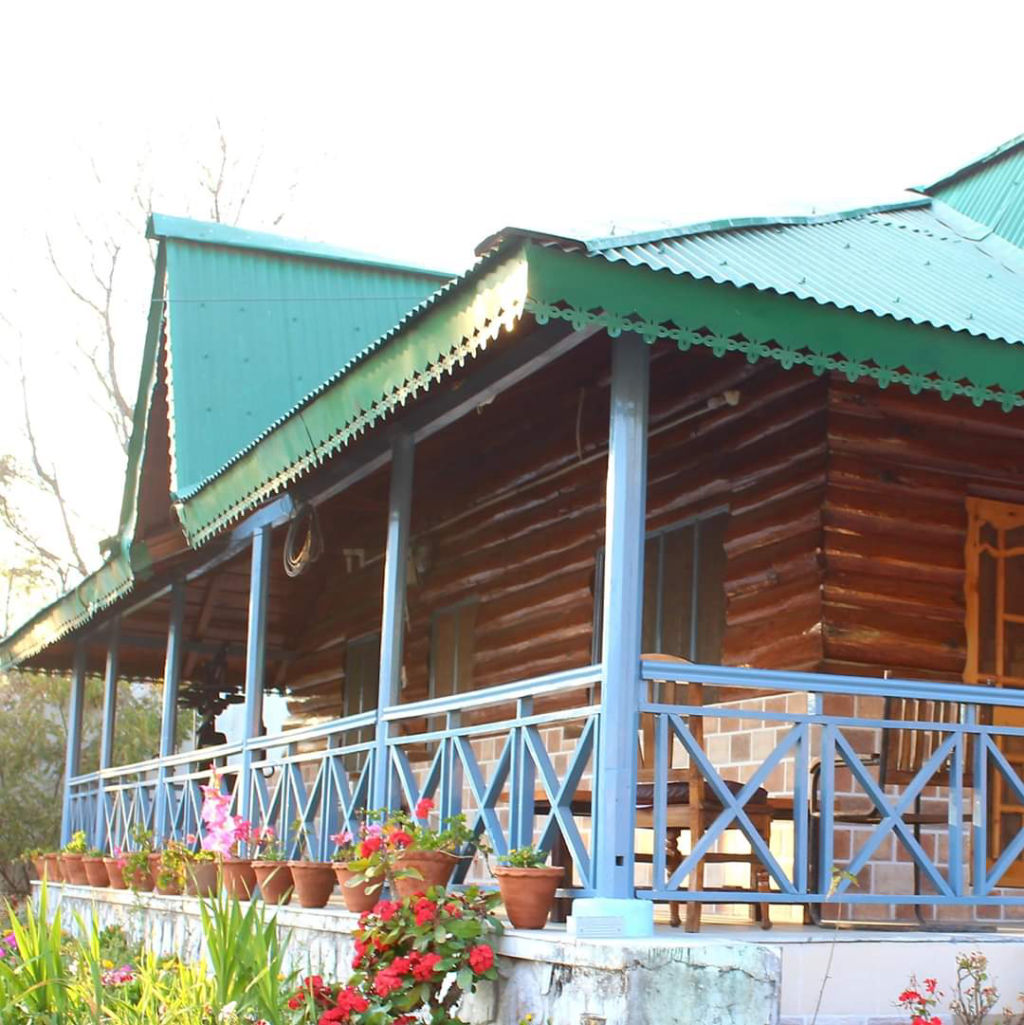
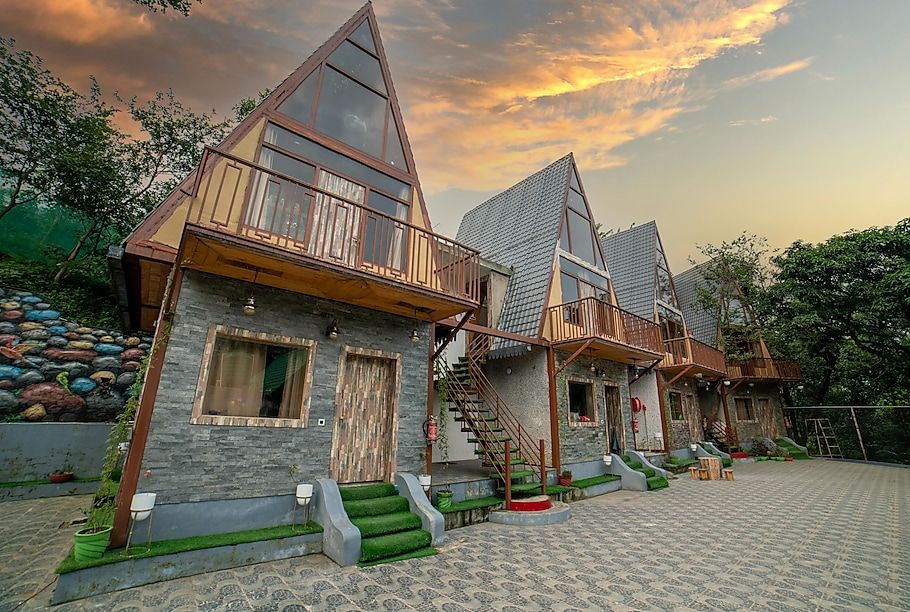
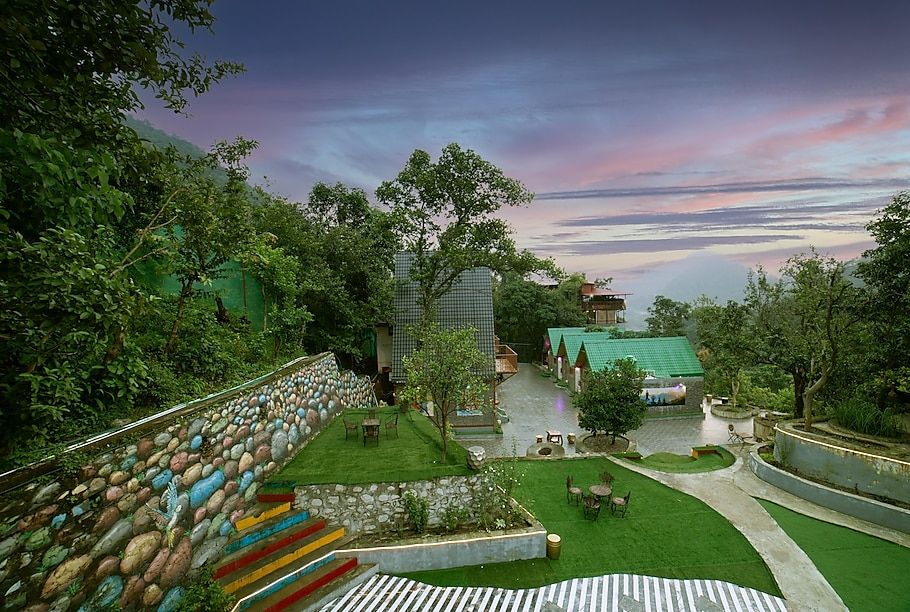
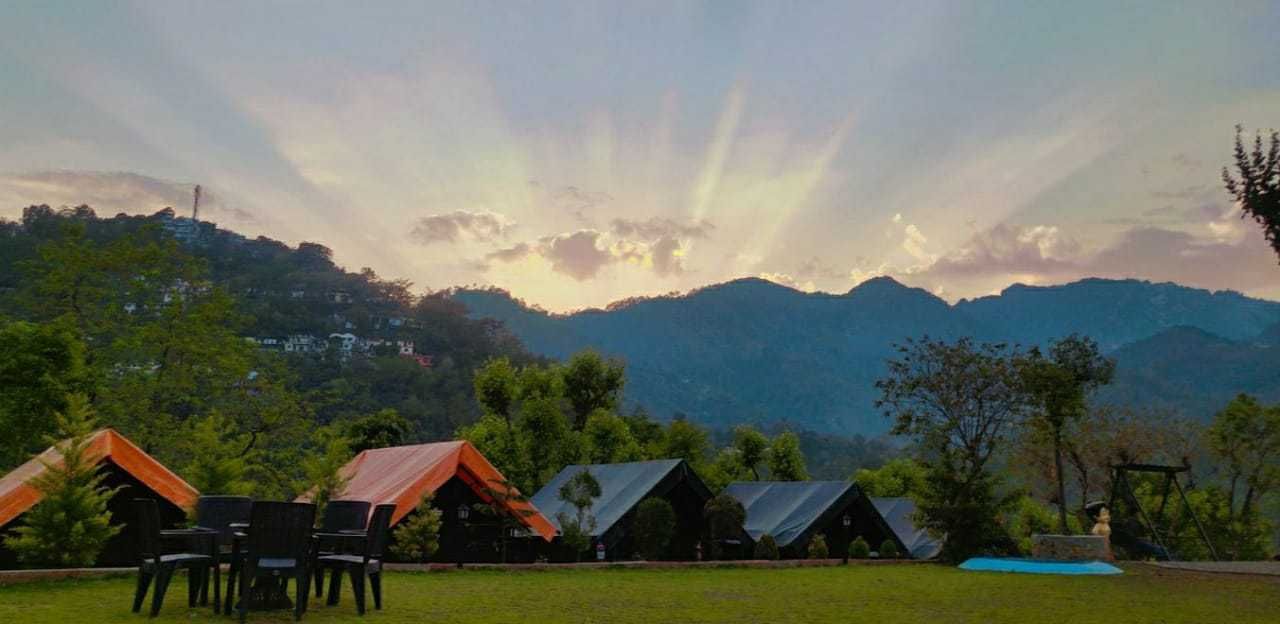
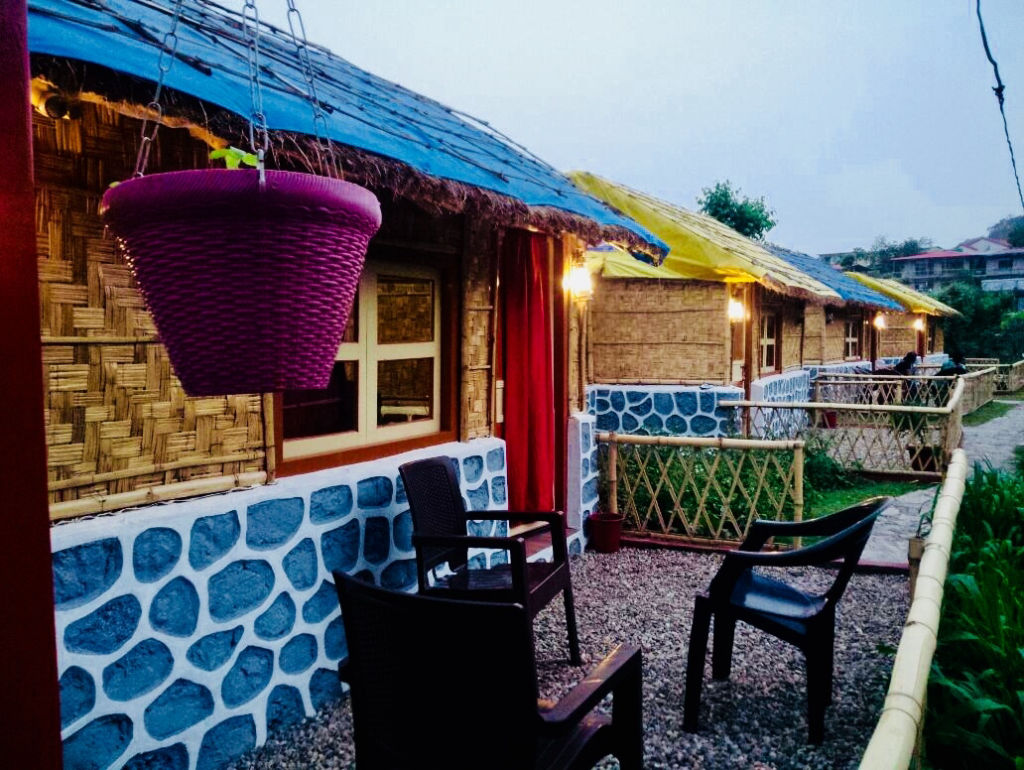
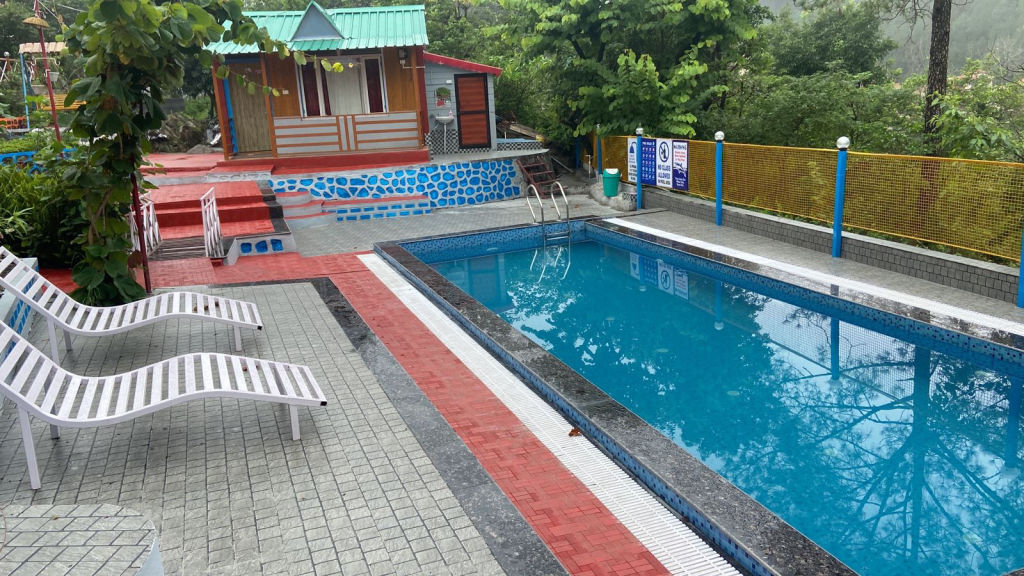
You can find quiet riverside camps, family-run homestays nestled in apple and apricot orchards, and scenic village cottages on HireACamp. Staying in the nearby hills allows you to experience traditional Kumaoni hospitality, wake up to valley views, and reach the temple comfortably for morning prayers.
Frequently asked questions
What is Kainchi Dham famous for?
Kainchi Dham is famous as the ashram and temple established by the 20th-century mystic Neem Karoli Baba, dedicated primarily to Lord Hanuman. It is globally known as a sanctuary for meditation and spiritual contemplation.
Where is Kainchi Dham located?
Kainchi Dham is situated in the Kosya Kutauli region of Nainital district in Uttarakhand, along the highway connecting Bhowali and Almora.
Which is the nearest railway station to Kainchi Dham?
Kathgodam is the nearest major railway station, located down in the foothills, from where taxis and state buses run regularly up to the temple.
Are there places to stay near Kainchi Dham?
Yes, a wide range of homestays, nature retreats, and mountain campsites are available in the surrounding hills and can be booked through HireACamp.
Can I take photographs inside Kainchi Dham?
Photography is usually restricted inside the inner temple courtyards and shrine areas to maintain sanctity and quiet, so visitors should check and follow the posted local rules.
Where you'll be
Kainchi dham, Kosya Kutauli · 12 stays nearby shown with prices
Stays near Kainchi Dham
Book a place to stay close by
More places near Kainchi Dham
Within 20 km
Built from 0 Instagram posts by 0 creators. Every tip links back to the post it came from, and where creators disagree we show both sides.






