
Kanchenjunga National Park
National park
Kanchenjunga National Park is a vast high-altitude biosphere reserve and UNESCO World Heritage site in Sikkim, surrounding Mount Kangchenjunga, the third highest peak on Earth. Travellers and trekkers visit to explore dramatic alpine landscapes, ancient glacial valleys, sacred high-mountain lakes, and pristine Himalayan forests. It offers some of the most rewarding trekking terrain in India, rich in biodiversity and spiritual significance.
Getting there
About Kanchenjunga National Park
Written with AI from map data and general knowledge. Check prices and timings locally before you go.
About Kanchenjunga National Park
Spanning across northern and western parts of Sikkim, Kanchenjunga National Park protects an extraordinary elevation gradient ranging from subtropical valleys to ice-clad Himalayan giants. Named after Mount Kangchenjunga, which stands majestically along the western boundary, this national park holds the distinction of being India's first mixed UNESCO World Heritage site, recognized for both its natural ecological value and deep cultural mythology.
For the indigenous Lepcha and Sikkimese communities, the mountains, glaciers, caves, and alpine lakes inside the park are revered sacred spaces tied directly to ancient Buddhist traditions and local folklore. The terrain encompasses sweeping rhododendron groves, thick temperate broadleaf forests, steep gorges carved by glacial meltwaters, and vast expanses of alpine meadows that open up beneath the snow line. Because much of the region is protected from vehicular traffic and urban development, the park remains one of the wildest corners of the Eastern Himalayas.
Wildlife and Flora in the Park
The dramatic altitude shifts within Kanchenjunga National Park foster exceptional biodiversity. Lower elevations are rich in oak, fir, birch, and towering stands of bamboo, which gradually give way to dozens of species of wild rhododendrons that burst into deep reds, pinks, and whites during the spring months. Above the tree line, hardy alpine scrub and medicinal plants cling to rocky scree slopes.
This rugged terrain provides habitat for elusive Himalayan fauna, most notably the endangered snow leopard, which prowls the rocky crags and high-altitude pastures. Visitors venturing deep into the trails may also encounter red pandas, Himalayan black bears, musk deer, blue sheep, and serow. For birdwatchers, the park is home to hundreds of avian species, including blood pheasants, Tibetan snowcocks, Himalayan monals, and high-flying lammergeiers soaring across the mountain thermals.
Read more
Trekking in Kanchenjunga National Park
Trekking is the primary way to experience the inner sanctuary of the park. Routes here range from moderate multi-day hikes to strenuous high-altitude expeditions that cross demanding mountain passes and approach massive glacial moraines. The historic town of Yuksom serves as the traditional gateway and primary trailhead for classic routes heading towards Dzongri and Goechala.
The trek up to Dzongri Peak rewards hikers with panoramic vistas of Mount Kangchenjunga, Mount Pandim, and neighboring summits. Those going further navigate alpine meadows, rocky scree, and cold glacial streams towards viewpoints that bring you remarkably close to the sheer eastern face of Kangchenjunga. Walking through these high valleys requires solid physical fitness and proper acclimatization, as elevations climb swiftly within a matter of days.
Best Time to Visit Kanchenjunga National Park
There are two distinct seasons when conditions in the park are most suitable for trekking and exploration: spring and autumn. Spring, spanning from late March through May, brings warming temperatures and the spectacular blooming of rhododendrons and alpine wildflowers. While afternoons can occasionally see mist or light showers, the lower and mid-elevation valleys are exceptionally vibrant during this window.
Autumn, from late September through November, offers the clearest skies and most stable mountain weather of the year. Following the monsoon rains, the air is crisp and visibility across the Himalayan chain is at its finest, making it the preferred window for high-altitude trekking and landscape photography. Winter brings extreme cold, deep snowdrifts, and impassable trails to the upper reaches, while the monsoon season between June and early September brings heavy rainfall, landslide risks, and trail leeches.
How to Reach Kanchenjunga National Park
Reaching Kanchenjunga National Park requires traveling through Sikkim, with the historical settlement of Yuksom in West Sikkim acting as the main entry portal for the most popular trekking routes. The nearest railheads are New Jalpaiguri and Siliguri in neighboring West Bengal, while the closest commercial airports are Bagdogra Airport and Pakyong Airport near Gangtok.
From Bagdogra, Siliguri, or New Jalpaiguri, you can hire shared or private mountain cabs to reach Yuksom or other staging villages like Mangan or Pelling. The winding mountain roads traverse steep river valleys and terraced hillsides, so travel times vary considerably based on local weather and road maintenance. Visitors should note that entering the park requires designated national park permits and inner line documentation, which must be obtained through registered authorities before crossing park boundaries.
Places to Visit Nearby
The regions flanking Kanchenjunga National Park offer an array of cultural landmarks and natural viewpoints. In Yuksom, travellers can walk to the Norbugang Chorten, a revered stone throne marking the coronation site of Sikkim's first monarch in 1642. A short hike up from the village leads to Dubdi Monastery, considered one of the oldest monastic buildings in Sikkim, set amidst quiet wooded hills.
Nearby sacred waters include Kathok Lake and Lachmi Pokhri, both of which hold religious reverence for local pilgrims. Further south, the Borong Hot Spring offers a therapeutic stop along the riverbank, while the Singalila Range extends southward along the ridge line offering distinct vantage points. Toward North Sikkim, Mangan View Point and the historic grove of Kabi Lungchok offer further glimpses into the cultural fabric and topography of the region.
Tips for Your Visit
Trekking within Kanchenjunga National Park involves remote conditions and high altitudes, making self-sufficiency and preparation essential. Acclimatization days should be built into every itinerary to prevent acute mountain sickness, and travellers must carry adequate layers, including windproof shells, warm thermals, down jackets, and sturdy waterproof hiking boots.
The park is an ecologically sensitive sanctuary with strict conservation rules. Visitors are expected to practice Leave No Trace principles by packing out all non-biodegradable waste, keeping strictly to established trails, and avoiding any disturbance to wildlife or sacred natural landmarks. Weather in high-altitude zones changes rapidly, so carrying reliable rain protection and warm gear at all times is crucial regardless of clear morning skies.
Where to Stay
Direct accommodations inside the interior wilderness zones of the national park are limited to designated trekking campsites and basic trekker huts located along established routes. Trekkers typically camp in tents arranged along these staging grounds during their journeys into the alpine reaches.
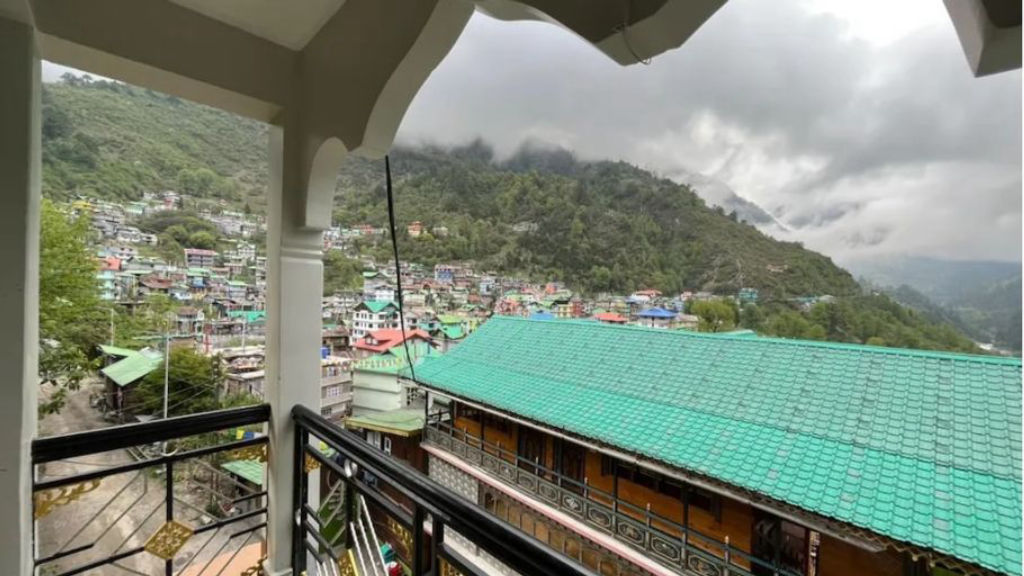
Before heading onto the trails or after returning from a trek, most travellers base themselves in nearby gateway towns like Yuksom, Pelling, or surrounding rural hamlets. These settlements feature a range of rustic homestays, eco-lodges, and family-run guest accommodations that offer traditional Sikkimese hospitality. You can explore and book campsites, authentic homestays, and outdoor stays near Kanchenjunga National Park on HireACamp.
Frequently asked questions
Why is Kanchenjunga National Park famous?
The park is famous for housing Mount Kangchenjunga, the world's third highest peak, and for being India's first mixed UNESCO World Heritage site due to its exceptional biodiversity and deep cultural and religious importance to local communities.
Do I need permits to visit Kanchenjunga National Park?
Yes, permits are required to enter the park, and foreign nationals as well as Indian travellers may need specific high-altitude trekking clearances and inner line paperwork. Check current regulations locally in Gangtok or Yuksom prior to your hike.
Where does the trek to Kanchenjunga National Park start?
The most common starting point for treks into the park is the historic village of Yuksom in West Sikkim, which serves as the traditional gateway to routes leading to Dzongri and Goechala.
What is the best time of year to trek in the park?
The optimal trekking windows are spring from late March to May, when flowers bloom, and autumn from late September through November, which brings crisp air and exceptionally clear mountain vistas.
Can I see snow leopards in Kanchenjunga National Park?
While the park is a known sanctuary for the elusive snow leopard, sightings are very rare due to their shy nature, excellent camouflage, and the sheer vastness of the high-altitude terrain.
Where you'll be
1 stay nearby shown with prices
Stays near Kanchenjunga National Park
Book a place to stay close by
More places near Kanchenjunga National Park
Within 20 km
Built from 0 Instagram posts by 0 creators. Every tip links back to the post it came from, and where creators disagree we show both sides.






