
Mount Siniolchu
Peak near Lachen
23 km from Lachen
The nearest town, for stays, food and fuel.
Mount Siniolchu is a prominent peak rising to an elevation of approximately 6,888 metres in the North Sikkim district of the Eastern Himalayas. Celebrated among mountaineers and alpine travellers for its near-flawless conical spire of ice and rock, it forms a dramatic part of the greater Kangchenjunga range. Trekkers and nature enthusiasts venture toward its rugged valleys to witness what is often considered one of the most aesthetically stunning peaks in the world.
Getting there
By road
- From LachenNearest town2 hr 35 min · 61 km
Typical drive times without traffic. Stations and airports from OLA Maps; distances and typical drive times from OpenStreetMap (© OpenStreetMap contributors); notes from creators' Reels.
About Mount Siniolchu
Written with AI from map data and general knowledge. Check prices and timings locally before you go.
The Character of Mount Siniolchu
Mount Siniolchu stands as one of the defining landmarks of the Sikkim Himalayas, towering above the Zemu Glacier basin. Unlike rounded domes or sprawling massifs, Siniolchu displays an intensely sharp and sheer profile, earning it enduring recognition in mountaineering literature for its architectural precision. Jagged flutings of ice run down its near-vertical faces, catching sunlight long before the lower valleys awaken.
The mountain lies enclosed within the protected ecosystem of the Khangchendzonga National Park, a UNESCO World Heritage site known for its dramatic elevational range and profound ecological diversity. The approach valleys are flanked by ancient rhododendron forests, alpine meadows, and tumbling meltwater streams that feed the Teesta river system. Here, the landscape transitions rapidly from damp temperate woodlands to stark, wind-scoured moraines where snow remains year-round.
Trekking Toward Mount Siniolchu
Reaching viewpoints with unhindered angles of Mount Siniolchu is an undertaking reserved for dedicated high-altitude trekkers. The classic approach follows the Green Lake trek, which charts a path alongside the massive Zemu Glacier. This expedition departs from settlements deep in North Sikkim, tracing paths through remote valleys where permanent settlements give way to seasonal herdsmen shelters and uninhabited wilderness.
As you gain elevation through intermediate camps like Tallem and Jakthang, the terrain becomes rockier and more exposed. At the higher reaches near Green Lake, Mount Siniolchu reveals its full stature, soaring cleanly above the glacial rubble alongside neighbouring giants like Simvo and Kangchenjunga itself. The sheer silence of this amphitheatre, broken only by the crackle of moving ice and distant avalanches, leaves an indelible impression on those who reach it.
Read more
Best Time to Visit Mount Siniolchu
The high valleys surrounding Mount Siniolchu experience extreme mountain weather, making seasonal timing critical for anyone planning a journey into this region. The two primary windows for travel and trekking are pre-monsoon spring and post-monsoon autumn.
Spring, spanning from April to late May, brings warmer daytime temperatures and the vibrant blooming of wild rhododendrons and primulas through the lower approaches. While mornings are generally bright, afternoon cloud buildup is common, occasionally dusting the higher elevations with fresh snow.
Autumn, from late September through November, offers the crispiest air and the most reliable visibility. During these months, the summer monsoon has completely washed out the skies, leaving deep blue horizons and pristine views of Siniolchu's sharp ridges. Winter descends rapidly from December onwards, bringing intense cold, heavy snowfall, and impassable routes that cut off high-altitude passes until the subsequent spring.
How to Reach Mount Siniolchu
Journeying toward Mount Siniolchu begins with travel to Gangtok, the capital of Sikkim. Gangtok connects by road to major transport junctions in West Bengal, including the railway hub at New Jalpaiguri and the airport at Bagdogra. From Gangtok, travellers take mountain roads north into North Sikkim District, typically driving through towns such as Mangan and onward to Lachen.
Lachen or nearby staging outposts serve as the traditional launch point for ground expeditions setting out on foot along the Zemu Valley. Because North Sikkim features rugged, landslide-prone terrain, road travel should be undertaken with sturdy vehicles capable of handling unpaved stretches and varying weather conditions. Beyond the roadway outposts, movement is exclusively on foot with full self-sufficiency.
Exploring Nearby North Sikkim
The valleys and high-altitude settlements surrounding Mount Siniolchu feature some of Sikkim's most revered natural and cultural landmarks. Northward along the borderlands lies Gurudongmar Lake, one of the highest freshwater lakes in the country, revered by both Buddhists and Sikhs. The nearby Gurudwara Nanak Lama Sahib and historic monastic centres like Thangu Gompa offer quiet cultural insight into the remote frontier life of the plateau.
Towards the east, the Lachung valley serves as the gateway to the Yumthang Valley of Flowers, bordered by the rushing Lachung River and guarded by Lachung Monastery. Further south, the administrative hub of Mangan offers clear panoramas of high peaks from Mangan View Point, while landmarks like Ringhem Monastery and Kabi Lungchok preserve centuries of regional heritage amid terraced hills and rushing waterfalls like Naga Falls and Ban Jhakri Falls.
Tips for High-Altitude Travel
Entering the upper reaches of North Sikkim requires strict attention to physical conditioning and acclimatization. Elevations change swiftly as mountain roads climb from subtropical gorges into thin subalpine air, making altitude sickness a genuine possibility. Plan your itinerary with built-in rest days at intermediate elevations before pushing higher into trekking territory.
Clothing should be based on a versatile layering system that includes moisture-wicking inner layers, insulating fleeces or down jackets, and a dependable wind-and-waterproof outer shell. Sturdy, broken-in trekking boots, high-UV sunglasses, sun protection, and cold-weather sleeping gear are vital necessities. Because North Sikkim is an ecologically delicate frontier zone, visitors should be prepared to verify travel regulations, carry all personal waste back out of the valleys, and check local weather and road updates before departing base settlements.
Where to Stay near Mount Siniolchu
Due to its wilderness status within Khangchendzonga National Park, overnight accommodation in the immediate vicinity of Mount Siniolchu consists exclusively of self-supported alpine camping. Trekkers carry their own four-season tents, kitchen gear, and supplies across designated camping clearings along the Zemu Valley trail.
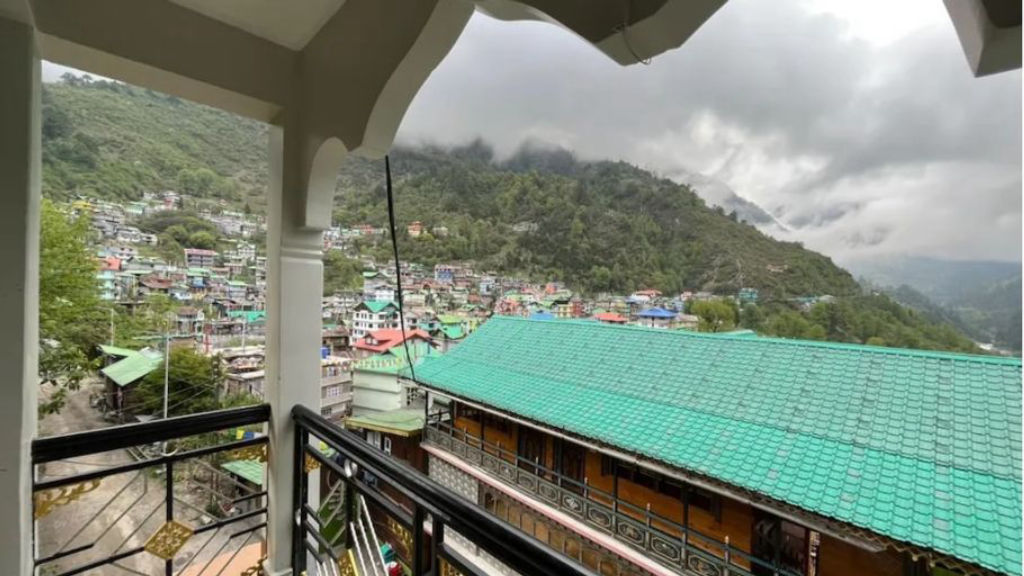
In the staging towns and villages of North Sikkim, such as Lachen, Lachung, and Mangan, you can find local homestays, simple guesthouses, and established wilderness camps. These village stays provide warm regional food, traditional hospitality, and a comfortable base to rest before and after your expedition into the mountains. Stays and experiential camps throughout the North Sikkim region can be explored and booked directly through HireACamp.
Frequently asked questions
Where is Mount Siniolchu located?
Mount Siniolchu is located in the North Sikkim district of Sikkim, India, near the eastern flank of the Kangchenjunga massif within the Khangchendzonga National Park.
Can beginners trek to Mount Siniolchu?
No, the trek toward Mount Siniolchu along the Green Lake route is a demanding high-altitude wilderness expedition that requires significant physical fitness, proper acclimatization, and prior multi-day trekking experience.
What is Mount Siniolchu famous for?
Mount Siniolchu is famous for its striking pyramidal geometry, vertical rock flutings, and glistening ice faces, making it widely regarded as one of the most beautiful mountain peaks in the world.
What is the best season to view Mount Siniolchu?
The most favourable times to visit and view Mount Siniolchu are autumn, from late September to November, for crystal-clear mountain views, and spring, from April to May, when alpine flora is in bloom.
Where you'll be
North Sikkim District, SK · 1 stay nearby shown with prices
Stays near Mount Siniolchu
Book a place to stay close by
More places near Mount Siniolchu
Within 20 km
Built from 0 Instagram posts by 0 creators. Every tip links back to the post it came from, and where creators disagree we show both sides.






