
Karnala
Destination in Maharashtra
Karnala is a peaceful forested destination in Maharashtra's Raigad district, positioned along the Mumbai-Goa highway near Panvel. Known for its historical hilltop fortress and the surrounding Karnala Bird Sanctuary, it offers an immediate natural retreat from the bustle of the nearby Mumbai metropolitan region. Travelers visit to hike through wooded Sahyadri foothills, observe resident and migratory birdlife, and enjoy panoramic views across the Konkan plains.
Getting there
By road
- From Mumbai 1 hr 5 min · 51 km
- From Pune2 hr 20 min · 121 km
- From Nashik4 hr 30 min · 258 km
- From Surat7 hr 20 min · 329 km
Typical drive times without traffic. Stations and airports from OLA Maps; distances and typical drive times from OpenStreetMap (© OpenStreetMap contributors); notes from creators' Reels.
About Karnala
Written with AI from map data and general knowledge. Check prices and timings locally before you go.
What Karnala is known for
Karnala sits quietly at the transition where the flat coastal plains of the Konkan begin to rise into the rugged spurs of the Sahyadri mountain range. The area is best recognized for the Karnala Bird Sanctuary and the steep basalt pinnacle of Karnala Fort that towers over the surrounding woodland. It provides a rare patch of protected forest within easy driving distance of Mumbai, Navi Mumbai, and Pune.
Unlike larger commercial hill towns, Karnala maintains a simple, outdoor-focused atmosphere. Travelers visit primarily to spend time outside, walking shaded paths, watching wildlife, and taking in views of the surrounding valleys. Its position along a primary regional transit corridor makes it a convenient base for quick day treks, weekend birding trips, and quiet overnight stays away from city noise.
Trekking to Karnala Fort
The trek to Karnala Fort is one of the most accessible and rewarding short hikes in the region. The fort stands atop an isolated hill, crowned by a distinctive eighty-foot basalt chimney historically referred to by British mariners as Funnel Hill. This natural watchtower once overlooked critical ancient trade routes leading from the Konkan ports across the Bhor Ghat into the Deccan plateau, making it a prized stronghold under the rule of various regional dynasties, including the Marathas and the Gujarat Sultanate.
The trekking trail begins at the entrance to the sanctuary and winds gradually upward through mixed deciduous woods. The path is well defined, starting with a gentle incline before turning into a series of stone steps and rocky switchbacks toward the upper plateau. Along the ascent, hikers pass seasonal streams and thick groves of teak and bamboo. At the fort plateau, you can inspect ancient water tanks carved directly into the rock face, ruined ramparts, and historical bastions. While the central rock thumb itself is sheer and should not be ascended without specialized climbing gear, the surrounding ramparts offer broad views over the verdant valleys, industrial ports, and rolling peaks of Raigad.
Read more
Exploring the Karnala Bird Sanctuary
Established around the base of the fort hill, the Karnala Bird Sanctuary spans a modest area of protected forest that protects critical local biodiversity. The habitat consists primarily of moist deciduous and semi-evergreen trees, featuring native flora like silk cotton, mango, and jamun, which provide abundant canopy shelter and seasonal fruit for native wildlife.
The sanctuary is home to well over one hundred resident bird species and draws dozens of winter migrants each year. Walking along the nature trails in the morning reveals species such as the Malabar grey hornbill, the vibrant Indian pitta, the heart-spotted woodpecker, and the Asian paradise flycatcher. The forest floor and undergrowth also host diverse butterfly populations, forest lizards, and small mammals. Because the sanctuary sits directly beside the highway, entering the interior trails early in the day offers the quietest and most rewarding wildlife viewing experience.
Getaways and places to visit nearby
A trip to Karnala can easily be expanded into a broader exploration of the northern Konkan and Western Ghats. Climbing eastward along the highway network leads toward the hill stations of Khandala and Lonavala, where the elevation brings cooler air, sweeping viewpoint vistas, and seasonal spectacles like the Kataldhar waterfall cascading down deep ravines.
To the west and southwest, the landscape opens toward the Arabian Sea and the historic maritime culture of Raigad district. Travelers can venture toward the coastal town of Alibaug and walk out across the sand to the sea-girt Kolaba Fort during low tide. Looking toward the Mumbai harbor, the historic rock-cut shrines of the Elephanta Caves on Gharapuri Island offer world-renowned rock architecture easily accessed via passenger ferries from the mainland. Combining the forest trails of Karnala with the coastal fortresses or the higher ghats creates a varied, scenic itinerary.
Best time to visit Karnala
The ideal time to visit Karnala is between October and March. During these post-monsoon and winter months, the weather is dry, daytime temperatures are moderate, and morning walks through the sanctuary are cool and comfortable. This window also coincides with the arrival of migratory birds, making it the most rewarding period for birdwatchers and photographers.
The monsoon months from late June through September bring a complete visual transformation. Heavy rains drench the Western Ghats, turning the entire forest deep green and feeding small cascading waterfalls along the fort trail. While monsoon hiking is popular for its atmospheric mist and lush scenery, trails can be muddy and slippery, requiring extra care and good footwear. The summer season, from April until early June, is hot and humid, making mid-day ascents strenuous, though early mornings can still yield quiet trail conditions.
How to reach Karnala
Karnala is conveniently located on National Highway 66, making private vehicle or taxi travel straightforward. From central Mumbai and Navi Mumbai, the drive proceeds past Panvel and usually takes between one and two hours depending on local traffic conditions. From Pune, vehicles descend through the ghats via the expressway before joining the highway south toward Goa, a journey that typically takes two to three hours.
Public transit is also a viable option due to the town's proximity to Panvel, which is a major junction on the Mumbai suburban rail network and central railway line. Regular local trains link Mumbai stations to Panvel. From the Panvel state transport bus depot or the railway station forecourt, travelers can board regional buses traveling toward Pen, Roha, or Alibaug and request a drop at the sanctuary gates. Autorickshaws and app-based cabs can also be hired from Panvel for the short drive to Karnala.
Where to stay around Karnala
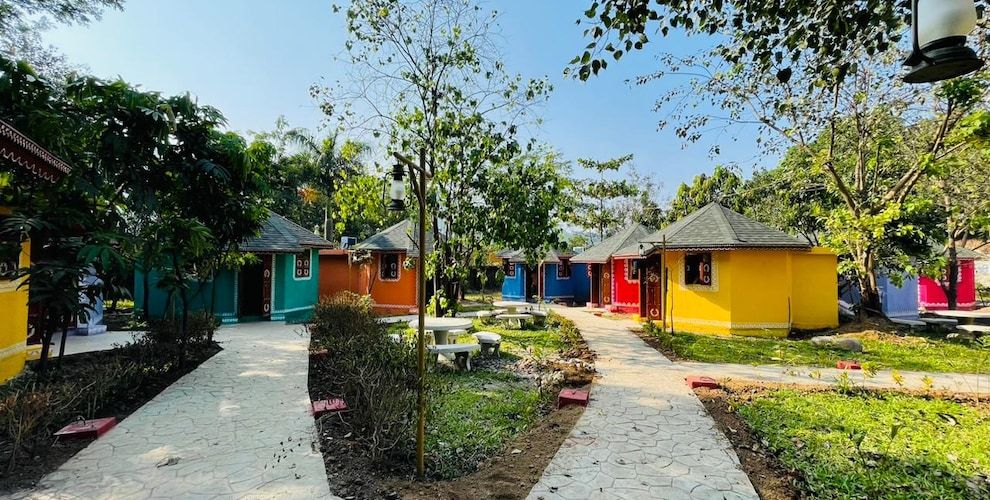
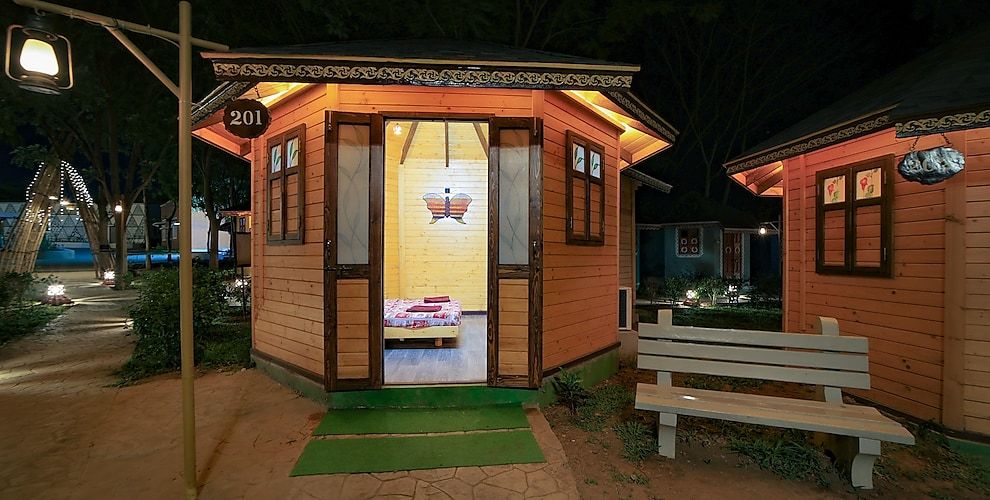
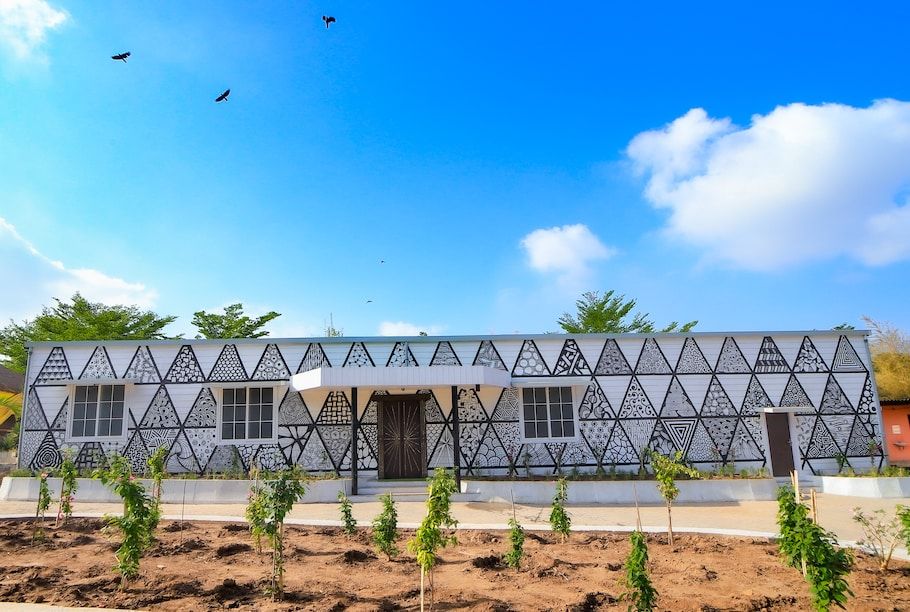
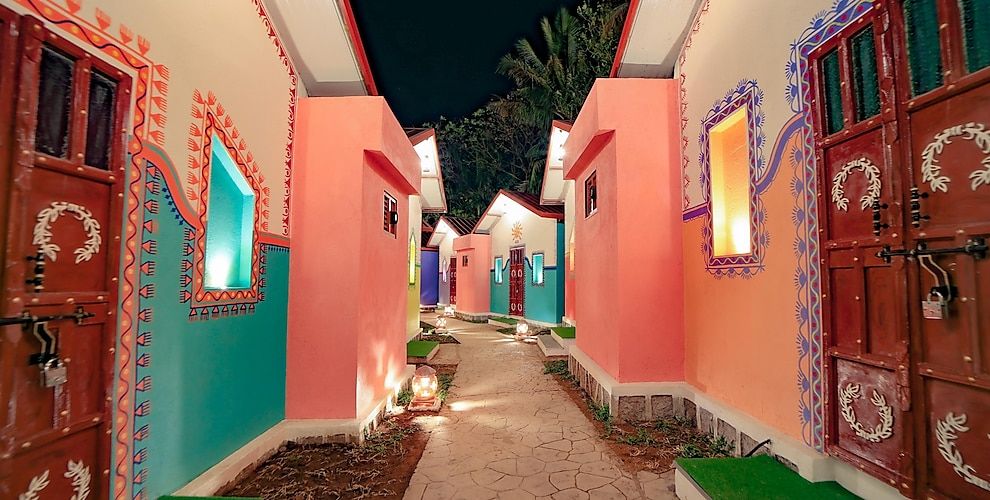
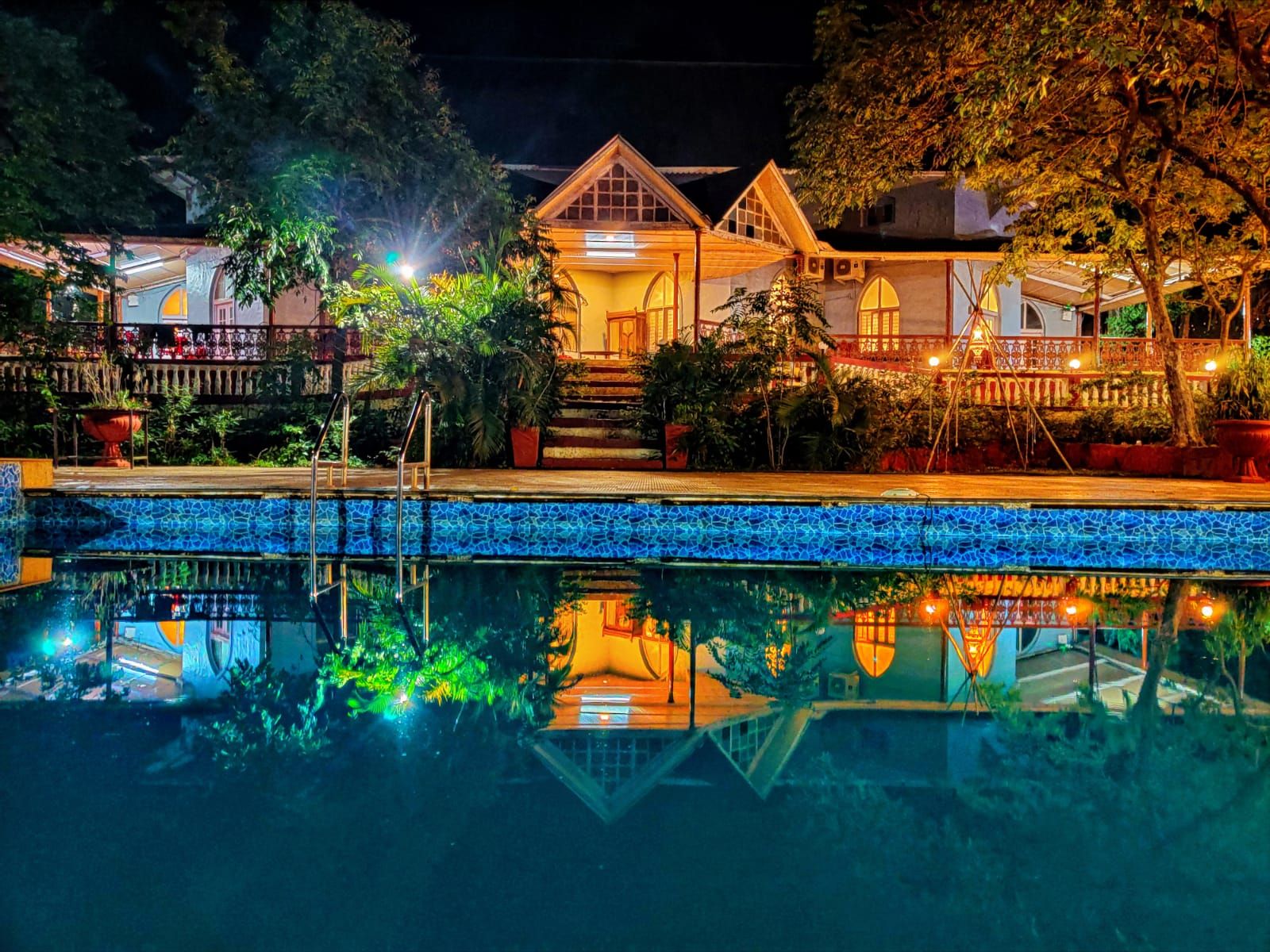
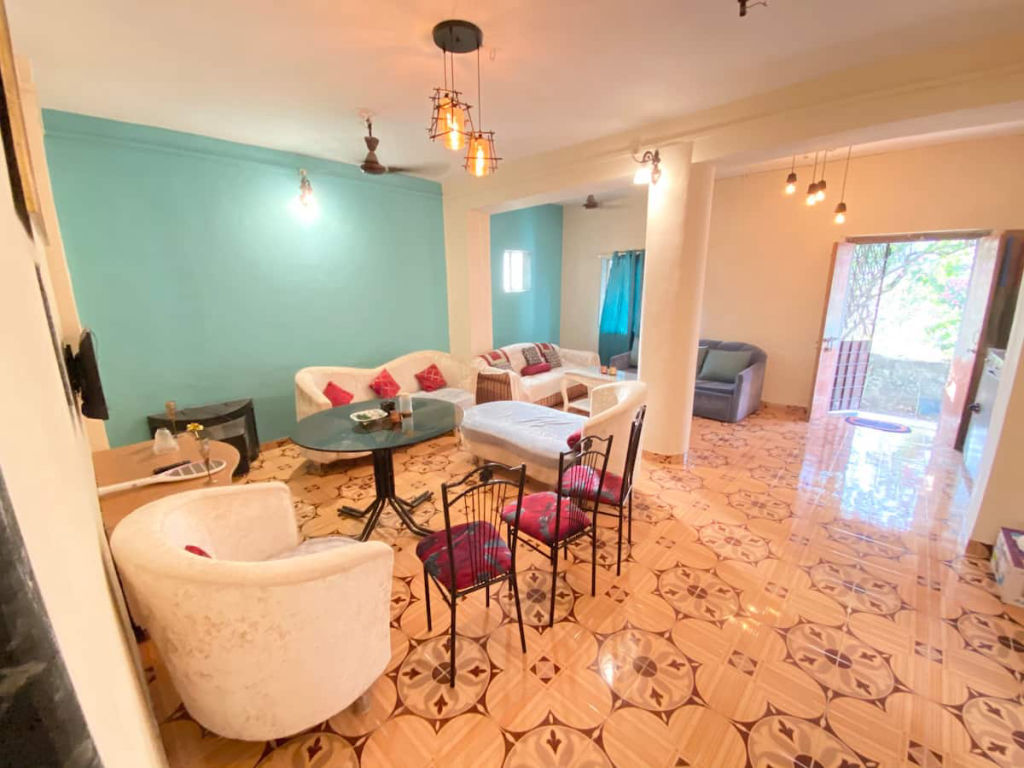
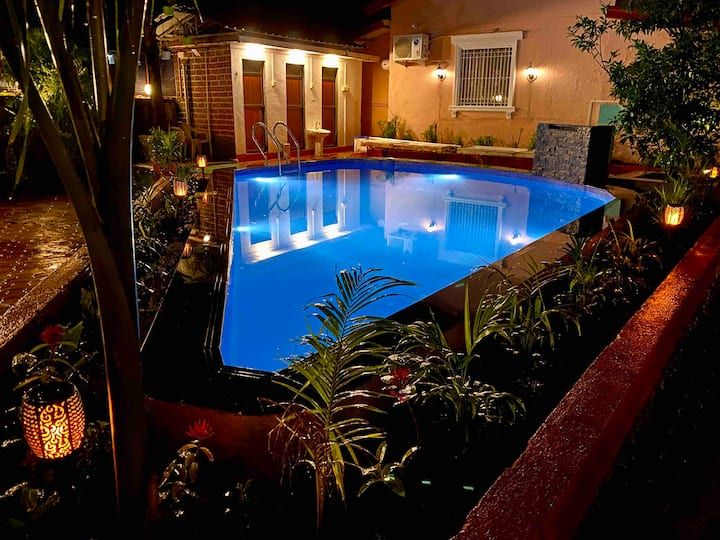
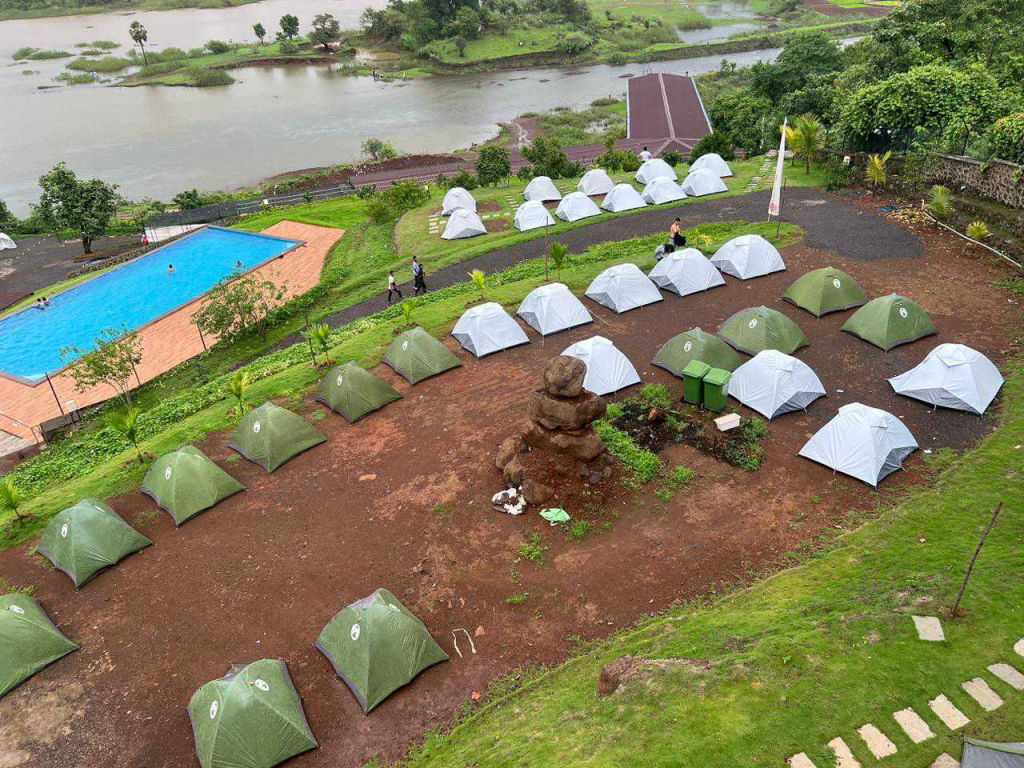
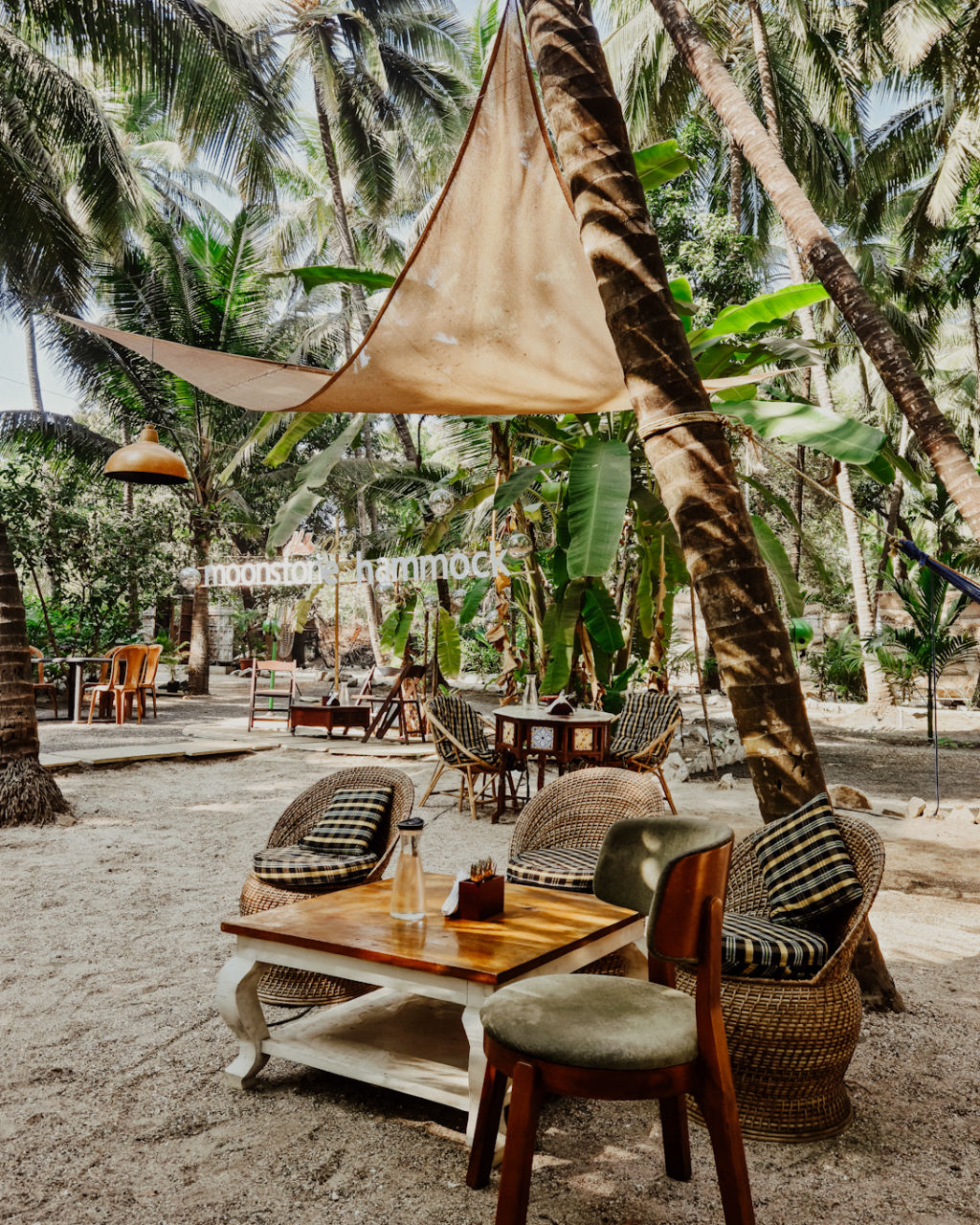
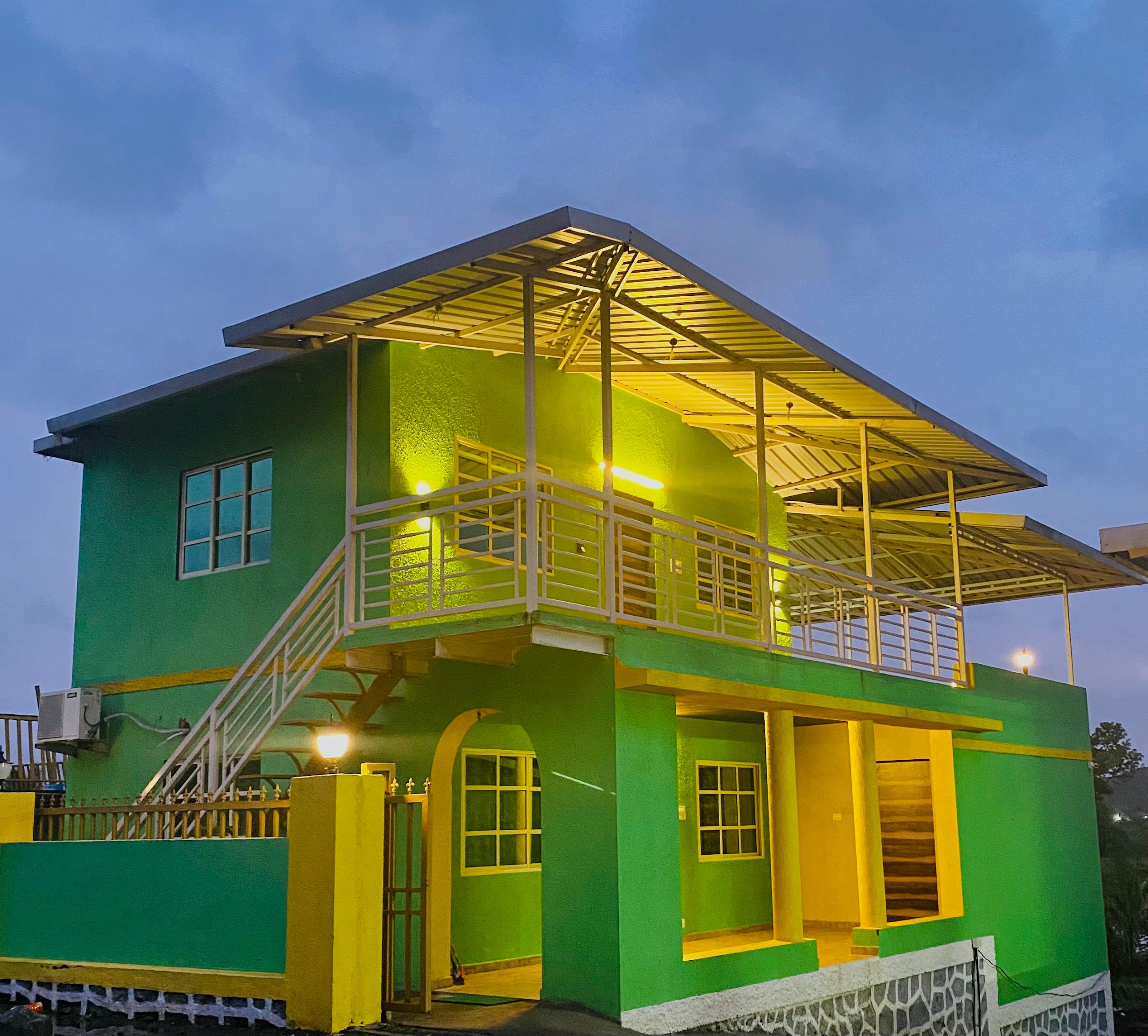
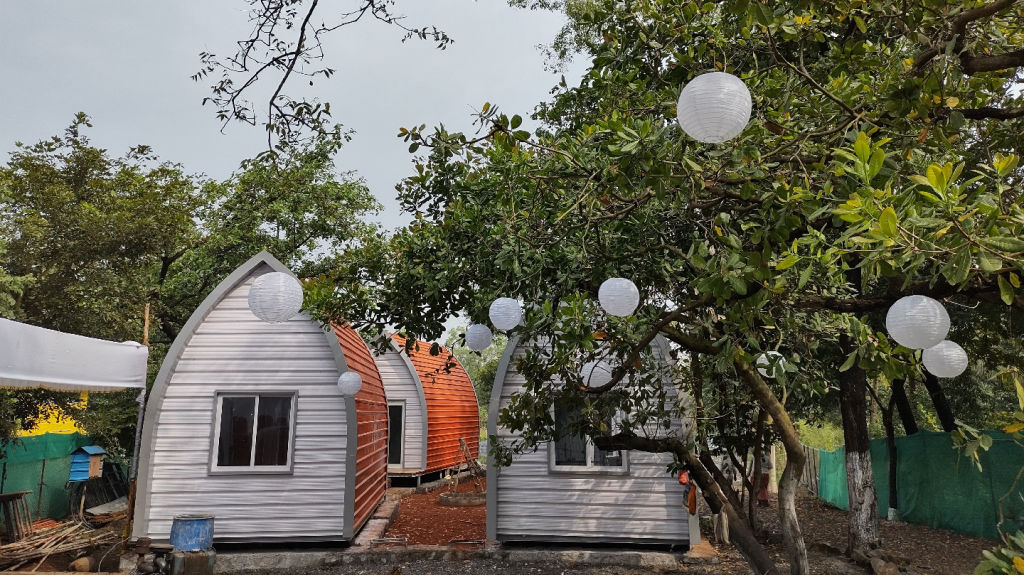
Because Karnala is situated close to major highways and quiet agricultural hinterlands, accommodation in the vicinity consists largely of rustic nature retreats, independent homestays, and open-air campsites. Staying locally allows you to reach the forest trails before the day heats up and prior to the arrival of daytime day-trippers.
Travelers interested in booking nature-focused campsites, rustic farm retreats, and authentic regional homestays near Karnala and across Maharashtra can browse options and plan their stay directly through HireACamp.
Frequently asked questions
Is Karnala suitable for a day trip from Mumbai?
Yes, Karnala is an easy day trip from Mumbai, Navi Mumbai, and Thane. The hike to the fort and a walk through the sanctuary can be completed in four to six hours, leaving plenty of time for same-day travel.
How difficult is the trek to Karnala Fort?
The trek is rated as easy to moderate. The trail follows a clearly marked path that alternates between gentle woodland tracks and stone stairs, taking roughly one and a half to two hours to reach the top for an average hiker.
Can you climb the rock pinnacle at Karnala Fort?
No, climbing the steep central basalt chimney, also known as the funnel, is dangerous and strictly prohibited without technical rock climbing gear and special local permits.
What birds are commonly found at Karnala Bird Sanctuary?
Visitors frequently spot resident species such as the Malabar grey hornbill, Indian pitta, heart-spotted woodpecker, and paradise flycatcher, along with various winter migrants including thrushes and warblers.
What should I carry when hiking in Karnala?
Carry sufficient drinking water, energy snacks, a pair of binoculars for birdwatching, and sturdy shoes with reliable grip. If visiting during the monsoon, pack a rain jacket or poncho and waterproof protection for electronics.
Where you'll be
12 stays nearby shown with prices
Stays near Karnala
Book a place to stay close by

Things to do in Karnala
44 places creators recommend within 30 km


Lists for this area
Ranked by how many creators recommend each place


Built from 0 Instagram posts by 0 creators. Every tip links back to the post it came from, and where creators disagree we show both sides.






