
Kashyapi Dam
Dam near Nashik, Maharashtra
4.5 km from Nashik
The nearest town, for stays, food and fuel.
Kashyapi Dam is an earthfill gravity dam constructed on the Kashyapi River in the rural outskirts of Nashik, Maharashtra. Set against the rolling backdrop of the Sahyadri range, the reservoir is known for its wide open vistas, peaceful waters, and unhurried natural surroundings. Travellers visit the dam to escape urban commotion, enjoy picturesque countryside drives, and experience the seasonal landscapes of the Western Ghats.
Getting there
By road
- From NashikNearest town21 min · 7.9 km
- From Mumbai 4 hr 5 min · 188 km
- From Pune4 hr 55 min · 221 km
- From Surat5 hr · 236 km
Typical drive times without traffic. Stations and airports from OLA Maps; distances and typical drive times from OpenStreetMap (© OpenStreetMap contributors); notes from creators' Reels.
About Kashyapi Dam
Written with AI from map data and general knowledge. Check prices and timings locally before you go.
About Kashyapi Dam
Kashyapi Dam stands as an earthfill embankment dam built across the Kashyapi River, which flows as a tributary within the upper Godavari River basin. Constructed primarily to support agricultural irrigation and manage regional water resources, the reservoir collects runoff from the surrounding Western Ghats catchment area. Over the years, the dam has evolved from an essential rural waterworks project into a favoured retreat for residents of Nashik and road-trippers touring northern Maharashtra.
The reservoir is characterised by long, unpaved shorelines, undulating grassy slopes, and expansive views across the reservoir basin. Because it has not been developed into a commercial tourist hotspot, Kashyapi Dam retains a quiet, rustic atmosphere. The surrounding hamlets and cultivated farmlands lend the entire area a traditional agrarian pace that stands in stark contrast to the busy thoroughfares of the nearby city.
Landscape and natural setting
The landscape surrounding Kashyapi Dam is defined by the volcanic topography of the Deccan Plateau and the high ridges of the Sahyadris. In the background, prominent basaltic peaks rise abruptly from the plains, framing the reflective sheet of the reservoir. The perimeter of the water body features gentle mud banks, low rocky knolls, and patchwork fields growing grapes, seasonal vegetables, and fodder crops.
During and immediately following the rainy season, the shoreline turns vivid green as native grasses, shrubs, and wildflowers cover the water margins. The calm backwaters also create an inviting habitat for resident and migratory birds. Avian life such as egrets, pond herons, kingfishers, cormorants, and seasonal waders are regularly spotted feeding near the shallow edges, making the area a rewarding stop for birdwatchers and nature photographers.
Read more
Best time to visit Kashyapi Dam
The post-monsoon and winter months, spanning from October to February, offer the most comfortable conditions for exploring Kashyapi Dam. During this period, daytime temperatures remain moderate and pleasant, accompanied by dry breezes and clear blue skies. The reservoir retains healthy water levels, and the surrounding hill slopes maintain their green cover before transitioning into classic golden winter hues.
The monsoon season from late June to September transforms the entire catchment into a lush haven, with misty clouds frequently descending over the dam wall and hills. Intermittent rains bring dramatic cloudscapes and swollen inflows, though access roads and earthen tracks can become slick and muddy. In contrast, the summer months from March to May bring intense heat and dry conditions. While reservoir levels recede considerably during summer, early mornings and late afternoons still provide quiet moments for those who wish to watch the sunset over the quiet water.
Things to do around the reservoir
A visit to Kashyapi Dam is largely self-guided and geared towards slower outdoor recreation. Walking along the crest of the dam or along the accessible banks provides sweeping panoramic views of the water and distant peaks. Photography enthusiasts will find ample inspiration in the shifting light of dawn and dusk, the rustic boats occasionally moored along the shore, and the symmetry of the dam structure.
Many visitors come to the reservoir for quiet day picnics on the grassy knolls overlooking the water. It is an ideal setting to sit with a book, sketch, or simply listen to the wind across the plains. As the reservoir serves as an active water body with steep submerged edges and unpredictable depths, water entry is not advised. Instead, leisurely exploratory walks along nearby village roads and watching pastoral scenes unfold provide the most authentic experience.
How to reach Kashyapi Dam
Kashyapi Dam is located in the vicinity of Nashik and can be reached easily by road. Private vehicles, rental cars, or hired taxis from the city provide the most convenient way to travel, allowing visitors to stop at scenic viewpoints along the route. The drive from the centre of Nashik typically takes under an hour, depending on traffic conditions and the specific rural approach chosen.
For travellers arriving from farther away, Nashik is well connected by rail and state highways to major hubs such as Mumbai and Pune. From the main transit terminals in Nashik, local transport can take you toward the outer villages, though arranging a return vehicle in advance is strongly recommended due to limited on-demand transport at the dam site itself. Road conditions are generally paved up to the nearby villages, transitioning to narrower rural roads closer to the water.
Tips for your visit
Because Kashyapi Dam is an operating irrigation site rather than an organized amusement park, visitor infrastructure on site is minimal. There are generally no formal public restrooms, sheltered pavilions, or maintained commercial food stalls directly on the dam perimeter. Travellers should carry an adequate supply of drinking water, snacks, and personal sun protection, including hats and sunscreen, especially if visiting during midday.
Safety is paramount when visiting any large reservoir. Submerged rocks, slippery silt, and shifting water levels present significant hazards, so visitors should refrain from swimming or wading into the water. Additionally, this is an important regional water source and a sensitive ecological area; all visitors are urged to carry back their trash, refrain from playing loud amplified music, and respect local agricultural lands and village privacy.
Where to stay near Kashyapi Dam
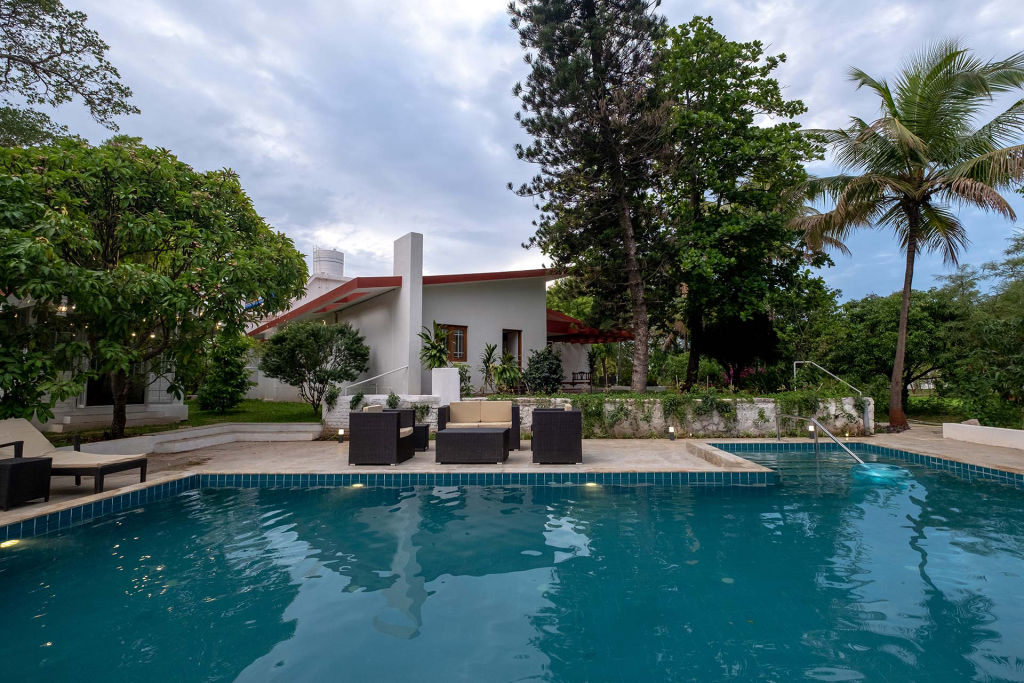
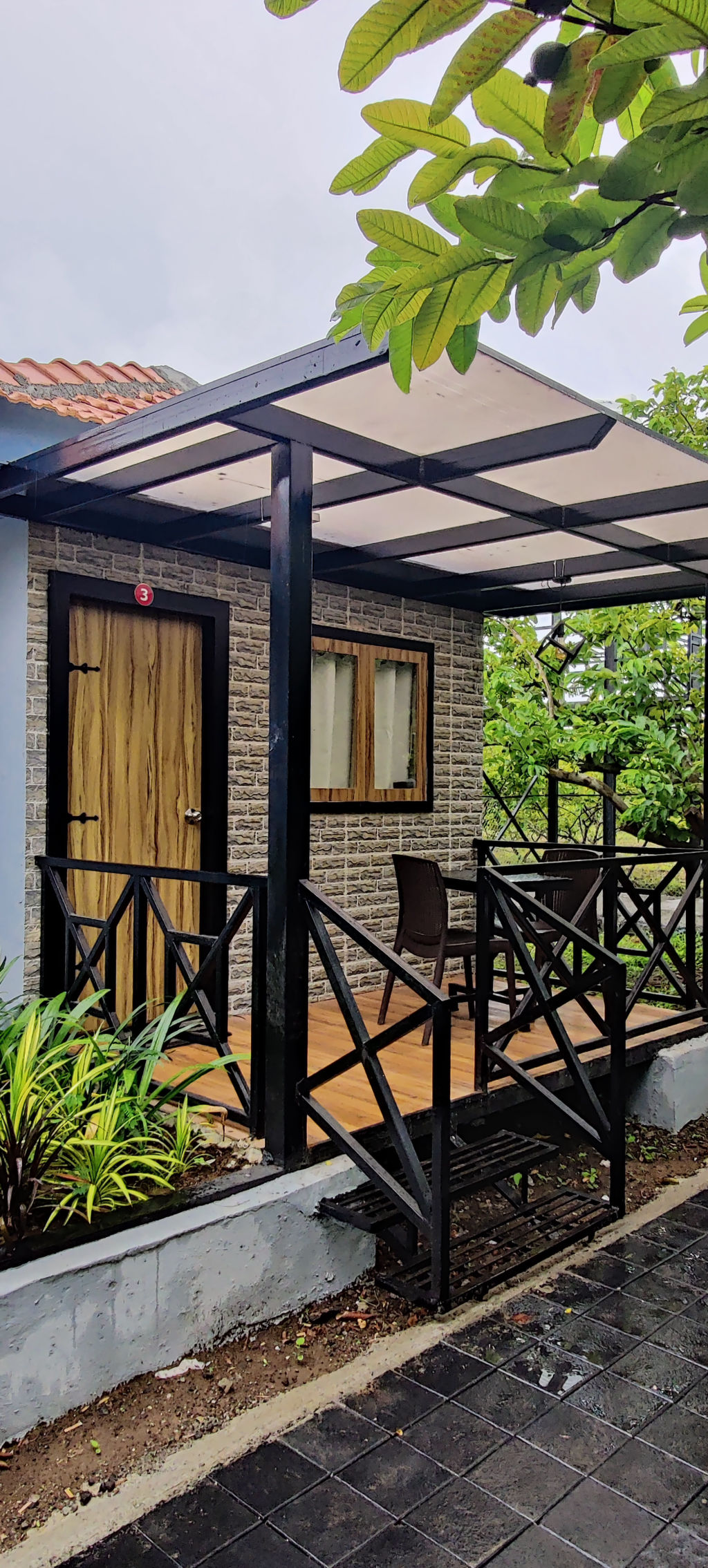
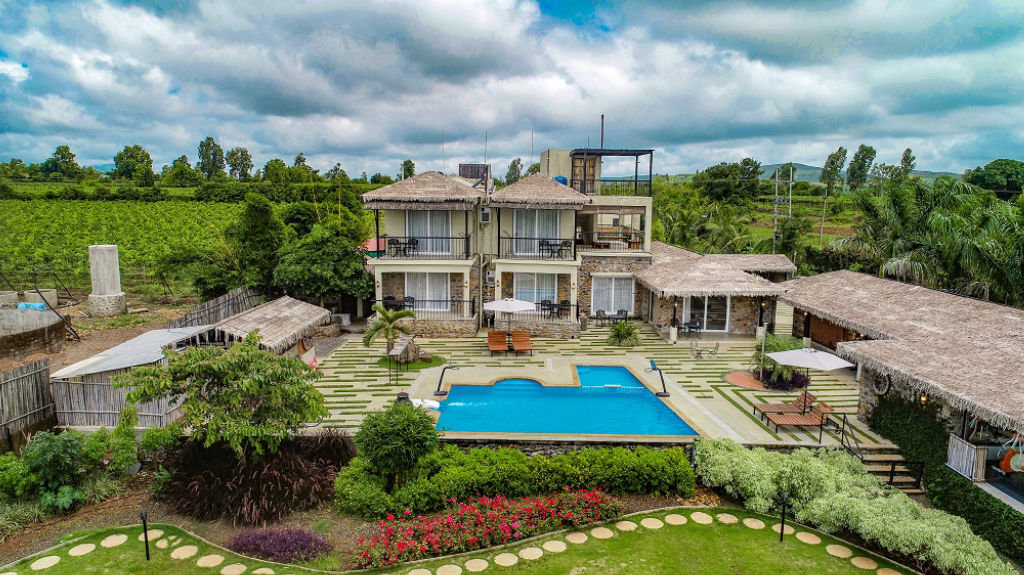
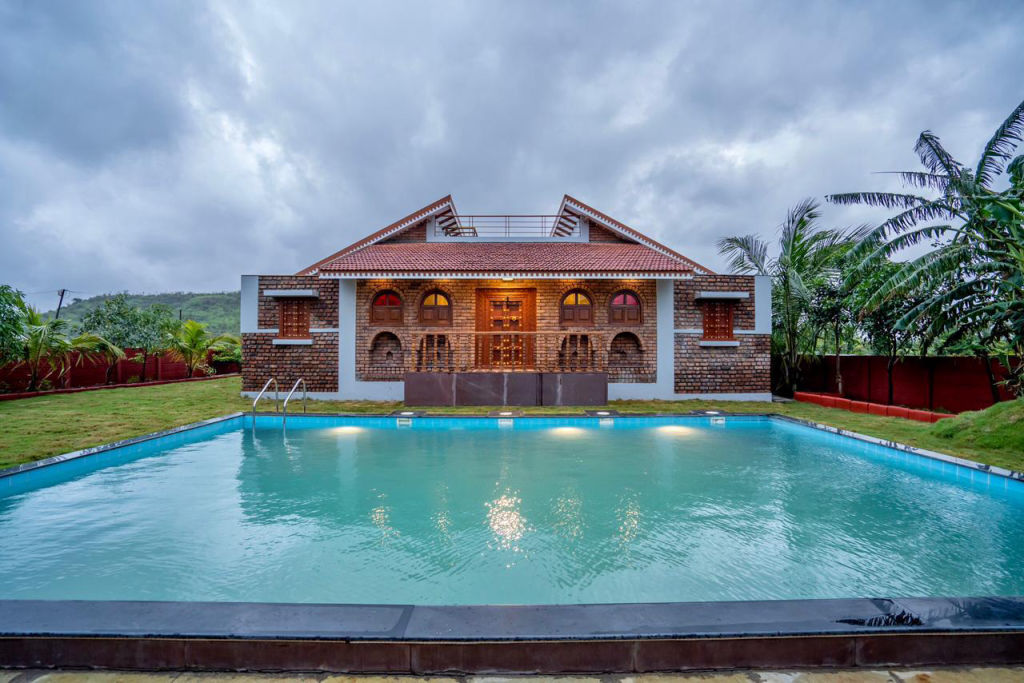
The rural belt surrounding Kashyapi Dam and the wider Nashik region offers a range of peaceful lodging options designed for nature lovers. Waterfront campsites, rustic farm stays, and boutique rural retreats are scattered throughout the countryside, providing immersive outdoor experiences under starry skies.
Whether you are looking for an open-air tent experience right by the backwaters or a quiet homestay settled amidst lush vineyards and orchards, you can browse and book curated stays through HireACamp. Staying nearby allows you to catch the dawn mist over the water and explore the surrounding hills before the heat of the day sets in.
Places to explore nearby
A trip to Kashyapi Dam can easily be combined with visits to several notable natural and cultural sites in the region. Gangapur Dam, another major reservoir with scenic open landscapes, lies a short drive away and offers further waterfront views. Trekkers and adventure travellers can look toward prominent nearby summits such as Anjaneri and Brahmagiri, both steeped in local lore and offering steep, rewarding trails.
For cultural exploration, the historic temple town of Trimbakeshwar and the ghats of the Godavari River in Nashik provide deep insight into Maharashtra's spiritual heritage. The region is also celebrated for its sprawling vineyards, where visitors can spend afternoons touring cultivated estates and enjoying leisurely countryside meals before heading back to the quiet shoreline of the dam.
Frequently asked questions
Is swimming permitted at Kashyapi Dam?
Swimming in the reservoir is not recommended due to hidden underwater hazards, sudden drop-offs, and varying silt levels. Visitors are advised to enjoy the water safely from the banks.
Are there food stalls or restaurants at Kashyapi Dam?
There are very limited commercial facilities directly at the dam. It is best to carry your own food and drinking water, or dine at restaurants located along the main approach roads closer to Nashik.
What is the best time of day to visit?
Early mornings and late afternoons are the ideal times to visit Kashyapi Dam to avoid the midday heat, catch cooler breezes, and enjoy soft light for landscape photography.
Can I camp near the dam?
Camping on the active government dam structure or along unverified shorelines without permission is restricted. However, verified private campsites and rural stays nearby can be booked through HireACamp.
How far is Kashyapi Dam from Nashik city?
The dam is located on the rural fringes of Nashik and is easily accessible by car or taxi in roughly forty to sixty minutes, depending on your starting point in the city.
Where you'll be
Nashik, MH · 4 stays nearby shown with prices
Stays near Kashyapi Dam
Book a place to stay close by
More places near Kashyapi Dam
Within 20 km


Lists for this area
Ranked by how many creators recommend each place


Built from 0 Instagram posts by 0 creators. Every tip links back to the post it came from, and where creators disagree we show both sides.






