
Kasol
Adventure & Outdoors near Kasol, Himachal Pradesh
300 m from Kasol
The nearest town, for stays, food and fuel.
Kasol is a scenic mountain settlement situated along the rushing waters of the Parvati River in Himachal Pradesh's Kullu district. Known as a vibrant outdoor and backpacking hub, it draws travellers looking for riverside walks, fresh alpine air, and relaxed village living. It also serves as the principal launching point for several celebrated hiking trails through the western Himalayas.
Getting there
By road
- From KasolNearest town1 min · 300 m
- From Chandigarh5 hr 25 min · 248 km
- From Ludhiana5 hr 50 min · 277 km
- From Amritsar7 hr 55 min · 388 km
Typical drive times without traffic. Stations and airports from OLA Maps; distances and typical drive times from OpenStreetMap (© OpenStreetMap contributors); notes from creators' Reels.
About Kasol
Written with AI from map data and general knowledge. Check prices and timings locally before you go.
About Kasol and the Parvati Valley
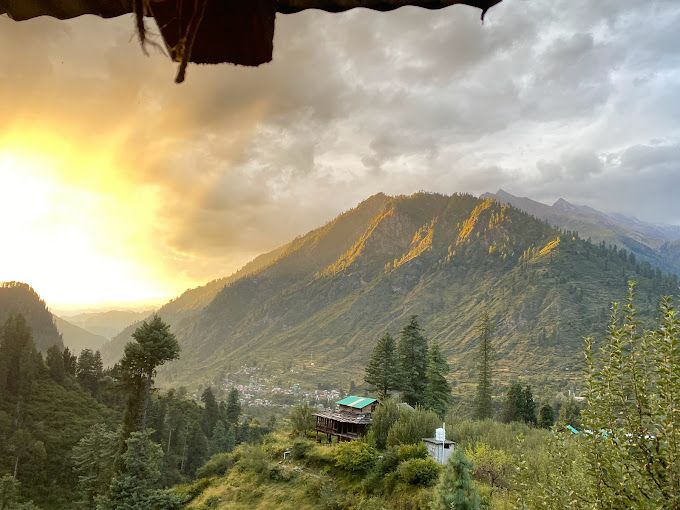
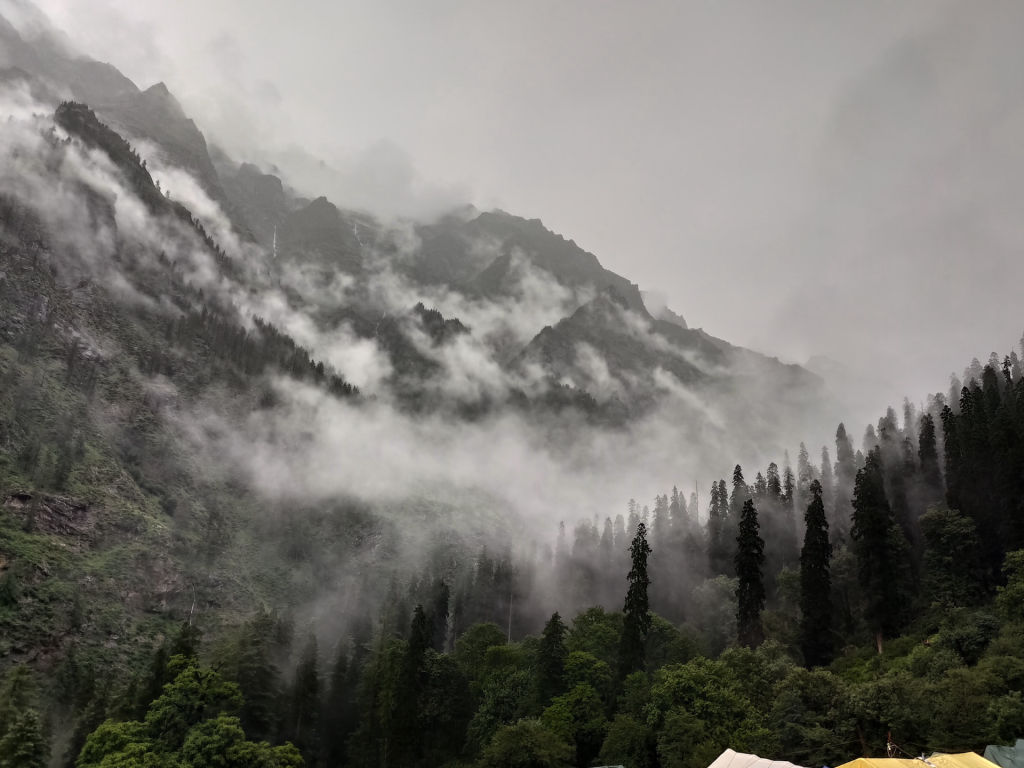
Kasol sits in the deep fold of the Parvati Valley at an elevation of roughly fifteen hundred metres above sea level. Pine and deodar forests rise steeply from the banks of the roaring Parvati River, which cuts directly through the settlement. Over recent decades, this modest Himachali village developed into an international meeting ground for outdoor travellers, hikers, and wanderers drawn to the unhurried pace of the mountains.
The town serves as a natural transition point between the wider Kullu Valley downstream and the steeper, wilder wilderness higher up. Suspension footbridges span the glacial river, connecting local paths through quiet pine groves. A notable international backpacker culture has developed alongside the traditional routines of the local Himachali community, creating a relaxed riverside setting where travellers gather between hikes.
Trekking and trails around Kasol
Kasol is best known among outdoor enthusiasts as the base for trekking in the Parvati Valley. One of the most sought-after routes leads up through forest gorges to Kheerganga, known for its wide panoramic meadows and natural thermal springs. This moderate trail crosses roaring streams, passes through groves of oak and rhododendron, and climbs high above the river valley.
Beyond multi-day expeditions like the cross-mountain route into Spiti via the Pin Parvati Pass, Kasol provides gentle day walking options. A flat trail following the riverbank leads to the neighbouring village of Chalal, offering quiet walking underneath tall deodars. For those seeking solitary exploration, hillside paths ascend through orchards and forest clearings, opening up views of snow-dusted Himalayan ridges.
Read more
Traditional villages near Kasol
The slopes around Kasol host a collection of quiet villages that retain traditional Pahari architecture and rural agricultural ways. Further up the road and trail network lies Pulga, an attractive wooden village flanked by apple orchards and an expanse of dense conifer woodland known locally as the fairy forest. Other nearby settlements like Kalga and Tosh offer broad views of the surrounding peaks and steep valley slopes.
Travellers interested in wider cultural and nature excursions can journey toward the nearby Sainj and Shangarh valleys, home to open meadows and the historic Shangchul Mahadev Temple. The outer fringes of the Great Himalayan National Park also extend south of the region, safeguarding ancient temperate forests, alpine pastures, and indigenous Himalayan wildlife.
Best time to visit Kasol
The climate in Kasol changes dramatically through the year, offering different conditions depending on your interests. The summer months from April to June are widely considered the most accessible time for general travel. Temperatures remain pleasant, mountain trails are clear of winter snow, and days are long and bright, making it an ideal period for day hiking and outdoor camping.
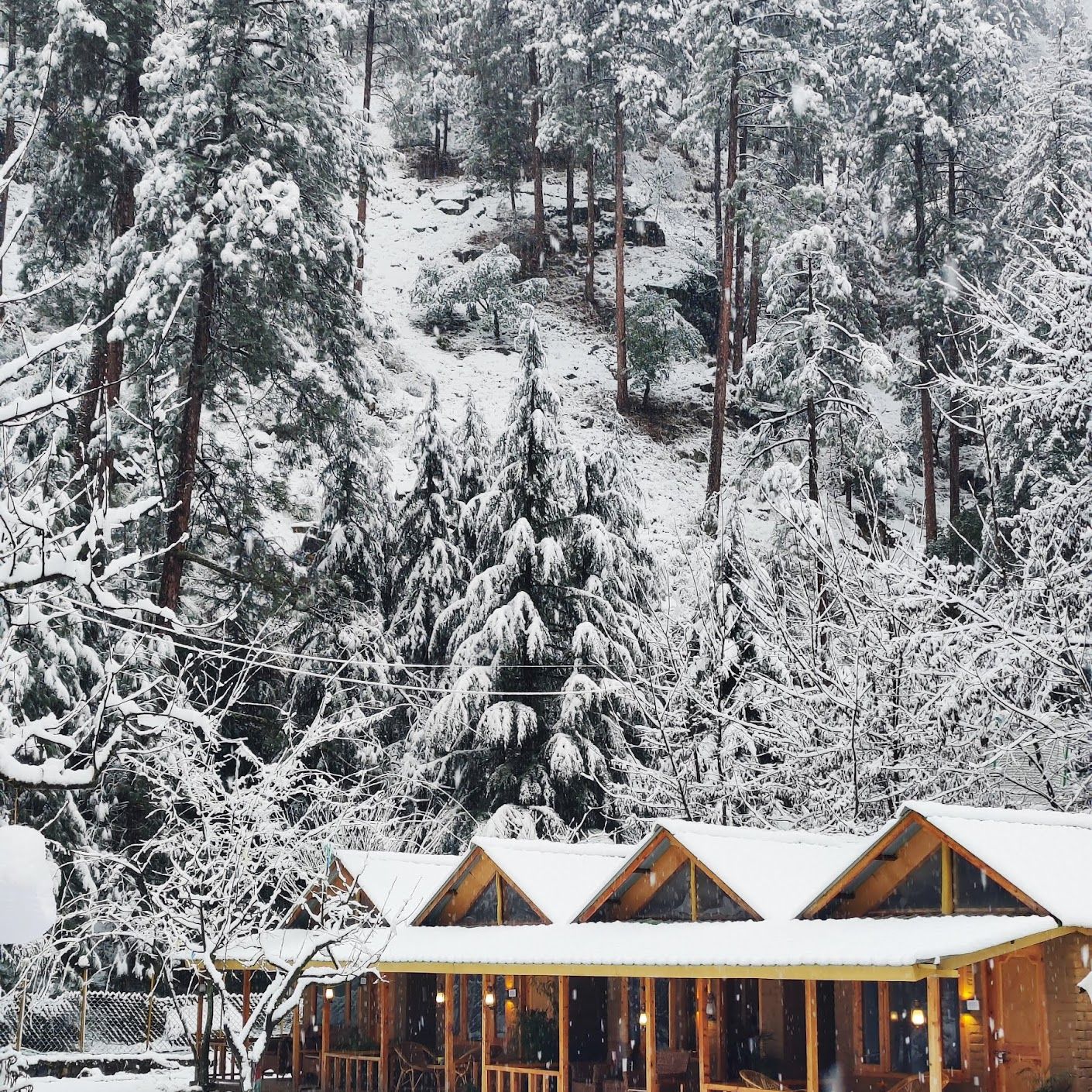
The monsoon arrives between July and early September, bringing heavy rainfall to the Parvati basin. The rains feed the rivers and turn the hillsides rich green, but visitors should travel with caution due to the possibility of landslides and slick trails. Autumn arrives in late September and lasts through November, bringing dry, crisp air, golden foliage, and exceptional mountain clarity. Winter runs from December to February, bringing sub-zero temperatures and occasional snowfall to Kasol, while surrounding ridges remain under thick snow.
How to reach Kasol
Kasol is located in the Kullu sub-district along the road toward Manikaran. The transit hub for the area is Bhuntar, situated roughly thirty kilometres downstream where the Parvati River joins the Beas. Bhuntar is home to the region's domestic airport and lies on the primary highway connecting Delhi and Chandigarh to Kullu and Manali.
From Bhuntar, regular local buses, shared passenger vehicles, and private taxis make the winding climb up the valley to Kasol. The drive follows the river gorge and takes approximately one to two hours depending on local traffic and road conditions. Long-distance travellers commonly take overnight sleeper buses from Delhi or Chandigarh to Bhuntar, transferring there for the final mountain stretch. Those travelling by train typically disembark at broad-gauge stations like Chandigarh or Pathankot before continuing by road.
Tips for your visit to Kasol
Visiting a high-altitude river valley requires thoughtful preparation. Footwear is the most important piece of gear to pack; bring broken-in walking shoes or sturdy trail boots with reliable grip, as pathways are frequently unpaved, steep, and rocky. Layered clothing is essential throughout the year, as daytime temperatures can be mild while evenings turn distinctly cold.
Reliable mobile network coverage varies through the valley, and internet connectivity can drop during power outages or bad weather. Automated teller machines in the valley sometimes run out of cash or experience technical downtime, so it is sensible to withdraw sufficient cash in larger towns like Bhuntar or Mandi before heading up. Always carry a reusable water bottle and bring personal trash back to town, helping protect the Parvati Valley's delicate alpine environment.
Where to stay around Kasol
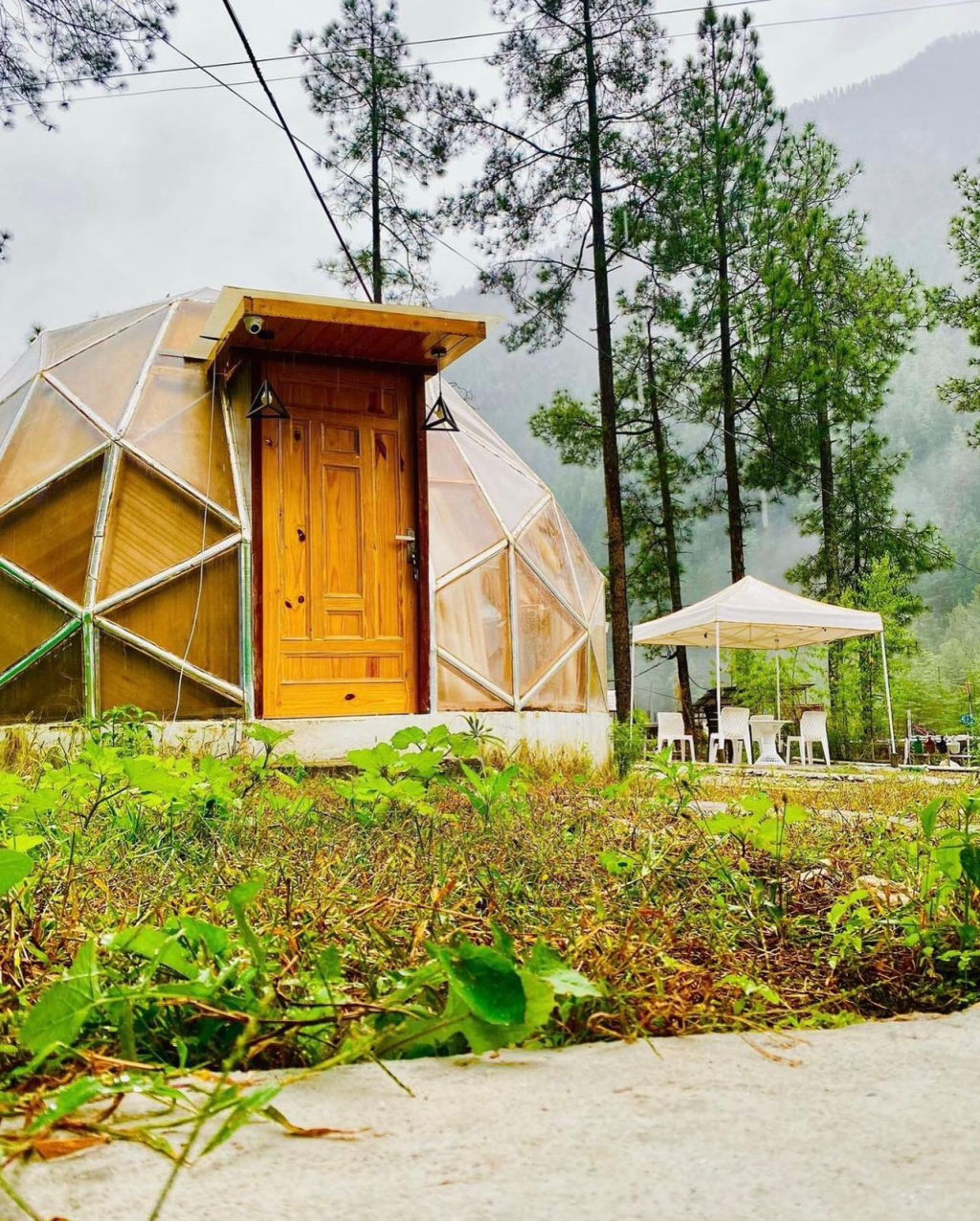
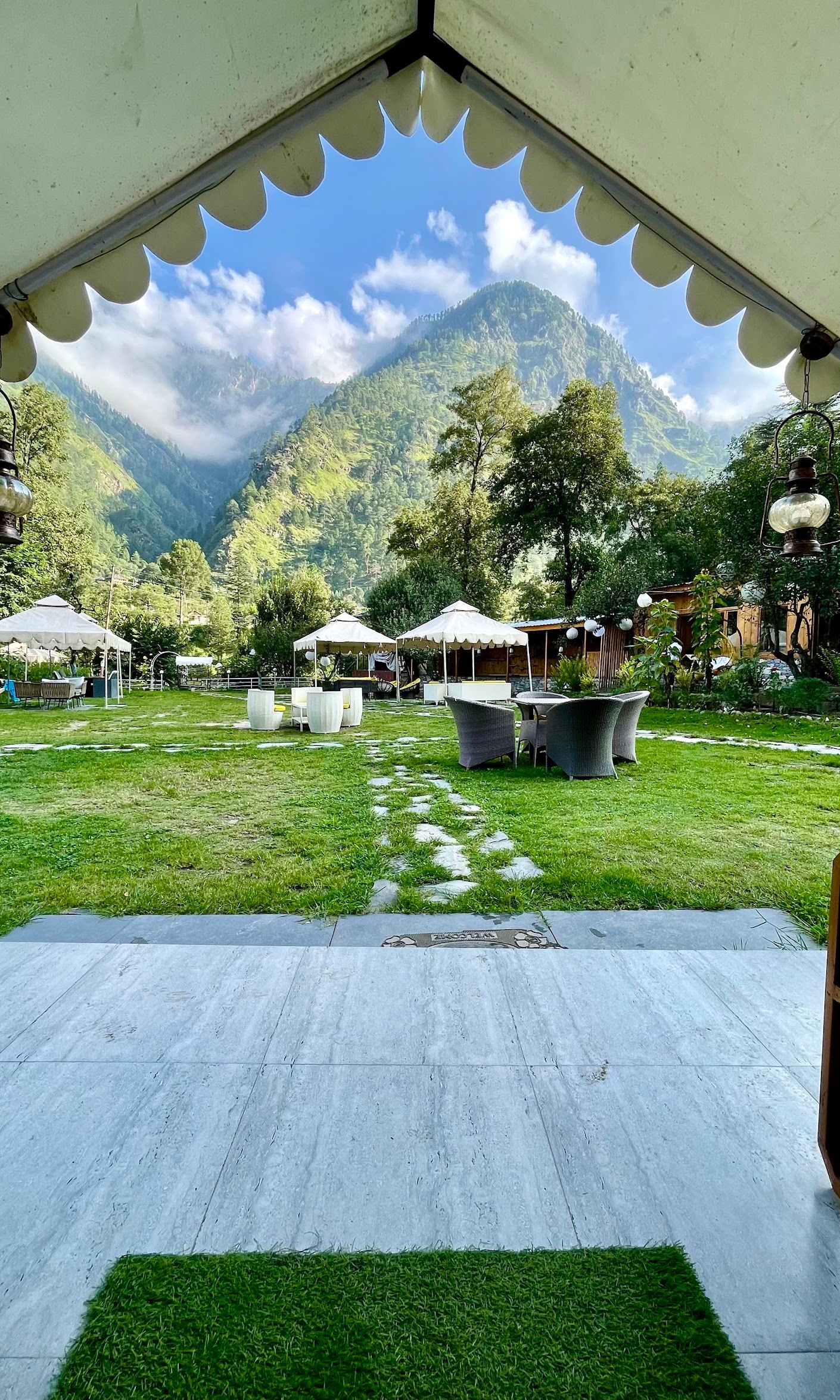
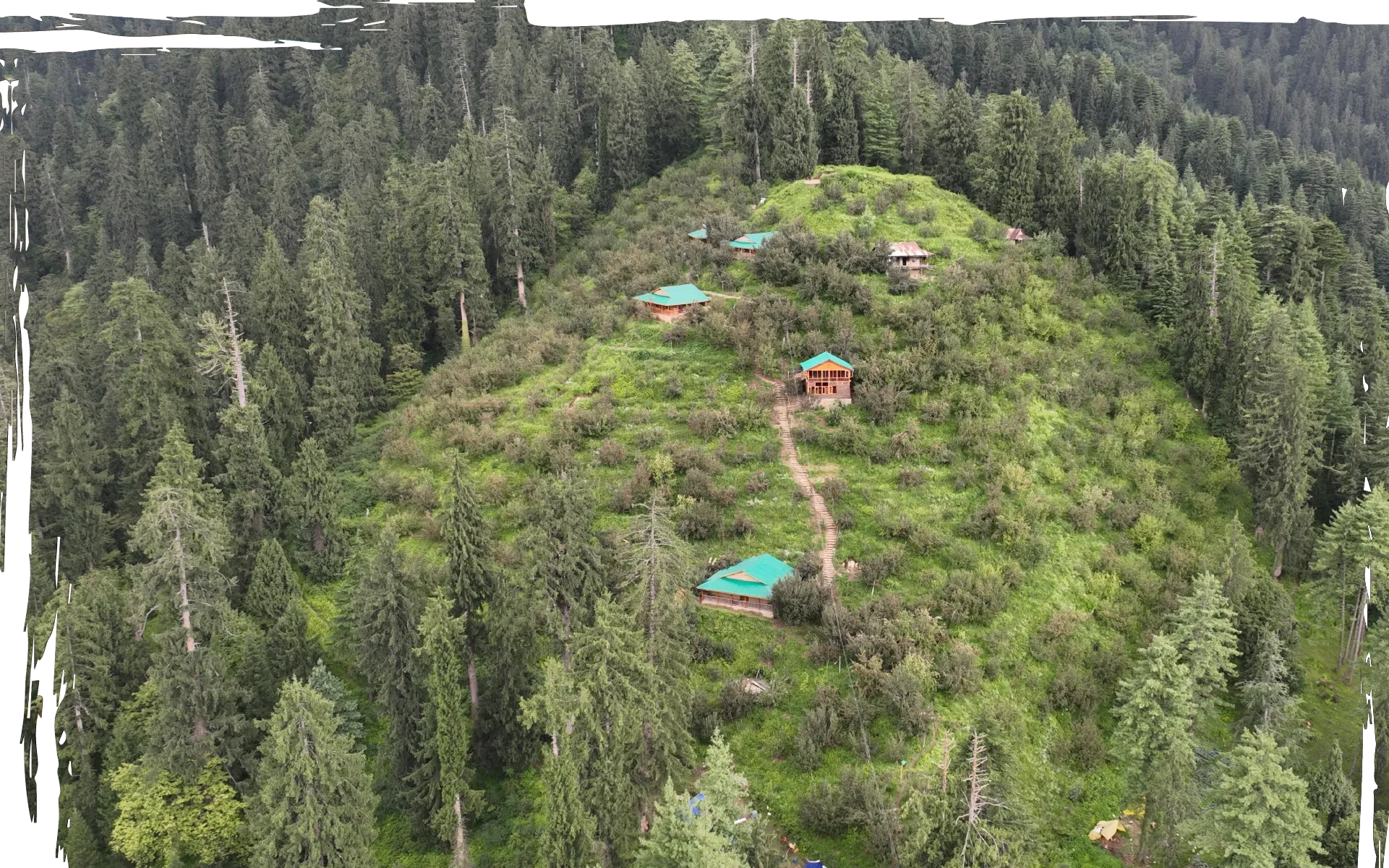
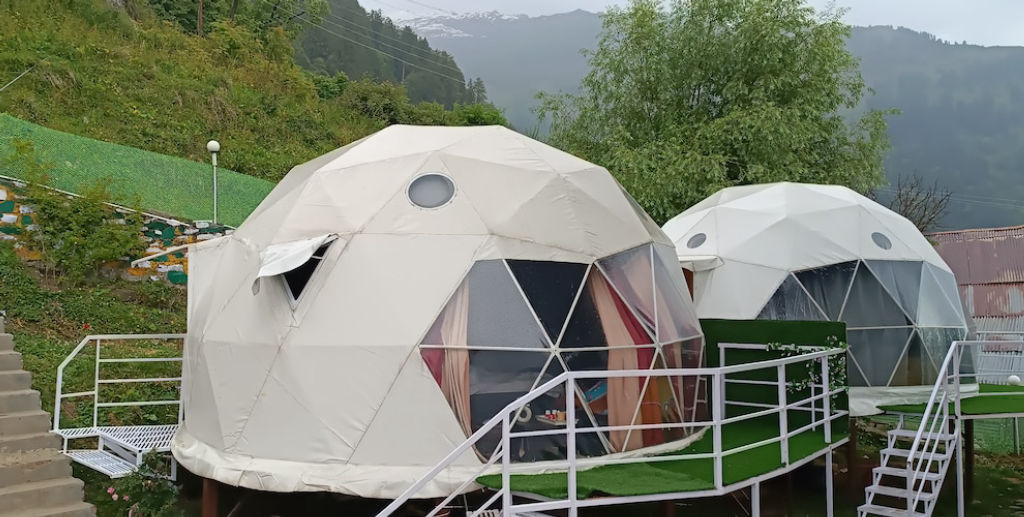
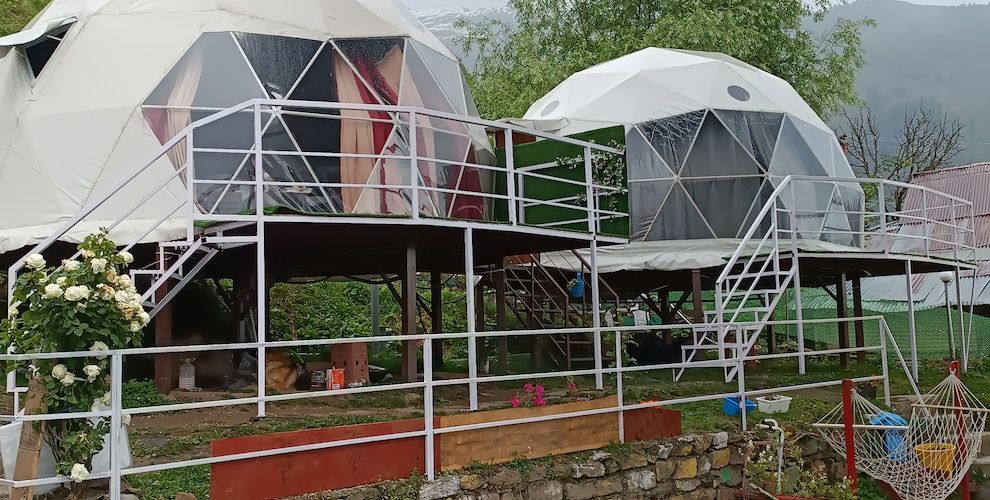
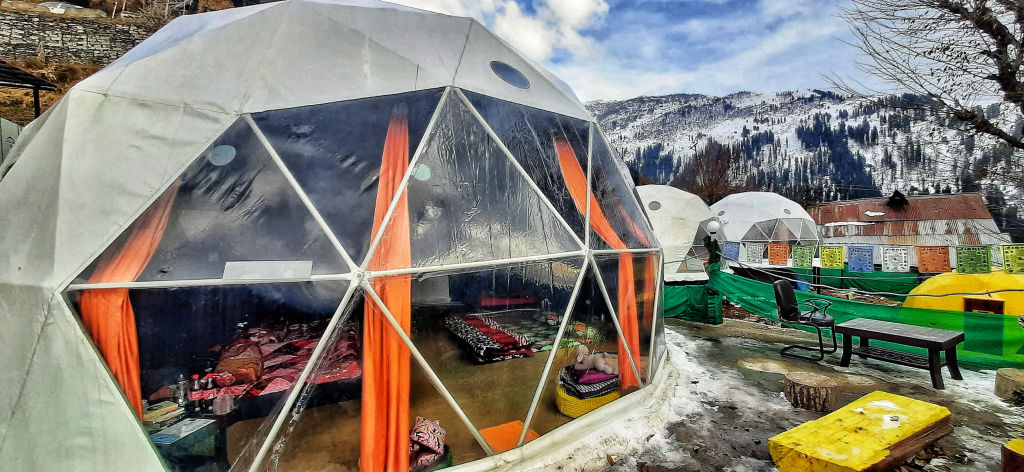
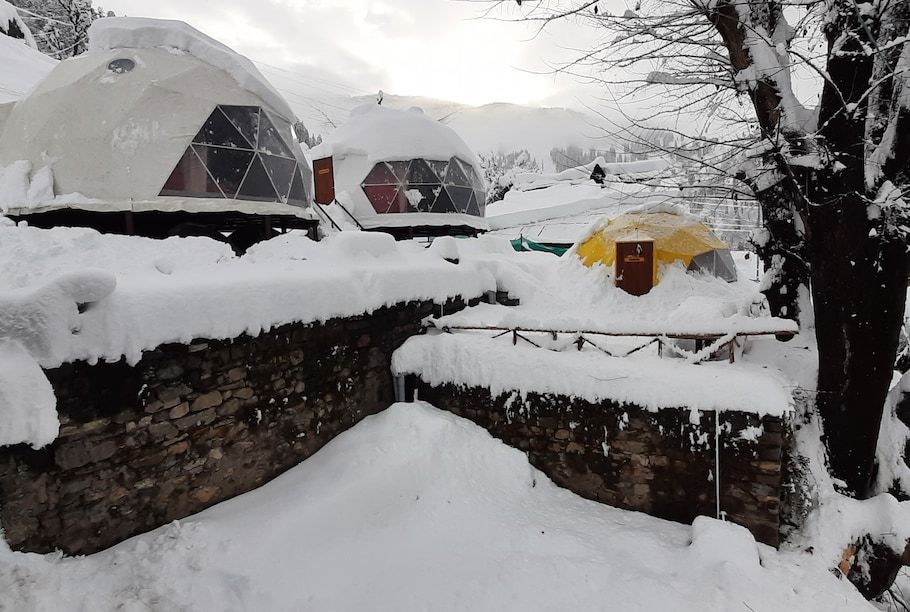
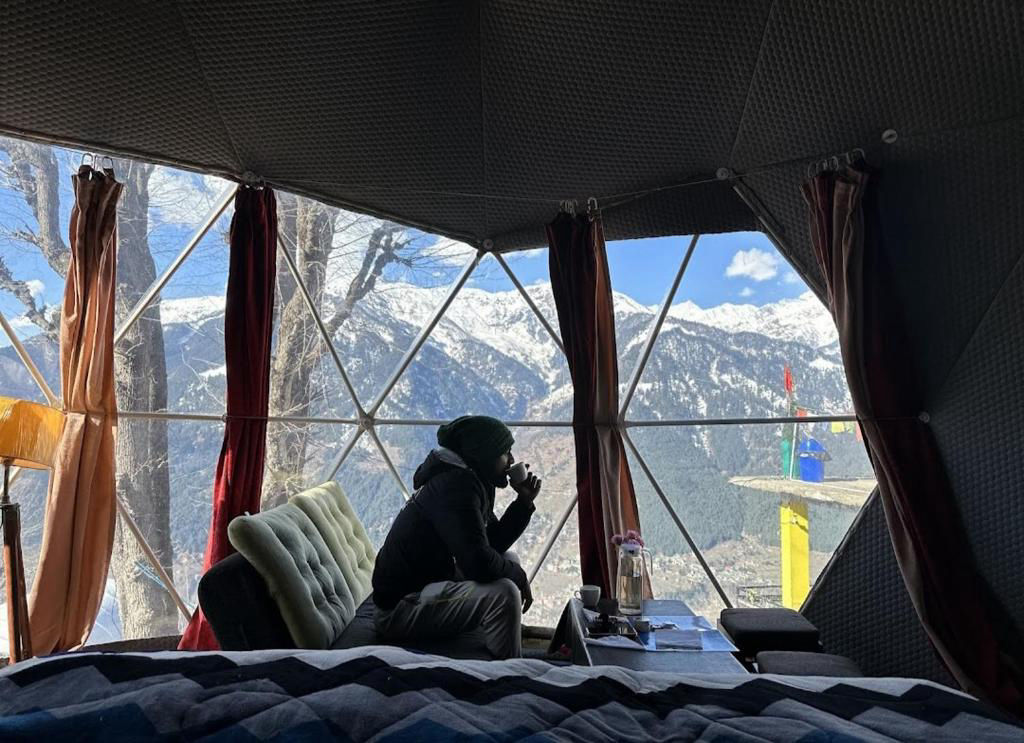
Accommodations around Kasol emphasize mountain immersion and outdoor living. While the town centre offers various lodging options, many hikers and nature lovers choose to stay along quieter sections of the river or in the surrounding hillside villages. Traditional wooden homestays provide an authentic look into local domestic life, while riverside camps allow guests to sleep within hearing distance of the rushing water.
Outdoor travellers seeking verified campsites, riverside tents, and rural homestays in and around Kasol can find and book their stays directly on HireACamp.
Frequently asked questions
What is Kasol famous for?
Kasol is famous for its scenic location along the Parvati River, relaxed backpacking culture, and role as the main base for Himalayan treks like Kheerganga.
Which are the best months to visit Kasol?
The most popular months are April through June for pleasant daytime hiking weather, and October through November for clear mountain views and crisp autumn air.
Does it snow in Kasol?
Yes, Kasol experiences occasional snowfall during peak winter in January and February, while higher nearby villages and trekking trails receive substantial snow cover.
Is Kasol suitable for beginner trekkers?
Kasol is well suited for beginners, offering easy walks along the riverbank to nearby hamlets alongside popular moderate trails like the Kheerganga hike.
How do you reach Kasol from Delhi?
Travellers commonly take an overnight bus from Delhi to Bhuntar, and then complete the remaining thirty-kilometre climb to Kasol using a local bus or taxi.
Where you'll be
Kasol Main Road, Kullu Sub-District · 12 stays nearby shown with prices
Stays near Kasol
Book a place to stay close by

More places near Kasol
Within 20 km


Built from 0 Instagram posts by 0 creators. Every tip links back to the post it came from, and where creators disagree we show both sides.






