
Kasol Hot Spring
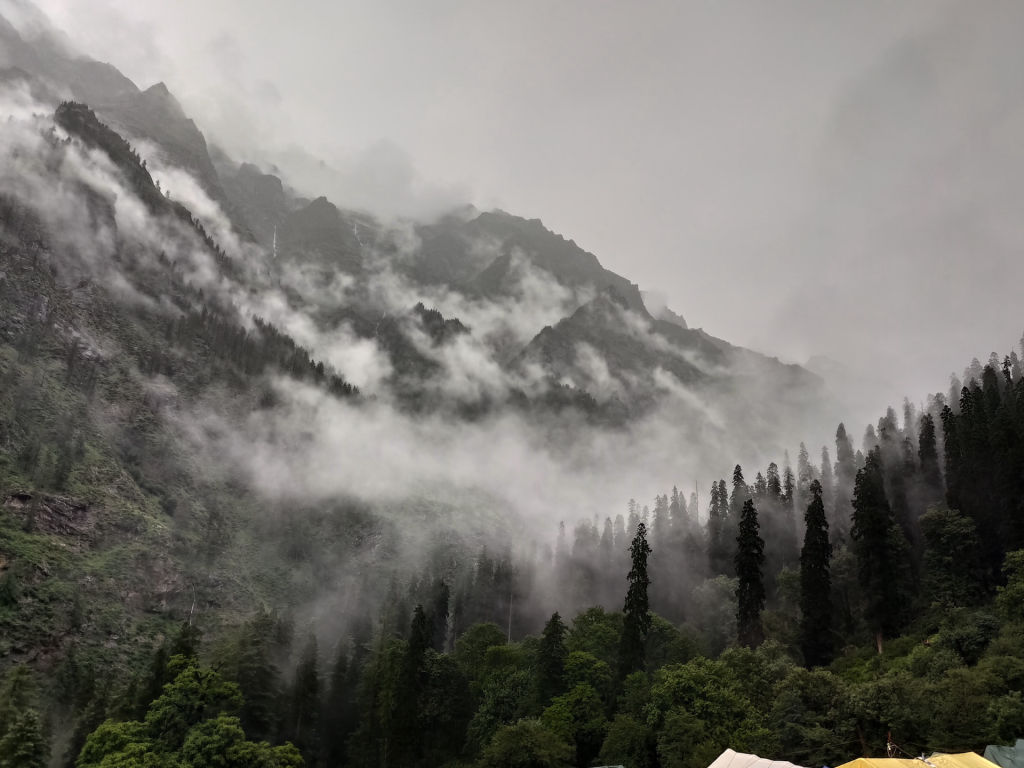
Nature near Kasol, Himachal Pradesh
400 m from Kasol
The nearest town, for stays, food and fuel.
Kasol Hot Spring is a natural geothermal water source located along the banks of the Parvati River in the Kullu district of Himachal Pradesh. Surrounded by rugged Himalayan slopes and dense pine forests, it offers travellers a chance to relax in mineral-rich, naturally heated waters. It serves as an accessible natural attraction for those trekking through the Parvati Valley or spending time in the village of Kasol.
Getting there
By road
- From KasolNearest town1 min · 400 m
- From Chandigarh5 hr 25 min · 248 km
- From Ludhiana5 hr 50 min · 278 km
- From Amritsar7 hr 55 min · 388 km
Typical drive times without traffic. Stations and airports from OLA Maps; distances and typical drive times from OpenStreetMap (© OpenStreetMap contributors); notes from creators' Reels.
About Kasol Hot Spring
Written with AI from map data and general knowledge. Check prices and timings locally before you go.
About Kasol Hot Spring
The Parvati Valley is well known across the Western Himalayas for its geothermal activity, and Kasol Hot Spring is one of the most accessible points to witness this phenomenon. Emerging naturally from the earth near the riverbed, the water here is heated deep beneath the crust and bubbles up through fissures in the rock, carrying with it dissolved minerals such as sulfur.
While the larger and more famous hot water springs of the valley are found further up at Manikaran and Kheerganga, the spring at Kasol provides a quieter, localized alternative. Positioned right beside the rushing grey-blue waters of the Parvati River, the site presents a stark and fascinating thermal contrast. Steaming natural water pools sit just yards away from glacial meltwater flowing straight down from high Himalayan ridges.
Experiencing the warm waters
Visitors to Kasol Hot Spring generally come to dip their feet or bathe after long mountain journeys. Enclosed or semi-enclosed bathing sections have historically been maintained to allow visitors and locals to use the warm water comfortably, often with separate arrangements for men and women. The temperature of the water remains consistently warm throughout the year, making it an inviting respite, particularly when mountain winds sweep through the valley.
Beyond simply warming up, many travellers value the sulfur-rich water for its traditional therapeutic qualities. Mineral springs in this belt have long been associated with soothing tired muscles, easing joint soreness, and revitalizing skin after demanding high-altitude treks. Sitting beside the flowing river while taking in the steam and the scent of damp earth and pine needles makes for a grounding outdoor experience.
Read more
Best time to visit Kasol Hot Spring
Kasol Hot Spring can be visited throughout much of the year, but the surrounding mountain climate significantly influences the experience. Spring and early summer, from April to June, bring pleasant daytime weather, clear trails, and vibrant greenery throughout the Parvati Valley. This is one of the most popular periods to visit, as outdoor temperatures make walking around the riverside comfortable and relaxing.
Autumn, spanning September to November, brings crisp mountain air, golden forest light, and stable conditions after the rainy season has cleared. As temperatures drop toward winter between December and February, the hot spring becomes especially appealing. The contrast of soaking in hot mineral water while snow covers the higher ridges and frost lines the riverbanks is memorable, though visitors must prepare for sub-zero night temperatures and icy patches along the river.
How to reach Kasol Hot Spring
Kasol sits in the Kullu sub-district and is connected by road to the rest of Himachal Pradesh via the town of Bhuntar. Travellers arriving by air usually land at Bhuntar Airport, while long-distance buses and private vehicles approach via Mandi and the Chandigarh-Manali highway before turning east up the Parvati Valley at Bhuntar.
From Bhuntar, local buses, shared vehicles, and private taxis run regularly along the narrow mountain road heading toward Kasol and Manikaran. Once you arrive in the central area of Kasol, the hot spring is reachable on foot. A short walk through town and down toward the banks of the Parvati River brings you to the designated bathing areas and spring outlets.
Tips for your visit
Because Kasol Hot Spring utilizes natural thermal currents in a small mountain settlement, visitors should practice thoughtful etiquette. Modest attire is expected when using community bathing enclosures or riverfront spots, reflecting local cultural norms. Carry your own clean towel, change of dry clothes, and a waterproof bag to keep your belongings safe from damp ground and steam.
The rocks surrounding the spring and along the Parvati River can become exceptionally slick due to moisture, algae, and mineral deposits. Sturdy footwear with reliable grip is essential for walking down to the water. In addition, travellers should refrain from washing clothes with chemical detergents or leaving plastics and toiletries around the water source, helping preserve the delicate river environment.
Places to visit around Kasol
Kasol serves as the primary base for exploring the wider Parvati Valley and nearby mountain hamlets. Just up the valley lies Pulga, a quiet village famed for its traditional wooden houses, apple orchards, and the surrounding deodar woods known locally as the Fairy Forest. Pulga offers a glimpse of slower rural life and trail access deeper into the lower ridges.
For those interested in longer outdoor excursions, the trail to Kheerganga leads hikers up through pine forests, waterfalls, and steep mountain meadows to another high-altitude hot water spring. Travellers venturing beyond the valley can head south toward the Shangarh valley and the ancient Shangchul Mahadev Temple in the Sainj Valley, or explore the buffer zones and wilderness trails of the Great Himalayan National Park.
Where to stay near Kasol Hot Spring
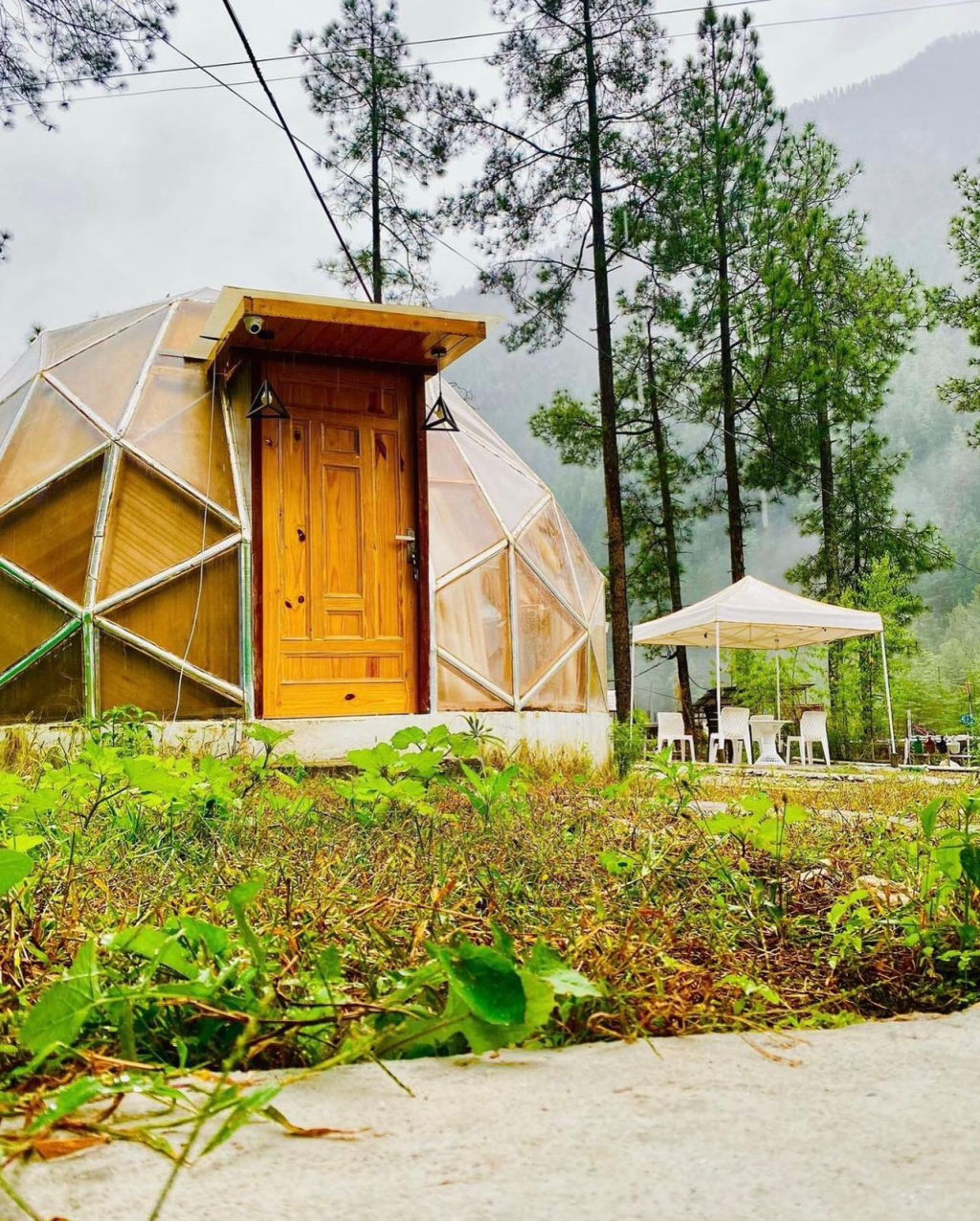
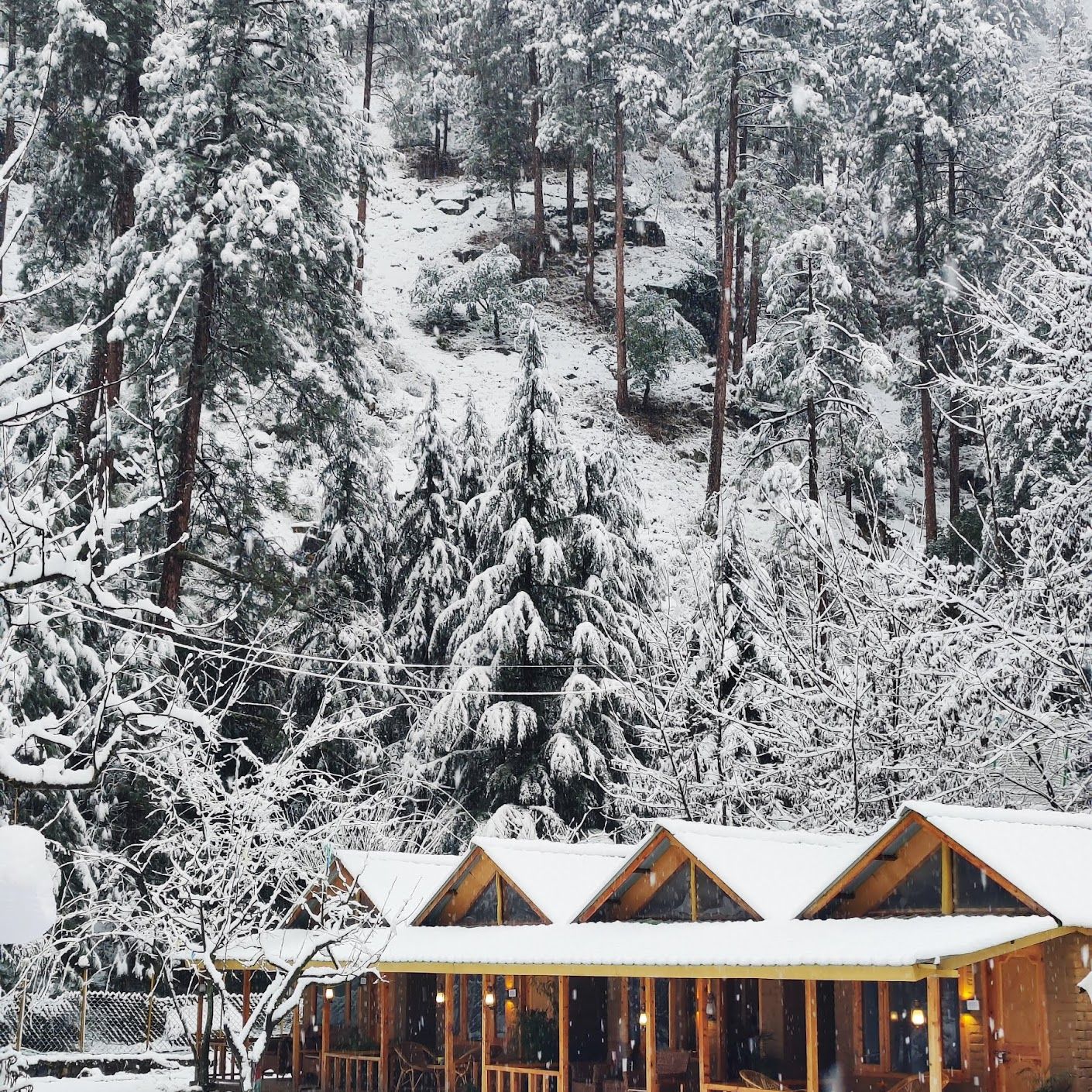
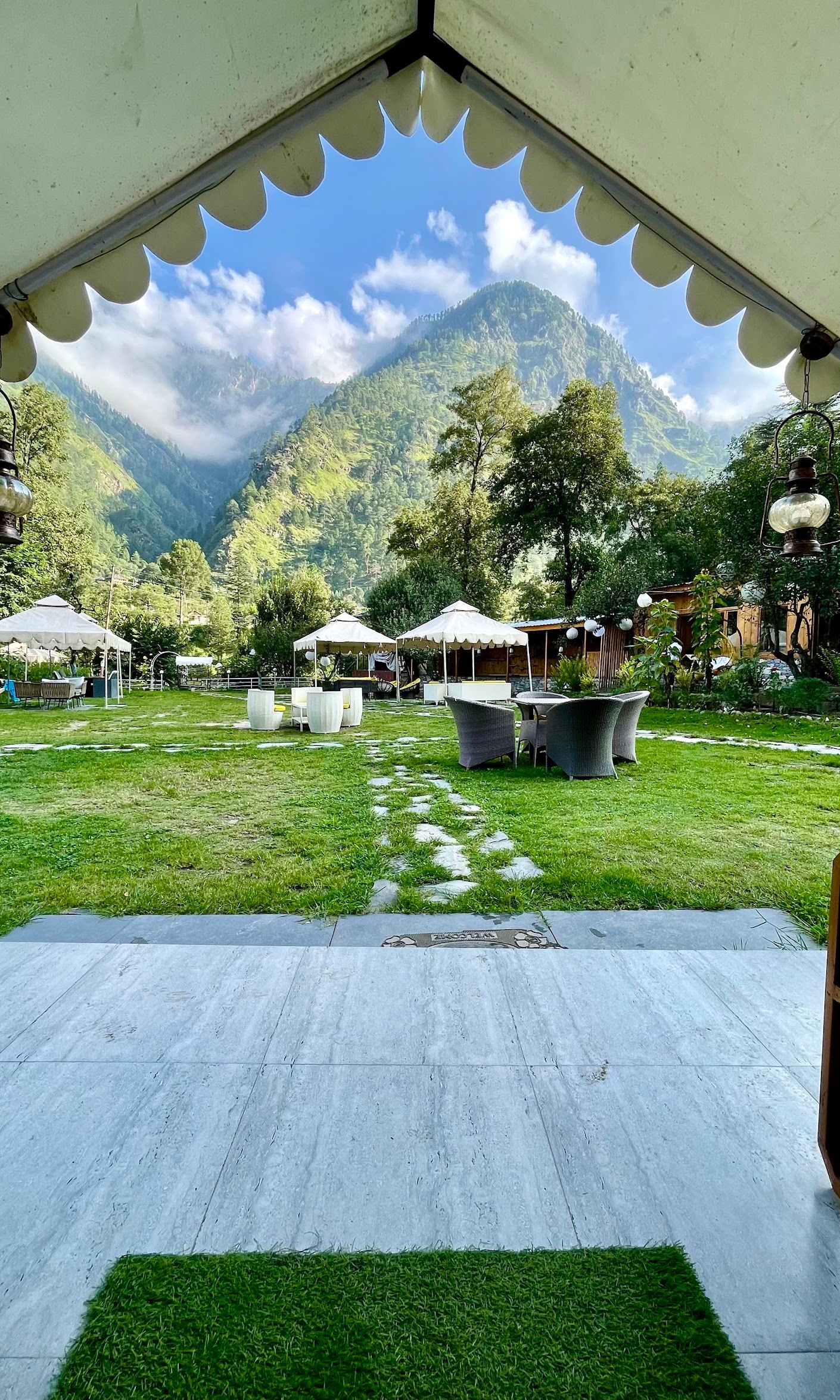
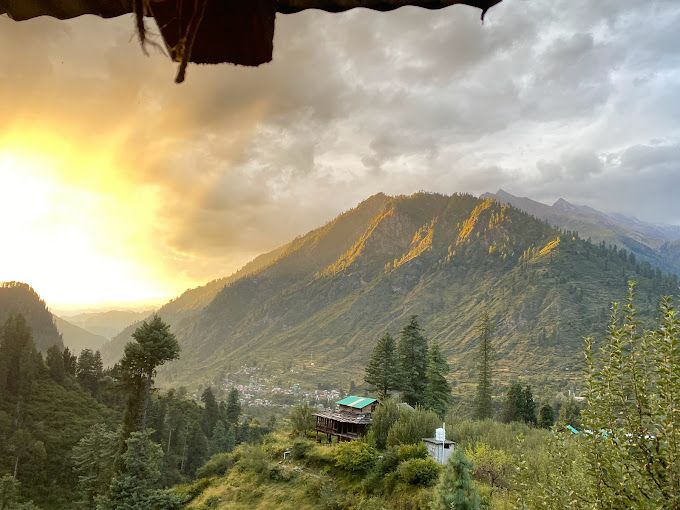
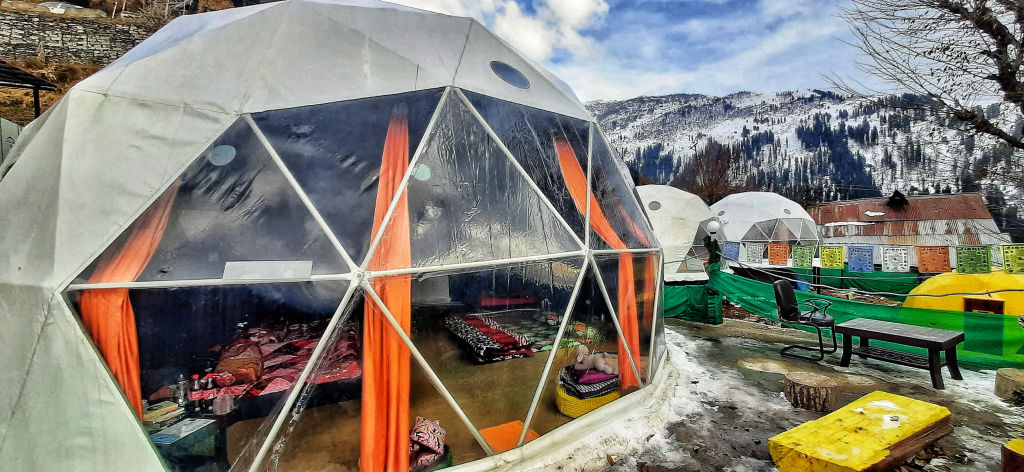
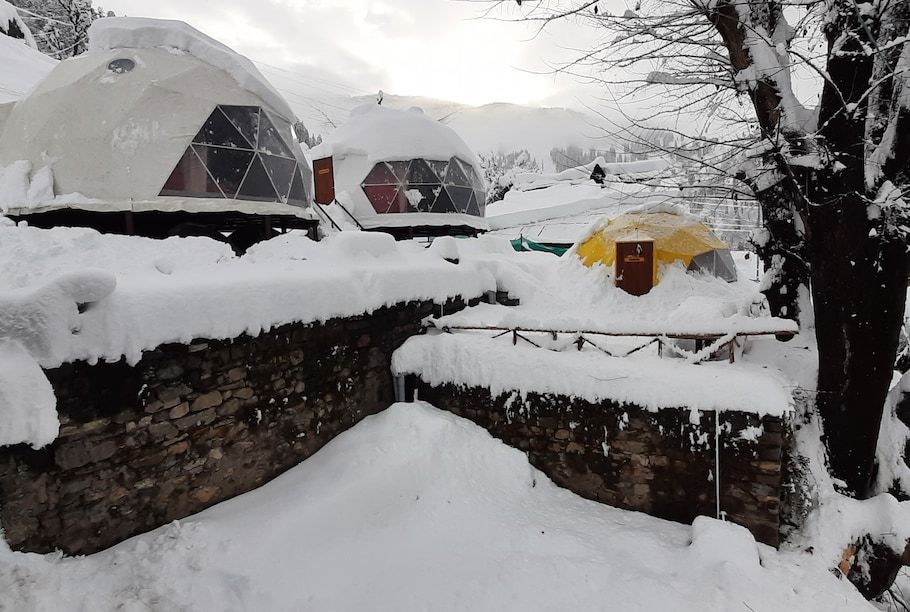
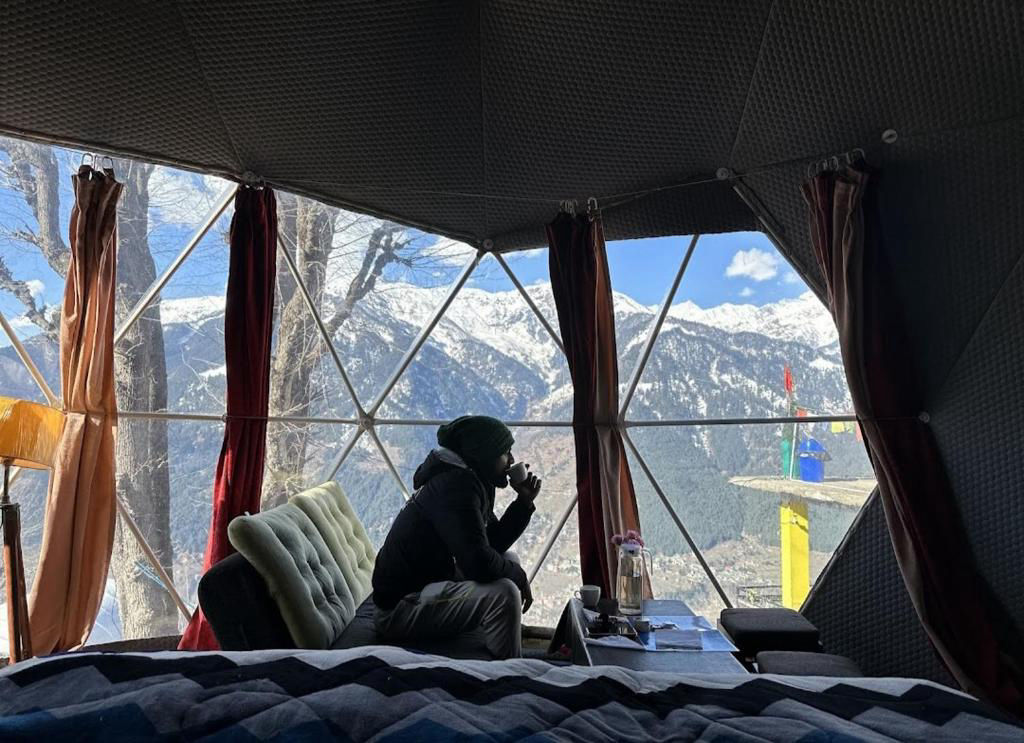
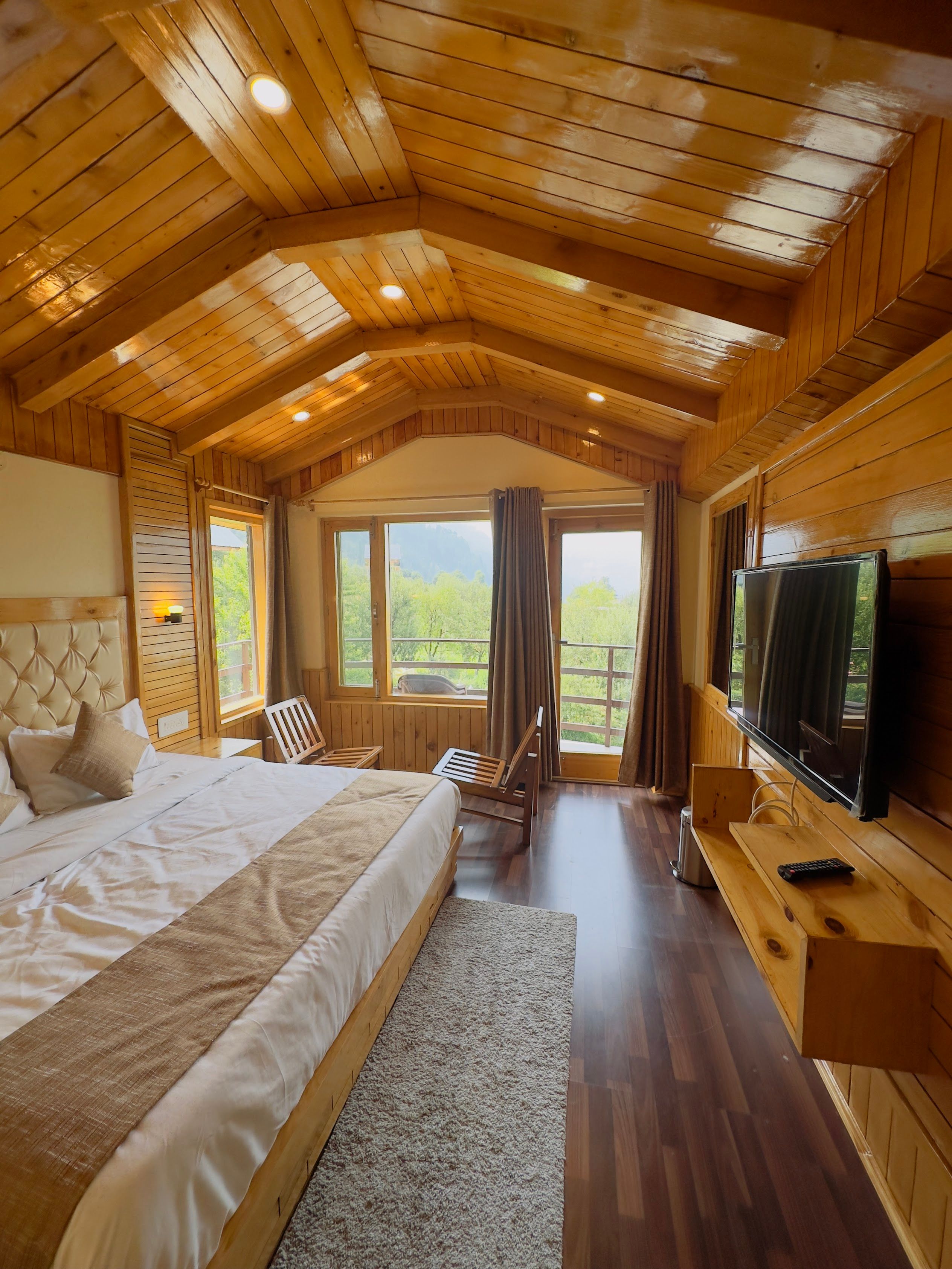
There is a wide variety of accommodation available in and around Kasol, catering to hikers, backpackers, and families alike. Options range from riverside campgrounds along the Parvati River to cozy family-run homestays tucked into traditional wooden houses in nearby hamlets.
Staying slightly outside the main market area allows you to enjoy quieter pine groves and direct access to mountain walking paths. You can find and book vetted camps, homestays, and outdoor stays near Kasol on HireACamp to suit your travel style.
Frequently asked questions
Is Kasol Hot Spring safe for bathing?
Yes, people regularly bathe in the designated areas fed by the hot spring. Take care around natural rocky edges, as mineral runoff and river spray can make surfaces quite slippery.
Why is the water at Kasol Hot Spring hot?
The water is geothermal, meaning it is heated deep underground through geothermal activity in the Parvati Valley before rising to the surface enriched with minerals like sulfur.
Can I visit Kasol Hot Spring during the winter?
Yes, the spring flows year-round and the warm water is especially pleasant during cold winter months, though you must prepare for chilly mountain weather and freezing nights.
What should I carry when visiting Kasol Hot Spring?
Carry a quick-dry towel, a change of clothes, modest swimwear or cover-ups suitable for local custom, and footwear with good traction for walking over wet river stones.
Where you'll be
Kullu Sub-District · 12 stays nearby shown with prices
Stays near Kasol Hot Spring
Book a place to stay close by
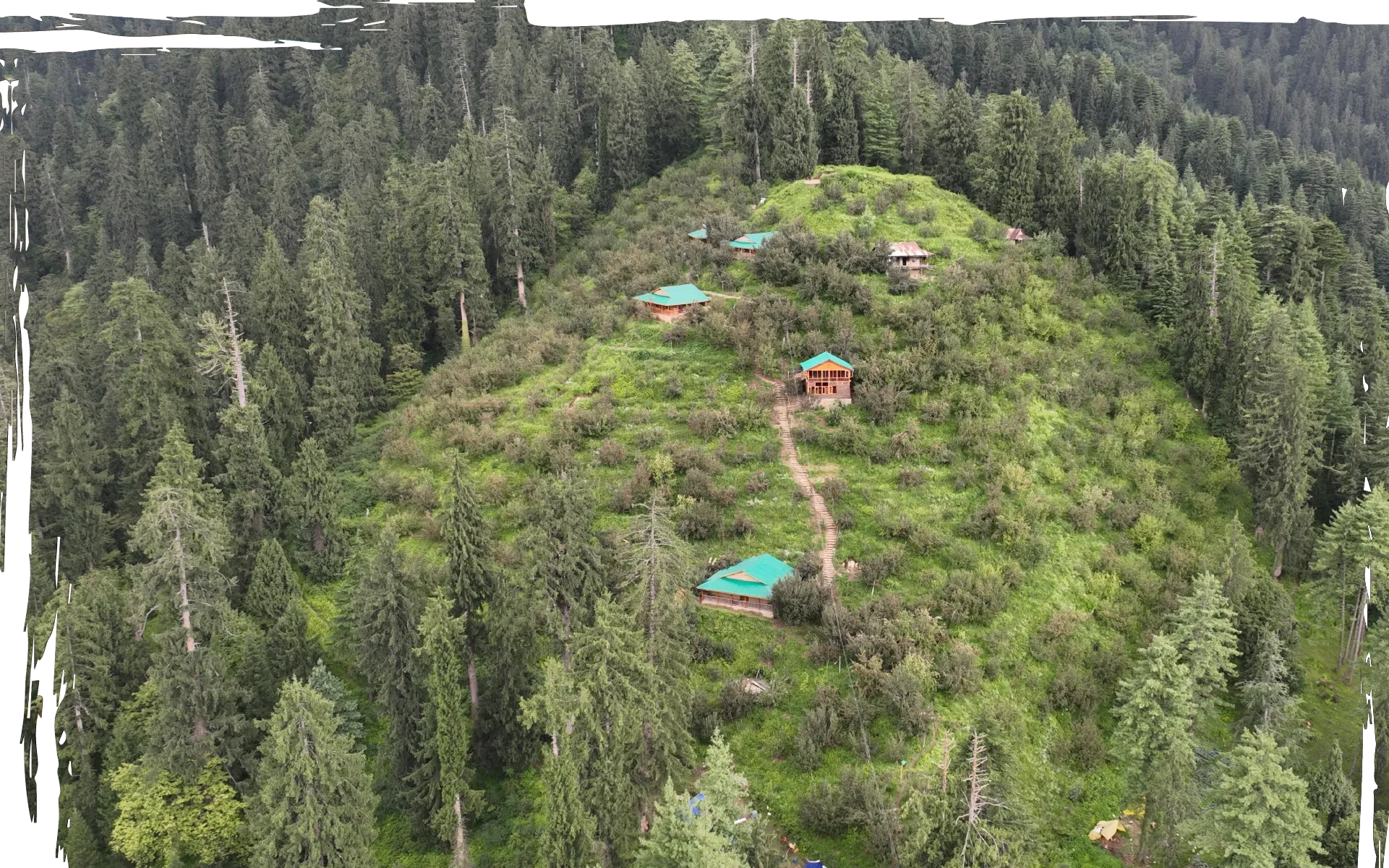
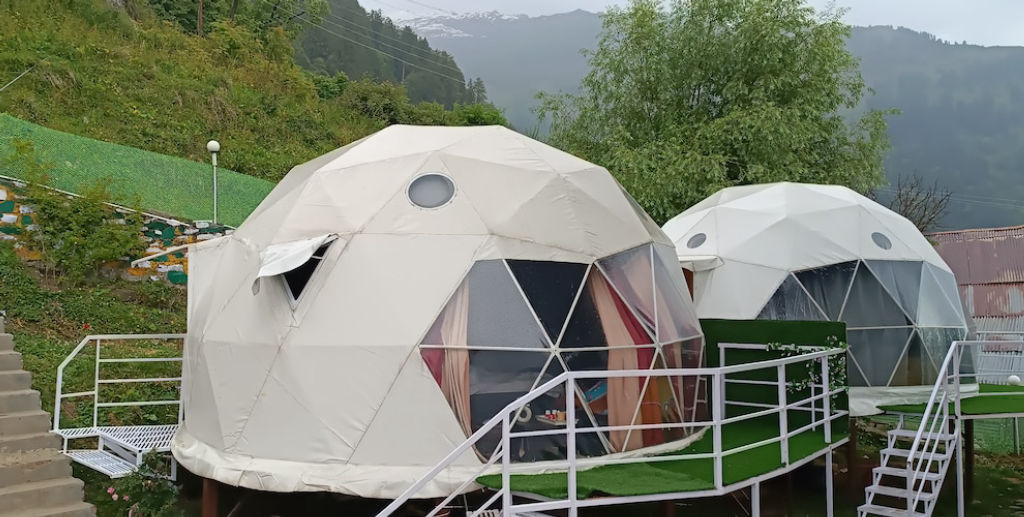
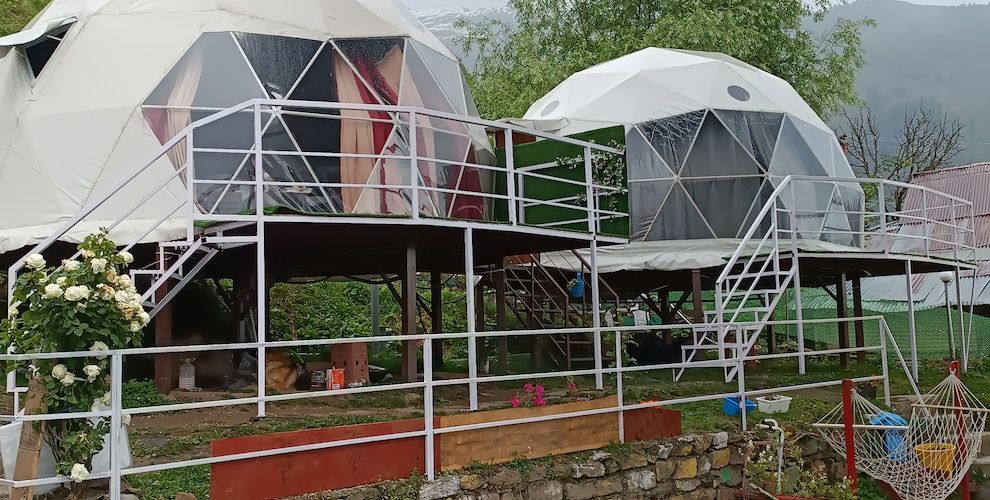
More places near Kasol Hot Spring
Within 20 km


Built from 0 Instagram posts by 0 creators. Every tip links back to the post it came from, and where creators disagree we show both sides.






