
Katarmal
Destination in Uttarakhand
Katarmal is a peaceful hillside settlement situated in the Almora district of Uttarakhand, set against the backdrop of terraced valleys and pine-covered ridges. The village is best known for its ancient ninth-century Sun Temple, one of the few dedicated shrines to the sun deity across the northern Himalayas. Travellers visit Katarmal to admire its intricate rock-hewn architecture, soak in expansive views of the Kumaon ranges, and enjoy quiet mountain walks away from busier hill stations.
Getting there
By road
- From Dehradun7 hr 35 min · 355 km
- From New Delhi8 hr 5 min · 366 km
- From Chandigarh11 hr 15 min · 524 km
Typical drive times without traffic. Stations and airports from OLA Maps; distances and typical drive times from OpenStreetMap (© OpenStreetMap contributors); notes from creators' Reels.
About Katarmal
Written with AI from map data and general knowledge. Check prices and timings locally before you go.
What Katarmal is known for
Katarmal owes its prominence to the grand Katarmal Sun Temple, also referred to locally as the Bara Aditya Temple. Constructed around the ninth century during the reign of the Katyuri kings, the complex stands as one of the most historically significant religious monuments in Uttarakhand. Unlike many other regional temples dedicated to Lord Shiva or local deities, this complex honours Surya, reflecting an era of distinct architectural style and spiritual devotion in Kumaon.
The main stone sanctum is encircled by around forty-four smaller auxiliary shrines, creating a terraced temple complex carved directly into the hillside. The architecture features finely detailed stone pillars, engraved doorways, and classical curvilinear towers characteristic of early medieval northern Indian temple design. Standing at an elevation overlooking the Kosi River basin, the site offers an enduring window into the art and history of ancient Himalayan dynasties.
Things to do in and around Katarmal
The primary experience in Katarmal is exploring the temple complex itself. Visitors can spend hours examining the weathered carvings, ancient inscriptions, and stone masonry preserved by the Archaeological Survey of India. The position of the temple on the ridge also makes it a rewarding spot to witness sunrise, as the early morning light strikes the eastward-facing facades across the valley.
Beyond the temple, Katarmal and its surrounding hamlets offer pleasant walking trails through chir pine and oak forests. The quiet ridge paths provide wide views of the Kumaon Himalayas on clear days, along with opportunities for birdwatching. Wandering through the nearby terraced fields lets travellers observe traditional Kumaoni village life, characterised by stone slate roofs, hand-carved wooden door frames, and small orchards of hill fruits.
Read more
Getaways and places to visit nearby
Katarmal serves as a convenient base for exploring several prominent heritage and natural getaways in the central Kumaon belt. Just a short drive away lies the historic town of Almora, famous for its cultural heritage, vibrant local bazaars, and scenic vantage points. The nearby ridge of Kasar Devi is celebrated for its panoramic Himalayan perspectives and tranquil, contemplative atmosphere that has drawn thinkers and artists for decades.
Travellers interested in exploring further afield can take scenic day drives towards the Someshwar Valley, renowned for its flat agricultural plains and ancient Shiva shrines, or head towards Ranikhet to explore pine-scented cantonment roads, historic forest shrines, and colonial churches. The historic temple sites of Gananath and Kalika are also reachable on leisurely day outings, providing insight into the deep spiritual heritage of the Almora hills.
Best time to visit Katarmal
Katarmal can be visited throughout the year, but the post-monsoon and winter months from October to March offer the clearest skies and best Himalayan vistas. During these months, the air is crisp and daytime temperatures are comfortable for walking, though winter nights can drop close to freezing, requiring warm woollens.
Spring, spanning March and April, brings pleasant daytime warmth and the blooming of rhododendrons and wild mountain flowers across the surrounding slopes. Summers, from May through June, offer mild weather that provides a welcome retreat from the intense heat of the northern plains. The monsoon season between July and September brings heavy rainfall, turning the valley emerald green, but it also increases the risk of road slips and delays, so travellers during this period should check regional weather reports before travelling.
How to reach Katarmal
Katarmal is located in the Almora district of Uttarakhand and is accessible primarily by road. The nearest railway station is at Kathgodam, situated in the Himalayan foothills. From Kathgodam, travellers can hire private taxis or board shared vehicles that climb through Bhimtal, Bhowali, and the Kosi River valley towards Katarmal and Almora.
For those travelling by air, the closest domestic airport is Pantnagar, which connects to select major cities. From the airport, road transport is readily available up into the hills. Visitors driving from Delhi or other northern hubs generally follow the route via Moradabad, Rampur, Haldwani, and Bhowali before branching towards Katarmal. The final approach to the temple involves a short, paved walk up stone steps from the road, making sturdy walking shoes advisable.
Where to stay around Katarmal
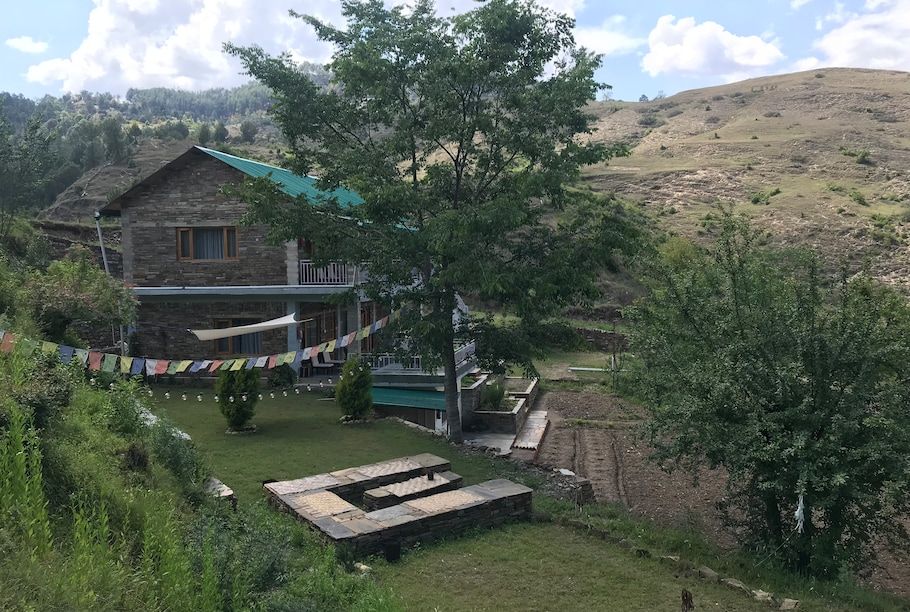
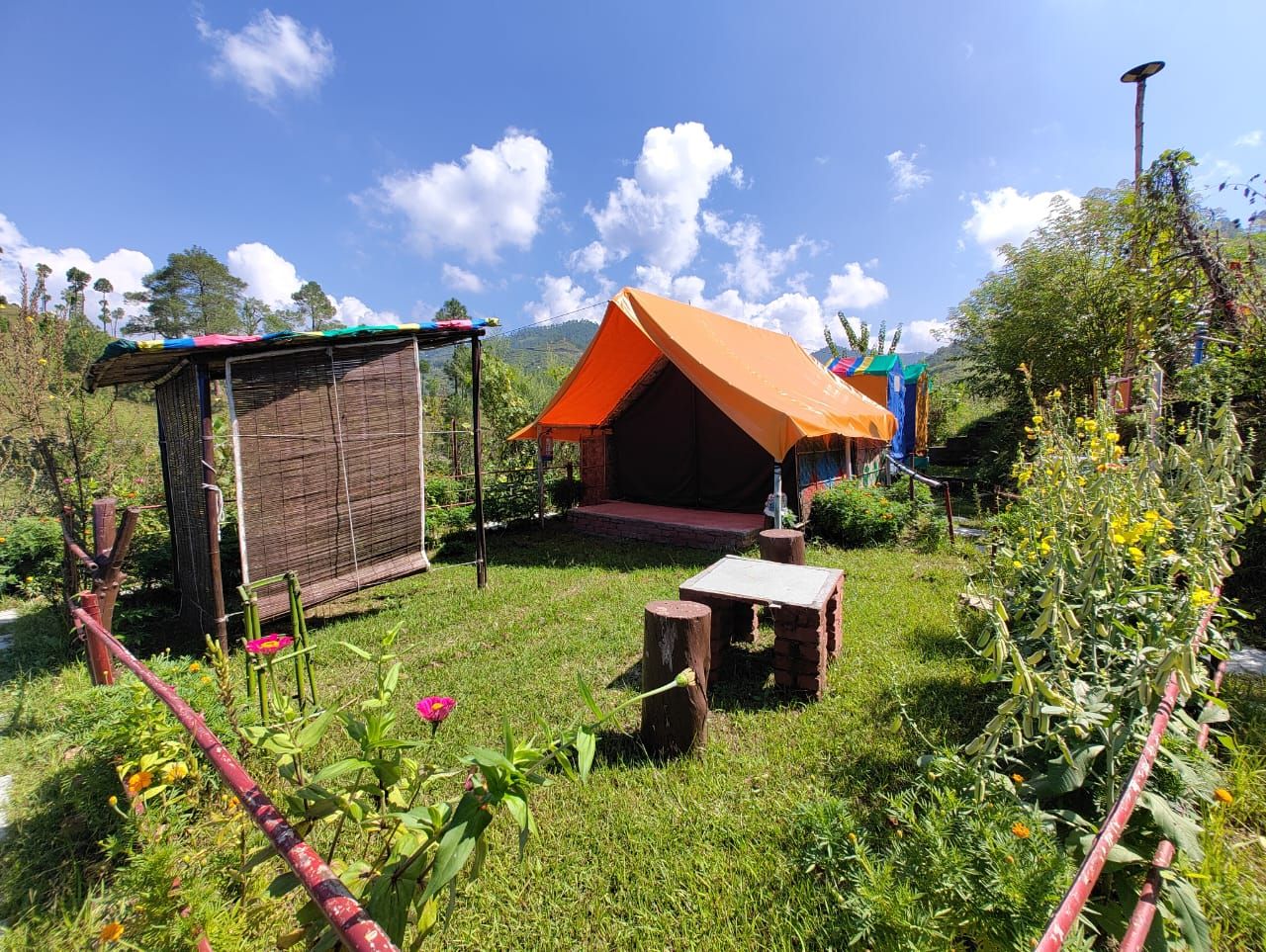
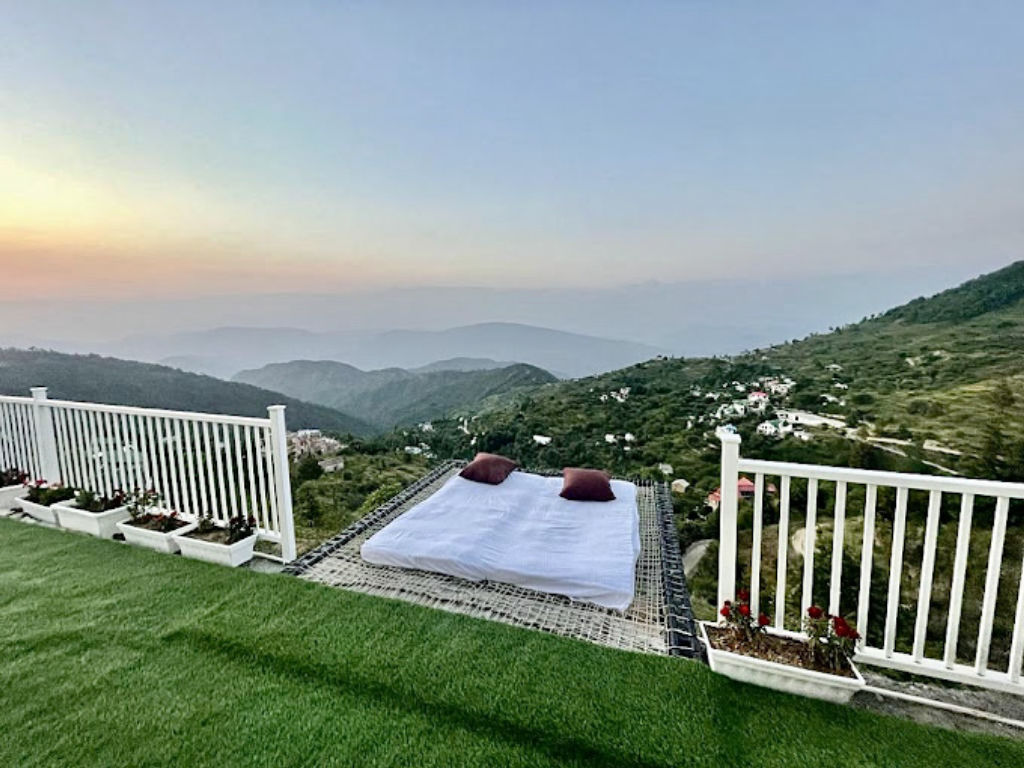
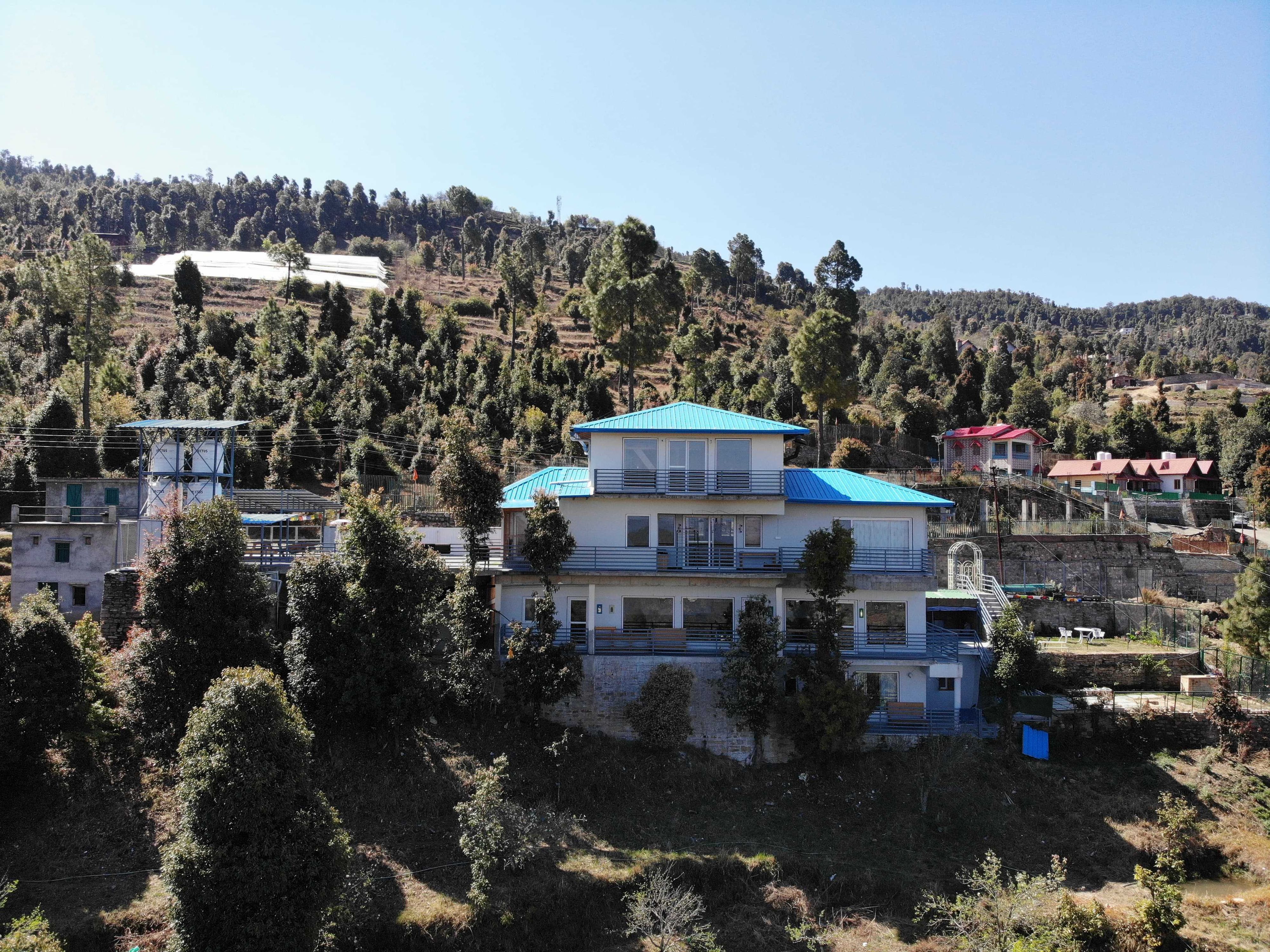
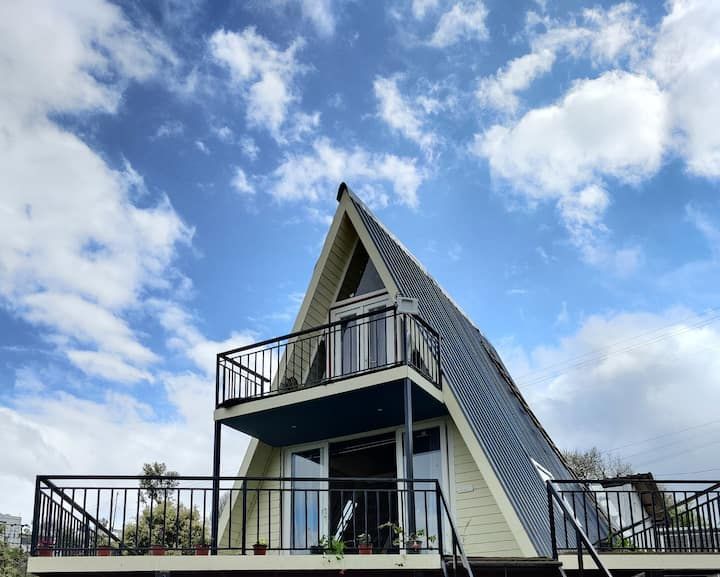
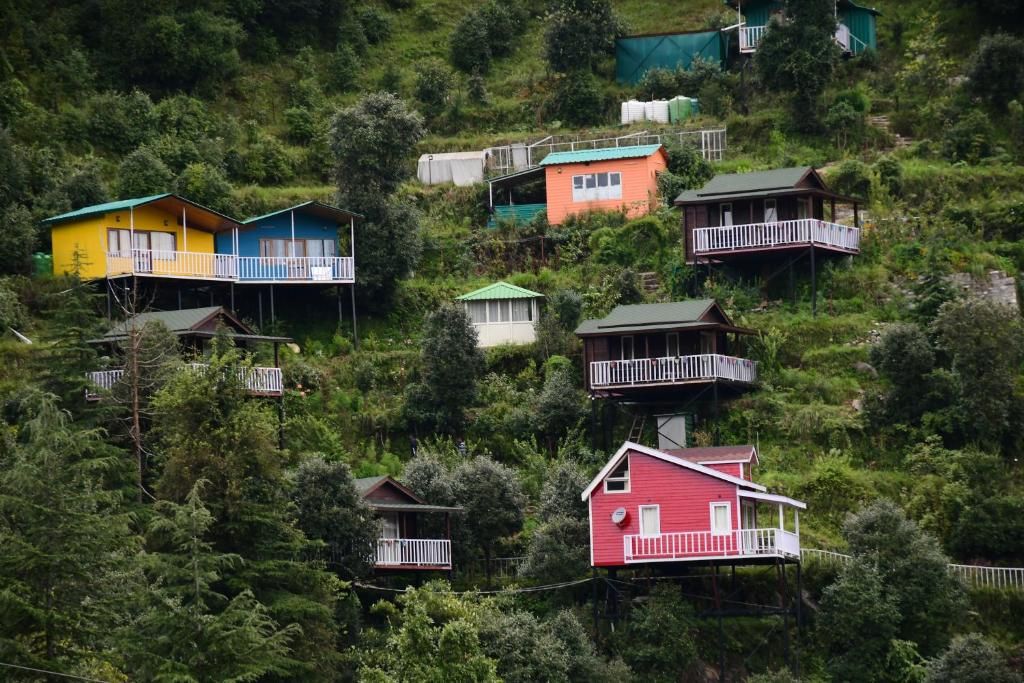
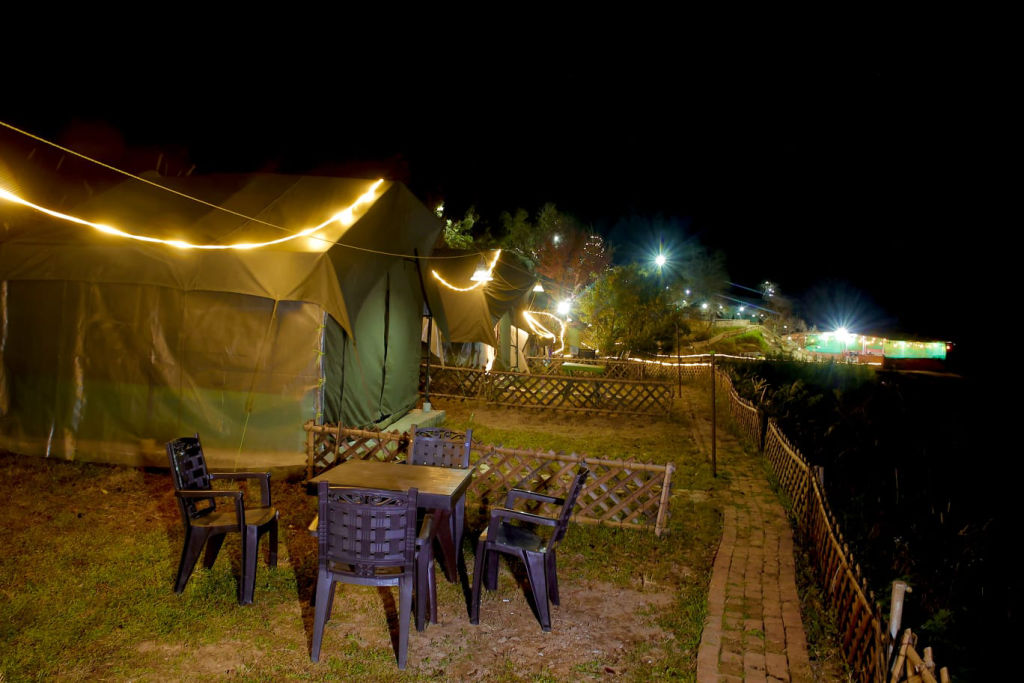
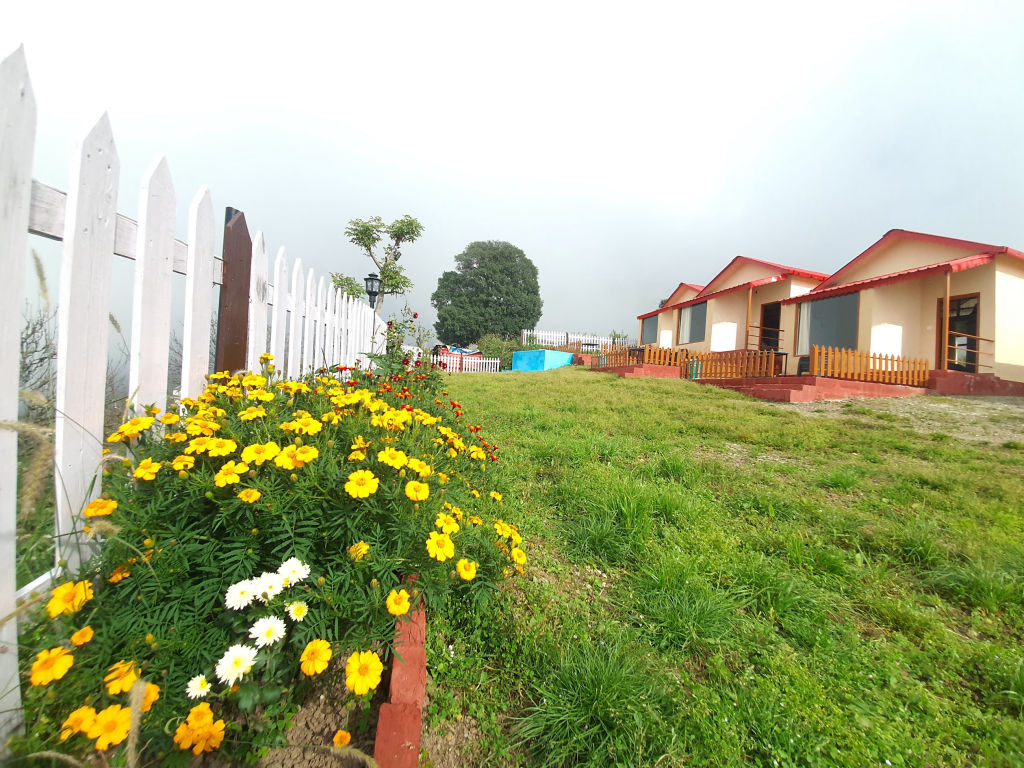
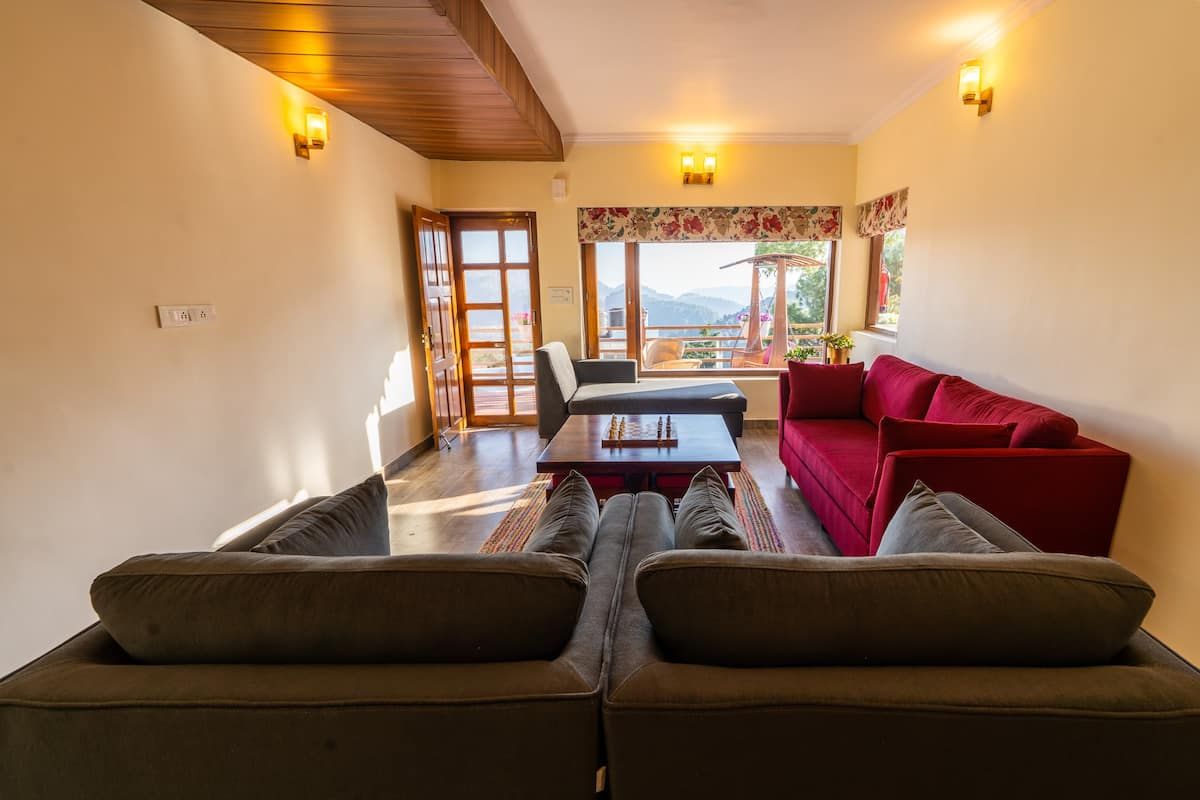
Because Katarmal itself is a quiet rural village with limited commercial infrastructure, many visitors choose to stay in nearby valleys or adjoining settlements. The surrounding region features a selection of mountain homestays, eco-lodges, and nature retreats that allow travellers to wake up close to bird-filled pine forests and terraced hillsides.
Visitors looking for memorable stays, authentic local village hospitality, or camping opportunities in the surrounding Almora region can browse available options on HireACamp, which lists vetted homestays and outdoor accommodations throughout Kumaon.
Tips for your visit
Plan to visit the temple early in the morning to enjoy the quietest atmosphere and catch the soft morning sun illuminating the stone work. There are a series of stone steps leading from the main road up to the temple complex, so wearing comfortable, slip-resistant walking shoes is recommended.
Basic facilities near the monument are limited, so carry your own drinking water, sun protection, and light snacks for your visit. Because the site is a preserved archaeological treasure, avoid touching fragile carvings or climbing on structural walls, and make sure to take all personal waste back with you to keep the mountain environment clean.
Frequently asked questions
What makes Katarmal Sun Temple unique?
Katarmal is home to a rare ninth-century Sun Temple built by the Katyuri dynasty, featuring a large main sanctum surrounded by over forty smaller shrines and fine medieval stone carvings.
How far is Katarmal from Almora?
Katarmal is located roughly twenty kilometres from the town of Almora, making it easy to visit as a half-day or full-day excursion.
Is there walking involved to reach the temple at Katarmal?
Yes, visitors need to climb a set of paved stone steps for a short distance from the roadside up to the temple plateau on the hillside.
Can I visit Katarmal during the winter?
Yes, winter is an excellent time to visit Katarmal because the skies are typically clear and provide unobstructed views of the snowy Himalayan peaks, though warm clothing is required.
Where you'll be
9 stays nearby shown with prices
Stays near Katarmal
Book a place to stay close by
Things to do in Katarmal
48 places creators recommend within 30 km
Built from 0 Instagram posts by 0 creators. Every tip links back to the post it came from, and where creators disagree we show both sides.






