
Katarmal Sun Temple
Temple near Katarmal, Uttarakhand
1.5 km from Katarmal
The nearest town, for stays, food and fuel.
Katarmal Sun Temple is an ancient ninth-century shrine complex perched on a hill ridge overlooking the Kosi valley near Almora in Uttarakhand. Dedicated to the sun god Surya, it is widely regarded as one of the most historically significant sun temples in India. Travellers and heritage enthusiasts visit to admire its exquisite Katyuri stone architecture and enjoy panoramic views across the Kumaon Himalayas.
Getting there
By road
- From KatarmalNearest town11 min · 5.6 km
- From Dehradun7 hr 35 min · 354 km
- From New Delhi7 hr 55 min · 360 km
- From Chandigarh11 hr 15 min · 523 km
Typical drive times without traffic. Stations and airports from OLA Maps; distances and typical drive times from OpenStreetMap (© OpenStreetMap contributors); notes from creators' Reels.
About Katarmal Sun Temple
Written with AI from map data and general knowledge. Check prices and timings locally before you go.
History and Architecture of Katarmal Sun Temple
Perched high above the river valley, Katarmal Sun Temple stands as one of the most remarkable architectural remnants of the medieval Kumaon region. Also referred to locally as the Bara Aditya Temple, the complex is credited to King Katarmalla of the ruling Katyuri dynasty. During their reign across the central Himalayan foothills, the Katyuri rulers established numerous stone temples that combined northern Indian architectural principles with regional stone-carving traditions. Katarmal marks the pinnacle of this era, having withstood centuries of mountain weather and seismic shifts.
The complex comprises a towering central sanctum dedicated to Surya, enveloped by more than forty smaller subsidiary shrines. Built from precisely chiselled local grey stone blocks fitted without mortar, the monuments follow the classical Nagara architectural style with tall, curvilinear spires known as shikharas. Historically, the temple was famous for its intricately carved wooden doors and ceiling panels depicting deities, floral motifs, and dancers. While several delicate wooden artefacts were shifted to museum archives for conservation, the stone reliefs, sculpted doorways, and pillar carvings remain intact, offering visitors an authentic glimpse into medieval hill craftsmanship.
What to Expect on Your Visit
Visiting Katarmal Sun Temple offers a peaceful blend of mountain walking and architectural exploration. Because the site is set on a secluded hilltop ridge, reaching it involves leaving vehicular roads behind and completing a short uphill hike through terraced farmland and pine forests. As you reach the crest, the cluster of dark stone spires rises dramatically against the mountain horizon, giving the temple a quiet, timeless presence.
Once inside the temple grounds, visitors can walk among the numerous subsidiary shrines that surround the main hall. Early morning is an especially evocative time to explore, as the rising sun strikes the eastern facade of the sanctum, illuminating the centuries-old carvings in warm amber hues. The elevated stone courtyard also doubles as a viewpoint, offering wide panoramas of the Kosi valley and the higher ridges surrounding Almora. Maintained as a protected heritage monument, the complex is uncrowded and peaceful, making it an ideal retreat for photographers, history buffs, and travellers seeking quiet contemplation.
Read more
Best Time to Visit Katarmal Sun Temple
The temple can be visited throughout the year, but the post-monsoon and autumn months from October through November and the spring months of March and April are considered the most rewarding. During autumn, the monsoon clouds clear completely from the Kumaon skies, unveiling sharp, sweeping views of the distant snow-crested peaks. Daytime temperatures during these periods are crisp and sunny, providing pleasant conditions for the uphill walk.
Winter, spanning December to February, brings cold mornings and chilly mountain winds, though the daytime remains clear and sunny. Visitors who travel during winter will find peaceful temple courtyards and exceptional photographic light, provided they carry adequate warm clothing. The summer months from April to June bring warmer weather, though temperatures remain far more moderate than on the northern plains. The monsoon period between July and September brings heavy rainfall to Uttarakhand, which can make the stone trail slippery and occasionally disrupt travel on regional mountain roads.
How to Reach Katarmal Sun Temple
Katarmal Sun Temple is situated near the village of Kosi in the Almora district of Uttarakhand. Almora is the primary transit hub for the area and enjoys road connections with major regional towns. Travellers arriving by train typically alight at Kathgodam, the nearest broad-gauge railway terminus serving the Kumaon region. From Kathgodam, shared and private taxis, alongside state transport buses, travel regularly along the scenic hill route leading up toward Almora.
Travellers arriving by air can fly to Pantnagar Airport and arrange road transport into the hills from there. From Almora, local taxis or buses take travellers toward the base village near the Kosi river. The final portion of the journey cannot be completed by vehicle; visitors must walk along a stone-paved footpath that winds uphill for around a kilometre to the temple gateway. Travellers should check locally for updated public transport schedules and trail conditions.
Places to Visit Near Katarmal
The hill territory around Katarmal features several cultural and natural attractions that fit naturally into a broader travel itinerary. The historic hill town of Almora is situated just a short drive away, inviting travellers to explore its traditional cobbled bazaars, century-old timber homes, and historic local shrines that showcase the distinct cultural fabric of Kumaon.
For those interested in natural landscapes and mountain wildlife, Binsar Wildlife Sanctuary is located within driving distance. Binsar is renowned for its dense canopy of oak and rhododendron trees, rich birdlife, and high-altitude vantage points offering wide Himalayan vistas. Closer to Almora, Simtola Eco Park provides a tranquil setting lined with pine and deodar groves, ideal for relaxing walks. Travellers seeking flowing mountain streams can also visit Dokaney Waterfall, a scenic natural cascade framed by forested slopes.
Tips for Your Visit to Katarmal
Because reaching Katarmal Sun Temple involves a steady uphill walk on stone stairs and dirt paths, sturdy walking shoes with good traction are strongly advised. The walk takes roughly twenty to thirty minutes depending on fitness levels, and bringing a refillable water bottle is sensible, particularly during warmer midday hours. Modest clothing is recommended when stepping onto the temple grounds and into the inner sanctum spaces.
The open hilltop courtyard receives direct sunlight throughout the day, so a hat, sunglasses, and sunscreen are practical additions to your daypack. If you plan to visit in the late afternoon or during the winter season, bring a jacket or warm layer, as temperatures drop quickly once the sun begins to set behind the ridgeline. On-site facilities are basic, so it is best to use restrooms and have meals in Almora or nearby roadside stops before starting the trail.
Where to Stay Near Katarmal Sun Temple
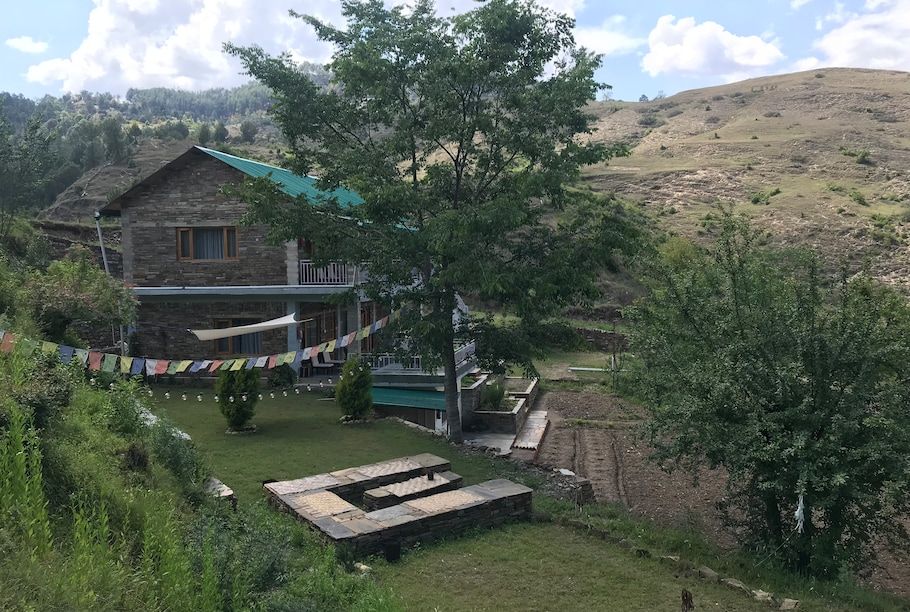
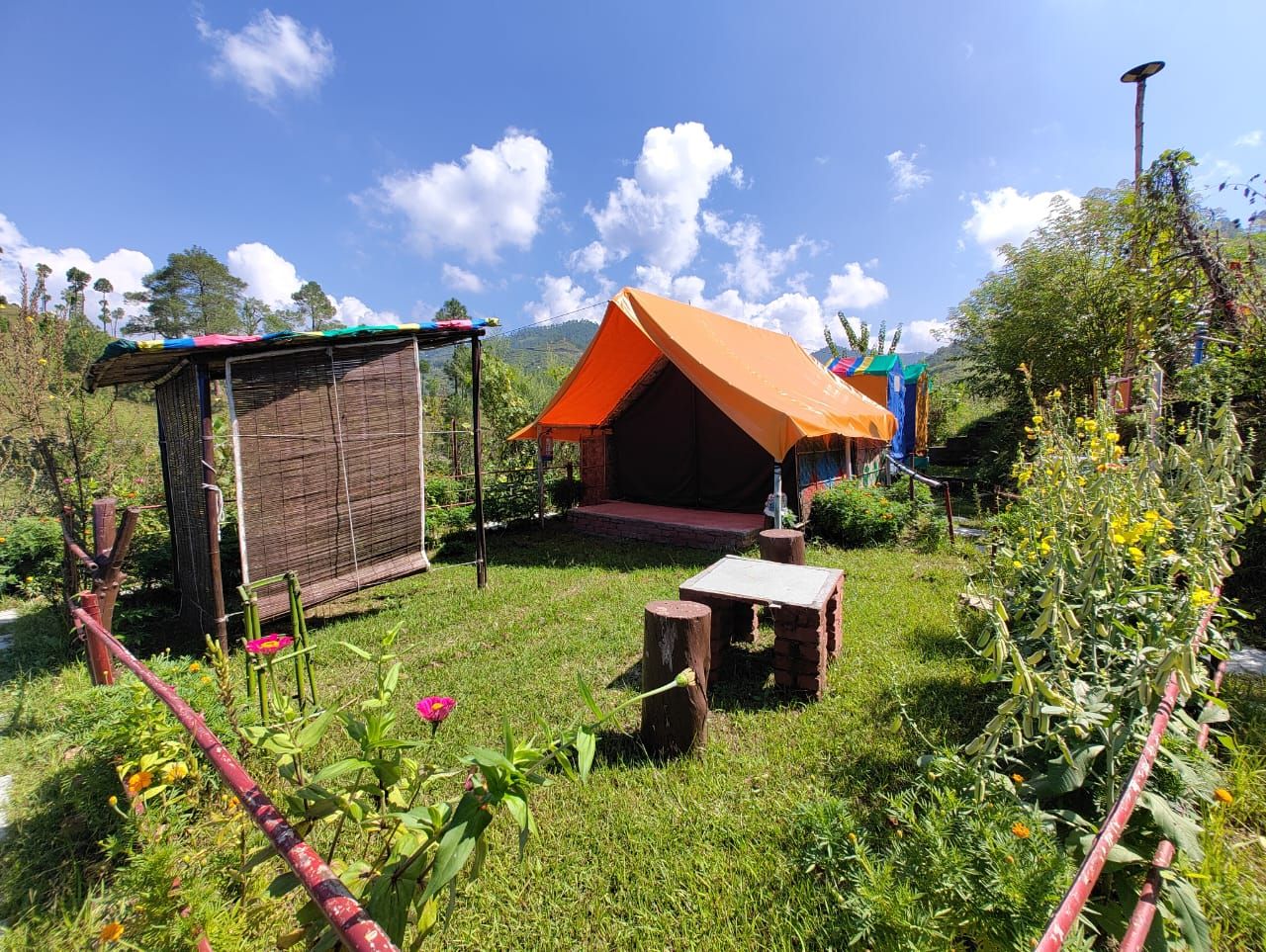
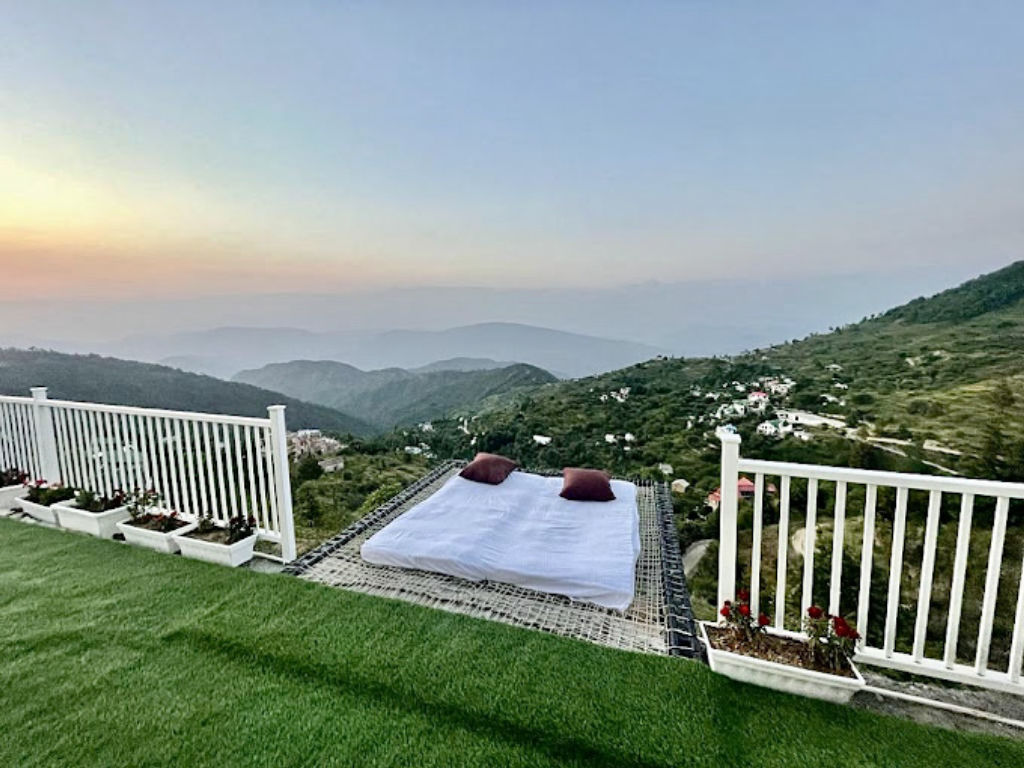
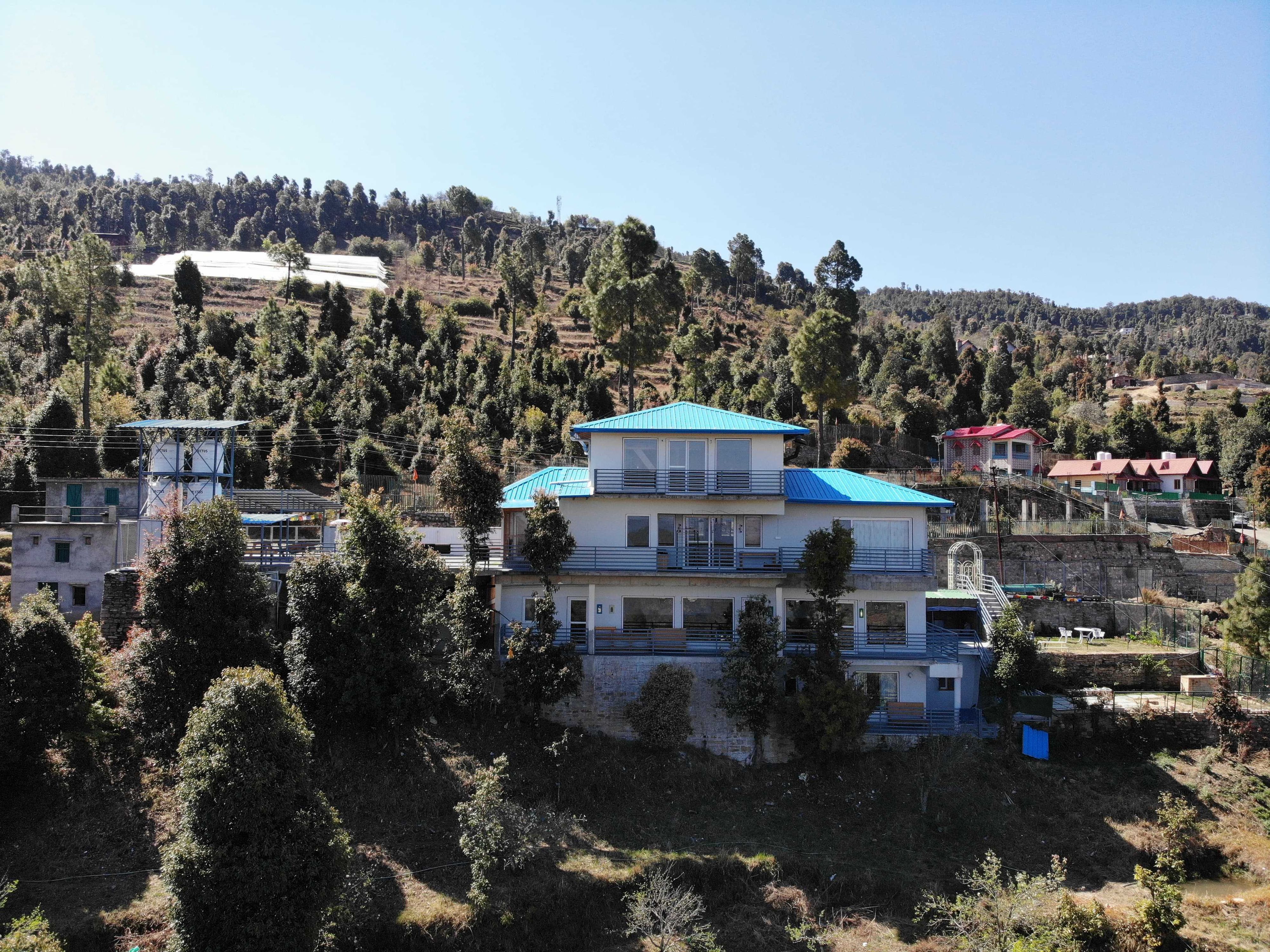
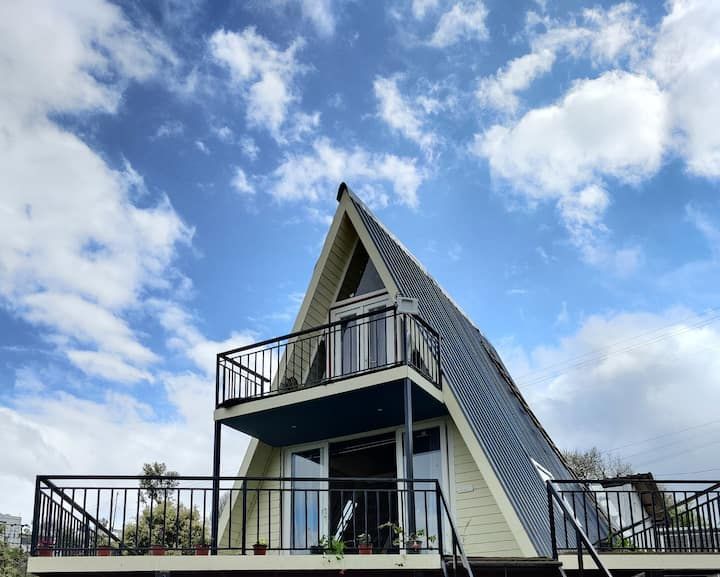
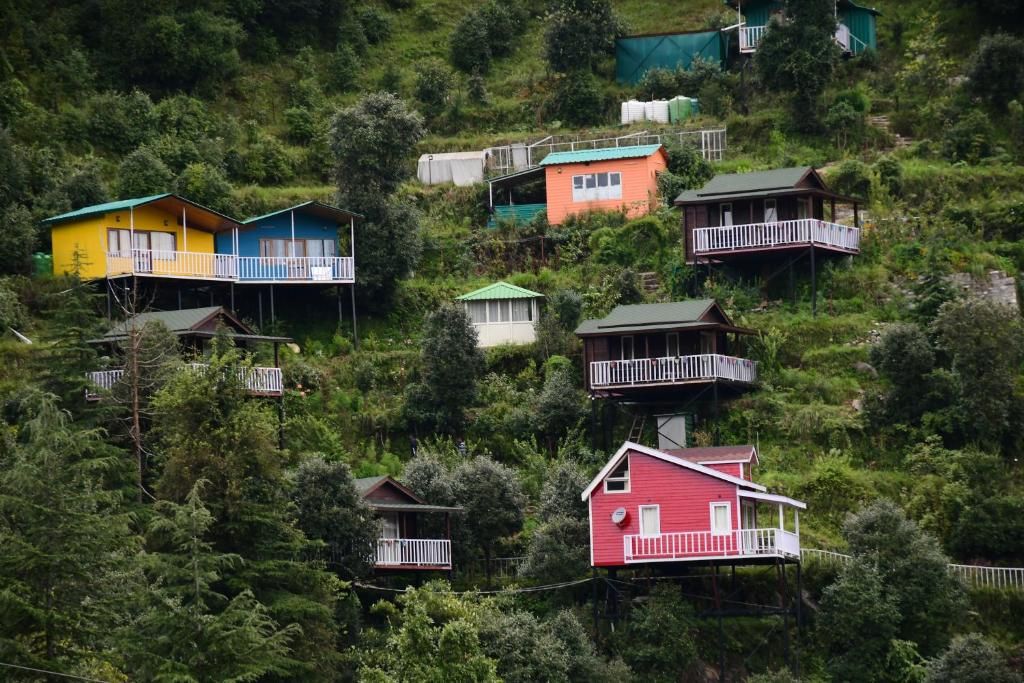
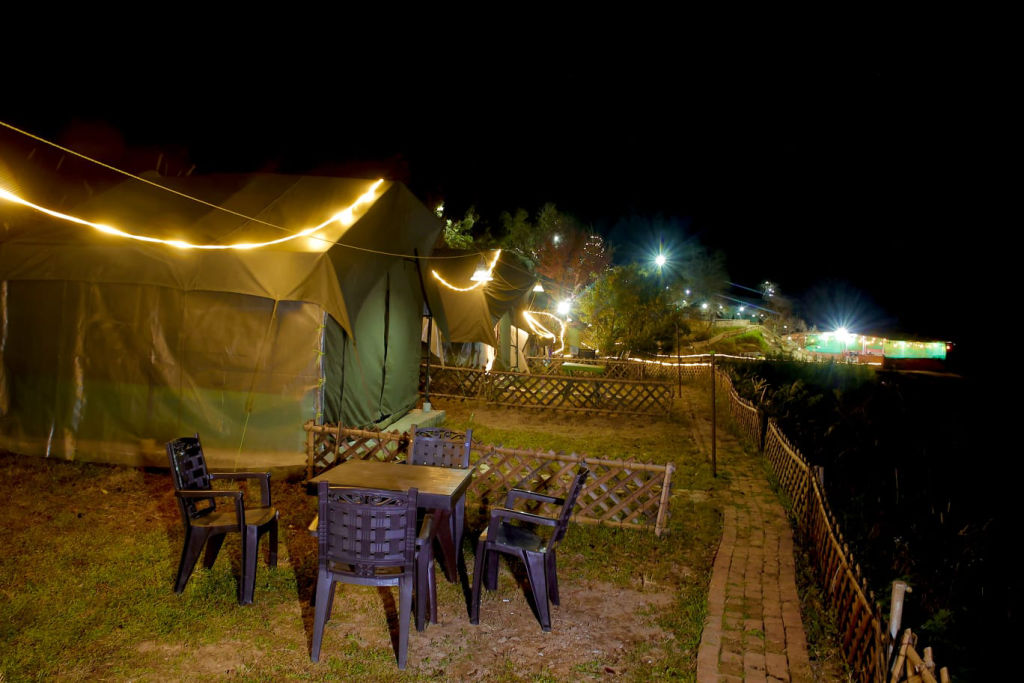
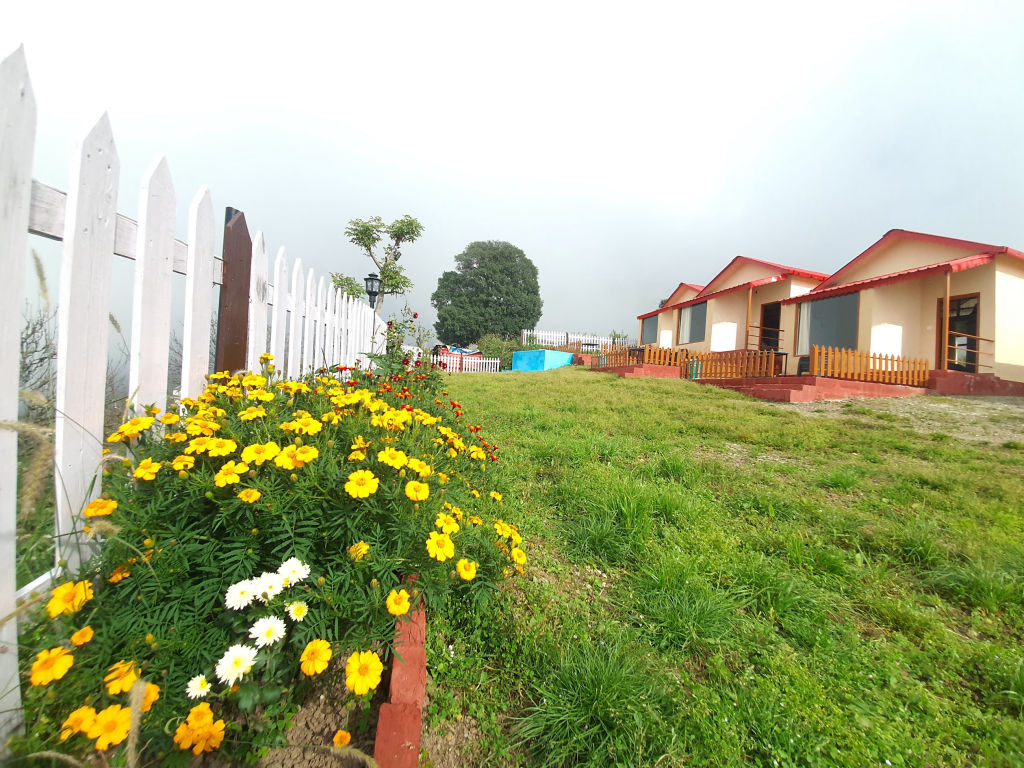
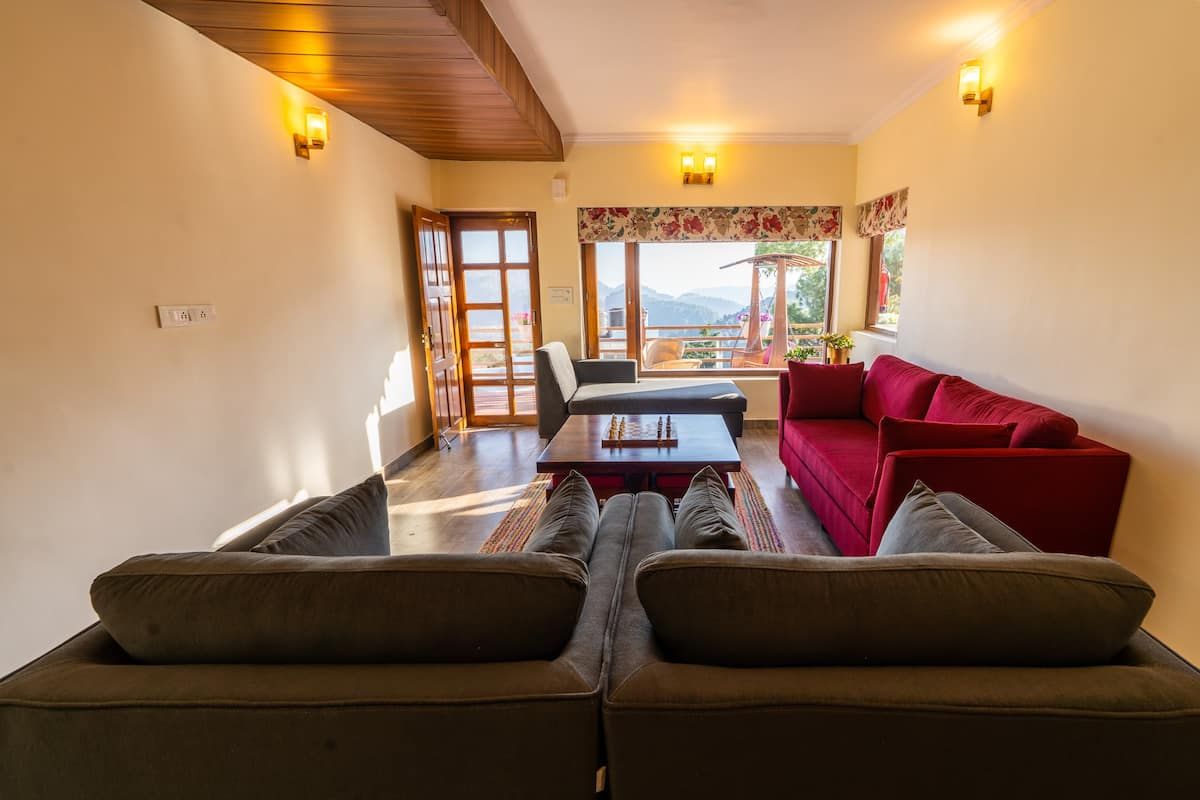
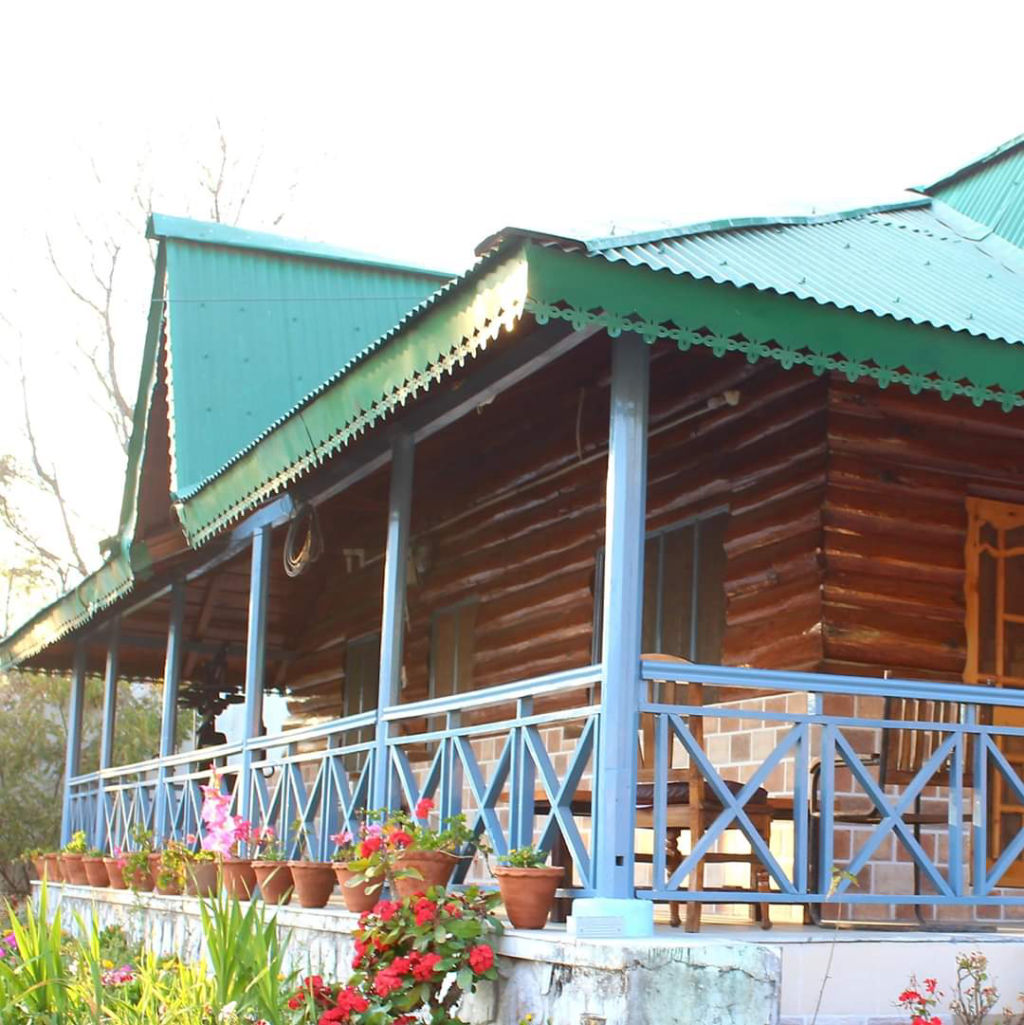
A diverse array of accommodation choices is available throughout the hills near Almora, Kosi, and the outer edges of Binsar. Travellers can find peaceful hillside homestays, eco-friendly nature camps, and rustic mountain cottages that emphasize the quiet beauty of rural Uttarakhand. Staying nearby allows for an early departure, ensuring you arrive at the temple just as dawn breaks over the hills. You can discover and book verified camps, homestays, and unique stays near Katarmal and Almora on HireACamp.
Frequently asked questions
Why is Katarmal Sun Temple historically significant?
Katarmal Sun Temple is celebrated as one of the few ancient temples in northern India dedicated to Surya, the sun god. Built by the Katyuri dynasty in the medieval period, it features unique Nagara-style stone craftsmanship and a cluster of more than forty ancient subsidiary shrines.
How much walking is required to reach Katarmal Sun Temple?
Visitors must complete a moderate uphill walk of approximately one kilometre along a paved stone trail from the nearest motorable road. The walk typically takes between twenty and thirty minutes at a steady pace.
What is the best time of day to visit Katarmal Sun Temple?
Early morning is the most rewarding time to visit, as the first rays of sunlight illuminate the east-facing stone sanctum. Morning visits also offer comfortable walking conditions and clear views across the surrounding mountain valleys.
Can Katarmal Sun Temple be visited as a day trip from Almora?
Yes, Katarmal Sun Temple is easily accessible from Almora and makes for a popular half-day excursion. Travellers can hire a local taxi to the base of the hill and complete the walk and temple exploration within three to four hours.
Are there entry fees or special permits for Katarmal Sun Temple?
Katarmal Sun Temple is a protected historical monument maintained under heritage preservation guidelines. Travellers should check locally on arrival for any updated monument guidelines, visitor norms, or photography policies.
Where you'll be
10 stays nearby shown with prices
Stays near Katarmal Sun Temple
Book a place to stay close by
More places near Katarmal Sun Temple
Within 20 km
Built from 0 Instagram posts by 0 creators. Every tip links back to the post it came from, and where creators disagree we show both sides.






