
Kattil Mekkathil Devi Temple
Temple near Ponmana, Kerala
100 m from Ponmana
The nearest town, for stays, food and fuel.
Kattil Mekkathil Devi Temple is an ancient coastal shrine dedicated to the goddess Bhadrakali, situated on a slender strip of land between the Arabian Sea and the backwaters near Karunagappally in Kerala. Travellers and pilgrims visit to witness its unique geographical setting, take a scenic boat crossing, and participate in the renowned ritual of tying sacred bells to the holy banyan tree. The combination of sea breezes, backwater serenity, and deep-rooted spiritual traditions makes it one of the most distinctive temple visits in southern Kerala.
Getting there
By road
- From PonmanaNearest town2 min · 200 m
- From Thiruvananthapuram2 hr 45 min · 101 km
- From Kochi3 hr · 124 km
- From Madurai5 hr 55 min · 277 km
Typical drive times without traffic. Stations and airports from OLA Maps; distances and typical drive times from OpenStreetMap (© OpenStreetMap contributors); notes from creators' Reels.
About Kattil Mekkathil Devi Temple
Written with AI from map data and general knowledge. Check prices and timings locally before you go.
About Kattil Mekkathil Devi Temple
Kattil Mekkathil Devi Temple holds a unique geographic and spiritual position along Kerala's coastline. Situated at Ponmana near Karunagappally in Kollam district, the temple occupies a narrow peninsula where the waters of the TS Canal and coastal backwaters flow on one side while the waves of the Arabian Sea crash on the other. Dedicated to Goddess Bhadrakali, revered here in a motherly and benevolent form, the shrine draws devotees from across the state and beyond.
The ambiance of the temple is shaped fundamentally by the surrounding elements. Coconut groves sway in the sea breeze, and the constant sound of breaking surf provides a rhythmic background to the temple chants and ringing bells. Unlike many inland temples in Kerala surrounded by dense residential settlement, Kattil Mekkathil offers an expansive coastal environment where nature and devotion blend seamlessly.
Rituals and the Sacred Bell Tradition
The hallmark tradition of Kattil Mekkathil Devi Temple is the ritual known locally as Mani Kettal, or the tying of bells. Standing prominently within the temple courtyard is a sprawling sacred banyan tree whose trunk and branches are draped with thousands of small brass and bell-metal bells left behind by worshippers. Devotees believe that tying a bell here after offering sincere prayers helps remove obstacles and fulfill heartfelt wishes.
To participate in the ritual, devotees acquire a consecrated bell from the temple counters, perform seven circumambulations around the sacred banyan tree, and tie the bell firmly to its branches or the protective mesh around it. Many return after their prayers are answered to offer thanks and perform special pujas. Aside from the bell ritual, the temple observes standard daily rites of the Kerala Tantric tradition, with special ceremonies held on auspicious Tuesdays, Fridays, and traditional Malayalam festival days.
Read more
How to Reach Kattil Mekkathil Devi Temple
Reaching the temple is an experience in itself because of its location on a barrier spit separated from the mainland by water. The closest major commercial town is Karunagappally, while Kollam city lies slightly further to the south. Visitors travelling by road generally head towards the boat jetty at Ponmana or Chavara, from where traditional country ferries and passenger boats ferry passengers across the calm canal waters directly to the temple grounds.
Karunagappally is well served by the Kerala State Road Transport Corporation bus network and has its own railway station with stops for several express and passenger trains. Kollam Junction is the major railway hub in the area, offering frequent nationwide connections. For those flying in, Trivandrum International Airport is the nearest air terminal, followed by Cochin International Airport to the north. From either airport, one can hire a taxi or board a train to Karunagappally before completing the final short stretch by local auto-rickshaw and ferry.
Best Time to Visit Kattil Mekkathil Devi Temple
The most pleasant time to visit Kattil Mekkathil Devi Temple is during the winter and early post-monsoon months, spanning from October to February. During this window, coastal Kerala enjoys moderate temperatures, reduced humidity, and clear skies, making the boat ride across the water and walks along the sandy seaside temple courtyard comfortable throughout the day.
Monsoon season, which runs from June through September, brings intense rainfall and rough seas to this coastal stretch. While the backwaters and lush greenery look vibrant, high waves and damp conditions can make outdoor exploration challenging. If you plan to visit during festival periods or regional holidays, keep in mind that crowds increase significantly, and waiting times for rituals and ferry crossings can be considerably longer than on regular weekdays.
Places to Visit Near Kattil Mekkathil Devi Temple
The coastal belt surrounding Karunagappally is rich in waterways, tranquil beaches, and traditional heritage spots. Just two kilometres away lies the serene expanse of Kayamkulam Kayal, a lagoon historically celebrated for inland water trade and traditional boat races. Also situated around two kilometres inland is the Kottankulangara Devi Temple, famed for its unique Chamayavilakku festival and distinctive architectural style.
Further south along the coast, approximately six kilometres away, Neendakara Beach and its bustling fishing harbour offer an authentic glimpse into Kerala's marine industry, where the Ashtamudi Lake empties into the sea. Travellers seeking calm backwater landscapes can venture towards Munroe Island and Sambranikodi Island, both located around ten kilometres from the temple area. These island hamlets are renowned for mangrove trails, traditional coir making, and quiet canoe journeys through shallow waterways.
Tips for Your Visit
When planning a visit to Kattil Mekkathil Devi Temple, respect local temple etiquette and dress codes. As with most traditional Hindu shrines in Kerala, conservative attire is required. Men are typically expected to enter the inner sanctum bare-chested wearing a traditional dhoti or mundu, while women wear sarees, long skirts, or salwar kameez. Footwear must be removed at designated stands outside the main complex.
Because the temple is directly adjacent to the sea, winds can be strong and midday heat intense. Carry drinking water, wear sun protection during midday visits, and keep small children close when walking near open water edges or boarding ferry vessels. Check locally for temple darshan timings and ferry operations, as schedules can vary according to seasons and tidal conditions.
Where to Stay
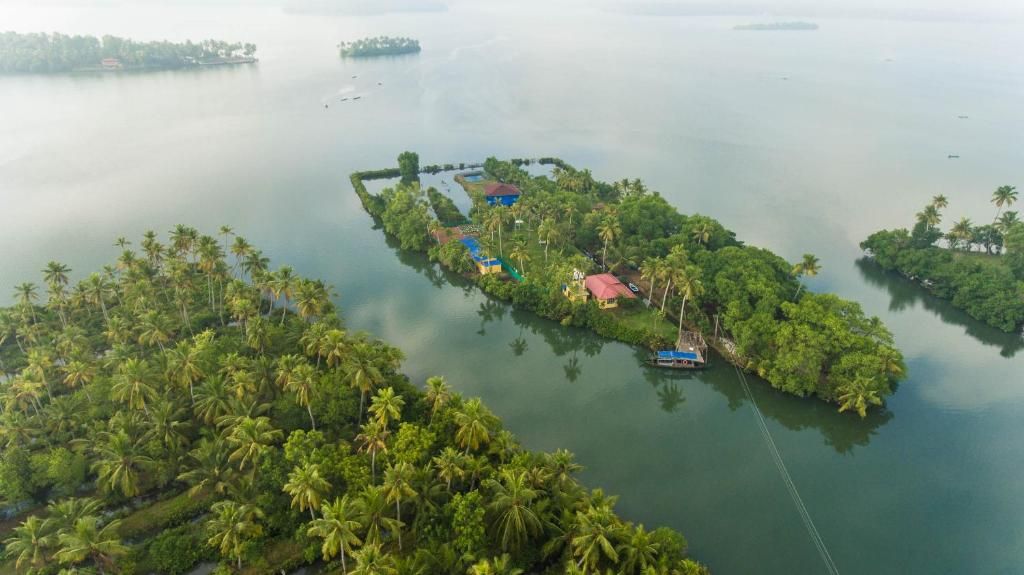
Travellers visiting Kattil Mekkathil Devi Temple have a range of peaceful lodging choices in the surrounding backwater region. Staying along the waterways near Karunagappally, Chavara, or the shores of Ashtamudi Lake allows you to soak in Kerala's slow-paced coastal rhythm while remaining within easy reach of the shrine.
Whether you prefer an authentic local homestay hosted by regional families, an eco-friendly camp close to backwater channels, or a quiet waterfront cottage, you can explore and book verified stays near Karunagappally through HireACamp. Booking in advance is recommended during holiday seasons and major regional festival months.
Frequently asked questions
Why is Kattil Mekkathil Devi Temple famous?
The temple is renowned for its scenic location between the Arabian Sea and the backwaters, as well as the ritual where devotees circumambulate a sacred banyan tree seven times and tie a consecrated bell to fulfill their prayers.
How do visitors reach the temple across the water?
Visitors typically drive to the jetty on the mainland near Ponmana or Chavara and take a short ferry or country boat ride across the canal to reach the temple grounds.
What is the dress code at Kattil Mekkathil Devi Temple?
Visitors must wear traditional Indian attire; men are generally expected to remove their upper garments before entering the sanctum, and modest traditional dress is required for women.
What is the nearest railway station to the temple?
Karunagappally railway station is the nearest railhead, while Kollam Junction is the nearest major railway hub with broader interstate connectivity.
Where you'll be
Karunagappally · 1 stay nearby shown with prices
Stays near Kattil Mekkathil Devi Temple
Book a place to stay close by
More places near Kattil Mekkathil Devi Temple
Within 20 km


Built from 0 Instagram posts by 0 creators. Every tip links back to the post it came from, and where creators disagree we show both sides.






