
Kaveri Wildlife Sanctuary
Wildlife sanctuary near tharalu, Karnataka
11 km from tharalu
The nearest town, for stays, food and fuel.
Kaveri Wildlife Sanctuary is an expansive protected forest reserve along the banks of the Kaveri River, reachable via the rural plains of Kanakapura in Karnataka. It encompasses rugged riverine terrain, granite gorges, and dense deciduous woods that sustain a rich variety of terrestrial and aquatic life. Nature enthusiasts visit to witness tranquil river landscapes, spot indigenous birds, and experience an untamed corner of southern Karnataka.
Getting there
By road
- From tharaluNearest town34 min · 18 km
- From Bengaluru1 hr 10 min · 44 km
- From Mysuru2 hr 30 min · 133 km
- From Coimbatore5 hr 55 min · 286 km
Typical drive times without traffic. Stations and airports from OLA Maps; distances and typical drive times from OpenStreetMap (© OpenStreetMap contributors); notes from creators' Reels.
About Kaveri Wildlife Sanctuary
Written with AI from map data and general knowledge. Check prices and timings locally before you go.
About Kaveri Wildlife Sanctuary
Spread across the river valleys and craggy hills south of Kanakapura, Kaveri Wildlife Sanctuary protects an important riverine ecosystem formed by the perennial Kaveri River. The reserve spans across portions of Ramanagara, Mandya, and Chamarajanagar districts, bordering the neighbouring state of Tamil Nadu. The geography is characterized by rolling hillocks, deep gorges, and dry deciduous to scrub forests that transition into riverine thickets along the water's edge.
The lifeline of the sanctuary is the river itself, which cuts through steep rock formations and creates isolated pools, sandy shallows, and lush vegetative corridors. Historically valued for its watershed protection and rich aquatic habitats, the sanctuary forms an essential ecological corridor connecting the protected landscapes of the Western and Eastern Ghats. This unique junction creates an environment where varied plant species and woodland fauna thrive amidst the arid southern Deccan plateau.
Flora and Fauna of the Sanctuary
The flora within Kaveri Wildlife Sanctuary ranges from dry deciduous woodland trees such as teak, terminalia, and axlewood to open scrub forests dominated by thorny acacia and wild ber bushes. Along the riverbanks, dense riverine vegetation flourishes, supported by large Arjun trees, wild fig varieties, and thick clusters of bamboo that offer shade and nesting grounds for local animals.
Wildlife in the reserve includes significant mammal populations such as Asian elephants, leopards, wild boars, spotted deer, sambar, four-horned antelopes, and the elusive grizzled giant squirrel. In the waters of the Kaveri, travellers can spot marsh crocodiles sunning themselves on river islands, smooth-coated otters playing in the shallows, and the famous hump-backed mahseer fish swimming through deeper pools.
Bird life is equally varied throughout the reserve. Avian enthusiasts can observe fish eagles, kingfishers, grey herons, cormorants, and river terns along the waterways, while the canopy and scrubland are home to green bee-eaters, spotted owlets, bulbul species, and woodpeckers.
Read more
Things to Do at Kaveri Wildlife Sanctuary
A trip to Kaveri Wildlife Sanctuary revolves around slow-paced nature exploration and appreciating untouched river corridors. Walking along permitted nature trails near the water allows visitors to study the riverbed geology, examine unique river rocks, and listen to the call of woodland birds. The riverbanks provide calm spots to spend quiet hours watching the movement of water and resting under the shade of mature riverside trees.
Birdwatching and nature photography are among the most rewarding pursuits here. The mixture of riverine and rocky scrub habitats attracts varied species throughout the day, offering clear photo opportunities against open water and granite outcrops. While extensive walking inside interior core zones requires forest department supervision, peaceful perimeter viewpoints and river access points let you take in broad panoramas of the wooded hills.
Best Time to Visit Kaveri Wildlife Sanctuary
The best time to visit Kaveri Wildlife Sanctuary is during the post-monsoon and winter months from October to March. During this period, the temperatures remain pleasant and comfortable, daytime heat is mild, and the foliage retains the greenery brought on by the seasonal rains. The river runs steady, creating scenic water bodies and attracting water birds and small wildlife to the shores.
The monsoon months between July and September bring heavy showers to the catchment area, causing the Kaveri River to swell and making trails slippery. While the surrounding landscapes turn lush and vibrant, river currents can be powerful and water access is restricted for safety reasons. The summer period from late March through May becomes dry and noticeably hot, causing the scrub vegetation to shed leaves, though animals are sometimes seen gathering near remaining river pools.
How to Reach Kaveri Wildlife Sanctuary
Kaveri Wildlife Sanctuary is accessible by road from Bengaluru and Mysuru, using Kanakapura as a primary staging point. From Bengaluru, motorists can travel along National Highway 948 passing through Art of Living and Harohalli to reach Kanakapura town, from where local district roads branch out towards the southern forest approaches and river crossings. The drive from southern Bengaluru typically takes between two to three hours depending on traffic.
Public transport options include state-run buses connecting Bengaluru and other major towns to Kanakapura. From the town bus stand, local buses, shared autos, or hired taxis can take travellers further toward peripheral villages near the sanctuary boundary. The closest major railway junction and commercial airport are located in Bengaluru, making road transport the final link for arriving visitors.
Tips for Your Visit
Because Kaveri Wildlife Sanctuary is a protected reserve, visitors must be mindful of wilderness regulations. Swimming or venturing deep into the Kaveri River is dangerous due to strong undercurrents, deep submerged rocks, and the presence of marsh crocodiles. Always observe the river from safe, designated observation points.
Plan your arrival early in the morning to enjoy cooler temperatures and see maximum bird activity. Wear neutral-coloured clothing that blends into the forest setting, sturdy walking shoes with good grip for rocky ground, and carry adequate drinking water. Maintain a quiet demeanour to avoid startling wildlife, never leave behind plastic wrappers or waste, and always check with local forest department outposts regarding trail access and current guidelines before exploring.
Places to Visit Nearby
A journey to the sanctuary can easily be combined with other natural and cultural sites in the region. Towards Bengaluru, travellers often stop by Bannerghatta National Park, known for its sprawling zoo, safari, and rescue centre set amidst forested hills. Further east near Anekal lies Pearl Valley, also called Muthyala Maduvu, where a seasonal waterfall cuts through a secluded rocky valley with walking trails.
To the northwest, Savandurga Hill rises as one of the largest single rock monoliths in Asia, drawing trekkers and climbers for its steep granite slopes and historic fort ruins. Those spending time in the rural expanse of Kanakapura can also discover historic temple sites such as the Omkareshwara Temple or explore the river confluence spots that dot the route leading towards Mekedatu and Sangama.
Where to Stay near Kaveri Wildlife Sanctuary
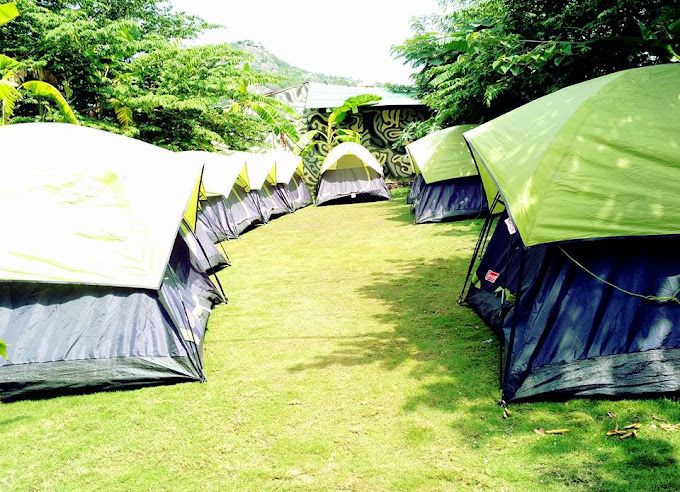
Accommodation directly inside the sanctuary is limited to preserve the natural ecosystem, but travellers will find a variety of comfortable stays scattered around Kanakapura, Ramanagara, and the peripheral rural countryside. Options range from rustic campsites along farmland borders to homestays that provide traditional southern Karnataka meals and quiet rural settings.
You can explore and book verified campsites, private nature properties, and homestays near Kaveri Wildlife Sanctuary on HireACamp. Staying nearby lets you reach the sanctuary gates early in the morning and relax under open night skies away from city congestion.
Frequently asked questions
Where is Kaveri Wildlife Sanctuary located?
Kaveri Wildlife Sanctuary is located along the Kaveri River in southern Karnataka, spanning parts of Ramanagara, Mandya, and Chamarajanagar districts, with Kanakapura serving as a nearby hub.
Can you swim in the river at Kaveri Wildlife Sanctuary?
Swimming is generally unsafe and restricted due to strong currents, slippery boulders, and the presence of marsh crocodiles. Visitors should enjoy the river from designated riverbanks and observation spots.
What wildlife can you see in Kaveri Wildlife Sanctuary?
The sanctuary is home to Asian elephants, leopards, spotted deer, wild boars, smooth-coated otters, mugger crocodiles, and diverse bird species such as fish eagles and kingfishers.
What is the best season to explore Kaveri Wildlife Sanctuary?
The best months to visit are between October and March when the weather is cool and mild, the post-monsoon vegetation is lush, and bird activity is high along the riverbanks.
Are private vehicles allowed inside the sanctuary?
Vehicles are permitted only on designated public roads that pass through or skirt the reserve. Entry into interior forest tracks requires explicit permission from the Karnataka Forest Department.
Where you'll be
Kanakapura, KA · 1 stay nearby shown with prices
Stays near Kaveri Wildlife Sanctuary
Book a place to stay close by
More places near Kaveri Wildlife Sanctuary
Within 20 km


Lists for this area
Ranked by how many creators recommend each place


Built from 0 Instagram posts by 0 creators. Every tip links back to the post it came from, and where creators disagree we show both sides.






