
Khangchendzonga National Park
National park near Gangtok, Sikkim
1.6 km from Gangtok
The nearest town, for stays, food and fuel.
Khangchendzonga National Park is a vast high-altitude sanctuary in Sikkim, centered around the majestic peaks of the eastern Himalayas, including Mount Khangchendzonga. It is renowned globally as a UNESCO World Heritage site that blends extraordinary ecological diversity with deep cultural and spiritual significance. Trekkers, naturalists, and mountain lovers travel here to experience pristine glaciers, alpine lakes, and some of the most dramatic mountain terrain in India.
Getting there
By road
- From GangtokNearest town3 min · 1.9 km
Typical drive times without traffic. Stations and airports from OLA Maps; distances and typical drive times from OpenStreetMap (© OpenStreetMap contributors); notes from creators' Reels.
About Khangchendzonga National Park
Written with AI from map data and general knowledge. Check prices and timings locally before you go.
About Khangchendzonga National Park
Spanning an expansive wilderness across northern and western Sikkim, Khangchendzonga National Park encompasses an extraordinary range of altitudes, stretching from subtropical and temperate river valleys to glaciated Himalayan peaks towering above eight thousand meters. The park takes its name from Mount Khangchendzonga, the third highest peak on Earth, which holds profound sacred meaning for the indigenous communities of Sikkim. Recognized as India's first mixed UNESCO World Heritage site, the park stands out for both its biological richness and its sacred landscape of legends, lakes, and mountain deities.
The administrative gateways and key permit points for the park are typically accessed via regional hubs like Gangtok and base villages in West and North Sikkim. Because the terrain is rugged, remote, and ecologically fragile, human settlement within the core boundary is strictly limited, allowing ancient forests, moraines, and glacial lakes to thrive in an undisturbed state.
Landscape and Wildlife of the Park
The dramatic altitude change within the park creates a series of distinct ecological zones. The lower elevations feature dense forests of oak, chestnut, fir, birch, and towering rhododendrons that transform the hillsides into riots of pink, red, and white during early spring. Higher up, the landscape transitions into dwarf scrub, vast alpine meadows carpeted with hardy wildflowers, and eventually rocky moraines, ice fields, and immense glaciers, including the famous Zemu Glacier.
This untamed habitat supports several rare and endangered Himalayan species. Elusive snow leopards roam the high rocky crags and scree slopes, while Himalayan red pandas, musk deer, Himalayan tahr, and bharal (blue sheep) inhabit the upper forests and alpine meadows. The park is also home to Asiatic black bears, Tibetan wolves, and a rich diversity of high-altitude birdlife, such as the blood pheasant, Himalayan monal, Tibetan snowcock, and satyr tragopan. Observing these creatures requires patience, good weather, and the guidance of knowledgeable local spotters.
Read more
Trekking and Outdoor Activities
Khangchendzonga National Park is a world-class destination for multi-day wilderness trekking. Routes like the Goecha La trek offer classic views of the southeastern face of Mount Khangchendzonga, winding through dense rhododendron groves, tranquil high-altitude lakes such as Samiti Lake, and rugged moraines up to soaring viewpoints. Another legendary route leads through remote northern valleys toward Green Lake, bordering the Zemu Glacier, celebrated for its raw grandeur and panoramic views of the main massif.
Apart from long-distance trekking, the park offers outstanding opportunities for nature photography, birdwatching, and botany. The dramatic shifts in light over the towering peaks provide unforgettable scenes at dawn and dusk. Due to the high altitude and difficult trails, visitors should travel with experienced local guides and porters who understand the terrain, trail conditions, and mountain weather patterns.
Best Time to Visit Khangchendzonga National Park
There are two primary seasons to visit Khangchendzonga National Park: spring and autumn. Spring runs from late March through May, bringing warming temperatures and clear morning skies. This is the optimal window to witness rhododendron and orchid blooms in the subalpine belts, alongside burgeoning alpine flora as the winter snow begins to melt.
Autumn, from late September through November, offers the clearest skies and sharpest mountain vistas. With the monsoon clouds gone, the crisp air ensures panoramic views of the surrounding Himalayan peaks. Winter brings heavy snowfall that cuts off higher trekking passes and makes high-altitude routes dangerous or impassable. The summer monsoon months from June to early September are characterized by heavy rains, trail leeches, and heightened risk of landslides, making expeditions into the park inadvisable during that period.
How to Reach Khangchendzonga National Park
Gangtok serves as the principal logistical base for organizing trips, permits, and transport into Khangchendzonga National Park. The nearest commercial airport is Pakyong Airport in Sikkim, subject to weather conditions, while Bagdogra Airport in West Bengal is the primary major gateway offering extensive domestic flight connections. The nearest broad-gauge railway terminals are New Jalpaiguri and Siliguri in northern West Bengal.
From Bagdogra or New Jalpaiguri, you can hire shared or private taxis to Gangtok or directly to regional trailheads in West Sikkim like Yuksom, which is the traditional starting point for the Goecha La trek. Road journeys through Sikkim traverse winding mountain roads that offer stunning valley views but can be impacted by local weather and road maintenance, so it is wise to keep your travel schedule flexible.
Tips for Your Visit
A journey into Khangchendzonga National Park demands careful physical and logistical preparation. Because trekking routes climb well above four thousand meters, acute mountain sickness is a serious consideration. Ensure you build adequate rest days into your itinerary for gradual acclimatization, stay well-hydrated, and descend immediately if you experience persistent symptoms of altitude sickness.
Permits are mandatory for entering the park, with special protected-area guidelines applying to both Indian and foreign travelers. Check with local authorities or administrative tourism offices in Gangtok before finalizing your plans. Pack sturdy, waterproof trekking boots, layered thermal clothing, rain protection, a reliable headlamp, and personal first-aid supplies. Practice strict leave-no-trace outdoor ethics by carrying all non-biodegradable waste back out of the park to protect this pristine ecosystem.
Where to Stay Near Khangchendzonga National Park
Inside the park boundaries, accommodation is strictly limited to wilderness camping at designated clearings or basic seasonal trekkers' huts along established trails. Trekkers must be self-sufficient with quality sleeping bags, mountain tents, and cooking gear organized through their support teams.
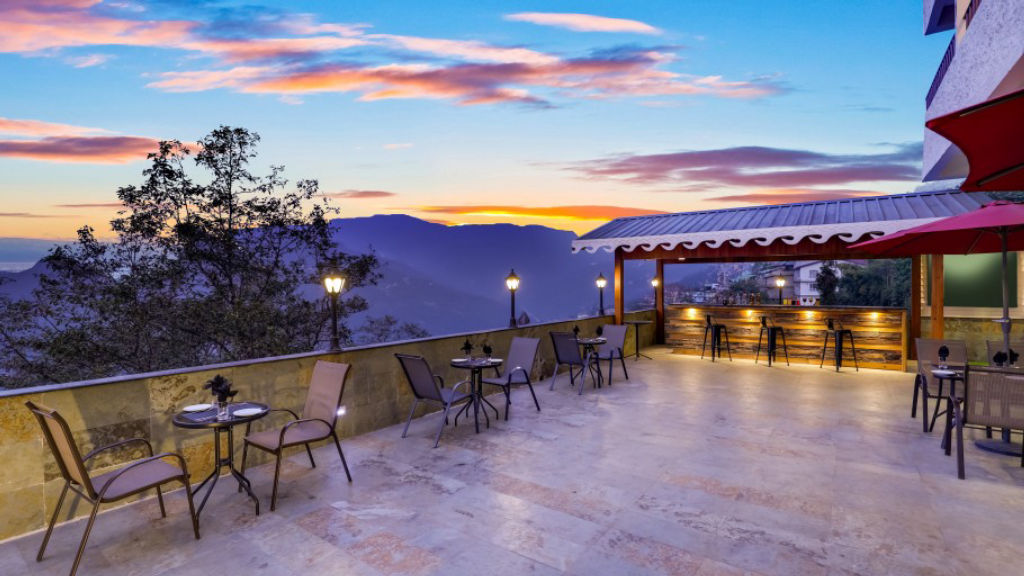
Before heading onto the trails or after concluding an expedition, most travelers stay in base towns like Yuksom, Pelling, or Gangtok. These towns offer a welcoming mix of family-run homestays, guesthouses, and serene rural retreats that give visitors a taste of traditional Sikkimese hospitality. You can discover comfortable homestays, camps, and nature stays in the surrounding valleys on HireACamp.
Frequently asked questions
Do I need a permit to visit Khangchendzonga National Park?
Yes, permits are required for all visitors entering the national park. Requirements differ for Indian citizens and foreign nationals, so check with local tourism offices or administrative desks in Gangtok before your visit.
What is the best time of year to trek in the park?
The most favorable trekking seasons are spring from late March to May for wildflowers and pleasant temperatures, and autumn from late September through November for clear skies and sharp mountain views.
Where do treks into Khangchendzonga National Park start?
Most classic treks, such as the Goecha La trail, begin in the historic village of Yuksom in West Sikkim, while routes toward Green Lake are typically accessed from North Sikkim via Gangtok.
Can beginners trek in Khangchendzonga National Park?
Most trekking trails in the park are rated moderate to difficult due to steep gradients, rugged paths, and altitudes exceeding 4,000 meters. Good physical fitness, prior hiking experience, and gradual acclimatization are strongly recommended.
What wildlife can be spotted in the park?
The park provides refuge to high-altitude wildlife including the red panda, snow leopard, blue sheep, Himalayan tahr, musk deer, and diverse alpine birds like the blood pheasant.
Where you'll be
Gangtok · 1 stay nearby shown with prices
Stays near Khangchendzonga National Park
Book a place to stay close by
More places near Khangchendzonga National Park
Within 20 km


Lists for this area
Ranked by how many creators recommend each place


Built from 0 Instagram posts by 0 creators. Every tip links back to the post it came from, and where creators disagree we show both sides.






