
Kumarakom
Destination in Kerala
Kumarakom is an enchanting backwater destination set along the shimmering expanse of Vembanad Lake in southern Kerala. Known for its labyrinth of canals, mangrove forests, and emerald paddy fields, the town offers travellers a tranquil escape rooted in traditional village life. Visitors flock here to cruise the peaceful waterways, watch migratory birds, and unwind amidst gentle rural rhythms.
Getting there
By road
- From Kochi1 hr 10 min · 50 km
- From Thiruvananthapuram4 hr · 160 km
- From Madurai5 hr 20 min · 260 km
- From Coimbatore5 hr 30 min · 229 km
Typical drive times without traffic. Stations and airports from OLA Maps; distances and typical drive times from OpenStreetMap (© OpenStreetMap contributors); notes from creators' Reels.
About Kumarakom
Written with AI from map data and general knowledge. Check prices and timings locally before you go.
The backwater landscape of Kumarakom
Situated on the eastern banks of Vembanad Lake, Kumarakom is a cluster of small islands reclaimed from the water, bound together by an intricate network of waterways, rivers, and lagoons. The landscape is defined by swaying coconut groves, low-lying paddy patches known as kayal lands, and mangrove clusters that shelter diverse aquatic life.
Life in Kumarakom revolves around water. Narrow country canals weave through traditional settlements where small wooden canoes remain an essential mode of day-to-day transport. The vast stretch of Vembanad Lake creates an open horizon that changes colour with the sun, lending the region a tranquil atmosphere that feels entirely removed from bustling city life.
Things to do in and around Kumarakom
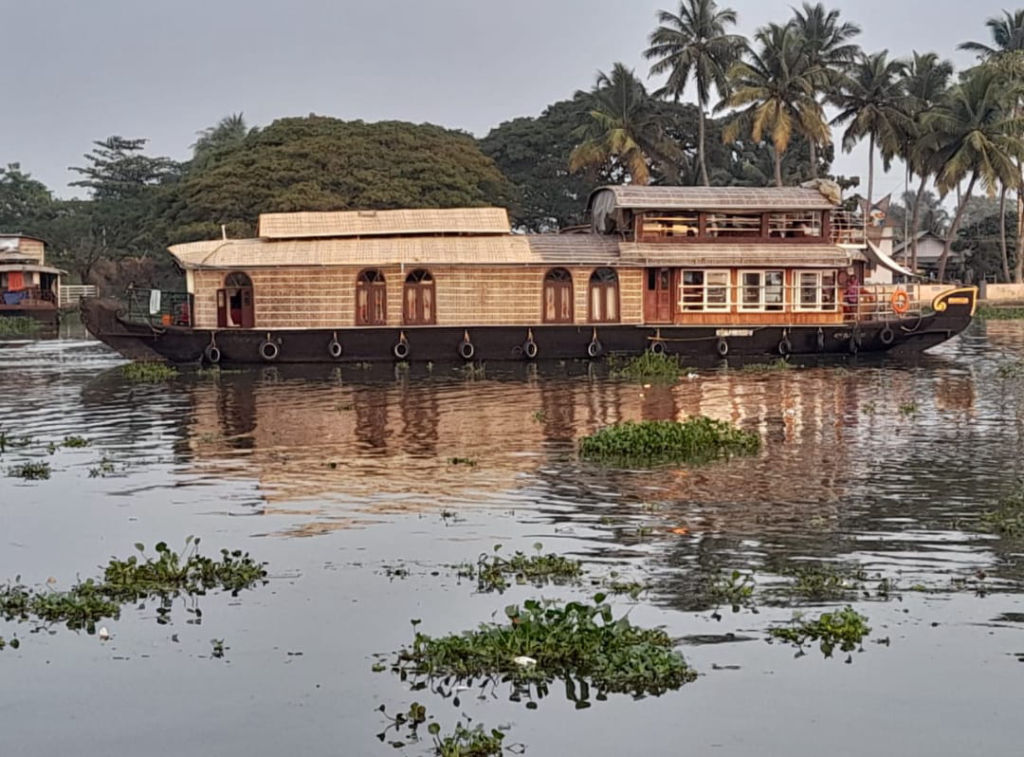
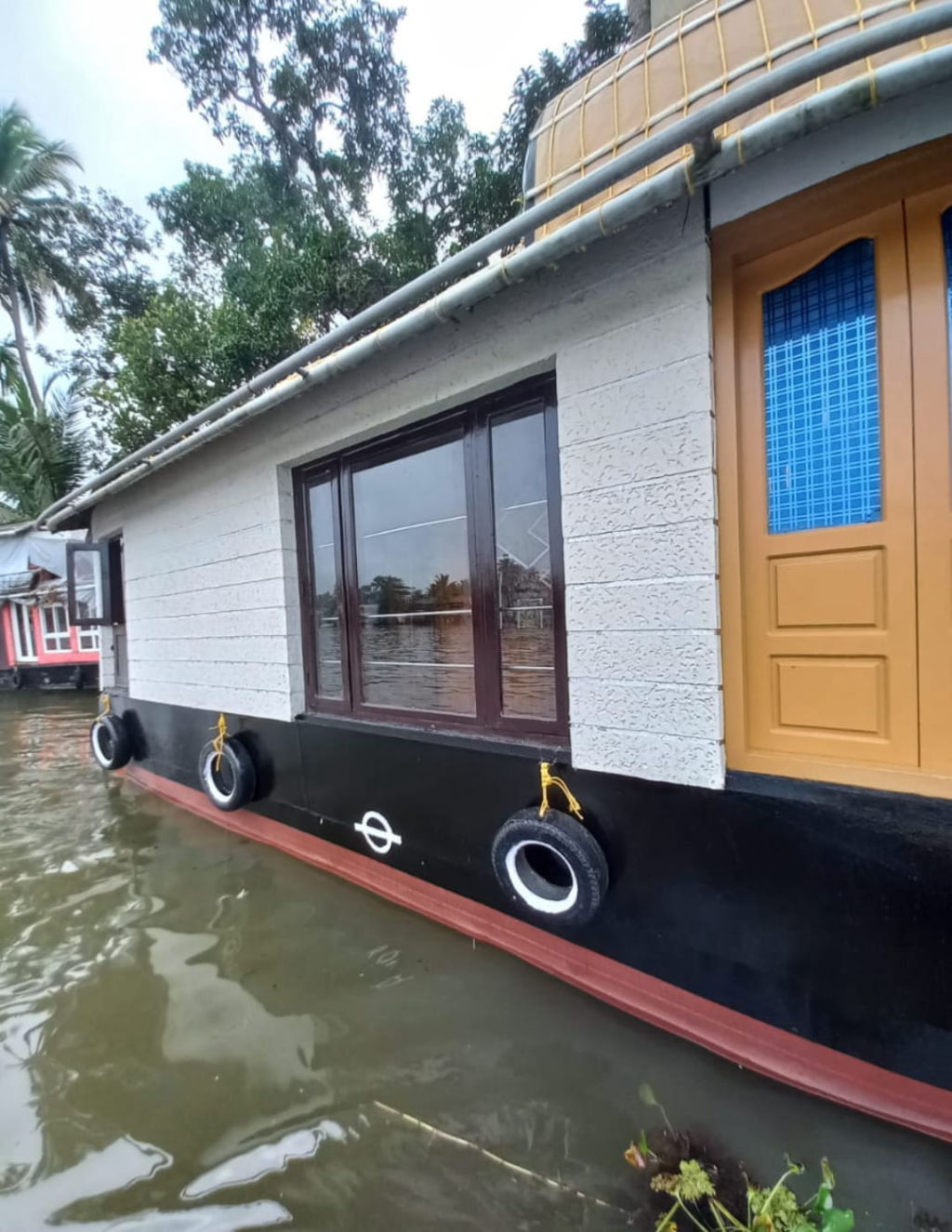
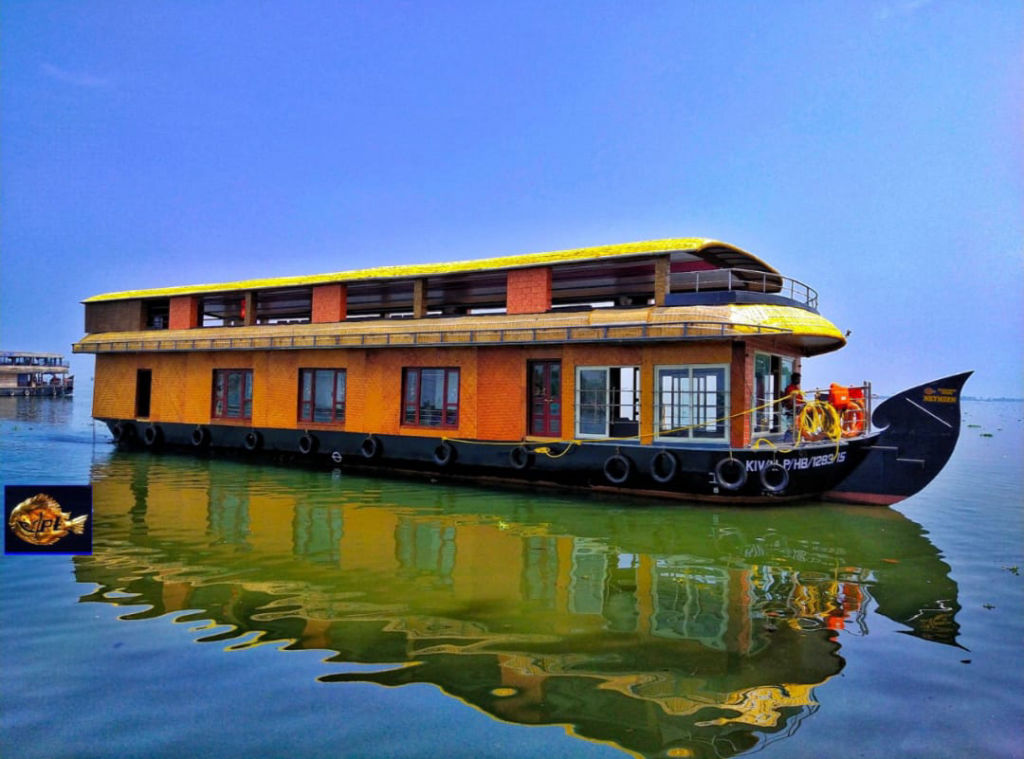
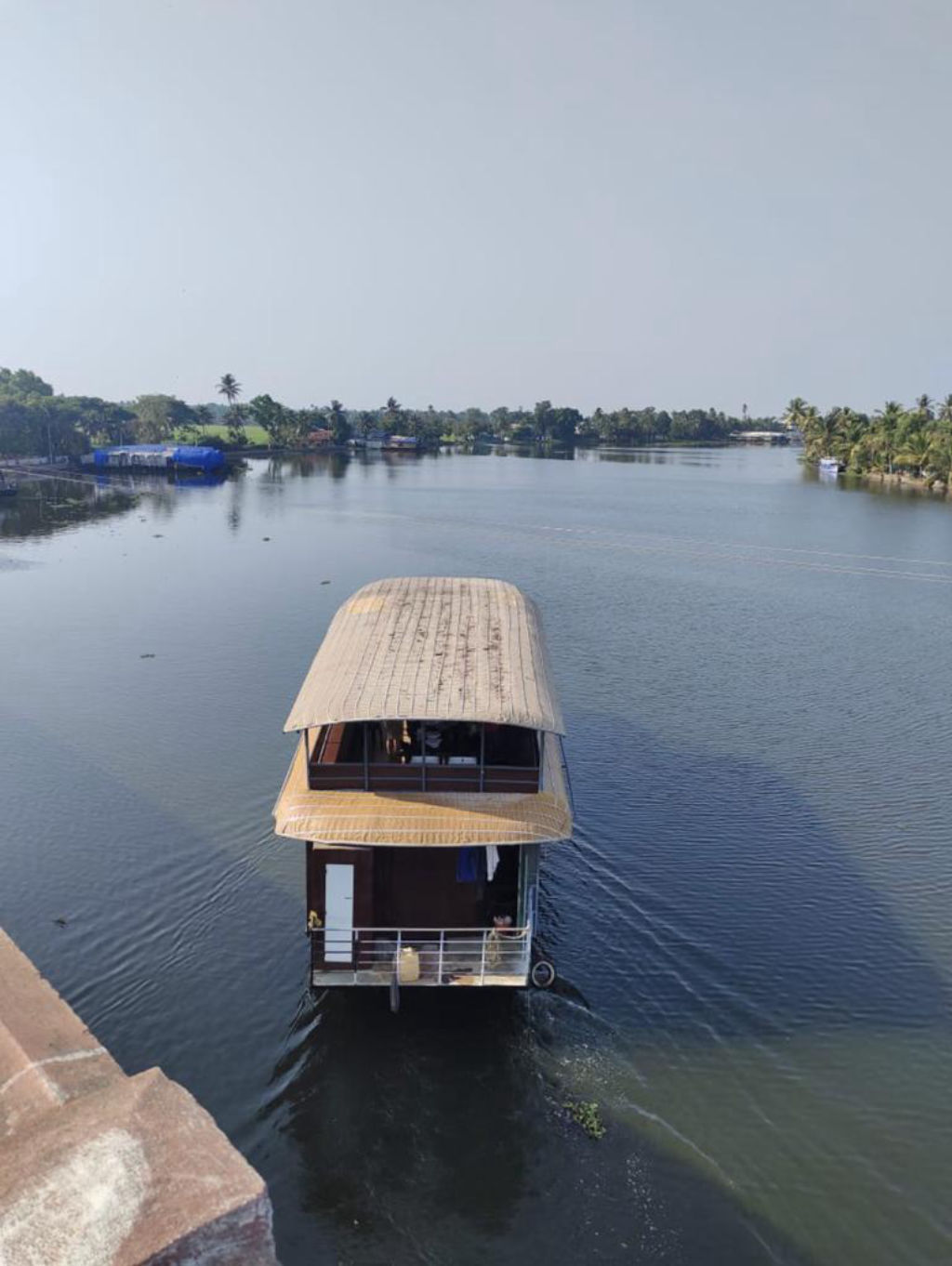
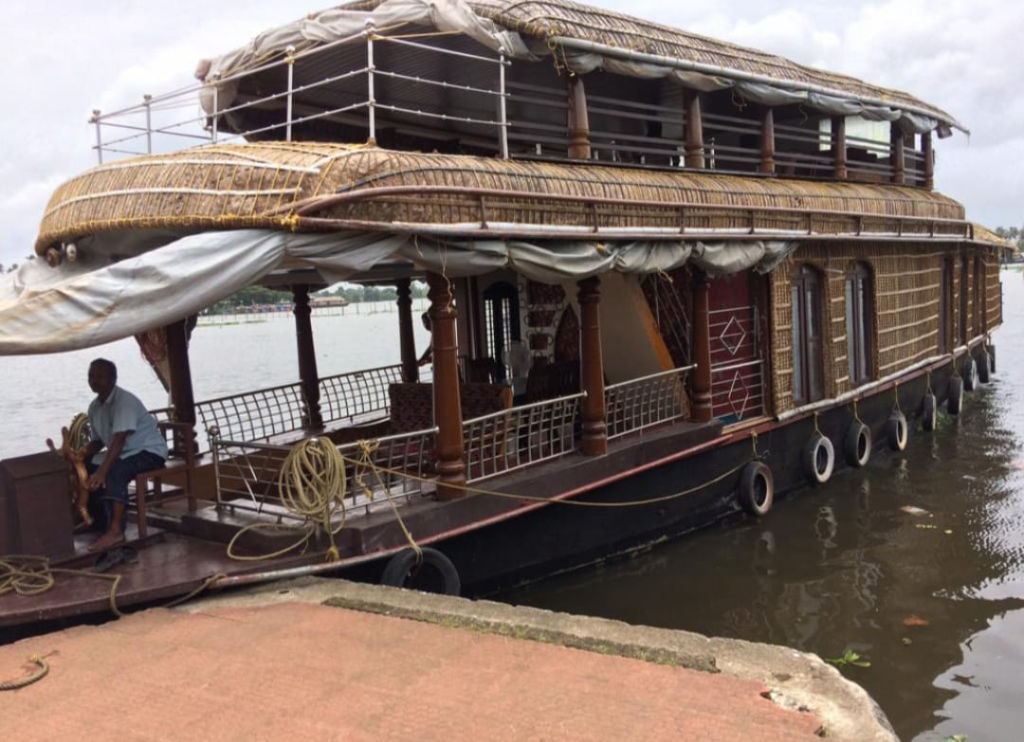
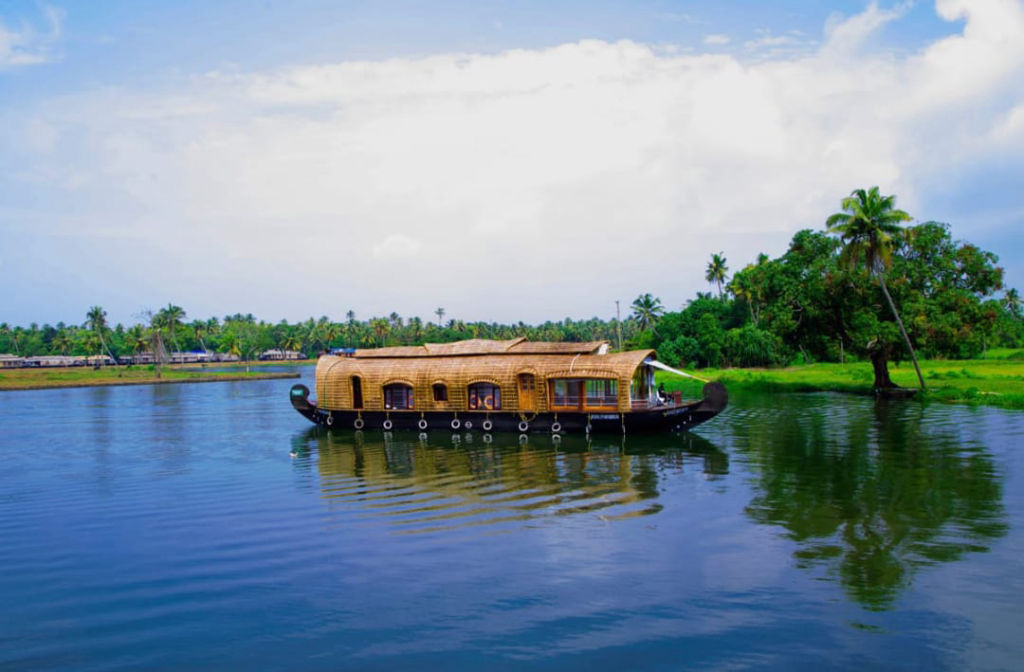
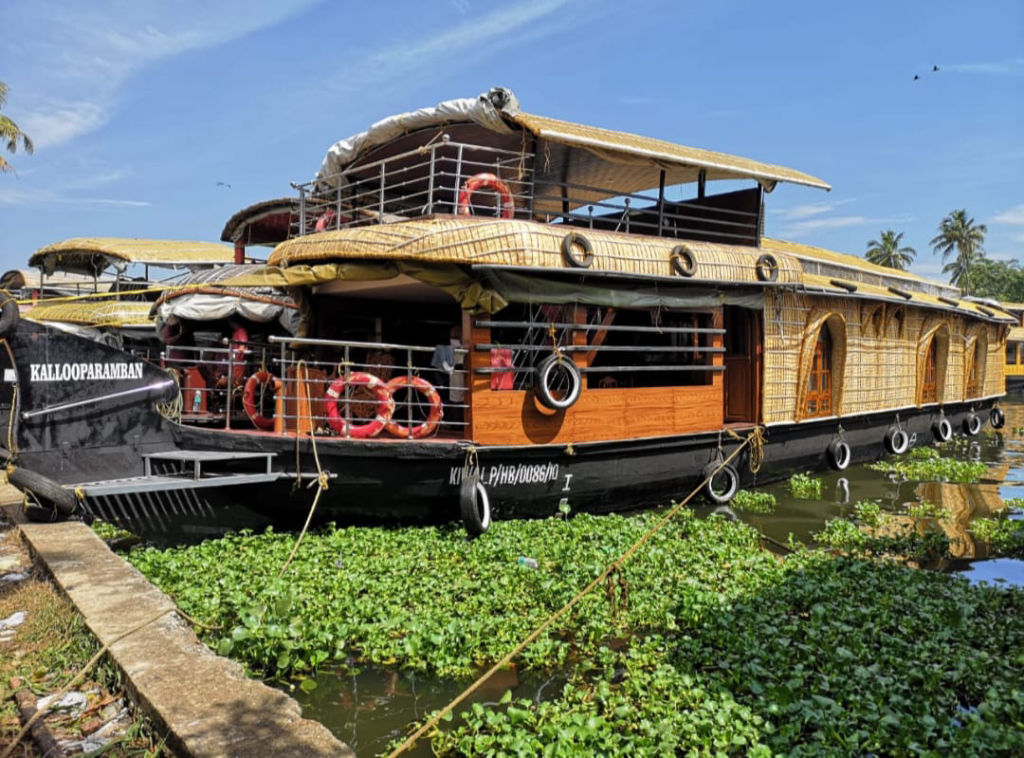
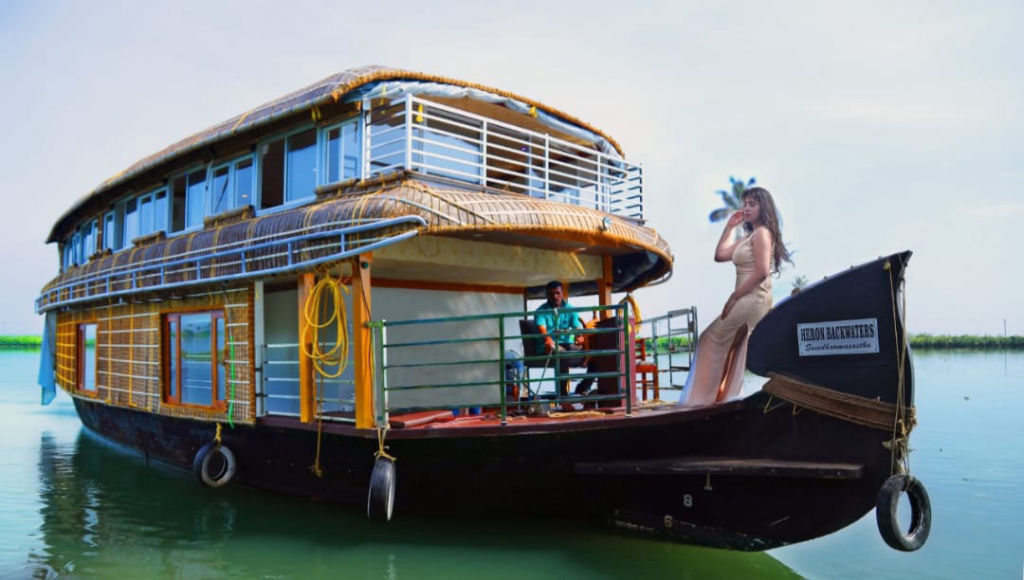
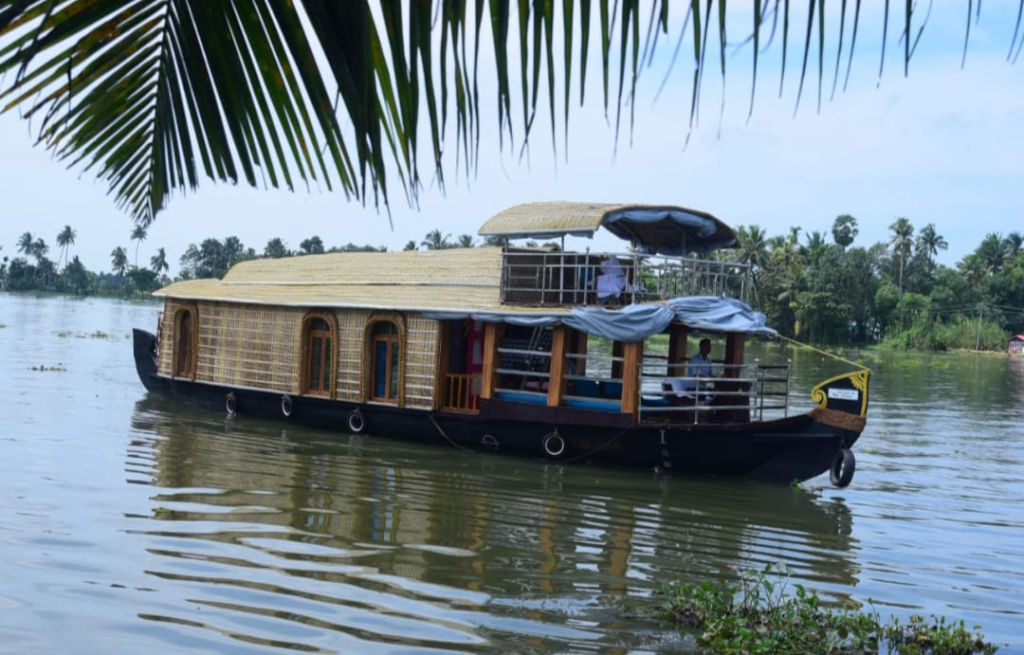
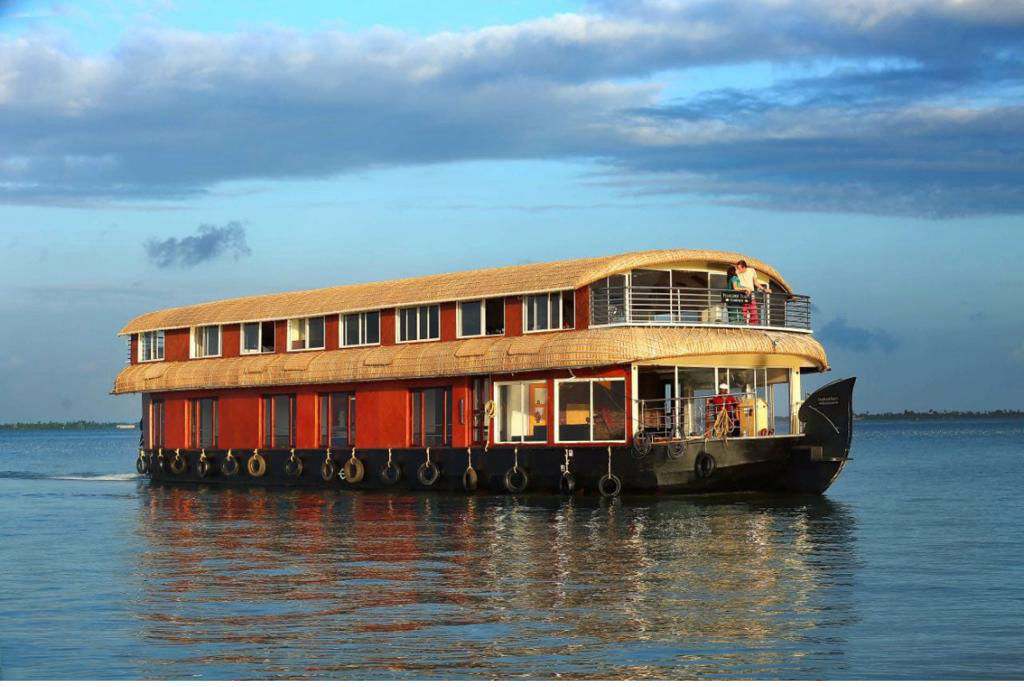
A quintessential Kumarakom experience involves exploring the waterways. Gliding along the broader lagoons in a traditional wooden houseboat or navigating the narrowest village canals in a country canoe allows you to observe village life up close. Along the banks, you will see local fishermen casting hand nets, women coir-weaving by their porches, and duck farmers herding flocks across shallow channels.
Birdwatching is another highlight of the region. The Kumarakom Bird Sanctuary, spread across a lush green tract along the lake, serves as an important habitat for both resident wetland species and winter visitors. Walking through the paved trails and ascending the observation towers offers glimpses of egrets, darters, cormorants, herons, kingfishers, and during the cooler months, migratory species like teals and Siberian storks.
Beyond the water, quiet walks or cycling trips along village lanes present a chance to explore traditional Kerala architecture, roadside tea stalls, and peaceful temple courtyards. Angling is also a popular pastime, with many quiet spots along canal banks where you can spend an afternoon with a simple bamboo rod.
Read more
Best time to visit Kumarakom
The winter months from November to February bring the most pleasant weather to Kumarakom. Temperatures during this period remain comfortable, humidity drops slightly, and gentle breezes sweep across Vembanad Lake. This window also coincides with the peak birding season when migratory birds settle in the sanctuary, making it the most popular time for outdoor sightseeing and boating.
From March to May, summer sets in across central Kerala with high daytime temperatures and rising humidity. While afternoons can be hot, mornings and evenings on the water remain peaceful, and the area sees fewer visitors.
The southwest monsoon arrives between June and August, transforming the entire landscape into vibrant shades of green. Kumarakom takes on a dramatic, moody beauty during the rains, with swollen canals and rain drumming against the lake surface. It is also an ideal time for traditional wellness retreats and quiet, reflective holidays, though heavy downpours can occasionally disrupt boating plans.
Places to visit near Kumarakom
Kumarakom serves as an excellent base for exploring the surrounding waterways and coastal districts of Kerala. The historic city of Kottayam, known for its Syrian Christian heritage and rubber plantations, lies just inland and features centuries-old churches and temples set among gentle hills.
Towards the coast and northward toward Ernakulam, several scenic spots make for worthwhile excursions. The coastal hamlet of Kumbalangi, located roughly 35 kilometres away, is known for its model fishing village and Chinese fishing nets. Further along the coastline, Chellanam Sea Wall provides sweeping views of the Arabian Sea crashing against granite barricades.
Travelers heading towards the urban fringe of Kochi can visit the sprawling Kochi Backwaters, explore the historic Hill Palace in Tripunithura with its sprawling botanical gardens and royal collections, or take a peaceful stroll through Vijaya Park. Beach lovers can also make a day trip to the sands of Half Moon Beach near Kochi to catch a coastal sunset.
How to reach Kumarakom
Kumarakom is well connected to major transit hubs in Kerala by both road and rail. The nearest major railway station is Kottayam, approximately 15 kilometres east of the town. Kottayam is linked to major cities across India through frequent express and passenger trains. From the station, local taxis, auto-rickshaws, and government buses regularly ply the short route to Kumarakom.
For air travellers, Cochin International Airport is the primary gateway, located roughly 75 to 80 kilometres to the north. Taxis and app-based cabs can be arranged from the airport for a smooth drive down through suburban and rural roads.
Travelling by road is straightforward, with well-paved state highways branching off from the main North-South arterial routes. Water transport is also an authentic alternative; state-run passenger ferry services connect Kumarakom with Muhamma and other spots across Vembanad Lake, providing a scenic, budget-friendly crossing.
Tips for visiting Kumarakom
Because of the abundant water bodies and dense vegetation, carrying effective insect repellent is essential, particularly for canal cruises and evening walks. Light, loose cotton clothing is best suited for Kumarakom's humid tropical climate, while a light layer may be useful for breezy evening boat rides.
When exploring narrow residential canals by small boat, remember that the canals serve as backyards for local residents. Keep noise to a minimum and be mindful of privacy when photographing people washing or working along the water's edge.
Carry cash for small purchases, as remote tea stalls and local boat hands may not always have reliable digital payment connectivity. It is also recommended to check local water conditions and ferry schedules in advance if travelling during the monsoon season.
Where to stay in Kumarakom
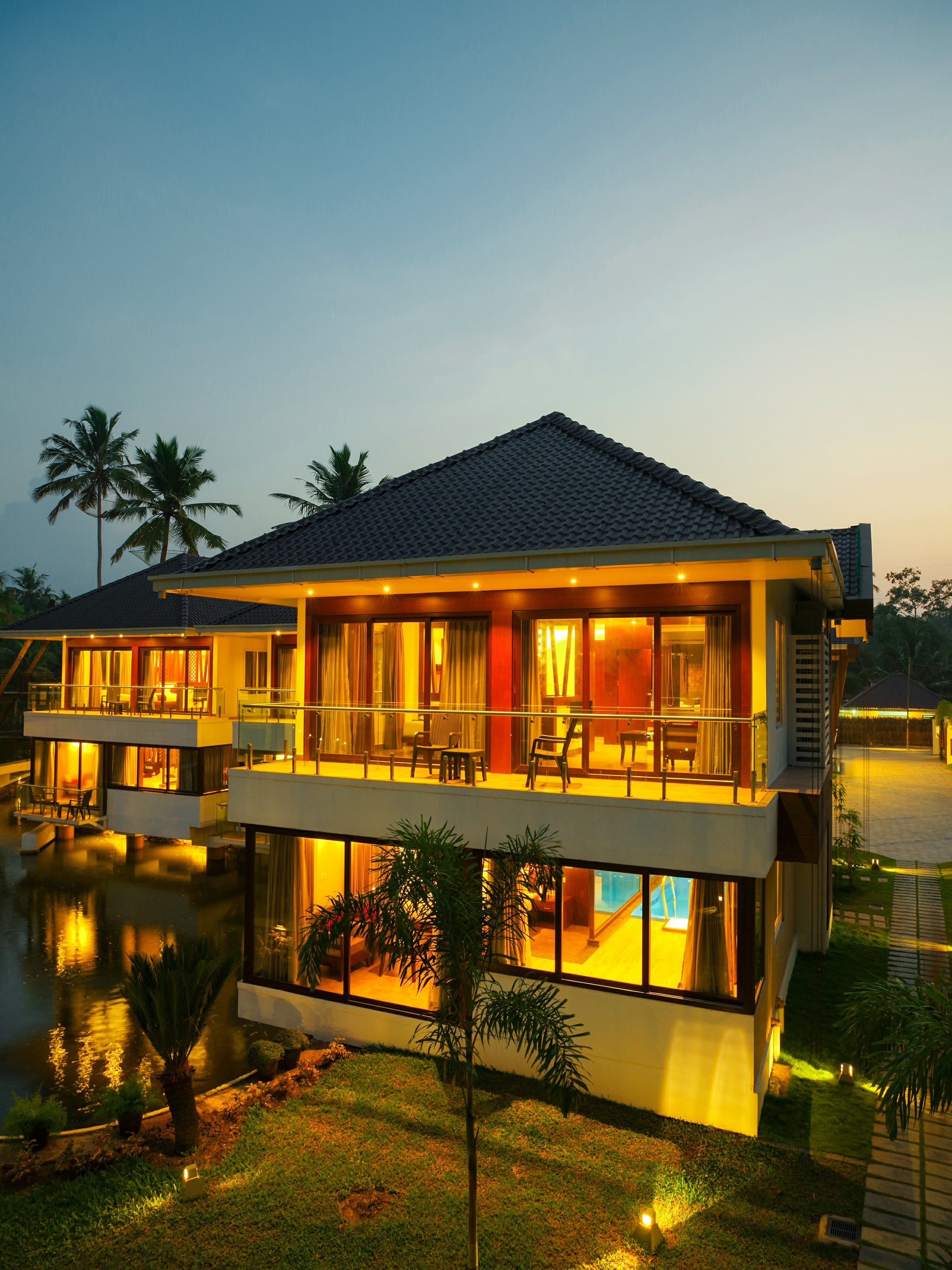
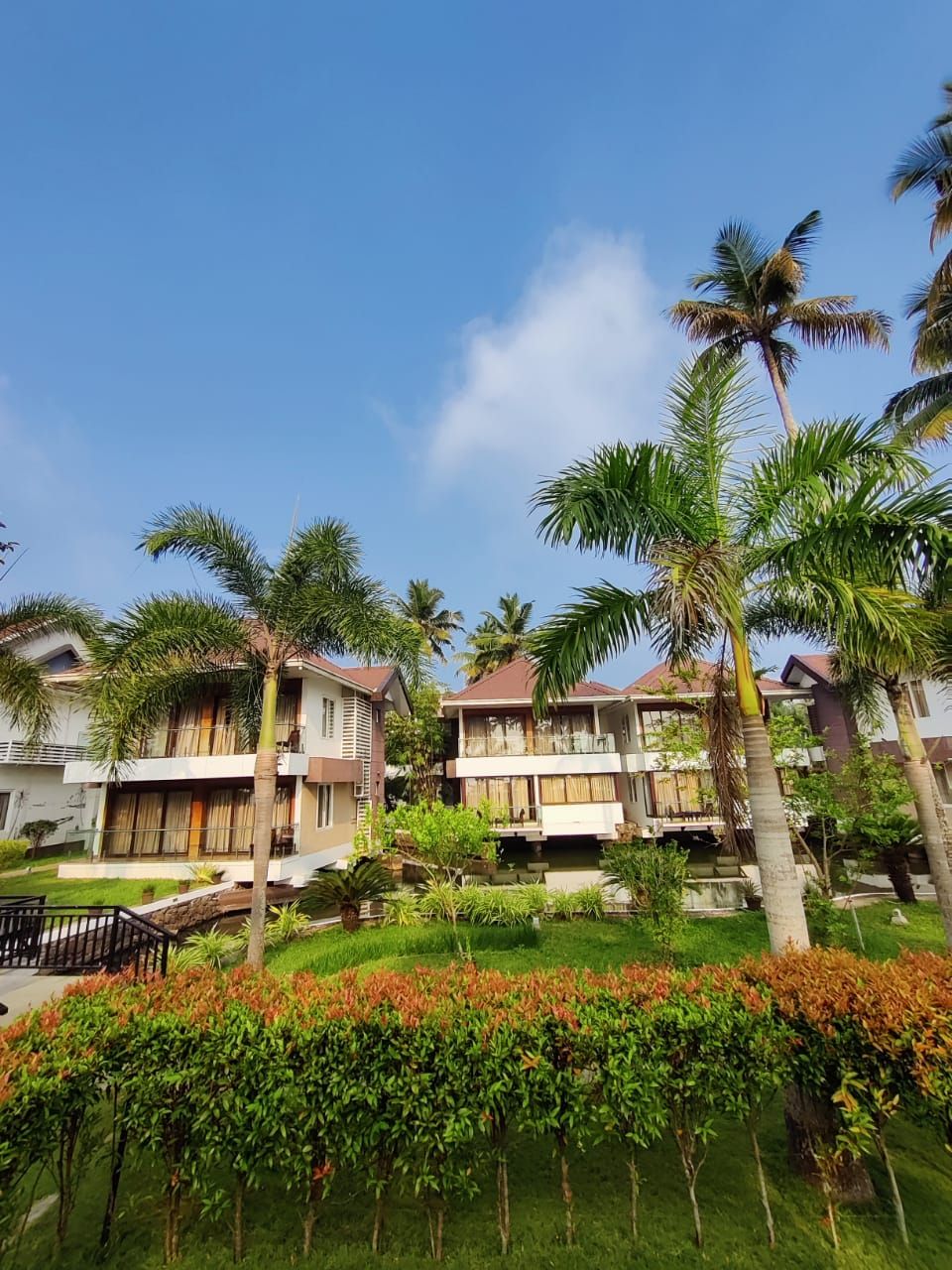
Kumarakom offers a diverse selection of accommodations tailored to water-centric living. Options range from rustic riverside homestays run by local families to independent cottages nestled amidst coconut groves along the lake shores.
Staying in a homestay allows you to experience authentic home-cooked meals, personal hospitality, and direct access to neighbourhood canoe rides. For those seeking immersive nature retreats, properties set near the bird sanctuary or along remote waterways offer exceptional peace and natural scenery.
You can find and book an array of verified homestays, nature retreats, and tranquil getaways around Kumarakom directly on HireACamp.
Frequently asked questions
What is Kumarakom famous for?
Kumarakom is best known for its tranquil backwaters along Vembanad Lake, traditional houseboat cruises, scenic village canals, and the Kumarakom Bird Sanctuary.
Which is the nearest railway station to Kumarakom?
Kottayam railway station, located about 15 kilometres away, is the nearest major railhead and offers excellent connectivity to major cities across India.
How many days are needed to explore Kumarakom?
A stay of two to three days is ideal to experience a backwater cruise, visit the bird sanctuary, explore village waterways by canoe, and unwind in a quiet lakeside setting.
Can you visit Kumarakom during the monsoon season?
Yes, visiting during the monsoon brings lush green scenery and a calm ambiance, though occasional heavy rainfall may temporarily affect boating schedules.
Is Kumarakom suitable for birdwatching?
Yes, the Kumarakom Bird Sanctuary is a prime birdwatching spot in Kerala, home to many resident wetland species as well as migratory waterfowl between November and February.
Where you'll be
12 stays nearby shown with prices
Stays near Kumarakom
Book a place to stay close by
Things to do in Kumarakom
48 places creators recommend within 30 km


Built from 0 Instagram posts by 0 creators. Every tip links back to the post it came from, and where creators disagree we show both sides.






