
Kumarakom Bird Sanctuary
Bird sanctuary near Kumarakom, Kerala
3.1 km from Kumarakom
The nearest town, for stays, food and fuel.
Kumarakom Bird Sanctuary is a lush wetland reserve set along the banks of Vembanad Lake in Kerala's Kottayam district. Spread across acres of marshland, dense mangroves, and wooded paths, it serves as a critical habitat for native waterbirds and a seasonal shelter for migratory species. Travellers and nature enthusiasts come here for birdwatching along quiet footpaths, taking early morning boat rides through the backwaters, and experiencing the pristine ecology of Kerala's lake country.
Getting there
By road
- From KumarakomNearest town6 min · 3.5 km
- From Kochi1 hr 10 min · 47 km
- From Thiruvananthapuram4 hr 5 min · 163 km
- From Madurai5 hr 20 min · 263 km
Typical drive times without traffic. Stations and airports from OLA Maps; distances and typical drive times from OpenStreetMap (© OpenStreetMap contributors); notes from creators' Reels.
About Kumarakom Bird Sanctuary
Written with AI from map data and general knowledge. Check prices and timings locally before you go.
About Kumarakom Bird Sanctuary
Situated on the eastern shore of Vembanad Lake in the Kottayam sub-district, Kumarakom Bird Sanctuary preserves a vital patch of coastal backwater wetland. Formerly an old rubber plantation known as Baker's Estate, the land gradually transformed into an undisturbed sanctuary where lush tropical foliage, winding waterways, and brackish marshes thrive side by side.
The sanctuary's position at the edge of Kerala's largest lake makes it an exceptional ecosystem. Large canopies of tropical trees provide roosting spaces above dense aquatic plants and silt-rich mudflats. This natural transition zone between freshwater rivers and brackish lagoons supports abundant fish, insects, and amphibians, creating an ideal foraging ground for resident and seasonal avian visitors.
Birdlife and natural biodiversity
The primary draw of Kumarakom Bird Sanctuary is its remarkable variety of birds. Throughout the year, native species populate the waterways and canopies. Keen observers frequently spot little cormorants, Indian darters, night herons, purple herons, pond herons, and intermediate egrets wading through shallow waters or sunning their wings on exposed branches. Kingfishers, including the common, white-throated, and pied kingfishers, are a regular sight darting across the canals.
During the cooler months, the sanctuary welcomes migratory species travelling long distances across Central Asia and the Himalayas. Flocks of teals, garganeys, pintails, flycatchers, and cuckoos find refuge among the reed beds and tree crowns. In addition to birdlife, the damp undergrowth and marshy clearings harbour butterflies, dragonflies, water snakes, and small wetland mammals that contribute to the sanctuary's thriving food web.
Read more
Things to do at Kumarakom Bird Sanctuary
Exploring the sanctuary primarily involves walking its shaded pathways. A paved nature trail stretches deep into the reserve, bordered by tangled greenery and tranquil canals. Walking quietly along this path allows you to listen to bird calls and observe roosting colonies without disturbing their natural rhythms. Elevated observation towers are positioned at strategic points along the route, offering panoramic viewpoints over the treetops and the open expanse of Vembanad Lake.
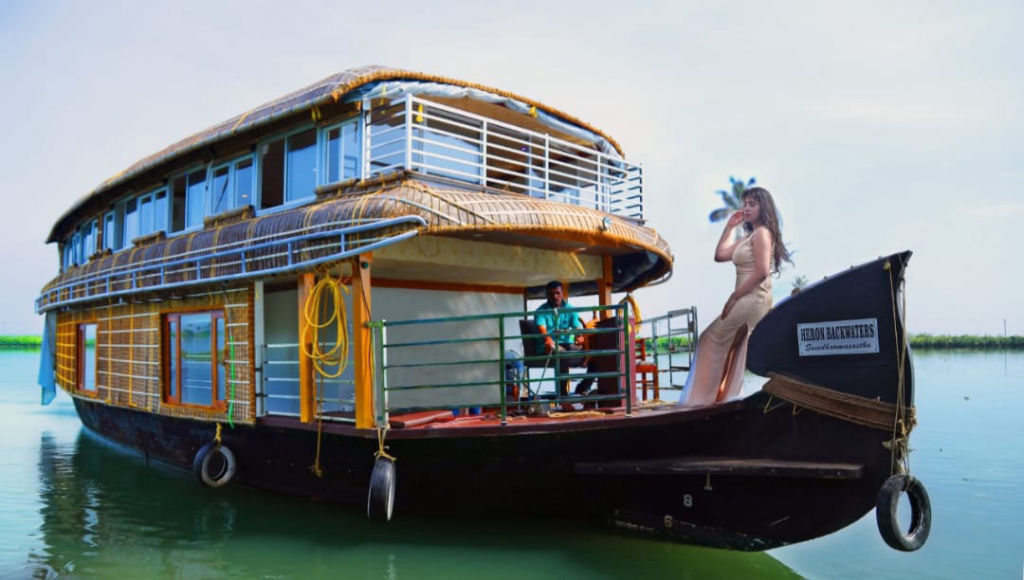
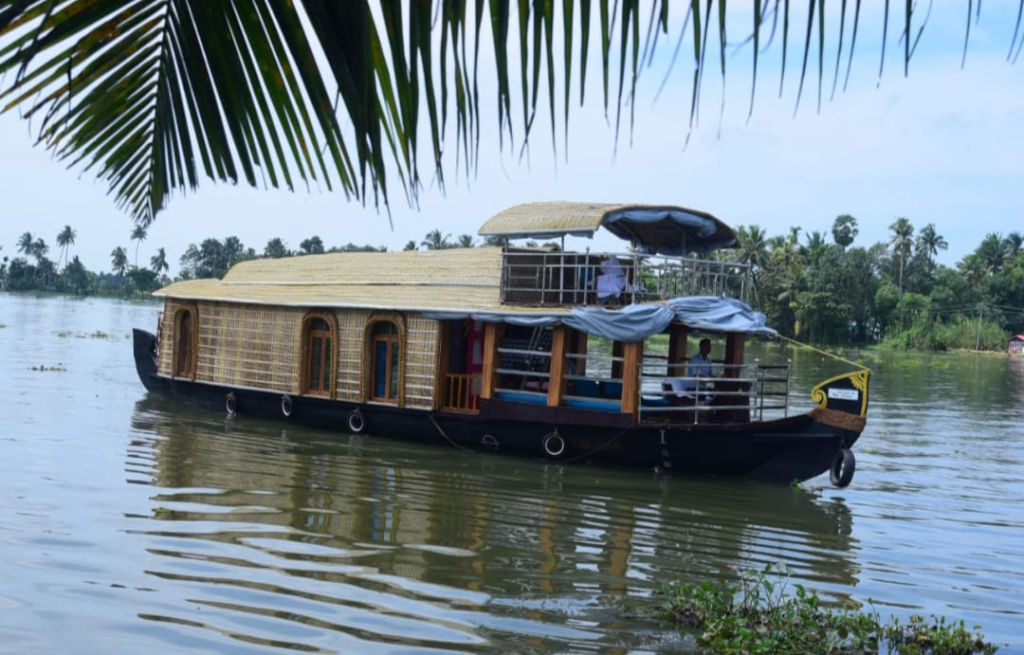
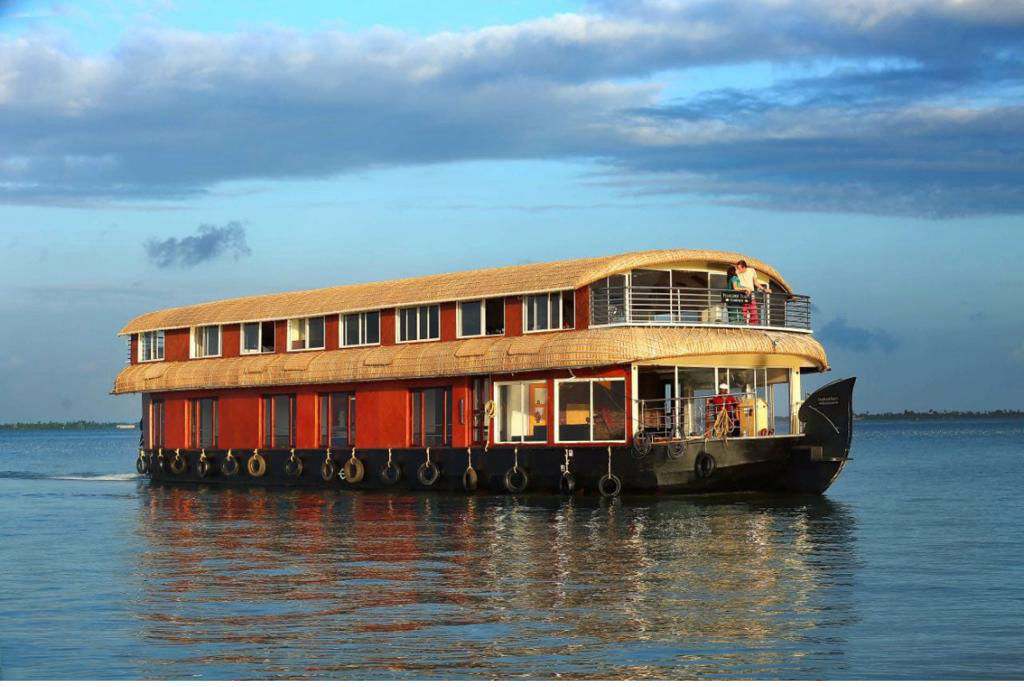
Another rewarding way to experience the sanctuary is from the water. Country boats and motor launches operate along the surrounding canals and the perimeter of Vembanad Lake. Drifting past the sanctuary's edge in the early hours reveals wading birds feeding on the lake banks, providing different angles for photography that cannot be reached on foot.
Best time to visit
The character of Kumarakom Bird Sanctuary shifts significantly across seasons, making different times of year appealing depending on what you want to see. The post-monsoon and winter window from November to February is widely considered the peak season for general birdwatching. During these months, the weather is pleasant, and winter migratory flocks arrive in significant numbers to settle across the wetlands.
For those interested in resident nesting birds, the monsoon months between June and August offer a unique spectacle. During this breeding period, egrets, herons, and cormorants build communal nests high in the tree canopies, providing an energetic display of courtship, nesting, and fledgling activity. Whatever season you choose, early morning right around sunrise is the most active time for wildlife.
How to reach Kumarakom Bird Sanctuary
Kumarakom Bird Sanctuary is easily accessible from several major travel hubs across central Kerala. The nearest railway station and bus transit hub is located in the town of Kottayam, roughly fifteen kilometres to the east. From Kottayam, local buses, auto-rickshaws, and private taxis make frequent trips along the route toward Kumarakom.
If you are arriving by air, Cochin International Airport is the nearest major aviation facility, situated approximately seventy to eighty kilometres to the north. Visitors travelling from Kochi or Alappuzha can reach Kumarakom comfortably by road or take advantage of passenger ferry networks that connect backwater villages across Vembanad Lake.
Places to visit nearby
A trip to the sanctuary combines seamlessly with several nearby attractions across the Vembanad basin. Pathiramanal Island, a protected, uninhabited island known for its rich flora and bird life, sits just five kilometres away in the middle of Vembanad Lake and can be reached via a short boat ride.
Across the water toward the southwest lies Alappuzha, famous for its historic lighthouse, expansive sandy coastlines, and intricate canal systems. To the northwest, the coastal sea walls at Chellanam and the fishing village of Kumbalangi offer authentic glimpses into traditional coastal livelihoods and brackish backwater farming. For those interested in heritage, the Hill Palace museum near Kochi offers an enriching historic detour inland.
Tips for your visit
A rewarding trip to Kumarakom Bird Sanctuary requires a little preparation. Wear lightweight, breathable cotton clothing in muted or earth-toned shades to blend into the surrounding vegetation, and choose sturdy walking shoes suitable for damp or muddy trails. Because this is a tropical wetland, mosquito repellent is essential, particularly during the early morning and late afternoon.
A pair of binoculars will greatly enhance your viewing experience, as many bird colonies roost high in the canopy or remain out on the water. Please carry your own drinking water in a reusable bottle, dispose of all litter responsibly, and maintain a quiet, respectful presence along the trails so as not to startle roosting birds.
Where to stay near Kumarakom Bird Sanctuary
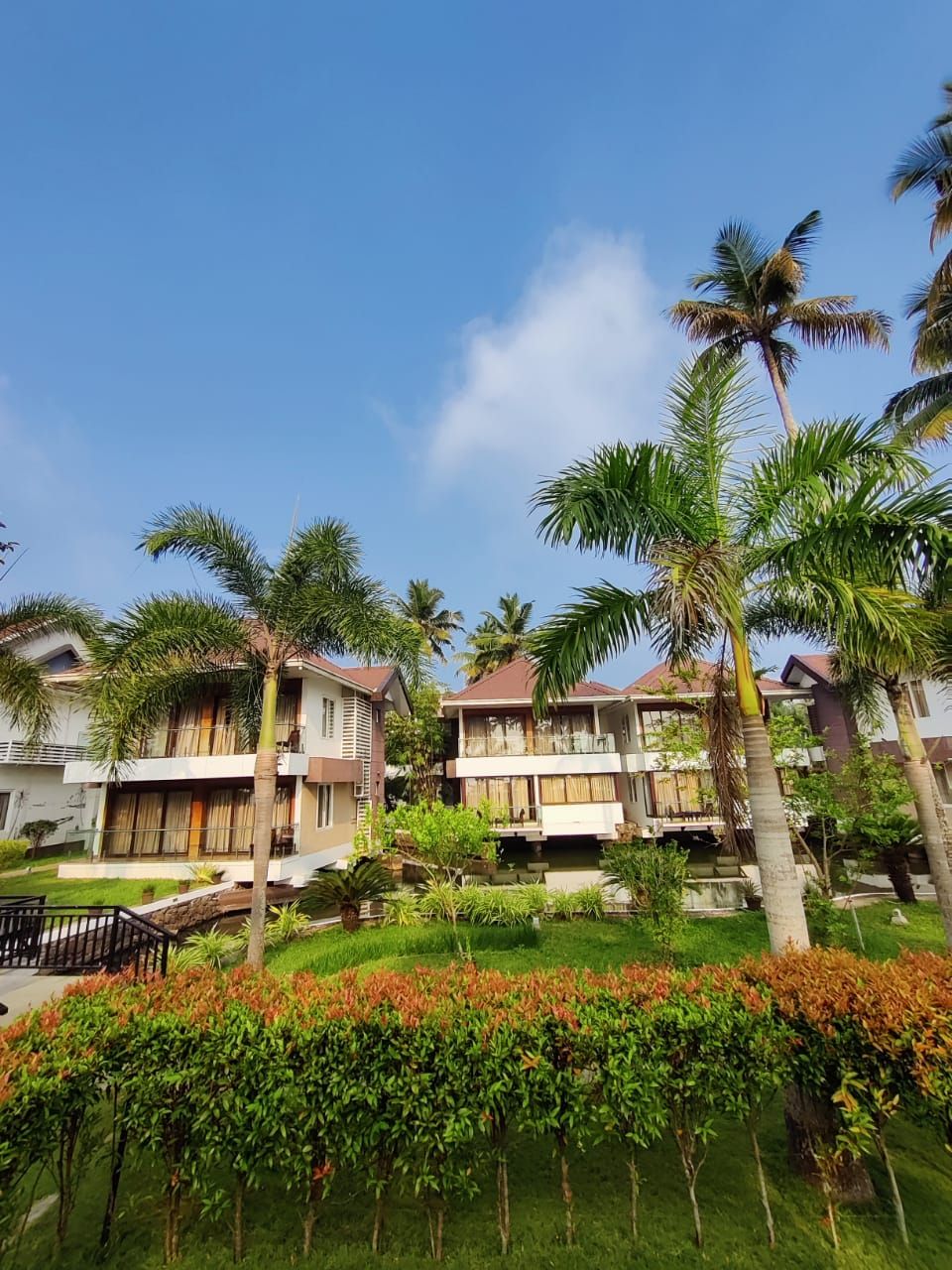
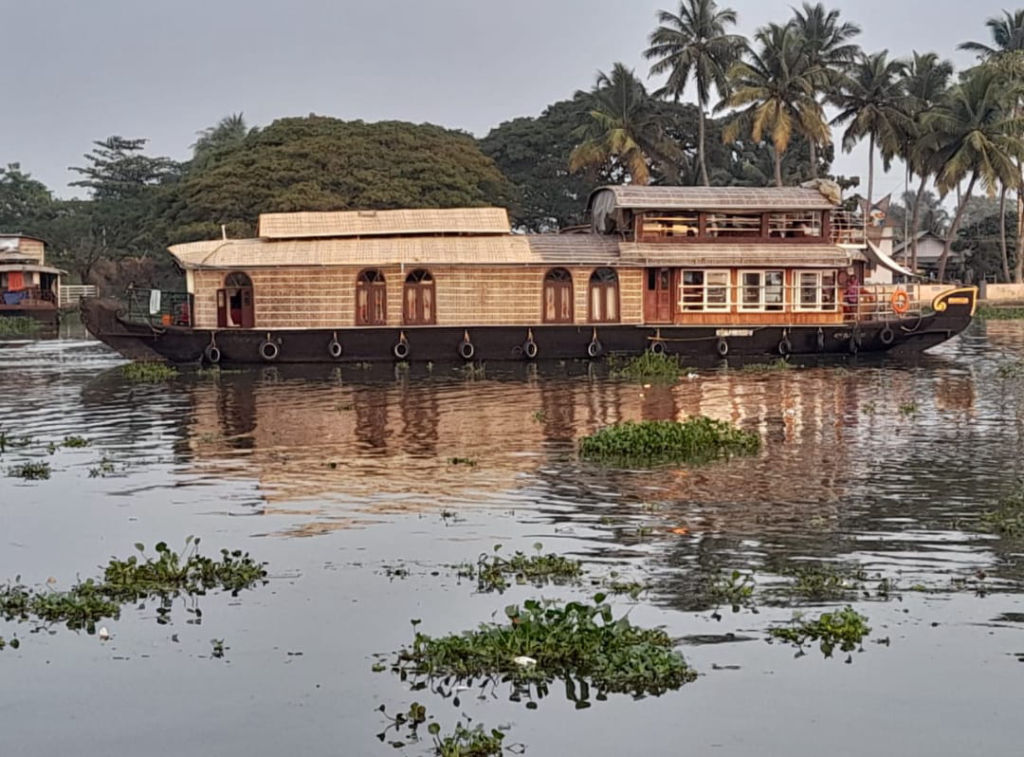
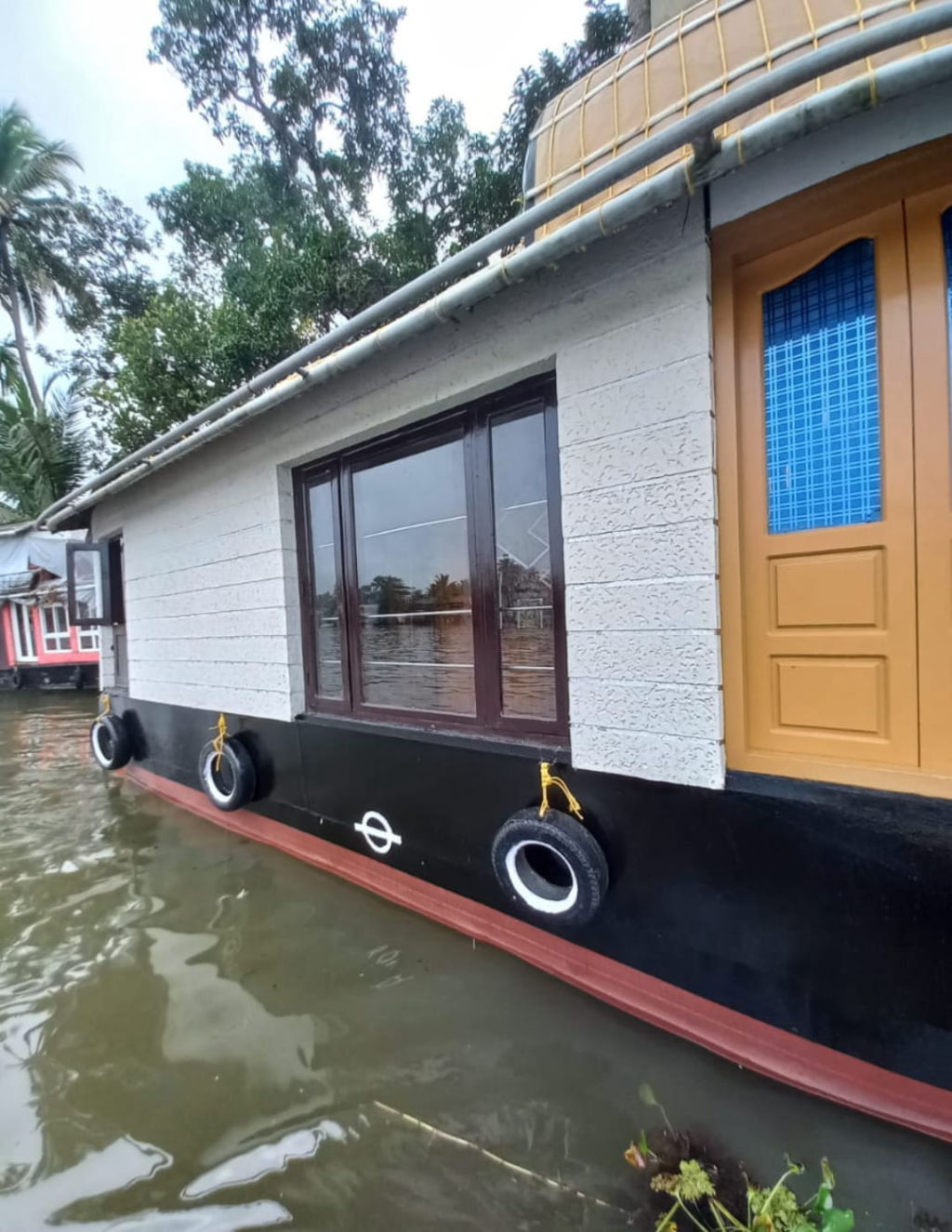
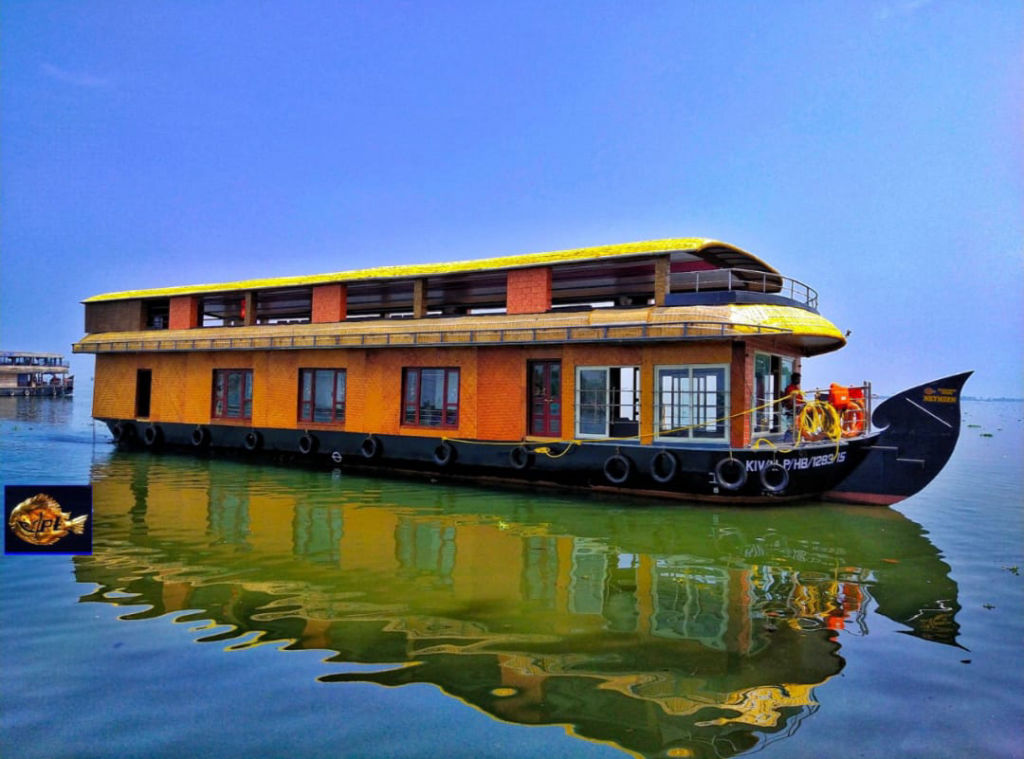
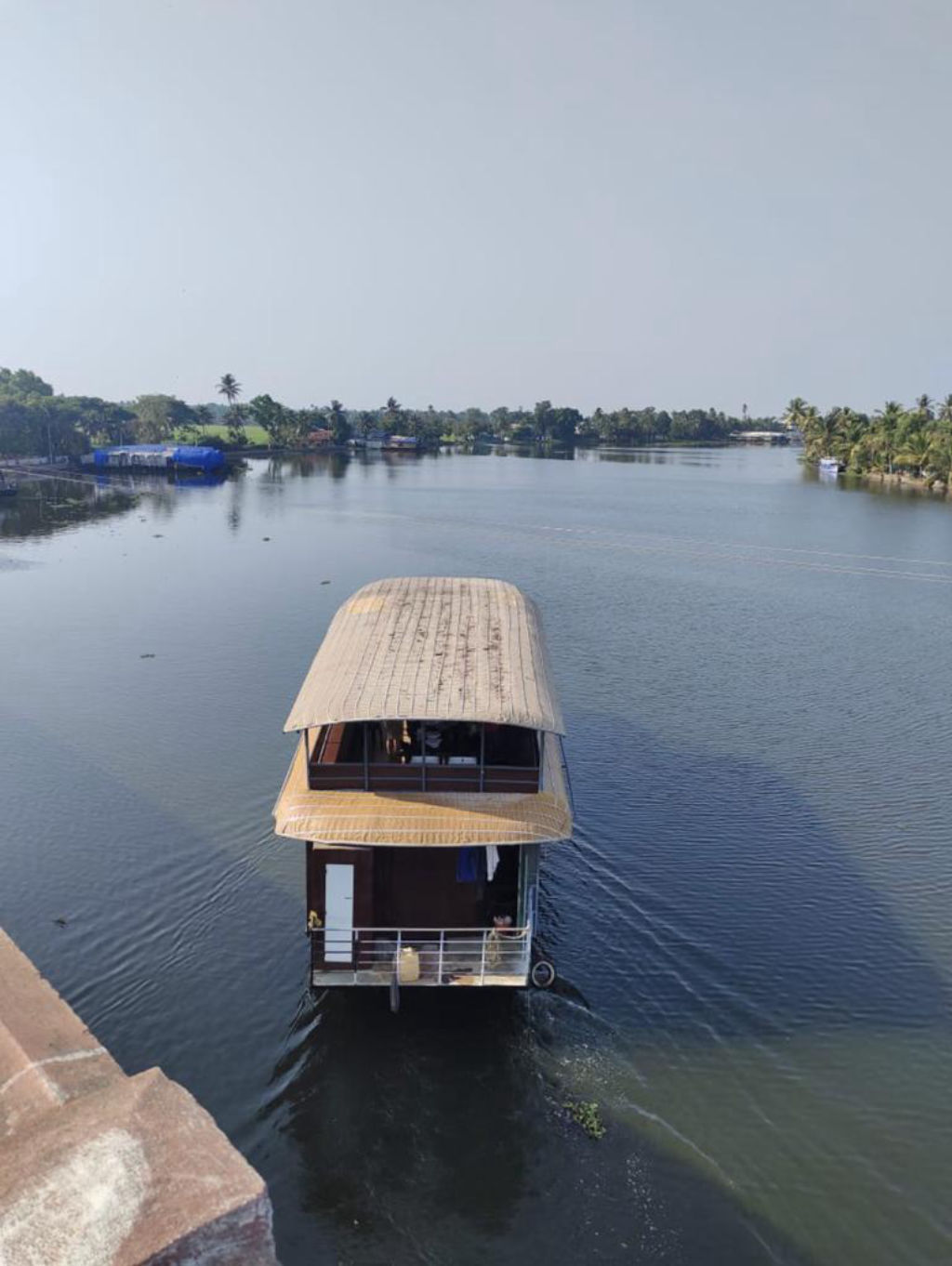
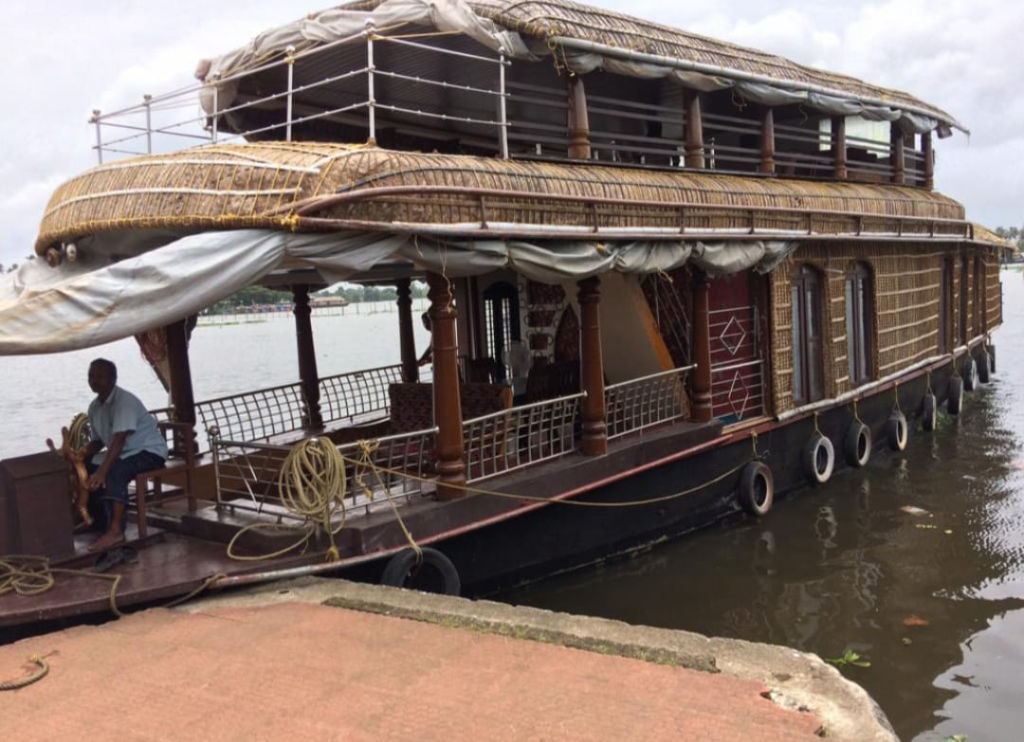
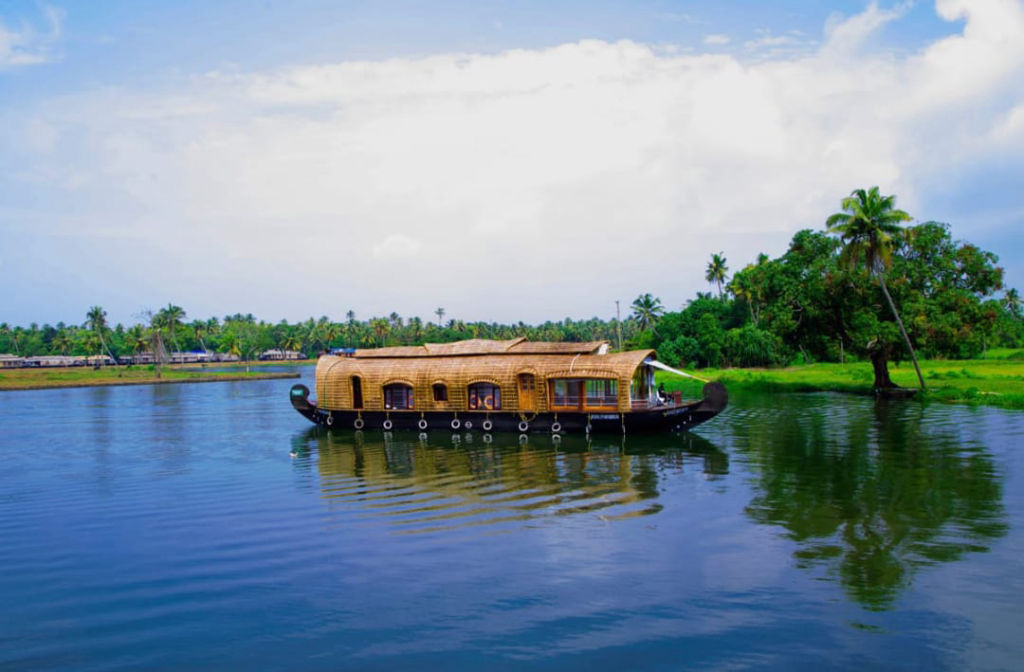
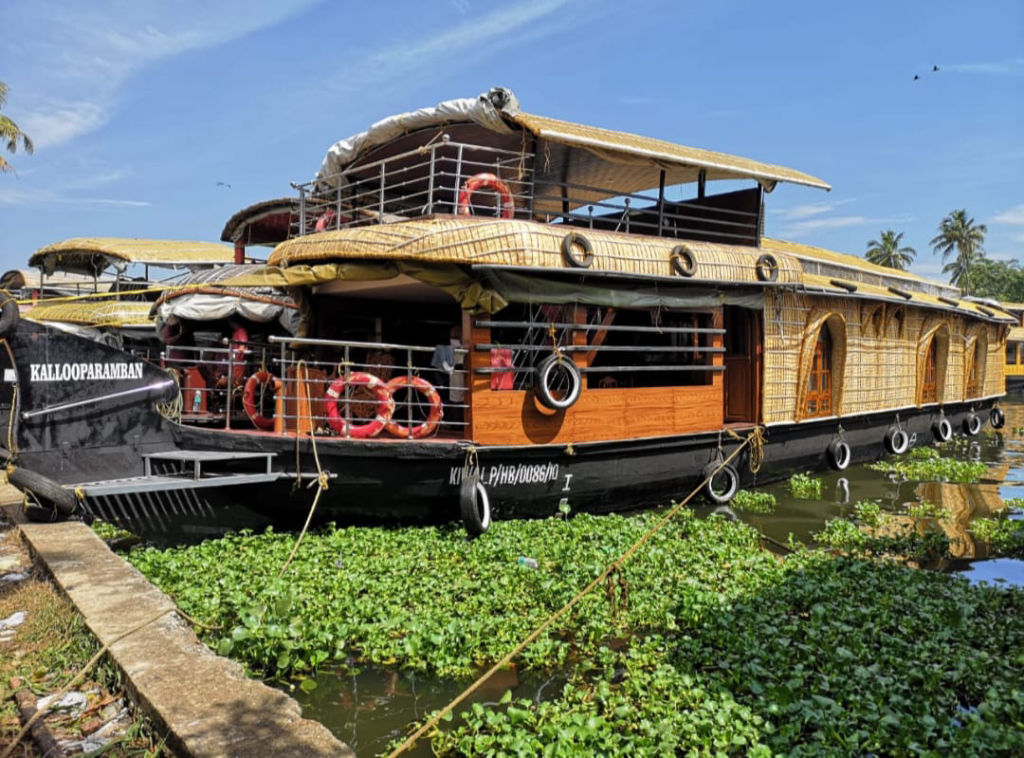
The villages and waterways surrounding Kumarakom Bird Sanctuary offer varied lodging options suited to travellers who want to wake up close to nature. Whether you prefer eco-friendly cottages along the canals, traditional waterfront homestays, or open-air camps shaded by coconut groves, suitable accommodations can be found on HireACamp. Booking a stay close to the reserve allows you to enter the sanctuary at first light, when bird activity is at its highest.
Frequently asked questions
What is the best time of day to spot birds at Kumarakom Bird Sanctuary?
Early morning between dawn and mid-morning is the prime time for birdwatching. This is when resident and migratory birds are actively feeding, vocalising, and taking flight before the heat of the day sets in.
Do I need to hire a boat to see Kumarakom Bird Sanctuary?
No, a boat ride is not mandatory. The sanctuary features a well-defined walking trail with watchtowers on land, though taking an optional boat along the outer edges provides a distinct viewpoint of waterbirds along the lake shore.
Can I visit Kumarakom Bird Sanctuary during the monsoon?
Yes, the monsoon months from June to August are excellent for observing native waterbirds, as this is the primary nesting and breeding season for herons, egrets, and cormorants.
Are there entry fees or set visiting hours for the sanctuary?
Entry protocols, camera charges, and visiting hours can change seasonally, so it is recommended to check locally at the forest department ticket desk upon arrival.
Is Kumarakom Bird Sanctuary suitable for children and seniors?
The main trail is mostly level and relatively easy to walk, making it accessible for families and active seniors, though paths can become slick after rain.
Where you'll be
Kottayam Sub-District · 12 stays nearby shown with prices
Stays near Kumarakom Bird Sanctuary
Book a place to stay close by

More places near Kumarakom Bird Sanctuary
Within 20 km


Lists for this area
Ranked by how many creators recommend each place


Built from 0 Instagram posts by 0 creators. Every tip links back to the post it came from, and where creators disagree we show both sides.






