
Kumaranallur
Destination in Kerala
Kumaranallur is a peaceful heritage town situated in the Kottayam district of Kerala, celebrated for its historic temple culture and lush countryside. Positioned close to the backwaters of Vembanad Lake, it offers travellers a gentle blend of authentic village life, ancient architecture, and scenic waterways. People visit to step away from busy tourist corridors, explore sacred traditions, and venture into the surrounding riverine landscape.
Getting there
By road
- From Kochi1 hr 35 min · 63 km
- From Thiruvananthapuram3 hr 55 min · 152 km
- From Madurai4 hr 55 min · 244 km
- From Coimbatore5 hr 40 min · 235 km
Typical drive times without traffic. Stations and airports from OLA Maps; distances and typical drive times from OpenStreetMap (© OpenStreetMap contributors); notes from creators' Reels.
About Kumaranallur
Written with AI from map data and general knowledge. Check prices and timings locally before you go.
Understanding Kumaranallur and its heritage
Kumaranallur is a storied locality set on the northern outskirts of Kottayam town. Historically recognised for the revered Kumaranalloor Devi Temple, one of the foremost Bhagavathy shrines in Kerala, the town carries a quiet, reflective atmosphere that reflects classic Travancore culture. The temple itself stands as a remarkable example of traditional Kerala woodcarving, mural art, and conical roof architecture.
Beyond its temple walls, Kumaranallur is defined by its fertile landscape. The surrounding terrain is nourished by the waters of the Meenachil River basin, threaded with winding lanes, dense groves of coconut palms, betel nut trees, and plantain orchards. It represents the quintessential rural spirit of central Kerala, where daily rhythms move in harmony with temple bells, seasonal showers, and neighbourhood canal waters.
Things to do in Kumaranallur
A visit to Kumaranallur revolves around slow-paced exploration and quiet cultural observation. Travellers often begin with a visit to the historic Devi Temple precincts, taking in the serene courtyard, carved wood pillars, and classical rooflines. The surrounding neighbourhood features old ancestral homes, traditional boundary walls, and leafy pathways that offer pleasant morning and evening walking circuits.
Strolling along the nearby canals and waterways provides an intimate glimpse into traditional rural life in Kerala. You can watch local fishermen tending to their nets, observe village craftsmen, and encounter roadside tea stalls serving steaming cups of chai alongside fresh banana fritters and local snacks. Photography enthusiasts will find endless inspiration in the dappled light filtering through the palm canopies, rustic wooden ferry points, and reflections on peaceful village ponds.
Read more
Day trips and getaways around Kumaranallur
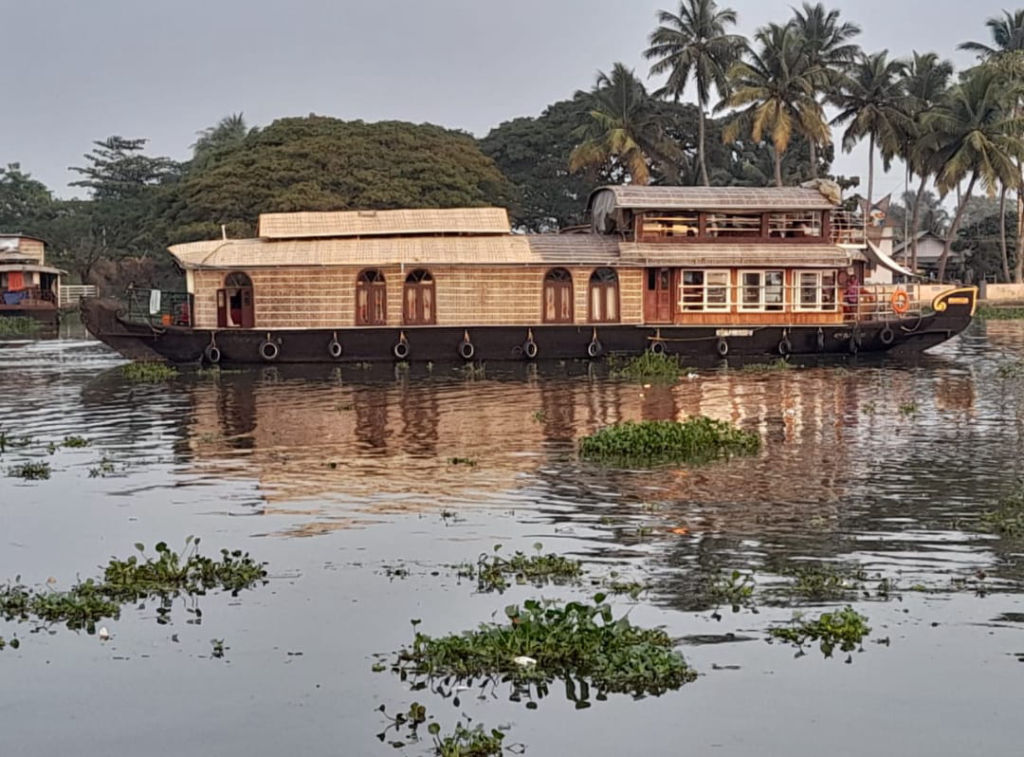
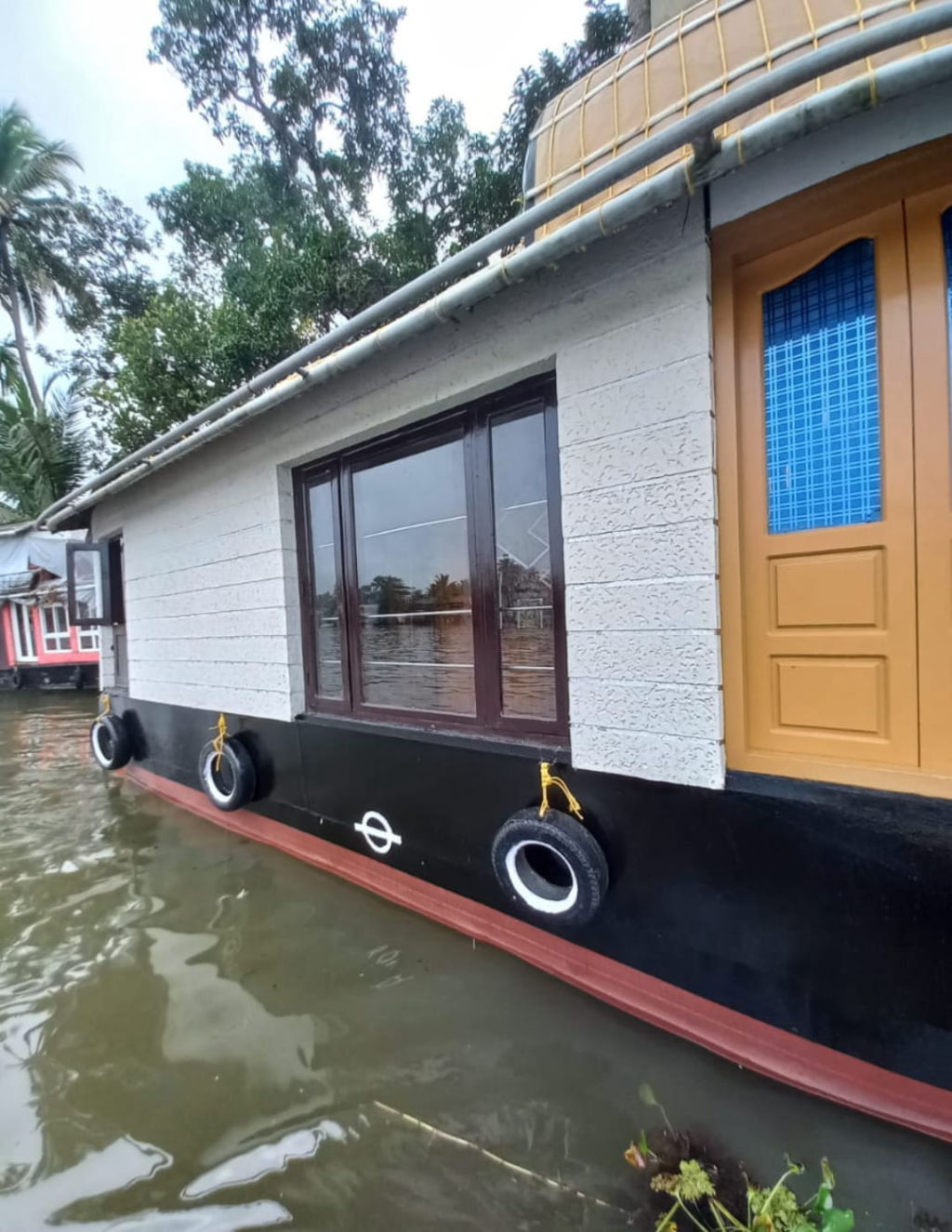
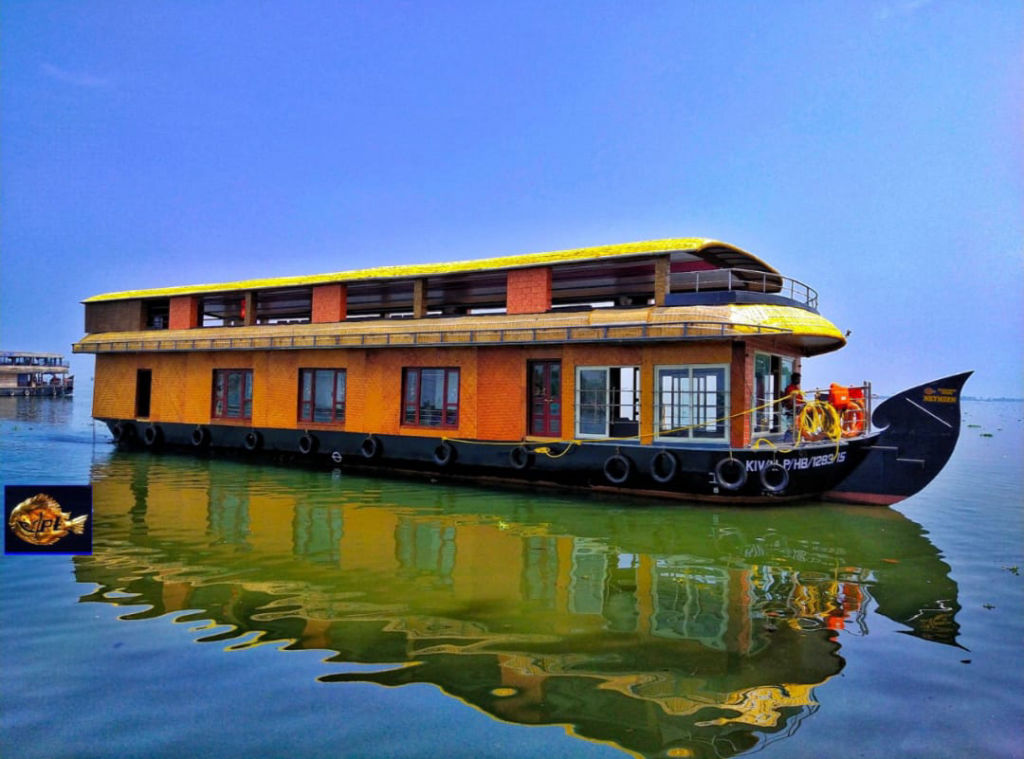
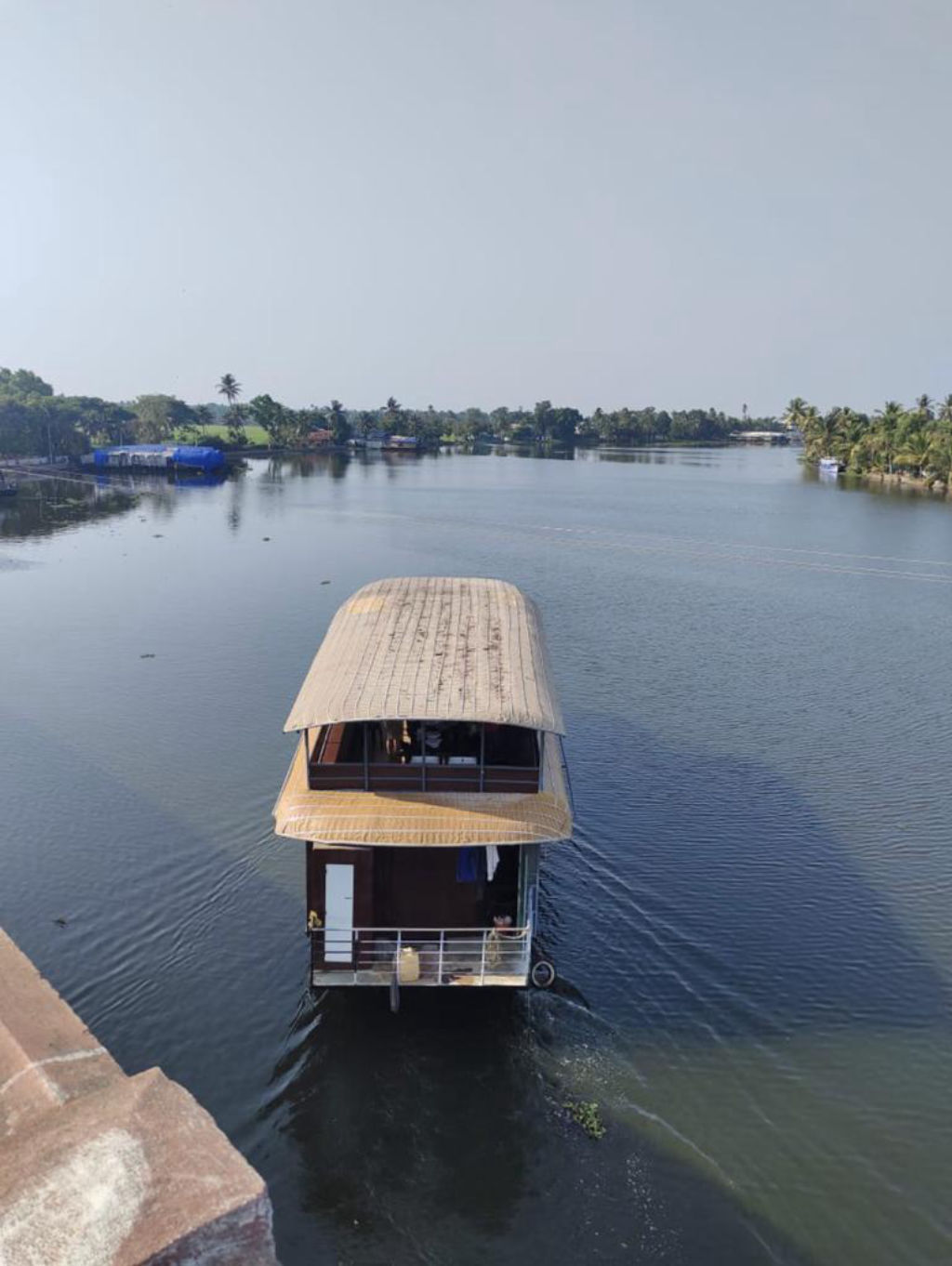
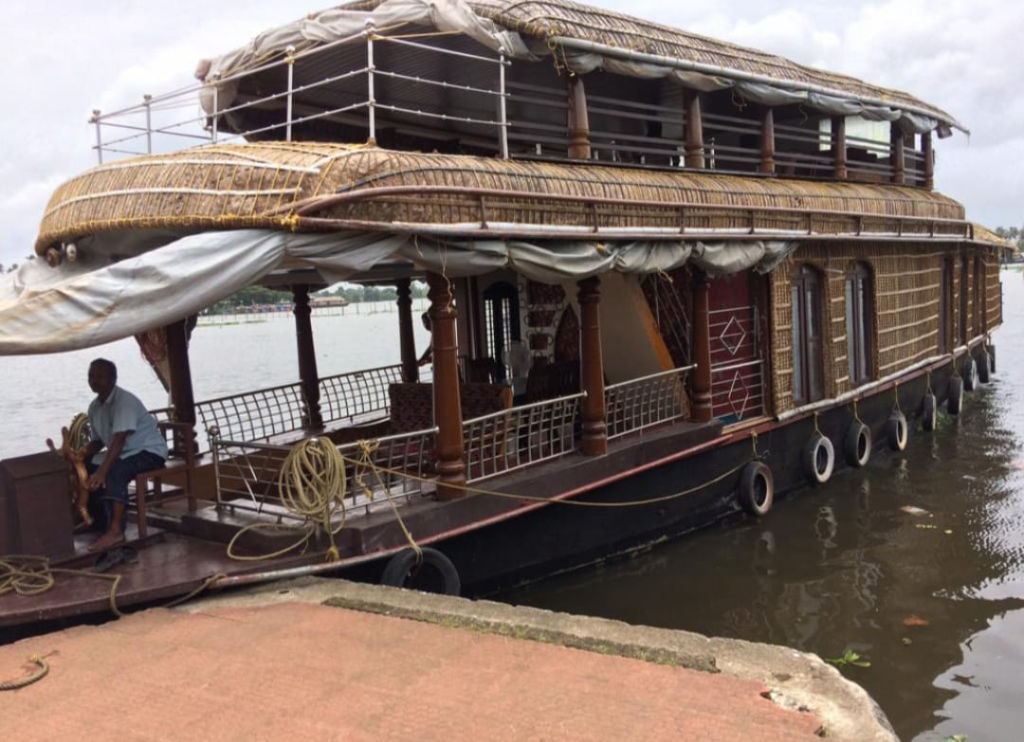
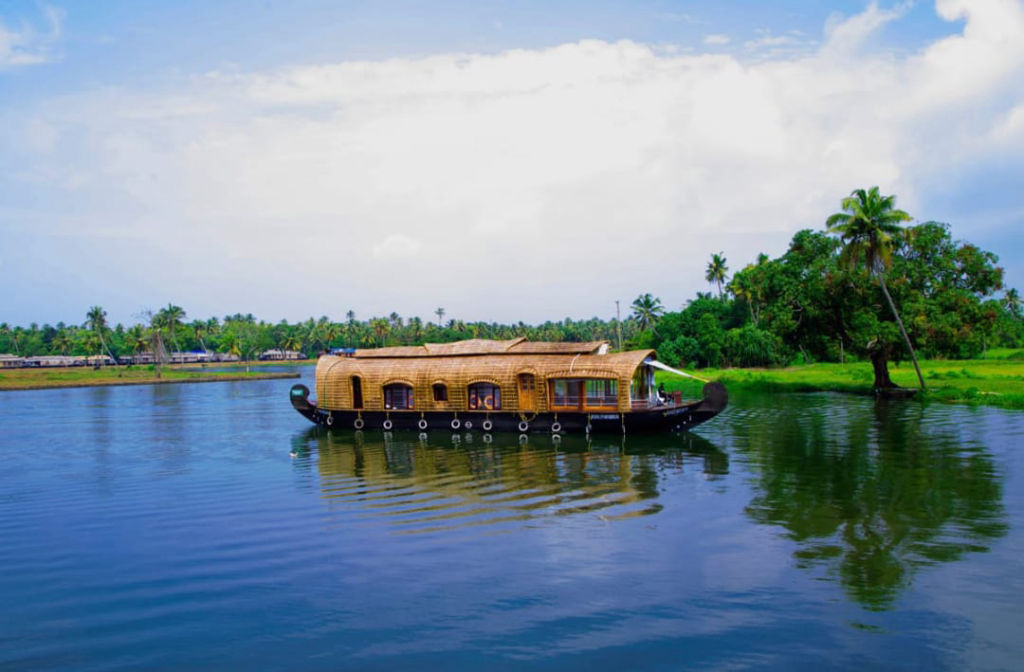
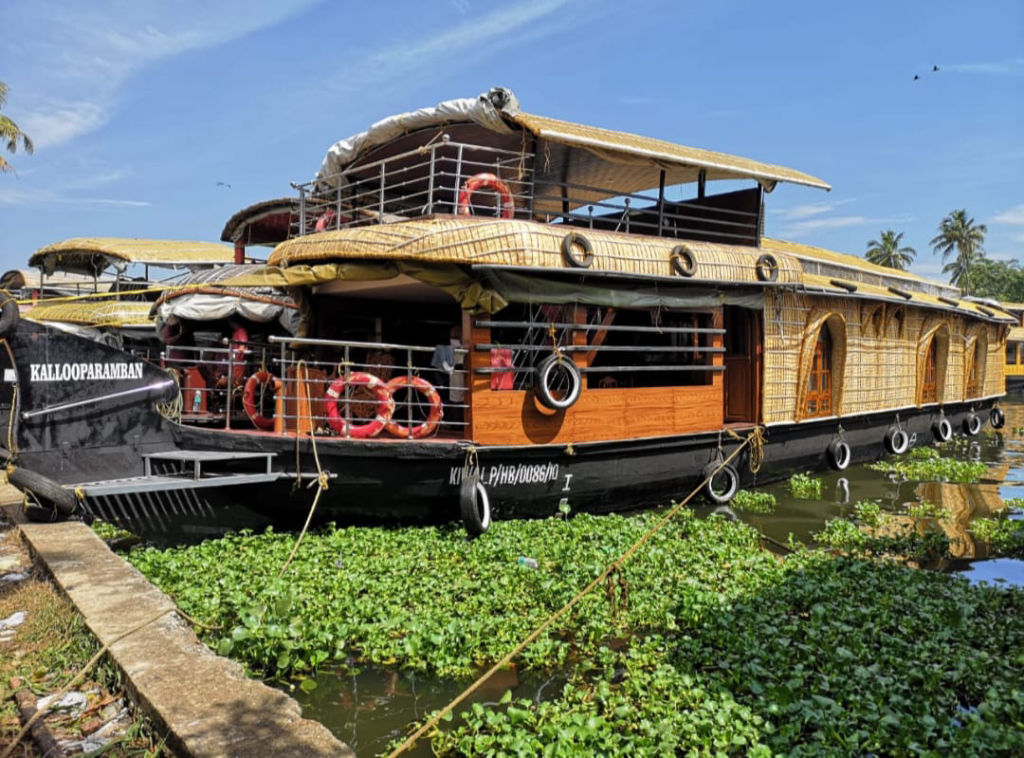
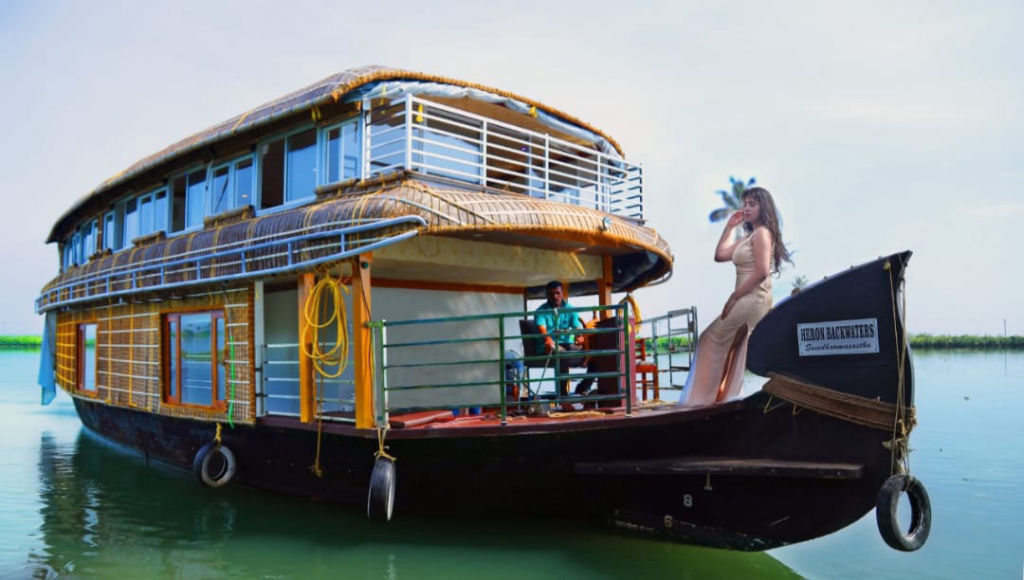
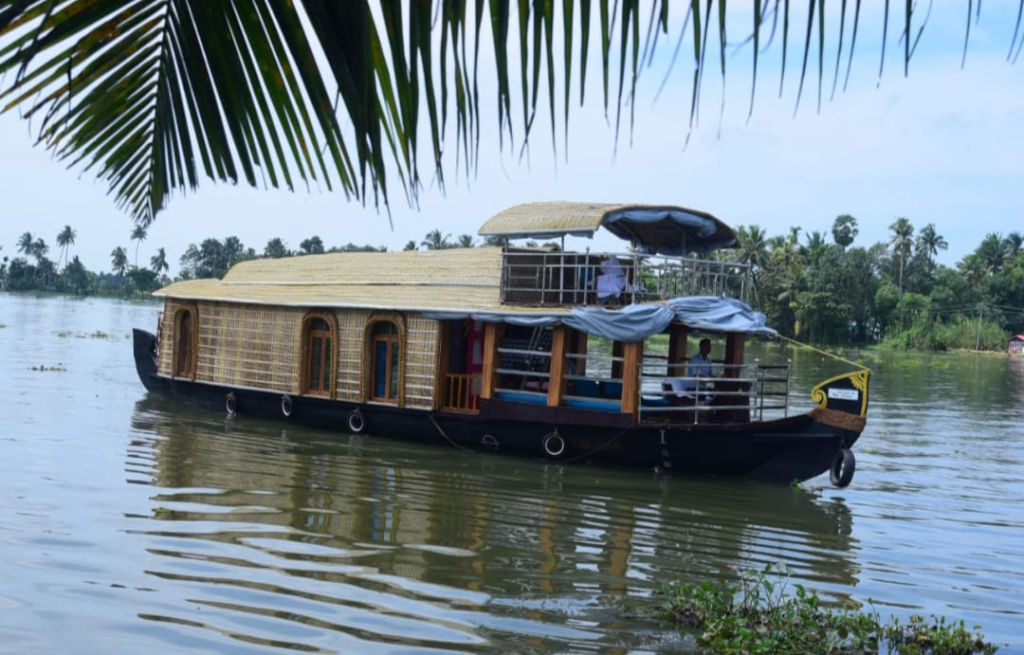
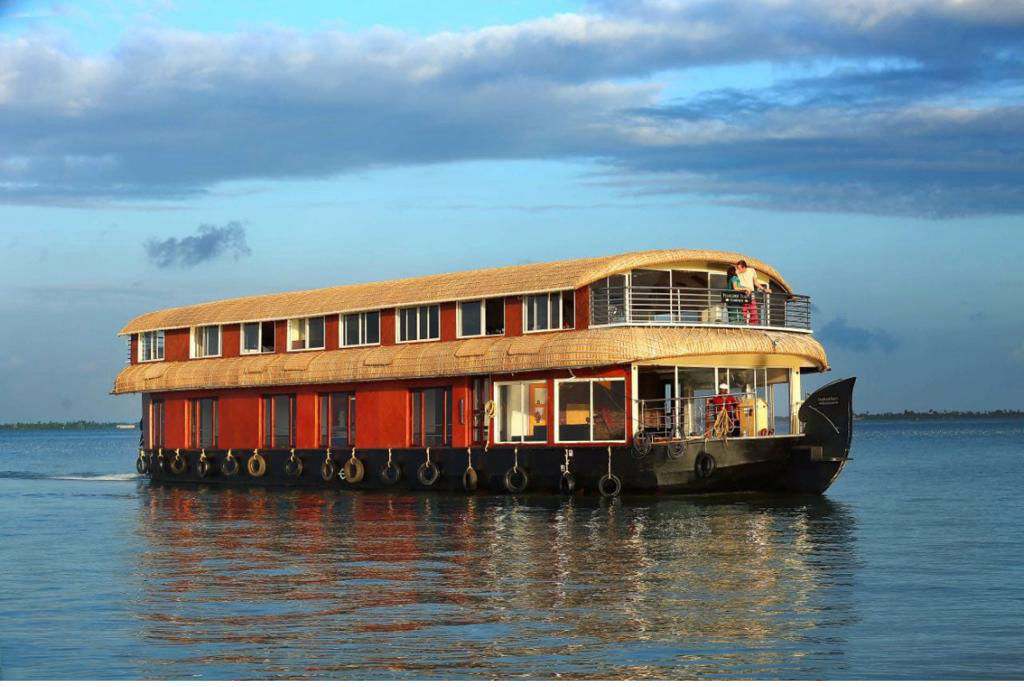
Kumaranallur serves as a convenient launchpad for exploring the wider backwater and coastal regions of southern Kerala. Roughly twenty kilometres to the west lies the vast expanse of Vembanad Lake, where travellers can hire country boats or board traditional houseboats to glide along slow-moving canals lined with lush paddy fields.
Nature lovers can venture out towards Pathiramanal Island, a protected sanctuary in the lake accessible by water, known for its dense vegetation and migratory bird life. For those seeking coastal air, the historic shoreline and lighthouse at Alappuzha are within comfortable driving distance, offering expansive Arabian Sea sunsets and historic pier remnants. Nearby adventure parks, agricultural reserves, and water sport centres along the inland waterways provide opportunities for kayaking, canoeing, and family day outings.
Best time to visit Kumaranallur
The ideal time to visit Kumaranallur is between October and February, during the post-monsoon and winter months. During this period, the weather is pleasant, daytime temperatures remain moderate, and the humidity drops noticeably compared to the summer months. The countryside is vivid green following the seasonal rains, and outdoor sightseeing is comfortable throughout the day.
Travellers interested in cultural festivities often visit in late November or early December to coincide with the traditional Thrikkarthika festival, when the town and temple grounds are illuminated by thousands of small oil lamps. If you enjoy dramatic rain and waterlogged greenery, the southwest monsoon from June to September transforms the waterways and surrounding vegetation, though heavy downpours can occasionally disrupt road travel.
How to reach Kumaranallur
Kumaranallur is well connected by road and rail, making it easily accessible from major hubs across Kerala. Kottayam railway station is located only a few kilometres to the south, serving as a primary railhead with frequent long-distance and local train services connecting to Kochi, Thiruvananthapuram, and neighbouring states. Local buses, auto-rickshaws, and taxis are readily available at the station to complete the short ride into town.
For air travellers, Cochin International Airport at Nedumbassery is the closest airport, situated approximately eighty to ninety kilometres to the north. From the airport, visitors can hire prepaid taxis or travel by train from nearby railheads into Kottayam. The town is also conveniently linked to the Main Central Road (MC Road), ensuring smooth vehicular access from adjacent districts.
Tips for your visit
When planning a visit to Kumaranallur, keep in mind that religious sites maintain traditional customs and dress codes. Visitors entering the inner courtyards of heritage temples are generally expected to dress modestly, adhering to local guidelines regarding traditional attire and photography restrictions.
Carrying lightweight cotton garments is recommended year-round due to the tropical climate, along with an umbrella or light raincoat regardless of the season, as passing showers are common in central Kerala. Carrying local cash is advisable for small neighbourhood tea stalls and local auto-rickshaws, even though digital payments are increasingly accepted across regional establishments.
Where to stay in Kumaranallur
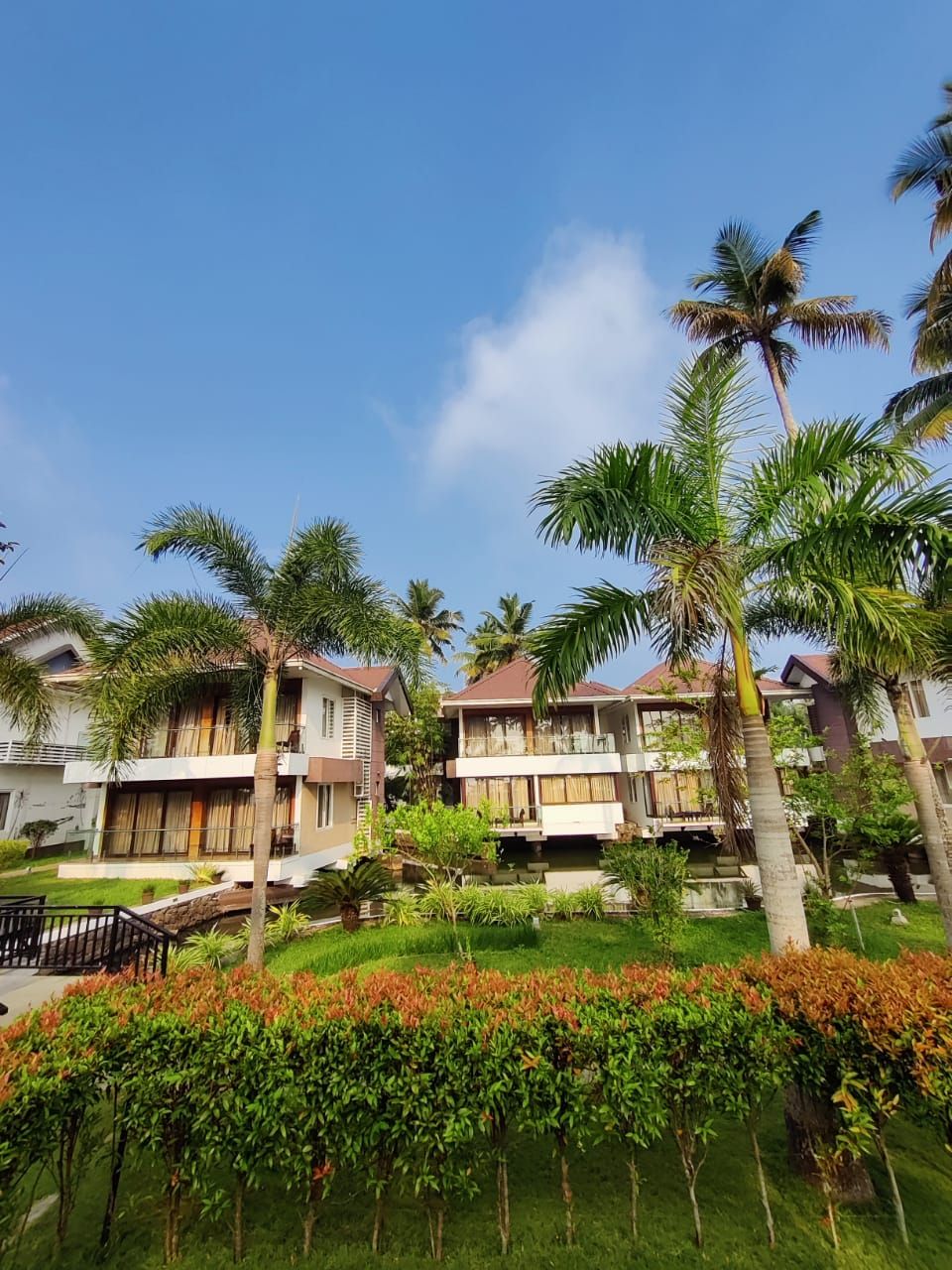
Staying near Kumaranallur allows visitors to experience the authentic hospitality of Kerala away from crowded tourist hubs. Accommodations in the surrounding region range from converted heritage homesteads set within spice gardens to tranquil waterfront homestays and outdoor riverside camps.
Travellers planning their stay can find curated camps, family-run homestays, and unique nature retreats around Kumaranallur and the wider Kottayam backwater belt on HireACamp. Booking in advance is recommended during the winter holiday season and during major local festival periods.
Frequently asked questions
What is Kumaranallur famous for?
Kumaranallur is renowned for the historic Kumaranalloor Devi Temple, celebrated for its unique Kerala architectural woodwork and the vibrant Thrikkarthika festival.
How far is Kumaranallur from Kottayam town?
Kumaranallur is located just north of Kottayam town centre, roughly five to six kilometres away, making it an easy drive of under fifteen minutes by car or auto-rickshaw.
Which is the nearest airport to Kumaranallur?
The nearest international gateway is Cochin International Airport, located approximately 85 kilometres to the north, reachable by road in roughly two to three hours depending on traffic.
Can I visit the backwaters from Kumaranallur?
Yes, Kumaranallur is situated close to the backwaters of Kottayam and Vembanad Lake, allowing easy day excursions for canoeing, kayaking, and boat rides.
What should visitors wear when visiting Kumaranallur temples?
Visitors to traditional temples in Kumaranallur are expected to dress conservatively in modest clothing, and certain temples may require traditional attire such as dhotis or sarees for entering inner sanctums.
Where you'll be
12 stays nearby shown with prices
Stays near Kumaranallur
Book a place to stay close by

Things to do in Kumaranallur
48 places creators recommend within 30 km


Built from 0 Instagram posts by 0 creators. Every tip links back to the post it came from, and where creators disagree we show both sides.






