
Ladakh
Destination in Ladakh
Ladakh is a high-altitude desert region located in northern India, renowned for its stark mountain landscapes, ancient Tibetan Buddhist monasteries, and vibrant cultural traditions. Nestled between the Karakoram and Himalayan ranges, it draws travellers looking to experience rugged alpine valleys, remote villages, and high mountain passes. Visitors come to explore its rich heritage, embark on overland road journeys, and witness some of the clearest night skies in the subcontinent.
Getting there
About Ladakh
Written with AI from map data and general knowledge. Check prices and timings locally before you go.
Understanding the landscape and culture of Ladakh
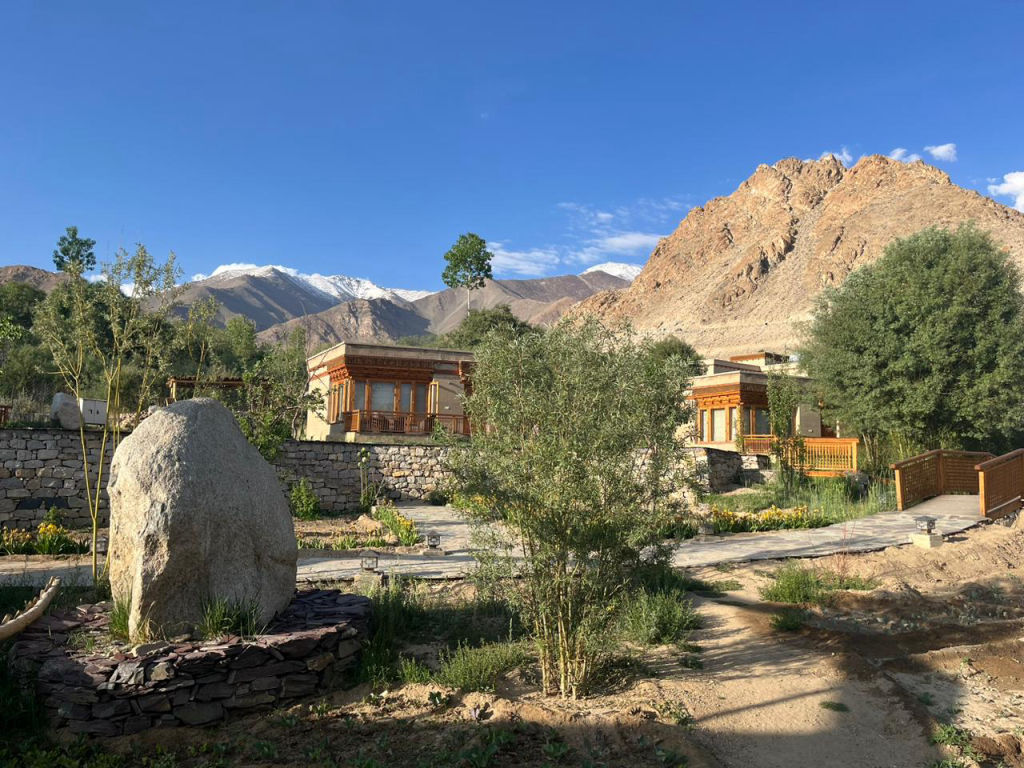
Ladakh sits at an average altitude exceeding 3,000 metres above sea level, creating a unique cold-desert ecosystem bounded by snow-capped peaks. The Indus and Zanskar rivers cut deep valleys through this arid terrain, nourishing green oases of barley fields, poplars, and apricot orchards around traditional settlements. Because of the rain-shadow effect of the Greater Himalayas, the region experiences very little rainfall, resulting in dramatic, bare rock formations exposed in tones of ochre, slate, and rust.
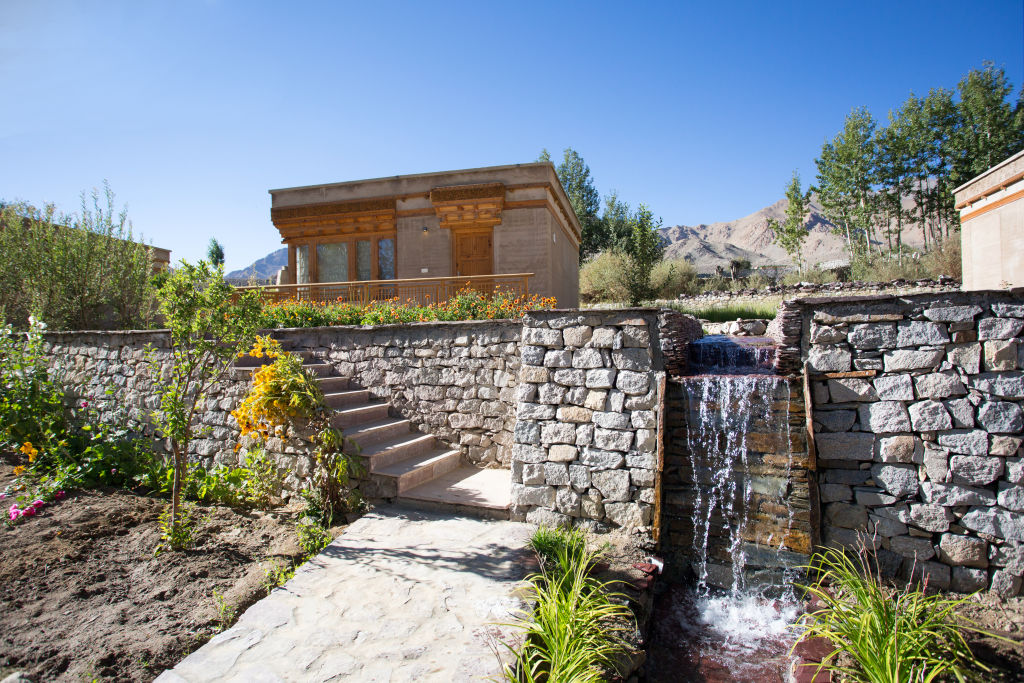
The human story of Ladakh is closely intertwined with Tibetan Buddhism and historical trade corridors that once connected India with Central Asia and Tibet. Whitewashed gompas, prayer flags fluttering across mountain ridges, and stone chortens define the skyline of almost every village. Traditional Ladakhi architecture relies on thick sun-dried mud bricks and heavy timber beams designed to withstand severe winter temperatures, reflecting a sustainable, harmonious relationship with the surrounding alpine environment.
Things to do in Ladakh
A trip through Ladakh offers a balanced mix of cultural exploration and outdoor adventures. Exploring the ancient monasteries of the Indus Valley, such as Hemis, Thiksey, Diskit, and Alchi, provides an intimate look into centuries-old Buddhist murals, statuary, and daily monastic rituals. Climbing to the terraces of these monasteries rewards you with sweeping views across river valleys framed by rugged peaks.
Driving across dramatic high passes like Khardung La and Chang La is a quintessential Ladakhi experience, leading into distinct geographical zones such as the Nubra Valley and Changthang plateau. In Nubra, travellers can witness the sand dunes of Hunder alongside grazing double-humped Bactrian camels. Stargazing is another remarkable pursuit across the plateau; due to minimal light pollution and thin air, the night skies reveal crisp views of the Milky Way and distant constellations.
Read more
Getaways and places to visit around Ladakh
Beyond the central hub of Leh, Ladakh unfolds into remote expanses that warrant dedicated exploration. Pangong Tso, a vast endorheic lake extending across the border into Tibet, is famous for its striking blue shades that shift with the sunlight throughout the day. Further south lies Tso Moriri in the Rupshu plains, a tranquil high-altitude wetland sanctuary where migratory birds like the bar-headed goose and the rare black-necked crane nest during the warmer months.
To the west, the Zanskar Valley offers deep gorges, ancient cliffside retreats, and isolated hamlets reached via winding mountain routes. Exploring the Sham Valley introduces lower-altitude village walks between Likir, Temisgam, and Yangthang, where travellers can learn about regional agriculture, local apricot cultivation, and traditional weaving practices in a quiet, rural setting.
Best time to visit Ladakh
The primary travel season in Ladakh spans from late May to September when the mountain passes open and daytime temperatures are pleasantly warm. During June and July, streams swell with meltwater, and the valley floors turn bright green with seasonal crops. July and August also host vibrant annual monastic festivals, where masked dances and musical performances draw villagers from across the region.
Autumn arrives in September and October, bringing crisp, cool days, clear skies, and brilliant golden foliage on the poplar trees before the onset of winter. From November through April, Ladakh transforms under deep winter conditions, with sub-zero temperatures and frozen water bodies. While overland highways close during this period, adventurous winter travellers visit via air to witness frozen rivers and spot elusive wildlife like the snow leopard and blue sheep against the snowy terrain.
How to reach Ladakh
Ladakh is accessible by air and by road, depending on the time of year and the kind of journey you seek. The airport in Leh offers year-round flight connectivity from major Indian cities, providing a swift route into the high mountains. When flying in, it is crucial to rest and acclimatize for at least forty-eight hours before undertaking active travel or ascending to higher elevations.
For those travelling overland during the open summer season, two scenic road corridors lead into Ladakh. The route from Manali crosses high Himalayan passes, rugged plateau plains, and dramatic alpine transitions. The alternative route via Srinagar passes through Sonamarg, crosses the Zoji La pass, and winds through the historic border towns of Dras and Kargil. Both overland journeys offer gradual altitude gain, allowing travellers to adapt more comfortably to the elevation.
Tips for travelling in Ladakh
Acclimatization is the single most important aspect of a safe trip to Ladakh. Because of the reduced oxygen levels at high altitude, acute mountain sickness can affect anyone regardless of fitness level. Drink ample water, avoid strenuous physical activity on your initial days, and allow your body time to adjust before heading over high passes. Layered clothing is essential, as temperatures can vary widely between direct sun and shade, as well as between midday and evening.
Protect yourself against intense high-altitude sunlight by carrying effective sun protection, polarized sunglasses, and lip balm. Be mindful of fragile ecosystems and water resources by minimizing single-use plastics and carrying a reusable water bottle. Certain inner-line regions near international borders require specific permits for entry; ensure you check local guidelines and secure all necessary paperwork in Leh before venturing into remote valleys.
Where to stay in Ladakh
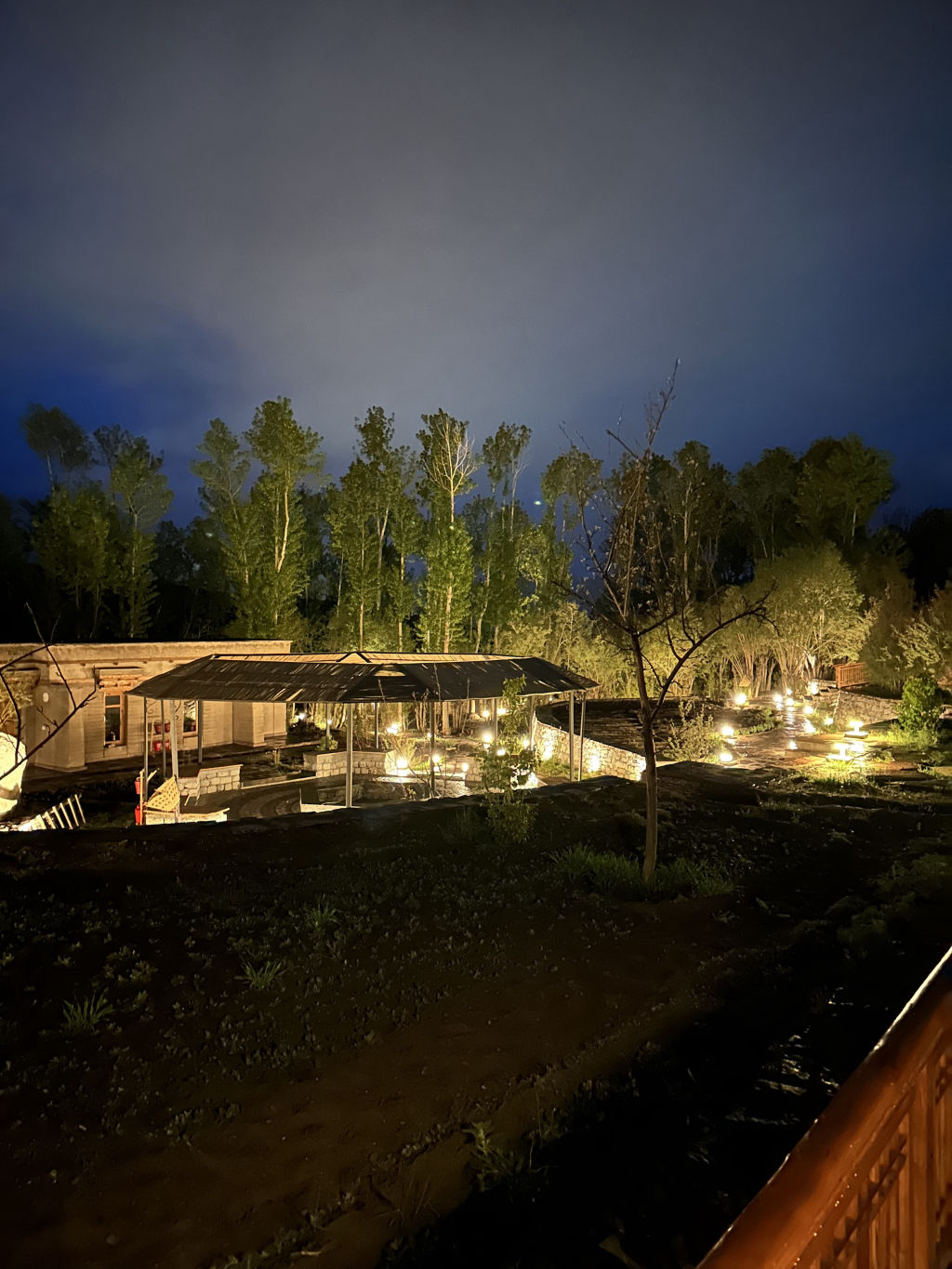
Accommodation styles in Ladakh reflect the region's diverse landscapes and welcoming local culture. In the main towns, you will find guesthouses built with regional mud-brick techniques, offering comfortable base points close to traditional markets and heritage sites. Moving outward into the Nubra Valley, Zanskar, or the high lake basins, stays range from seasonal tented camps set against mountain backdrops to peaceful village properties.
Opting for a local homestay is one of the most rewarding ways to experience Ladakhi hospitality, where hosts share regional meals, warm butter tea, and stories around the traditional kitchen hearth. You can discover a variety of vetted camps, eco-friendly stays, and homestays across Ladakh on HireACamp to suit your travel style and itinerary.
Frequently asked questions
How many days are needed for a trip to Ladakh?
A well-paced trip typically requires at least seven to ten days. This allows adequate time to acclimatize safely and visit key destinations like the Nubra Valley and Pangong Tso without excessive daily driving.
Is acute mountain sickness common in Ladakh?
Yes, acute mountain sickness can occur because Ladakh lies well above 3,000 metres. Taking two full days of rest upon arrival, staying well hydrated, and avoiding sudden ascents helps your body adjust safely.
Do I need permits to travel around Ladakh?
Travellers visiting border regions such as the Nubra Valley, Pangong Tso, and Tso Moriri require protected area permits. You should check current local administration requirements and obtain the necessary passes upon arriving in Leh.
Can I visit Ladakh during the winter months?
Yes, Ladakh is accessible by air during the winter, though temperatures drop significantly below freezing. It appeals to travellers interested in quiet snow-covered landscapes, cultural immersion, and guided wildlife expeditions.
Where you'll be
3 stays nearby shown with prices
Stays near Ladakh
Book a place to stay close by
Things to do in Ladakh
48 places creators recommend within 30 km
Built from 0 Instagram posts by 0 creators. Every tip links back to the post it came from, and where creators disagree we show both sides.






