
Khardung La
Adventure & Outdoors near Ladakh, Ladakh
7 km from Ladakh
The nearest town, for stays, food and fuel.
Khardung La is an iconic high mountain pass perched in the Ladakh mountain range north of Leh. Serving as the strategic and scenic gateway to the Nubra and Shyok valleys, it draws adventurous travellers, road trippers, and cyclists from around the world. People visit to experience the thrill of ascending to extreme Himalayan heights and to witness sweeping panoramic vistas of rugged peaks and sweeping valleys.
Getting there
By road
- From LadakhNearest town1 hr 5 min · 39 km
Typical drive times without traffic. Stations and airports from OLA Maps; distances and typical drive times from OpenStreetMap (© OpenStreetMap contributors); notes from creators' Reels.
About Khardung La
Written with AI from map data and general knowledge. Check prices and timings locally before you go.
The High Pass of the Ladakh Range
Khardung La sits high along the spine of the Ladakh range, functioning as an indispensable historic artery linking the Indus River valley to the remote northern regions of Nubra and the Karakoram range beyond. Long before motor vehicles negotiated its steep hairpin bends, the pass served as an essential trade route traversed by caravans of horses and two-humped Bactrian camels heading towards Central Asia.
Today, Khardung La stands as one of the most famous mountain passes in the Himalayas, revered by overland enthusiasts who travel the serpentine roads leading up from Leh. The landscape along the ascent transforms dramatically, shifting from the irrigated green patches around the valley floor to austere gravel slopes, soaring scree ridges, and glacier-fed torrents that stay frozen for significant parts of the year. The pass itself is typically enveloped in crisp mountain air, cold gusts, and colourful strings of Tibetan prayer flags that snap vigorously in the wind against a backdrop of eternal snow.
The Ascent and What to Expect at the Top
The road to Khardung La from Leh winds upward through rugged arid terrain, presenting sweeping views over the Indus Valley and the snow-streaked Zanskar Range to the south. As you climb higher, the vegetation thins out completely, giving way to raw rock and vast snowfields. The final stretch often features unpaved sections where melting ice and loose stones demand careful navigation.
Reaching the summit is an unforgettable experience marked by crisp, thin mountain air and expansive vistas that stretch deep toward the towering Karakoram peaks. A small monument, fluttering prayer flags, and a high-altitude military post mark the crest. Because of the extreme elevation, temperatures remain cold throughout the year, often accompanied by brisk, biting winds. It is customary for travellers to step out, take in the grandeur of the high Himalayas, and snap a commemorative photograph before beginning their descent.
Read more
Best Time to Visit Khardung La
The most favourable window to visit Khardung La runs from late May to September, aligning with the brief Himalayan summer. During these warmer months, the roads leading up from Leh are generally clear of heavy snow, and daytime temperatures at lower elevations are pleasant, making driving and motorcycling conditions much more manageable. Even in summer, however, sudden snowfall and icy patches can occur at the pass without warning.
By late autumn and throughout the winter months, from October through April, the pass experiences sub-zero conditions, ferocious winds, and extensive snow accumulation. While winter expeditions do take place, road closures due to heavy snowfall and ice are common. Travellers attempting the pass in the colder months should be prepared for sub-zero temperatures, sudden road blocks, and the possibility of having their journey postponed until clearing equipment can open the route.
Altitude and Acclimatization Tips
Because Khardung La sits at an extreme elevation well above five thousand metres, the atmosphere contains significantly less oxygen than at sea level. Acute mountain sickness is a real concern for anyone ascending this high too quickly. It is imperative that you spend at least two to three full days resting and acclimatizing in Leh before attempting to cross or visit the pass. Rushing up on your first or second day in Ladakh can lead to severe altitude-related sickness, headaches, and nausea.
When you reach the top of Khardung La, limit your stay to no more than fifteen to twenty minutes. Lingering too long at the summit increases your vulnerability to altitude distress. Drink plenty of water before and during the drive, avoid alcohol, dress in heavy layered clothing including windproof outer shells, and carry warm gloves and caps. If you experience dizziness, shortness of breath, or a persistent headache, inform your companions and begin descending to a lower altitude immediately.
How to Reach Khardung La
The journey to Khardung La begins in the town of Leh, which serves as the primary base for travel across Ladakh. Leh is connected by regular domestic flights from major Indian cities, as well as seasonal overland highways from Manali and Srinagar that generally remain open during the summer months.
From Leh, Khardung La is approached via the Khardung La Road. Most visitors make the trip in high-clearance vehicles, four-wheel-drive taxis, or sturdy adventure motorcycles hired locally. The distance is relatively short, but the steep elevation gain and winding mountain road mean the drive typically takes around two to three hours each way, depending on weather and traffic. Cyclists seeking an extreme endurance challenge also ride up the pass, while many choose to have bicycles transported to the top so they can enjoy the exhilarating descent back into Leh.
Attractions and Places to Visit Nearby
Khardung La serves as the scenic threshold between the Indus Valley and the dramatic landscapes of northern Ladakh. Just below the pass on the southern side, overlooking Leh, visitors can explore historic sites such as Leh Palace, the Tsemo Maitreya Temple, and the perched Namgyal Tsemo Monastery, which provides commanding perspectives of the town and surrounding peaks. Close to the base of the foothills sits the tranquil Sankar Monastery, known for its traditional architecture and serene walking paths.
For outdoor sports lovers, the hills near Leh host the Disko Valley Bike Park, offering dedicated dirt trails for mountain bikers. Beyond the ridge, high-altitude trekkers look toward Digar La, a rugged pass that crosses back into the valley through remote terrain. Travellers continuing north beyond Khardung La descend into the sweeping Nubra Valley, celebrated for its sand dunes, meandering rivers, and remote village settlements.
Where to Stay Near Khardung La
Due to the extreme altitude, severe cold, and harsh weather conditions, there are no permanent civilian accommodations directly at Khardung La. Visitors do not sleep at the pass; instead, the vast majority stay down in Leh, which offers a wide array of lodging options suited to every style of travel, ranging from cozy family-run homestays to experiential wilderness retreats.
If you are crossing over Khardung La to continue your journey north, you can arrange to spend the night in the lower, greener hamlets of the Nubra Valley, where riverside camps and welcoming village guesthouses provide shelter amid orchards and poplars. Stays around Leh and throughout the valleys of Ladakh can be easily explored and reserved through HireACamp, allowing you to find peaceful base camps for your high-altitude adventures.
Frequently asked questions
Do I need a permit to visit Khardung La?
Yes, Indian and international travellers generally require an Inner Line Permit or Protected Area Permit to travel past the checkpoints leading to Khardung La and the Nubra Valley. These permits should be arranged in Leh before your journey.
How long should I spend at the top of Khardung La?
It is strongly advised to spend no more than fifteen to twenty minutes at the pass. The thin air and extreme altitude can quickly trigger symptoms of acute mountain sickness if you stay prolonged periods.
Can I visit Khardung La on a rented scooter or bike?
Many people ride sturdy motorcycles up to the pass, but light scooters are generally discouraged due to steep inclines, rough terrain, and unpaved sections near the summit. Ensure you have off-road experience and a well-maintained vehicle.
Is Khardung La open during the winter?
The pass is maintained year-round by road clearing teams, but winter conditions bring extreme sub-zero temperatures, ice, and frequent closures due to heavy snowfall. Winter travel requires four-wheel drive and flexible scheduling.
What kind of clothing should I wear when visiting the pass?
Dress in warm layers, including thermal innerwear, a fleece, and a windproof and waterproof outer jacket. Carry an insulated cap, warm gloves, UV-protective sunglasses, and sturdy walking shoes with good traction.
Where you'll be
Khardung La Rd, Leh Sub-District · 3 stays nearby shown with prices
Stays near Khardung La
Book a place to stay close by
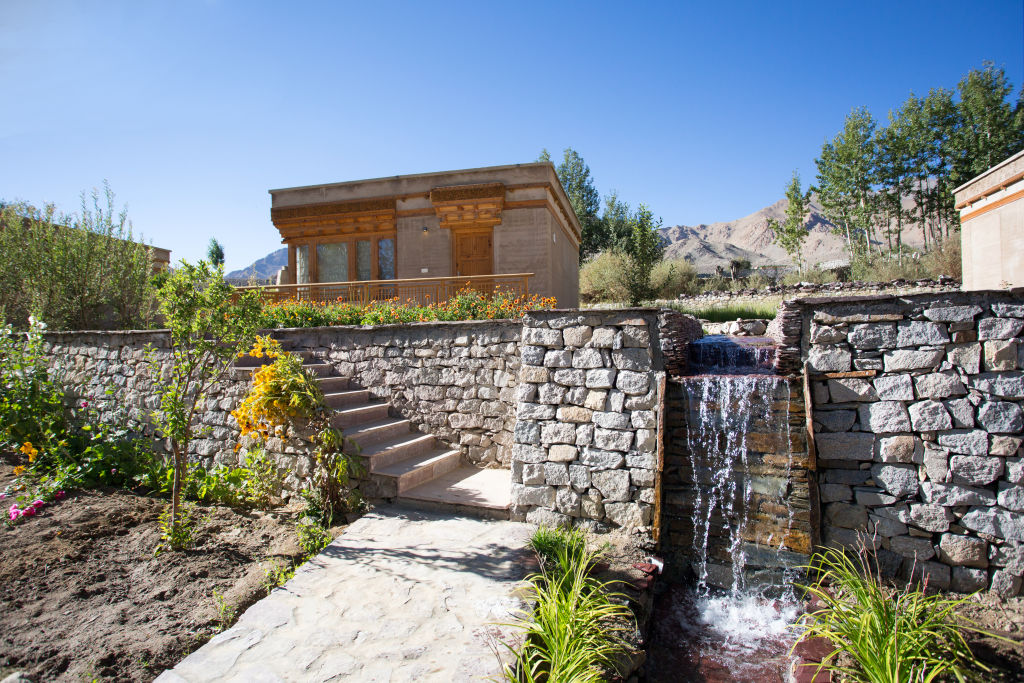
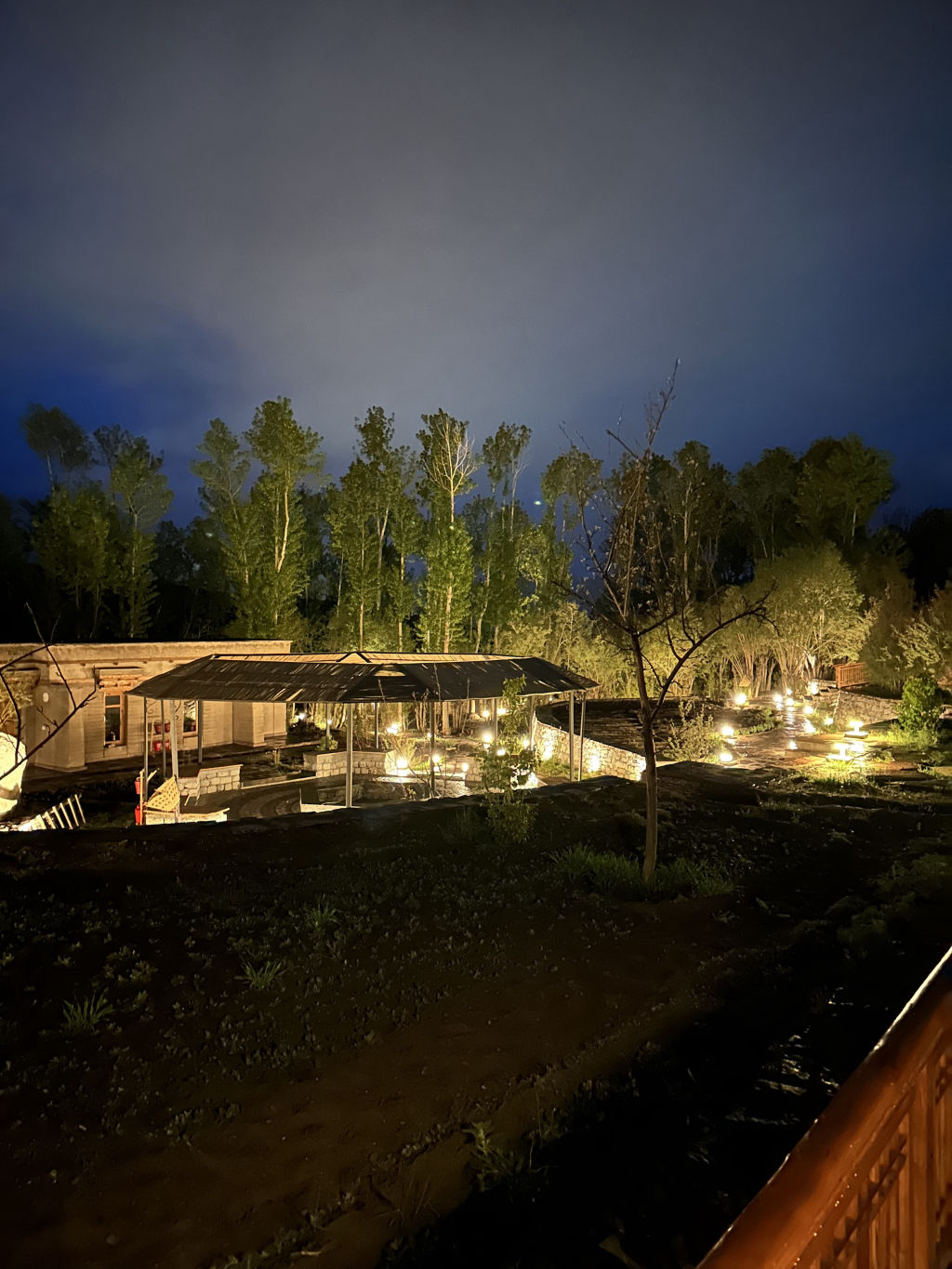
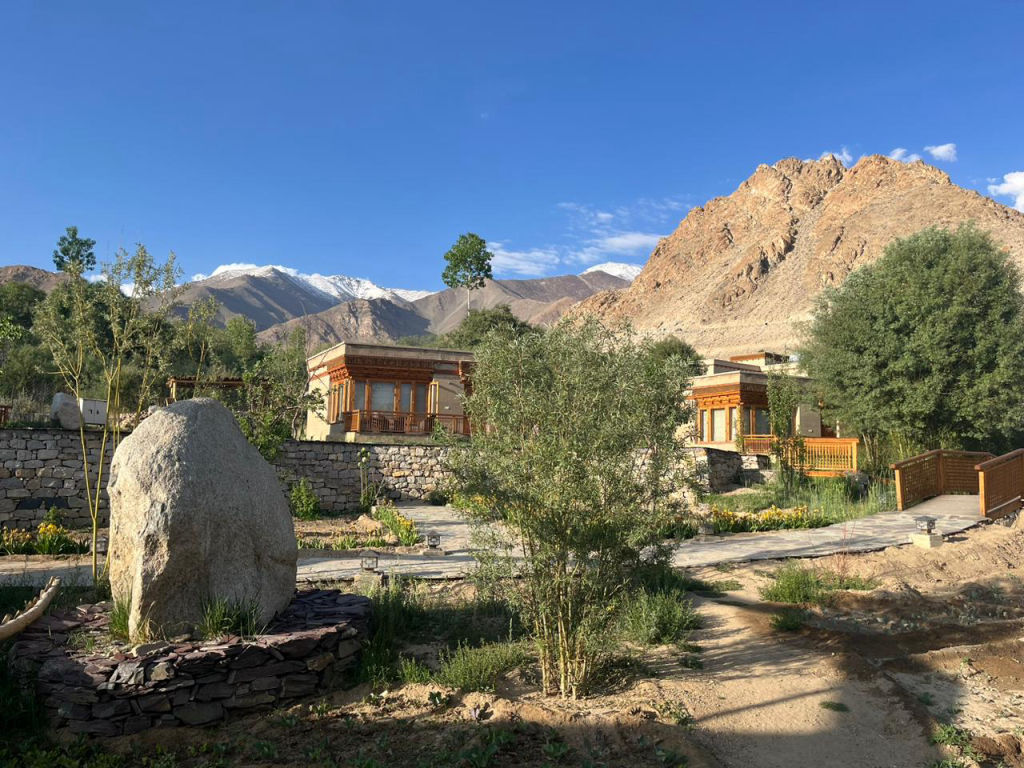
More places near Khardung La
Within 20 km
Built from 0 Instagram posts by 0 creators. Every tip links back to the post it came from, and where creators disagree we show both sides.






