
Shree Saptakoteshwara Temple
Temple near Jua, Goa
3 km from Jua
The nearest town, for stays, food and fuel.
Shree Saptakoteshwara Temple is one of Goa's most revered and historic Shaivite shrines, situated near Bicholim in the village of Narve. Originally patronized by the Kadamba dynasty and later rebuilt under the patronage of Chhatrapati Shivaji Maharaj, it stands as a testament to the region's enduring cultural heritage. Travellers and pilgrims visit to experience its distinct Goan-style temple architecture, peaceful rural surroundings, and centuries-old history.
Getting there
By road
- From JuaNearest town43 min · 28 km
- From Pune8 hr 55 min · 421 km
Typical drive times without traffic. Stations and airports from OLA Maps; distances and typical drive times from OpenStreetMap (© OpenStreetMap contributors); notes from creators' Reels.
About Shree Saptakoteshwara Temple
Written with AI from map data and general knowledge. Check prices and timings locally before you go.
History and significance of Shree Saptakoteshwara Temple
Shree Saptakoteshwara Temple holds a venerable place in Goan history. The deity, an incarnation of Lord Shiva, was the patron deity of the Kadamba dynasty that ruled Goa for centuries starting in the tenth century. Originally, the main shrine was located on the island of Divar along the Mandovi River. During the turbulent mid-sixteenth century Portuguese conquest and religious persecutions, the lingam was spirited away by devotees across the river to Bicholim, which was outside Portuguese control at that time.
In the seventeenth century, the Maratha ruler Chhatrapati Shivaji Maharaj recognized the spiritual and cultural importance of the deity during his campaigns in the Konkan region. In 1668, he ordered the complete reconstruction of the temple at Narve, ensuring that local religious traditions continued uninterrupted. Today, the temple stands as a rare surviving example of Maratha-influenced Goan temple architecture, representing centuries of devotion and cultural preservation.
Architecture and temple design
The architecture of Shree Saptakoteshwara Temple differs markedly from typical temples found across northern and southern India. It showcases a blend of indigenous Goan Hindu styling with Maratha and European design influences that developed during the colonial era. The temple features a traditional shikara, or dome, sitting atop the sanctum sanctorum, adorned with careful plasterwork and crowned with a brass finial.
At the entrance stands an impressive Deepastambha, or lamp tower, which is typical of Goan temple courtyards. During festivals, this multi-tiered column is illuminated with dozens of oil lamps, casting a warm glow across the premises. The interior hall, or mandapa, is framed by arches and carved pillars, leading directly to the inner sanctum housing the sacred stone lingam. Outside, the temple complex features a serene sacred water tank known as a tirtha, where devotees traditionally take ritual ablutions before prayers.
Read more
Best time to visit
The most comfortable time to visit Shree Saptakoteshwara Temple is during the winter and post-monsoon months, from October through March. During this period, Goa experiences clear skies, pleasant daytime temperatures, and cool evenings, making exploration of inland Bicholim relaxed and comfortable.
The monsoon months from June to September bring heavy coastal rains that transform the surrounding landscape into lush greenery. While visiting during active showers requires an umbrella and careful driving, the temple and adjacent rural waterways look vibrant under rain-washed skies. The peak summer months of April and May can be hot and humid, so visitors during this season are advised to schedule their visits in the early morning or late afternoon.
How to reach Shree Saptakoteshwara Temple
Shree Saptakoteshwara Temple is situated in Narve near Bicholim in North Goa. Bicholim is the nearest major town and provides road connectivity across the taluka. The state capital, Panaji, lies approximately twenty-five to thirty kilometres to the southwest. From Panaji or Mapusa, the temple can be reached by rental scooter, car, or private taxi via well-paved inland roads passing through scenic villages.
For those travelling by public transport, regular state transport buses connect Panaji and Mapusa with Bicholim bus station. From Bicholim town, local auto-rickshaws and taxis are readily available to cover the short final leg to Narve. If travelling from coastal hubs like Calangute or Candolim, expect a drive of around forty-five minutes to an hour depending on traffic.
Places to visit nearby
The hinterland around Bicholim offers a quieter, nature-oriented side of Goa away from the crowded beaches. Only a short distance away is Mayem Lake, a scenic freshwater body surrounded by forested hills where visitors can spend a peaceful hour admiring the water and birdlife. Further east along the countryside lies the scenic Arvalem waterfall and the ancient rock-cut Arvalem caves, which date back to the early medieval era.
Across the river and nearby backwaters lie peaceful riverine islands such as Divar Island and Jua Island, known for their sleepy village roads, heritage Portuguese-era houses, and expansive mangrove ecosystems. Nature enthusiasts can also head southward toward the foothills of the Western Ghats to explore Bondla Wildlife Sanctuary, which protects deciduous woodlands, deer, and diverse avian species.
Tips for your visit
When visiting Shree Saptakoteshwara Temple, dress respectfully out of consideration for local customs, keeping shoulders and knees covered. Footwear must be removed before entering the inner courtyard and main mandapa. Photography rules can vary within the inner sanctum, so it is always polite to observe posted signs or check locally with temple caretakers before taking pictures.
Plan to spend at least an hour wandering around the grounds, viewing the lamp tower, and sitting quietly near the temple tank. Visiting during the annual temple jatra or on major Hindu festivals like Mahashivratri offers an opportunity to witness traditional ceremonies and temple processions, though the temple premises will be significantly more crowded on those dates.
Where to stay
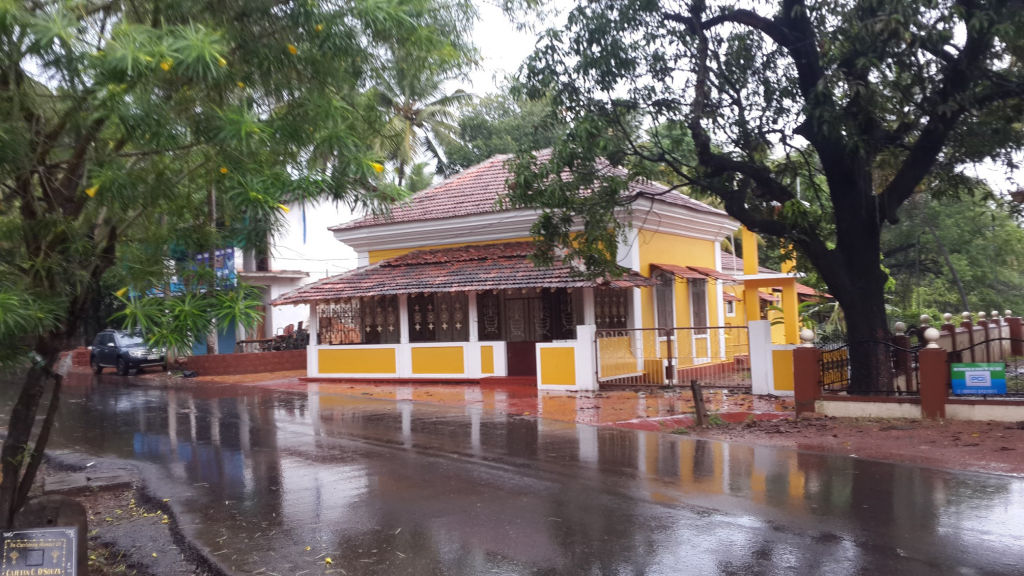
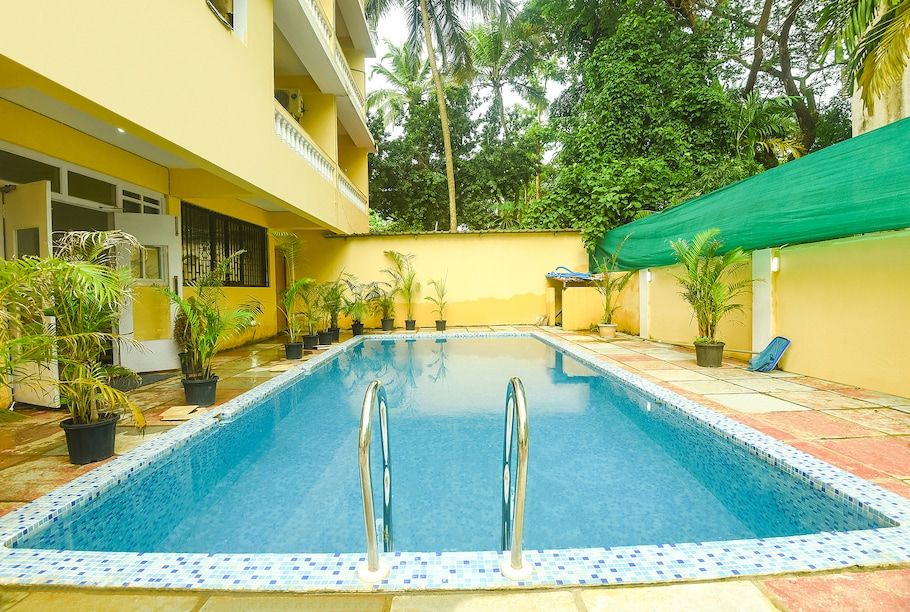
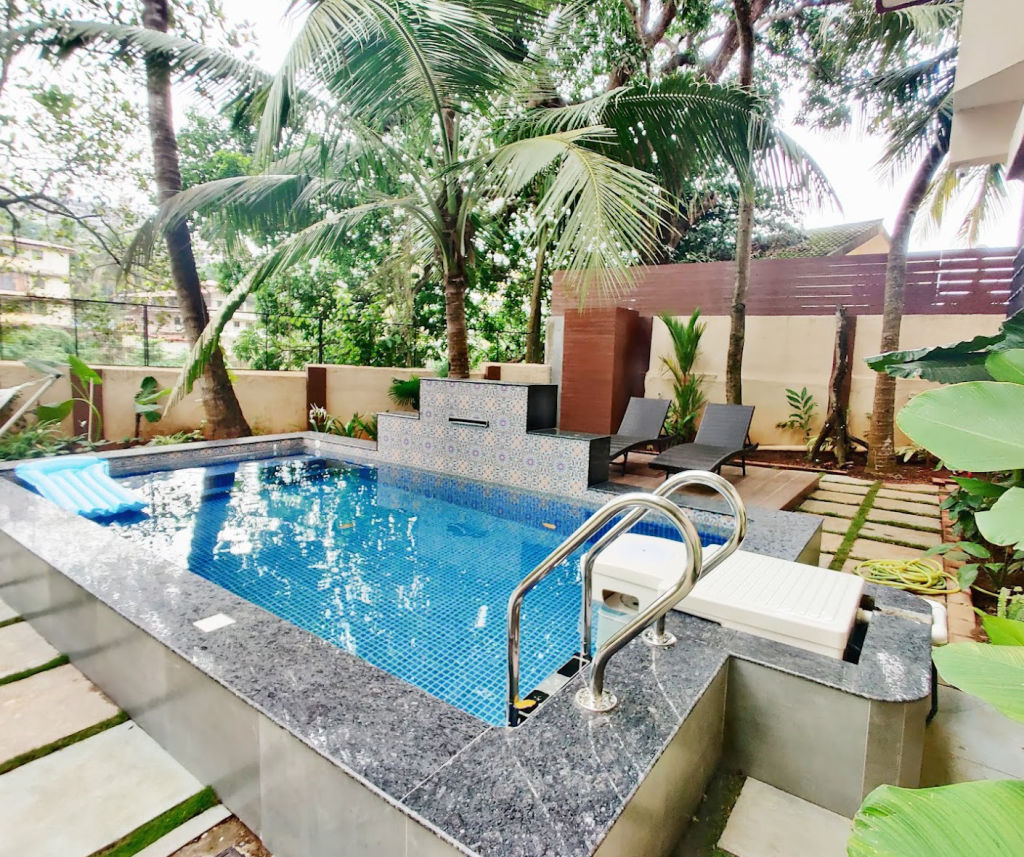
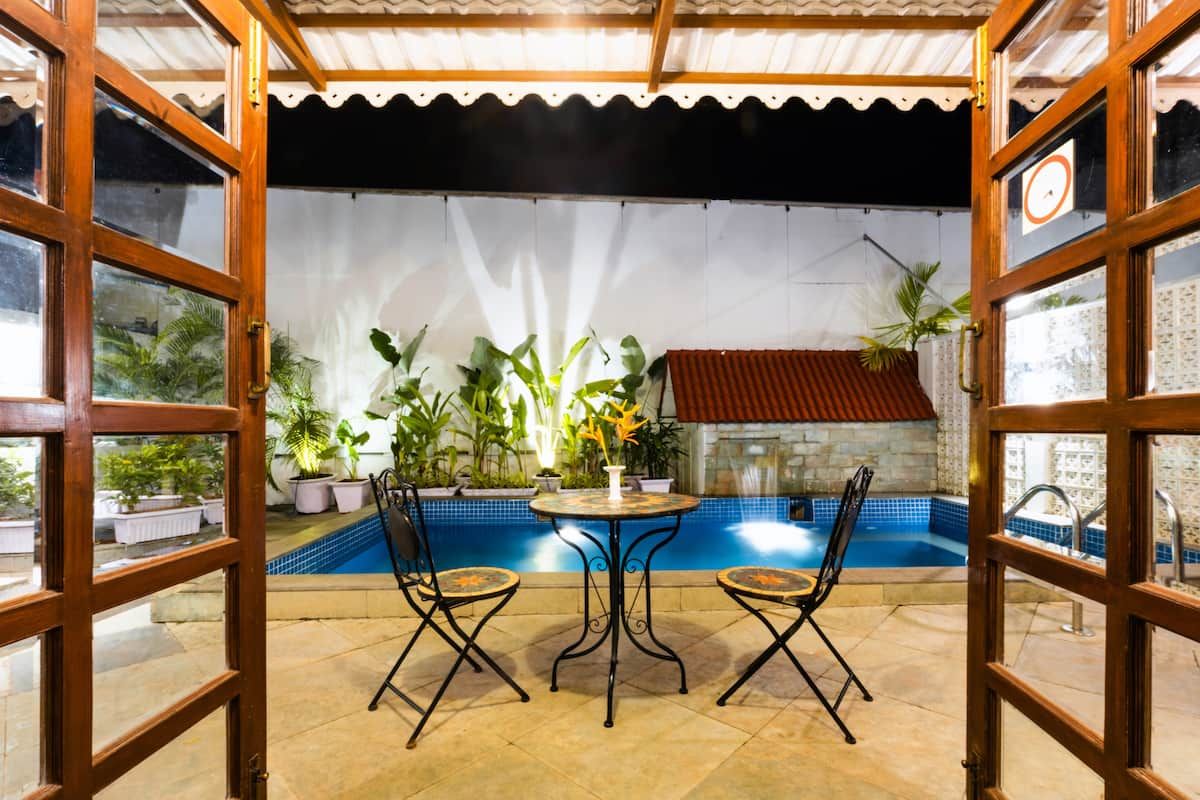
Because the Bicholim region is located just an hour inland from central and northern Goa, many travellers choose to visit Shree Saptakoteshwara Temple as a half-day excursion while staying elsewhere in the state. However, spending a night or two in the Goan hinterland offers a tranquil escape amidst backwaters, cashew orchards, and historic villages.
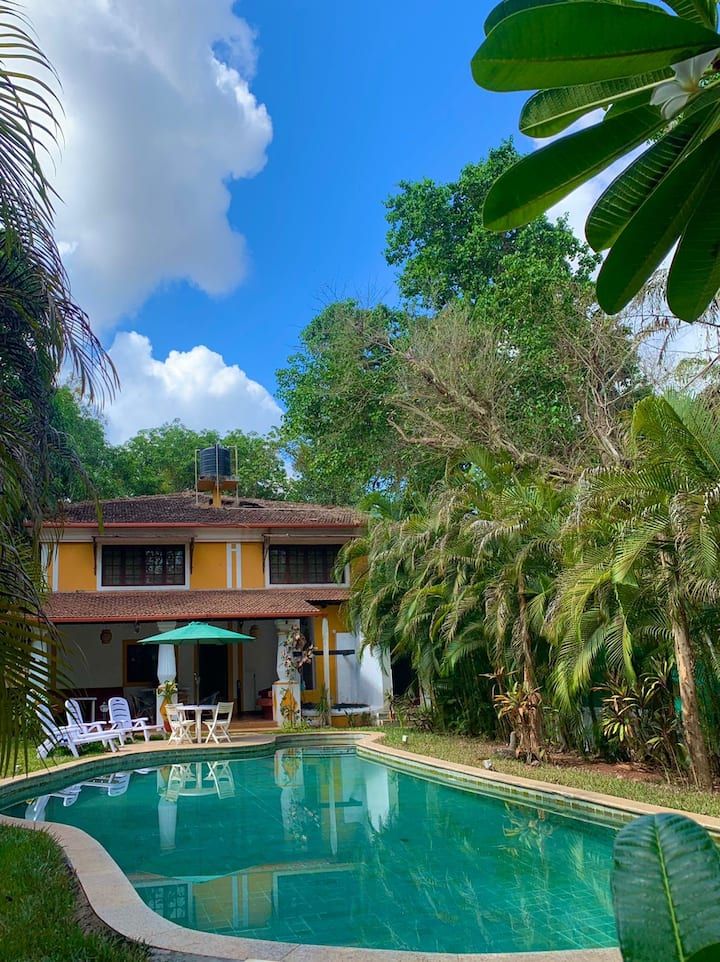
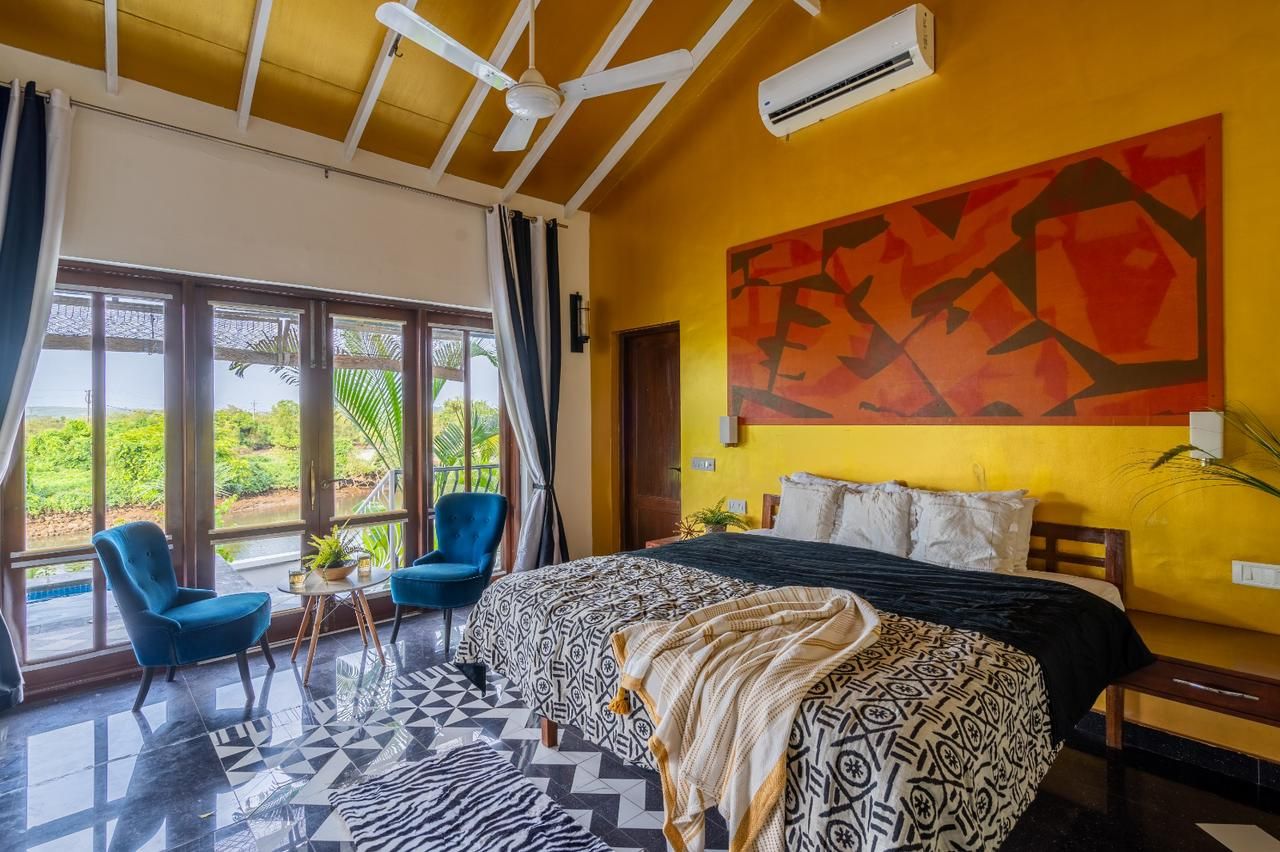
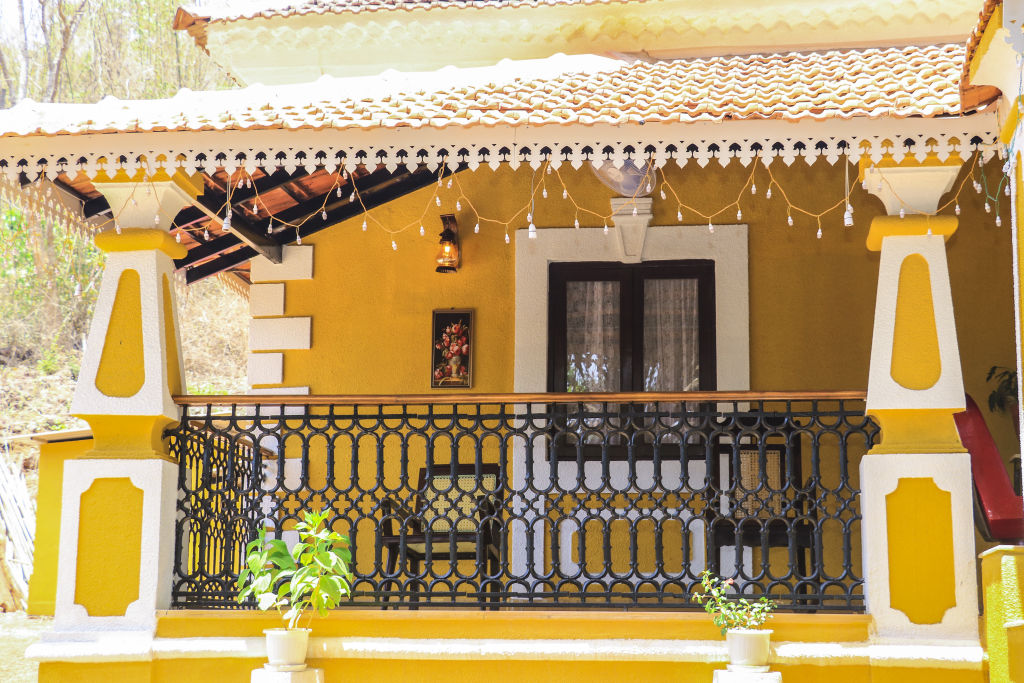
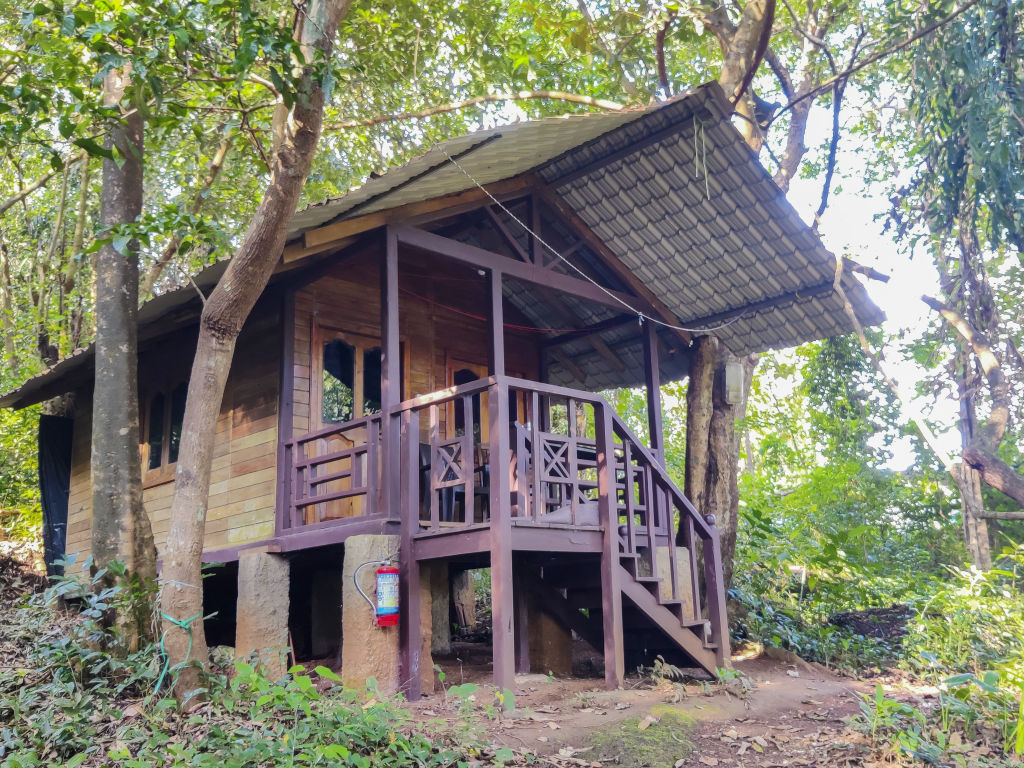
A selection of quiet eco-stays, riverfront homestays, and rustic nature retreats across Bicholim, Tiswadi, and neighbouring talukas can be found on HireACamp. Staying nearby allows you to explore the local temples, caves, and forested pockets at an unhurried pace.
Frequently asked questions
What is the historical significance of Shree Saptakoteshwara Temple?
It is an ancient shrine dedicated to Lord Shiva that served as the family deity of the Kadamba dynasty. It was relocated to Narve during the Portuguese era and subsequently rebuilt in 1668 under the direction of Chhatrapati Shivaji Maharaj.
Where is the temple located?
The temple is located in Narve village along Temple Road, near the town of Bicholim in North Goa.
What is the dress code for visiting the temple?
Modest and traditional clothing is recommended, covering the shoulders and knees. Footwear must be removed outside before stepping onto the temple plinth.
Can I visit other attractions near Bicholim on the same day?
Yes, nearby attractions such as Mayem Lake, Arvalem waterfalls, and the rock-cut Arvalem caves can easily be combined with a trip to Shree Saptakoteshwara Temple.
Are there places to stay near the temple?
Yes, travellers looking to stay in the tranquil inland areas around Bicholim and nearby villages can find verified homestays and rural retreats on HireACamp.
Where you'll be
Temple Road, near Saptakoteshwara Temple, Bicholim · 12 stays nearby shown with prices
Stays near Shree Saptakoteshwara Temple
Book a place to stay close by



More places near Shree Saptakoteshwara Temple
Within 20 km
Built from 0 Instagram posts by 0 creators. Every tip links back to the post it came from, and where creators disagree we show both sides.






