
Lepcha Museum
Museum near Kalimpong, West Bengal
1.1 km from Kalimpong
The nearest town, for stays, food and fuel.
The Lepcha Museum in Kalimpong is a dedicated cultural repository celebrating the heritage and history of the indigenous Lepcha community of the Eastern Himalayas. Located along Printam Road, the museum safeguards traditional tools, ancient manuscripts, handwoven textiles, and musical instruments. Travellers visit to gain authentic insight into the customs, folklore, and everyday life of the region's original inhabitants.
Getting there
By road
- From KalimpongNearest town3 min · 1.2 km
Typical drive times without traffic. Stations and airports from OLA Maps; distances and typical drive times from OpenStreetMap (© OpenStreetMap contributors); notes from creators' Reels.
About Lepcha Museum
Written with AI from map data and general knowledge. Check prices and timings locally before you go.
About the Lepcha Museum
The Lepcha Museum is situated along Printam Road in Kalimpong, set amid the misty mountain slopes of northern West Bengal. The museum was established to preserve, document, and showcase the cultural identity of the Lepcha community, widely recognized as the earliest indigenous inhabitants of the Sikkim and Darjeeling hills.
Unlike large regional galleries, this museum presents an intimate, community-centered collection. It acts as both a physical archive and a living tribute to ancestral practices that are increasingly rare in modern hill life. For anyone wishing to move beyond typical sightseeing in the eastern Himalayas, the museum offers a meaningful window into the social fabric and living traditions of Kalimpong.
Exhibits and Collections at the Museum
The museum houses a varied collection of historical and ethnological artifacts gathered from surrounding hill hamlets. Among the most prized displays are ancient sacred scriptures and literary works inscribed in the Rong script, the native writing system of the Lepchas. These texts provide valuable records of the community's early literature, legal traditions, and spiritual beliefs.
Visitors will also see traditional everyday items, including wooden kitchen utensils, bamboo storage baskets, woven carry-bags, and agricultural tools that showcase indigenous resourcefulness. Display cases feature ceremonial headgear, ethnic jewelry made from semi-precious stones, and handloom garments woven with distinctive geometric patterns. Musical instruments such as traditional flutes, horns, and stringed instruments are displayed alongside historical hunting gear, bows, and poisoned arrows once used in mountain forests.
Read more
Heritage of the Lepcha People
To fully appreciate the Lepcha Museum, it helps to understand the history of the Lepcha people, who traditionally refer to themselves as the Mutanchi Rong Kup Rum Kup, translating to the beloved children of mother nature and God. Their ancestral heartland, encompassing parts of modern Sikkim, West Bengal, eastern Nepal, and western Bhutan, was known in ancient lore as Mayel Lyang.
Lepcha tradition is deeply rooted in ecological stewardship. Mountain peaks, especially Mount Kanchenjunga, along with rivers, trees, and native wildlife, hold central places in their cosmology and sacred oral stories. The exhibits inside the museum underscore this profound harmony between tribal livelihoods and the surrounding sub-alpine landscape.
Best Time to Visit Lepcha Museum
Kalimpong experiences a temperate climate, making a visit to the museum enjoyable throughout much of the year. The autumn months from October to December offer clear skies, crisp mountain air, and dependable visibility across the surrounding Teesta valley and distant snowy peaks. This season is ideal for combining museum visits with walking tours of Kalimpong.
Spring, lasting from March to May, brings mild temperatures and vibrant floral blooms across town gardens and forested trails. The monsoon months between June and September see heavy Himalayan rainfall, which can sometimes lead to localized landslides on road routes. If you travel during the monsoon, keep your itinerary flexible and verify local travel conditions before setting out.
How to Reach Lepcha Museum
The Lepcha Museum is located within the town limits of Kalimpong along Printam Road. Travellers arriving from outside the region typically transit through Siliguri, which serves as the primary transport gateway for the region. Bagdogra Airport and the New Jalpaiguri railway station are the nearest air and rail terminals.
From Siliguri, Kalimpong can be reached by shared jeeps, private hired taxis, or state buses travelling along the highway through the Teesta River gorge. The drive winds through scenic foothills before climbing into the town. Once in Kalimpong, the museum can easily be reached via local town taxis or on foot if you are staying in the nearby central neighborhoods.
Places to Visit Nearby
A visit to the Lepcha Museum can easily be combined with other heritage stops around Kalimpong and neighboring districts. Just four kilometers away sits Durpin Monastery, perched atop Durpin Hill, known for its tranquil prayer halls, rare Buddhist scriptures, and sweeping views of the town and distant valleys.
Travellers interested in nature can journey twelve kilometers southwest to Lamahatta, home to pine forests and manicured walking trails. Further along the mountain roads, the broader Darjeeling region lies within day-trip distance, offering historic sites like the Darjeeling Himalayan Railway, the Peace Pagoda, the Batasia Loop, and Tiger Hill.
Tips for Your Visit
Opening days and operational timings for the Lepcha Museum can vary depending on community holidays, seasonal schedules, or local administrative events. It is wise to inquire at your accommodation or check locally in town before heading over.
When inside, treat the displays with care. Many items, particularly the ancient manuscripts and hand-woven vestments, are delicate and irreplaceable. Inquire with the caretaker or on-site staff before taking photographs of the exhibits. Spending time reading the descriptions and engaging with the resident caretaker often provides deeper insights into Lepcha oral folklore than simply viewing the glass cases.
Where to Stay in Kalimpong
Kalimpong offers a range of peaceful lodging choices, from quiet hill cottages tucked into pine groves to family-run homestays and riverside campsites across the surrounding valleys. Staying with a local host offers a great chance to sample traditional Himalayan home cooking and hear first-hand perspectives on local life.
You can find and book campsites, homestays, and unique stays near Kalimpong on HireACamp to suit your travel style and budget.
Frequently asked questions
Where is the Lepcha Museum located?
The Lepcha Museum is situated along Printam Road in Kalimpong, West Bengal, easily accessible from the town center by local taxi or a short walk.
What kind of exhibits can I see at the Lepcha Museum?
The museum exhibits traditional Lepcha clothing, jewelry, hunting weapons, household tools, musical instruments, and ancient literary texts written in the indigenous Rong script.
Is photography permitted inside the Lepcha Museum?
Photography rules can vary, particularly around delicate historical manuscripts. It is recommended to ask the caretaker or staff on-site before taking photos inside the display rooms.
How much time is needed to tour the museum?
Most visitors spend between forty-five minutes to an hour exploring the exhibits and speaking with the museum staff to learn about Lepcha customs.
Are there other attractions near the Lepcha Museum?
Yes, nearby attractions include Durpin Monastery about four kilometers away, the scenic eco-park at Lamahatta, and various historic viewpoints around Kalimpong.
Where you'll be
Printam Road, Kalimpong, WB · 6 stays nearby shown with prices
Stays near Lepcha Museum
Book a place to stay close by
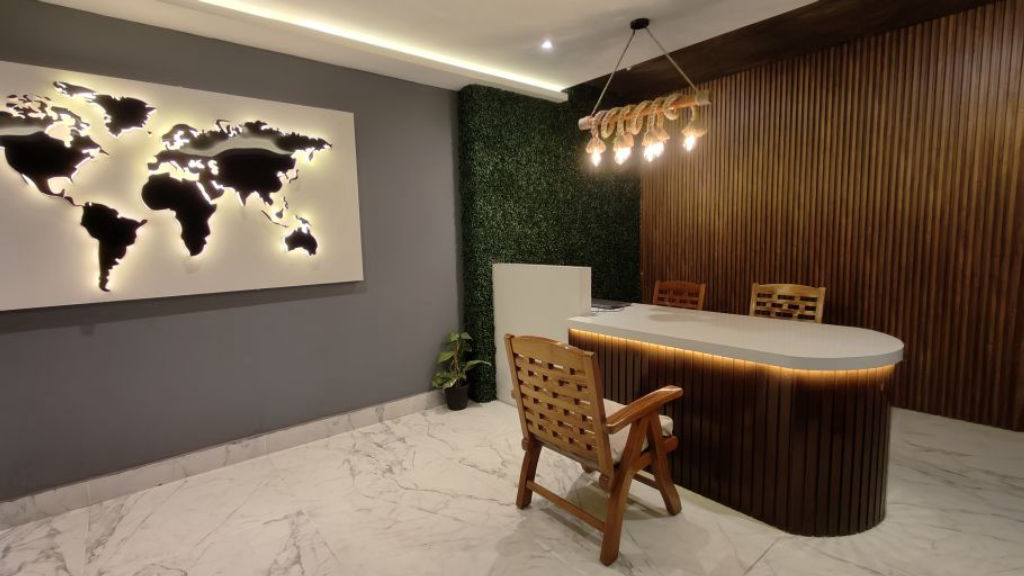
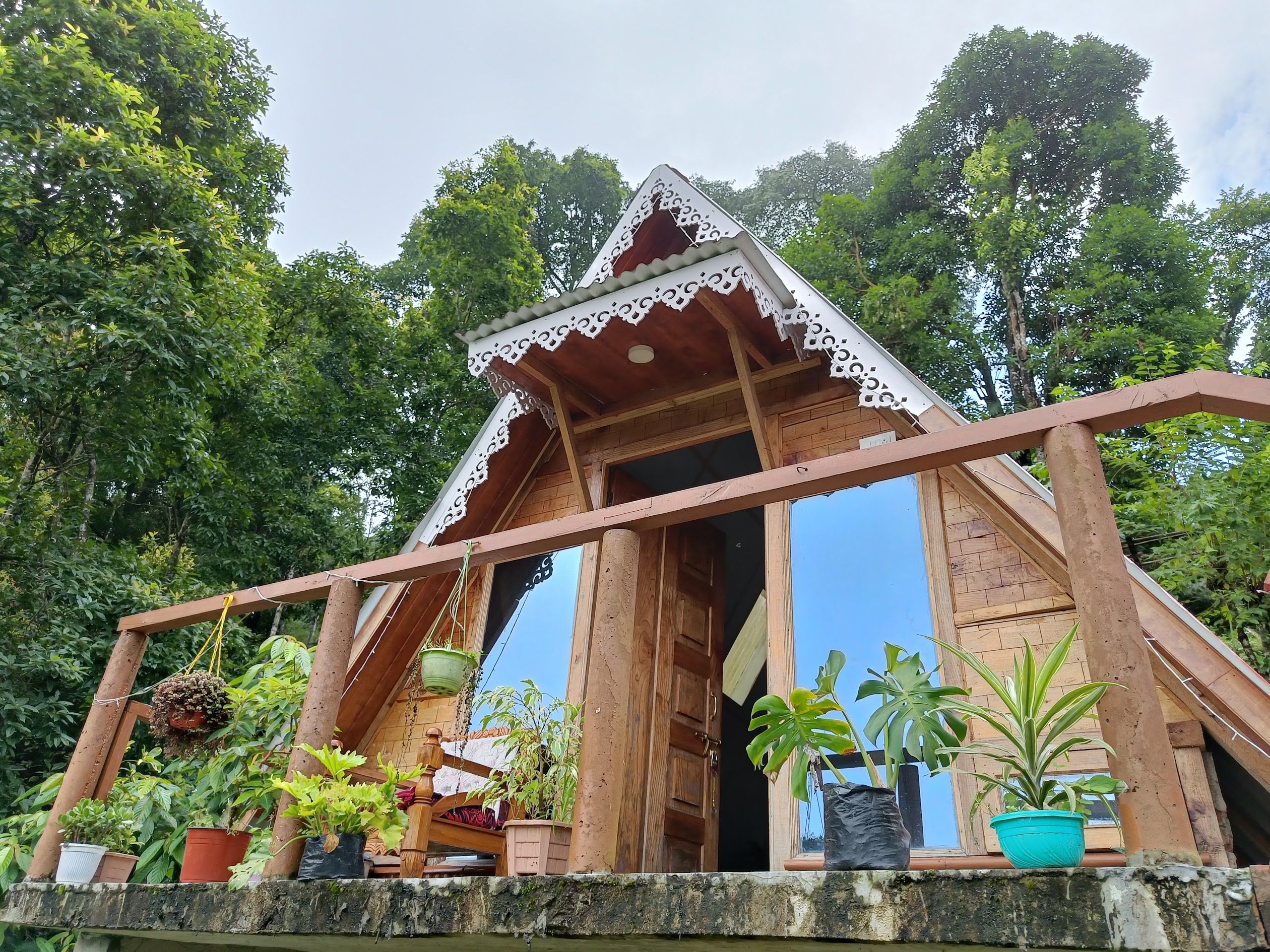
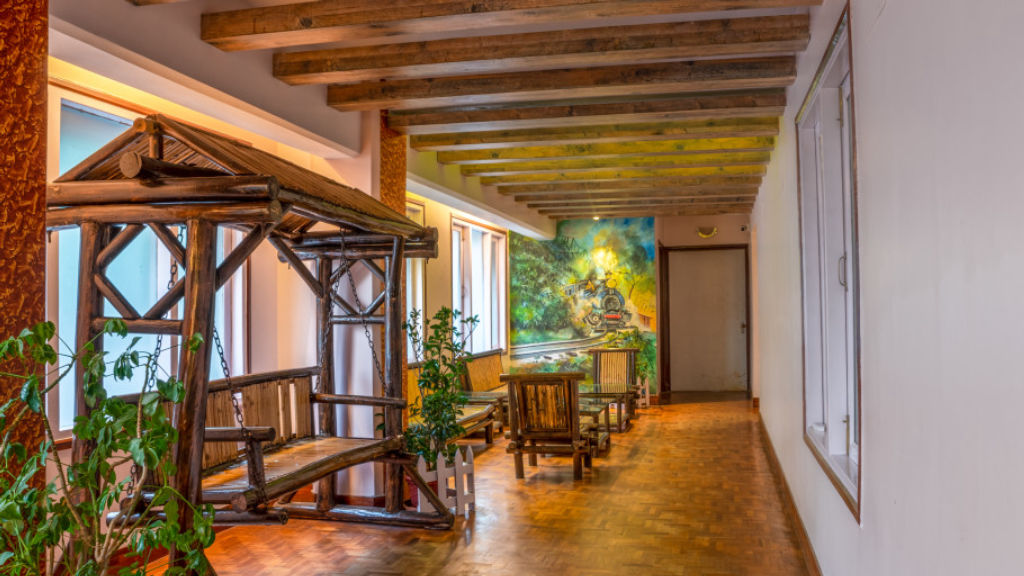
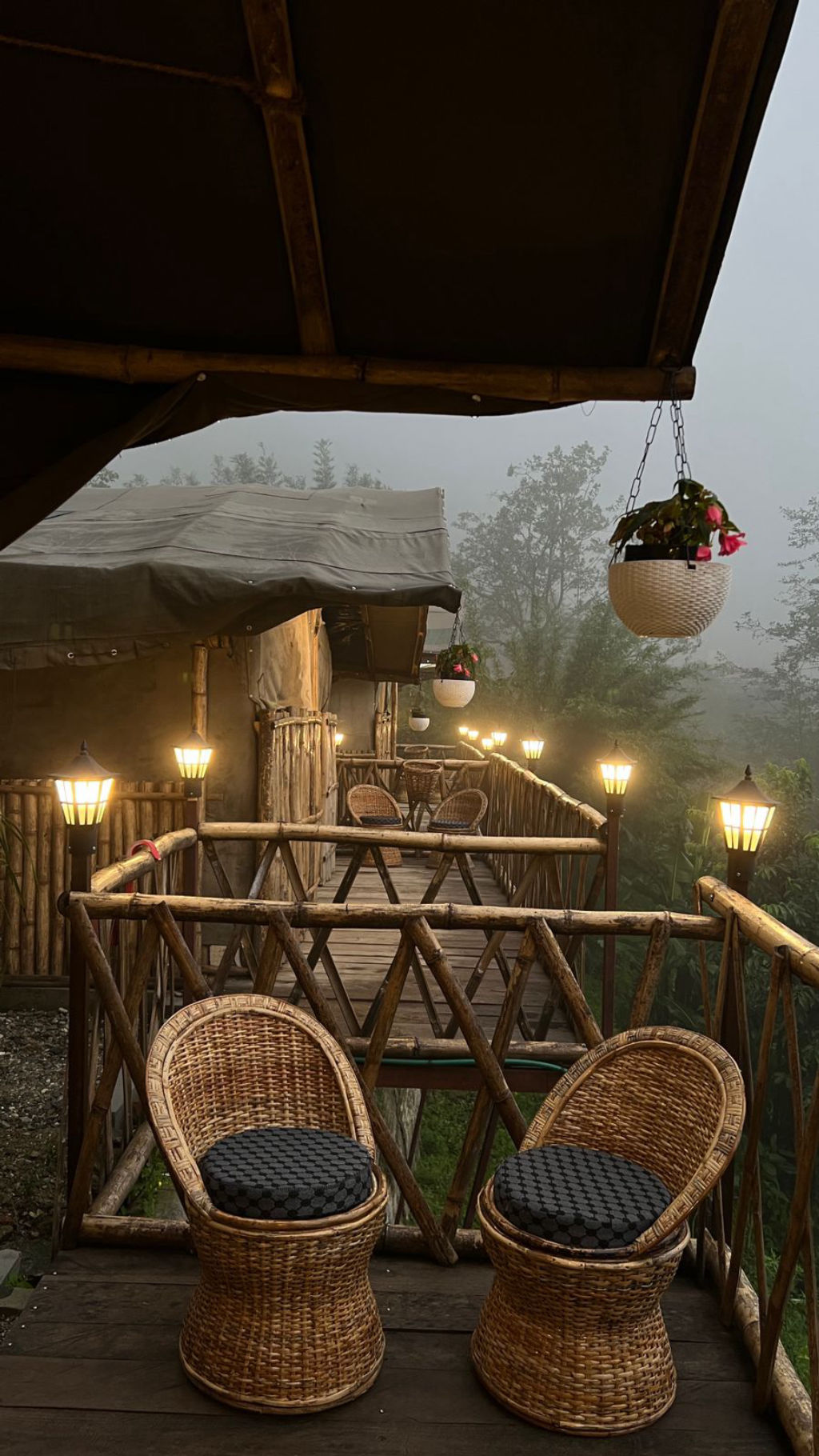

More places near Lepcha Museum
Within 20 km


Lists for this area
Ranked by how many creators recommend each place


Built from 0 Instagram posts by 0 creators. Every tip links back to the post it came from, and where creators disagree we show both sides.






