
Lutru Mahadev Temple
Temple near Arki, Himachal Pradesh
800 m from Arki
The nearest town, for stays, food and fuel.
Lutru Mahadev Temple is a historic cave shrine dedicated to Lord Shiva, perched on a steep hill overlooking the heritage town of Arki in Himachal Pradesh. The temple is famous for its natural rock formations, cavernous chambers, and the long-held tradition of devotees offering tobacco to the deity. Travellers and pilgrims visit the site to experience its quiet spiritual atmosphere and enjoy sweeping panoramic views of the surrounding Shivalik ranges.
Getting there
By road
- From ArkiNearest town1 min · 600 m
- From Chandigarh2 hr 30 min · 98 km
- From Ludhiana4 hr · 172 km
- From Dehradun4 hr 45 min · 222 km
Typical drive times without traffic. Stations and airports from OLA Maps; distances and typical drive times from OpenStreetMap (© OpenStreetMap contributors); notes from creators' Reels.
About Lutru Mahadev Temple
Written with AI from map data and general knowledge. Check prices and timings locally before you go.
History and significance of Lutru Mahadev Temple
Lutru Mahadev Temple holds deep cultural and spiritual significance for the people of the Baghal region, whose erstwhile capital was Arki. Legend has it that Lord Shiva appeared in a dream to the local ruler in the seventeenth century, directing him to the natural cave nestled high on the rugged ridge. Upon searching the hill, royal guards discovered the cavern with its naturally formed rock lingam, leading to the formal establishment of the shrine around 1643.
Unlike most traditional Hindu temples, the inner sanctum of Lutru Mahadev is formed inside a natural limestone cave. Over the centuries, stalactites and stalagmites developed within the limestone crevices, creating intriguing natural formations. The temple is also particularly well-known for an unusual ritual where devotees offer bidis and tobacco to the Shivalinga, a practice tied to local folklore and ascetic traditions that sets this mountain sanctuary apart from others in the western Himalayas.
The cave experience and temple layout
Reaching the shrine requires a short uphill ascent from the roadhead in Arki, following a paved footpath and a flight of stone stairs cut into the hill slope. As you climb, the vegetation shifts into hardy scrub and pine groves, offering open vantages over the terraced fields and heritage structures of Arki town below.
The entrance to the main cave is modest, but stepping inside reveals a sheltered natural hall cooled by the mountain rock. The cave narrows towards the rear, where the primary Shiva lingam sits illuminated by oil lamps and brass bells. Natural crevices in the cave ceiling allow light and air to filter through, casting atmospheric shadows against the rock walls. Because the ground inside can be uneven and naturally damp, visitors should watch their footing while navigating the inner passage.
Read more
Best time to visit Lutru Mahadev Temple
The temple can be visited throughout the year, but the post-monsoon and winter months from October to March offer the clearest skies and most pleasant conditions for walking uphill. During these months, the air is crisp, visibility across the valleys is at its best, and daytime temperatures remain comfortable for sightseeing around the hills of Solan.
Summer from April to June brings warm afternoons, though mornings and evenings remain temperate and breezy. The monsoon season from July to September turns the hillsides lush green, but heavy rainfall can occasionally make the stone steps slippery and hill roads prone to localized mudslides. The festival of Maha Shivratri, celebrated between February and March, sees large gatherings of devotees who come from across Himachal Pradesh to pay homage, turning the quiet ridge into a vibrant center of worship and community celebrations.
How to reach Lutru Mahadev Temple
Lutru Mahadev Temple is situated directly above Arki, a small historic town in Himachal Pradesh. Arki is well connected by road to major transport hubs in the region. The state capital, Shimla, lies roughly twenty to twenty-five kilometers to the east by road, making Arki easily accessible as a day trip from the hill station.
If you are traveling from Chandigarh or the plains, you can drive via Pinjore and Subathu or branch off from the main national highway connecting Kalka to Shimla. Regular state transport buses and private shared taxis run between Arki, Solan, and Shimla. Once in Arki town, the base of the trail leading to Lutru Mahadev is easily reached by local taxi or on foot, after which a well-marked pathway leads up to the cave entrance.
Places to explore around Arki
Visitors to Lutru Mahadev Temple can easily combine their pilgrimage with other historical and natural sights in the area. Arki is famous for the historic Arki Fort, known for its distinctive hill architecture and exquisite Kangra-style wall frescoes that offer insight into the courtly life of Baghal rulers.
Further east across the ridge, the lively city of Shimla presents classic colonial landmarks such as The Ridge and Christ Church. To the south and west, the lower hills feature historic forts like Fort Nalagarh, quiet hill vantage points near Dagshai, and the forested slopes around Kasauli. These destinations make the belt between Arki and Shimla an interesting mix of sacred shrines, heritage architecture, and gentle mountain viewpoints.
Practical tips for your visit
Because the approach to Lutru Mahadev involves climbing several flights of stone stairs, it is best to wear sturdy, comfortable walking shoes with decent grip. Modest attire suitable for a sacred space is expected, and footwear must be removed before entering the inner cave sanctum.
Carrying drinking water is recommended, especially on warmer days, as facilities on the trail itself are modest. While photography of the landscape from the temple terrace is generally welcomed, always verify locally whether photography is permitted inside the inner cave. Visiting in the early morning or around sunset gives you the dual benefit of cooler temperatures and scenic golden light across the hills of Arki.
Where to stay near Lutru Mahadev Temple
Arki has a handful of modest guesthouses and local homestays that cater to travelers seeking a quiet, unhurried stay away from bustling tourist hubs. Staying in Arki allows you to explore the cave shrine early in the morning before daytime visitor numbers pick up.
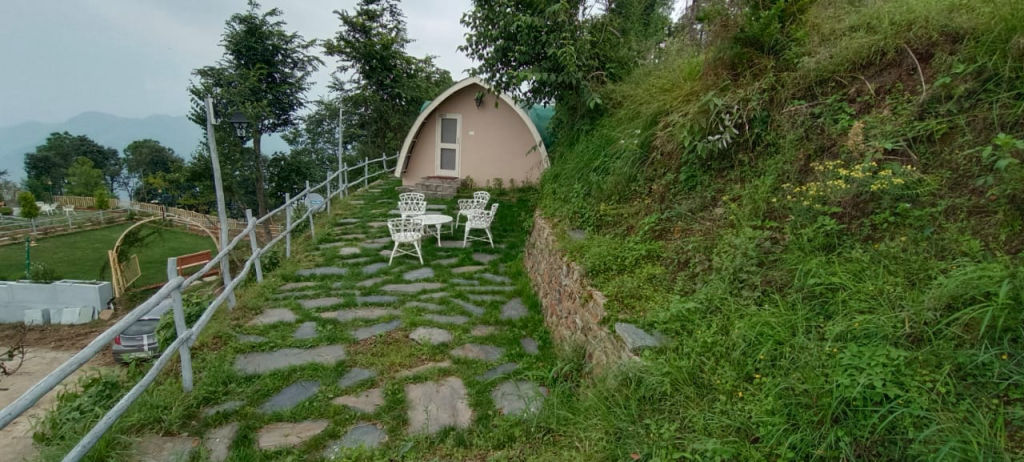
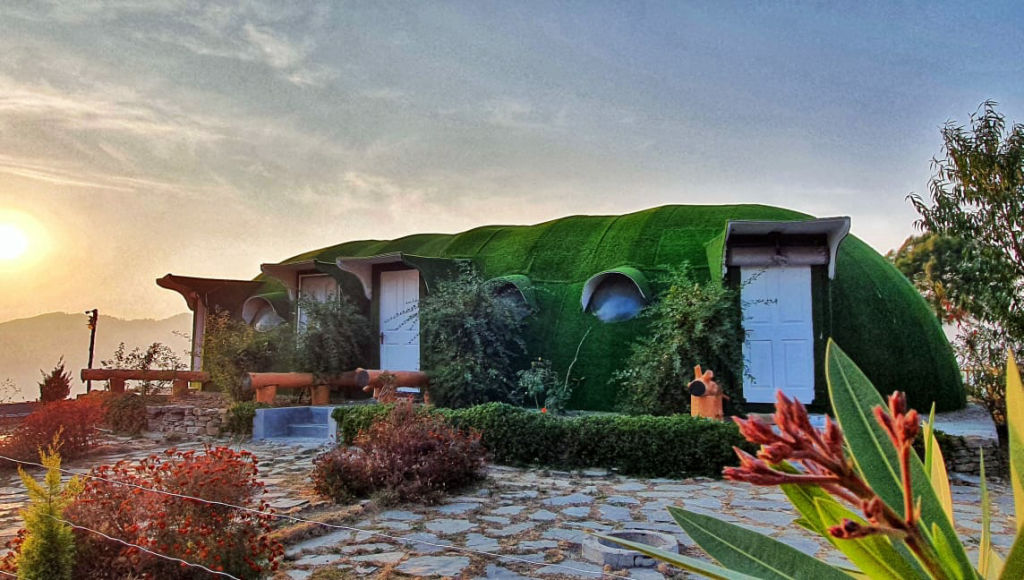
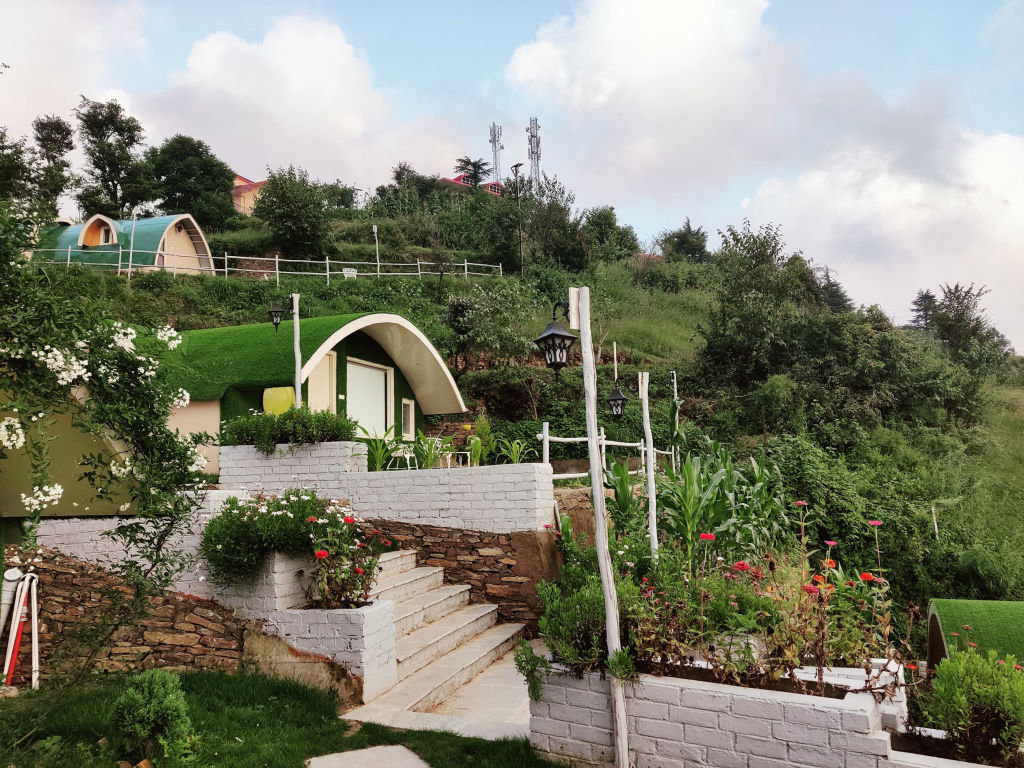
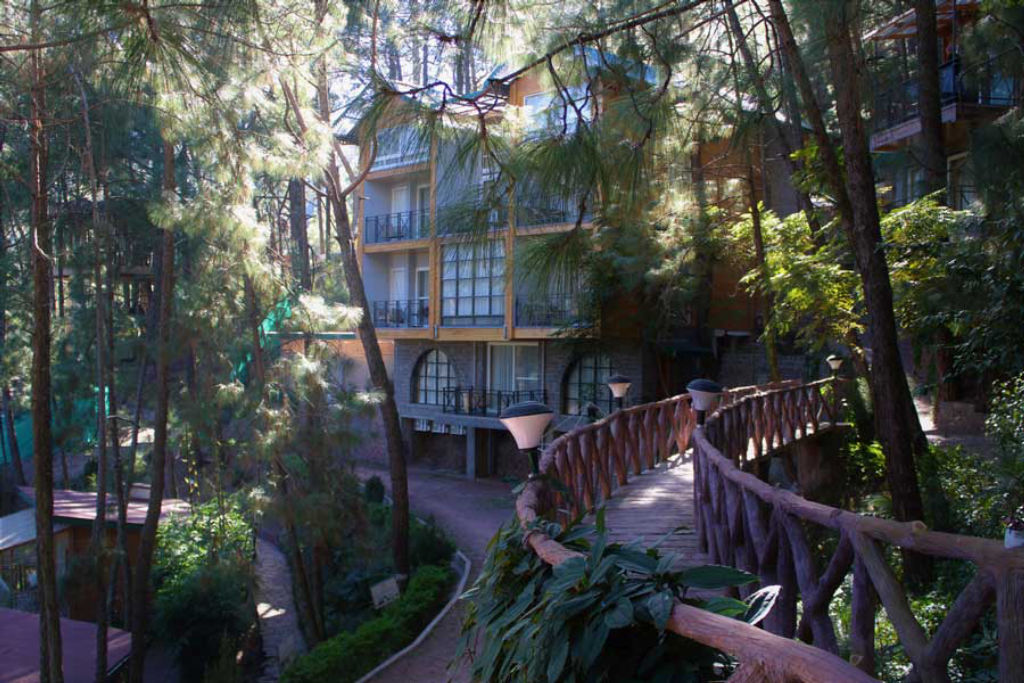
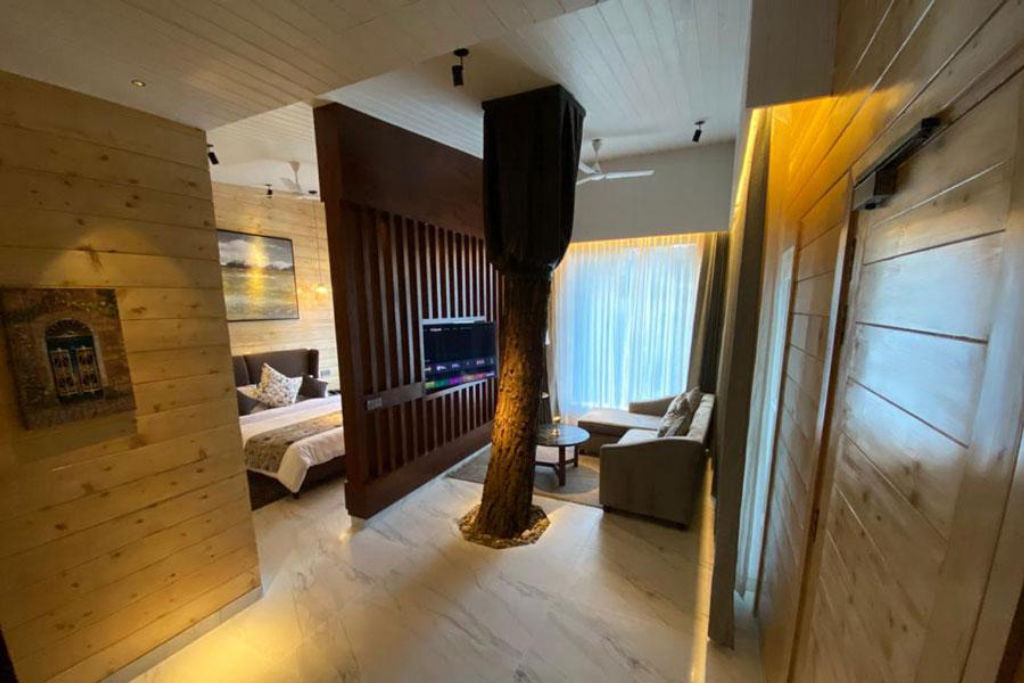
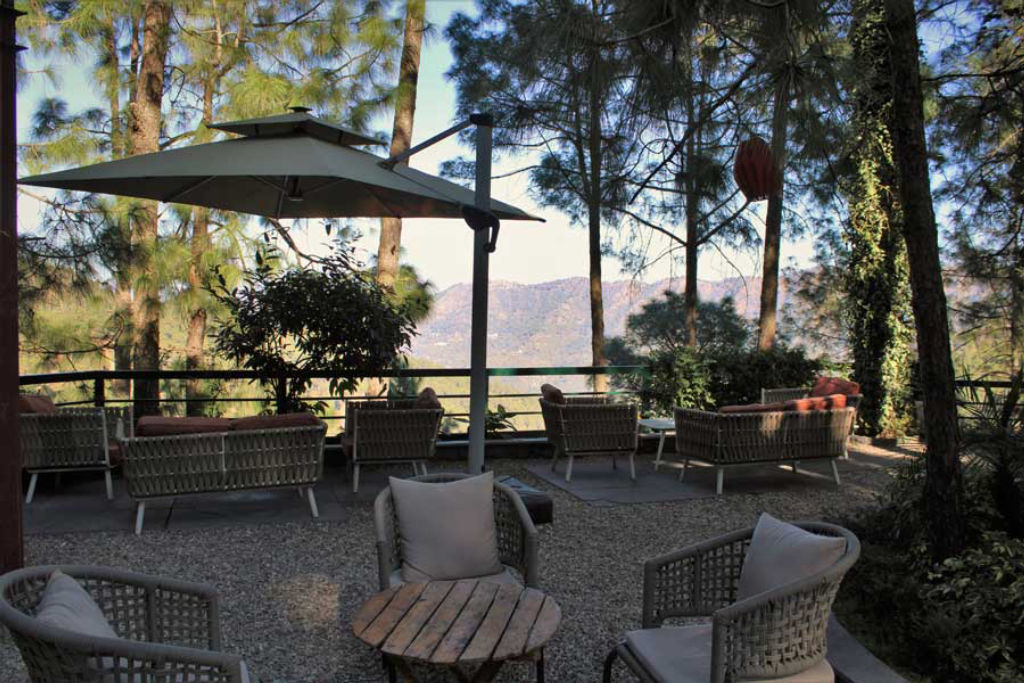
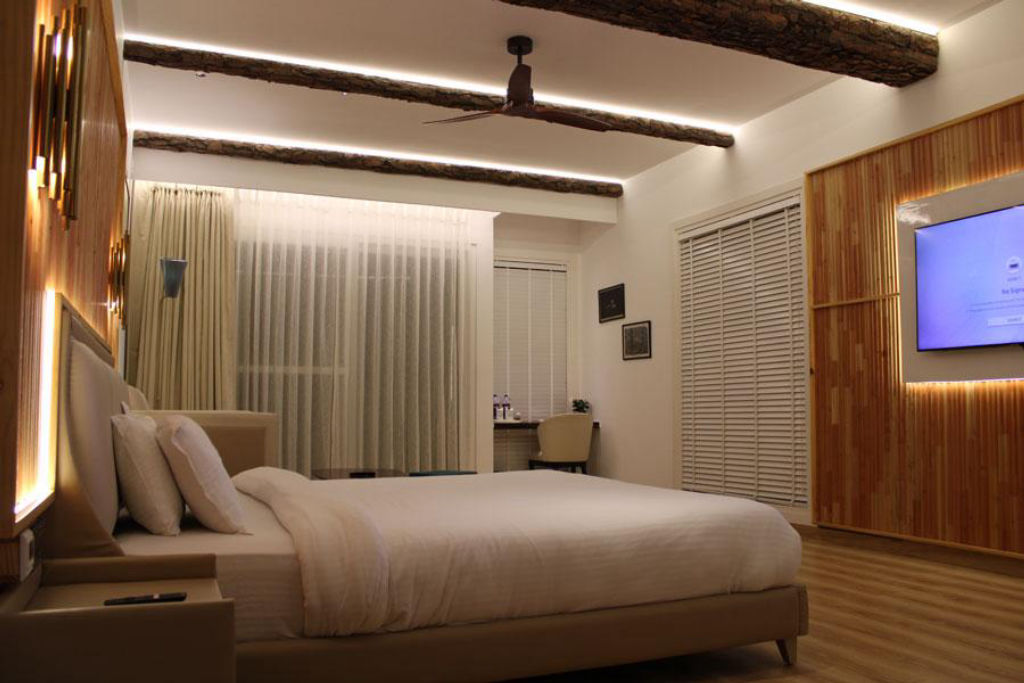
For a wider variety of accommodation options, travelers often base themselves in nearby Shimla, Solan, or the surrounding pine-clad valleys. You can find well-curated homestays, rural cottages, and experiential riverside camps in the region on HireACamp to suit your travel style.
Frequently asked questions
Where is Lutru Mahadev Temple located?
Lutru Mahadev Temple is located on a hill overlooking the heritage town of Arki in the Solan district of Himachal Pradesh, approximately twenty-one kilometers west of Shimla.
What is unique about Lutru Mahadev Temple?
The temple is housed within a natural limestone cave and is renowned for an age-old tradition where devotees offer tobacco and bidis to the deity alongside standard worship rituals.
Is there a trek involved to reach the temple?
The temple requires climbing a designated stairway and paved uphill path from the base in Arki town, which takes roughly fifteen to twenty minutes of steady walking.
When is the best time to visit Lutru Mahadev?
The best time to visit is from October to April, when the weather is cool and clear, with Maha Shivratri being the most festive time to experience local traditions.
Can I visit Lutru Mahadev on a day trip from Shimla?
Yes, because Arki is located just over twenty kilometers from Shimla, Lutru Mahadev can easily be visited as a half-day or full-day excursion.
Where you'll be
Arki · 12 stays nearby shown with prices
Stays near Lutru Mahadev Temple
Book a place to stay close by
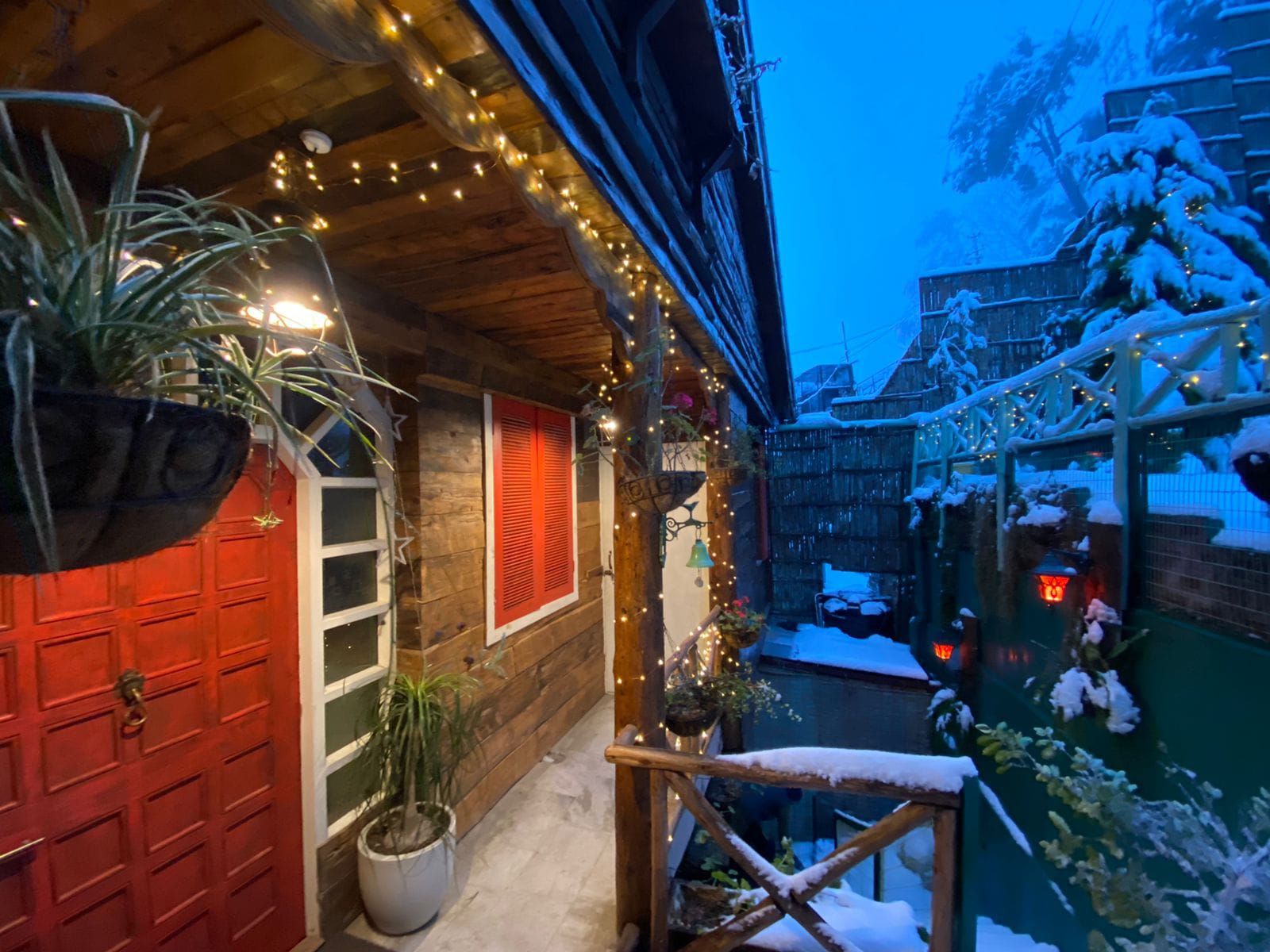
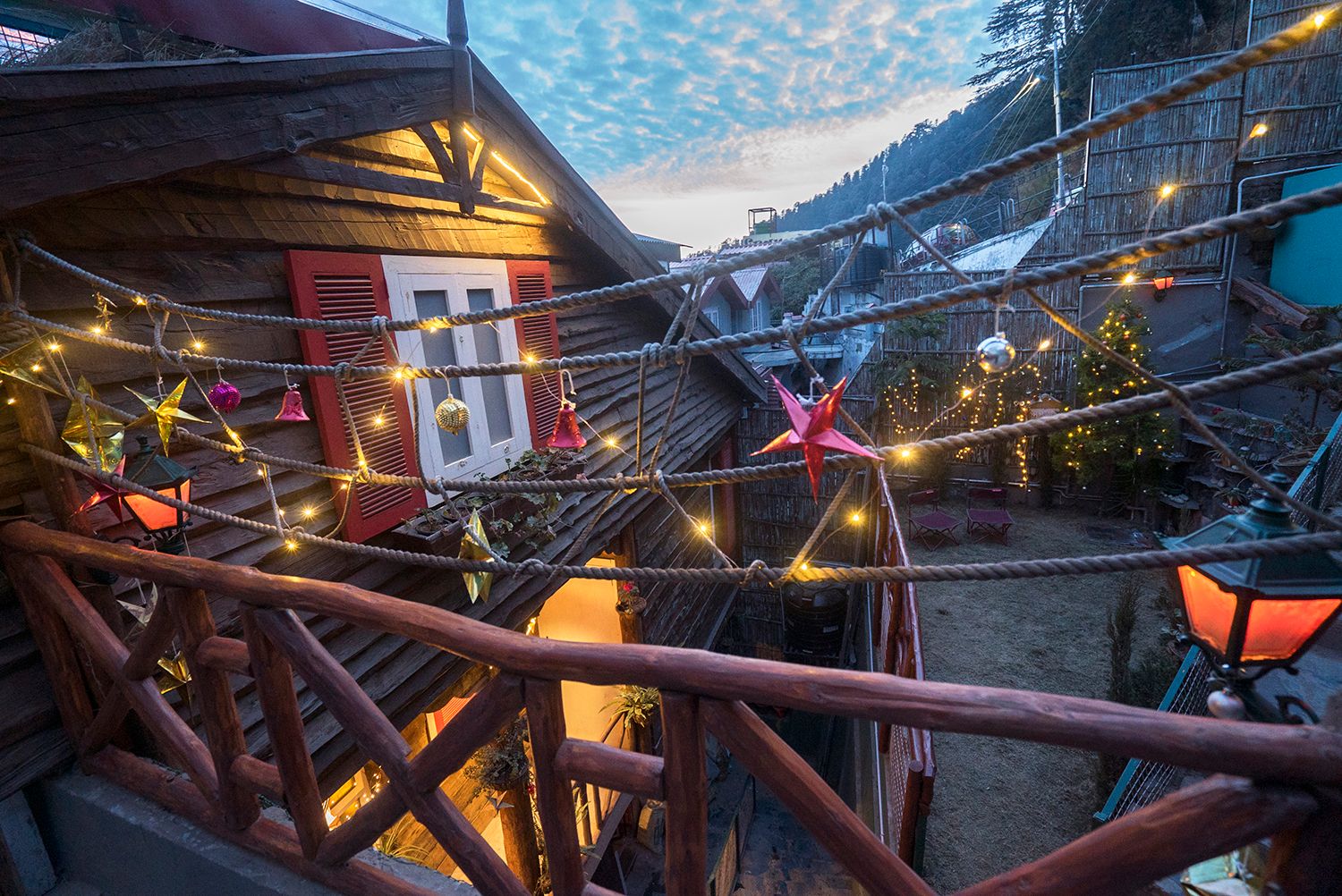
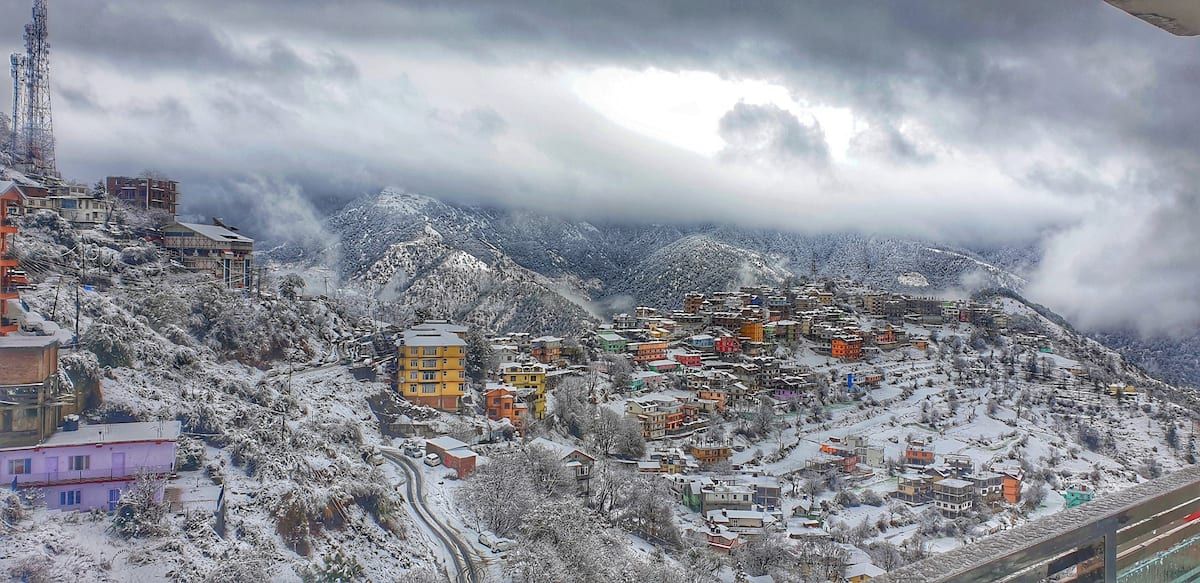
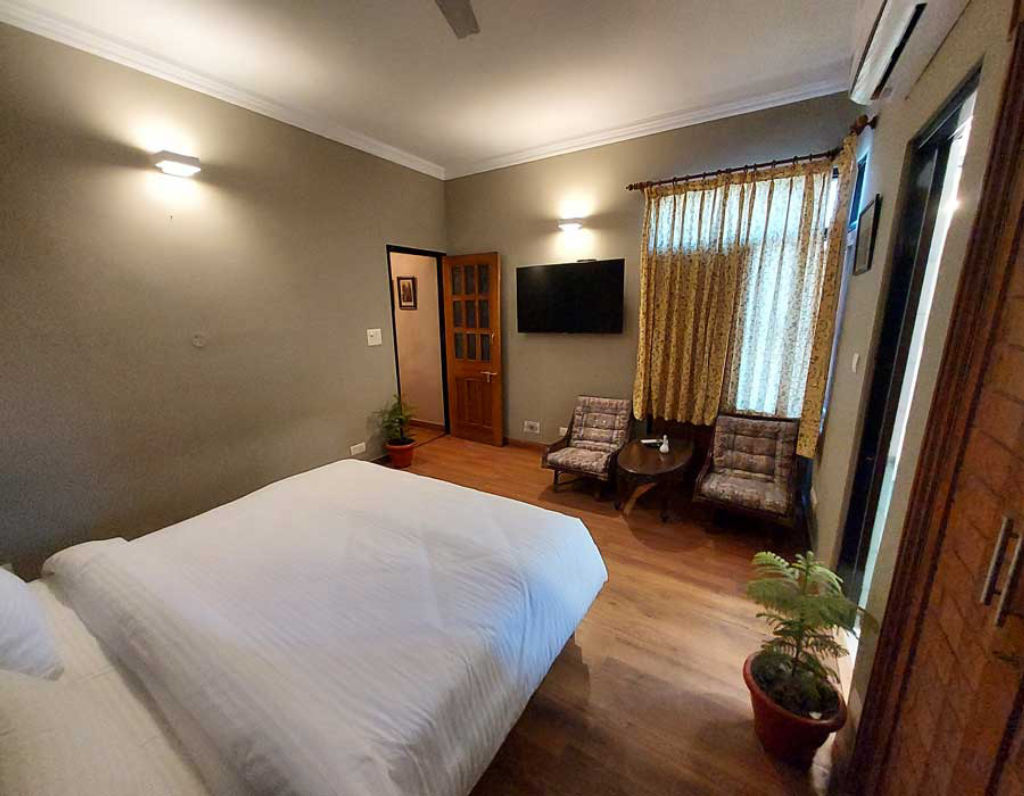
More places near Lutru Mahadev Temple
Within 20 km


Lists for this area
Ranked by how many creators recommend each place


Built from 0 Instagram posts by 0 creators. Every tip links back to the post it came from, and where creators disagree we show both sides.






